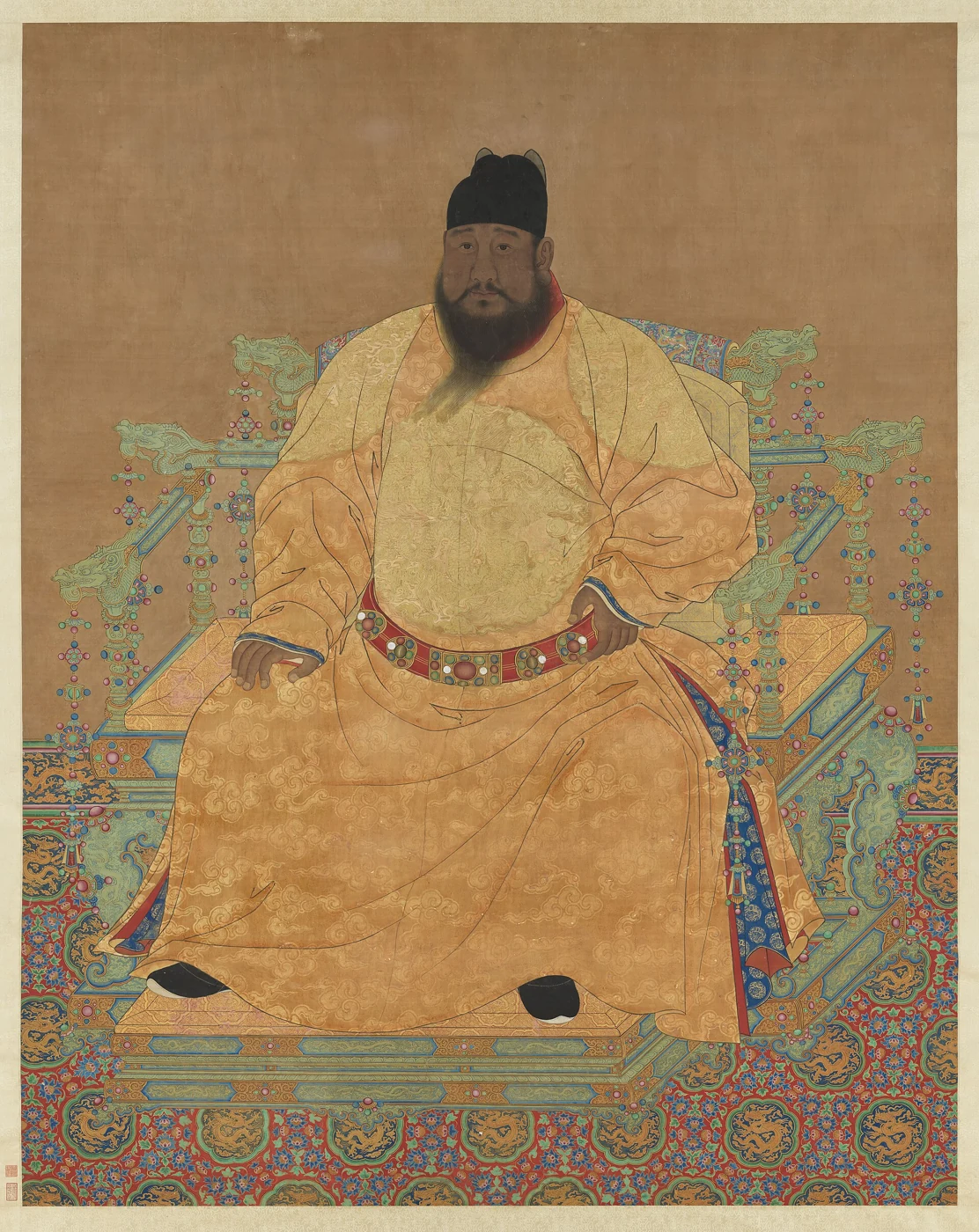
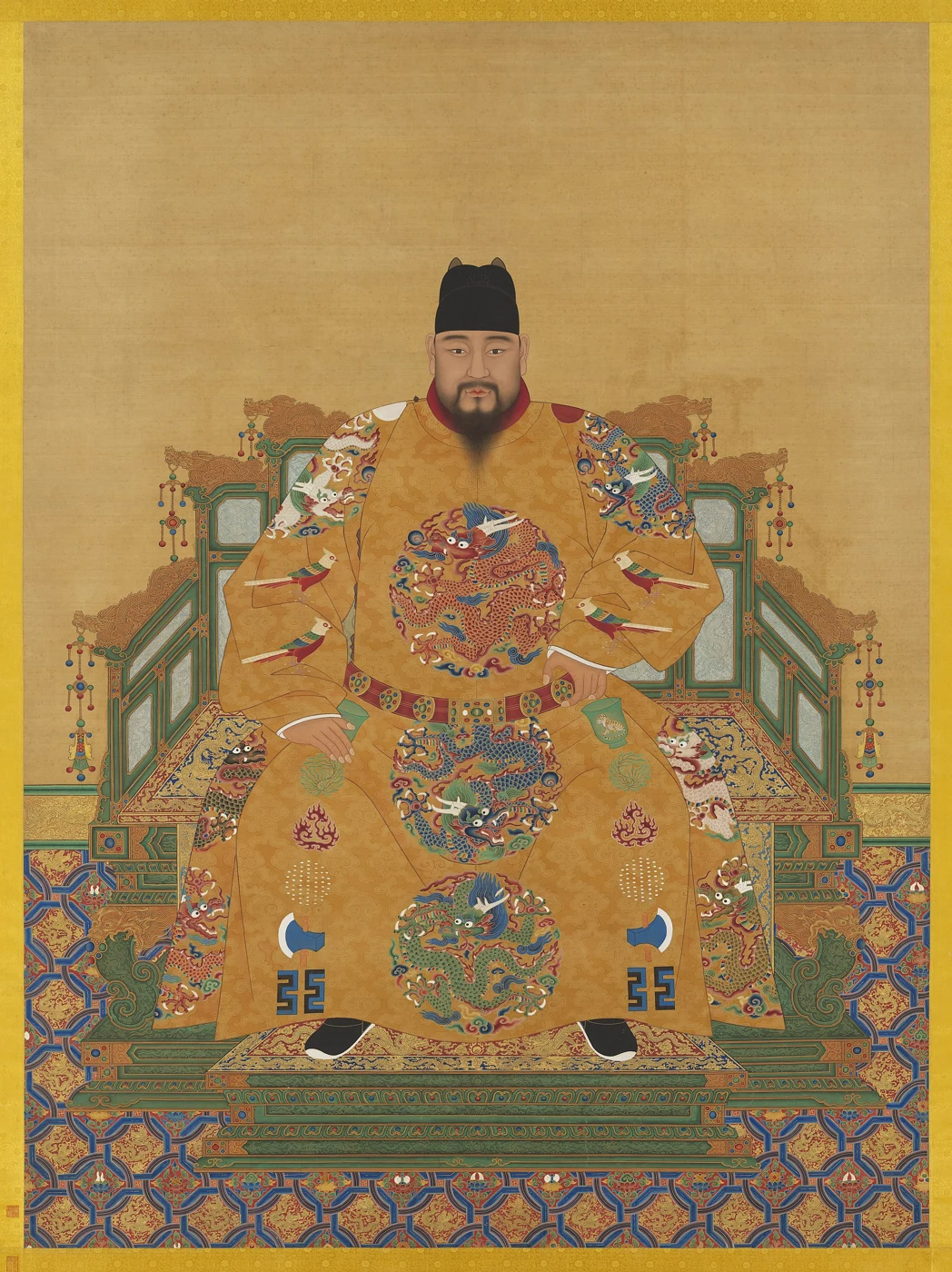
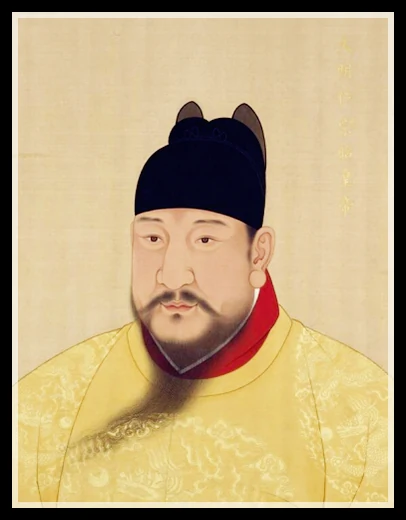
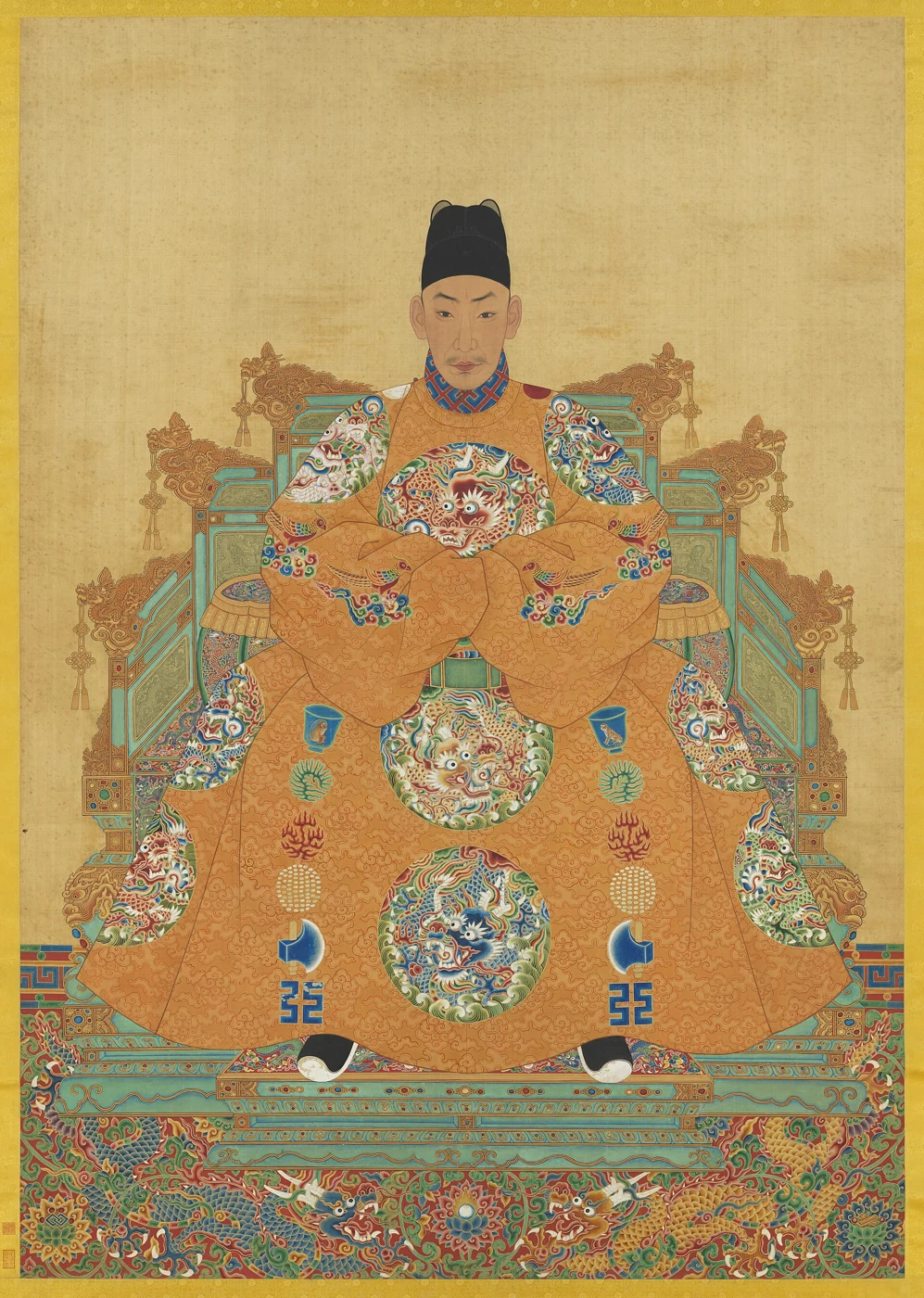
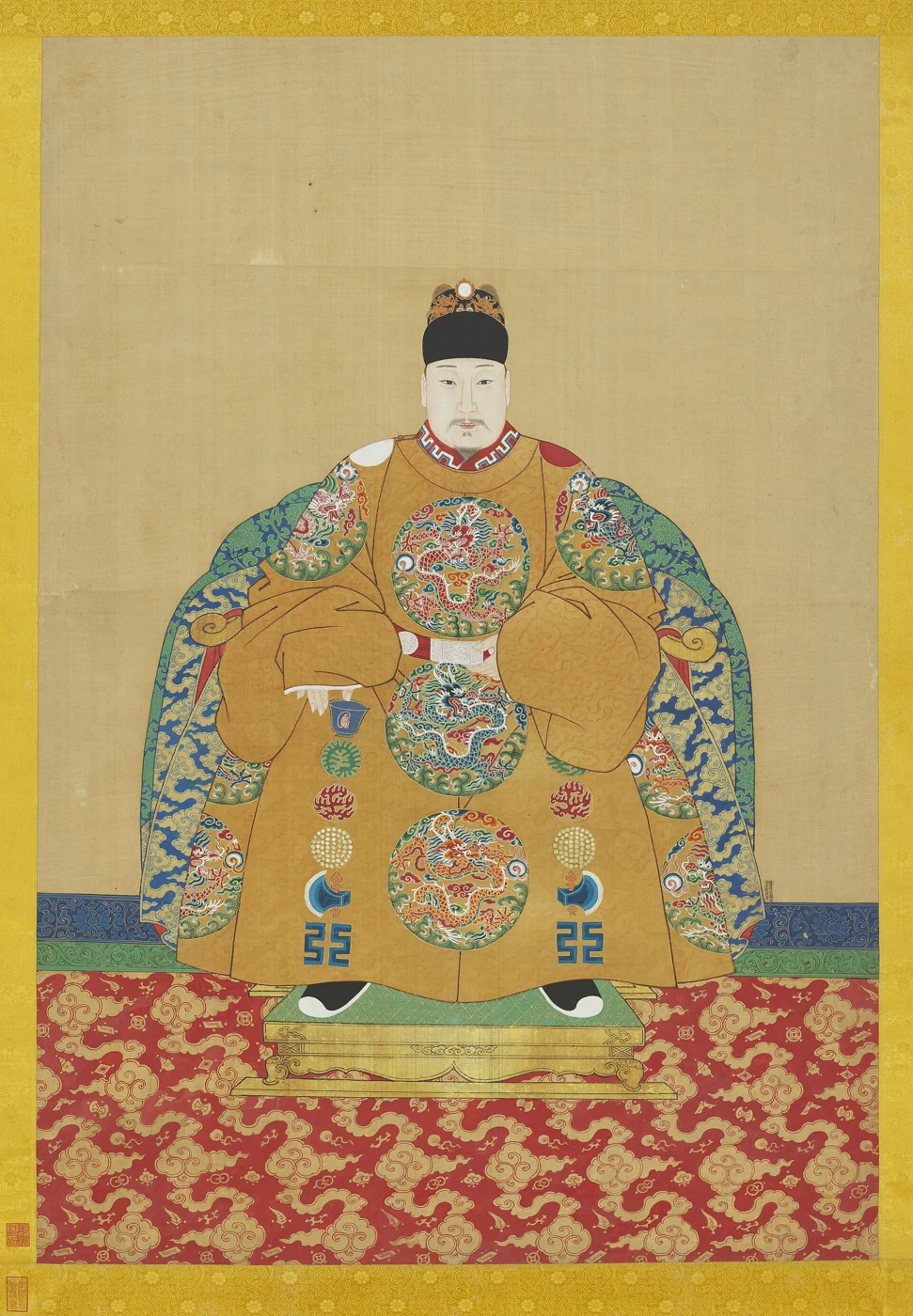
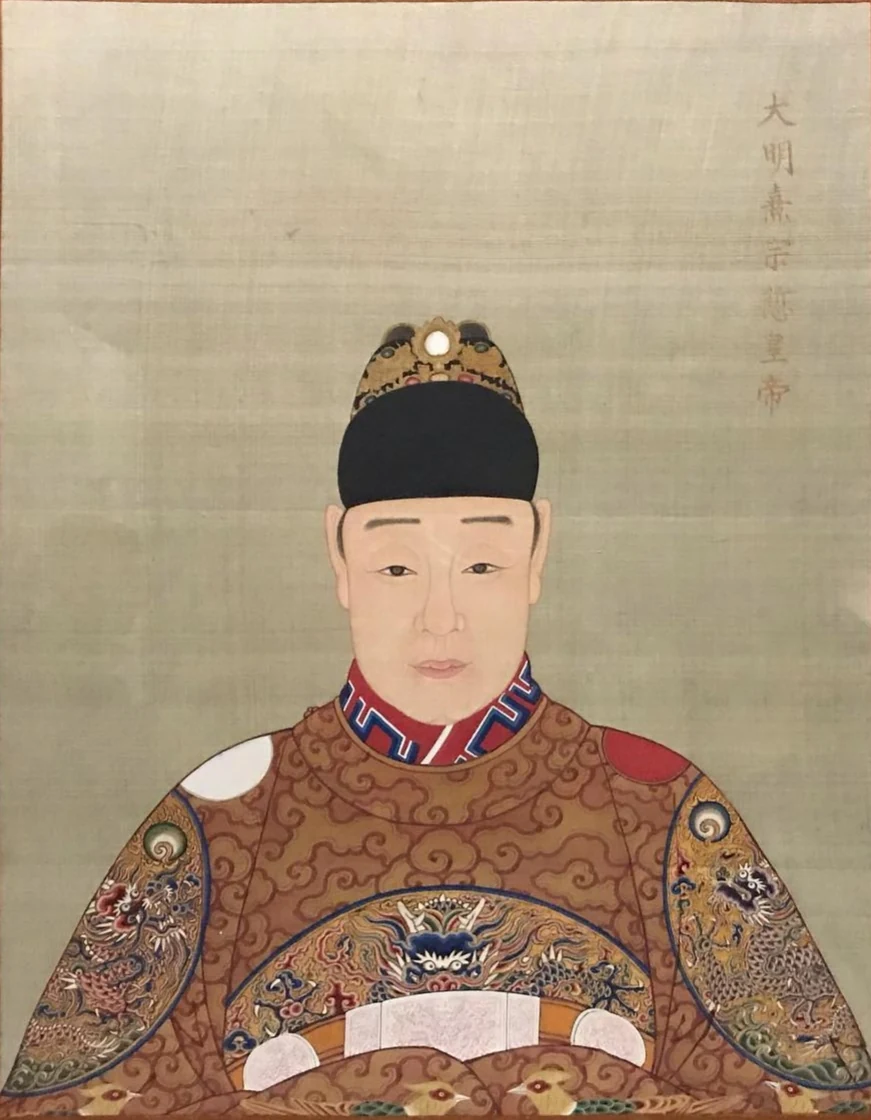
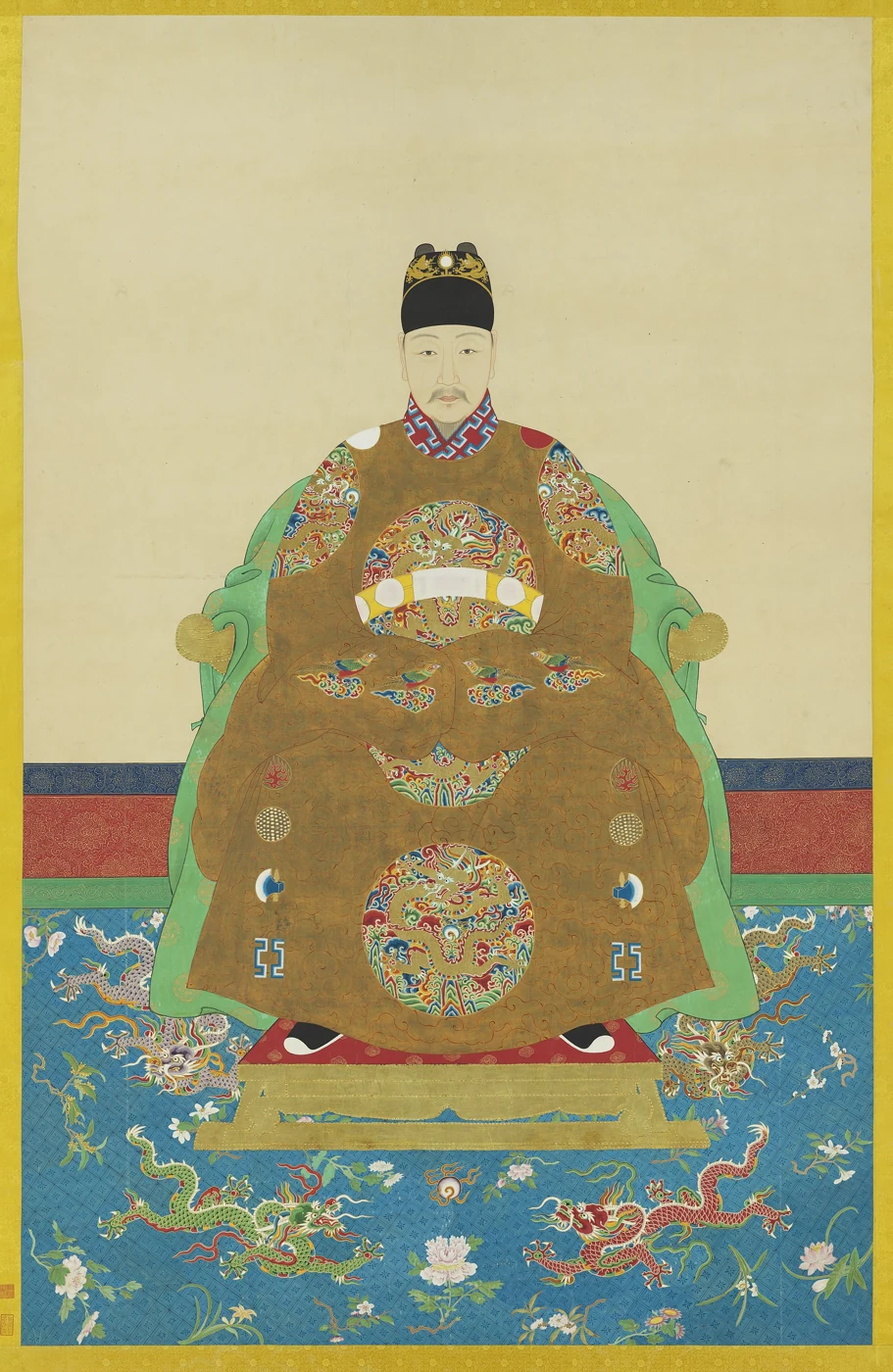
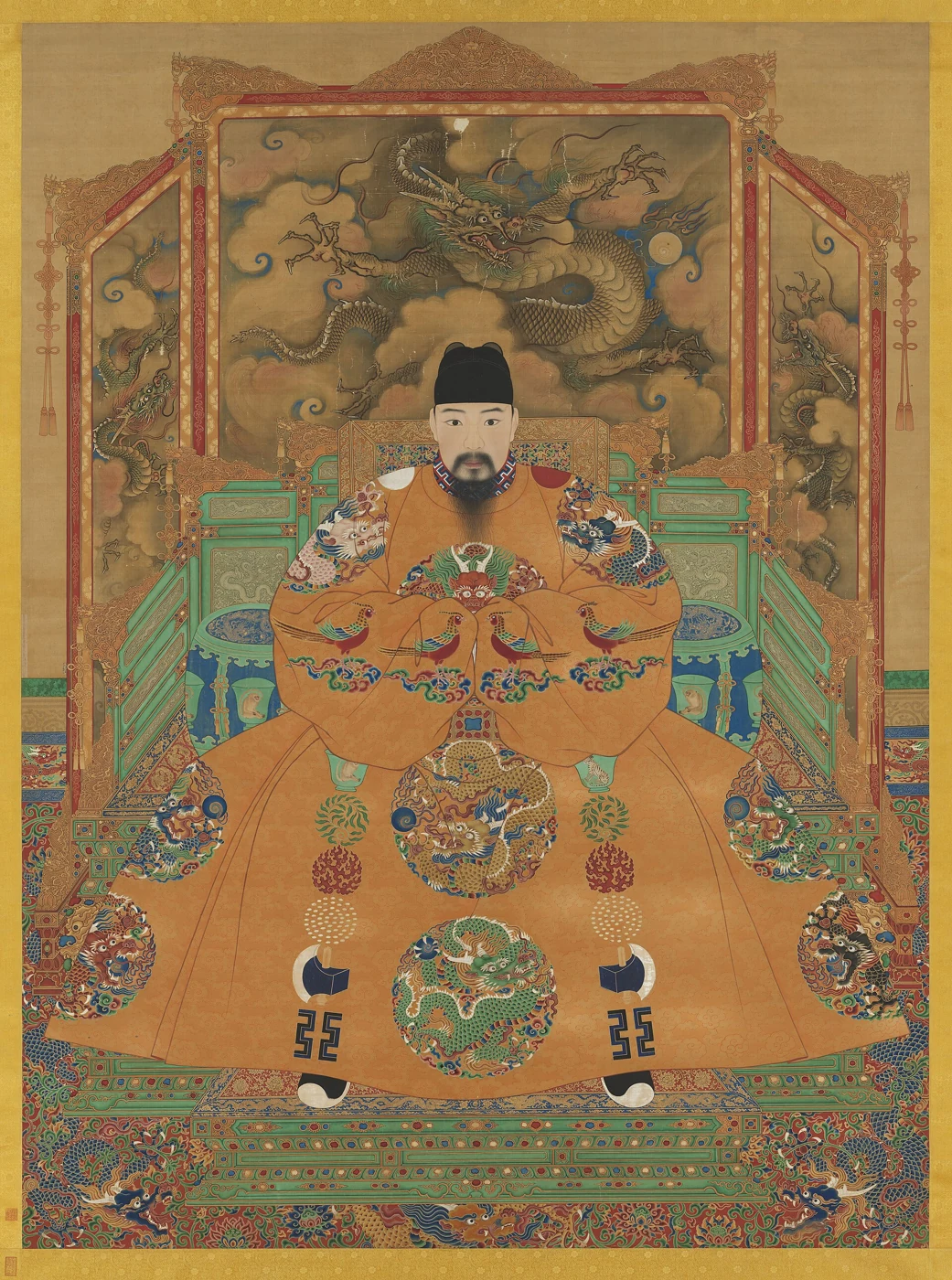
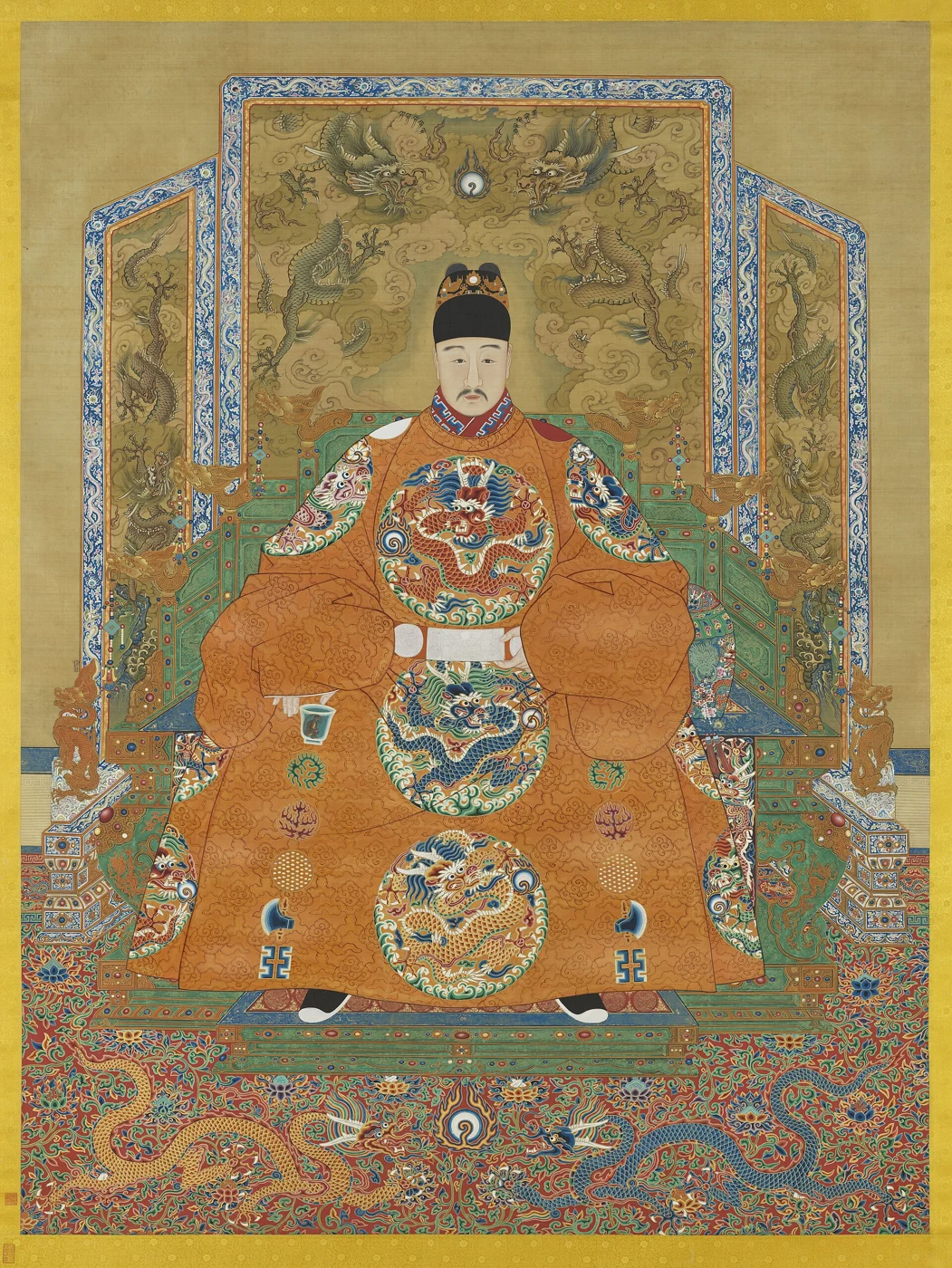
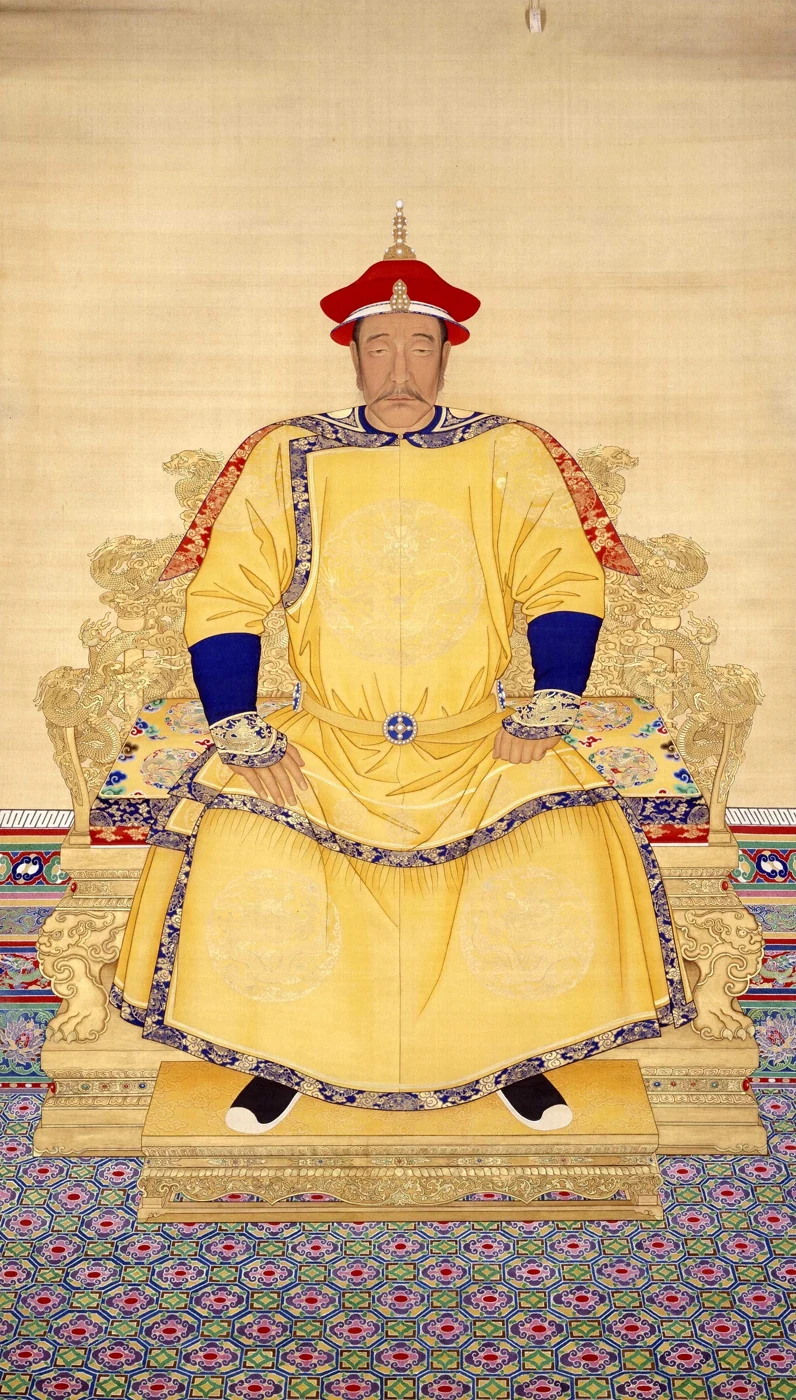
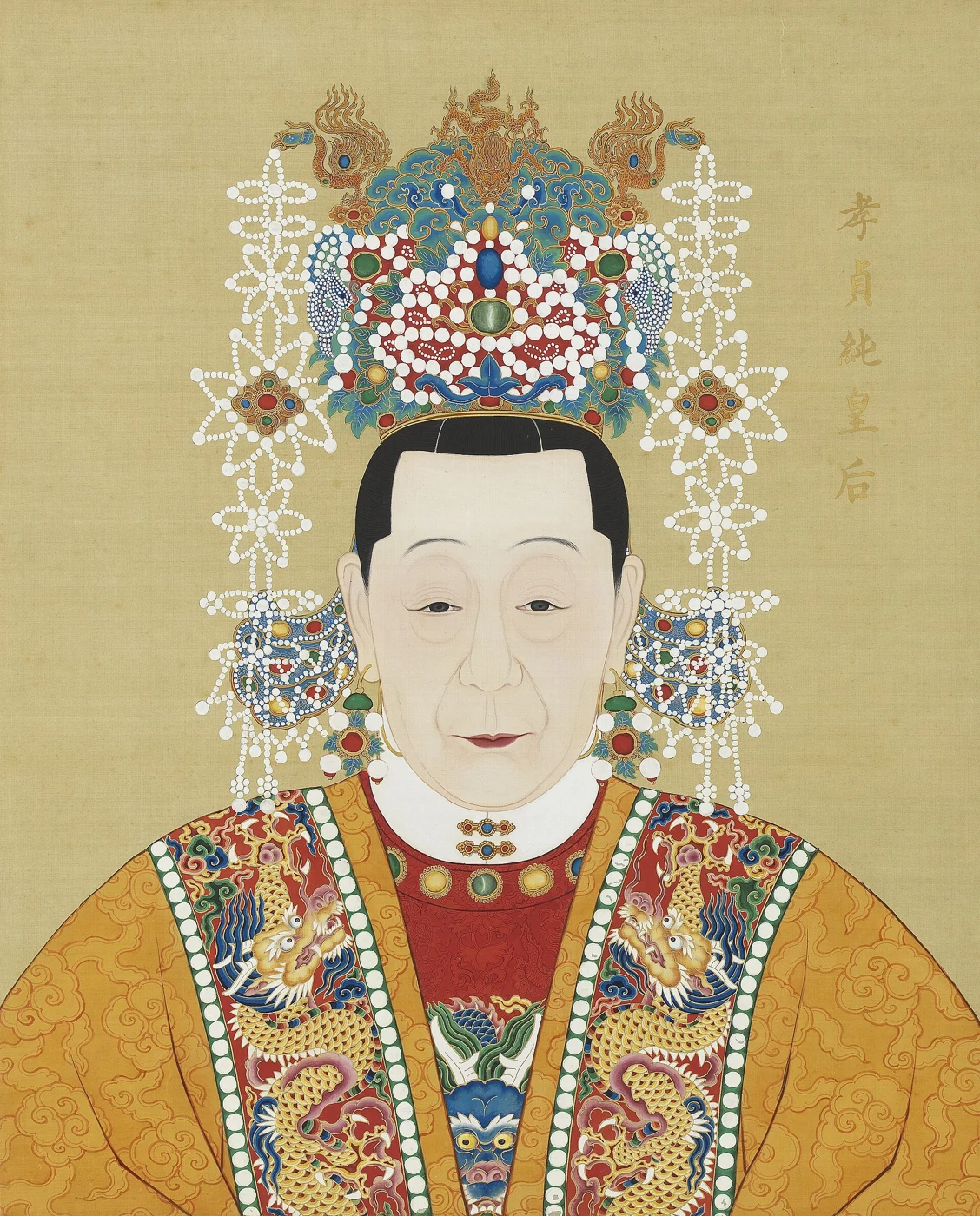
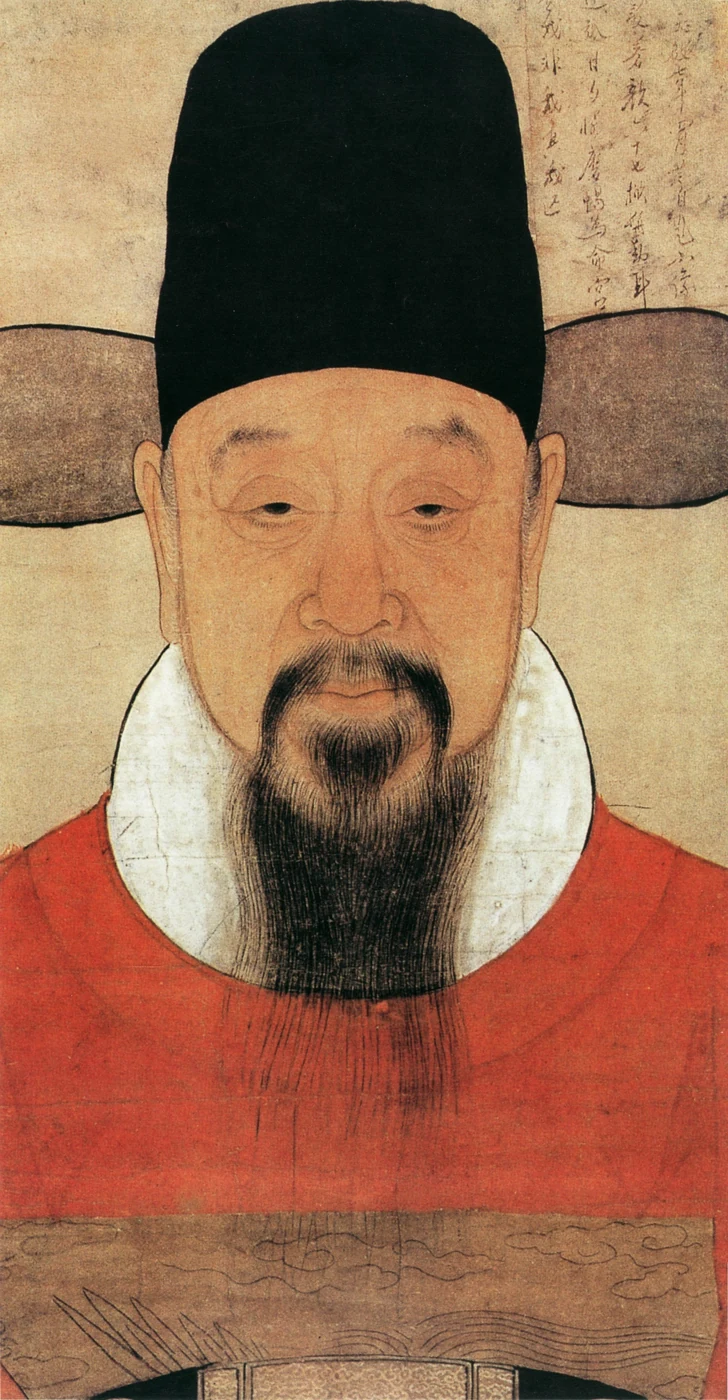
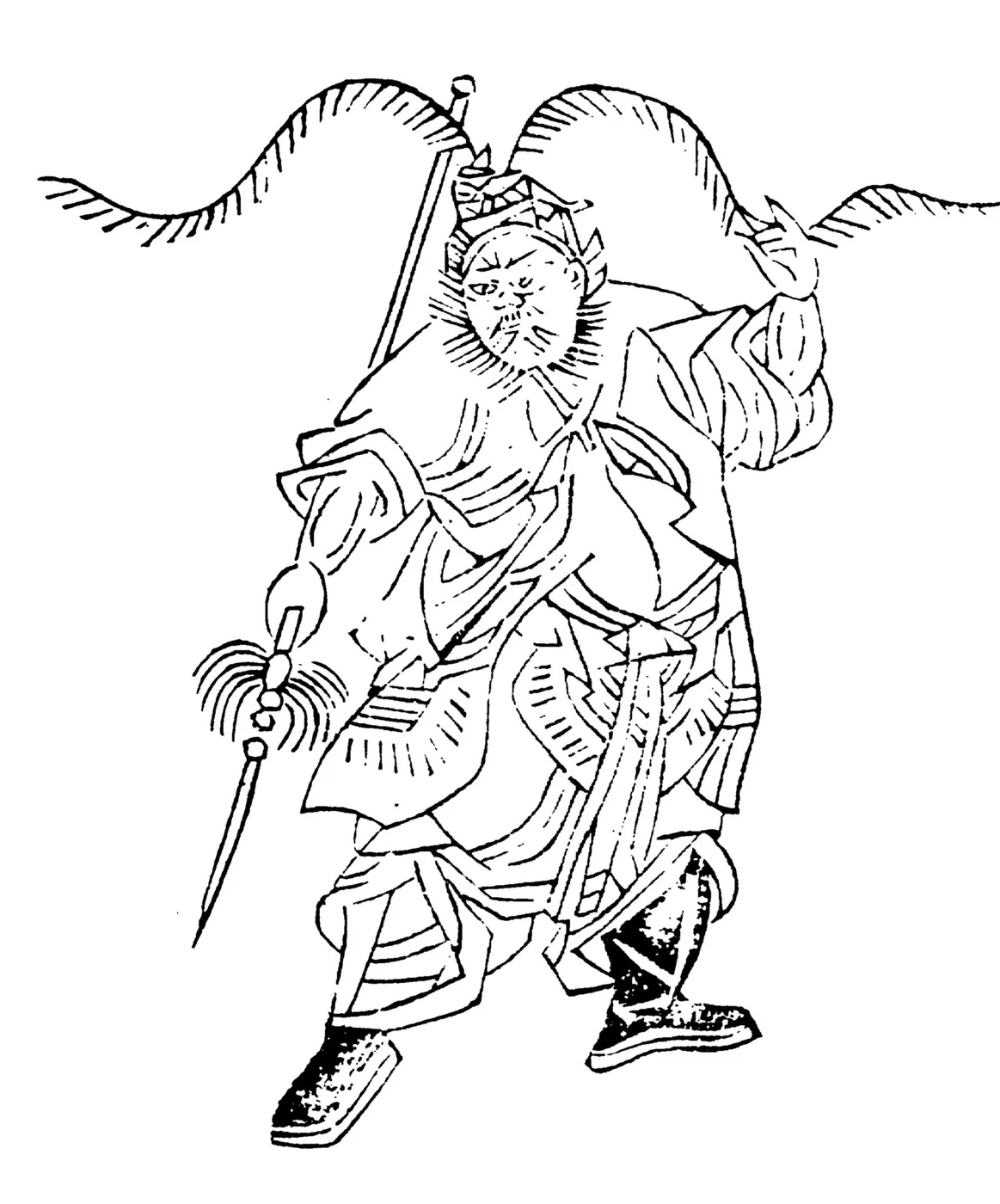
The Ming Dynasty (1368–1644), founded by Emperor Taizu of Ming, Zhu Yuanzhang, was a unified Han Chinese polity that ended the fragmentation of the late Yuan period. The dynasty initially established its capital at Nanjing and later moved the capital to Beijing under the Yongle Emperor, producing the arrangement commonly described as the "two capitals and thirteen provinces." The dynasty lasted for nearly three centuries. In its early and middle periods it was powerful, with relatively stable…
1368 CE–1644 CECapital · Nanjing / Beijing
ERA OVERVIEW
The Ming Dynasty (1368–1644), founded by Emperor Taizu of Ming, Zhu Yuanzhang, was a unified Han Chinese polity that ended the fragmentation of the late Yuan period. The dynasty initially established its capital at Nanjing and later moved the capital to Beijing under the Yongle Emperor, producing the arrangement commonly described as the "two capitals and thirteen provinces." The dynasty lasted for nearly three centuries. In its early and middle periods it was powerful, with relatively stable and prosperous phases under the Hongwu and Yongle reigns and during the relatively stable and prosperous Hongxi and Xuande reigns. After the Tumu Crisis, however, the dynasty gradually weakened. Eunuch dominance, intense factional conflict, fiscal difficulties, and large-scale peasant rebellions contributed to late Ming instability. In 1644, Li Zicheng's forces entered Beijing and the Chongzhen Emperor hanged himself, ending the central Ming regime. Qing forces then entered through Shanhai Pass and gradually established the successor polity. The Ming had wide influence in its own time, was known overseas as the "Ming dynasty," and left a substantial institutional and cultural legacy.
Time span1368 CE–1644 CE
CapitalNanjing / Beijing
ERA TIMELINE
Zhu Yuanzhang proclaimed himself emperOpen
Zhu Yuanzhang proclaimed himself emperor and established the Ming Dynasty.
After the Case of Hu Weiyong, the SecrOpen
After the Case of Hu Weiyong, the Secretariat and the office of Grand Councilor were abolished.
The Jingnan Campaign began.Open
The Jingnan Campaign began.
The Yongle Emperor moved the capital tOpen
The Yongle Emperor moved the capital to Beijing.
The Tumu Crisis occurred.Open
The Tumu Crisis occurred.
Emperor Shizong of Ming took the thronOpen
Emperor Shizong of Ming took the throne and the Jiajing political era began.
The Longqing opening adjusted overseasOpen
The Longqing opening adjusted overseas trade policy.
Zhang Juzheng took charge of governmenOpen
Zhang Juzheng took charge of government and began reform measures.
Later Jin rose and warfare in LiaodongOpen
Later Jin rose and warfare in Liaodong expanded.
The Chongzhen Emperor took the throne Open
The Chongzhen Emperor took the throne amid mounting internal and external crises.
Li Zicheng's army entered Beijing and Open
Li Zicheng's army entered Beijing and the Ming central government collapsed.
FULL ENTRY
Overview
The Ming Dynasty (1368–1644), founded by Emperor Taizu of Ming, Zhu Yuanzhang, was a unified Han Chinese polity that ended the fragmentation of the late Yuan period. The dynasty initially established its capital at Nanjing and later moved the capital to Beijing under the Yongle Emperor, producing the arrangement commonly described as the "two capitals and thirteen provinces." The dynasty lasted for nearly three centuries. In its early and middle periods it was powerful, with relatively stable and prosperous phases under the Hongwu and Yongle reigns and during the relatively stable and prosperous Hongxi and Xuande reigns. After the Tumu Crisis, however, the dynasty gradually weakened. Eunuch dominance, intense factional conflict, fiscal difficulties, and large-scale peasant rebellions contributed to late Ming instability. In 1644, Li Zicheng's forces entered Beijing and the Chongzhen Emperor hanged himself, ending the central Ming regime. Qing forces then entered through Shanhai Pass and gradually established the successor polity. The Ming had wide influence in its own time, was known overseas as the "Ming dynasty," and left a substantial institutional and cultural legacy.
Historical Development
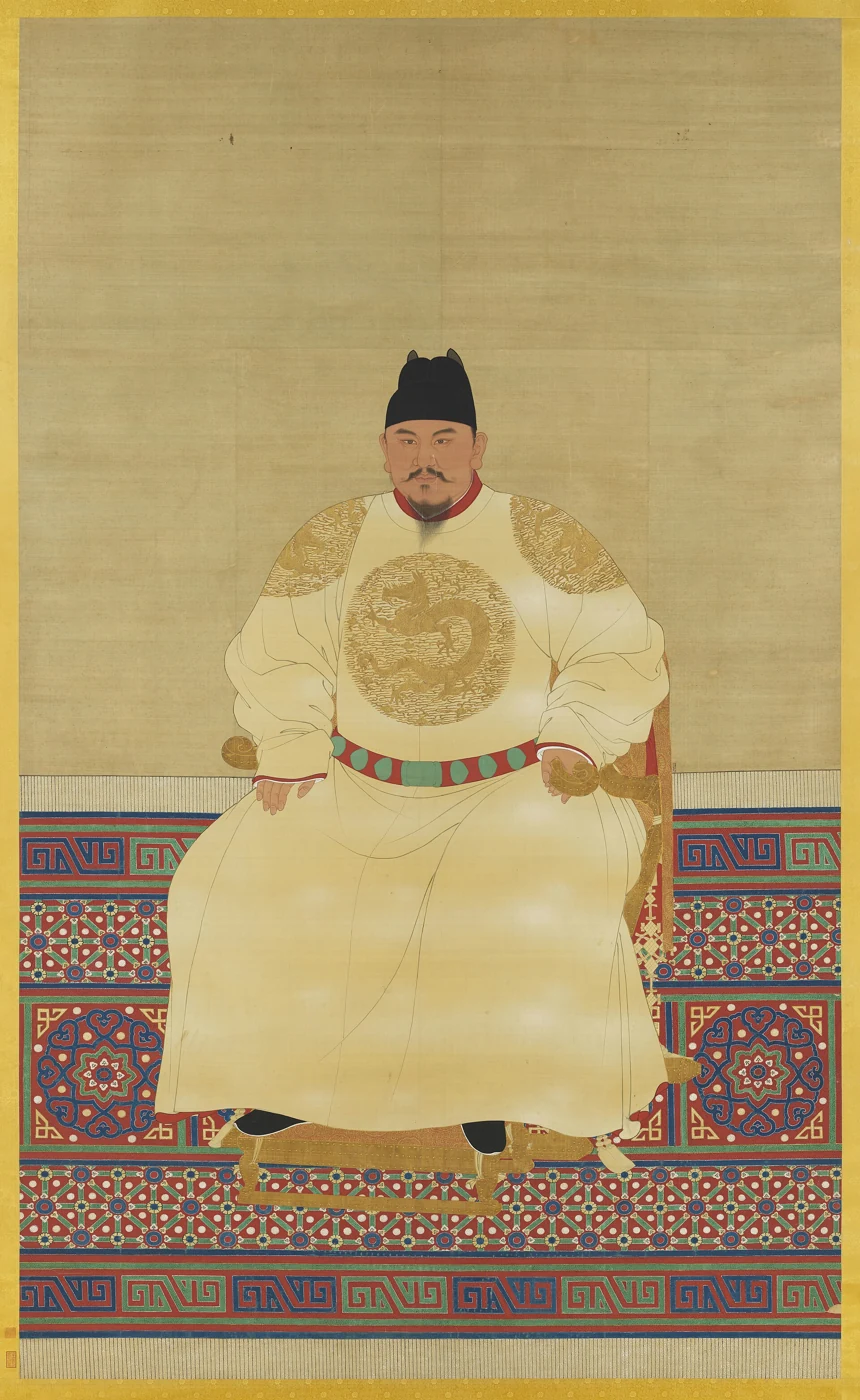
Establishment: During the late Yuan, the Red Turban Rebellions spread widely. Zhu Yuanzhang first joined the forces of Guo Zixing and later crossed the Yangzi to occupy Jiqing (present-day Nanjing). He successively defeated Chen Youliang, Zhang Shicheng, Fang Guozhen, and other rivals. In 1368 (first year of Hongwu), Zhu Yuanzhang proclaimed himself emperor and adopted the state name Ming. He then ordered Xu Da and Chang Yuchun to campaign north, capture Dadu, and force the Yuan court northward, thereby largely unifying the Central Plains under the Ming.
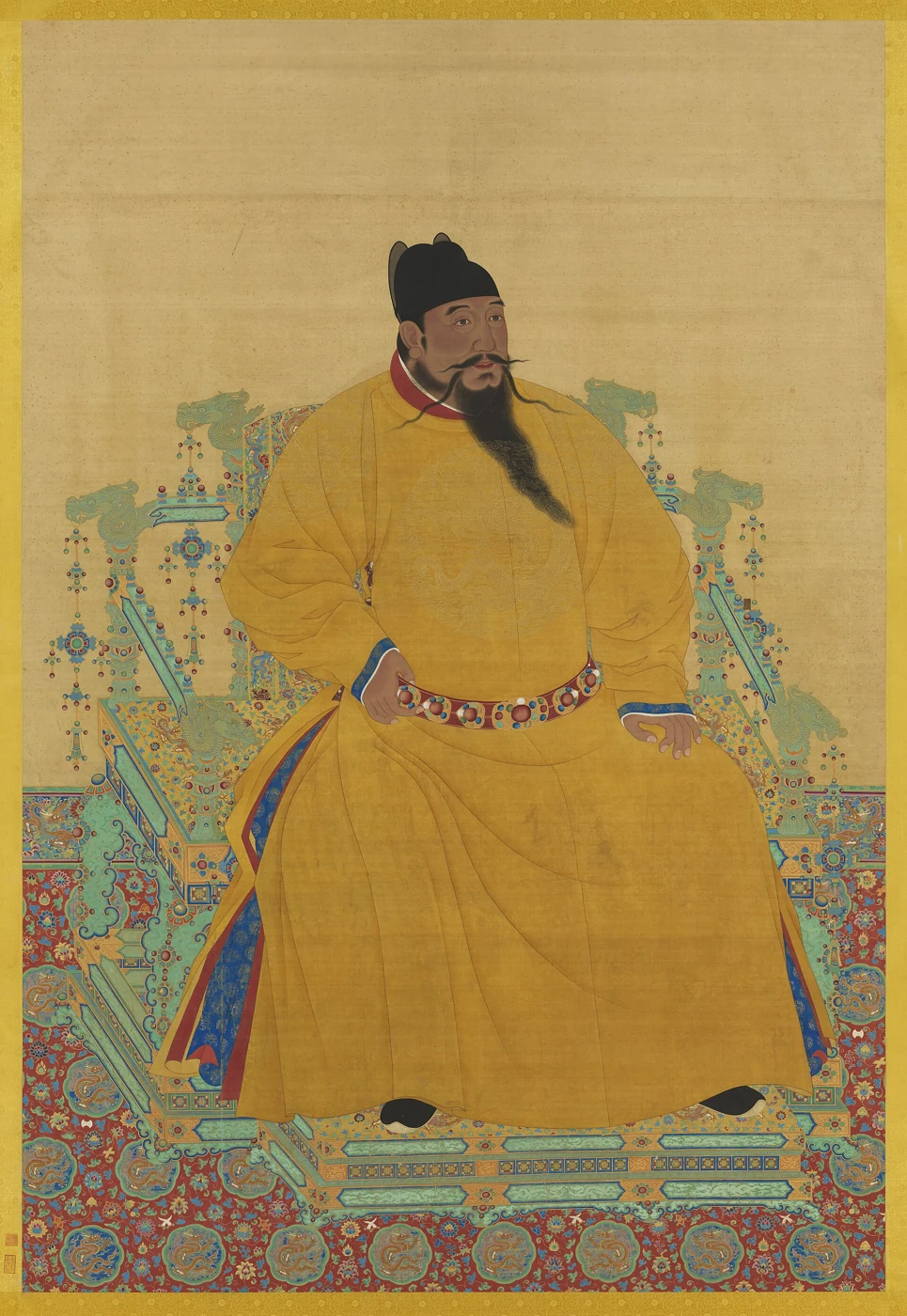
Height of power: During the Hongwu reign, the office of Grand Councilor was abolished and severe legal measures were used while Zhu Yuanzhang concentrated authority in the emperor, allowing the polity to recover rapidly from late Yuan disorder. Zhu Di, the Yongle Emperor, seized the throne through the Jingnan Campaign, moved the capital to Beijing, personally campaigned several times against the Mongols, dispatched Zheng He on seven maritime expeditions, established the Grand Secretariat, transferred the capital, and sponsored the *Yongle Encyclopedia*. This period is often described as the "Yongle prosperity." Under the Hongxi and Xuande rulers, policies of recuperation contributed to a period of relative stability and prosperity.
Turning point: Under the Zhengtong Emperor, the Tumu Crisis occurred when the emperor personally campaigned against the Oirats, was defeated, and captured. This is presented here as a critical turning point from strength to decline. Yu Qian then led the Defense of Beijing and repelled Esen. After Tumu, military preparedness gradually weakened and pressure along the northern frontier increased.
Decline: In the middle and later periods, eunuchs such as Wang Zhen, Liu Jin, and Wei Zhongxian gained great power. Conflict between the Grand Secretariat and remonstrating officials intensified, including the Donglin factional struggle. During the Jiajing and Wanli eras, "Japanese pirates" attacked the southeastern coast and Qi Jiguang led anti-pirate campaigns, while the broader problem of "northern raiders and southern pirates" remained serious. Zhang Juzheng's reforms were short-lived, and fiscal and frontier pressures grew steadily. (See the relevant entries for details.)
Fall: In the late Ming, repeated natural disasters and heavy taxation accompanied large-scale peasant rebellions, especially in Shaanxi and surrounding regions. Li Zicheng and Zhang Xianzhong became the most powerful rebel leaders. In 1644 (seventeenth year of Chongzhen), Li Zicheng captured Beijing and the Chongzhen Emperor hanged himself at Coal Hill, ending the Ming central government. Soon afterward, following the Battle of Shanhai Pass, Qing forces entered through the pass in alliance with Wu Sangui and gradually destroyed the Southern Ming regimes.
Politics and Institutions
The central government used the Grand Secretariat system. At first the Ming inherited the Yuan structure of a Secretariat and Grand Councilors, but during Hongwu the Grand Councilor system was abolished and the Six Ministries became directly responsible to the emperor. The Grand Secretariat later developed as an advisory and coordinating body. The Directorate of Ceremonial exercised the power of the vermilion endorsement, creating a relationship of mutual influence among imperial authority, the Directorate of Ceremonial, and the Grand Secretariat; eunuchs at times dominated government. Local administration followed the "two capitals and thirteen provinces" structure of provincial administrations, with prefectures, departments, and counties beneath them. Provincial Surveillance Commissions handled judicial supervision, while Regional Military Commissions handled military affairs. Official recruitment relied primarily on the imperial examination system, including eight-legged essays and north–south regional quotas. Law centered on the *Great Ming Code* and the *Great Pronouncements (Da Gao)*, with severe laws used especially in governing officials. Supervision involved the Censorate and the Supervising Secretaries of the Six Offices of Scrutiny. The dynasty also maintained the imperial security apparatus of the Embroidered Uniform Guard and the Eastern Depot, with the Western Depot added under Emperor Xianzong. See the relevant entries for detailed institutional development.
Military and Foreign Relations
The Ming military used the weisuo system and hereditary military households, with the Five Chief Military Commissions overseeing capital and regional forces. The dynasty established the Nine Border Garrisons to defend against the Mongols. Zheng He's maritime expeditions, conducted from the Yongle through Xuande periods, were a major form of early Ming external engagement and reached Southeast Asia and the Indian Ocean littoral. In the middle and late periods, coastal warfare against Japanese pirates and resistance to Later Jin (Qing) became two major military concerns. Qi Jiguang and others fought pirates, while Yuan Chonghuan and others defended Liaodong. The Ming also interacted and at times fought with Mongol groups, Japan, Portuguese, Dutch, and other European powers. Diplomacy generally operated through the tribute system, while in the later period fiscal pressures and maritime restrictions contributed to contraction.
Economy and Commerce
The early Ming promoted recuperation, migration and land reclamation, and hydraulic works, allowing the economy to recover relatively quickly. Zhang Juzheng's Single whip law consolidated labor obligations into land taxes and increasingly required payment in silver, reflecting monetization. The lower Yangzi and southeastern coast developed important commercial and handicraft centers such as Suzhou and Songjiang. Overseas trade fluctuated with maritime prohibitions and limited openings such as the port of Yuegang. Large inflows of silver made it a principal medium of exchange. Urban commerce and market-town development varied considerably across the dynasty; see the relevant entries for details.
Culture and Society
Major cultural and technical works included the *Yongle Encyclopedia*, *Compendium of Materia Medica*, *The Exploitation of the Works of Nature*, and *Nongzheng Quanshu*. Fiction and drama flourished, with works such as *Romance of the Three Kingdoms*, *Water Margin*, *Journey to the West*, and *The Plum in the Golden Vase*, together with dramatists such as Tang Xianzu. The School of Mind rose in influence, and Wang Yangming's teaching of "extending innate knowledge" had lasting impact. Social hierarchy, lineage organization, and community compacts were highly developed, while the scholar-gentry remained a dominant social group under the examination system. Textile production, ceramics including Jingdezhen blue-and-white porcelain, furniture, and construction crafts reached high levels of refinement. Intellectual expression also faced restrictions, and Cheng-Zhu Neo-Confucianism remained the official orthodoxy.
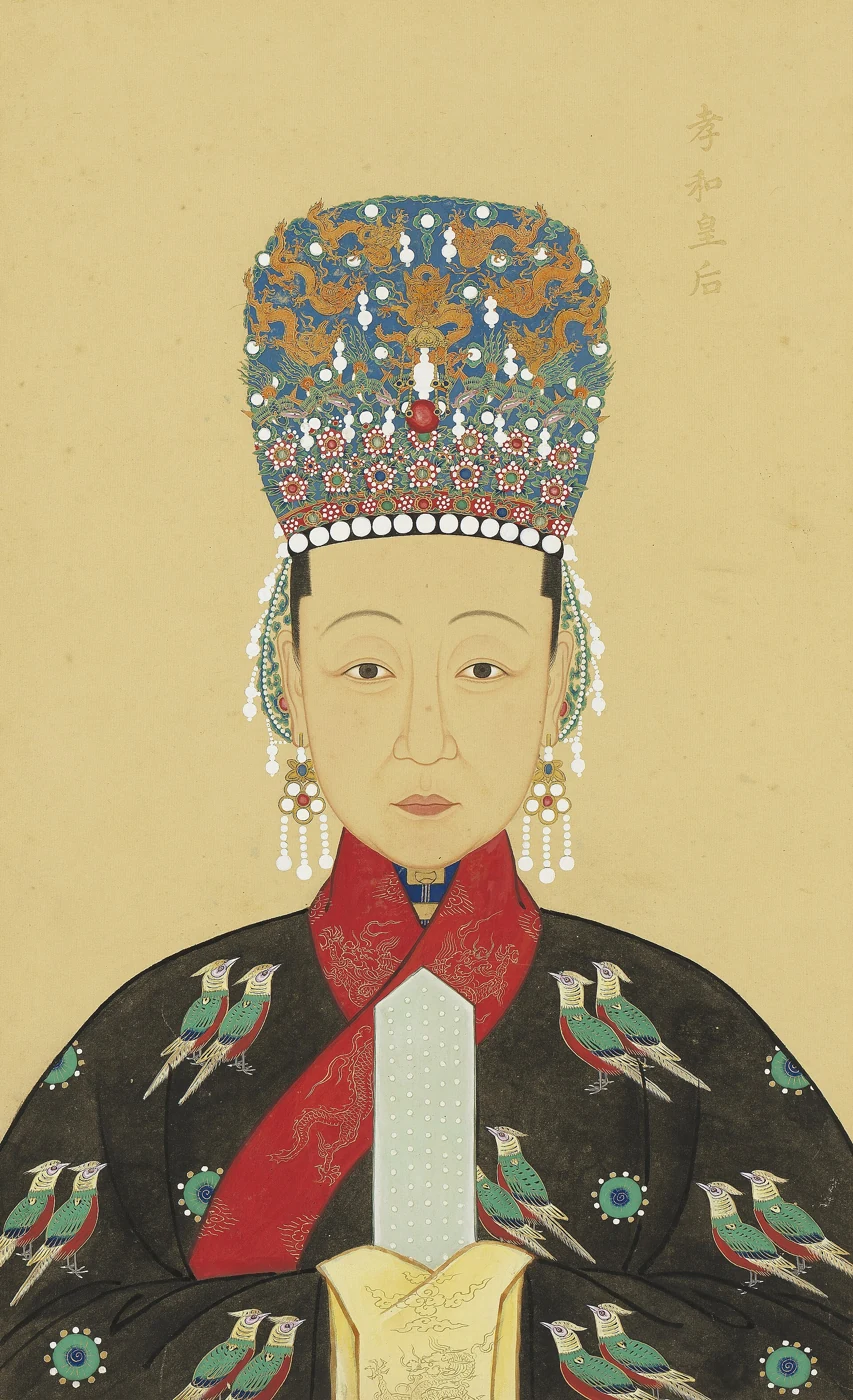
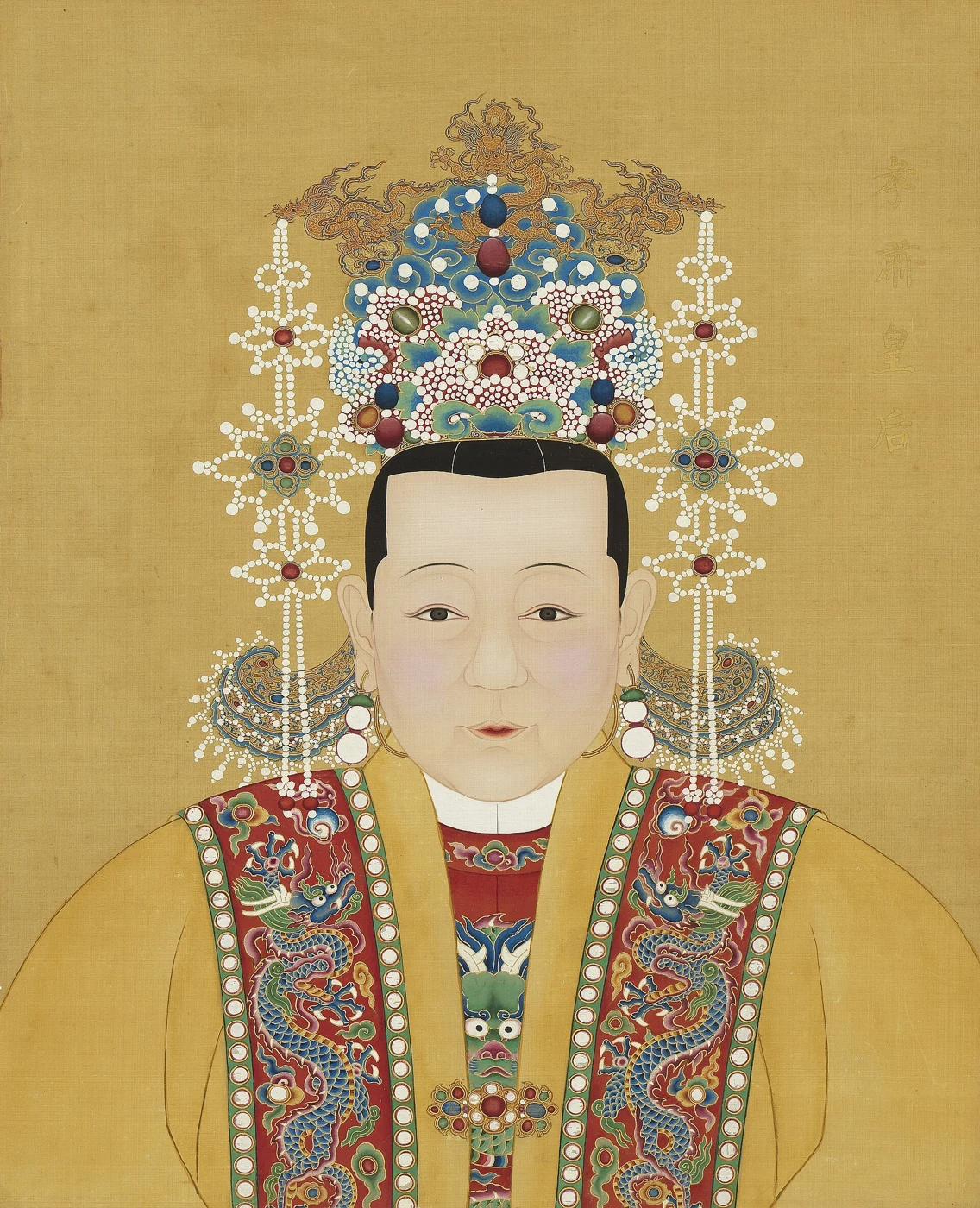
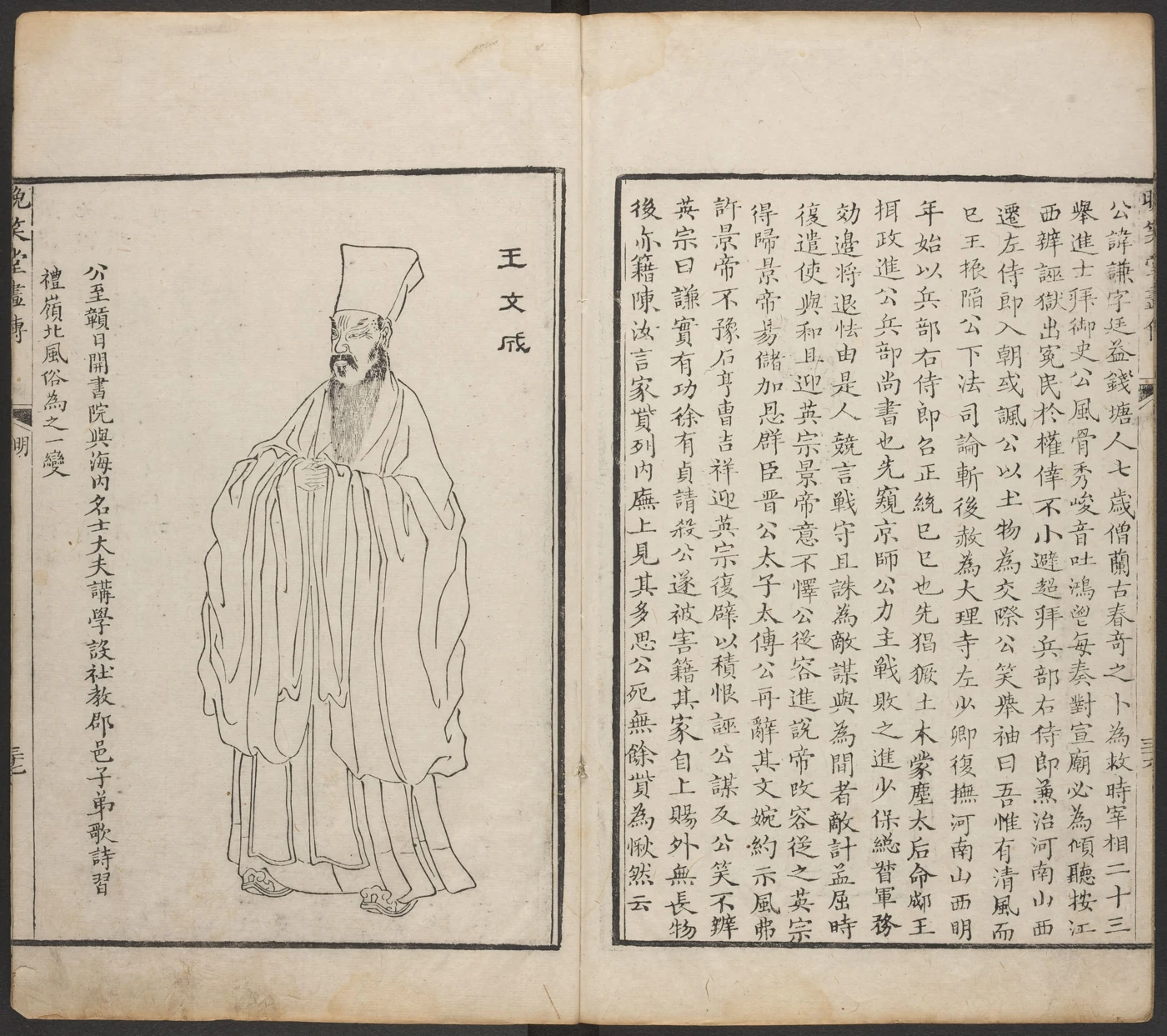
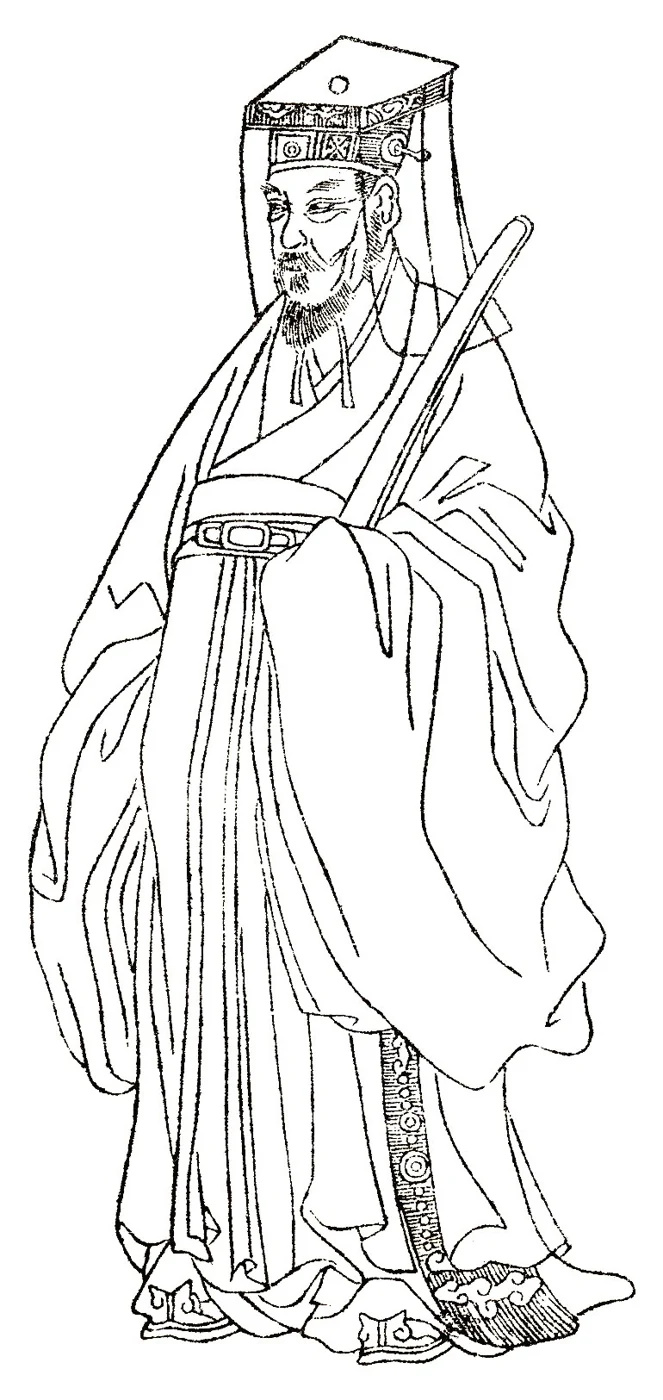
> This section describes the position of rulers in the development of the polity; complete biographies are carried by the corresponding person entities.
Historical Assessment and Legacy
Contemporary Ming discourse described the dynasty as having "restored China" and revived Han political legitimacy, and official accounts praised Emperor Taizu's founding achievements and the Yongle Emperor's expansion. Late Ming observers, however, expressed deep concern over political corruption, eunuch influence, and factional conflict. Rebel forces used slogans such as "Welcome the Dashing King; pay no grain tax" to gain support.
Later historiography follows both Chinese and international lines of interpretation. Traditional Chinese historians treated the Ming as a continuation of orthodox Han rule and used the compilation of the *History of Ming* to examine causes of the dynasty's fall. Modern scholarship often analyzes its decline through institutional, social, and economic factors, including factional conflict, fiscal pressure, Little Ice Age climatic disasters, peasant rebellion, and the rise of Later Jin. The Ming also had lasting influence through stronger imperial autocracy, the silver economy, overseas contacts such as Zheng He's maritime expeditions and the arrival of European powers, and major developments in thought and culture. Competing views should be distinguished between contemporary statements and later scholarly analysis; this entry does not present later interpretation as if it were a primary source.