Li Yuan proclaimed himself emperor and established the Tang Dynasty.
618 CE–907 CE
Tang Dynasty
Cosmopolitan Chang’an唐朝
The Tang was a major unified dynasty in Chinese history, lasting from 618 to 907. It was marked by strong state power, extensive territory, and frequent interaction with neighboring peoples and polities. High Tang culture had far-reaching influence, and Tang poetry, calligraphy, painting, music, and other arts became enduring high points of Chinese civilization. Chang'an and Luoyang attracted people from many regions, and the period's relative openness and cosmopolitanism were celebrated by…
618 CE–907 CECapital · Chang'an / Luoyang
ERA OVERVIEW
The Tang was a major unified dynasty in Chinese history, lasting from 618 to 907. It was marked by strong state power, extensive territory, and frequent interaction with neighboring peoples and polities. High Tang culture had far-reaching influence, and Tang poetry, calligraphy, painting, music, and other arts became enduring high points of Chinese civilization. Chang'an and Luoyang attracted people from many regions, and the period's relative openness and cosmopolitanism were celebrated by later generations. Tang institutions, examination recruitment, law, and patterns of international communication had a lasting influence on China and the wider East Asian world.
Time span618 CE–907 CE
CapitalChang'an / Luoyang
ERA TIMELINE
after the Xuanwu Gate Incident, Li Shimin became emperor.
the Zhenguan era of good government began.
after the Shenlong Coup, the Tang state name was restored.
the Kaiyuan era began and Tang entered its high period.
the An Lushan Rebellion broke out.
the An Lushan Rebellion ended and the pattern of stronger regional military commands deepened.
the Two-Tax System was implemented, marking a fiscal transition.
the Yongzhen Reform and subsequent political adjustments took place.
the Huang Chao Rebellion began to expand.
the main Huang Chao forces had been defeated, but the foundations of Tang rule were already severely weakened.
Zhu Wen replaced Tang, ending the dynasty.
FULL ENTRY
Overview
The Tang was a major unified dynasty in Chinese history, lasting from 618 to 907. It was marked by strong state power, extensive territory, and frequent interaction with neighboring peoples and polities. High Tang culture had far-reaching influence, and Tang poetry, calligraphy, painting, music, and other arts became enduring high points of Chinese civilization. Chang'an and Luoyang attracted people from many regions, and the period's relative openness and cosmopolitanism were celebrated by later generations. Tang institutions, examination recruitment, law, and patterns of international communication had a lasting influence on China and the wider East Asian world.
Historical Development
Establishment: During the upheavals at the end of Sui, Li Yuan raised troops at Taiyuan and proclaimed himself emperor at Chang'an in 618, founding the Tang Dynasty as Emperor Gaozu of Tang. The new dynasty then gradually defeated competing powers and reunified the empire.
Height: Emperor Taizong of Tang pursued active government and presided over the Zhenguan era of good government. Under Emperor Gaozong, Wu Zetian, and Emperor Xuanzong, the state's power continued to expand. During the Kaiyuan era, the economy and culture reached a particularly prosperous stage, conventionally regarded as the high point of Tang power.
Turning point: The An Lushan Rebellion marked the transition from prosperity to decline. Central authority weakened, regional military governors became more powerful, and the Fubing system gradually broke down. Although later rulers attempted political and military restoration, the dynasty never fully returned to its earlier level of centralized strength.
Decline: In the late Tang, eunuch power, factional conflict, and regional military separatism intensified, and the central court's effective control over local governments continued to weaken. The Huang Chao Rebellion and other late uprisings further damaged the foundations of the dynasty.
Fall: In 907 Zhu Wen deposed Emperor Ai of Tang and ended the dynasty, after which China entered the Five Dynasties period. The Tang had twenty-one emperors and lasted about 289 years.
Politics and Institutions
The Tang inherited and further developed the Sui system of the Three Departments and Six Ministries. The three departments divided responsibilities and balanced one another, while decision-making through the State Affairs Hall became increasingly established. Local government generally used a prefecture–county structure, and later circuits and Military Commissioner jurisdictions were added. Recruitment relied heavily on the imperial examination system, which became an important model for later dynasties. Tang law was represented by the Tang Code with Commentary, a highly developed legal system. The Censorate supervised officials. Detailed changes in offices and institutions are treated in the relevant entries.
Military and Diplomacy
Early Tang relied on the Fubing system and maintained the Sixteen Guards at the center. By the reign of Emperor Xuanzong the Fubing system was declining, mercenary and recruited troops became more important, and Military Commissioners were established in major frontier regions; these developments eventually contributed to the growth of regional military power. The Tang fought and negotiated with the Turks, the Tibetan Empire, the Uyghurs, and other neighboring peoples, while also maintaining extensive contact with the Western Regions, Northeast Asia, and surrounding states. Foreign envoys, monks, and merchants regularly visited the capitals, and major overland and maritime networks, including the Silk Road, flourished during the dynasty.
Economy and Commerce
In the early Tang, the equal-field system and the zu-yong-diao system formed important foundations of taxation and labor obligations. In the middle Tang, the Two-Tax System replaced earlier fiscal arrangements. Chang'an, Luoyang, and other cities supported active commerce. The ward-market system was relatively strict in earlier periods but gradually loosened later. Overland Silk Road trade and maritime commerce both expanded, and foreign merchants settled in important cities. Handicraft production was highly developed, including ceramics, textiles, and gold and silver objects.
Culture and Society
Tang poetry is one of the most prominent achievements of Chinese literary history, represented by figures such as Li Bai and Du Fu. Calligraphy, painting, sculpture, music, and dance also developed extensively. Buddhism and Daoism were influential, while Confucian, Buddhist, and Daoist traditions interacted. Social life was relatively open in many periods, and the status of women, interaction between Han and non-Han peoples, and cultural exchange across Eurasia were particularly visible. Examination recruitment expanded opportunities for social mobility and contributed to the growth of scholar culture.
Rulers and Governing Core
Li Yuan, Li Shimin, Li Zhi, Li Xian, Li Dan, Wu Zetian (Wu Zhou period), Li Longji, Li Heng, Li Yu, Li Shi, Li Song, Li Chun, Li Heng, Li Zhan, Li Ang, Li Yan, Li Chen, Li Cui, Li Xuan, Li Ye, Li Zhu.
> This section explains the place of rulers in the evolution of the polity; complete biographies are carried by the corresponding person entities.
Historical Assessment and Legacy
Contemporary assessment: Tang people often imagined their empire in terms of prosperity and the title “Khan of Heaven.” Poets such as Du Fu looked back on the high prosperity of the Kaiyuan era, while writers of the late Tang lamented the loss of earlier strength. Neighboring polities and later East Asian states frequently expressed admiration for Tang political and cultural achievements.
Later historical assessment: Scholarship generally regards the Tang as a period of major political and institutional maturity in premodern China. Its examination system, legal order, and networks of international exchange had profound influence both within China and across East Asia, while the idea of a “High Tang atmosphere” became an enduring cultural symbol. At the same time, historians emphasize the long-term problems created by regional military power, eunuch influence, and factional conflict in the later dynasty.
Rulers
Li Yuan, Li Shimin, Li Zhi, Li Xian, Li Dan, Wu Zetian (Wu Zhou period), Li Longji, Li Heng, Li Yu, Li Shi, Li Song, Li Chun, Li Heng, Li Zhan, Li Ang, Li Yan, Li Chen, Li Cui, Li Xuan, Li Ye, Li Zhu.
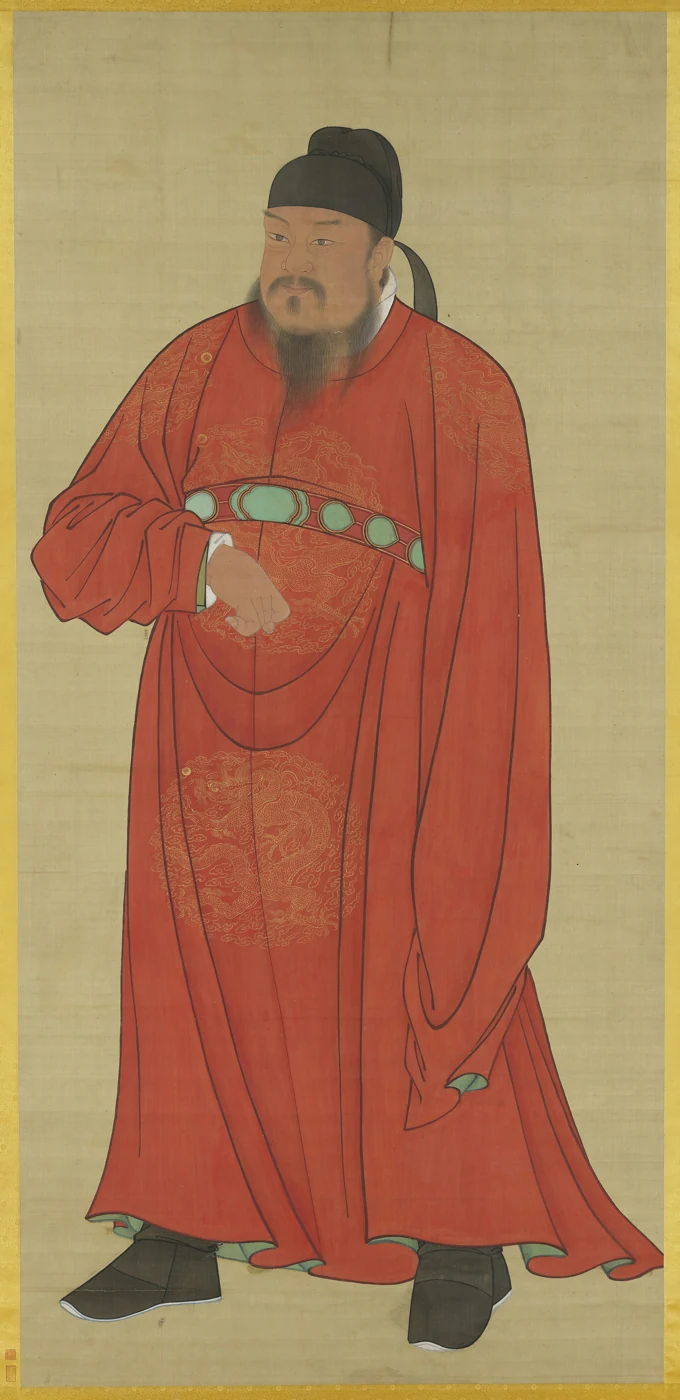 Tang Dynasty
Emperor
Li Yuan
Li Yuan (December 21, 566–June 25, 635), courtesy name Shude, was a native of Chengji in Longxi (present-day Qin'an, Gansu) and the founding emperor of the Tang dynasty. His temple name was Gaozu and his initial posthumous name was Emperor Taiwu, later changed to Emperor Shenyao Dasheng Daguangxiao. Li Yuan came from an aristocratic Guanlong family of the Northern Zhou. His grandfather Li Hu was one of the Eight Pill
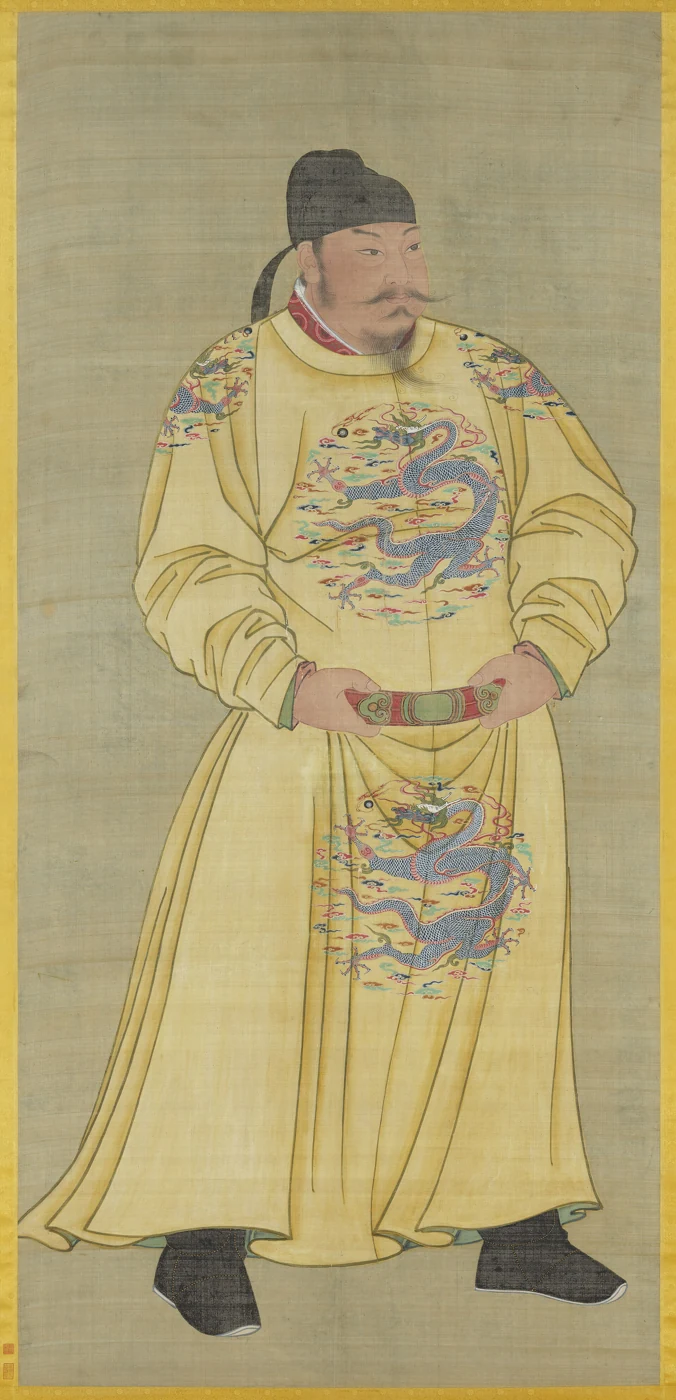 Tang Dynasty
Emperor
Li Shimin
Li Shimin (wuwu day of the twelfth lunar month in the eighteenth year of the Kaihuang era of Sui, January 23, 599–jisi day of the fifth lunar month in the twenty-third year of the Zhenguan era, July 10, 649), a native of Chengji in Longxi (present-day Qin'an County, Tianshui, Gansu), with ancestral origins in Didao, Longxi (present-day Lintao, Gansu), was born in Wugong, present-day Wugong, Shaanxi. He was the second
Tang Dynasty
Emperor
Li Zhi
Li Zhi (July 21, 628–December 27, 683), courtesy name Weishan and childhood name Zhinu, was the third emperor of the Tang dynasty. He was the ninth son of Li Shimin, Emperor Taizong of Tang, and Empress Wende, Lady Zhangsun. He was made crown prince in 643, the seventeenth year of Zhenguan, and succeeded to the throne in 649, the twenty-third year of Zhenguan, reigning for thirty-four years. Early in his reign, Chang
Tang Dynasty
Emperor
Li Xian
Emperor Zhongzong of Tang, Li Xian (yichou day of the eleventh lunar month of the first year of the Xianqing era, November 26, 656 – renwu day of the sixth lunar month of the fourth year of the Jinglong era, July 3, 710), originally named Li Zhe, was the fourth emperor of the Tang dynasty. He was the seventh son of Emperor Gaozong of Tang, Li Zhi, and the third son born to Wu Zetian. He ascended the throne twice. His
Tang Dynasty
Emperor of the Tang Dynasty
Li Dan
Li Dan (662–716), eighth son of Emperor Gaozong and youngest son of Wu Zetian, was the fifth emperor of the Tang, ruling twice: from 684 to 690 as a nominal emperor under his mother's regency, when he was reduced to imperial heir and given the surname Wu, and from 710 after the Tanglong coup until his abdication in 712 in favour of his son Li Longji, after which he was retired emperor until 713, when the fall of Prin
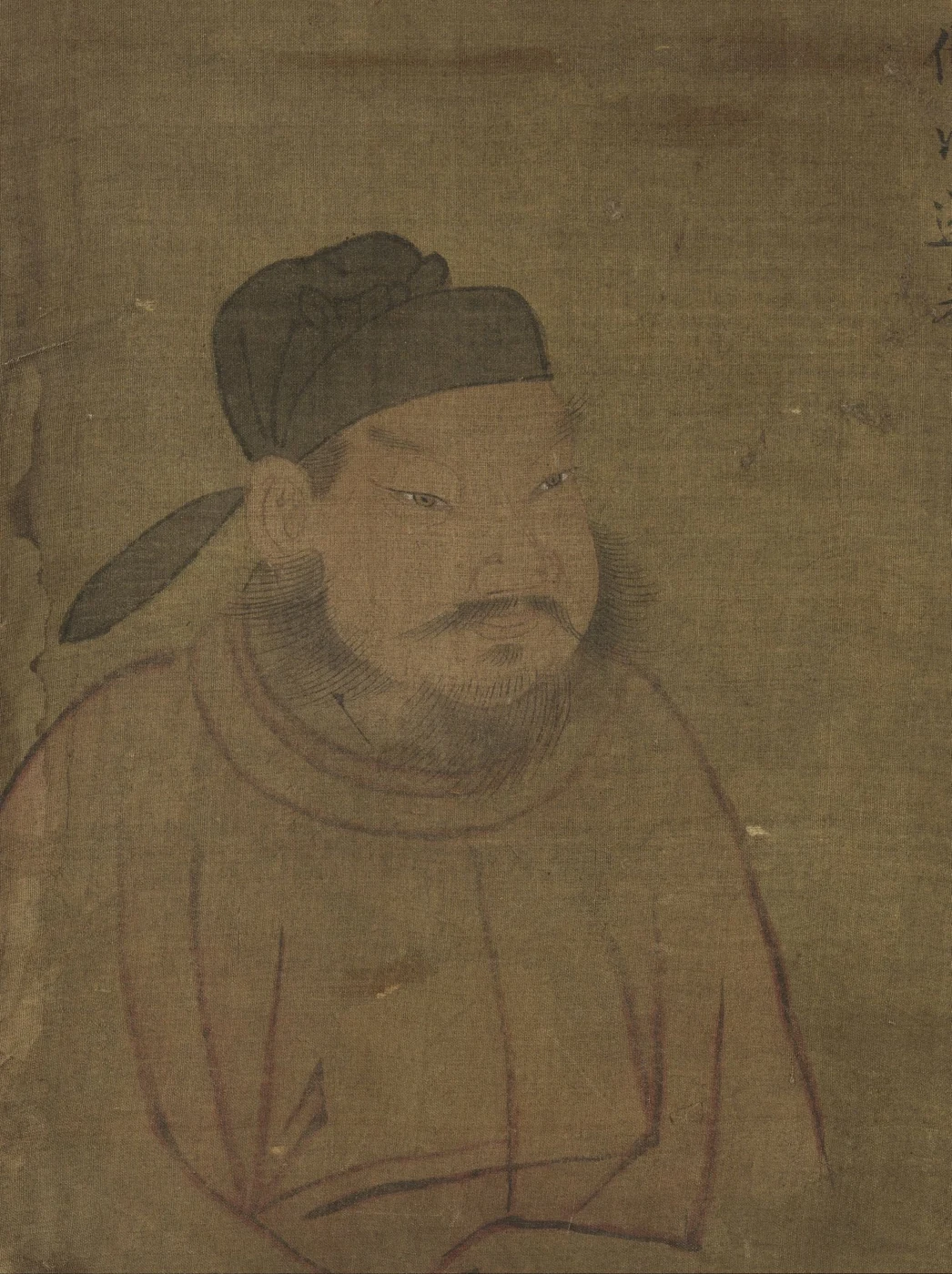 Tang Dynasty
Emperor
Li Longji
Emperor Xuanzong of Tang, Li Longji (8th day of the 9th lunar month in the first year of the Chuigong era, September 8, 685–jia-yin day of the 4th lunar month in the first year of the Baoying era, May 3, 762), was a grandson of Emperor Gaozong of Tang, Li Zhi, and Wu Zetian, and the third son of Emperor Ruizong of Tang, Li Dan. His mother was Consort Dou. Because he ranked third among his brothers, he was also known
Tang Dynasty
Emperor of the Tang Dynasty
Li Heng
Li Heng (October 19, 711–May 16, 762), also known at different times as Li Sisheng, Li Jun, Li Yu, and Li Shao, was the third son of Emperor Xuanzong of Tang, Li Longji, and Empress Yuanxian Yang. He was the eighth emperor of the Tang Dynasty, reigning from 756 to 762. During the An Lushan Rebellion, he ascended the throne at Lingwu, directed the counteroffensive, employed generals including Guo Ziyi and Li Guangbi,
Tang Dynasty
Emperor
Li Yu
Emperor Daizong of Tang, Li Yu (November 11, 726–June 10, 779), originally named Li Chu and courtesy name Jiansu, was a native of Didao in Longxi (present-day Lintao County, Gansu). He was the ninth emperor of the Tang dynasty, reigning from May 18, 762 to June 10, 779, and the eldest son of Emperor Suzong of Tang, Li Heng, by Empress Zhangjing, Lady Wu. Li Yu was described as benevolent, filial, gentle, and respectf
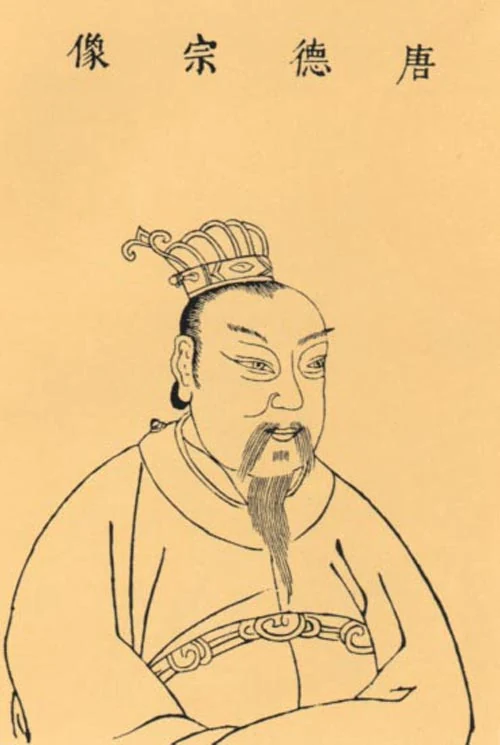 Tang Dynasty
Emperor
Li Shi
Li Shi (May 27, 742–February 25, 805), childhood name Tiaolang, was a native of Chengji in Longxi (present-day Qin'an County, Gansu). He was the tenth emperor of the Tang dynasty, reigning from 779 to 805, the eldest son of Emperor Daizong Li Yu, and the son of Empress Ruizhen, Lady Shen. Early in his reign, Li Shi governed energetically, appointed Yang Yan to implement the Two-Tax System, and strongly advocated curb
Tang Dynasty
Emperor of the Tang dynasty
Li Song
Li Song (twelfth day of the first lunar month of the second year of the Shangyuan era, February 21, 761 – nineteenth day of the first lunar month of the first year of the Yuanhe era, February 11, 806) had ancestral origins in Didao, Longxi (present-day Lintao County, Gansu Province), and was born in the Eastern Inner Palace at Chang'an. He was the eleventh emperor of the Tang dynasty, the eldest son of Emperor Dezong
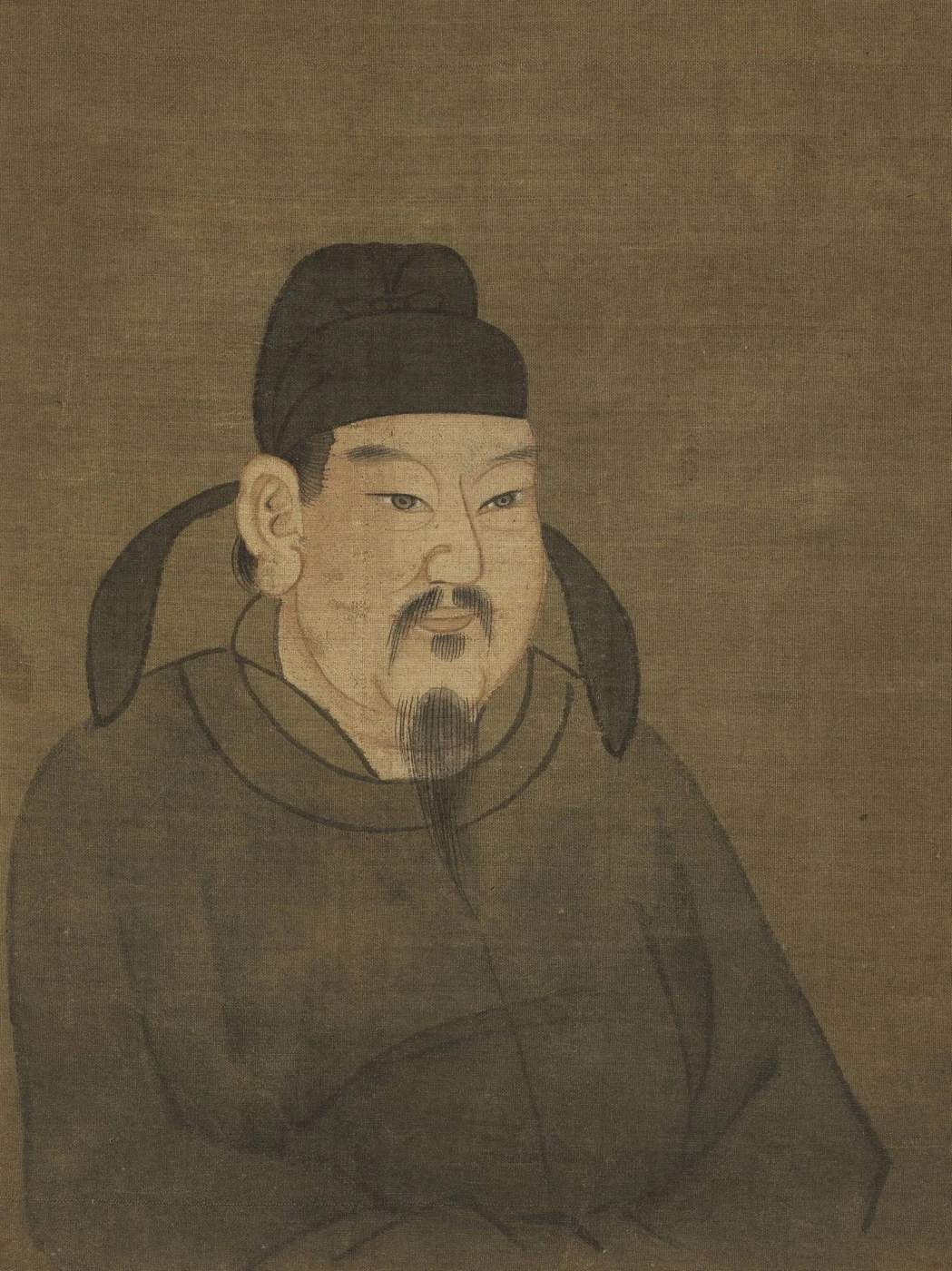 Tang Dynasty
Emperor of the Tang dynasty
Li Chun
Li Chun (778–820), Emperor Xianzong of Tang, was the eleventh emperor of the Tang dynasty. During his reign from 805 to 820, he applied himself to government and pursued policies to curb the military governorships, achieving substantial results in what became known as the Yuanhe Restoration. Li Chun was the eldest son of Emperor Shunzong of Tang, Li Song; his mother was Empress Zhuangxian, Lady Wang. After taking the
Tang Dynasty
Emperor
Li Heng
Li Heng (795–824), originally named Li You, was the third son of Emperor Xianzong of Tang, Li Chun, and the thirteenth emperor of the Tang dynasty, reigning from 820 to 824 under the temple name Muzong. After the death of his elder brother, Crown Prince Huizhao Li Ning, Li Heng was made crown prince with support from his maternal relatives and forces at court. When Emperor Xianzong died suddenly in 820, the fifteenth
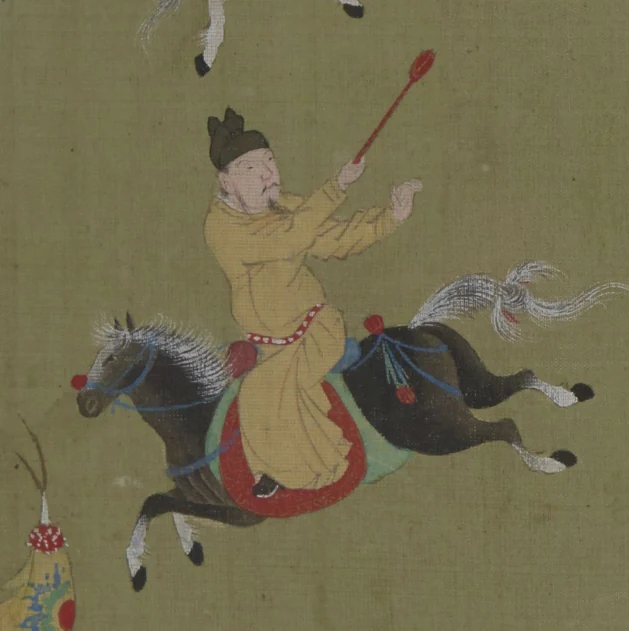 Tang Dynasty
Emperor of the Tang dynasty
Li Zhan
Li Zhan (seventh day of the sixth lunar month in the fourth year of Yuanhe, July 22, 809 – eighth day of the twelfth lunar month in the second year of Baoli, January 9, 827) was the fourteenth emperor of the Tang dynasty. He was the eldest son of Li Heng, Emperor Muzong of Tang, and his mother was Empress Gongxi, Lady Wang. He was the elder brother of Li Ang, later Emperor Wenzong of Tang, and Li Yan, later Emperor W
Tang Dynasty
Tang emperor
Li Ang
Li Ang (20 November 809 – 10 February 840), originally named Li Han, was the fifteenth emperor of the Tang Dynasty and the second son of Emperor Muzong Li Heng. His mother was Empress Zhenxian Xiao. His posthumous name was Yuansheng Zhaoxian Xiao Emperor, his temple name was Wenzong, and he was buried at Zhangling. During the reign period given in the introduction as 827–840, he sought to eliminate eunuch power and l
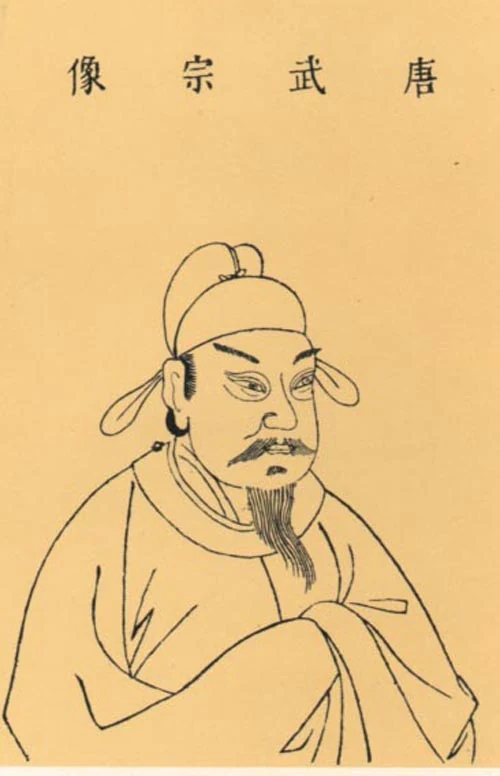 Tang Dynasty
Emperor
Li Yan
Emperor Wuzong of Tang, Li Yan (July 2, 814–April 22, 846), originally named Li Chan, was the fifth son of Emperor Muzong of Tang and the son of Empress Xuanyi, Lady Wei. He was the sixteenth emperor of the Tang dynasty, reigning from 840, the fifth year of the Kaicheng era, to 846, the sixth year of the Huichang era, under the era name Huichang. During his reign he appointed Li Deyu as chief councillor, expelled mem
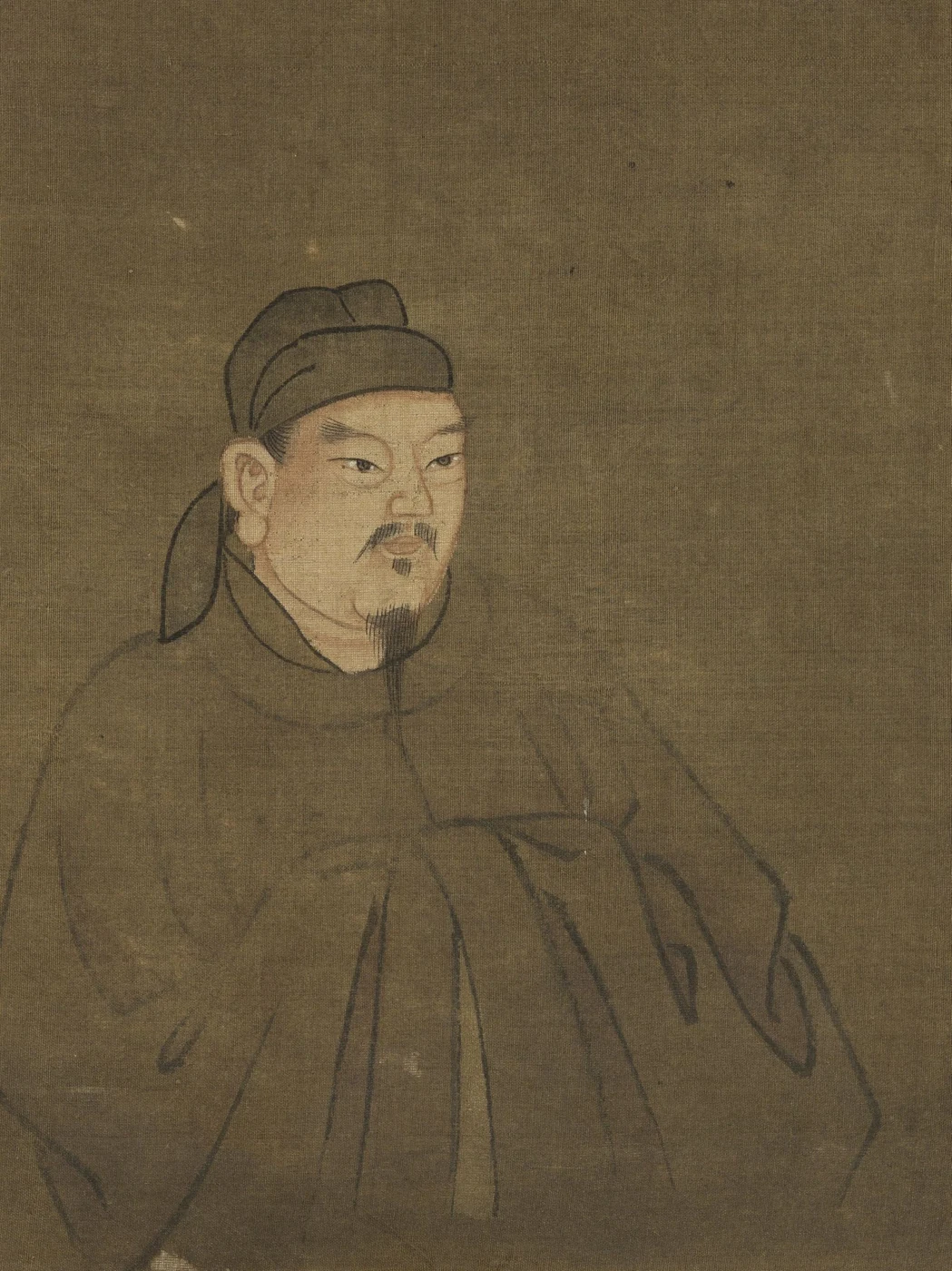 Tang Dynasty
Emperor of the Tang Dynasty
Li Chen
Li Chen (810–859), originally named Li Yi, was the thirteenth son of Emperor Xianzong of Tang and the seventeenth emperor of the Tang Dynasty, reigning from 846 to 859. His era name was Dazhong, his temple name was Xuanzong, and his posthumous name was Emperor Yuansheng Zhiming Chengwu Xianwen Ruizhi Zhangren Shencong Yidao Daxiao. Later generations called him the “Little Taizong,” and his reign became known as the D
Tang Dynasty
Emperor of the Tang Dynasty
Li Cui
Li Cui (December 28, 833–August 15, 873), originally named Li Wen, was the eighteenth emperor of the Tang Dynasty. He was born on the fourteenth day of the eleventh month in the seventh year of the Dahe era (833) at a princely residence in Chang'an County, Jingzhao Prefecture (present-day Xi'an, Shaanxi). He was the eldest son of Emperor Xuanzong of Tang, Li Chen, and Empress Yuanzhao, Lady Chao. In 846 he was create
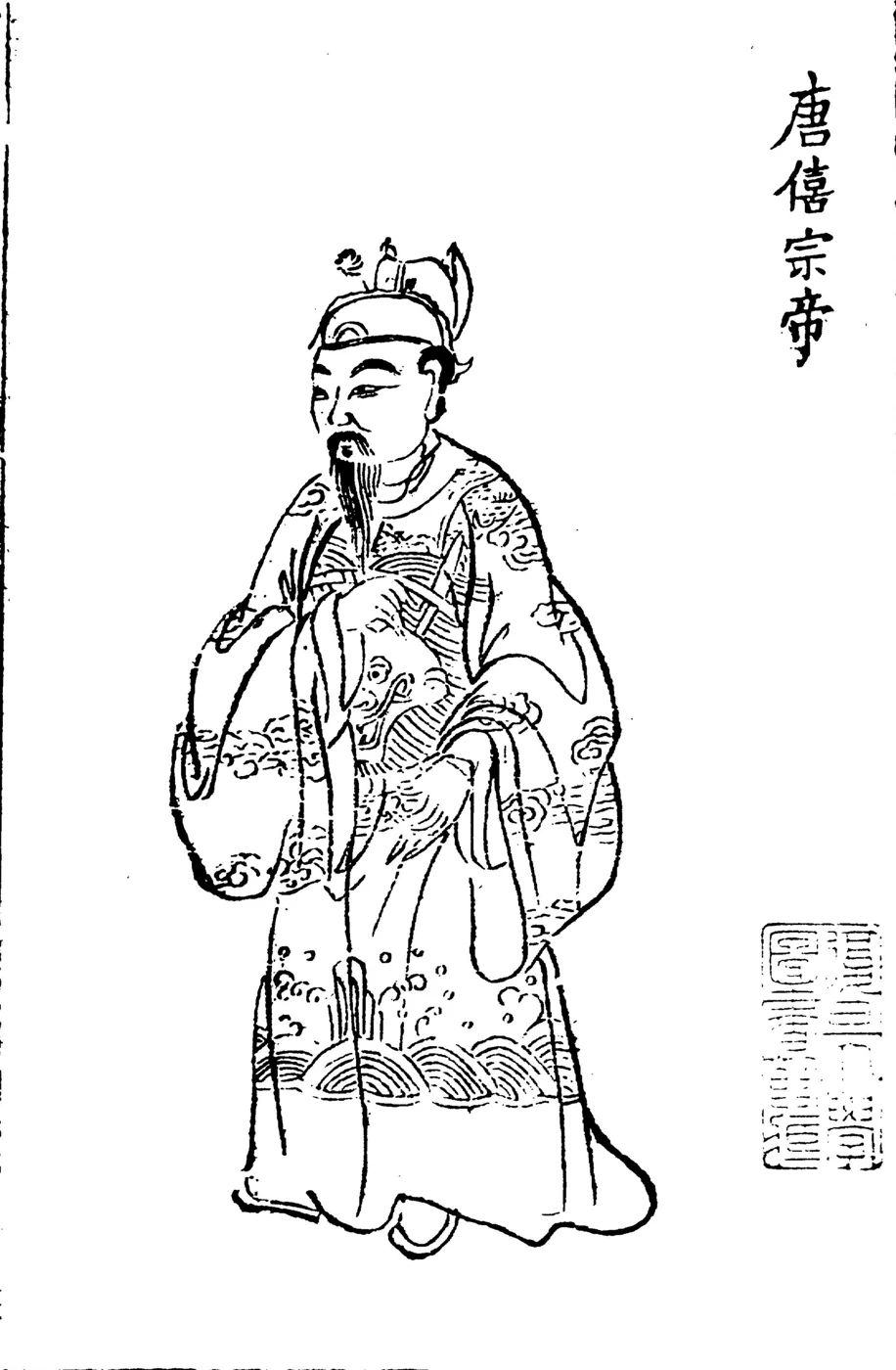 Tang Dynasty
Emperor of the Tang dynasty
Li Xuan
A late-Tang emperor who fled west to Sichuan during Huang Chao's rebellion; during his reign the Tang dynasty's decline accelerated.
Tang Dynasty
Emperor
Li Ye
Emperor Zhaozong of Tang, Li Ye (March 31, 867–September 22, 904), was originally named Li Jie, changed his name to Li Min after being designated imperial younger brother and heir, and later changed it again to Li Ye after accession. He was the twentieth emperor of the Tang dynasty, the seventh son of Emperor Yizong of Tang and younger brother of Emperor Xizong, and his birth mother was Empress Gongxian, Lady Wang. I
Tang Dynasty
Emperor of the Tang dynasty
Li Zhu
Li Zhu (892–908), originally named Li Zuo, was the ninth son of Li Ye, Emperor Zhaozong of Tang, and Empress Dowager Jishan, Lady He. He was the final emperor of the Tang dynasty, reigning from 904, the first year of Tianyou, to 907, the fourth year of Tianyou. Throughout his life he was controlled by the powerful warlord Zhu Wen, later Zhu Huang, founding emperor of Later Liang. His accession, abdication, and death
KEY PEOPLE
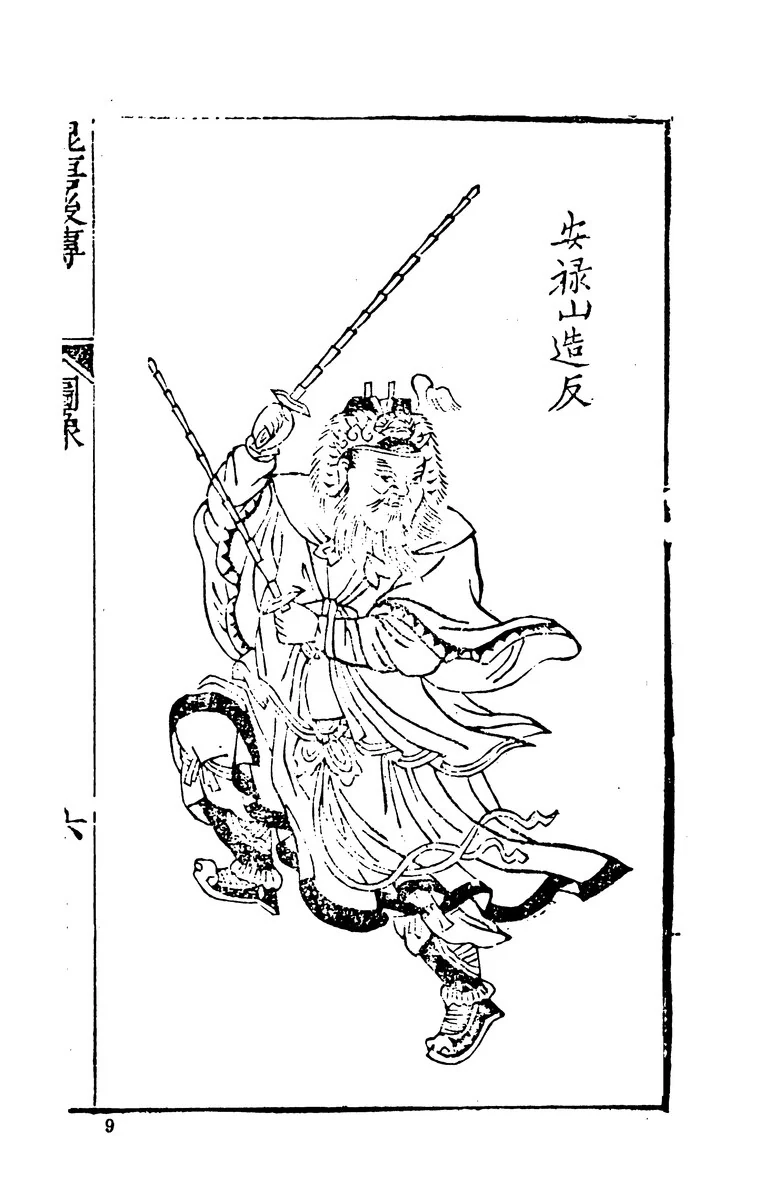 Tang Dynasty
Emperor
An Lushan
An Lushan (January 22, 703–January 29, 757), originally named Yaluoshan (also written Aluoshan), was said in the source to have originally borne the surname Kang, possibly reflecting origins connected with Kangju/Samarkand. After his mother married the Turkic man An Yanyan, he took the surname An and the name Lushan. He was from Liucheng in Yingzhou (south of present-day Chaoyang, Liaoning) and became the initiator o
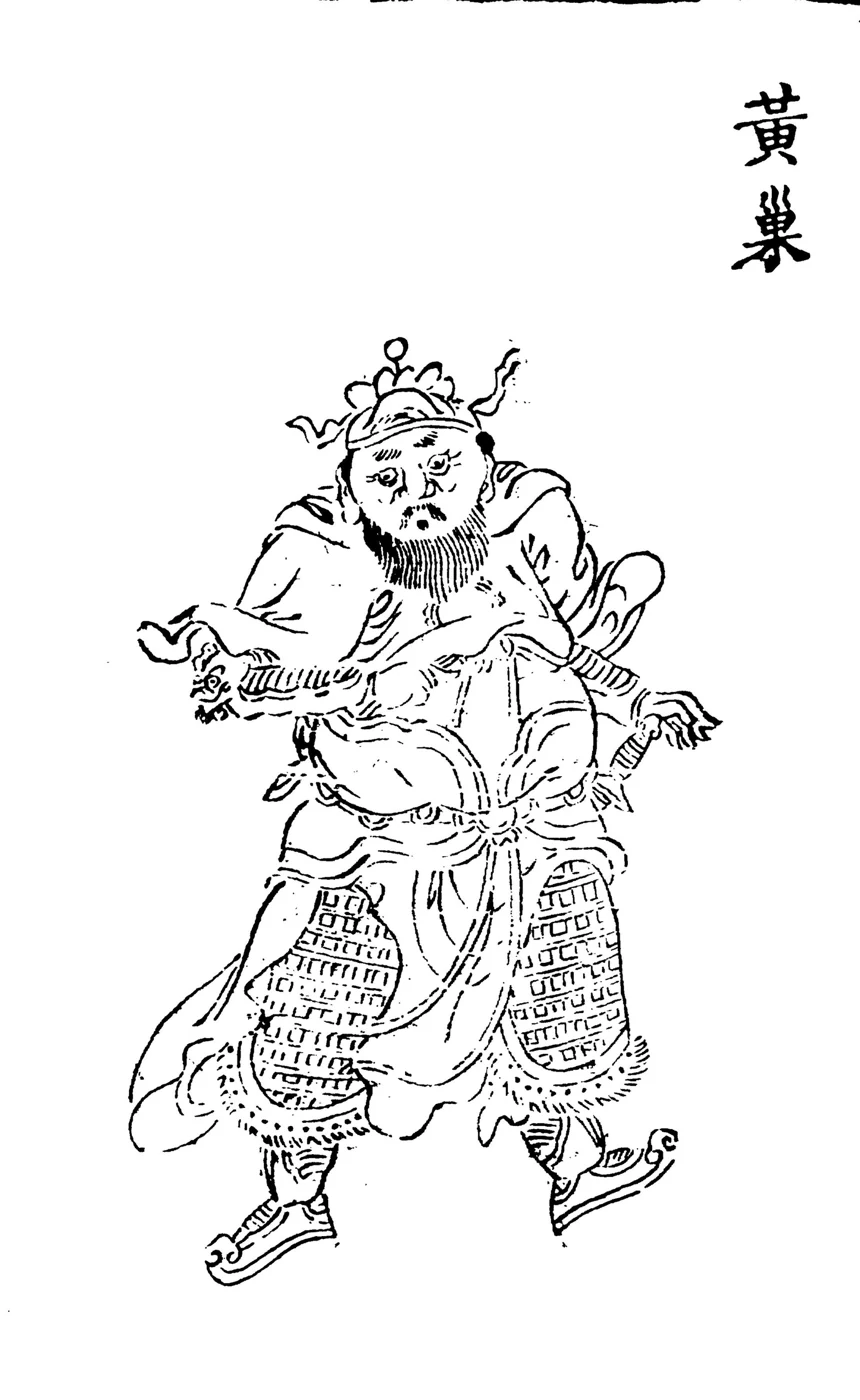 Tang Dynasty
Emperor
Huang Chao
Huang Chao (820–June 15, 884) was a native of Yuanju in Caozhou, northwest of present-day Cao County in Heze, Shandong. He was a leader of the large-scale peasant war at the end of the Tang and the founder of the Great Qi regime. Born into a family engaged in the salt trade, Huang Chao was skilled in riding and archery and repeatedly failed the jinshi examination. In 875, the second year of the Qianfu era, he led f
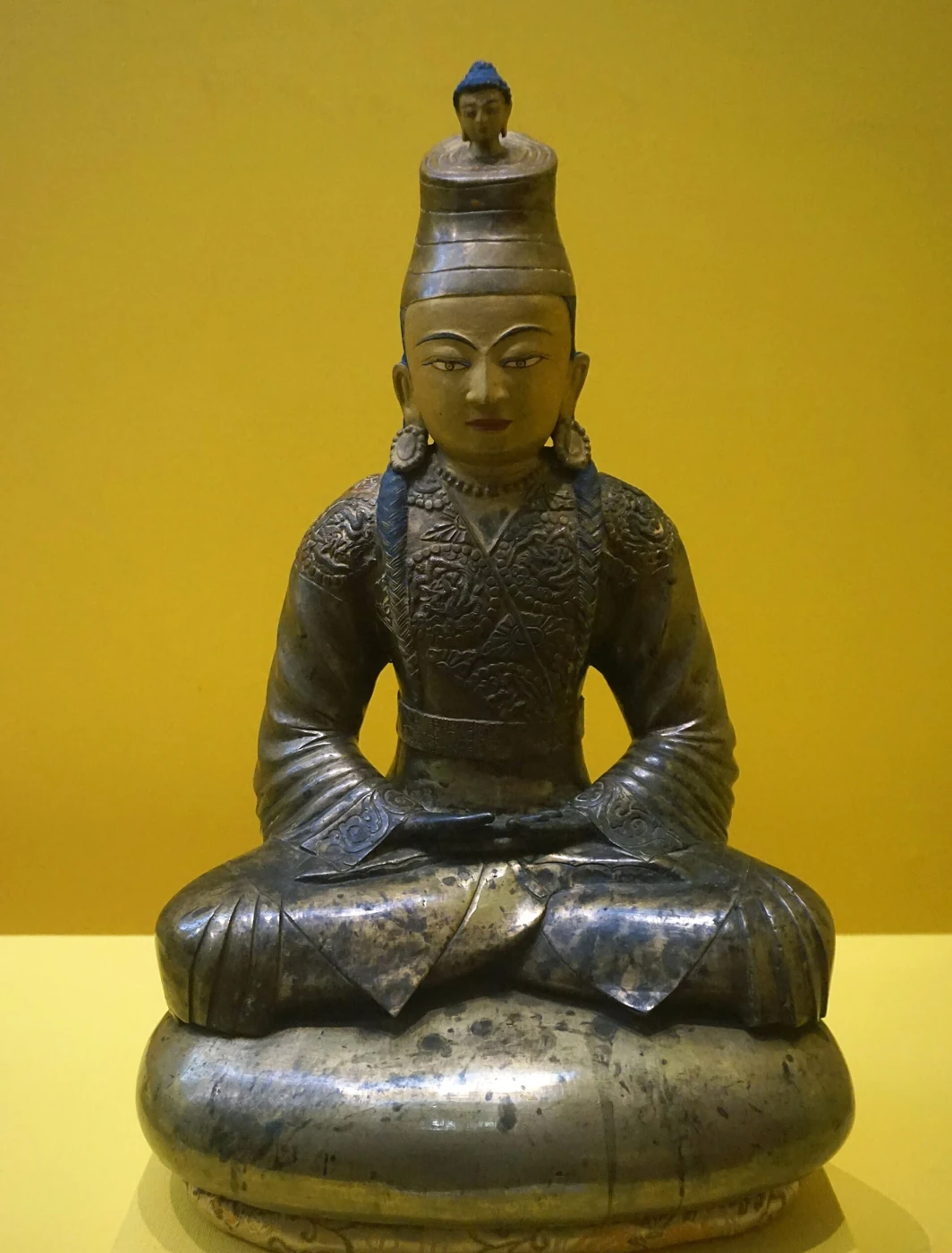 Tibetan Empire
Tsenpo of the Tibetan Empire
Songtsen Gampo
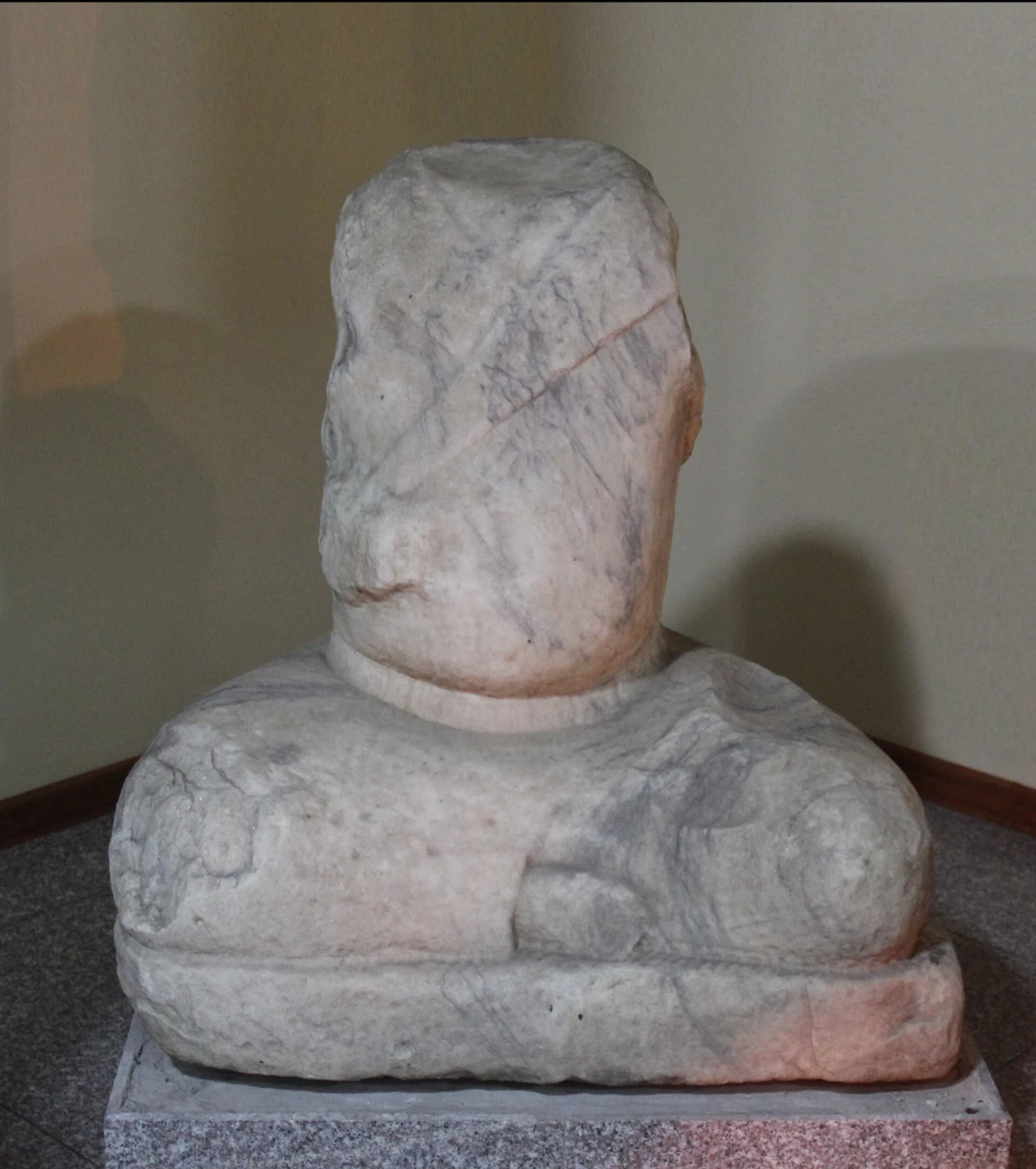
Songtsen Gampo (Tibetan: སྲོང་བཙན་སྒམ་པོ་; Wylie: Srong bTsan sGam Po; 617–650) is rendered as Qizong Nongzan in the New Book of Tang, Qizong Nongzan in the Cefu Yuangui, and Qisu Nongzan in the Tongdian. He was said to be from Qiongwa Daze (present-day Qonggyai in the Shannan region of Tibet), belonged to the Yarlung royal house, was the thirty-third Tsenpo of Tibet, and was effectively the founder of the Tibe
 Tang Dynasty
Khan
Ashina Mojilian
An able khan of the Second Turkic Khaganate, he maintained peaceful trade with Tang under Tonyukuk's guidance and presided over a revival of the khaganate in his later years.
Tang Dynasty
Emperor
An Qingxu
An Qingxu (?–759), courtesy name Renzhi, was a native of Liucheng in Yingzhou (present-day Chaoyang, Liaoning). He was the second son of An Lushan, Prince of Dongping under the Tang and holder of the three northeastern military commissions; his mother was Lady Kang. His original name was Renzhi, and Emperor Xuanzong of Tang later bestowed the name Qingxu. Skilled in riding and archery, he was described as introverted
Tang Dynasty
Khagan
Baoyi Khan
Baoyi Khan (?–821), of the Ädiz clan, was the ninth khagan of the steppe Uyghur Khaganate during the Tang period, the eldest concubine-born son of Huaixin Khan and elder brother of Tengri Khan. He succeeded to the throne in 808 and in the same year received investiture from Emperor Xianzong of Tang as Baoyi Khan. The following year he sent envoys requesting that the ethnonym used by the Tang court be changed from Hui
Tang Dynasty
King of Silla
Kim Beop-min
Kim Beop-min (626–681), whose family name was Kim and personal name Beop-min, was the thirtieth monarch of Silla, reigning from 661 to 681. He was a son of King Taejong Muyeol, Kim Chunchu, a nephew of the noted Silla general Kim Yu-sin, and also Kim Yu-sin's son-in-law. In his early years he served as an envoy to the Tang dynasty and personally participated in the war that destroyed Baekje. During his reign, he coop
 Nanzhao
Ruler of Nanzhao
Piluoge
Piluoge (697–748), also recorded under the Chinese variant names Kuai Lejue and Zhuoluoji, and as Meng Guiyi, was the fourth ruler of Mengshe Zhao, the predecessor of Nanzhao, and the founding ruler of the Nanzhao state. During his reign from 728 to 748, and with support from the Tang court, he annexed the other five zhao, unified the Erhai region, and established the Nanzhao regime. Emperor Xuanzong of Tang granted
Tang Dynasty
Qaghan
Suluk
Suluk Qaghan (died 738) was the third qaghan of the Türgesh Khaganate and an important political and military leader in the Western Regions during the eighth century. He came from the Chebishi division of the Türgesh. When the Türgesh Khaganate fell into disorder after attacks by Qapaghan Qaghan of the Second Turkic Khaganate, Suluk gathered the surviving forces and brought the tribes back under command. The source s
Tang Dynasty
King of Baekje
King Uija
King Uija (599–660), of the Buyeo royal clan and personal name Uija, was the thirty-first king of Baekje and the eldest son of King Mu of Baekje, the kingdom’s thirtieth ruler. King Uija was known for filial conduct from youth and was praised by contemporaries as the “Zengzi of the Eastern Sea.” In 641, the fifteenth year of the Zhenguan era under Emperor Taizong of Tang, he inherited the throne. During his reign he
Tang Dynasty
Khan
Ashina Shibo'bi
Tuli Khan (603–631), of the Ashina clan and personal name Shibo'bi, was the legitimate son of Shibi Qaghan of the Eastern Turkic Khaganate and a nephew of Illig Qaghan. In 619, the second year of Wude, he did not succeed to the khaganate because of his youth and was instead appointed Nibu Shad by his uncle Chuluo Qaghan to govern the eastern part of the Turkic realm. After Illig Qaghan came to power, Shibo'bi was mad
Tang Dynasty
Khan
Ashina Gui
Mo Chuo Khan (665–716), of the Ashina clan and personal name Gui in the Chinese source tradition, was the second qaghan of the Second Turkic Khaganate, ruling from 691 to 716. The Orkhon Turkic inscriptions refer to him as Apa Qaghan. His elder brother was Qutlugh, Ilterish Qaghan. During Mo Chuo's reign, the Second Turkic Khaganate reached the height of its power. It attacked the Khitan and Xi in the east, campaigne
Related entries
Bibliography
- 《旧唐书》
- 《新唐书》
- 《资治通鉴》
- 《唐会要》
- 《唐律疏议》