Passes away peacefully in Chang'an at age seventy | Lived in dignified retirement in the capital, passing away peacefully in August 795; posthumously bestowed Grand Preceptor (Taibao) and titled "Zhuangwu"
726 CE–795 CE
Historical figure
Ma Sui
马燧
Ma Sui (726–795), courtesy name Xunmei, ancestral home in Youfufeng (modern Xingping, Shaanxi), native of Xiangcheng, Ruzhou (modern Henan), was an eminent military strategist, chancellor, and restorative general of the mid-Tang Dynasty. Renowned for his tactical astuteness, mastery of military science, and disciplined administration, he first achieved prominence during the Dali era by crushing the rebellion of Li Lingyao in…
726 CE–795 CETang Dynasty
PROFILE
Ma Sui (726–795), courtesy name Xunmei, ancestral home in Youfufeng (modern Xingping, Shaanxi), native of Xiangcheng, Ruzhou (modern Henan), was an eminent military strategist, chancellor, and restorative general of the mid-Tang Dynasty. Renowned for his tactical astuteness, mastery of military science, and disciplined administration, he first achieved prominence during the Dali era by crushing the rebellion of Li Lingyao in Bianzhou. In the Jianzhong era, he was appointed Military Commissioner of Hedong, where he fortified Taiyuan, recruited thirty thousand elite soldiers, forged superior weaponry, and invented the synchronized cavalry-infantry advance tactic, establishing Hedong as the empire's ultimate bulwark. In the campaigns against Tian Yue of Weibo, Ma Sui orchestrated brilliant victories at the Relief of Linming, the Battle of Shuanggang, and the decisive Battle of the Huan River, annihilating rebel armies and pacifying the central plains. Subsequently, joining forces with Hun Jian, he swiftly extinguished Li Huaiguang's rebellion at Hezhong within twenty-seven days through combined military intimidation and psychological pardon. For his monumental services, he was invested as Prince of Beiping, appointed Chief Chancellor (Zhongshuling) and Grand Minister of Works (Situ), and commemorated on the Lingyan Pavilion alongside Guo Ziyi and Li Sheng. Although stripped of command in his twilight years following the Tibetan betrayal at the Pingliang Alliance, he preserved his renown in honorable retirement, receiving the posthumous title Zhuangwu.
- Courtesy / Art Name
- Xunmei
- Era
- Ancient times
- Dynasty
- Ancient times
- Identity
- Historical figure
- Date of Birth
- 726
- Date of Death
- September 4 795
- Ethnicity
- Han
- Ancestral Home
- ancestral home in You Fufeng (present-day Xingping, Shaanxi)
- Place of Birth
- ,()
- Place of Death
- Unknown
- Lifespan
- 70 years
- Major Offices
- Joint Manager of Affairs with the Secretariat-Chancellery; Director of the Secretariat; Acting Minister over the Masses; Minister over the Masses concurrently Palace Attendant; Military Commissioner of Hedong; Bandit Suppression Commissioner of the Weibo Field Army; Deputy Marshal of the Field Armies of the Fengcheng Army and of the Jin, Jiang, Ci and Xi jurisdictions
- Peerage
- Commandery Prince of Beiping
- Posthumous Name
- Zhuangwu
- Major Achievements
- Pacified the critical rebellion of Li Lingyao in Bianzhou, securing the Grand Canal; forged an invincible thirty-thousand-strong host in Taiyuan with revolutionized plate armor and the "linked cavalry-infantry" assault formation; triumphed at the Relief of Linming and the Battle of Shuanggang; annihilated Tian Yue's main field armies at the Battle of the Huan River; walked unarmed to the battlements of Changchun Palace to obtain total surrender, crushing Li Huaiguang's rebellion at Hezhong in twenty-seven days; immortalized on the Lingyan Pavilion alongside Guo Ziyi and Li Sheng
LIFE TIMELINE
Born into prominent bureaucratic lineage | Born into an esteemed official clan in Youfufeng; his father Ma Jilong was versed in military strategy, and Ma Sui grew to over six feet tall with vast ambitions
Turmoil of An Lushan and Daring Escape In the winter of 755 (Tianbao 14) | ### Turmoil of An Lushan and Daring Escape In the winter of 755 (Tianbao 14), Military Commissioner An Lushan launched his catastrophic rebellion from Fanyang, driving 150,000 seasoned tribal and Chinese troops southward.
Escapes Fanyang following An Lushan rebellion | Persuaded imperial garrison officer Jia Xun to purge rebel commanders at Fanyang; after Jia was assassinated, Ma hid in the Western Mountains and fled south
Disciplines arrogant Uighur cavalry at Zhaocheng | Served under Commissioner Li Baoyu as Sheriff of Zhaocheng, executing unruly prisoners to enforce iron discipline and completely cowing returning Uighur forces
Governs Zhengzhou and seals frontier in Longzhou | Reorganized land taxation in Zhengzhou and Huaizhou; as Prefect of Longzhou, blocked Tibetan invasion defiles with stone fortifications and watchtowers in eight days
Pacifying Mutiny at Heyang and Crushing Li Lingyao In 775 (Dali 10) | ### Pacifying Mutiny at Heyang and Crushing Li Lingyao In 775 (Dali 10), troops at the strategic Heyang Three Fortresses mutinied and drove out Commissioner Chang Xiuming.
Restores stability across Heyang Three Fortresses | Promoted to Military Commissioner of the Heyang Three Fortresses following an army mutiny, swiftly pacifying restless garrisons and restoring defense order
Crushes Li Lingyao rebellion at Bianzhou | Jointly commanded forces with Li Zhongchen, deploying fire warfare at Bianzhou and obliterating Tian Yue's Weibo relief corps at Banchao, capturing Li Lingyao
Hedong Governance and the Invincible Taiyuan Host In May 779 (Dali 14) | ### Hedong Governance and the Invincible Taiyuan Host In May 779 (Dali 14), Emperor Dezong ascended the throne, determined to suppress rampant warlordism.
Founds elite shock force as Hedong Commissioner | Transferred to govern Hedong at Taiyuan, manufacturing state-of-the-art armaments and creating the "linked cavalry-infantry" formation with 30,000 elite troops
The Relief of Linming and Heroism at Shuanggang In January 781 (Jianzhong 2) | ### The Relief of Linming and Heroism at Shuanggang In January 781 (Jianzhong 2), Tian Yue of Weibo openly rebelled alongside Li Weiyue of Chengde and Li Na of Ziqing.
Lifts the siege of Linming and crushes Yang Chaoguang | Relieved the desperate garrison of Linming alongside Li Baozhen and Li Sheng, storming the Twin Forts with flamethrower wagons and slaying rebel general Yang Chaoguang
Decisively destroys Weibo main army at Huan River | Locked river crossings with iron chains and burned retreat bridges, routing Tian Yue's 40,000-strong coalition, slaying 20,000 enemy troops and recapturing Weibo prefectures
Invested as Prince of Beiping and Vice Marshal | Honored by Emperor Dezong with the title Prince of Beiping; directed campaign forces alongside Hun Jian to suppress Li Huaiguang's insurrection in Hezhong
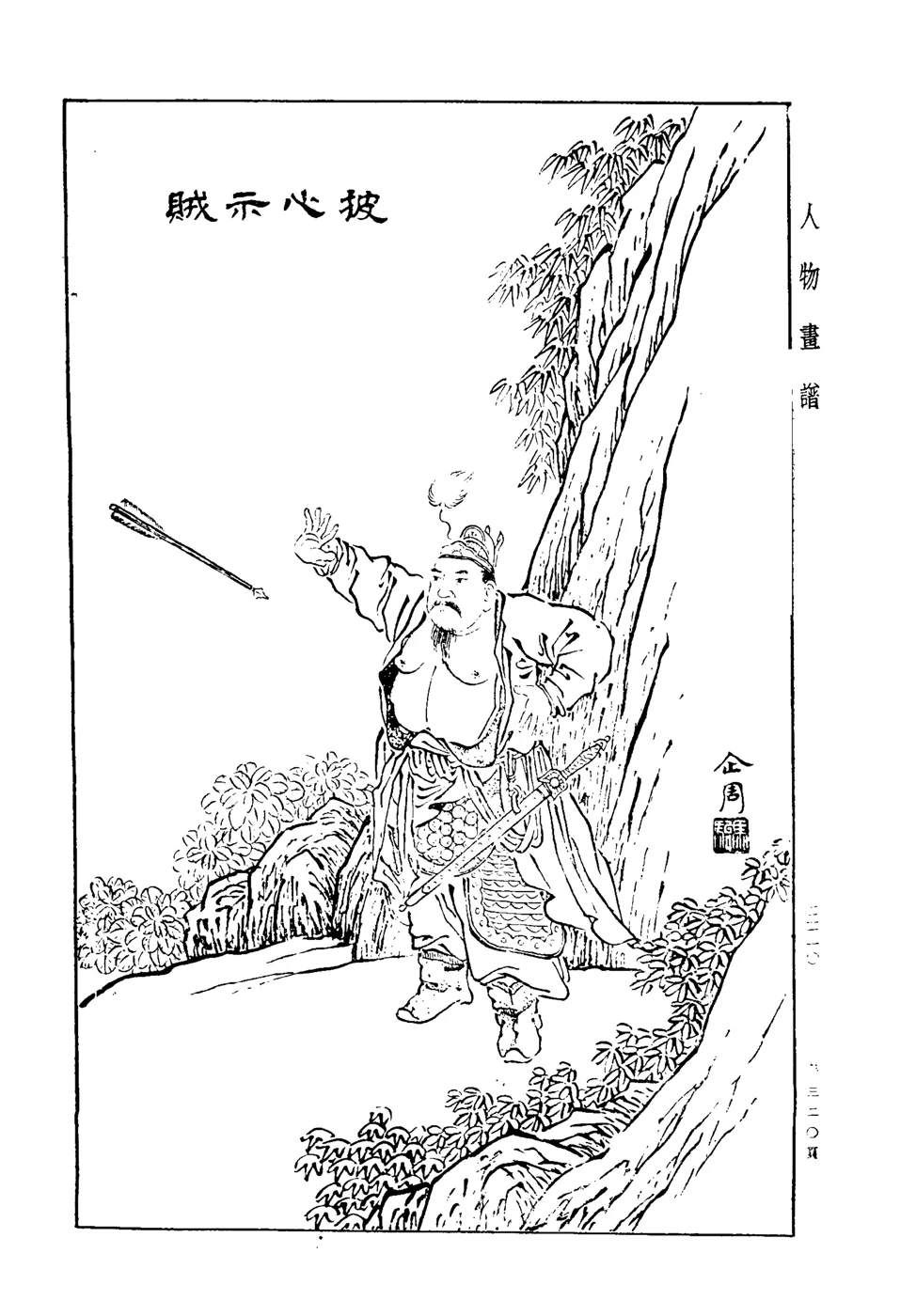
Pacifying Hezhong and Baring His Chest at Changchun Commanded the subjugation of rebel | ### Pacifying Hezhong and Baring His Chest at Changchun Commanded the subjugation of rebel general Li Huaiguang in Hezhong in 785; advanced unarmed to the ramparts of Changchun Palace to bare his chest to the defenders, inducing general Xu Tingguang's unconditional submission and securing the surrender of Hezhong in twenty-seven days.
Subjugates Hezhong in 27 days via psychological surrender | Advanced directly beneath Changchun Palace walls unarmed, persuading commander Xu Tingguang to yield and inducing Li Huaiguang's officers to execute their rebel chief
In May 787 (Zhenyuan 3) | In May 787 (Zhenyuan 3), as imperial peace commissioner Hun Jian and court officials convened with Shang Jiezan on the alliance altar at Pingliang, Tibetan shock cavalry sprang a treacherous ambush.
Relieved of military command following Pingliang Alliance | Urged peace pact with Tubo, but was deceived when General Shang Jiezan launched a treacherous ambush at Pingliang; slandered at court and reassigned to honorary posts
Death | On September 795 (Zhenyuan 11), he passed away peacefully at his residence at the age of seventy.
BIOGRAPHY
Biography
Aristocratic Lineage and Youthful Ambition Ma Sui was born into an illustrious ancestral lineage originating in Youfufeng (modern Xingping, Shaanxi), whose branch subsequently migrated east to Xiangcheng in Ruzhou. His grandfather, Ma Min, served as an officer in the Left Yujian Imperial Guard, while his father, Ma Jilong, was an exceptional military strategist who passed the imperial examination on military doctrine (Mingbingfa), governing frontier garrisons as Prefect of Lanzhou and Commander of Youzhou Strategy. Reared amidst rigorous martial and intellectual traditions, Ma Sui was gifted with an imposing physical stature, standing over six feet two inches tall, with an intense countenance and sharp intellect. Possessing profound composure, resourcefulness, and a comprehensive grasp of classical literature, he was particularly consumed by classical warfare manuals and strategic geography. During the peaceful Kaiyuan era, as contemporary scholars squandered their energies on tedious textual composition, Ma Sui once laid down his scrolls while studying with his elder brothers and sighed: "The realm has grown complacent in peace, and calamity shall soon engulf the state! A real man must achieve everlasting renown during turbulent times to rescue the populace; how can one waste away behind a desk as a petty pedant!" His brothers were astonished, yet Ma Sui devoted himself ever more diligently to equestrian archery, military theory, and statecraft. ### Turmoil of An Lushan and Daring Escape In the winter of 755 (Tianbao 14), Military Commissioner An Lushan launched his catastrophic rebellion from Fanyang, driving 150,000 seasoned tribal and Chinese troops southward. Prior to taking Luoyang, An Lushan appointed Minister of Imperial Entertainment Jia Xun to safeguard his home bastion of Fanyang. Residing in Fanyang at the time, Ma Sui acutely discerned that An Lushan was destined for ultimate destruction. He gained an audience with Jia Xun and urged: "An Lushan has betrayed imperial benevolence to plunge the realm into ruin. Though he has taken Luoyang, his treacherous undertaking defies heaven and cannot endure. Your Excellency commands the ancestral root of his power; why not seize this hour to perform immortal service for the throne? Put to death his rebel lieutenants Xiang Runke and Niu Tingjie, seize the horses and grain supplies of Fanyang, and sever An's retreat! Cut off from behind, unable to penetrate Tong Pass, An Lushan will be entrapped and captured, and universal peace restored!" Jia Xun agreed wholeheartedly with Ma Sui's counsel, but his indecisive nature prevented him from executing the plot immediately. The secret leaked, and An Lushan dispatched his trusted henchman Han Chaoyang to Fanyang under the guise of an imperial inspection. Han immediately lured Jia Xun into a private chamber and strangled him with a bowstring. As rebel troops scoured Fanyang for loyalists, Ma Sui disguised himself and scaled the city ramparts under cover of darkness, escaping into the precipitous crags of the Western Mountains. A recluse named Xu Yu, deeply admiring Ma's chivalric integrity, concealed him within subterranean caverns. Months later, as enemy vigilance waned, Ma Sui traversed difficult mountain tracks to Pingyuan to join Yan Zhenqing's resistance. Following Pingyuan's fall, he made his perilous way through Weijun, witnessing firsthand the plight of war-torn provinces and mastering the terrain of northern China. ### Advising at Zelu and Disciplining the Uighurs In 762 (Baoying 1), following the recapture of Luoyang, Military Commissioner of Zelu Li Baoyu recognized Ma Sui's remarkable strategic acumen and enlisted him as Sheriff of Zhaocheng to direct logistics and military planning. At that time, tens of thousands of Uighur auxiliary cavalry who had aided in liberating the capitals were returning to their homeland across Shanxi. Puffed up with immense pride over their achievements, the Uighur warriors acted with unbridled insolence along their march, plundering local granaries and murdering post station officials over the slightest displeasure in food or drink. Terrified local magistrates shut their gates in panic. When Li Baoyu was tasked with supplying the arrogant barbarians, his entire staff trembled with dread. Ma Sui stepped forward boldly and volunteered to take charge of the post station reception. Upon the arrival of the Uighur vanguard, Ma Sui rode out unaccompanied to greet their commanders. Presenting lavish gifts of cattle, wine, and silks, Ma Sui stood tall and declared with icy authority: "The Son of Heaven rewards your valor, yet disciplined march is the supreme law of arms. Any warrior who violates civilian houses or breaks our pacts shall face unsparing justice!" The Uighur chieftain, struck by Ma's fearless bearing, conferred upon him a command pennant, authorizing Ma to punish any refractory soldiers. Ma Sui then took condemned criminals from the local dungeon to serve as post attendants. In full view of the assembled Uighur warriors, whenever an attendant showed the slightest hesitation in serving wine or obeying orders, Ma Sui instantly unsheathed his sword and severed their heads on the spot. Terrified by his ruthless resolve, the ferocious Uighur cavalry stood in silent awe. Throughout their transit across Zhaocheng and Zelu, not a single Uighur soldier dared commit any violent theft. Watching from the citadel, Li Baoyu marveled: "Ma Xunmei is a peerless statesman; his majesty pacifies even the fiercest barbarians!" ### Foreseeing Treason and Pacifying Hebei Shortly thereafter, Ma Sui discerned covert subterranean conspiracies among the regional military commissioners. He warned Li Baoyu: "Through conversing with frontier envoys, I have gleaned the hidden designs of Pugu Huai'en. Flushed with pride, he has parcelled out lands to former rebel generals such as Li Huaixian, Zhang Zhongzhi, Xue Song, and Tian Chengsi, weaving a vast cabal. His son Pugu Yang is reckless, ruthless, and treacherous. I foresee that within months they will advance upon Taiyuan to raise open insurrection. Your Excellency must prepare without delay!" Heeding the warning, Li Baoyu fortified his positions. Soon after, Pugu Huai'en conspired with Taiyuan commander Li Jiecheng to seize the provincial seat; garrison commander Xin Yunjing executed Li Jiecheng and held the city, while Pugu Yang led troops to lay siege, exactly as Ma Sui had predicted. Earlier, the departing Uighur troops had left commanders An Ke and Shi Changting with thousands of men to garrison Heyang, storing vast looted treasures from Luoyang. Pugu Huai'en directed Xue Song to cut off the Yellow River crossings from Xiangzhou and Weizhou. Li Baoyu dispatched Ma Sui on a solo diplomatic mission into Xue Song's encampment. Speaking with compelling eloquence and moral righteousness, Ma Sui convinced Xue Song to sever ties with Pugu and pledge unconditional obedience to the throne. For this triumph, Ma Sui was elevated to Staff Officer of the Left Martial Guard, subsequently serving as Palace Attendant and Agricultural Commissioner. ### Benevolent Civil Governance and Frontier Fortification In the early Dali era, Ma Sui was promoted to Prefect of Zhengzhou. Finding the commandery devastated by war, with records lost and fields overgrown with weeds, he instituted benevolent reforms, abolishing vexatious levies and establishing an annual consolidated tax (Suiyishuizhi). Refugees flocked back to reclaim their homesteads, and farming thrived. In 769 (Dali 4), Ma Sui was transferred to govern Huaizhou. Arriving in the wake of rampaging soldiery and during a devastating summer drought that scorched crops across Henan, Ma Sui dispensed with onerous edicts, opened granaries to provide relief, and personally visited the homes of soldiers to care for their elderly parents. He mobilized local labor to exhume and decently bury countless abandoned bones in the countryside. By autumn, wild grain sprouted abundantly across the plains, sustaining thousands of starving peasants who venerated him as a savior. Later, when Li Baoyu relocated to Fengxiang, he petitioned to make Ma Sui Prefect of Longzhou and Vice Censor-in-Chief to confront frequent Tibetan incursions. To the west of Longzhou lay an open corridor two hundred paces wide that led into rugged mountains directly confronting Tibetan territory, through which Tibetan raiders routinely surged into Guanzhong. Ma Sui surveyed the terrain and resolved to shut the defile permanently. He mobilized local troops to pile enormous rocks, plant thickets of thorny scrub, and construct two massive timber gateways flanked by formidable watchtowers and palisades. The entire defensive fortress was completed in merely eight days, permanently barring Tibetan horsemen from penetrating the Longzhou passage. Recognizing his dual military and administrative genius, Emperor Daizong summoned Ma Sui to Chang'an, showering him with praises and appointing him Prefect of Shangzhou and Defense Transport Commissioner to supervise essential river logistics. ### Pacifying Mutiny at Heyang and Crushing Li Lingyao In 775 (Dali 10), troops at the strategic Heyang Three Fortresses mutinied and drove out Commissioner Chang Xiuming. The court immediately commissioned Ma Sui as Military Commissioner of Heyang. Riding alone into the mutinous garrison, Ma Sui combined strict justice with generous stipends, executing the ringleaders while comforting the rank and file, restoring complete tranquility within hours. In May 776 (Dali 11), garrison general Li Lingyao revolted at Bianzhou, seizing eight prefectures, severing the vital Grand Canal grain transport, and soliciting alliance with Tian Chengsi of Weibo. Tian dispatched his nephew Tian Yue with 10,000 elite infantry and cavalry to relieve Bianzhou, defeating imperial commander Liu Qia along the way. Emperor Daizong ordered Ma Sui to join forces with Li Zhongchen of Huaixi and Li Zhengji of Ziqing. Ma Sui arrived outside the western walls of Bianzhou, where Li Lingyao had entrenched behind wooden stockades. Discerning that the enemy was positioned downwind along the river, Ma Sui unleashed a night fire assault; riding through the roaring flames, his shock cavalry shattered the stockades, decapitating a thousand rebels and forcing Li Lingyao to shut the citadel. Tian Yue soon arrived with Weibo veterans at Banchao, throwing Li Zhongchen's vanguard into disarray. Ma Sui calmly assured Li: "The Weibo forces have marched from afar; flushed with petty victory, their vigilance is lax. Hold your ground, and watch me crush them!" Ma Sui led his elite troops in a flanking maneuver around the enemy's rear, executing a devastating pincer attack with Li Zhongchen. Tian Yue suffered total defeat and fled north, leaving thousands of dead. Ma Sui pressed the siege of Bianzhou, breached the inner defenses, and captured Li Lingyao alive to be executed in Chang'an. For securing the Grand Canal, Ma Sui was promoted to Vice Minister of Works. ### Hedong Governance and the Invincible Taiyuan Host In May 779 (Dali 14), Emperor Dezong ascended the throne, determined to suppress rampant warlordism. Recognizing Hedong as the imperial dynasty's ancestral heartland, he appointed Ma Sui as Governor of Taiyuan, Beijing Regent, and Military Commissioner of Hedong. Upon arriving in Taiyuan, Ma Sui resolved to build a peerless army capable of neutralizing the rebellious warlords of Hebei. He revamped the imperial armories, recruiting master smiths to forge revolutionary plate armor (Kaiwei Jingqiao) that repelled arrows like polished mirrors, razor-sharp cavalry sabers, and colossal bolt-firing siege ballistas. Furthermore, addressing the tactical shortcomings of traditional infantry facing steppe horsemen, Ma Sui developed the innovative "Linked Cavalry-Infantry Formation": three thousand armored cavalry advanced interlocked with leather harnesses and iron chains, shielded by heavy crossbower detachments and broadsword shock troops, creating an impenetrable moving fortress. Within a few years, Ma Sui forged an elite thirty-thousand-strong host in Taiyuan. Clad in gleaming steel armor and disciplined to perfection, this formidable force became the central pillar of imperial authority during thecampaigns to reduce the power of the regional commands. ### The Relief of Linming and Heroism at Shuanggang In January 781 (Jianzhong 2), Tian Yue of Weibo openly rebelled alongside Li Weiyue of Chengde and Li Na of Ziqing. Leading 50,000 shock troops, Tian Yue invested Xingzhou and built double-walled siege circumvallations around Linming (modern Yongnian, Hebei), vowing to annihilate the defenders. Garrison commander Zhang Pi held Linming against staggering odds, consuming leather harnesses and slaughtering draft oxen as arrows were exhausted. Emperor Dezong ordered Ma Sui with 20,000 Hedong troops to join Li Baozhen of Zhaoyi and Li Sheng of the Shence Army to break the siege. Passing through the precipitous Fukou Gorge, Ma Sui dispatched a conciliatory letter to Tian Yue to induce complacency. Deceived into believing Ma Sui feared his might, Tian neglected to ambush the mountain defile. In November, Ma Sui surged to Handan. When Tian Yue sent emissaries to demand his retreat, Ma executed them before his battle array and routed Tian's vanguard, shooting rebel general Cheng Xuanzhi through the neck. Tian Yue personally pressed the siege of Linming while dispatching his fiercest commander, Yang Chaoguang, with 10,000 men to erect two imposing stockades at Shuanggang south of Linming. Advancing between the two forts, Ma Sui audaciously established his headquarters directly in the enemy's central gap. Terrified by this bold deployment, the eastern garrison abandoned their camp and fled to Tian Yue that very night. Ma Sui occupied Mount Ming, converting the deserted fort into an imperial supply depot. Tian Yue scoffed: "Yang Chaoguang holds a mountain stronghold with ten thousand veterans. Even if Ma Sui throws all his forces against it, he cannot reduce it in days. I shall storm Linming first and return to crush him!" Tian reinforced Yang with 5,000 cavalry from Hengzhou. Seeing Tian Yue attempt to personally relieve the western fort with another 10,000 men, Ma Sui deployed generals Li Ziliang and Li Fengguo with heavy cavalry and the Shence Army on the Shuanggang highway, sternly ordering: "If Tian Yue's troops cross your line, you shall be beheaded!" Li Ziliang held the road with desperate valor, repelling Tian Yue's repeated charges. Concurrently, Ma Sui unleashed hundreds of giant wheeled flamethrower wagons (Huoche) against Yang Chaoguang's wooden fortress. Fanned by howling winds, waves of fire engulfed the rebel ramparts. Imperial infantry swarmed into the conflagration, slaying Yang Chaoguang and his deputy Lu Zichang, decapitating 5,000 rebels and capturing 800 alive. Five days later, Tian Yue marshaled his entire remaining host before Linming in a desperate gamble. Clad in heavy armor, Ma Sui spearheaded the imperial battle line, engaging in over a hundred clashes from dawn to dusk. Inspired by their commander's bravery, the Hedong troops fought like lions, routing Weibo forces, slaying 10,000 enemies, capturing 900 prisoners, and seizing 300,000 bushels of grain. Tian Yue fled into the night, and the sieges of Linming and Xingzhou were broken. For this triumph, Ma Sui was elevated to Right Servant of the Department of State Affairs. Prior to the battle, Ma Sui had sworn to bestow his personal wealth upon his troops upon victory. He faithfully liquidated his family fortune to reward his men. Emperor Dezong praised his nobility, reimbursing him 50,000 strings of cash from the imperial treasury and appointing him Supreme Operations Commander of Weibo. ### Stratagems at Shuanggang and Annihilation at the Huan River In January 782 (Jianzhong 3), Tian Yue rallied 20,000 survivors along the Huan River, reinforced by 10,000 troops under Wei Jun from Ziqing and 3,000 from Hengzhou. Entrenched behind fortifications with Ziqing holding his east and Chengde his west, Tian Yue presented a formidable front. Ma Sui advanced to Ye County and requested reinforcements from Heyang Commissioner Li Peng. Finding the Zhang River blocked by rebel commander Wang Guangjin, who held a fortified bridgehead, Ma Sui devised a damming mechanism: he linked hundreds of wagons with iron chains across the torrent and filled the gaps with thousands of sandbags. As the water level dropped, imperial legions crossed the riverbed dry-shod. Facing an enemy determined to exhaust imperial supplies through protracted defense, Ma Sui ordered his men to carry only ten days of rations and pushed boldly into Cangkou, facing Tian Yue across the Huan River. When Li Baozhen questioned the danger of advancing deep into hostile territory with scarce food, Ma Sui laughed: "Scarce provisions dictate rapid decision! Sun Tzu taught: 'Make the enemy come to you.' Tian Yue and his allies hope to starve us out. If we assault their wings, we risk ambush. By lunging directly at their jugular, we compel them to hazard a pitched battle. I shall destroy their combined host here and now!" Ma Sui erected three pontoons across the Huan River, issuing daily challenges which Tian Yue refused. Anticipating that Ma would attack again next morning, Tian concealed 10,000 ambushers in the riverside woods. Yet at the third watch of the night, Ma Sui ordered his troops to take their meals in silence and marched them without torches or drums along the river directly toward Weibo's capital. He instructed: "When the rebels pursue our rear, halt and form line of battle!" Simultaneously, Ma left a hundred cavalry in his abandoned camp to maintain loud drumming, armed with combustibles. As soon as the main army departed, the drumbeats ceased. Deceived into believing the imperial army was in full flight, Tian Yue unleashed 40,000 infantry and cavalry across the bridges in pursuit, setting fires and cheering wildly. The moment the rebel host cleared the river, the hidden imperial cavalry set fire to the pontoons; within minutes, all three bridges collapsed into ashes, severing Tian Yue's retreat! Ten miles ahead, hearing the enemy approach, Ma Sui halted his legions, took his seat calmly on a camp chair, and ordered: "Stand fast! Death to any who break ranks!" Pioneer detachments cleared a wide battlefield amidst the scrub, while Ma recruited 5,000 shock troops armed with giant sabers to anchor the vanguard. By the time the breathless rebels arrived, the fire had burnt out and their energy was spent. Ma Sui waved his command banner, launching his shock troops like a thunderbolt. The interlocked cavalry ripped through the disordered rebel lines. As allied imperial divisions rallied, they drove the routed enemy against the Huan River, where the burnt bridgeheads offered no escape. Thousands drowned or were butchered along the banks; over 20,000 rebels were slain, rebel generals Sun Jinqing and An Mochuo decapitated, and 3,000 taken prisoner. The Ziqing division was wiped out, with corpses covering the plains for thirty miles. Tian Yue escaped with barely a thousand horsemen to Weizhou. Guard commander Li Changchun initially barred the gates against him; upon entering at dawn, Tian executed Li and shut himself inside. Within days, Weibo prefectures surrendered: Li Zaichun yielded Bozhou, Tian Ang yielded Mingzhou, and Fu Lin defected to Ma Sui with 500 horsemen. Ma blocked the imperial canal supplying water to Weizhou, causing utter panic within the city. For this monumental triumph, Emperor Dezong appointed Ma Sui Joint Chief Chancellor. ### The Shifting Strategic Horizon and Northern Bulwark However, the geopolitical landscape suddenly fractured. Rebel general Wang Wujun assassinated Li Weiyue but grew alienated from the throne over regional allocations; Zhu Tao of Youzhou likewise revolted. The two generals assembled 50,000 troops to relieve Weizhou. Tian Yue sallied forth with 20,000 men to offer battle before the walls, but Ma Sui crushed him once more. In June, as allied commanders panicked before Zhu Tao's vast army and proposed retreat, Ma Sui adamantly insisted on maintaining the siege. Dezong dispatched Shuofang Commissioner Li Huaiguang with 15,000 shock troops to bolster the front. Yet Li Huaiguang was rash and headstrong. Arriving on June 30, without allowing his troops an hour of rest, he demanded an immediate assault against Zhu Tao. Imperial forces suffered tactical setbacks, and the rebels breached the river dikes to inundate the imperial encampment. With waters rising and provisions dwindling, Ma Sui prudently coordinated an orderly withdrawal to Weixian in July, digging defensive earthworks to hold the northern front. When Zhu Tao styled himself King of Ji, Tian Yue King of Wei, Wang Wujun King of Zhao, and Li Na King of Qi, plunging northern China into chaos, Ma Sui's staunch defense at Weixian prevented the rebel kings from crossing south of the Yellow River. In October 783 (Jianzhong 4), mutinous troops from Jingyuan seized Chang'an, forcing Emperor Dezong to flee to Fengtian. Realizing that the empire's fate hung in the balance, Ma Sui led his army back to Taiyuan to secure the dynastic cradle. Upon arriving, he immediately dispatched Commander Wang Quan with 5,000 troops and sent his own son Ma Hui to guard the Son of Heaven at Zhongwei Bridge. Recognizing that Taiyuan's eastern approaches were vulnerable to nomadic cavalry, Ma Sui engineered monumental civil defense works: he channeled the Jin River through elevated flumes over the Fen River to inundate the eastern perimeter, creating vast protective marshes that eliminated the need for 10,000 city guards. He then encircled the ramparts with fortified dykes lined with willow groves, rendering Taiyuan an impregnable sanctuary. ### Subjugating Hezhong and the Unarmed Surrender In January 784 (Xingyuan 1), Emperor Dezong elevated Ma Sui to Grand Minister of Works (Situ) and Prince of Beiping. Upon returning to Chang'an, the emperor appointed Ma Vice Grand Marshal of Pacification Forces to quell Li Huaiguang, who had revolted and seized Hezhong (Puzhou). Before initiating military operations, Ma Sui deployed psychological statecraft. He sent letters to Li Huaiguang's outlying commanders, inspiring Li's brother-in-law Yao Tingzhen at Jinzhou, Mao Zhaojian at Xizhou, and Zheng Kang at Cizhou to surrender their cities to the throne. When the emperor rewarded Ma Sui with the commissionership of these three prefectures, Ma generously petitioned to transfer them to Kang Rizhi, declaring that self-aggrandizement would discourage future loyalists. He handed over all granary registers intact to Kang, earning universal admiration. In September, Ma Sui advanced to Jiangzhou with 30,000 troops, storming Longmen and capturing rebel commanders Feng Wanxing and Ren Xiangyu. By October, he reduced Jiangzhou's outer citadels, causing rebel prefect Wang Ketong to flee. He dispatched Li Ziliang to secure five adjacent counties, capturing 5,000 enemy troops. When his own commander Gu Xiu plundered civilian women, Ma Sui executed him on the parade ground, enforcing immaculate discipline. In 785 (Zhenyuan 1), Ma Sui shattered rebel cavalry at Taocheng, slaying 10,000 and killing general Xu Bowen. Facing a severe nationwide famine, court ministers urged Emperor Dezong to grant Li Huaiguang a general pardon. Recognizing that leaving an erratic rebel near the imperial capital would prove fatal, Ma Sui rode with a small escort to Chang'an and pledged before the emperor: "Though lacking talent, give me one month's grain, and I shall eradicate Hezhong!" Returning to the front in July, Ma Sui joined forces with Hun Jian at Changchun Palace. This key citadel was held by Li Huaiguang's premier general, Xu Tingguang, with 6,000 elite troops behind formidable battlements. Rather than spilling blood in a protracted siege, Ma Sui executed one of the most audacious acts in Chinese military history: he discarded his armor, donned a simple civilian robe, and rode accompanied by only a few aides directly to the foot of the castle walls, shouting for Xu Tingguang. Looking down from the battlements, Xu recognized the legendary general and bowed from the parapet. Sensing Xu's wavering heart, Ma Sui spoke with serene majesty: "I have just returned from the imperial court bearing royal clemency. Turn west and receive your sovereign's grace!" Xu bowed again. Ma continued: "You are all gallant warriors of the Shuofang Army! For forty years since An Lushan's revolt, your ancestors shed blood to restore the two capitals, achieving supreme glory in the realm. Why cast away your fathers' immortal honors to follow a doomed traitor and bring extinction upon your clans? If you follow me, not only shall you escape destruction, but high honors and wealth shall be yours!" The garrison listened in breathless silence. Seeing their hesitation, Ma Sui threw his sword to the ground, ripped open his robe to bare his chest, and cried: "If you doubt my sincerity, I stand here barely ten paces away—draw your bows and shoot me through the heart!" Overcome with weeping and awe, Xu Tingguang and his 6,000 soldiers dropped their weapons and prostrated themselves on the walls. The gates swung open, and Ma Sui rode unarmed into the citadel amidst ecstatic roars from the soldiers: "We are once again loyal subjects of the Son of Heaven!" Observing this miraculous bloodless surrender, Field Marshal Hun Jian marveled: "I once thought my generalship rivaled Ma Sui's, but his moral courage and strategic grandeur leave me far behind!" In August, Ma Sui threw eighty thousand troops across the Yellow River before Puzhou. Despairing of all hope, rebel commander Niu Mingjun decapitated Li Huaiguang and surrendered the city. Ma Sui entered Hezhong without harming a single inhabitant, executing only seven unrepentant ringleaders and granting unconditional pardons to the 16,000 coerced defenders. The entire campaign was concluded in twenty-seven days. Emperor Dezong composed two philosophical inscriptions, Chenyi and Taiheng, which Ma engraved upon the walls of Taiyuan's Qiyi Hall with the emperor's personal calligraphy. ### The Pingliang Treachery and Dignified Retirement In the winter of 786 (Zhenyuan 2), Tibetan Prime Minister Shang Jiezan captured Yan and Xia prefectures, massing his armies at Mingsha. Dezong appointed Ma Sui Supreme Commander of Four Prefectures. As Ma advanced to Shizhou, Shang Jiezan, terrified of facing his armored legions, dispatched envoys with lavish tribute, proposing an eternal peace treaty. Honest and magnanimous, Ma Sui believed a lasting peace would bring relief to the exhausted populace, and he successfully persuaded Emperor Dezong to sanction a formal peace alliance at Pingliang. In May 787 (Zhenyuan 3), as imperial peace commissioner Hun Jian and court officials convened with Shang Jiezan on the alliance altar at Pingliang, Tibetan shock cavalry sprang a treacherous ambush. Hun Jian leapt over defensive trenches and galloped away under a hail of arrows, but dozens of imperial officials were captured or slaughtered. The Pingliang catastrophe shocked the Tang court. Exploiting the emperor's fury and inherent suspicion, treacherous courtiers Lu Qi and Dou Shen slandered Ma Sui, suggesting that his decade-long command of Taiyuan's elite legions posed a threat to the throne. Dezong stripped Ma Sui of his regional command, recalling him to Chang'an as Grand Minister of Works (Situ) and Imperial Attendant (Shizhong). Recognizing the perils of supreme glory, Ma Sui retired behind closed doors, never uttering a word on military matters or factional politics. Reassured by his complete humility, Emperor Dezong treated him with supreme veneration, frequently visiting his private residence to bestow lavish gifts. ### Peaceful Passing and Enduring Immortality In his twilight years, Ma Sui lived in dignified seclusion in Chang'an, passing his days amidst classical books, gardens, and antiquities. On September 795 (Zhenyuan 11), he passed away peacefully at his residence at the age of seventy. Emperor Dezong was plunged into deep grief, canceling court audiences for three days. He posthumously conferred upon Ma Sui the supreme rank of Grand Preceptor (Taibao), financed an imperial state funeral, bestowed the honorable posthumous title Zhuangwu, and had him interred among the meritorious grandees at the Zhaoling imperial mausoleum. In 806 (Yuanhe 1), Emperor Xianzong ordered Ma Sui's portrait enshrined in the legendary Lingyan Pavilion, immortalizing him alongside Guo Ziyi and Li Sheng as an eternal titan of the Tang restoration.
Major Activities
Disciplining the Uighur Vanguard Appointed Sheriff of Zhaocheng during the Baoying era; confronted insolent Uighur returning cavalry, establishing a strict covenant and executing unruly prisoners on the spot, completely cowing the tribal warriors and shielding the populace from plunder. ### Subjugating the Bianzhou Rebellion Fielded imperial forces against rebel leader Li Lingyao at Bianzhou in 776; utilized fire warfare to burn the enemy's western fortifications and ambushed Tian Yue's elite relief corps at Banchao, capturing Li Lingyao and securing the Grand Canal. ### Establishing the Invincible Hedong Army Governed Taiyuan for ten years as Military Commissioner of Hedong; overhauled weapons manufacturing with impenetrable plate armor and colossal ballistas, pioneering the "Linked Cavalry-Infantry Formation" and drilling 30,000 elite troops into the empire's ultimate strike force. ### Relief of Linming and Annihilation at the Huan River Relieved the besieged fortress of Linming in 781, capturing the Twin Forts with flamethrower wagons and slaying rebel commander Yang Chaoguang; in 782, dammed the river with iron-chained wagons and burnt retreat bridges across the Huan River, slaying 20,000 Weibo-Ziqing troops and liberating northern prefectures. ### Pacifying Hezhong and Baring His Chest at Changchun Commanded the subjugation of rebel general Li Huaiguang in Hezhong in 785; advanced unarmed to the ramparts of Changchun Palace to bare his chest to the defenders, inducing general Xu Tingguang's unconditional submission and securing the surrender of Hezhong in twenty-seven days. ### Championing the Pingliang Alliance and Prudent Retirement Advocated the Pingliang peace pact with Tubo to achieve regional tranquility; though betrayed by Shang Jiezan and stripped of provincial military commands, Ma retired in dignified obscurity, preserving his untarnished renown and surviving the treacherous politics of the mid-Tang court.
Personal Relations
- Father: Ma Jilong, imperial examinee in military science (Mingbingfa), Prefect of Lanzhou and Commander of Youzhou Strategy.
- Brothers: Ma Xuan, Prefect of Fuzhou; Ma Sui was the middle brother, devoted to classical study and martial strategy in youth.
- Sons: - Ma Hui: Eldest son, Chamberlain for the Palace Buildings, led troops to defend Emperor Dezong during the Fengtian crisis. - Ma Chang: Second son, Left Servant of State Affairs, General of the Jinwu Guard, and Military Commissioner of Fufang. - Ma Chou: Youngest son, General of the Left Mighty Guard. ### Comrades and Allies - Li Baoyu: Prominent mid-Tang chancellor and Military Commissioner of Zelu; early patron who recognized Ma Sui's genius and entrusted him with vital affairs.
- Li Baozhen: Military Commissioner of Zhaoyi; Ma Sui's staunch comrade-in-arms across the campaigns of Linming, Shuanggang, and the Huan River.
- Li Sheng: Revered restorer of Tang and Prince of Xiping; coordinated tactical operations with Ma Sui during the rescue of Linming and the defeat of Tian Yue.
- Hun Jian: Prince of Xianning and heroic field marshal; co-directed the Hezhong campaign with Ma Sui and openly marveled at Ma's peerless generalship.
- Luo Yuanguang: Military Commissioner of Zhenguo; key colleague in the Hezhong pacification and frontier Tibetan defense.
- Zhang Pi: Gallant defender of Linming who held out against impossible odds until Ma Sui broke the siege. ### Adversaries and Foes - Tian Yue: Belligerent warlord of Weibo who besieged Linming and Xingzhou; annihilated by Ma Sui at Linming and the Huan River, fleeing back to Weizhou in disgrace.
- Li Lingyao: Rebel officer at Bianzhou who severed the Grand Canal; defeated and captured by Ma Sui and executed in the capital.
- Li Huaiguang: Arrogant Military Commissioner of Shuofang who rebelled in Hezhong; surrounded by Ma Sui and decapitated by his own officers.
- Shang Jiezan: Tibetan Prime Minister and eastern invasion general; sued for peace out of terror of Ma Sui, subsequently executing the treacherous Pingliang ambush.
Historical Assessment
Classical Dynastic Historians - *Liu Xu (Old Book of Tang)*: "Ma Sui was profoundly resolute, endowed with deep resourcefulness, and a master of military statutes. During the Dali and Jianzhong eras, as Hebei bristled with arms and the dynastic house faced endless perils, Ma Sui stood alone against the rebel tide with his Hedong hosts. His victory at Linming extracted strongholds from the jaws of death; his triumph at the Huan River crushed formidable adversaries along the great waters. Breaking Tian Yue and taking Hezhong, his generalship was godlike and his stratagems infallible. In the middle era of Tang, his deeds overshadowed the realm, marking him as a supreme hero of dynastic restoration."
- *Ouyang Xiu and Song Qi (New Book of Tang)*: "In the mid-Tang period, regional warlords relied on brute force to assert dominion. Ma Sui rose through intellect and valor, drilling elite soldiers at Taiyuan, sweeping across Hebei, reducing famous citadels, and pacifying Hezhong. His monumental deeds shone brilliantly. Although deceived by treacherous appearances at the Pingliang Alliance and stripped of his command in old age, he preserved his renown and finished his life in peace—a veritable titan of his age."
- *Sima Guang (Zizhi Tongjian)*: "Ma Sui governed troops at Taiyuan with supreme skill in armaments, forging exquisite plate armor and inventing the linked cavalry formation, shaking Guandong with martial dread. In relieving Linming and deciding the day at the Huan River, his stratagems were flawless and in complete harmony with Sun Tzu. Though Tian Yue possessed tens of thousands of fierce Weibo fighters, none could withstand his onset."
- *Su Shi (Collected Works of Su Dongpo): "During Emperor Dezong's reign, arms and rebellions convulsed the realm. Among those possessing the profound strategic acumen to purge rebellious warlords and sustain the dynastic house, only two men stood preeminent: Li Sheng, Prince of Xiping, and Ma Sui, Prince of Beiping." ### Imperial and Ministerial Assessments - Emperor Dezong of Tang*: "Since you assumed military command, you have continually achieved majestic triumphs. You broke the desperate siege of Linming, salvaged disaster at the Huan River, and recovered Hezhong without abandoning an inch of soil. We bestow these two inscriptions, carved on eternal stone, to celebrate sovereign-minister harmony throughout a hundred generations!"
- *Han Yu (Inscription on the Pacification of Huaixi)*: "Since the Zhenyuan era, when the portraits of restorative heroes were emblazoned on the Lingyan Pavilion, Li of Xiping and Ma of Beiping struck awe into the imperial majesty, serving as the supreme pillars of the ancestral altars."
- *Wang Fuzhi (On the Comprehensive Mirror for Aid in Government)*: "Ma Sui excelled in generalship and excelled equally in comforting the masses. When a single speech beneath the Changchun Palace induced Xu Tingguang's surrender, it was not achieved through terrifying bluster, but through the deep sincerity of a loyal subject that stirred men to the marrow. The disaster of Pingliang stemmed from the court's lack of preparedness, not from any personal dishonor of Ma Sui." ### Modern Historiographical Evaluation As one of the most brilliant military minds and strategic statesmen of the mid-Tang restoration, Ma Sui played an indispensable role in crushing the rebellions of Li Lingyao, the Hebei warlord coalitions, and Li Huaiguang at Hezhong. He combined mastery of military deception with revolutionary equipment manufacturing, creating the famed Taiyuan shock army and the "linked cavalry-infantry" tactical system. His victories at Linming and the Huan River remain classic textbook examples of operational mobility, tactical fire warfare, and encirclement annihilation. His single-handed pacification of Changchun Palace, stripping his armor to bare his chest to enemy archers, exemplifies transcendent moral authority and raw valor. Although his twilight years were overshadowed by the Tibetan treachery at Pingliang, his astute political wisdom in accepting retirement allowed him to navigate the treacherous shoals of Tang court politics, securing an untarnished legacy as one of the greatest restorative generals in Chinese history.
FIGURES ASSOCIATED WITH THIS DYNASTY
Bibliography
- Old Book of Tang*, Volume 134: Biographies 84: Biography of Ma Sui
- New Book of Tang*, Volume 155: Biographies 80: Biography of Ma Sui
- Zizhi Tongjian*, Volumes 224–235: Tang Annals
- Wenyuan Yinghua*, Volume 493: Spirit Way Stele for the Late Grand Preceptor Duke Ma