 VOL. 01 · ART.001
Taxation & Land
8 min read
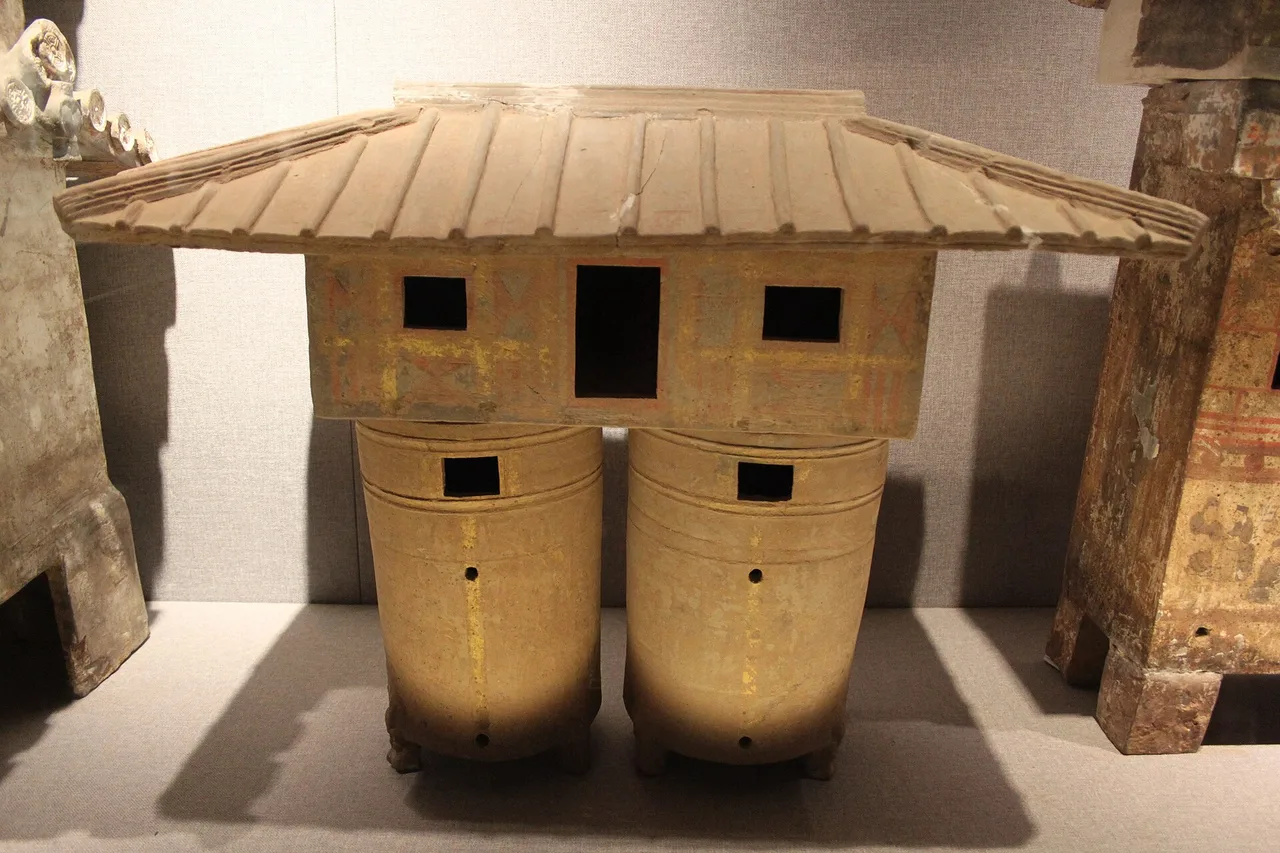
Why Han Peasants Traded a 3.3% Land Tax for 50% Private Rent
Han peasants abandoned a 3.3% land tax to pay 50% private rent because cash poll taxes, unpaid labor drafts, and local levies broke small farms.
 VOL. 02 · ART.002
Taxation & Land
8 min read
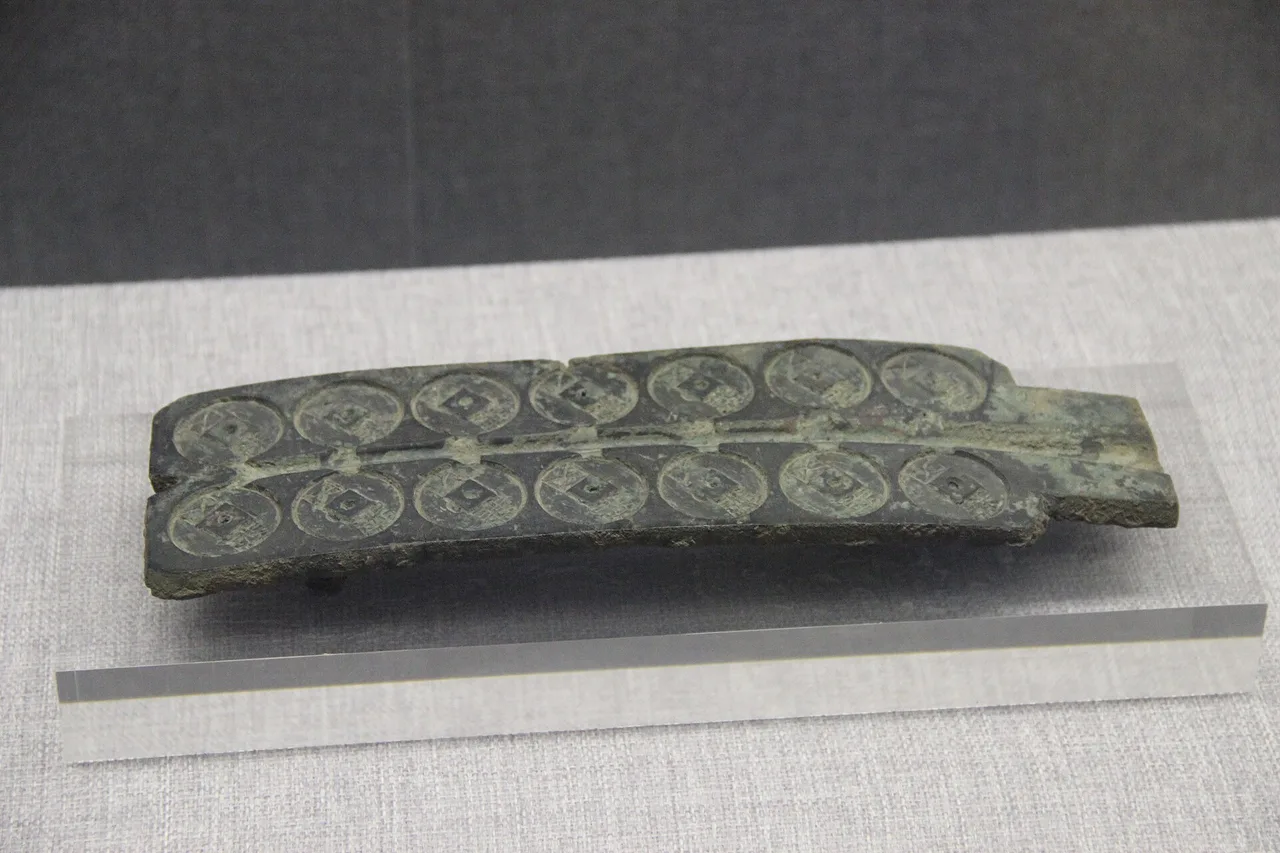
How the Early Han Dynasty Filled Its Treasury After Cutting Land Taxes to Zero
Emperor Wen cut the Han land tax to zero for eleven years, yet state granaries overflowed. Cash poll taxes, rank sales, and deep spending cuts drove the surplus.
 VOL. 03 · ART.003
War Finance
8 min read
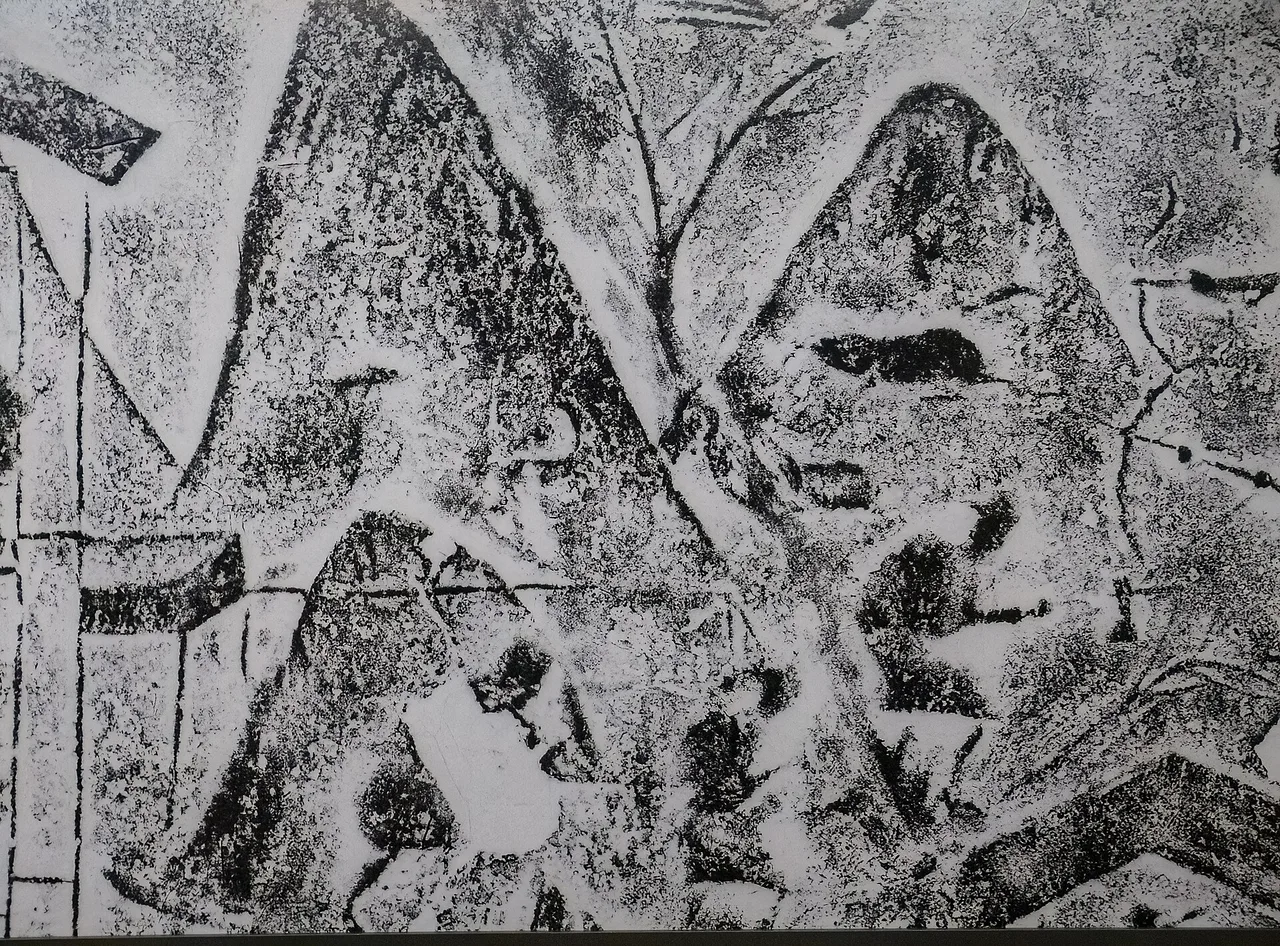
Why Emperor Wu of Han Seized Salt and Iron to Fund His Wars
After 119 BCE wars drained the Han treasury, Sang Hongyang built a wartime fiscal loop through state salt and iron monopolies and unified Wuzhu bronze coins.
 VOL. 04 · ART.004
Bureaucracy Cost
8 min read
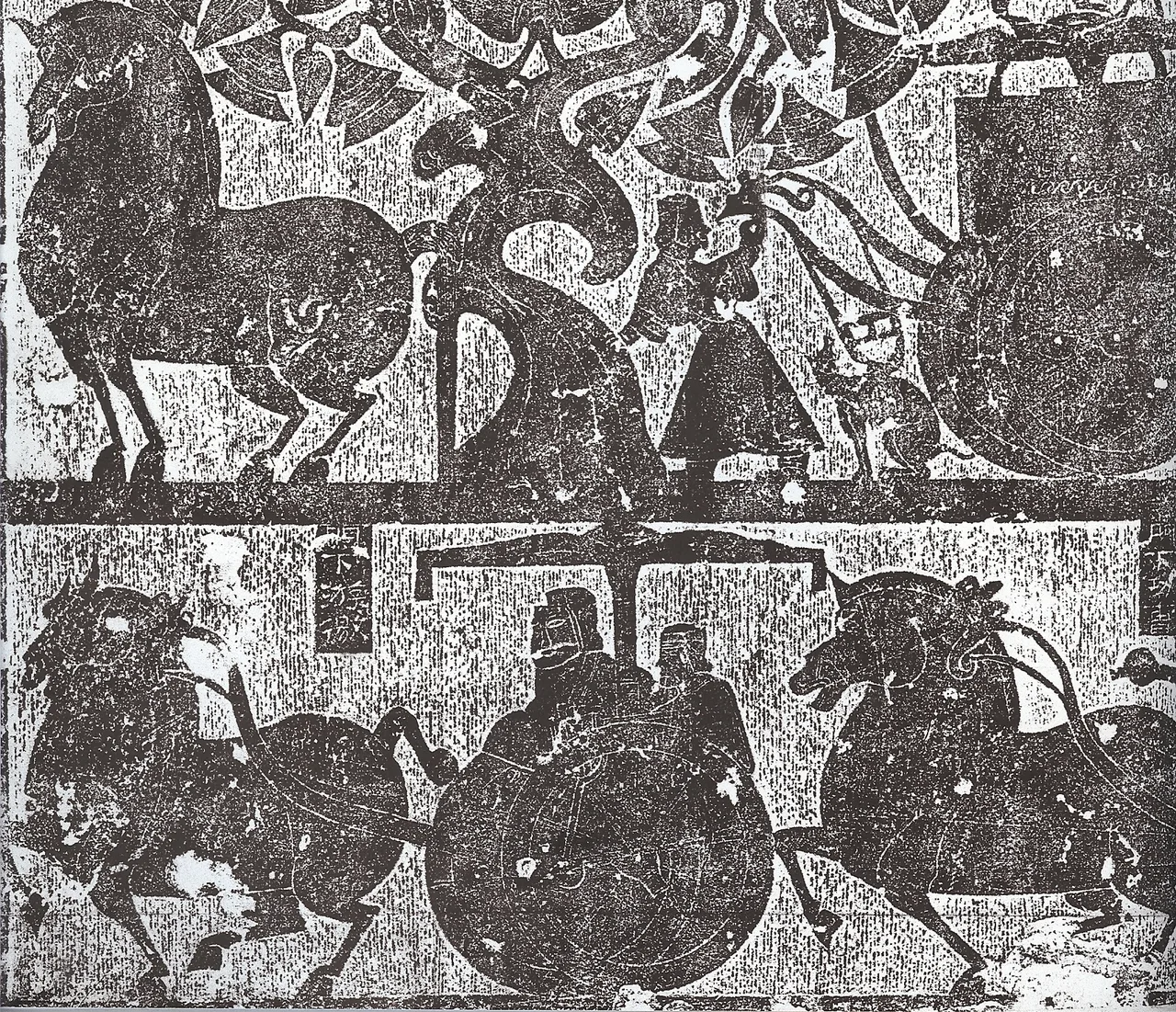
How the Eastern Han Dynasty Sold Public Offices on Credit—and Sparked Collapse
In 178 CE Emperor Ling of Han priced ministries and county posts like cash franchises, even on credit. Buyers bled counties dry, sparking revolt by 184 CE.
 VOL. 05 · ART.005
Bureaucracy Cost
8 min read
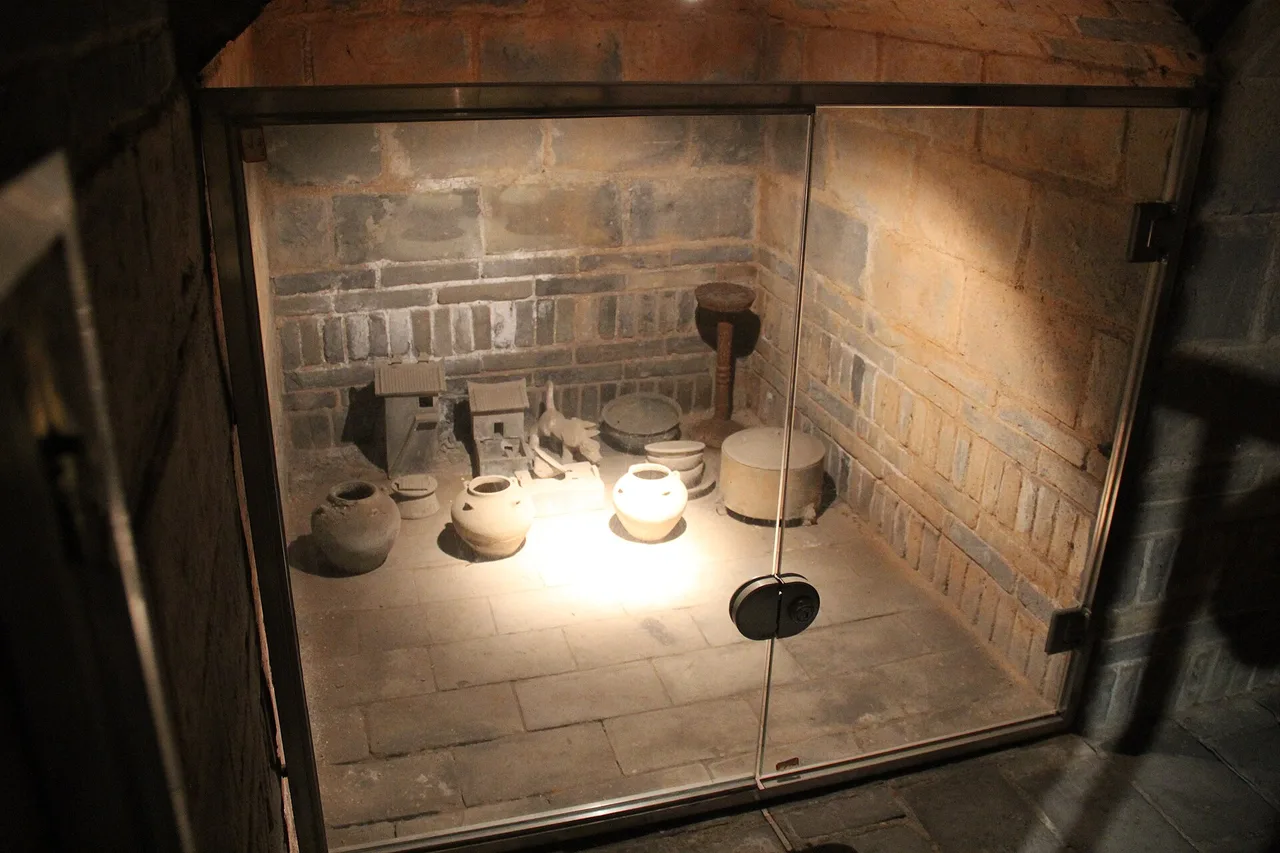
How China's Nine-Rank System Turned From Emergency Meritocracy Into a Hereditary Caste
Created in 220 CE to break clan monopolies after civil war, Cao Wei's Nine-Rank System collapsed into hereditary privilege within two generations.
 VOL. 06 · ART.006
Taxation & Land
10 min read
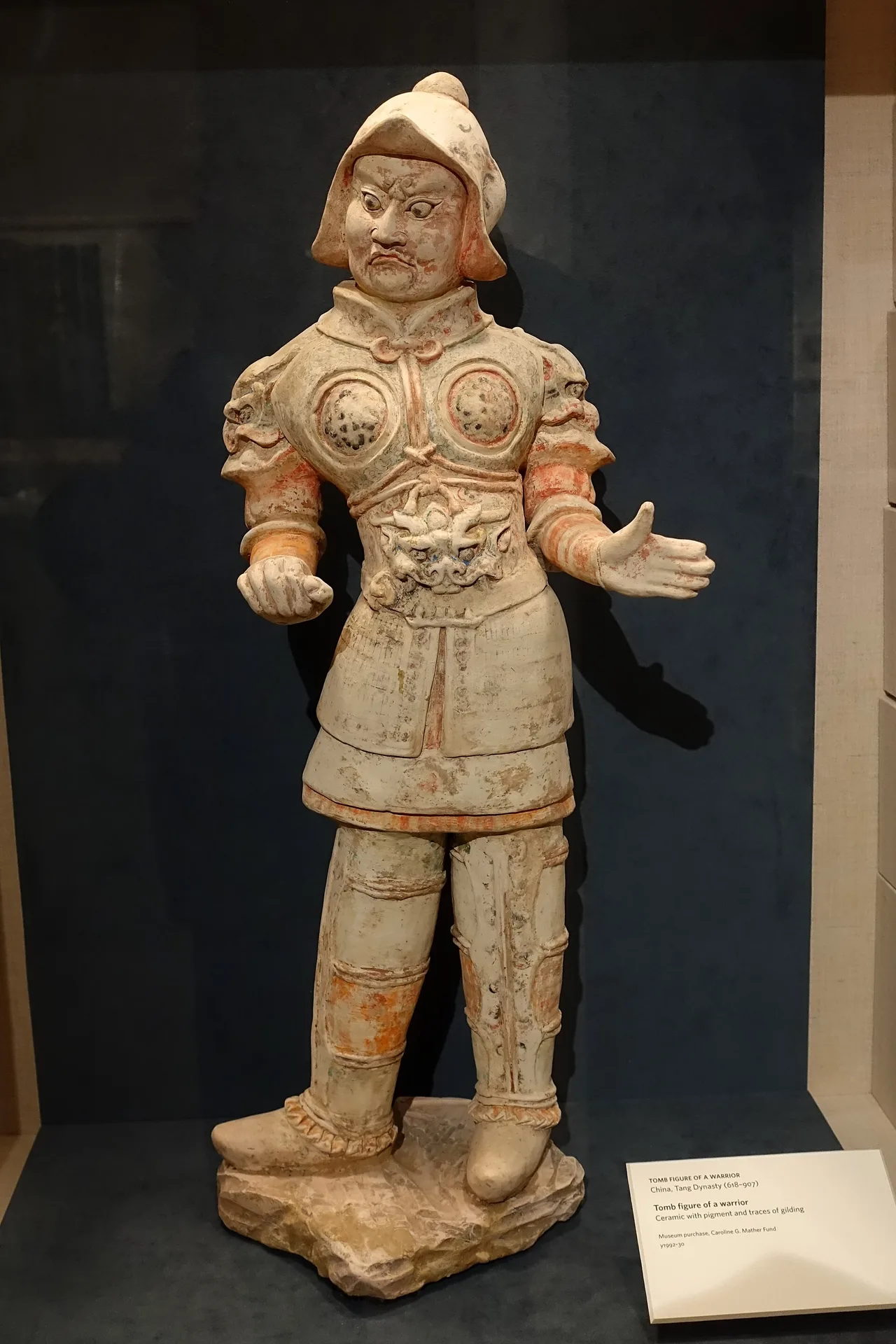
Where Did the Land Distributed Under the Equal-Field System Actually Come From?
From Northern Wei to Tang China, the Equal-Field System promised 100 mu of land to every adult male without seizing noble estates. Using the Book of Wei and Dunhuang tax registers from 747 CE, we audit the real fiscal ledger of peasant households and the imperial treasury.
 VOL. 07 · ART.007
War Finance
11 min read
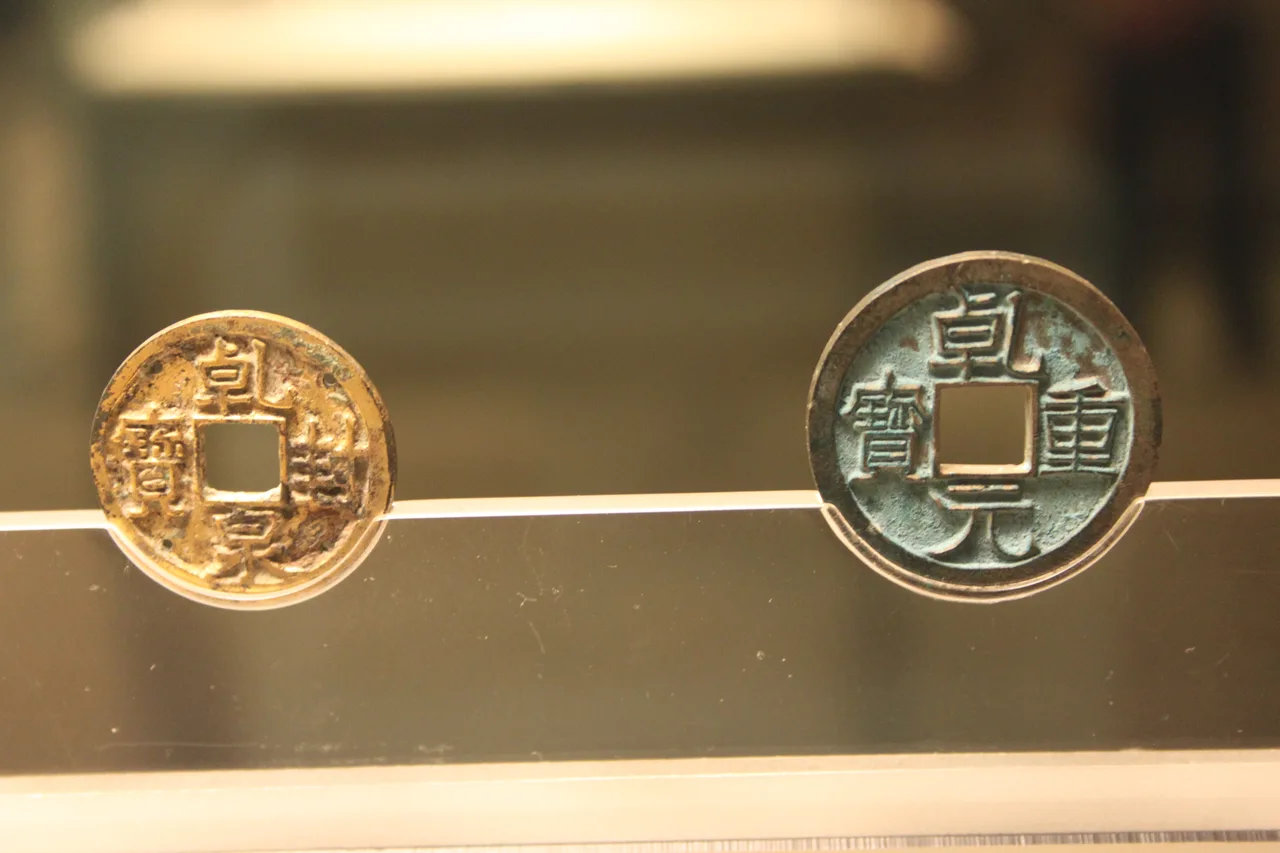
Armed at Own Expense: Why the Tang Fubing System Drove Middle-Class Peasants to Desertion
An imperial balance-sheet breakdown of the Tang Fubing System. Discover why a self-funded militia model saved the treasury millions before unraveling into bankruptcy, desertion, and military rebellion.
 VOL. 08 · ART.008
Taxation & Land
12 min read
Saving the Tang with an Asset Ledger: How Yang Yan's Two-Tax System Rescued Imperial Finances after the An Lushan Rebellion
An analysis of the Two-Tax System launched by Yang Yan in 780 CE under Emperor Dezong of Tang, examining budget quotas, asset taxation, deflation, and Roman comparisons.
 VOL. 09 · ART.009
Bureaucracy Cost
12 min read
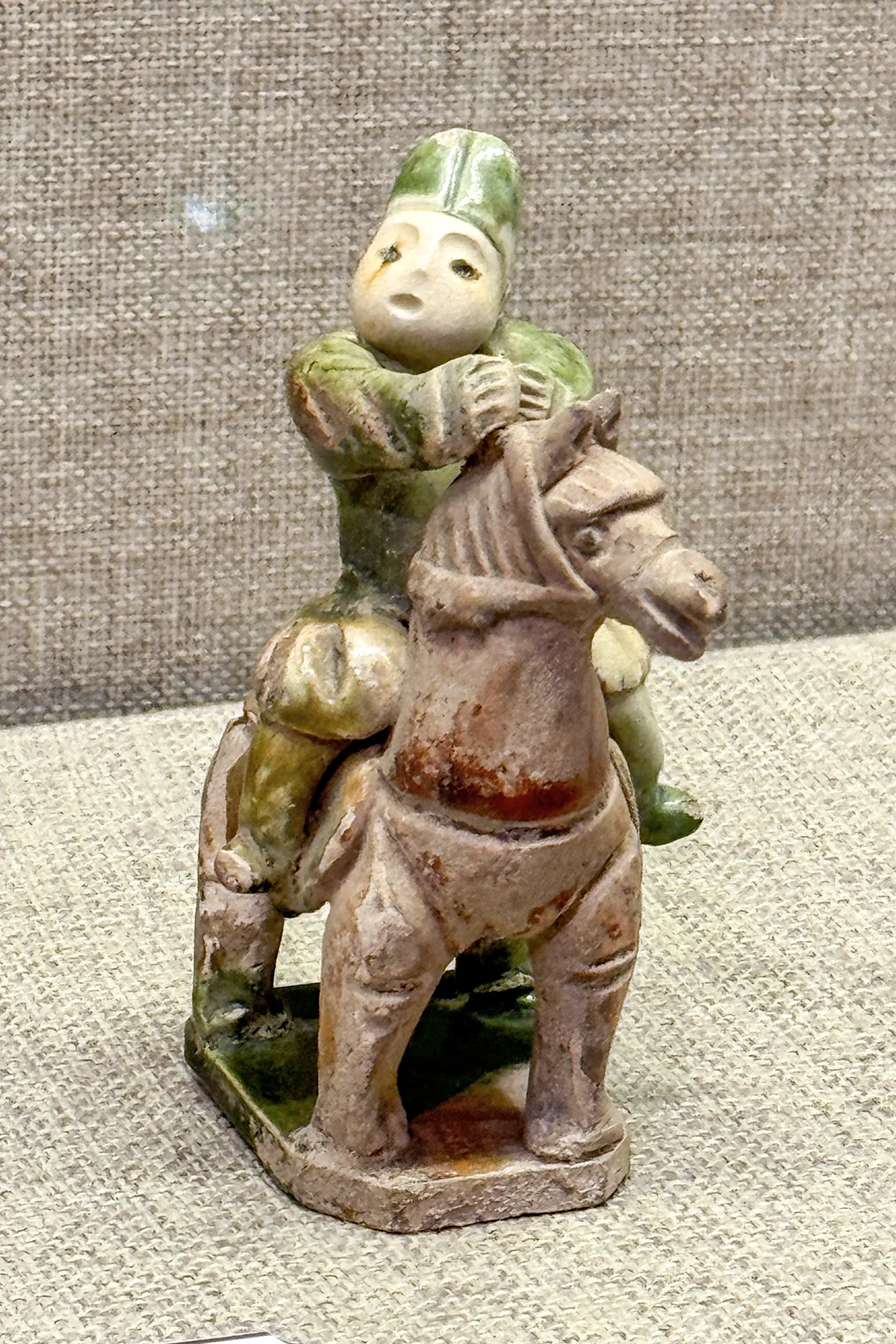
How Much Did Bao Zheng Legally Earn? Unrolling the High-Salary Anti-Corruption Ledger of Northern Song Officials
Drawing on the History of Song and the Collected Statutes of the Song, this study breaks down the payroll of Acting Governor of Kaifeng Bao Zheng. By comparing Ming low salaries and the British civil service, it reveals how the Northern Song bought bureaucratic loyalty through massive state outlays, triggering the Three Redundancies.
 VOL. 10 · ART.010
War Finance
12 min read
Recruiting Soldiers in Famine: How the Northern Song Traded Fiscal Health for Rebellion Immunity
An audit of the Northern Song famine recruitment policy across micro and macro ledgers. Discover how buying off displaced refugees consumed eighty percent of state revenue, compared to Roman grain doles.
 VOL. 11 · ART.011
Currency & Credit
11 min read
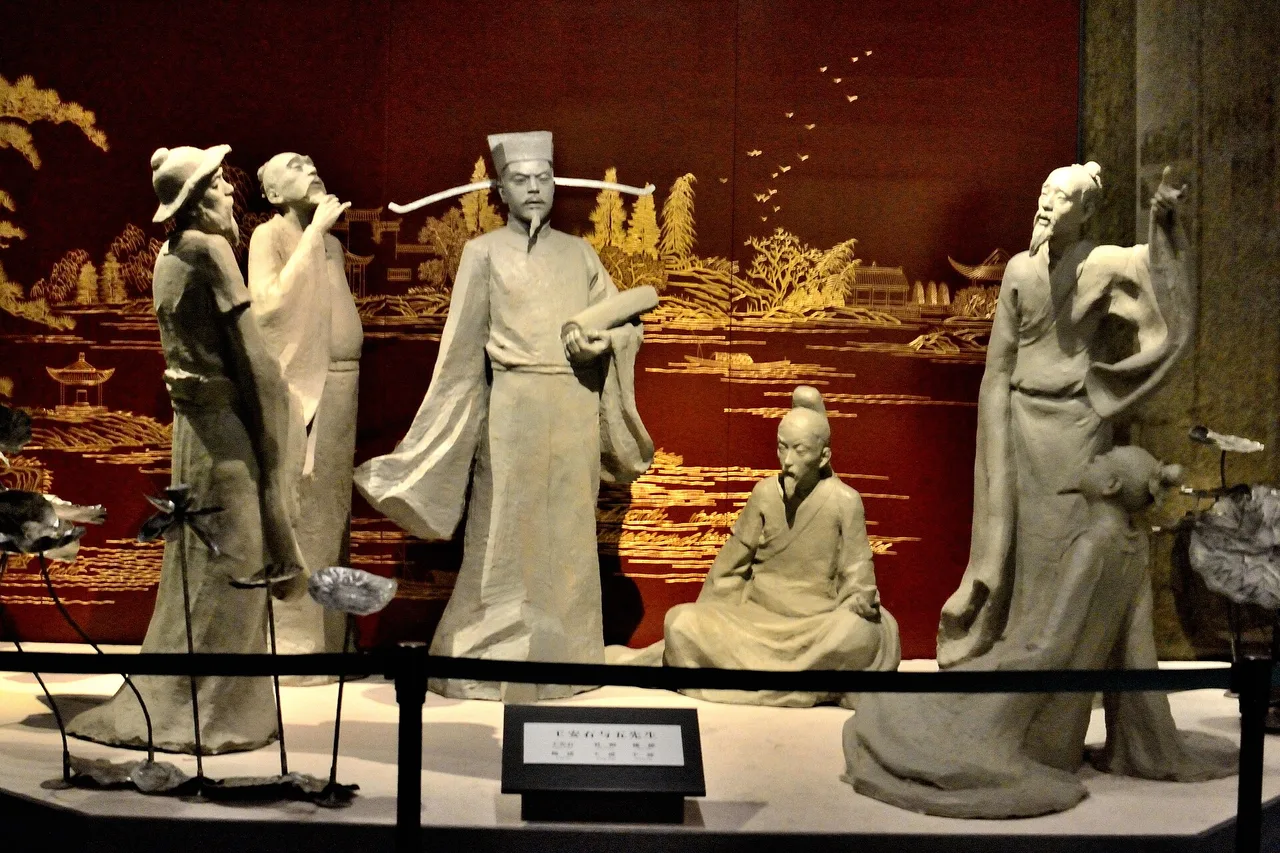
Is a 20% Annual Interest Rate Usury? The Overlooked Fiscal Reality of Wang Anshi's Green Sprouts Policy
An economic breakdown of the Green Sprouts policy under Wang Anshi's New Policies (Xining Reforms), contrasting statutory rates with local fiscal quotas and European charitable pawnshops.
 VOL. 12 · ART.012
Currency & Credit
11 min read
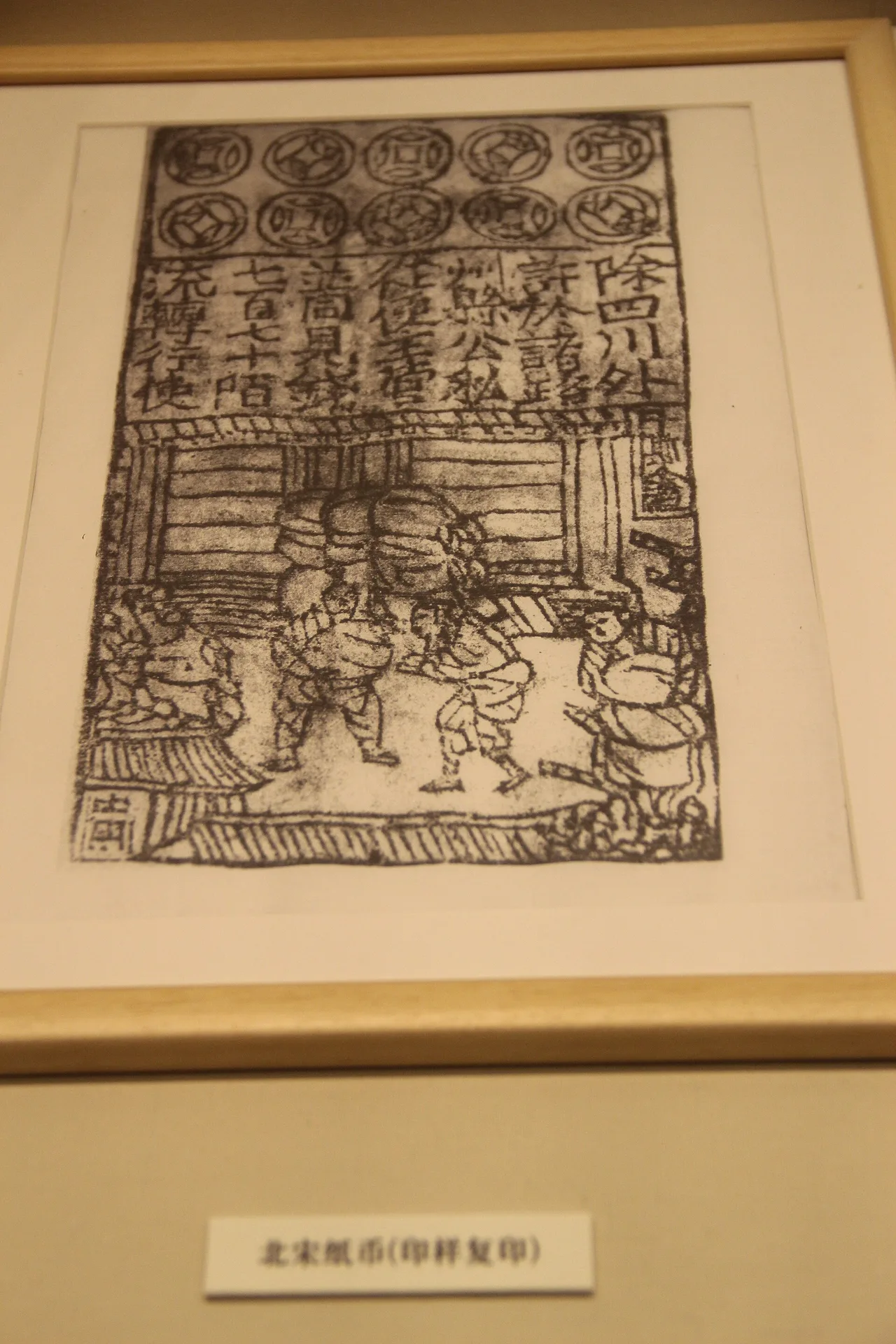
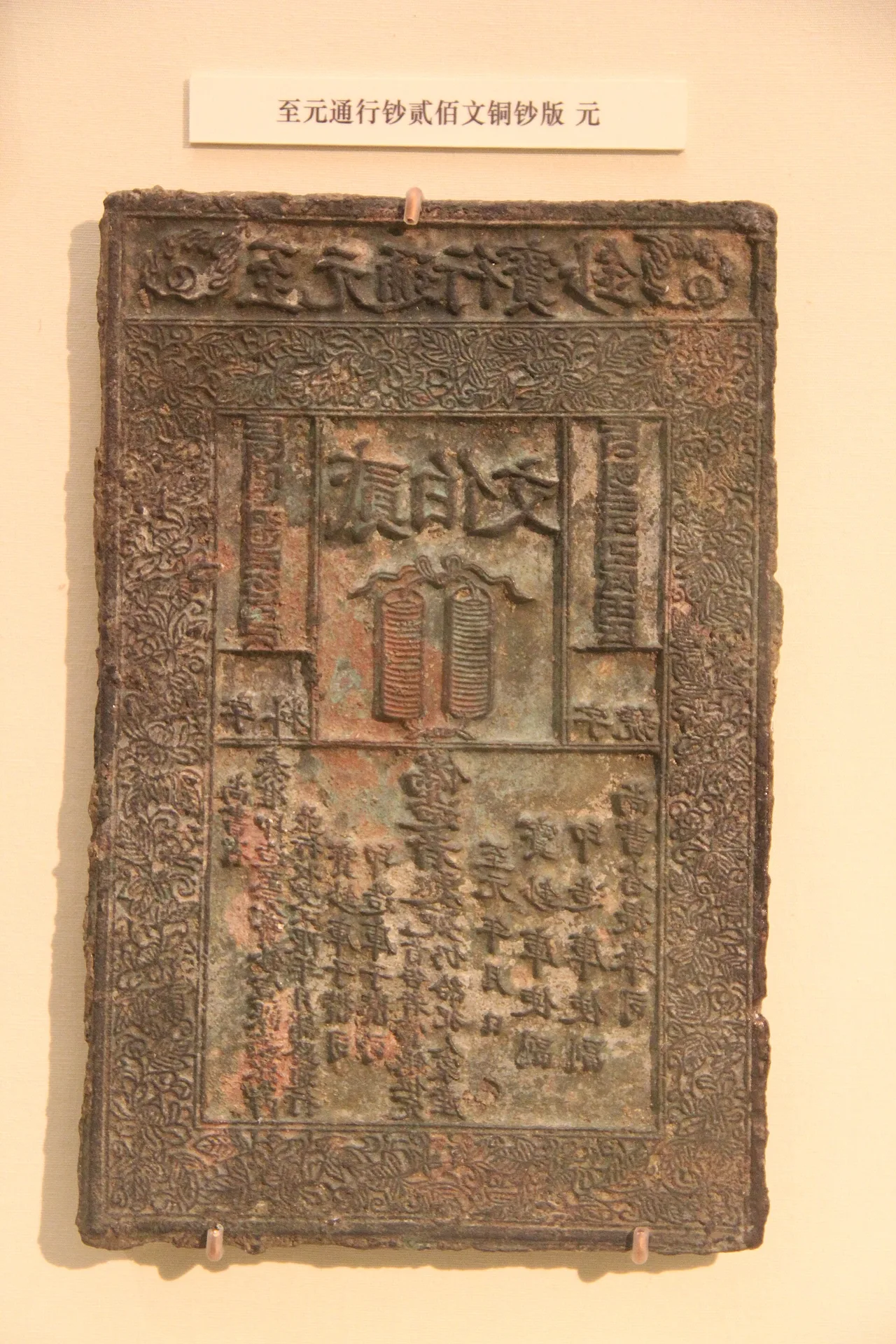
From Merchant Promissory Notes to Hyperinflation: How Song, Jin, and Yuan Paper Money Collapsed
An economic breakdown of how Song Dynasty paper money evolved from private credit into a state-run seigniorage engine, compared with Southern Song huizi, Jin jiaochao, and French revolutionary assignats.
 VOL. 13 · ART.013
Currency & Credit
13 min read
Why Kublai Khan Outsourced Imperial Taxes: The Financial Empire of Yuan Dynasty Ortoq Syndicates
Examine the financial networks of Yuan Dynasty Ortoq syndicates: from compounding 'lamb interest' loans to nationwide tax-farming bids, exploring why Kublai Khan partnered with Central Asian merchants and how peasant insolvency subsidized imperial cash flow.
 VOL. 14 · ART.014
Currency & Credit
12 min read
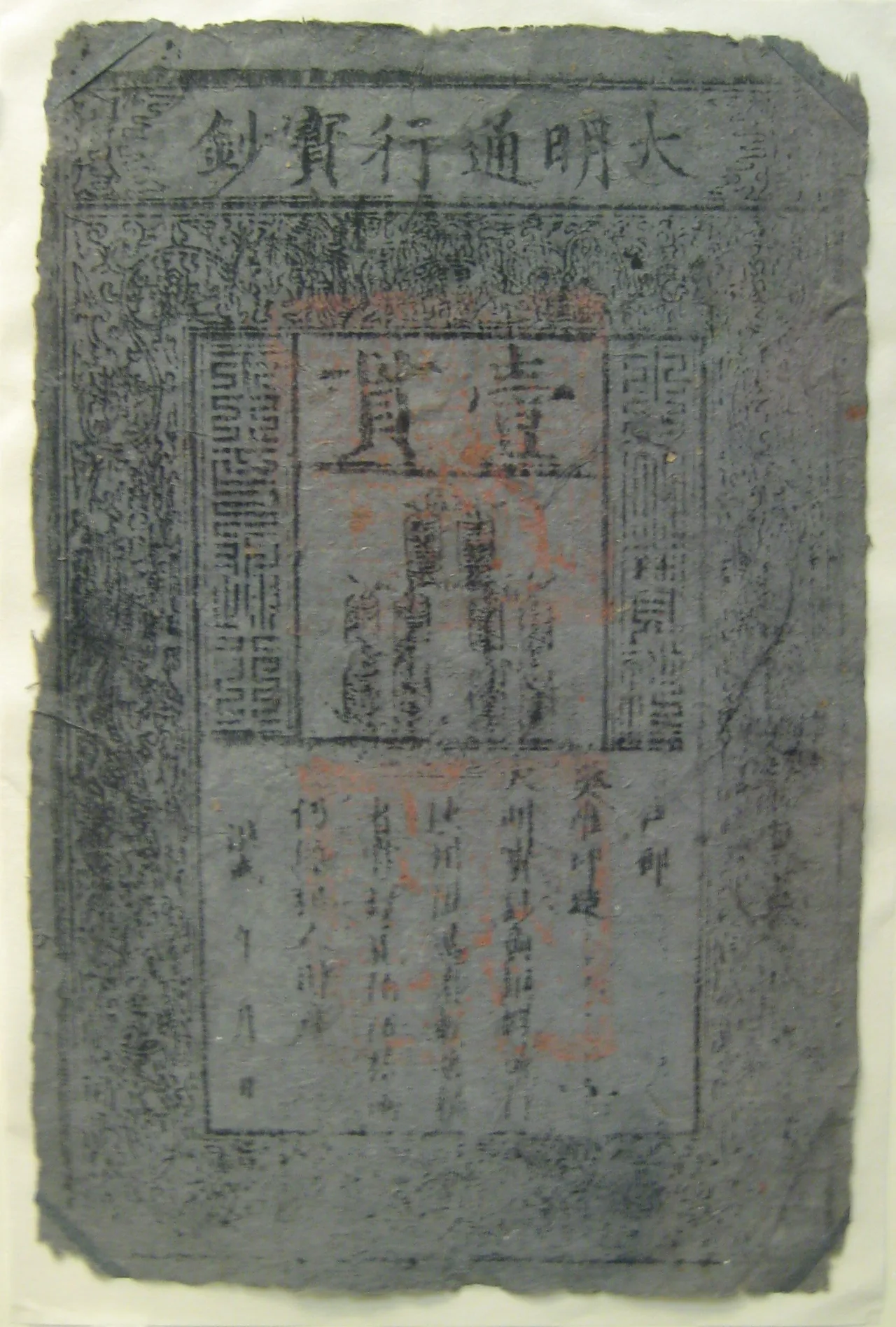
Banning Silver and Enforcing Paper: Why Zhu Yuanzhang's Great Ming Treasure Notes Ended in Paying Salaries with Pepper
In 1375, Zhu Yuanzhang banned silver and forced unbacked paper money on the Ming Empire. Lacking reserves and rejected for taxes, the currency collapsed by 99%, forcing the court to pay salaries in pepper.
 VOL. 15 · ART.015
War Finance
11 min read
The Fiscal Truth Behind the Collapse of the Ming Dynasty's Weisuo Garrison System
Zhu Yuanzhang designed the hereditary weisuo garrison system to maintain two million soldiers without taxation. Institutional exploitation and mass desertion doomed it to collapse.
 VOL. 16 · ART.016
Bureaucracy Cost
12 min read
Why Did the Ming Imperial Clan Drain the Treasury? The Exponential Compounding of Clan Stipends
An audit of the Ming stipend system: how universal noble payouts and lifetime livelihood bans created a compound fiscal black hole, contrasted with European primogeniture.
 VOL. 17 · ART.017
Taxation & Land
12 min read
Consolidating Two Hundred Taxes into Silver: How Zhang Juzheng's Single Whip Law Empowered Jiangnan Merchants
An in-depth analysis of Zhang Juzheng's Single Whip Law during the Ming Dynasty. Contrasting household ledgers with imperial balance sheets reveals how monetization fueled Jiangnan's commercial boom while driving interior smallholders into debt and collapse.
 VOL. 18 · ART.018
Trade & Megaprojects
12 min read
Thirty Years of Absence: The Fiscal Cold War Between Emperor Wanli and the Grand Secretariat
The Wanli Emperor's thirty-year withdrawal from court was not mere indolence. It was a prolonged institutional cold war between imperial privilege and the civil bureaucracy over succession and the treasury. This deep dive untangles the shadow ledgers of the Inner Court and the state treasury.
 VOL. 19 · ART.019
Trade & Megaprojects
11 min read
Did Frugality Doom Emperor Weizong? The Broken Balance Sheet of the Late Ming
An autopsy of the fiscal collapse during the seventeen-year reign of Emperor Weizong: nominal light taxes, elite exemptions, and a bankrupt imperial treasury.
 VOL. 20 · ART.020
Taxation & Land
12 min read
The Fiscal Anatomy of the Four Hundred Million Myth: Qing Tax Consolidation and the Population Boom
An autopsy of how China's two-millennium population ceiling shattered during the Qing Dynasty. Through micro- and macro-fiscal ledgers under the Kangxi and Yongzheng emperors, this analysis examines tax reform, ghost populations, marginal fertility costs, and American crops.
 VOL. 21 · ART.021
Taxation & Land
11 min read
Writing Gray Income into Official Payroll: Why Yongzheng's 'Melting Loss Formalization' and 'Integrity Silver' Failed to Root Out Corruption
Emperor Yongzheng broke the Confucian low-salary myth by formalizing informal melting surcharges into provincial treasuries and issuing integrity silver. An autopsy of Qing anti-corruption fiscal engineering.
 VOL. 22 · ART.022
Trade & Megaprojects
12 min read
The High Qing Prosperity-Starvation Paradox: Empty Bowls Amidst Seventy Million Taels of Treasury Silver
Under the Qianlong Emperor, Ministry of Revenue reserves peaked above 78 million taels, yet peasant grain and meat intake fell. An institutional post-mortem of agrarian involution, tax shifts, and locked capital.
 VOL. 23 · ART.023
Bureaucracy Cost
12 min read
From Elite Cavalry to Pawnshops: How the Qing Dynasty's Eight Banners Bankrupted Themselves on Guaranteed Stipends
A financial analysis of how the Qing Dynasty's Eight Banners System shifted from generous seventeenth-century entitlements into an inescapable fiscal quagmire, tracing micro household budgets and imperial treasury deficits.
 VOL. 24 · ART.024
War Finance
12 min read
The Fiscal Ledger of Defeat: Late Qing vs. Meiji Japan's War Mobilization in the First Sino-Japanese War
A deep fiscal deconstruction of the 1894 First Sino-Japanese War: contrasting Qing interprovincial subsidies with Meiji Japan's central bank debt apparatus to trace the financial roots of defeat.
 VOL. 25 · ART.025
Taxation & Land
11 min read
Managing 200,000 People on 45 Taels a Year: How Qing District Magistrates Financed Local Administration
A forensic breakdown of the local fiscal mechanics behind the 45-tael annual stipend of the Qing District Magistrate, dissecting private secretarial networks, unpaid runners, customary fees, and comparative Anglo-Chinese local balance sheets.
 VOL. 26 · ART.026
Bureaucracy Cost
12 min read
Monetizing Honor and Expectation: Juanna and the Fiscal Architecture of the Late Qing Empire
An autopsy of the Qing juanna system: why the imperial treasury sold zero-marginal-cost student licenses and paper titles, how expectant officials served as unpaid administrative labor, and how emergency liquidity ruined grassroots governance compared to Bourbon venality.
 VOL. 27 · ART.027
War Finance
12 min read
Consuming Ten Dan to Deliver One: The Logistical Mortality and Attrition of Imperial Chinese Warfare
Examine the logistical balance sheet of imperial warfare: from Shen Kuo's transport equations to a 192-to-1 grain consumption ratio under Emperor Wu of Han.
 VOL. 28 · ART.028
War Finance
12 min read
Why Only Shang Yang Turned Qin into an All-Consuming War Machine: An Agrarian-Military Ledger Analysis
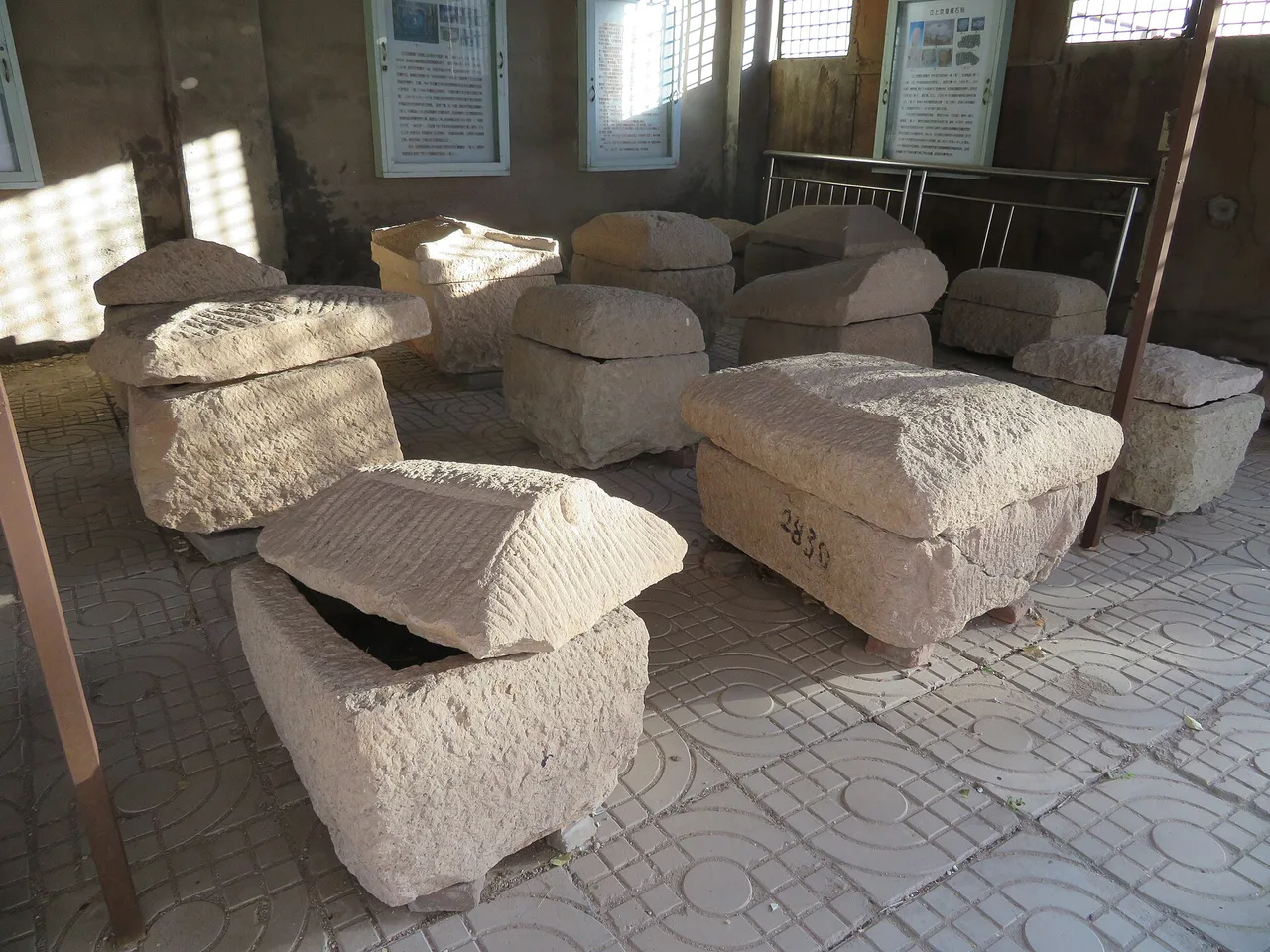
While Wei, Chu, Qi, and Zhao all reformed, only Shang Yang re-engineered Qin into the ultimate engine of conquest. By contrasting peasant balance sheets against central treasuries, this ledger analysis dissects the twenty-rank meritocracy, mutual surveillance, and property rights that made Qin invincible—until the expansion dried up.
 VOL. 29 · ART.030
War Finance
11 min read
The Fiscal Calculus of the Treaty of Chanyuan: Humiliation or Financial Arbitrage?
Deconstructing the 1004 CE Treaty of Chanyuan through imperial accounting: annual payments took under 0.5% of Song revenue, border trade clawed silver back, and strategic miscalculation led to the Jingkang Incident.
 VOL. 30 · ART.031
Currency & Credit
11 min read
Bartering Grain for Salt Licenses: How the Ming Kaizhong System Built the Shanxi Merchant Empire
An operational audit of the 1370 Ming salt exchange system. From Great Wall merchant colonies to the supply chain crash of 1492, this breakdown tracks institutional incentives across imperial ledgers.
 VOL. 31 · ART.032
Taxation & Land
10 min read
Financing the Xiang Army: How Lijin Turned into Late Qing's Cash Machine
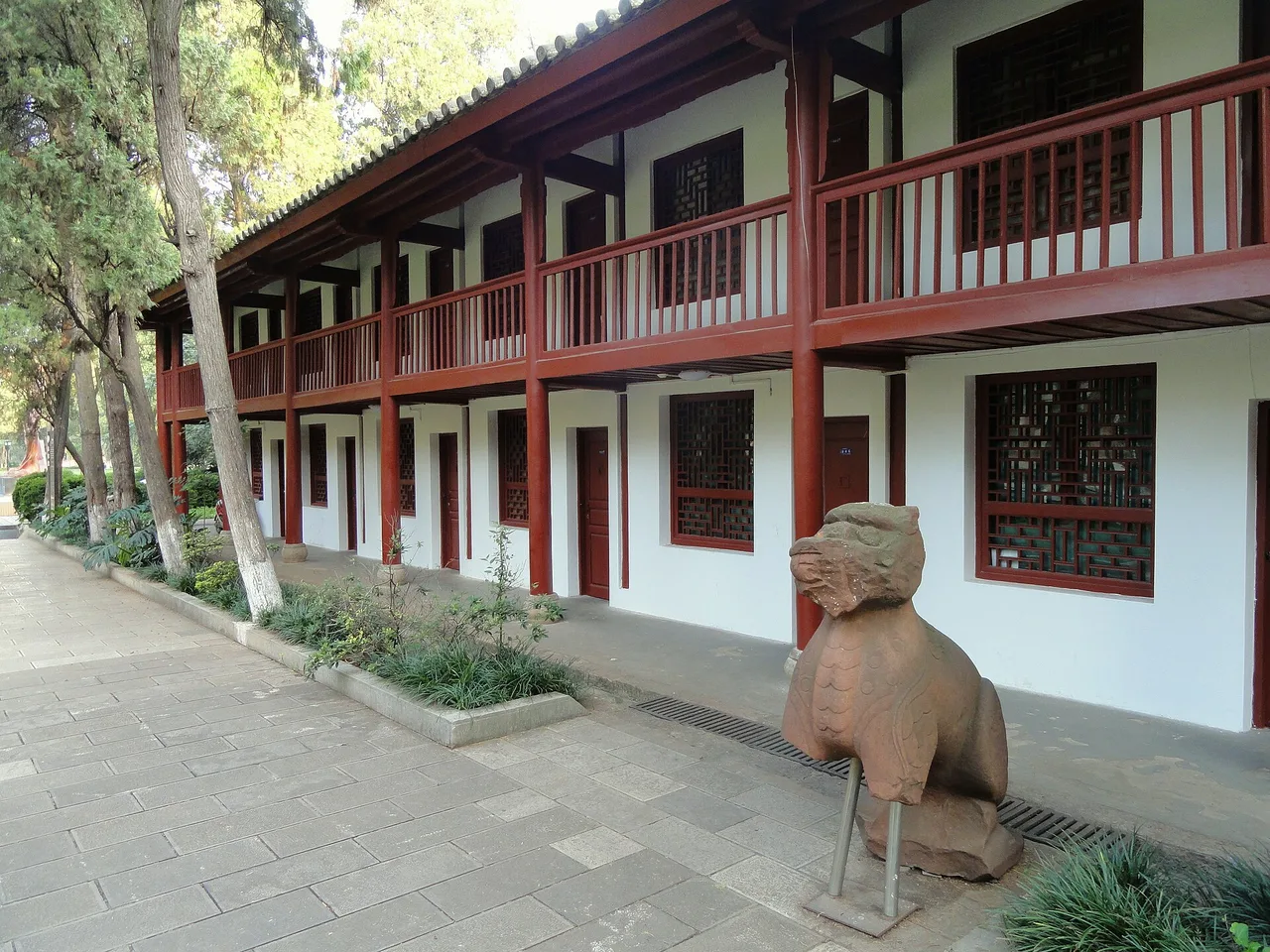
An operational ledger of the lijin transit tax during the Xianfeng era: from a 1% stopgap levy in Yangzhou to a 20-million-tael revenue engine that bankrolled Zeng Guofan.
 VOL. 32 · ART.033
Bureaucracy Cost
11 min read
From Peasant Boy to Court Official? Auditing the True Household Costs and Central Fiscal Logics of the Imperial Examination
The imperial examination system promised open upward mobility, but historical balance sheets reveal that producing a single Jinshi required over a thousand taels of silver and two decades of lost farm labor. An audit of Ming and Qing dynasty fiscal realities.
 VOL. 33 · ART.034
Trade & Megaprojects
10 min read
The Sui Granary Paradox: Overflowing Silos and Starving Peasants
An economic autopsy of the Sui Dynasty's Hanjia and Luokou granaries: how nationalized community reserves, ruthless demographic audits, and bureaucratic paralysis engineered famine amid unprecedented grain surpluses.
 VOL. 34 · ART.036
Trade & Megaprojects
12 min read
How Much Did Zheng He's Voyages Cost? Did the Treasure Fleet Bankrupt the Ming Treasury?
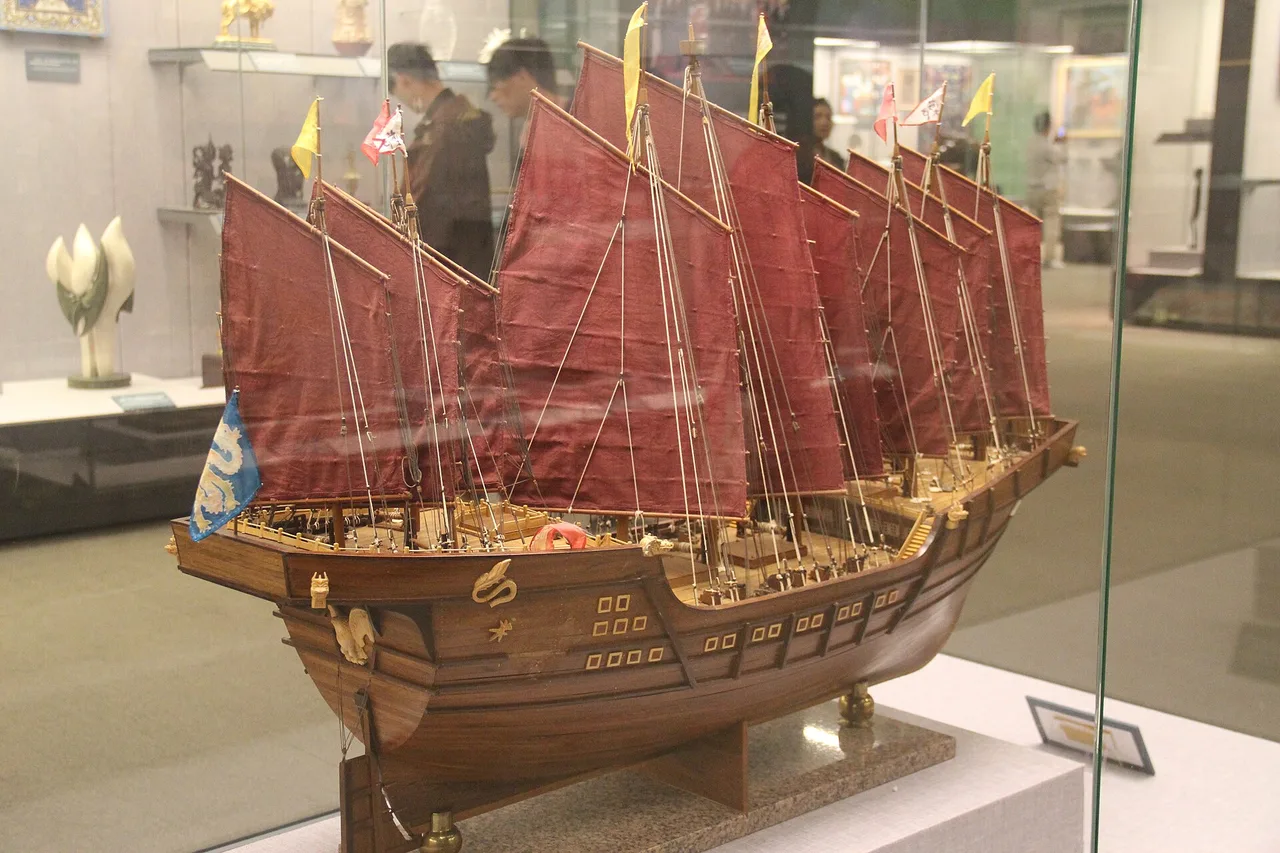
A forensic audit of Zheng He's maritime expeditions. Explore how uncompensated labor, severed treasury accounts, and northern defense crises grounded the fleet.
 VOL. 35 · ART.037
Trade & Megaprojects
12 min read
Why Did the Ming and Qing Strictly Enforce Maritime Bans Yet Open Yuegang and the Thirteen Factories of Guangzhou?
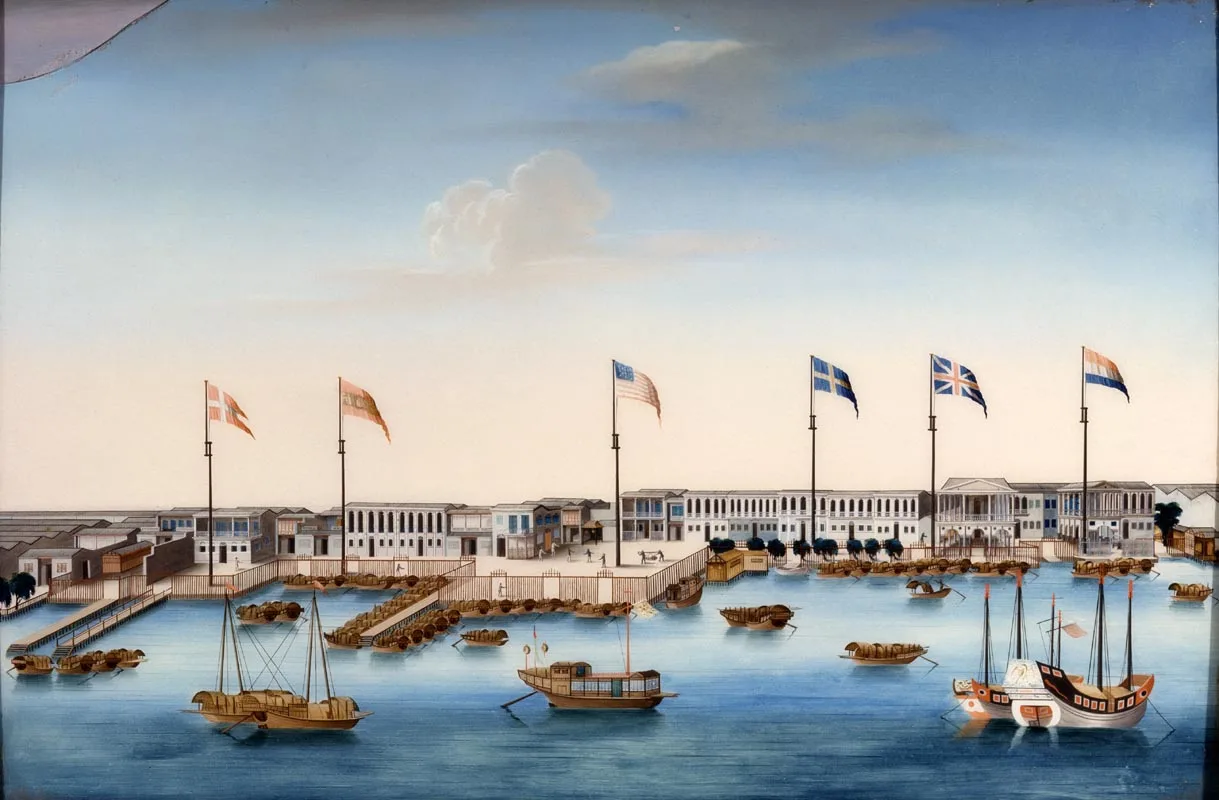
An analysis of maritime bans and licensed ports in Ming and Qing China, examining how imperial courts balanced border security with customs silver revenues.
 VOL. 36 · ART.038
Currency & Credit
12 min read
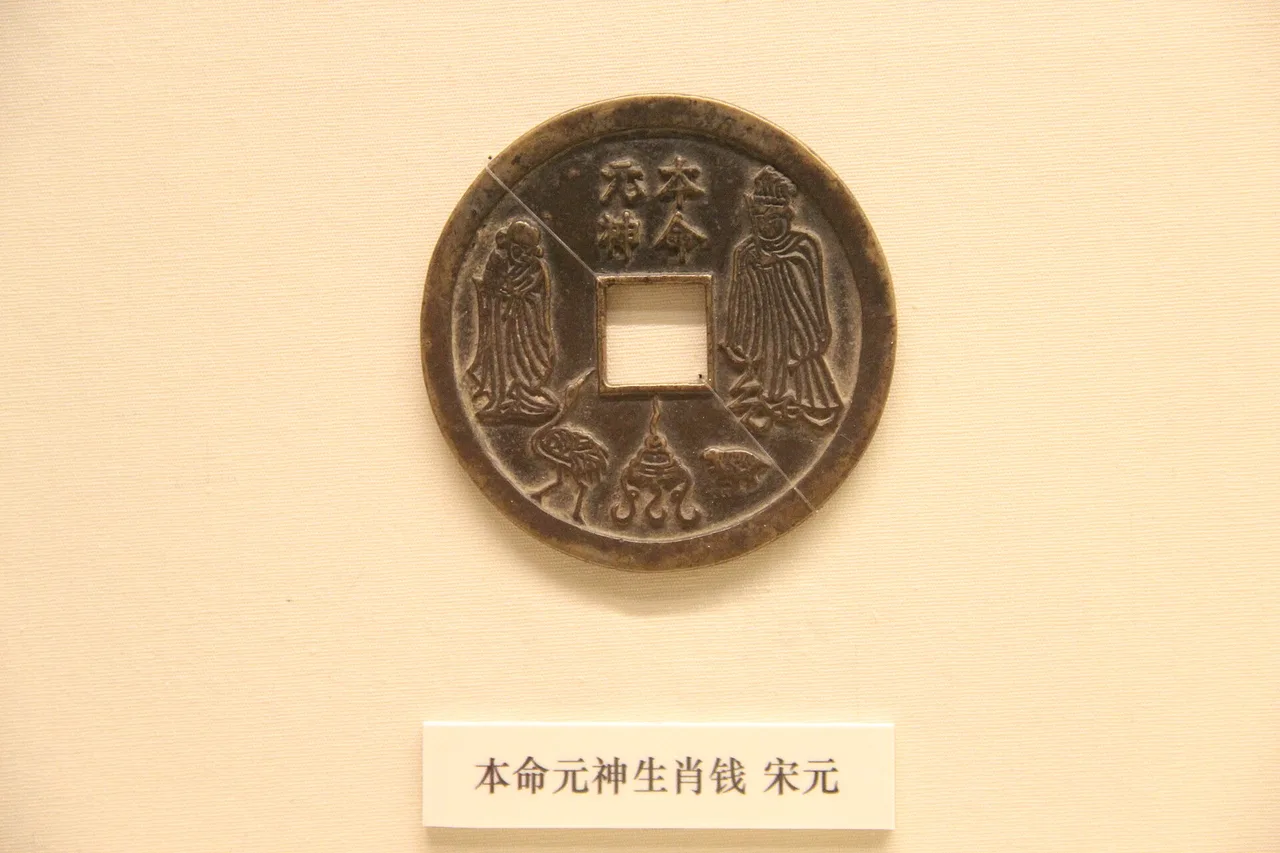
Interest Rates of 50% to 100%: Why Imperial China's Legal Usury Was Far More Devastating than Modern Predatory Lending
From the Han and Tang to the Ming and Qing, statutory interest rate caps held firm at 36% annually. This study examines currency scarcity, weather-driven defaults, and the fiscal contest between peasant households and the central treasury.
 VOL. 37 · ART.039
Currency & Credit
11 min read
From Suppressing Private Trade to Bureaucratic-Merchant Collusion: Did Imperial China Hate Commerce or Just Monopolize Profits?
An autopsy of imperial ledgers from Emperor Wu's salt and iron monopolies to Qing Dynasty Lianghuai salt magnates, untangling the institutional logic between anti-merchant rhetoric and state rent-seeking.
 VOL. 38 · ART.040
Trade & Megaprojects
14 min read
From the Grand Canal to the Qin Direct Road: Why Premodern Megaprojects Either Extended Dynastic Life or Collapsed Empires in Three Years
Deconstruct the fiscal mechanics behind imperial Chinese megaprojects: calculate corvée labor burdens, cash flows, and bureaucratic graft across the Qin Direct Road, Grand Canal, and Dujiangyan.
 VOL. 39 · SONG-MARITIME-CUSTOMS-QUANZHOU-REVENUE
Taxation & Land
7 min read
Maritime Customs of the Southern Song: Port Revenues, Commodity Monopolies, and Border Defense Financing
An analysis of the Maritime Trade Office in the Southern Song dynasty, covering port customs duties, state monopoly procurement in Quanzhou and Guangzhou, and fiscal military financing.
 VOL. 40 · TANG-UYGHUR-SILK-HORSE-TRADE
Taxation & Land
7 min read
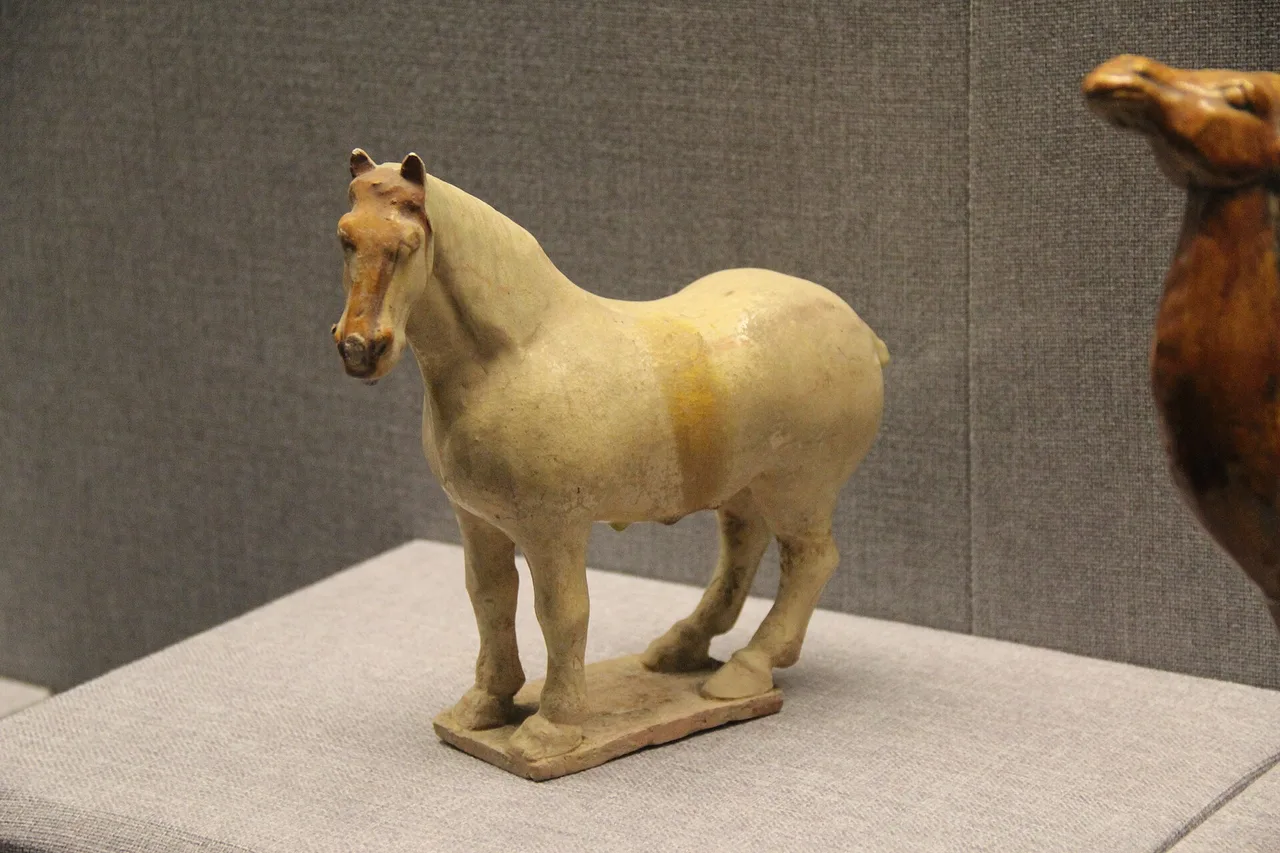
The Silk-Horse Trade Between the Tang Dynasty and the Uyghur Khaganate
An analysis of the strategic silk-horse trade between the Tang Dynasty and the Uyghur Khaganate after the An Lushan Rebellion, examining its fiscal mechanisms and Eurasian parallels.