TL;DR · Core Takeaways
- The myth of thirty-seven million taels hidden in the palace vault is postwar fiction: Cross-referencing records from the Veritable Records of the Ming, the Mingji Beilüe, and the Guoque confirms that the inner vault in the Forbidden City held only a few hundred thousand taels in early 1644. The Imperial Court melted down palace silverware to pay metropolitan guards, while Emperor Weizong pleaded in tears with Imperial Affinal Relatives for emergency donations.
- Nominal low rates clashed with brutal local extraction: Wealthy Jiangnan gentry exploited statutory exemptions and illicit registration shelters to evade levies, shifting burdens away from local grain tax captain lineages. Consequently, emergency surtaxes levied by the Ministry of Revenue fell squarely on northern smallholders, swelling the ranks of displaced refugees and rebel armies.
- Private elite wealth accumulation directly mirrored state insolvency: This systemic paralysis paralleled the breakdown of the French Ancien Régime in the late eighteenth century, where noble tax exemptions crippled royal budgets. The fall of Daming stemmed not from personal miserliness, but from a total structural collapse in tax extraction.
Spatial-Temporal Coordinates
- Chinese Historical Axis: 17th Year of the Chongzhen Reign, Ming Dynasty (1644, martyrdom of Emperor Weizong, fall of Daming)
- Western / Mediterranean Axis: Late Thirty Years' War (1618–1648); First English Civil War (Battle of Marston Moor, 1644)
01. The Phantom Treasury: Statutory Quotas Versus Vault Reality
Many storytellers blame the fall of the Ming Dynasty on one man. When Li Zicheng took Beijing, popular tales claimed his men found mountain loads of silver inside the palace. In this simple tale, Emperor Weizong was too stingy to pay his soldiers. Yet genuine historical sources prove that this story is false.
Old palace silver reserves melted away years before. Under the Wanli ruler, palace mining taxes built up a surplus. But by the Tianqi years, palace fires and border fighting in Liaodong emptied the vaults. When Emperor Weizong took power, his soldiers constantly demanded back pay. He sent his own silver to the Ministry of Revenue to help pay troops on the border.
By early 1644, the crisis peaked. As Li Zicheng marched near the capital, city guards went unpaid for months. Palace servants melted down gold and silver cups to coin money for gate sentries. Emperor Weizong even begged his relatives, like Zhou Kui and Marquis Li Guorui, for help. If the vaults held millions, the Emperor would never have begged in tears. Later rebel leaders invented the tale of secret hoards to excuse their violent looting of city officials.
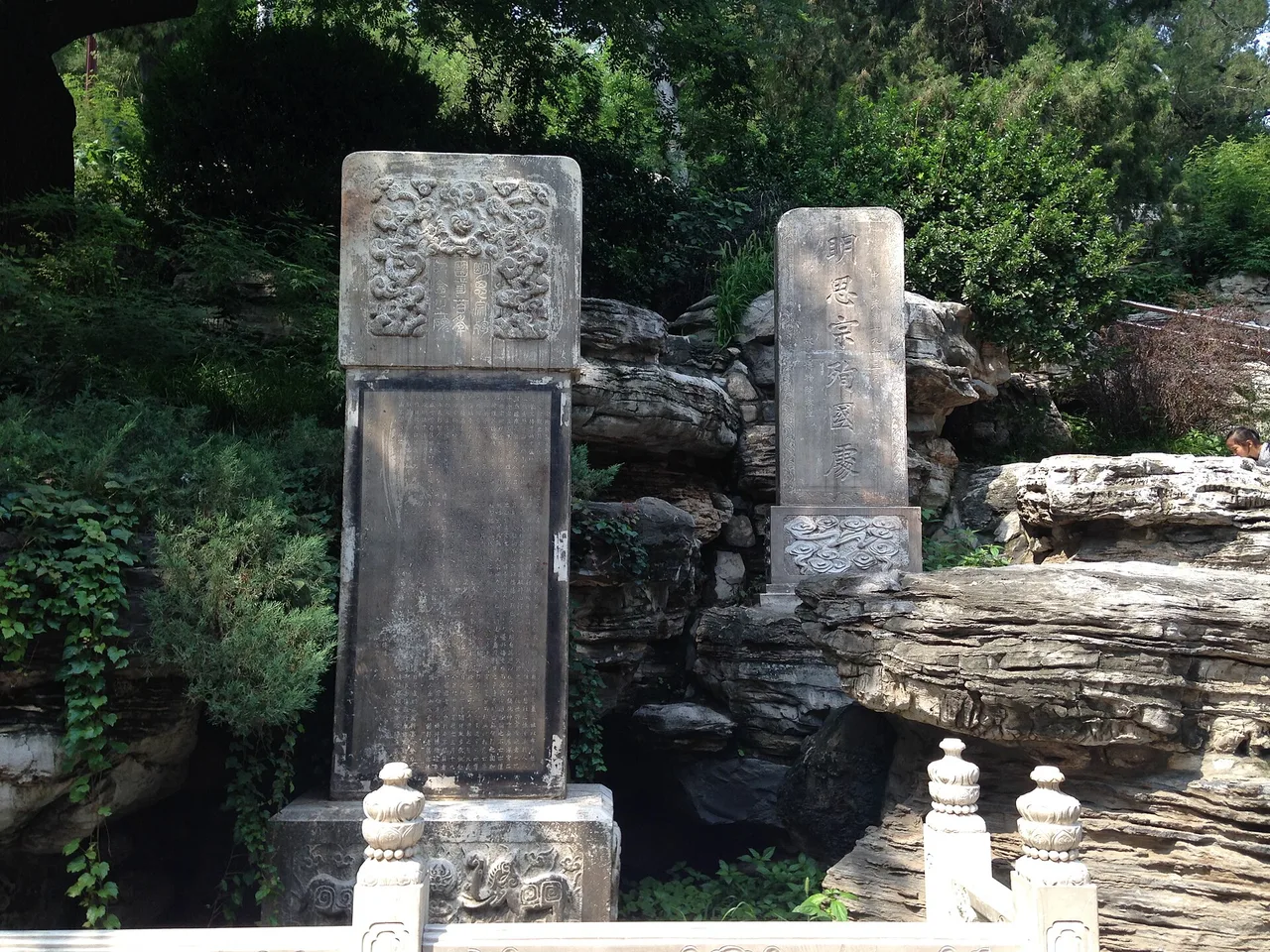
The roots of this crisis went back to the start of the realm. Founding ruler Zhu Yuanzhang set a low statutory land tax, taking only two to five percent. He wanted a calm land where farmers lived in peace. He also set up alternative centers like Zhongdu. By the 1630s, fighting against the Later Jin and domestic rebel bands broke this design. The state needed massive military expenditure to survive. The Ministry of Revenue added the Three Frontier Surcharges. The old promise of light corvée and taxes vanished. Surcharges and extra fees made poor farmers pay many times the statutory land tax rate.
02. The Imperial Ledger: Household Ruin Versus Treasury Deficits
To see why the state collapsed, we must study two ledgers: the village tax roll and the central palace budget.
The Micro-Ledger: Gentry Exemptions and Land Sheltering
In farming villages, legal perks ruined the tax base. The early rural collection structure managed by the grain tax captain broke down under elite pressures. Men who passed the Civil Service Examinations did not have to perform labor service. They also paid lower land taxes. Over two centuries, the scholar class grew large. Their private estates became huge tax shelters.
In rich southern valleys, small farmers gave their land deeds to local degree holders. A farmer might sign over his fields to a Jinshi, a Grand Master, or a Provincial Graduate. The farmer became a tenant, and his land dropped off the public tax roll, subverting the traditional grain tax captain quota system. But the central court still gave each District Magistrate a fixed quota. Because the magistrate could not tax the gentry, he forced ordinary smallholders to pay the difference.
flowchart TD
    A["Central government levies emergency defence surtaxes"] --> B["Gentry lineages invoke statutory tax exemptions"]
    B --> C["Yeomen register parcels under gentry shelters"]
    C --> D["Taxable acreage shrinks across core agrarian basins"]
    D --> E["Residual northern smallholders shoulder compounding surcharges"]
    E --> F["Destitute smallholders abandon farms and join rebel ranks"]
This cycle ruined the countryside. The court asked for more tax money via the Three Frontier Surcharges. Rich clans sheltered their land from the statutory land tax. The tax base shrank. High bills landed on weak farmers in northern provinces. Ruined families left their homes as displaced refugees and joined rebel bands. Then the court raised taxes again to pay soldiers. Every new tax drove more farmers into rebel ranks.
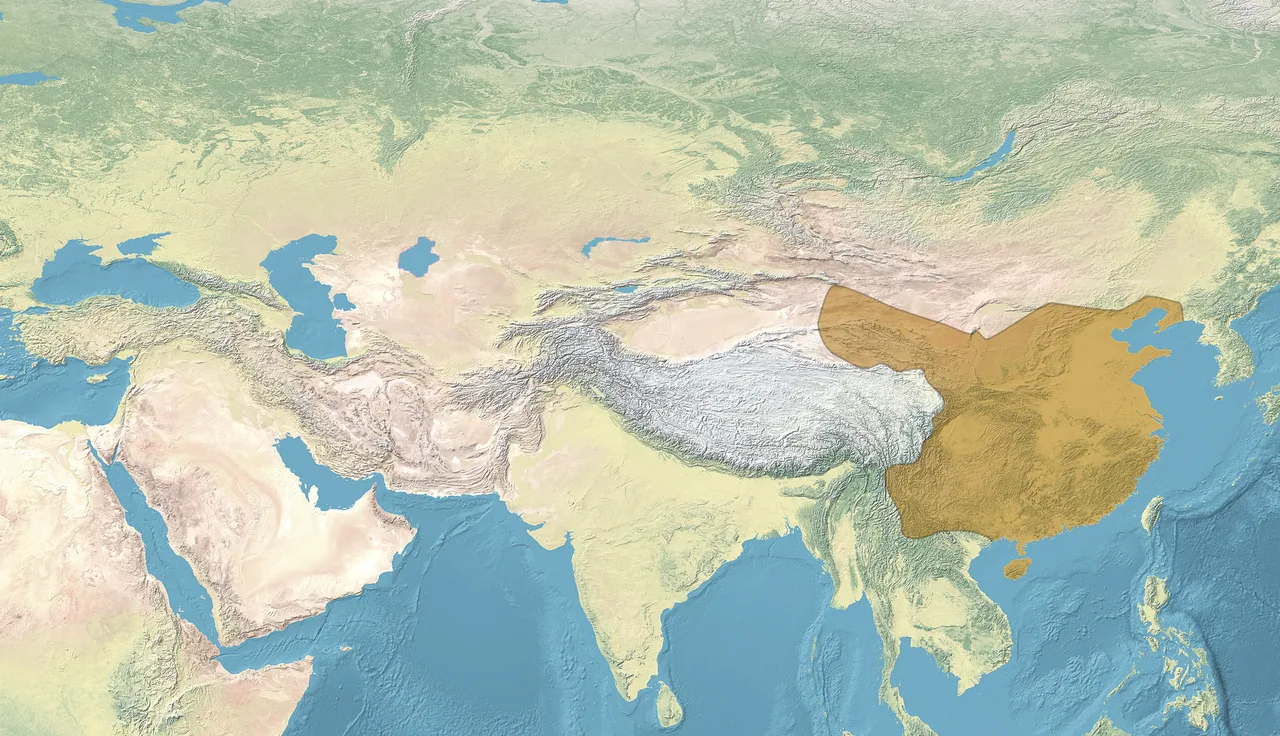
The Macro-Ledger: Revenue Collapse and the Silver Famine
In Beijing, the royal ledgers bled red ink. The crown needed silver for every part of its fiscal administration. Yet money dried up fast.
| Budget Category | Late Wanli Baseline (c. 1618) | Peak Chongzhen Crisis (c. 1641–1643) | Institutional Drivers and Dynamics |
|---|---|---|---|
| Taicang Central Treasury Revenue | Approx. 3.8M–4.2M taels | Approx. 3.5M–4.0M taels (collections fell below 60%) | Gentry exemptions, warfare, and disruption along grain transport by waterways routes |
| Emergency War Surtaxes | Initial Liaodong surtax: ~2M taels | Cumulative Three Frontier Surcharges: >16M taels | Direct acreage surcharges added on top of the statutory land tax |
| Total Frontier & Campaign Outlays | Approx. 4.5M taels | Exceeded 20M–23M taels | Escalating payroll demands from each Army Supervisor and frontier town |
| Annual Treasury Net Deficit | 500,000–1,000,000 taels (covered by inner reserves) | Exceeded 7M–10M taels (no source of funding) | Chronic wage arrears across each frontier town along the northern border |
| Monetary Environment | Sustained inflows of silver from the Americas and Japan | 1639 Tokugawa maritime ban and Manila disruption | Deflation: copper coins collapsed against silver, multiplying tax burdens |
The ledgers tell a clear story. The whole tax system was broken. Northern border outposts, crucial for frontier defence and northwestern frontier defence, went without pay for years.
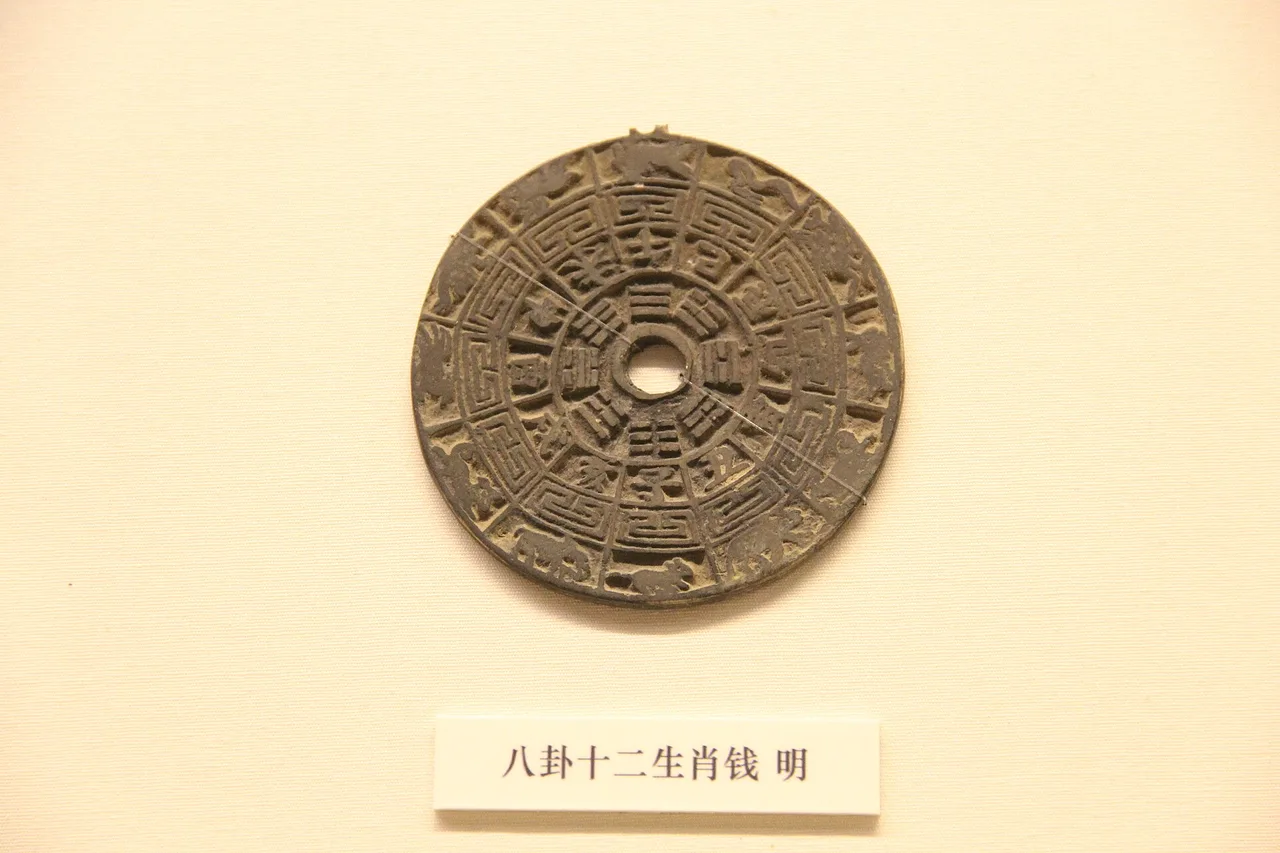
A silver shortage made things worse. After the Longqing opening, world trade brought foreign silver into Chinese ports. By 1639, Japan cut off silver trade. Dutch ships also attacked Spanish silver fleets, stopping trade by maritime transport. Inbound silver plummeted. Before the crisis, one silver tael was worth 800 copper coins. Soon it took over 2,000 coins to buy one silver tael. Farmers sold their grain for copper coins, but the state forced them to pay taxes in silver. In real terms, peasant tax burdens doubled overnight.
03. Parallel Imperia: Elite Exemptions and the Fall of the Old Order
The fall of Daming was not unique in world history. In the late eighteenth century, France faced the same disaster.
Under King Louis XVI, French priests and nobles owned rich estates. Yet they paid almost no direct taxes. French kings pushed tax costs onto commoners. In both empires, the problem was the same:
- Entrenched Elite Privileges: Ming scholars used tax perks to protect their clans, while French nobles used regional courts to block fair land taxes.
- Private Affluence Versus Public Penury: When rebels took Beijing, they found vast private fortunes inside the homes of rich ministers who had refused to help the crown. In France, rich lords lived in luxury while the royal treasury went broke.
Yet their paths differed in one vital way. France called the Estates-General in 1789. This sparked a revolution, but it also created a modern tax system. The Ming government had no such assembly. Officials in Beijing simply squeezed poor farmers through the Three Frontier Surcharges on top of the statutory land tax until climate shocks, hunger, and rebel armies brought down the state.
There was no hidden fortune in the imperial palace in 1644. Emperor Weizong governed a bankrupt empire where tax collection had failed. When the wealthy elite refused to share public burdens, the fall of the empire was sealed.
Primary Sources & Historical Bibliography
- **History of Ming, Treatise on Food and Money* (Ming Shi: Shihuo Zhi*, Vols. 77–80): Outlines regular grain conversion ratios, collection regulations for the Liaodong and Pacification surtaxes, and the structural arrears of the late Ming Ministry of Revenue.
- *Ji Liuqi, Mingji Beilüe** (Northern Outlines of the Late Ming*, Vol. 20): Details the exhaustion of imperial provisions, the melting of palace utensils for garrison payrolls, and the extortion of metropolitan elites by rebel forces.
- *Tan Qian, Guoque** (Evaluations of National Events*, Vols. 99–100): Documents the inner treasury balance sheets, courtiers' donations, and remaining palace silver on the eve of the fall of Beijing.
- *Ray Huang, Taxation and Governmental Finance in Sixteenth-Century Ming China***: Analyzes the administrative fragmentation and gentry tax exemptions that compromised the Ming tax base.
- *Richard von Glahn, Fountain of Fortune: Money and Monetary Policy in China, 1000–1700***: Explores the connection between late Ming deflation, the contraction of trans-Pacific and Japanese silver imports, and agrarian fiscal collapse.