TL;DR · Core Takeaways
- Separating Head Taxes from Human Bodies: For centuries, imperial fiscal administration taxed adult males directly. Families hid their children from books as a result. In 1712, the court capped the national head tax. In 1723, it merged head taxes into the land tax. Raising a landless child now cost zero tax silver.
- Official Records Catch Up with Real Growth: The new law made it safe to register young sons. Millions of unrecorded farm hands left their hiding spots in big estates. At the same time, new American crops spread across dry hills, sending the headcount soaring.
- Household Relief Meets Ecological Collapse: The imperial treasury collected steady land tax silver. Yet the soaring headcount cut farm size below two mu per person. This rural hunger later helped spark the White Lotus Rebellion and the Taiping Rebellion.
> Historical Coordinates at a Glance
> - Chinese Historical Coordinates: In 1712, Emperor Shengzu of Qing froze the head tax on all new births. In 1723, the throne launched the empire-wide Integration of the Poll Tax into the Land Tax. By 1850, the registered count of the Qing Dynasty (Qing Dynasty) topped 430 million souls.
> - Western and Mediterranean Coordinates: In the eighteenth century, Western Europe embraced American crops and ended rural labor dues. In contrast, the Ottoman Empire fell into debt under tax farming, leaving rural headcounts flat.
Official Chinese population books show a flat line for centuries. Then, in the early eighteenth century, the curve suddenly shoots upward.
In 2 CE, under the Western Han, imperial clerks counted about 59 million subjects. During the Tang era under Tianbao, books held 50 million people, though modern Historiography and historical sources place the real count near 80 million. The Daguan era of the Northern Song was the first to report 100 million people. Yet in 1578, during the Wanli reign of the Ming Dynasty, registered adult men still sat near 60 million. For centuries, a harsh tax system kept official headcounts artificially flat.
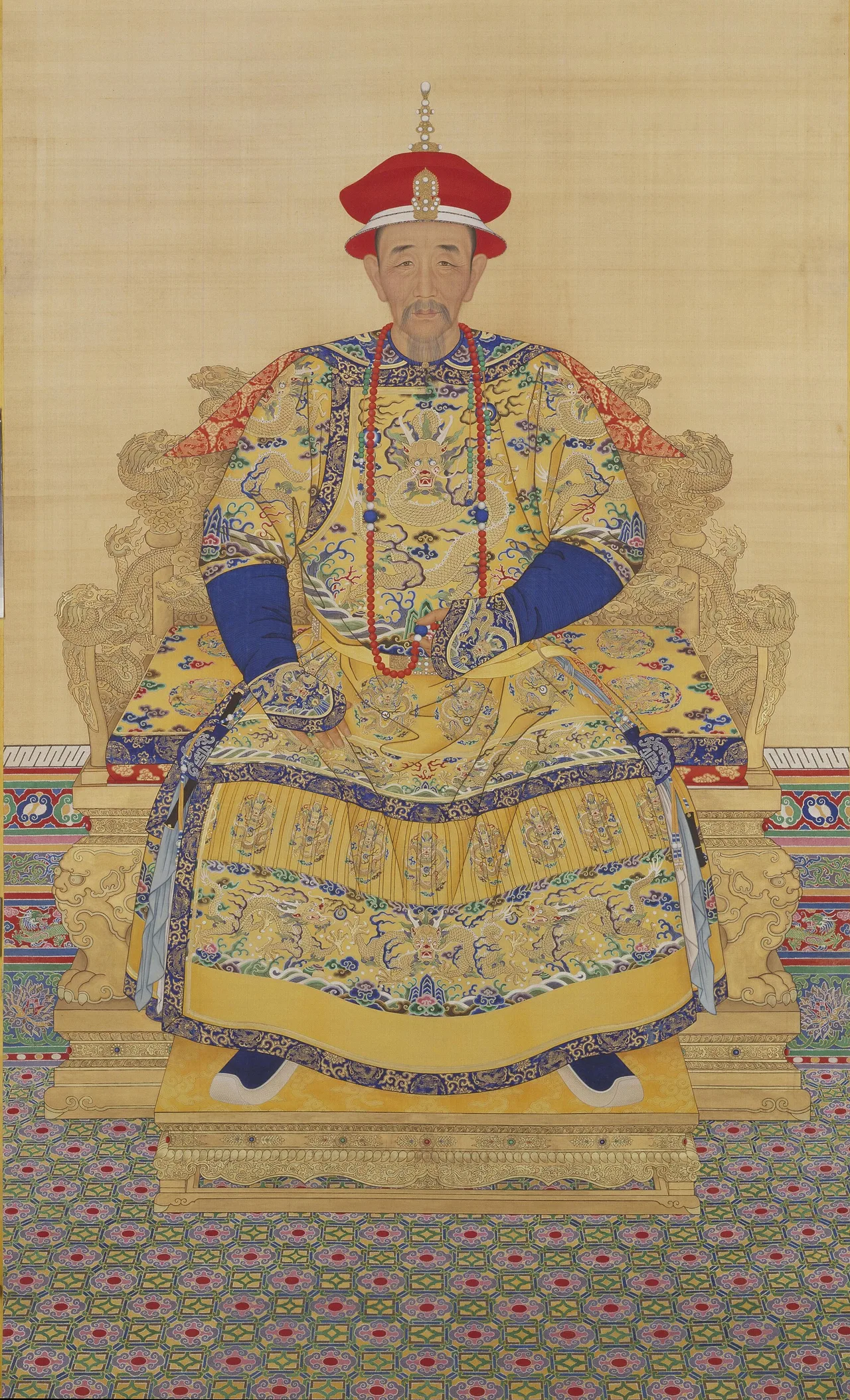
During the Qing Dynasty, that ancient ceiling broke. In 1741, the Qianlong court counted every mouth that ate grain. The tally jumped to 143 million. By 1850, official tallies passed 430 million.
Many writers credit sweet potatoes and maize for this boom. These crops provided cheap food, but crops alone cannot explain why official rolls grew so fast. The real answer lies in the books kept by village homes and the imperial court.
01. The Microeconomic Trap of Registered Subjects: Why Millions Stayed Invisible for Two Millennia
To explain this boom, we must look at the cash balance sheet of a normal farm home.
For centuries, imperial revenue relied on two pillars: land taxes and personal poll silver paid by grown men.
Household Balance Sheets: The High Cost of Adult Sons
Every boy who reached sixteen entered the books for Taxation and Corvée. Whether his family owned land or had none, his name on that sheet brought an annual cash charge and labor service.
In rich deltas and northern plains, a man owed up to 1.3 taels of silver each year. For a poor tenant, one tael bought months of food. A home with five grown sons had to find five taels of silver each year. If floods ruined the crop, fathers faced beatings by runners or had to sell their children.
This harsh levy forced poor villages to dodge the rolls:
- Concealing Births and Female Infanticide: Villages hid newborn boys and omitted dead kin. Because head taxes hit young men, poor parents hid boys and killed baby girls to keep numbers down.
- Feudal Commendation and Ghost Status: Poor farmers signed over their land deeds to local elites who held tax breaks through the Civil Service Examinations. These farmers worked as bonded hands, vanishing from official registers.
- Flight into the Wilderness: Many landless families left their homes. They fled into wild hills beyond the reach of the local official, surviving as unregistered shack people.
Imperial registries never counted every living soul. They counted only the taxable units a local official could find. When records in the Ming Dynasty showed 60 million men, the real count was likely over 150 million. Millions of people lived hidden in manor estates, lineage compounds, and wild woods.
02. Imperial Treasury Reorganization: From Tax Caps to Complete Land Integration
War during the Ming-Qing transition ruined rural collection. In Beijing, early Qing rulers found rolls in disarray. To meet quotas set by the Ministry of Revenue, each local official forced living neighbors to pay for dead or runaway kin.
Faced with this mess, Qing rulers remade their tax base.
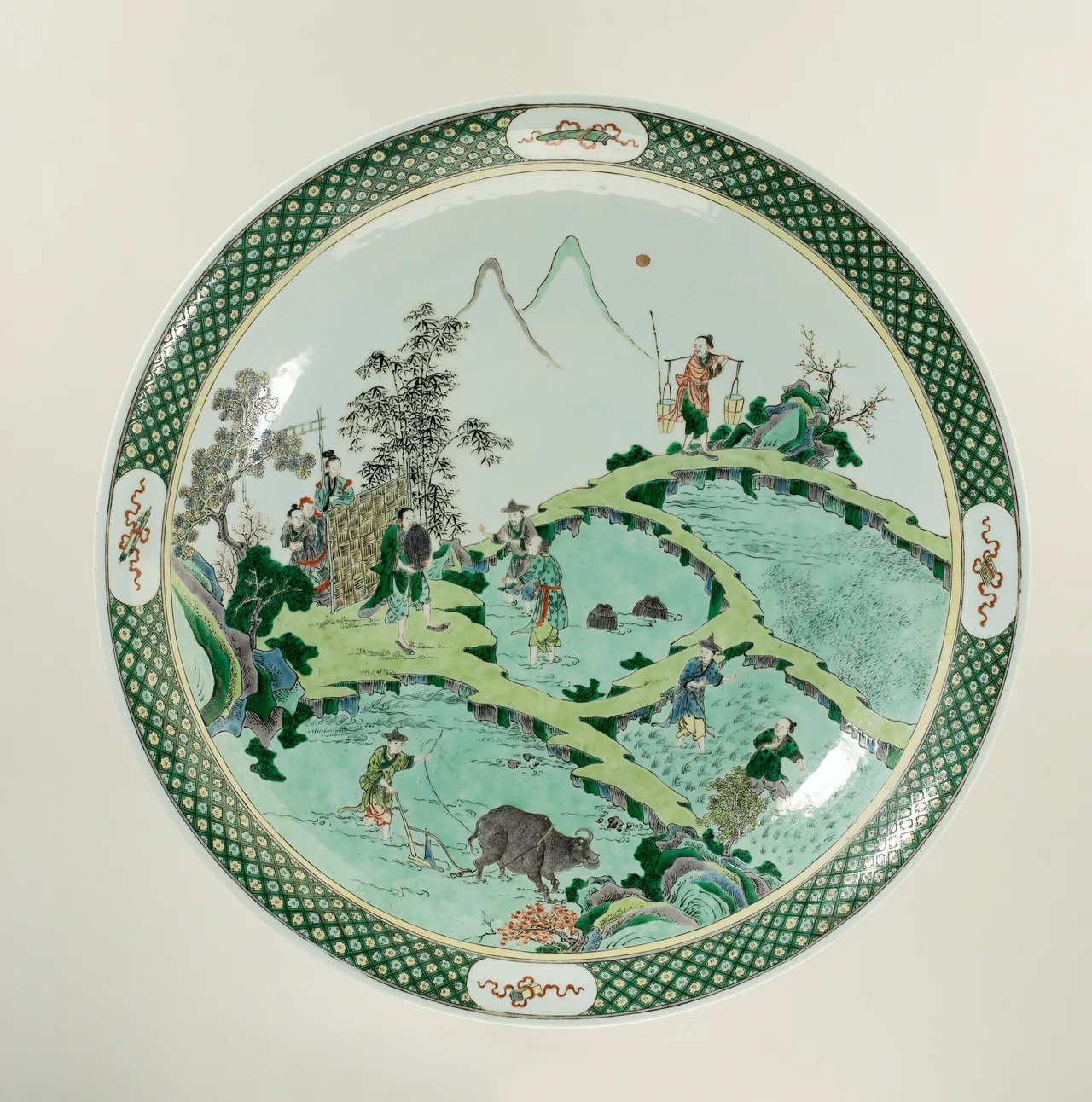
Imperial Treasury Pressures: Kangxi Freezes the Central Poll Quota
In 1712, Emperor Shengzu of Qing (the Kangxi Emperor) issued an order that reshaped imperial revenue. The court turned the nationwide head tax of 1711 into a permanent legal ceiling.
The Ministry of Revenue capped the head tax at 3,354,723 taels of silver, based on 24,621,294 taxable adult males. The edict promised that new births in this peaceful era would pay no extra tax. Future generations would add zero silver to the central head tax.
This move was practical common sense. Hunting down babies across thousands of counties cost more money than it brought in. Freezing the quota stopped a local official from inventing new fees. It calmed rural unrest and helped the treasury curb tax abuse by elites.
Ground-Level Realities: Yongzheng Merges Head and Land Taxes
Freezing the quota did not fix rural pain on its own. The old 3.35 million taels of silver still fell on existing families. Landless tenants still had to pay for ancestral quotas.
When the Yongzheng Emperor took the throne, he expanded local trials into an empire-wide reform called the Integration of the Poll Tax into the Land Tax. This policy folded the 3.35 million taels of head tax right into the land tax, spreading the silver across taxable land.
This change shifted tax burdens across the realm:
| Analytical Dimension | Before Reform (Separate Poll and Land Levies) | After the Integration of the Poll Tax into the Land Tax |
|---|---|---|
| Landless Tenants and Displaced Refugees | Carried heavy head taxes; raising sons meant high debt, driving poor families to flee. | Completely free from head taxes; owning no land meant owing no tax, dropping the fiscal cost of a newborn son to zero. |
| Gentry Landlords and Degree Holders | Held vast tracts of land and shielded tenant kin using Civil Service Examinations tax perks. | Taxed strictly by acreage; tax bills scaled with real land owned, shutting down old tax dodges on local books. |
| Local Official Administrative Costs | Spent months checking village homes to count births and deaths; extortion and fake records ran rampant. | Ended door-to-door headcounts, assessing taxes on land deeds alone to keep field work simple. |
| Central Imperial Treasury Revenue | Suffered unpaid bills and hidden rolls, leaving head tax income risky and unsteady. | Total land and poll silver stayed high; silver vaults in the Ministry of Revenue held 78 million taels under Qianlong. |
[Institutional Reform: Integration of the Poll Tax into the Land Tax]
           │
           ▼
[Marginal Tax Relief: Personal Poll Tax Dropped to Zero]
           │
           ├──────────────────────────────┐
           ▼                              ▼
[Microeconomic Incentive: Legalizing    [Labor Mobility: Displaced Refugees]
 "Hidden" Households & Free Births]     [Migrate to Mountain Frontiers]
           │                              │
           │                     [American Dryland Crops Introduced: Sweet]
           │                     [Potatoes and Maize Spread Rapidly]
           │                              │
           └──────────────┬───────────────┘
                          ▼
            [Demographic Surge: Population Exceeds 400 Million]
                          │
                          ▼
        [Diminishing Returns: Per Capita Farmland Drops Below Two Mu]
The sequence worked with simple force: The court ended head taxes ➔ Poor families stopped hiding sons and put them to work ➔ Displaced refugees moved into high hills with American crops ➔ The population broke past old limits.
03. The Columbian Exchange and the Fiscal Opening of Mountain Frontiers
New tax rules cannot feed people without calories. If the food supply had stayed flat, these new children would have starved. By good fortune, the Yongzheng tax reform hit just as American crops spread across China.
Before the Integration of the Poll Tax into the Land Tax, peasants stayed tied to their native home books. Families feared moving away, because clearing hillside plots brought audits and extortion by clerks.
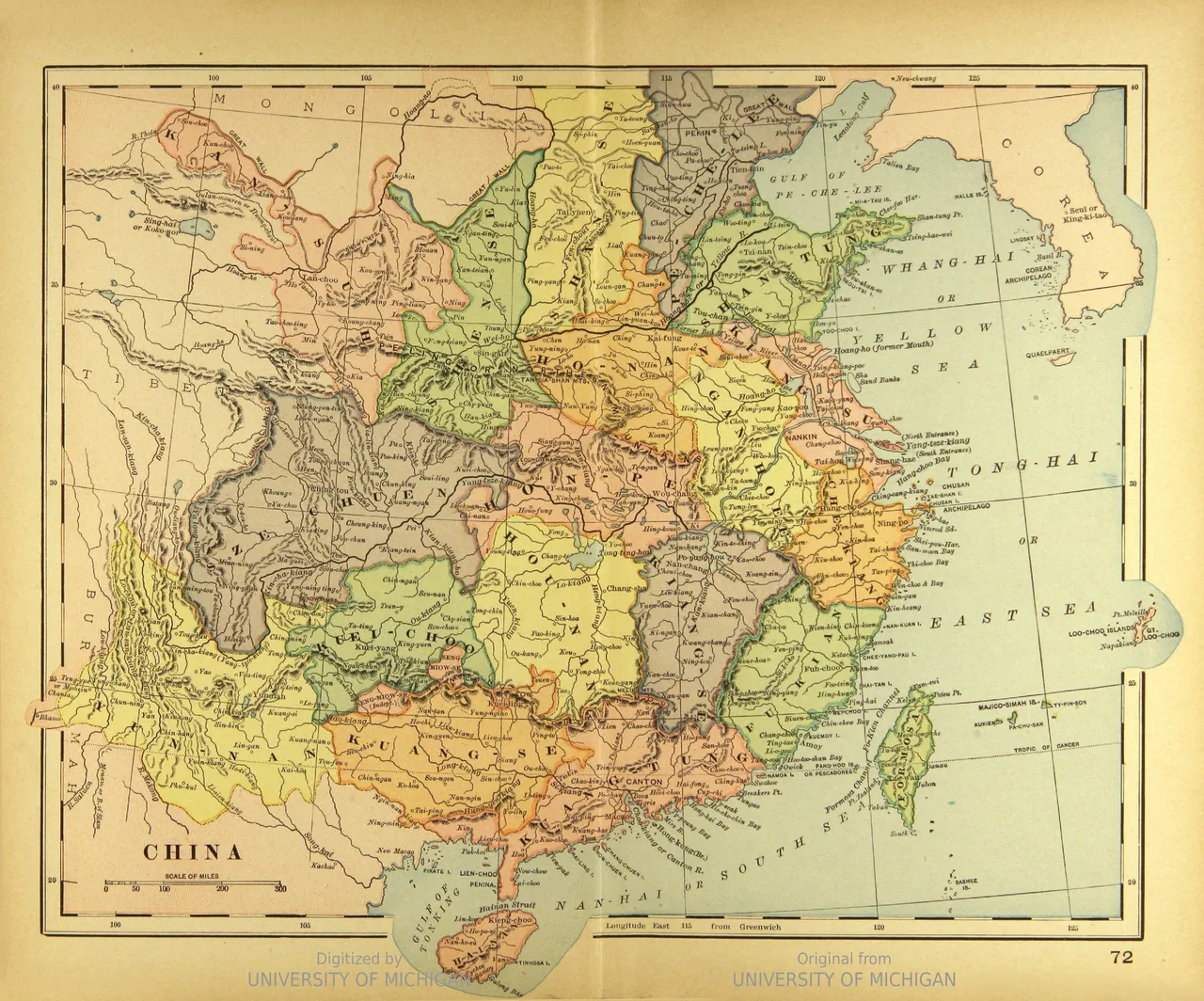
Once head taxes merged into the land tax, the crown had no fiscal need to track landless poor people. Millions of displaced refugees took their tools and walked into the Qinling, Daba, and Nanshan hills, as well as the Wuyi range and western plateaus.
Red clay and steep gravel slopes could not grow rice or wheat. But maize, sweet potatoes, and white potatoes thrived in thin dirt. Maize grew on rocky cliffs. Sweet potatoes needed little care and gave far more calories per mu than old grains.
Living as shack people, these families cleared forests to plant sweet potatoes and maize. Tax reform removed the risk of reporting children, while hardy crops filled empty bowls. Within decades, crowded valleys of shack people replaced old forests across the southern mountains.
04. Comparative Balance Sheets: The Ottoman Tax Farm Versus Qing Centralization
Comparing Qing tax reform with Ottoman fiscal policy shows how tax rules shaped population growth in the eighteenth century.
Both empires held large agrarian lands and needed farm silver to run their states. Yet their approaches were polar opposites.
Institutional Mechanics: Land Output and Personal Subjugation
The Ottoman state levied a direct head tax on non-Muslim subjects and relied on tax farming. Ottoman tax farmers bought short-term collection rights at public auction. To make money fast, they piled surcharges and labor dues on top of basic taxes. Rural tax rates often took over 40 percent of the peasant harvest.
When bad weather or wars struck, Ottoman tax buyers gave no help. Instead, they forced remaining villagers to pay for neighbors who had fled. In response, poor families abandoned their farms and fled to the hills as bandits or stayed off the books.
Treasury Outcomes: Divergent Paths and Population Curves
Both empires traded along global silver routes in the eighteenth century, but their institutions caused very different outcomes:
- Central Credibility and Fixed Quotas: The Qing court capped its poll tax quota. Tying all revenue to surveyed land stopped local shakedowns. In contrast, Ottoman sultans ran deep deficits and sold life-term tax rights to local bosses who drained the villages of wealth.
- Factor Mobility and Resource Allocation: Qing tax reform freed poor laborers to move into empty hills with American crops. Ottoman peasants, bound by debt to local tax bosses, had neither the freedom nor the drive to open new land. Ottoman headcounts stayed flat or shrank during this era.
By ending personal head taxes through state reform, the Qing empire enabled the largest population boom in farm history.
05. The Long-Term Reckoning: Ecological Debt and Collapsing Per Capita Margins
No tax plan can beat the hard limits of geography forever. Behind the full grain barns and 400 million people celebrated under Emperor Qianlong, the empire ran up a heavy ecological debt.
Household Balance Sheets: Plummeting Acreage per Capita
During the Western Han and Tang eras, average farm land ran between eight and ten mu per person. Even under the Ming Dynasty, holdings stayed around six mu. Under the 400 million population mark, land clearing pushed farmland past one billion mu, yet farm size fell below two mu per person. In crowded regions, plots fell under a single mu.
Tiny plots left homes vulnerable to bad weather. Even with sweet potatoes, a bad drought ruined a family's thin margin of survival. Without cash savings or stored food, poor peasants starved within weeks.
Imperial Treasury Pressures: Ecological Breakdown and Hydraulic Deficits
Planting maize and sweet potatoes on high hills caused severe soil loss. Heavy rain washed red dirt into the river plains, filling riverbeds and cutting the storage capacity of lakes.
Dike breaks along the lower Yellow River doubled during the Jiaqing, Daoguang, and Xianfeng eras. The Ministry of Revenue had built a surplus of 78 million taels under Qianlong, but dike repairs and disaster relief drained those reserves. Water projects became an open financial drain that swallowed millions of taels every year.
Soon, 400 million people became an immense burden on the realm. When farms could no longer feed surplus sons, millions of hungry men turned to arms. They joined the White Lotus Rebellion, the Nian Army, and the Taiping Heavenly Kingdom to fight the throne. Decades later, texts like the History of Ming, the reform essays of a county Teaching Aide, and republican journals like Min Bao (People's Journal) looked back on these rural woes to explain the dynasty's fall.
China's march past 400 million people sprang from tax reform and global crops. Yet it pushed traditional farming to its limit, leaving behind an exhausted land.
Primary Sources & Historical Bibliography
- Veritable Records of the Qing: Veritable Records of Emperor Shengzu of Qing, Vol. 249: Edict of 1712, recording the decree to freeze the poll tax quota and setting provincial rules for tax conversion.
- Qing Dynasty Wenxian Tongkao, Vol. 2–4, "Treatise on Census and Households": Imperial rules for the Integration of the Poll Tax into the Land Tax, tracing national counts from 1741 onward.
- Liang Fangzhong, Statistics on China's Historical Households, Cultivated Land, and Land Taxes (Zhonghua Book Company): A classic study of imperial tax rolls, tracing the split between land taxes and head levies.
- Ping-ti Ho, Studies on the Population of China, 1368–1953 (Harvard University Press): The key economic study showing how American crops and tax reforms drove China's eighteenth-century population boom.