TL;DR · Core Takeaways
- Silver Monetization Ended Physical Corvée: The Single Whip Law backed by Zhang Juzheng combined over two hundred grain taxes, labor duties, and village fees into one cash payment on land and adult men. The Imperial Court used wage labor recruitment, cutting forced personal labor in rural villages.
- An Agrarian Empire Tied to Transoceanic Bullion: Domestic silver mines were small, so fiscal administration relied heavily on foreign silver from maritime trade with the Americas and Japan. This shift rewarded Jiangnan cotton and silk makers as well as merchant hubs from Shanghai to inland rivers.
- The Monetary Scissors Crisis in the Interior: Farmers grew grain rather than silver. At tax time, small farmers rushed grain to local markets to buy silver, making crop prices fall against the rising metal. When silver flows dropped in the 1630s, cash shortages and bad dry spells ruined the northwest.
Historical Context
- Chinese Timeline: In the ninth year of the Wanli reign (1581 CE), Senior Grand Secretary Zhang Juzheng ordered a nationwide land survey and carried out the Single Whip Law across the empire, sixty-three years before the Jiashen Crisis of 1644 CE brought down the Ming Dynasty.
- Western / Mediterranean Timeline: Philip II of Spain took over Portugal in 1580 CE. Silver output at Potosi and Zacatecas in Spanish America hit its peak, speeding up the European Price Revolution while the Manila galleon trade became an annual event.

01. Nominal Statutory Relief vs. Ground-Level Fiscal Entanglement: The Hongwu Trap
On paper, early Ming law asked very little from farming families. Under the founding rules of the Hongwu Emperor, peasant freeholders paid seasonal quotas of summer wheat and autumn grain that took only several liters or pecks per mu—about five to ten percent of the harvest. Yet this plan of light corvée and taxes assumed an economy where rural villages needed no outside cash.
The early Ming fiscal administration took grain, craft goods, and forced labor instead of silver coins. Over two centuries, this plan turned into an administrative mess. On top of standard statutory land tax assessments, farm families faced over two hundred extra charges: post house repairs, local troop upkeep, water shipping, dispatch runners, and special orders for palace dyes, feathers, and timber.
The worst burden was physical corvée labor. In rich farming counties like Suzhou and Songjiang, an ordinary smallholder named as grain tax captain had to rent boats, pay for grain lost on the water, and guide thousands of bushels up the Beijing-Hangzhou Grand Canal. A sudden river storm or greedy clerks at Tongzhou brought ruin. Captains mortgaged their farms to lenders to cover losses. People said a single tour of duty wrecked three family generations.
Gentry elites used tax exemptions to shield their own lands, listing parcels under fake names or shifting duties onto poorer neighbors. Smallholders and tenants had to pay the missing quotas. By the Jiajing and Longqing reigns, the old household registers broke down. In 1581 CE, Senior Grand Secretary Zhang Juzheng stepped in with new land books covering over 880 million mu, making the Single Whip Law standard imperial law.
The core idea was simple: merge grain quotas and dozens of corvée duties into a single silver tax on land, collect it directly at county offices, and hire workers on the open market through paid labor recruitment.
02. The Divergent Ledgers: Village Strain vs. Imperial Surplus
Shifting state revenue to silver pulled quiet village farming into world silver flows. Because silver moved unevenly across the empire, farm homes and the Imperial Court saw very different results.
The Household and Local Ledger: Exchange Premiums and Melting Losses
For a smallholder in the interior, the reform stopped sudden labor calls, but it created a harsh currency problem. Peasant fields produced rice, wheat, and millet, yet every local official took only refined silver.
Transmission Mechanism:
Local yamen sets strict silver tax deadline -> Remote peasants dump grain on market -> Short-term regional grain supply gluts -> Grain devalues as silver appreciates -> Indebted peasants borrow broken silver at high interest -> Smallholders lose land to foreclosure
Every summer and autumn, thousands of peasants carried grain to county towns at the same time. Grain supplies spiked while ready silver stayed scarce, allowing grain dealers and pawnshops to cut grain prices. In normal months, one tael of silver bought two piculs of rice. During the two-week tax rush, grain prices dropped to three or four-tenths of a tael per picul, forcing farmers to hand over three or four piculs for one silver ounce.
The tax window also brought extra melting fees. When peasants handed over broken silver bits at the tax desk, clerks said the metal was impure and demanded ten to twenty percent in melting losses to cast unified bars. A tax quota of 1.00 tael often cost 1.20 or 1.30 taels in real silver.
Tax Season Cash-Flow Ledger (Standard household cultivating 20 mu):
- Total Annual Harvest: ~40 piculs of staple grains
- Pre-reform Nominal Assessment: ~2 piculs basic grain tax + unpredictable corvée (hidden cost equivalent to 4-8 piculs, risk of total insolvency)
- Single Whip Law Base Assessment: Fixed at 0.08 taels/mu = 1.60 taels total silver
- Actual Tax Conversion Costs:
  * Grain price during tax window falls from 0.50 taels/picul to 0.33 taels/picul
  * Grain required to obtain 1.60 taels of silver: 4.85 piculs
  * Yamen melting surcharge and fineness discount (+15%): requires 1.84 taels cash
  * Total grain sold to clear tax balance: ~5.58 piculs of grain (>14% of gross crop)
While this burden was more predictable than open-ended corvée, smallholders had no shield against market swings. Every shift in the silver-to-grain exchange rate cut into daily food reserves.
The Imperial Treasury Ledger: Rising Vault Reserves and Hired Efficiency
Inside the Forbidden City and across the Ministry of Revenue, the reform produced record wealth. In earlier reigns, state granaries took raw grain sent up the Grand Canal, where it rotted, grew damp, or fed rats. Any canal jam put the capital food supply at risk.
With the Single Whip Law running, every local official sent compact, durable silver to Beijing instead of storing grain in hundreds of local barns. Silver did not rot, and shipping metal cost far less than moving grain fleets up the Grand Canal.
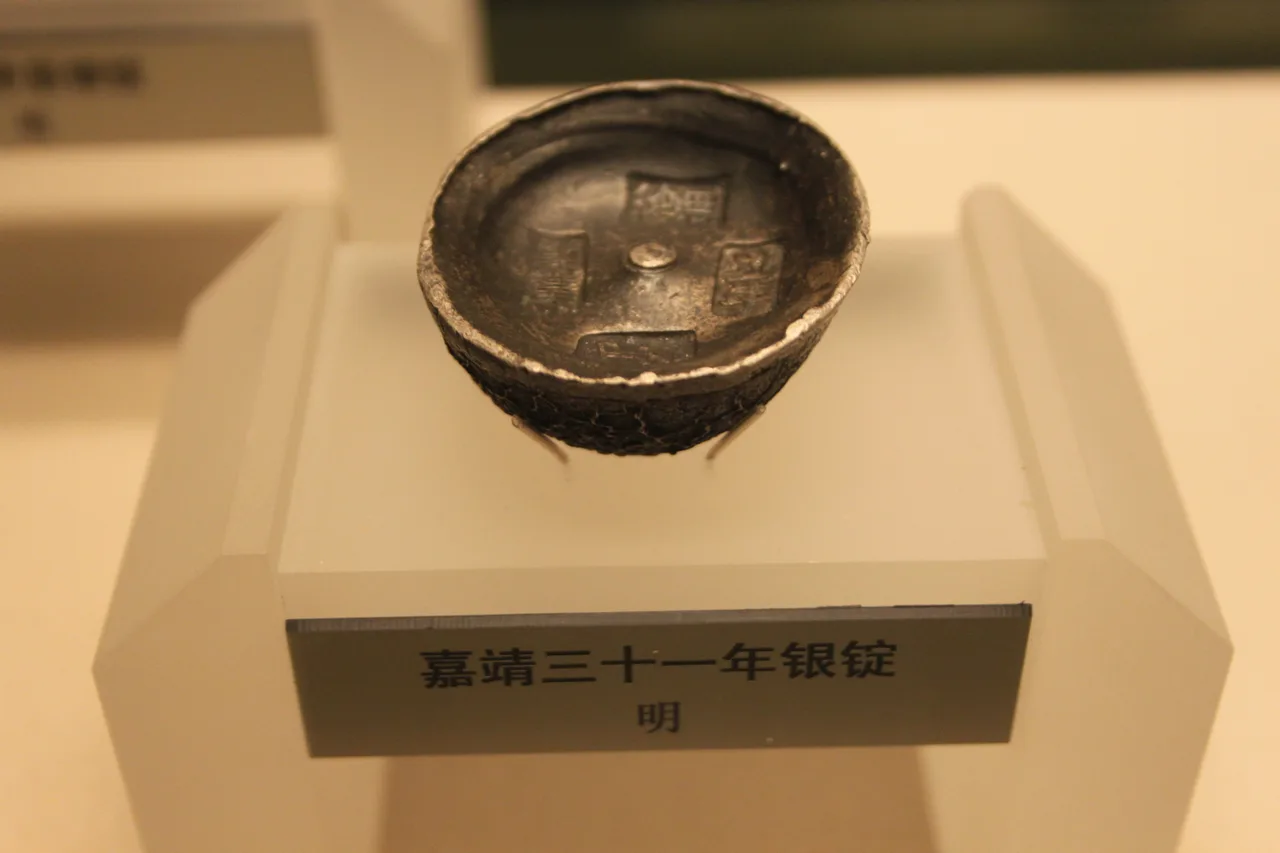
During the decade of Zhang Juzheng's regency, the Ministry of Revenue wiped out chronic debt. By the tenth year of the Wanli reign (1582 CE), silver in the central vaults passed six million taels. With extra reserves in the Southern Capital and frontier military funds, the state held over ten million taels in silver—enough for six to seven years of routine military costs. The court used cash to buy grain and fodder near Nine Border Garrisons like Liaodong and Xuanfu, cutting long supply lines from the south.
| Institutional Dimension | Hongwu In-Kind and Labor System (Pre-Reform) | Single Whip Law System (Silver Monetization) | Fiscal Administrative Impact |
|---|---|---|---|
| Tax Assessment Base | Split between the Yellow Registers (population) and Fish Scale Registers (cadastral land) | Head taxes progressively merged into land acreage; land-rich owners paid more | Curtailed illicit land concealment by gentry and expanded real taxable acreage |
| Payment Form and Medium | Grain, wheat, silk bolts, raw cotton, plus dozens of manual corvée tasks | Converted into standardized silver ingots; grain tribute restricted to fixed quotas | Streamlined collection logistics and curbed arbitrary regional requisitions |
| Labor Service Provision | Mandatory physical corvée based on household registry; frequent bankruptcies | The imperial government collected silver and hired labor on the open market | Untethered rural workers from land bonds and accelerated labor mobility |
| Treasury Asset Composition | Perishable grain and textiles scattered across regional warehouses | Standardized silver ingots concentrated in the Ministry of Revenue in Beijing | Concentrated liquid assets, speeding frontier military pay and emergency relief |
| Grassroots Risk Exposure | High shipping losses on waterways and compulsory personal servitude | Volatile seasonal grain-to-silver exchange swings and yamen melting fees | Shifted household vulnerability from labor exhaustion to monetary price extraction |
03. Regional Asymmetry: The Manila Galleon Trade and the Global Silver Circuit
The Single Whip Law did not work by decree alone; it ran on global maritime trade. By the mid-sixteenth century, Chinese workshops led global exports. Raw silk, woven cloth, and Jingdezhen porcelain were top goods in Europe and the Americas.
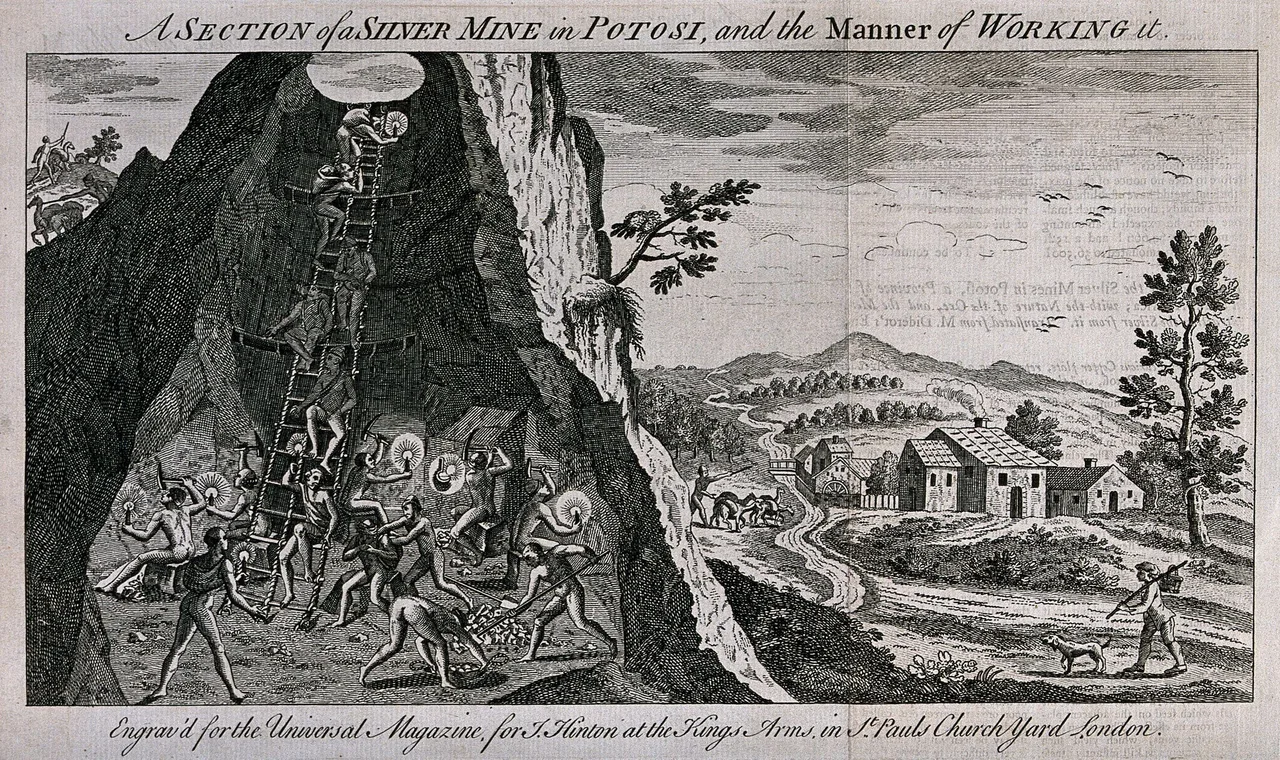
Historians estimate that from the mid-sixteenth century to the fall of the Ming Dynasty, over one-third of the silver from Potosi and Zacatecas crossed the Pacific via Manila to Crescent Port / Yuegang in Fujian. Silver from the Iwami Ginzan mine in Japan also entered southern ports. Ming China acted as a vast bullion sink, pulling in a third of the world's silver.
This influx matched trends in Europe, yet regional differences created distinct long-term outcomes.
Comparative Framework: The European Price Revolution vs. Ming Monetization
From the mid-sixteenth century on, Spanish treasure fleets brought millions of pesos into Seville. Over 150 years, western European prices grew sixfold, rising about 1.2 percent each year in the Price Revolution.
- The Spanish Habsburg Trajectory: American silver flooded Spain faster than its farms and shops could grow. High wages and prices hurt Castilian goods, while the Crown spent its wealth on foreign debts and wars. In contrast, growing markets in England and the Dutch Republic gained from Spain's trade deficit. Higher prices and lower real rents enriched tenant farmers and merchants, speeding up early capital growth.
- The Ming Chinese Trajectory: Silver reaching China entered an economy with huge manufacturing power. High population density and strong handicraft skills in Jiangnan absorbed foreign silver without runaway inflation. Rather than hurting local trade, the silver inflow built up specialized craft towns like Shengze and Wuqing.
Regional Winners and Losers: Jiangnan Workshops vs. The Arid Northwest
Across China, silver benefits stayed clustered along the southern coast. The clear winners were commercial cotton growers, silk weavers, and merchant groups from Huizhou, Shanxi, and coastal ports like Shanghai. Peasant families in Zhejiang and Southern Zhili planted mulberry trees and cotton in place of grain. Selling raw silk and woven textiles for cash helped them pay land taxes easily. Huizhou and Shanxi merchants built networks for cash drafts, water shipping, and grain distribution, controlling salt and tea while lending money to peasants who needed tax cash.
In the interior, life was very different. Northern provinces like Shaanxi, Henan, and northern Shanxi lay far from sea trade. Lacking export goods like silk or porcelain, northern farmers had only grain to sell for silver. Poor roads and slow transport made silver scarce, raising the price of coin over food.
By the 1630s, under the Chongzhen Emperor, world trade changed quickly:
- To keep silver at home, Spain cracked down on illicit trade along the Manila route.
- Between 1633 and 1639 CE, Japan issued isolation edicts, halting silver shipments to China.
- The Little Ice Age brought colder weather, long droughts, and locusts across the north.
As silver inflows dropped, the Ming economy suffered deflation. In the dry villages of northern Shaanxi, grain prices collapsed, yet every local official kept demanding taxes in silver. With the Later Jin attacking the northern border, the court added special surcharges instead of easing taxes.
The Single Whip Law had tied state finance to foreign silver. When bullion inflows stopped during severe climate shocks, inland areas had no relief. Poor peasants unable to pay, laid-off postal workers, and mutinous soldiers joined hands. Rebel leaders like Li Zicheng and Zhang Xianzhong swept the central plains, while the dream of a calm Tai Ping era slipped away. Zhang Juzheng's tax system filled imperial vaults in good times, but it left interior smallholders helpless when global silver dried up. Modern Historiography sees this monetary divide as a key cause of Ming collapse. It was Wuyi that a reform supervised from the central government down to each regional Assistant could reshape the entire empire's Taxation and Corvée, but it ultimately bound regional welfare to the unpredictable currents of world trade.
Primary Sources & Historical Bibliography
- *Zhang Tingyu et al., History of Ming** (Ming Shi), Treatises on Food and Money (Shihuo Zhi*), Vol. 77, Part 1, and Vol. 78, Part 2 (Zhonghua Book Company edition): Details the provincial rollout of the Single Whip Law from the late Jiajing period to its nationwide adoption in 1581 CE, including conversion formulas and local melting surcharges.
- *Zhang Juzheng, Collected Memorials of Zhang Taiyue** (Zhang Taiyue Ji: Zoushu*), Vol. 36 ("Memorial on Land Resurvey") and Vol. 39 ("Memorial on Treasury Reserves"): Official administrative memorials recording the national cadastral survey, the buildup of central silver reserves, and the reduction of redundant labor requisitions during the early Wanli reign.
- *Chuan Han-sheng, Studies on the Economic History of the Ming and Qing Dynasties** (Mingqing Jingjishi Yanjiu*, Linking Publishing, 1987), Chapter 4 ("American Silver and the Price Revolution in Late Ming China"): Foundational research measuring silver shipments from Potosi and Iwami Ginzan into China via Manila and analyzing their effects on late Ming fiscal administration.
- *Liang Fangzhong, The Single Whip Law of the Ming Dynasty** (Yitiao Bianfa*, SDX Joint Publishing, 2008), Chapter 2 ("The Amalgamation of Taxes and Corvée") and Chapter 5 ("Regional Disparities in Silver Collection"): The classic economic monograph analyzing the consolidation of labor services into land taxes and its microeconomic effects on peasant households.