TL;DR · Core Takeaways
- Low official tax rates versus harsh local reality: The early Ming state promised a light one-thirtieth land tax under Humane Governance. Yet in provinces with many royal courts, grain payouts soon passed total provincial statutory land tax intake by 100 to 200 percent. A local official and each appointed grain tax captain had to cover these gaps by adding extra fees and waste charges onto common farmers.
- Fast population growth in a golden cage: Zhu Yuanzhang guaranteed lifelong state food and silver without dropping noble ranks across generations. The Yongle Emperor then took away princely military command and military administration. The throne barred royals from the appointment system, civil examinations, trade, and farming, tying thousands of royals to an open-ended treasury payout.
- Huge wealth gaps and state ruin: By the mid-sixteenth century, the central treasury could no longer pay stipends in full. Wealthy houses headed by an Imperial Prince gathered private estates and avoided taxes. At the bottom, tens of thousands of titled royals holding ranks like Commandant-in-Ordinary lived in deep debt and hunger. When the court imposed the Three Frontier Surcharges to fund border defenses, it left the state broke when major rebellions spread across the realm.
> Historical Coordinates
> - Chinese Historical Setting: From the founding year of Hongwu (1368), when Zhu Yuanzhang set up the dynasty and issued the Ancestral Injunctions of the August Ming, to the seventeenth year of Chongzhen (1644), marking the fall of the Ming Dynasty. Over these 276 years, the Imperial Clan grew from 58 members to more than 200,000 titled royals.
> - Western & Mediterranean Setting: The shift across Western Europe from feudal fiefs to early modern fiscal states (14th–17th centuries). French kings limited royal claims through modest appanages. German princes set up strict primogeniture laws, sending younger sons into the church, trade fleets, or armies.
In the grain accounts of the Ministry of Revenue, one deficit worried every Minister of Revenue during the late sixteenth century. In the early Wanli era, the northern province of Shanxi collected an annual tax quota of 1.52 million shi of grain. Yet the Prince of Jin, the Prince of Dai, and their branches held legal claims to 3.12 million shi of grain stipends each year. Even if every grain from Shanxi reached royal storehouses without loss, provincial revenue fell short by more than half. Nearby Henan faced the same math trap: annual retained provincial taxes stood at 840,000 shi, while local houses of the Imperial Clan claimed over 1.9 million shi.
This shortfall showed the deep split between royal plans and daily tax collection. When Emperor Taizu of Ming, known by his personal name Zhu Yuanzhang, built the dynasty, he envisioned a calm farm realm backed by the one-thirtieth land tax and light statutory land tax rates. In the Ancestral Injunctions of the August Ming, he promised that his sons and grandsons would enjoy royal wealth without paying taxes or corvée labor. Over two and a half centuries, steady family growth turned that royal promise into a fiscal trap.
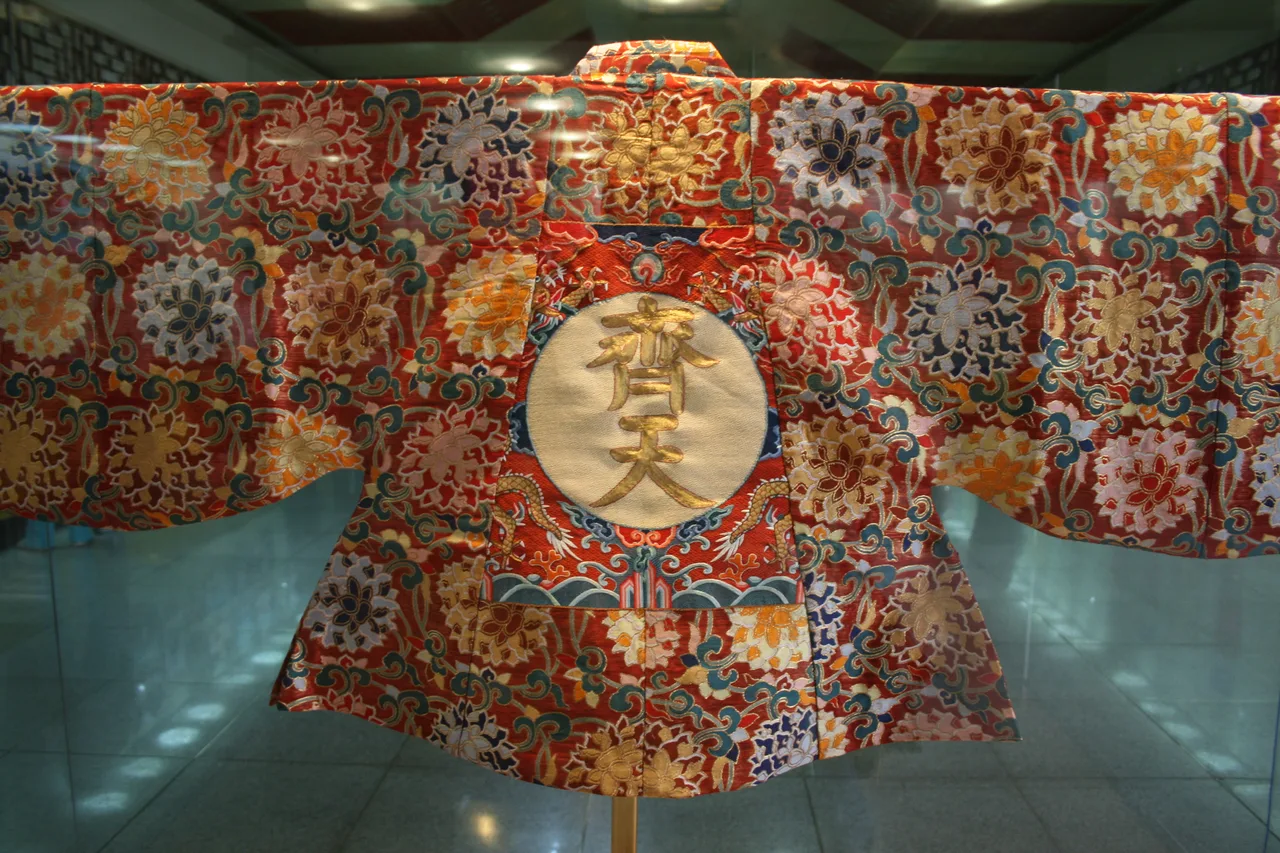
01. The Institutional Golden Cage: Universal Entitlement and the Denial of Livelihood
The crisis of the Ming Imperial Clan did not happen by chance. It grew from laws made by Zhu Yuanzhang and fixed in place by the Yongle Emperor. Born as a poor farmer, Zhu Yuanzhang feared disloyal ministers and rebel generals. He believed that only his own blood could guard the throne. During the Hongwu era, he set up a strict rank ladder: an imperial son gained the rank of Imperial Prince with an annual stipend of 10,000 shi of grain; a prince's heir became a Commandery Prince with 2,000 shi; later ranks stepped down to Defender-general, Bulwark-general of the State (800 shi), Supporter-general, and the lowest rank, Commandant-in-Ordinary (200 shi).
This setup differed from older dynasties. Under the Han and Tang dynasties, royal titles ended after five generations or dropped by one grade each step. Distant kin returned to civilian life to farm, trade, and pay taxes. The Ming dynasty chose Hereditary Succession without end-point demotions. Every son of a Commandant-in-Ordinary kept that title forever, no matter how many generations passed. The Ministry of Revenue had to send 200 shi of grain each year to every male descendant. Even husbands of imperial daughters got lifetime stipends and rank.
After the Jingnan Campaign, the Yongle Emperor took away princely military command to stop rivals from launching coups. To keep full control, the court placed strict bans on royal movement and jobs:
- Total exclusion from public and business life: Clan members could not sit for civil service exams, enter offices via the civil appointment system, run shops, or buy land to farm.
- Lifetime confinement in walled cities: Royals could not leave their city walls without imperial orders. A prince who wished to visit family tombs thirty li away had to write a memorial to Beijing. Leaving the city walls without an imperial decree brought charges of treason.
These rules created a golden cage. The state took away the right of royals to earn a living, while promising them free food for life. Having children became the only path open to clan members that brought income without legal danger. The imperial genealogy expanded at a rapid pace.
02. Auditing Two Ledgers: Micro and Macro Anatomy of the Stipend Deficit
To understand how the stipend system broke the dynasty, we must look at two ledgers: the local balance sheet paid by common farmers and local officials, and the macro balance sheet tracked by the Ministry of Revenue in Beijing.
[Transmission Chain from Clan Expansion to Fiscal Ruin]
Universal Entitlement + Ban on Productive Work
  -> Population expands rapidly (from 58 to over 200,000)
  -> Provincial stipend claims pass total land tax quotas (deficit > 100%)
  -> Central treasury cuts stipends and redirects grain locally
  -> Local officials add wastage fees and pass gaps onto farmers
  -> Smallholders flee land, speeding up private estate growth
  -> Regular tax base shrinks, leading to revolts and state bankruptcy
The Local Ledger: Peasant Households and Frontline Officials
A farming home working twenty mu of land faced low official rates under the policy of light corvée and taxes. But when a county fell inside the lands of an Imperial Clan Feudatory, real daily costs rose sharply.
In places like Chengtian Prefecture in Huguang or Linfen in Shanxi, summer and autumn taxes were low on paper, often just one or two sheng of grain per mu. To feed prince estates, every local official and grain tax captain had to navigate systemic deficits, setting up extra fees:
- Waste fees and collection surcharges: Princely houses asked for clean grain without sand or moisture. When farmers hauled their crops to royal granaries, the Palace Eunuch and depot clerks often rejected the bags, claiming the rice was wet or dirty. To get a stamped tax receipt, farmers and each responsible grain tax captain paid extra fees in silver, raising total costs by thirty to forty percent per shi.
- Silver exchange tricks: When local courts collected silver instead of grain, price shifts hurt common farmers. Clerks took silver from taxpayers above market rates, but paid it out to royal recipients at low rates. Scribes and runners took the difference as personal profit.
- Forced labor and estate growth: When an Imperial Prince married, received a title, or built a tomb, the court ordered nearby villages to send workers, bricks, and wood. Farmers left their crops to give unpaid labor. Senior princes also used imperial favor to turn common fields into tax-free private manors. Once land joined a princely manor, former owners became tenants who paid heavy rent. Because these fields vanished from county tax rolls, local magistrates shifted the lost statutory land tax shares onto remaining smallholders.
A local official caught between princely houses and state tax quotas faced steady stress. Impoverished royals often marched into local county offices to demand grain, shouting at clerks and beating runners. Bound by fixed quotas and lacking the legal rank to punish princes, each local official balanced the books by taking more from common farmers.
The Imperial Treasury Ledger: Central Solvency Under Strain
From the desk of the central treasury in Beijing, royal stipends were the most rigid cost in the state budget.
During the Hongzhi era, the Minister of Revenue gave a direct warning to Emperor Xiaozong. The empire gathered about twenty-six million shi of grain each year, yet princely estates held paper claims to eight million shi—nearly a third of all national statutory land tax grain. By 1552, during the Jiajing era, annual stipend claims grew to 8.53 million shi.
Rising border defense costs after the Gengxu Incident in the north and pirate raids along the coast forced the Ministry of Revenue to delay and cut grain payouts:
- Constant payment delays: By the late Wanli reign, the central treasury could no longer pay full grain stipends. The court paid twenty percent in grain, thirty percent in silver, and left the rest as unpaid debt. By the Chongzhen reign, stipends ran ten to twenty years late. Many cadet branches went decades without grain.
- Deep wealth gaps within the clan: Payment cuts hit distant kin the hardest. The Wanli Emperor gave his favorite son, the Prince of Fu, broad tracts of farm land and valuable salt permits when he moved to Luoyang. At the same time, thousands of low-ranking royals holding the title of Commandant-in-Ordinary lacked friends at court. Old historical sources show that poor clan members in Henan and Shanxi, barred from leaving their towns to seek work, starved in their homes.
+------------------------------------------------------------------------+
| Estimated Allocation of Imperial Land Grain Taxes (1552 / Jiajing 31)   |
+-----------------------------------------------+------------------------+
| Category                                      | Quantity (Million Shi) |
+-----------------------------------------------+------------------------+
| Total National Land Tax Collection (approx.)   | 26.00                  |
| Statutory Imperial Clan Stipends              |  8.53 (approx. 32.8%)  |
| Grain Shipped to Beijing (Officials & Troops) |  4.00 (approx. 15.4%)  |
| Border Garrisons and Local Retained Funds     | 13.47 (approx. 51.8%)  |
+-----------------------------------------------+------------------------+

03. Exponential Population Growth and Cross-Eurasian Succession Models
The table below shows how the Imperial Clan expanded over time, moving far past the fiscal limits of the realm:
| Period | Registered Ming Imperial Clan | Statutory Stipend Demand | Fiscal Impact Metric |
|---|---|---|---|
| Late Hongwu (1398) | 58 individuals (Taizu sons and grandsons) | Several hundred thousand shi | Under 1% of total grain revenues; negligible treasury pressure |
| Mid-Hongzhi (1492) | Over 2,000 individuals | Over 3 million shi | Roughly 11.5% of grain revenue; first formal warnings issued by the Ministry of Revenue |
| Mid-Jiajing (1553) | 19,600+ individuals | 8.53 million shi | 32.8% of national grain intake; 2.1 times the grain shipped to Beijing (4 million shi) |
| Late Wanli (1604) | 80,000+ individuals | Paper claims over 10 million shi | Shanxi and Henan revenues could not cover half of local royal stipends even if fully retained |
| Late Chongzhen (1644) | Estimated 200,000–300,000 | Paper accounting completely broken | Provincial treasuries fell into default; systemic arrears ran between 70% and 90% |
The Ming system worked very differently from European succession rules of the same era:
Ming Universal Entitlement vs. Western European Primogeniture:

[Ming Model: Open-Ended Entitlement + Livelihood Ban]
All male royal descendants keep clan status -> Lifelong stipends without grade demotion
  -> Total ban on civil exams, trade, and army posts
  -> Payouts grow exponentially with every generation
  -> Budget shortfalls starve border troops -> Systemic collapse

[Western European Model: Primogeniture + Cadet Diversion]
Eldest son inherits estate and political rule -> Younger sons get small cash gifts or minor lands
  -> Cadets join the church (vows of celibacy stop family growth) or armies and trade fleets
  -> Estates stay intact; state fiscal duties stay small and fixed
Across Western Europe in the late medieval and early modern eras, nations like France and England, along with German principalities, used strict primogeniture. Under this rule:
- Keeping estates whole: The noble title, core lands, and feudal rents passed intact to the oldest legitimate son. This law kept family wealth and taxes stable instead of cutting land into tiny pieces.
- New paths for younger sons: Younger brothers did not split the estate. Kings gave them small cash gifts or minor titles, expecting them to build their own lives. Many joined the church, where vows ended claims to hereditary lands. Others served as officers in regular armies, sailed on trade ships, or worked in law courts.
European primogeniture grew out of tight budgets rather than simple choice. No kingdom could feed a fast-growing nobility out of state tax grain. The Ming state did the opposite: it locked thousands of royal kin inside provincial capitals, banned them from all jobs, and turned their bloodline into a heavy tax drain.
04. The Dynastic Collapse: When Royal Vaults Met Starving Armies
During the Tianqi and Chongzhen eras, this heavy payout load ruined the dynasty.
To fight wars on the northern border and put down peasant revolts at home, Beijing levied the Three Frontier Surcharges. The court raised military expenditure by extracting over twenty million taels of silver from farming villages through the Three Frontier Surcharges, on top of the statutory land tax. Rural life broke down under the weight. Yet rich royal houses in provincial capitals held huge piles of silver and grain behind their palace walls.
In Luoyang, the Prince of Fu, Zhu Changxun, lived in extreme luxury. When the army of Li Zicheng surrounded the city in 1641, local garrison troops guarding the Fortifications had gone without food or pay for months, eating bark to stay alive. The Governor of Henan, the local Army Commander, and city leaders begged the prince to open his vaults to pay for fortress defence. Even an elder Imperial Clan Director urged him to help save the walls. The prince refused, sending out only cheap wine and a few pigs. Angry and hungry, the city soldiers opened the gates to the rebel army. Li Zicheng entered the city, took the prince, and put him to death. Rebel troops seized millions of taels of silver and grain stores from the palace cellars to feed thousands of new recruits.
The same disasters took place at the estates of the Prince of Xiang in Xiangyang, the Prince of Wei in his feudatory seat, and the Prince of Dai and the Prince of Jin in Taiyuan. In that northern defense hub, junior royals like Ziming watched helplessly as local Fortifications fell apart. Over two centuries, these princely lines took up to a third of all national statutory land tax grain. Yet when foreign foes and peasant armies marched, the clan produced neither skilled leaders for the civil administration nor a capable Army Commander for the front lines. Their private vaults became food stops for rebel bands, while two centuries of harsh tax collection drove poor farmers straight into rebel ranks.

The hereditary pension system set up by Zhu Yuanzhang and the Yongle Emperor brought total fiscal ruin. By tying noble titles to complete economic inactivity, the Ming throne sealed its own fate. The compound growth of clan payouts crushed common farmers, cleaned out the imperial treasury, and led straight to the fall of the dynasty.
Primary Sources & Historical Bibliography
- *Zhang Tingyu et al., History of Ming, Vol. 82, Treatise 58: "Food and Money VI: Imperial Clan Stipends" (Ming Shi, Shi Huo Zhi Liu: Zongshi Luzhi)*: The standard source tracking the initial Hongwu regulations, the fiscal alarms of the Hongzhi era, and the 1553 peak where statutory stipends reached 8.53 million shi.
- *Emperor Taizu of Ming (Zhu Yuanzhang), Ancestral Injunctions of the August Ming, Chapter 1: "Official Hierarchy" (Huang Ming Zu Xun, Zhi Zhi)*: The legal text detailing stipend quantities, matrimonial land grants, and mobility restrictions for all ranks from Imperial Prince down to Commandant-in-Ordinary.
- *Wang Shizhen, Collected Works of Yanzhou Shanren, Part IV, Vol. 88: "Memorial on Aging and Ailing Clan Members" (Zongfan Yinnian Yinjibiao)*: Eyewitness accounts of low-ranking royal households during the Jiajing and Wanli reigns, documenting widespread stipend arrears, poverty, and displacement among junior clan members.
- *Ray Huang, Taxation and Governmental Finance in Sixteenth-Century Ming China (Cambridge University Press, 1974)*: Chapter 4 provides a granular ledger analysis of how provincial grain retentions clashed with central remittance quotas, explaining how royal stipends corroded Ming administrative capacity.