TL;DR · Core Takeaways
- Statutory caps codified high rates: From early dynasties through Ming and Qing law, official codes set the legal interest cap at "three percent per month" (36% per year). In village grain loans, actual yearly costs often ran between 50% and 100%.
- Coin shortages and weather risk drove default costs: A chronic lack of copper coins, joined with crop failures from flood and drought and zero shared credit files, forced lenders to take steep profits from solvent debtors to cover lost funds from escaped peasants.
- Wealth gaps set up a three-tier debt ladder: Rich borrowers with good pledges got pawnshop loans at 24% to 36% a year. Landless peasants and poor city folk faced grain loans that forced them to repay two bushels in autumn for every bushel borrowed in spring, or took daily installment loans ("stamp money") that ended in debt bondage.
- State credit programs broke down in practice: Imperial efforts like the Song dynasty Green Sprouts policy tried to reduce rates. Without clear checks or commercial review, local officers turned these loans into forced collection quotas tied to group neighborhood debt.
> Chinese Historical Coordinates: The Eastern Han Dynasty dynasty (Jianwu through Zhanghe eras), through the Tang dynasty under the Zhenguan and Tianbao reigns of Emperor Taizong (Emperor Taizong of Tang) and Emperor Xuanzong (Li Longji), to the Northern Song dynasty during Wang Anshi's New Policies (Xining Reforms) and the mature legal codes of the Ming Dynasty and Qing dynasty eras.
> Western & Mediterranean Coordinates: From the Roman Law of the Twelve Tables (interest ceiling around 8.33%) through the medieval Catholic absolute prohibition on all usurious lending, culminating in the 17th- and 18th-century institutional credit models of the Bank of Amsterdam and the Bank of England (which brought sovereign benchmark yields below 6%).
Court books and county trial records across old China show many family ruins among grain farmers. A small farm home short on seed grain borrowed ten bushels of grain before spring planting. By the next autumn, compound terms doubled the total debt past twenty bushels. If drought hit for two years in a row, the family gave up its land deeds. Then sons and daughters entered debt pawnage or domestic servitude.
Common people blamed this misery on greedy landlords and merchants. Yet dynastic penal codes tell a plain institutional truth: the Tang Code with Commentary, the Song Penal Code, and the Great Qing Code all allowed monthly rates up to three percent (36% per year). The imperial rule for "fair lending" sat way above the level that modern laws treat as illegal loan sharking.
This long credit system did not come from legal neglect. It grew out of a hard trap formed by coin shortages, big risks in grain crops, and high costs to collect debts across an agrarian realm.
01. Currency Scarcity and Structural Default: Deconstructing the 36% Cap
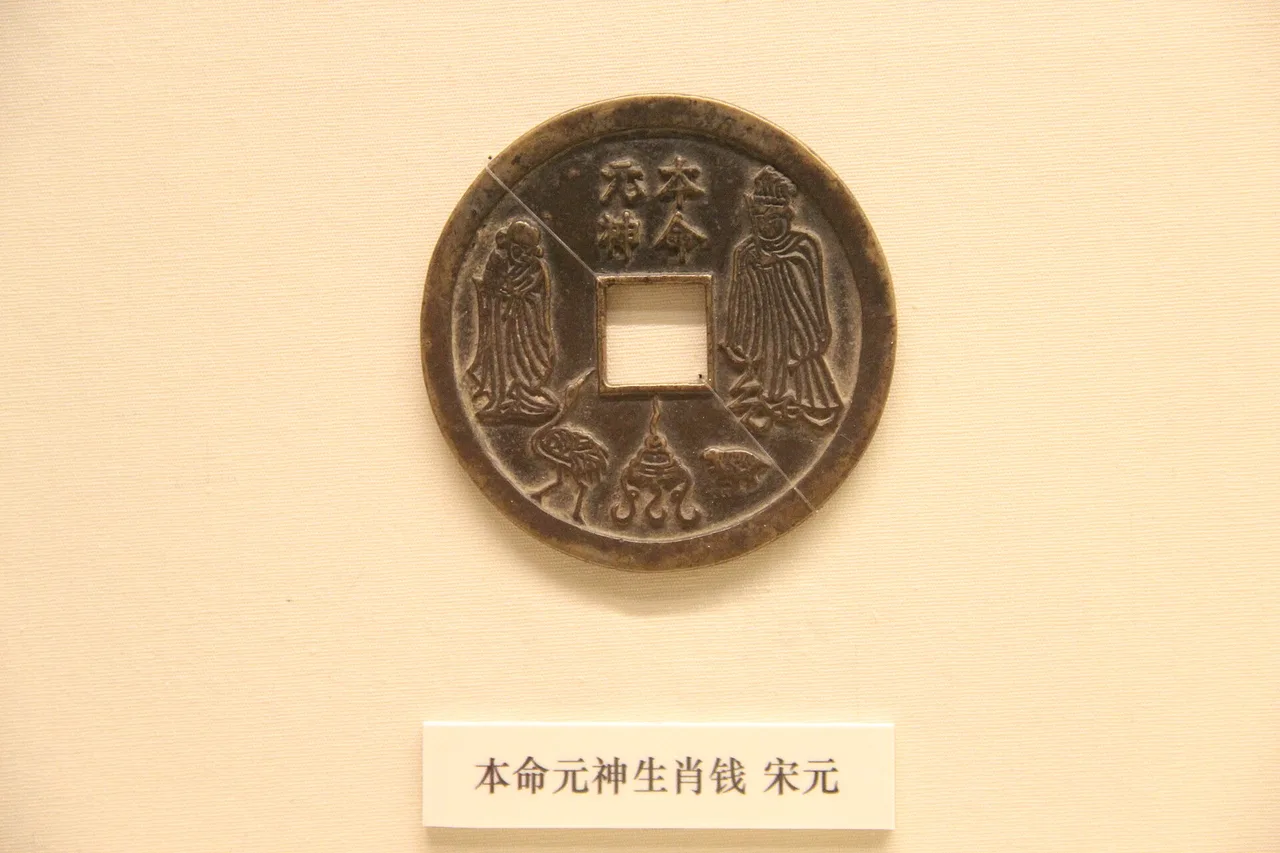
Modern money theory sets interest rates by risk-free rates, expected inflation, running fees, and default risks. Old China never kept an elastic paper money system for long. Its money supply rested on physical metal items: cast bronze coins, silver bullion chunks, and bolts of silk. Because physical supplies could not expand fast, liquid cash held a huge price premium.
The Smallholder and Creditor Balance Sheet
At the village level, farm homes and town money shops faced severe limits:
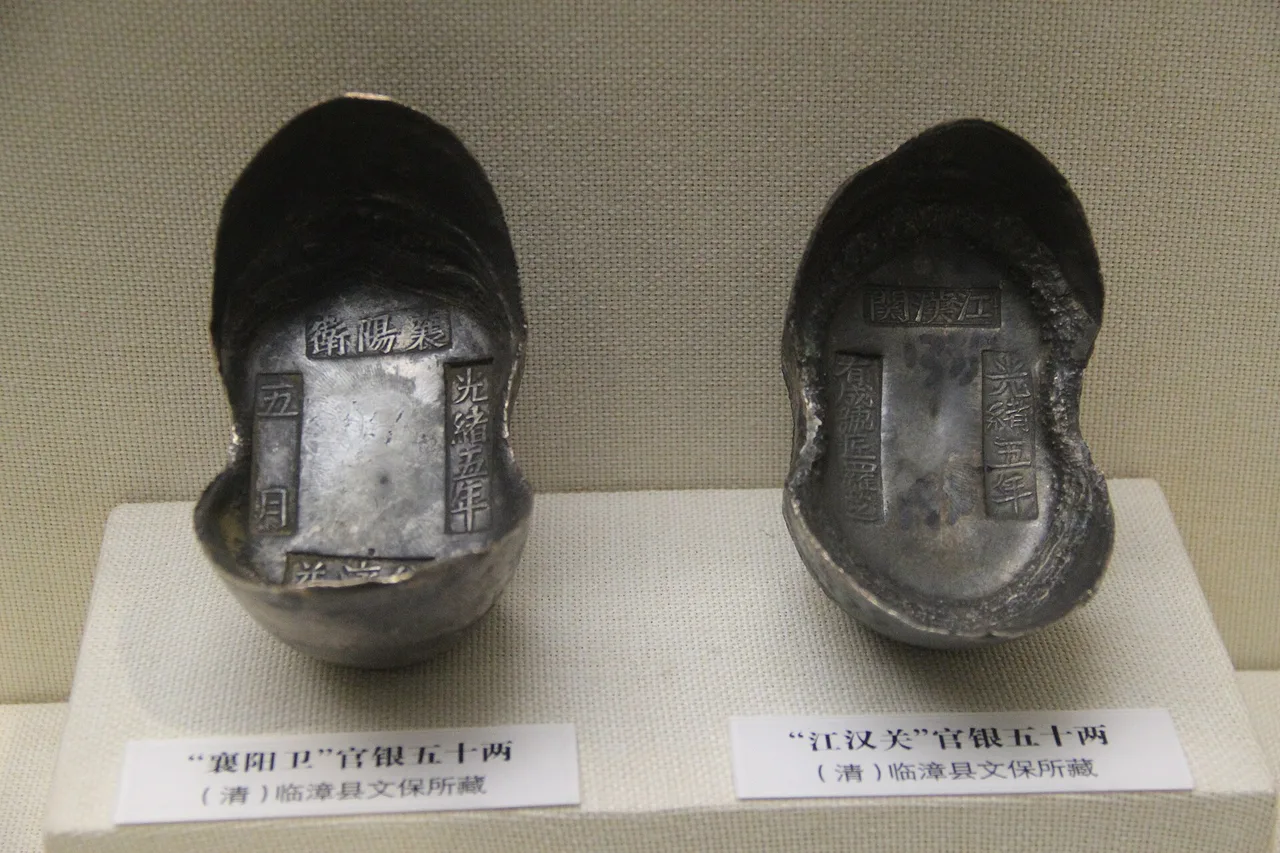
- Cash Shortage and Deep Hoarding: State mint output depended on local copper and silver mines. Officials and rich landlords melted spare coins into big silver blocks and buried them deep to escape robbers and war levies. Real coins rarely moved through distant farm towns. Money took high rental fees simply because coins stayed scarce.
- Crop Failure and Runaway Debts: A single drought or locust swarm could wipe out an entire village crop. Officials had no cross-county credit lists. Town registers could not trace displaced refugees once they fled into the hills. When a ruined farming family ran off, the unpaid debt was a total loss. To guard core capital against an empirical default rate over 30%, lenders charged surviving solvent borrowers 50% to 100% gross gains.
- Trapped Land Assets in Bad Times: Farm acreage lost its sale value during widespread natural disasters. When an entire county pawned field parcels to buy grain, land values collapsed. Creditors holding land deeds could not turn acreage into edible food or hard coins during local famines.
The Imperial Treasury Balance Sheet
The central crown fought the mass ruin of small farmers. Debt-driven land concentration destroyed registered taxable homes and shrank the main statutory land tax base. In imperial Historiography, thinkers such as Qian Shi tracked how private debt disrupted the state order, while military administration relied on steady tax flows.
| Evaluation Dimension | Imperial Treasury Objective | Local Administrative Reality | Net Fiscal and Social Yield |
|---|---|---|---|
| Statutory Rate Cap | Set "monthly interest capped at 3%; total interest shall not exceed the principal" | Creditors took interest upfront ("nine out, thirteen back") and renewed notes to roll unpaid sums into fresh principal | Nominally protected debtors, but legitimized a 36% baseline without checking compound debt growth |
| Preserving the Tax Base | Protect independent smallholders to stop land concentration and keep statutory land tax and labor taxes | Landlords used debt power to turn free peasants into hidden tenant hands, hiding labor from state rolls | The central treasury lost taxable households and issued empty debt-forgiveness decrees that went unheeded locally |
| Commercial Fluidity | Support merchant firms and pawnshops to aid trade and grain transport by waterways, taxing pawnshop shops | Wealthy officials and Imperial Court funds invested tax silver straight into high-interest loan desks | Small taxes went into state vaults, but state offices became tied to private usury yields |
Historical episodes reveal this continuous strain: during the Rebellion of the Seven States in the Western Han, merchant moneylenders backed imperial armies at 1,000% gross returns; the Tang poet Lu Guimeng wrote of small farms that borrowed old grain to replace dead seed stock; and Northern Song minister Xiang Minzhong spent administrative terms resolving rural debt disputes. The Imperial Court needed these private credit lines to move the rural economy, yet saw them hollow out imperial revenue.
02. The Three-Tiered Credit Ladder: Inverse Pricing of Rural Risk
In pre-modern finance, borrowers with the least collateral and lowest safety paid the highest interest rates. This structural bias created three debt tiers across society.
Tier One: Asset-Backed Pawnshop Credit (24% to 36% Annually)
Town property owners, small traders, and well-off yeoman farmers used this tier. Borrowers brought gold, silver hairpins, silk garments, or bronze vessels. Pawnshops gave out between 50% and 60% of current cash value, with terms running from twelve to twenty-four months. Because durable goods backed the loan, default risk stayed low. Annual interest stayed within the legal band of 2% to 3% monthly (24% to 36% a year). Wealthy clans and even Imperial Court offices placed spare coin into large pawnshops to earn safe interest.
Tier Two: Lean-Season Crop Advances (50% to 100% Semiannual Return)
Rural smallholders without cash reserves fell into this tier. In late spring, when family food ran out and planting needed seed, peasants borrowed grain from village gentry. Contracts set a simple rule: "borrow one bushel in spring, return two bushels in autumn." While called a double return, the actual loan lasted only four to six months. The true annual rate passed 200%.
The seasonal swing in grain prices made this worse: the family borrowed when food shortages drove market prices to yearly highs, and repaid at the autumn harvest when cheap grain depressed the value of their crop. Smallholders lost far more physical labor and grain than the face contract showed.
Tier Three: "Stamp Money" and Debt Servitude (Annualized Rates Above 500%)
Urban day laborers, street vendors, and landless paupers turned to this emergency loan. Under the "stamp money" system in Qing Beijing, a borrower seeking ten strings of copper cash received eight strings upfront; the lender kept two strings as an advance fee. Every morning for thirty days, the lender came to collect five hundred coins, stamping the loan paper once. By day thirty, the borrower had repaid fifteen strings on eight strings of net cash.
These short loans piled up fast. Creditors enforced debts with clan muscle or street gangs. When a debtor missed a payment, the creditor seized draft animals, stripped roofs, or forced family members into hard labor bonds. This pattern set up a clear trap:
[Systemic Liquidity Shortage & Weather Shocks]
                      │
                      ▼
[Pre-Set Private Credit Risk Premium (Legal 36% / Market 50%–100%)]
                      │
                      ▼
[Seasonal Grain Price Gap Multiplies True Debt Burden]
                      │
                      ▼
[Smallholder Collateral Surrendered to Local Landlords]
                      │
                      ▼
[Peasant Forfeits Registered Status; Becomes Tenant or Displaced Refugee]
                      │
                      ▼
[Imperial Tax Base Shrinks; Surcharge Shifted to Remaining Yeomen]
03. Public Credit Distortions: The Breakdown of the Green Sprouts Policy
The Imperial Court tried to fight private usury with state funds. The most famous trial was the Green Sprouts policy, begun under Emperor Shenzong during Wang Anshi's New Policies (Xining Reforms) in the Northern Song dynasty.
Wang Anshi planned to turn reserve grain in the Ever-normal Granary and Guanghui Granary systems into a public loan fund. Every year during the pre-harvest lean months of spring and autumn, county officials loaned cash or grain to farming homes at a half-year rate of 20% (40% a year). While yielding profits for the treasury, this rate was far below the 100% cuts taken by private lenders. Yet inside the state machine, the reform failed:
- Loan Targets Forced Cash on the Rich: The Song civil staff lacked independent review bodies. Circuit supervisors checked the work of Transport Commission chiefs and each local District Magistrate by the total interest cash collected. To hit their goals, clerks refused to lend to poor families who faced real hunger. Instead, officials forced solvent, land-owning homes to accept loans they never wanted.
- Group Guarantees Caused Mass Ruin: Private lenders adjusted terms to clan ties and local names. State officers faced no such checks; they used full police force. Officers enrolled peasants into ten-household guarantee teams. If one family fled crop blight, the other nine homes had to pay its share. This joint rule pushed whole hamlets into poverty.
- Clerk Fees and Currency Tricks: Clerks deducted handling fees and metal loss surcharges as money left the vault. A farmer signed for one thousand copper cash but took home only nine hundred. When autumn pay came due, the granary turned down coins and demanded grain, using crooked baskets and bad exchange rates. These tricks made state credit costlier than village loans.
From the economic ruin of the Northern Han Dynasty during the Five Dynasties to garrison work run by generals like Murong Yanzhao, rulers often turned to credit monopolies to fill empty vaults. Under the Southern Song, the Green Sprouts system became a flat extra surcharge on farm land taxes. What began as a social loan program turned into an aggressive state tax tool.
04. Comparative Ledger: Religious Bans, Risk Pricing, and Sovereign Debt
Comparing imperial Chinese credit with Western models shows how different legal views on interest shaped long-term economic growth.
Western Christendom: Moral Condemnation and Contractual Evasion
In medieval Europe, the Roman Catholic Church used Aristotle's view—that money was sterile and could not breed money—to declare all interest a mortal sin. This moral ban ignored borrower default risks, creating clear bypass methods:
- Enclave Financing by Jewish Communities: Because Jewish rabbinic law allowed lending at interest to non-believers, European kings and bishops kept Jewish groups restricted to trade and lending. Rulers used high-interest loans for trade needs, then expelled lenders and took their assets to cancel crown debts.
- Off-Balance-Sheet Financial Instruments: Italian merchant firms bypassed church trials by hiding interest inside foreign exchange bills, late payment fines, and shared partnership forms. Commercial loan costs among Lombard traders ran from 30% to 50%. The religious ban did not cut the cost of money; it merely hid the true terms under complex legal shells.
Imperial China: Pragmatic Legality and the Sovereign Ceiling
Unlike Rome, Chinese rulers never viewed interest as a theological sin. The Tang Code with Commentary accepted capital gains in the seventh century. Imperial rulers tried to guide deals by setting a legal ceiling (three percent per month) rather than banning loans entirely.
| Comparative Dimension | Imperial China (Song through Qing) | Pre-Modern Western Europe (Medieval to Early Modern) |
|---|---|---|
| Ideological Framework | Secular fiscal pragmatism: accepts capital returns while setting statutory caps | Canonical moral ban: interest classified as theological sin (usury) |
| Official Rate Ceilings | Statutory cap at 36% annually; private rural credit ran from 50% to 100% | Nominal zero limit; off-balance-sheet credit ran from 20% to 50% |
| Institutional Intermediaries | Pawnshops, lineage trust estates, and state granary programs | Jewish merchant communities, Italian banking houses, and monti di pietà |
| Sovereign Debt Mechanism | State borrows through ad-hoc exactions, merchant loans, or forced grain debentures | Formal municipal annuities (rentes), followed by chartered national central banks |
| Long-Term Capital Trajectory | Capital remained dispersed across land purchases, bullion hoards, and pawnshops | The financial revolution established sovereign bonds, dropping prime yields below 6% |
China lacked an independent merchant legal bar and a public debt bond market. Wealth stayed tied to family lands, pawnshop pledges, and bureaucratic investments.
In contrast, 17th-century Western Europe saw the rise of the Bank of Amsterdam and the Bank of England in 1694. Parliamentary backing built safe public debt, allowing the British crown to issue bonds at clear 4% to 6% yields. This public rate cut loan costs across the private market.
Imperial China never resolved its coin shortages or the disaster risks that hit small family farms. Dynastic courts stayed trapped between a legal ceiling of 36% and private farm rates that topped 100%. The abacus clicking in Chinese counting houses measured more than private collateral; it calculated the heavy cost an agrarian state paid for lacking a modern financial system.
Primary Sources & Historical Bibliography
- *Zhangsun Wuji et al., Tang Code with Commentary (Tanglu shuyi), Vol. 26, "Miscellaneous Statutes" ("Zalu")*: Codifies the legal interest limits of the Tang dynasty (three to six percent monthly), sets the principle that accumulated interest must not exceed base principal, and establishes criminal penalties for taking excessive interest.
- *Li Tao, Long Draft of the Continuation of the Comprehensive Mirror to Aid in Government (Xu Zizhi Tongjian Changbian), Vol. 220, "Fourth Year of the Xining Era"*: Preserves court debates between Wang Anshi, Sima Guang, and Han Qi, detailing regional distribution quotas, semiannual rates of 20%, and local abuses within the Green Sprouts policy.
- *Leung, Angela Ki Che, Practicing Charity and Educating the People: Charitable Organizations in the Ming and Qing Dynasties (Shishan yu jiaohua: Ming-Qing de cishan zuzhi) (Linking Publishing, 1997)*: Traces how public and gentry-managed community granaries evolved into local credit institutions, mapping the boundary between private rural loans, kinship relief, and usurious debt.
- *Chuan, Han-sheng, Studies in Chinese Economic History (Zhongguo jingjishi yanjiu) (Dahe Publishing, 1991)*: Employs quantitative trade data to reconstruct copper cash and silver bullion velocity across the Tang, Song, Ming, and Qing eras, demonstrating the direct link between domestic metallic shortages and high interest rates.