Liu Xiu proclaimed himself emperor and established the Eastern Han.
25 CE–220 CE
Eastern Han
Luoyang, classics, and frontier东汉
The Eastern Han (25–220) was a unified dynasty that reunited the Central Plains after the Western Han and is collectively known with it as the Han dynasties. Because its capital Luoyang lay east of the former Western Han capital Chang'an, contemporaries contrasted the “Eastern Capital” with the “Western Capital,” and later generations therefore called the dynasty Eastern Han. Since the Western Han came first and the Eastern Han later, it was also called Later Han, while the Shu Han regime…
25 CE–220 CECapital · Luoyang
ERA OVERVIEW
The Eastern Han (25–220) was a unified dynasty that reunited the Central Plains after the Western Han and is collectively known with it as the Han dynasties. Because its capital Luoyang lay east of the former Western Han capital Chang'an, contemporaries contrasted the “Eastern Capital” with the “Western Capital,” and later generations therefore called the dynasty Eastern Han. Since the Western Han came first and the Eastern Han later, it was also called Later Han, while the Shu Han regime referred to it as the “Middle Han.” The Eastern Han was founded by Liu Xiu, Emperor Guangwu of Han, a member of the Han imperial clan. It lasted 195 years and, according to the source, passed through eight generations and fourteen emperors. Its early period included the Guangwu Restoration and the prosperous reigns of Emperors Ming and Zhang. Under Emperor He, Ban Chao reestablished Han influence in the Western Regions and Dou Xian defeated the Northern Xiongnu during the Yongyuan era, a high point later described as the “Flourishing of Yongyuan.” From the middle period onward, consort clans and eunuchs alternated in exercising political power, and government declined. After the Yellow Turban Rebellion, provincial and commandery authorities became increasingly autonomous and warlords fought for control. In 220, the twenty-fifth year of Jian'an, Cao Pi replaced Han with Wei, ending the Eastern Han and opening the Three Kingdoms period.
Time span25 CE–220 CE
CapitalLuoyang
ERA TIMELINE
The wars of reunification were largely completed.
Emperor Ming of Han took the throne and the prosperous rule of Emperors Ming and Zhang gradually began.
Ban Chao began his long involvement in the Western Regions.
Dou Xian launched a major campaign against the Xiongnu in the north.
Emperor He of Han recovered power from the consort clan.
The record concerning Cai Lun's improvement of papermaking was formed.
The first Disaster of the Partisan Prohibitions.
The Yellow Turban Rebellion broke out.
Dong Zhuo entered Luoyang and warlord conflict expanded.
Cao Cao received Emperor Xian at Xu.
Cao Pi accepted the abdication and the Eastern Han ended.
FULL ENTRY
Overview
The Eastern Han (25–220) was a unified dynasty that reunited the Central Plains after the Western Han and is collectively known with it as the Han dynasties. Because its capital Luoyang lay east of the former Western Han capital Chang'an, contemporaries contrasted the “Eastern Capital” with the “Western Capital,” and later generations therefore called the dynasty Eastern Han. Since the Western Han came first and the Eastern Han later, it was also called Later Han, while the Shu Han regime referred to it as the “Middle Han.” The Eastern Han was founded by Liu Xiu, Emperor Guangwu of Han, a member of the Han imperial clan. It lasted 195 years and, according to the source, passed through eight generations and fourteen emperors. Its early period included the Guangwu Restoration and the prosperous reigns of Emperors Ming and Zhang. Under Emperor He, Ban Chao reestablished Han influence in the Western Regions and Dou Xian defeated the Northern Xiongnu during the Yongyuan era, a high point later described as the “Flourishing of Yongyuan.” From the middle period onward, consort clans and eunuchs alternated in exercising political power, and government declined. After the Yellow Turban Rebellion, provincial and commandery authorities became increasingly autonomous and warlords fought for control. In 220, the twenty-fifth year of Jian'an, Cao Pi replaced Han with Wei, ending the Eastern Han and opening the Three Kingdoms period.
Historical Development
Establishment: After Wang Mang usurped the Han throne and founded the Xin dynasty, his reforms disrupted the interests of powerful landholders and senior officials. Their idealized and strongly antiquarian character further intensified social tensions. Repeated floods and droughts during the Tianfeng era of late Xin contributed to the Green Forest and Red Eyebrow rebellions, throwing the realm into disorder. Liu Xiu was a ninth-generation descendant of Emperor Gaozu of Han, Liu Bang. In 22, the third year of Dihuang, he and his elder brother Liu Yan rose in arms at Chongling and formed the Chongling Army. In 23, the fourth year of Dihuang, Liu Xiu destroyed a major Xin army at the Battle of Kunyang, exhausting much of the military power that sustained Wang Mang's regime; Wang Mang was killed later that year and Xin collapsed. After the Gengshi Emperor Liu Xuan moved his northern capital to Luoyang, Liu Xiu was sent to pacify Hebei. He defeated Wang Lang, incorporated the Tongma forces and other groups, gradually built an independent power base, and eventually broke with the Gengshi regime. In the sixth month of 25, the third year of Gengshi, the Red Eyebrows proclaimed Liu Penzi emperor. On the twenty-second day of that month (5 August 25), Liu Xiu proclaimed himself emperor at Wuchengmo near Qianqiu Pavilion south of Hao, present-day Baixiang in Hebei. He retained “Han” as the state name and adopted the Jianwu era, beginning what is known as the Eastern Han. He soon made Luoyang his capital and Nanyang an auxiliary capital. Over the following decades, his armies destroyed the remaining Red Eyebrow forces in Guanzhong, the regional ruler Wei Ao in Longyou, Gongsun Shu in western Shu, and many other competing powers, restoring political unity.
Height: After pacifying the realm, Emperor Guangwu improved official administration, appointed six secretarial officials to divide responsibility for state affairs and reduce the authority of the Three Excellencies, surveyed landholdings, and revived agriculture. Living conditions gradually stabilized in a period remembered as the Guangwu Restoration. Emperors Ming, Liu Zhuang, and Zhang, Liu Da, then presided over political stability, economic growth, and population increase, forming a golden age often called the prosperous rule of Emperors Ming and Zhang. During Emperor He's reign, Han forces defeated the Kushan Empire, drove the Northern Xiongnu westward, restored control in the Western Regions, and established contacts toward the Roman world. The dynasty's power reached a high point later associated with the Yongyuan era.
Turning point: Emperor Zhang inaugurated a pattern of extensive reliance on consort clans. After Emperor He's death, many emperors came to the throne as children and died relatively young, allowing consort families and eunuchs to alternate in controlling government and to destroy one another in political struggles. After Emperor An took personal power, he was unable to distinguish reliable advice from slander and forced the respected official Yang Zhen to his death; political corruption and state weakness increased. Emperor Shun accepted Zuo Xiong's proposals for the “Yangjia reforms,” but after his death Liang Ji dominated politics for nearly two decades and was even able to depose and install emperors at will. During the reigns of Emperors Huan and Ling, scholar-officials and consort clans twice joined forces against the eunuchs, leading to the Disasters of the Partisan Prohibitions and weakening the political foundations of the dynasty.
Decline: In 184, the first year of Zhongping, the Yellow Turban Rebellion broke out. The court ordered provinces and commanderies to recruit their own troops to suppress it, enabling local powerful families to build independent armed forces and gradually form regional bases. In 189, the sixth year of Zhongping, General-in-Chief He Jin plotted to eliminate the eunuchs but was killed by them. The eunuch group known as the Ten Attendants was then killed by Yuan Shao, Yuan Shu, and their allies. Dong Zhuo, governor of Bingzhou, whom He Jin had secretly summoned before his death, entered the capital during the power vacuum, deposed the young emperor, killed Empress Dowager He, installed Emperor Xian, and later forced the emperor to move to Chang'an. This opened the era of competing warlords and large-scale civil conflict.
Fall: Dong Zhuo was killed in 192, the third year of Chuping, by Wang Yun and Lü Bu. His subordinates Li Jue and Guo Si then returned to the capital and plunged the court into renewed disorder. In 195, the second year of Xingping, Emperor Xian escaped from Li and Guo and returned east toward Luoyang. In 196, the first year of Jian'an, Cao Cao received the emperor and moved the court to Xuchang, using control of the emperor to command the other lords and gradually taking over central government. During the Jian'an era, Cao Cao defeated Yuan Shao at Guandu and Cangting and unified the Central Plains and much of the north. In 208, the thirteenth year of Jian'an, he was defeated by the Sun-Liu alliance at the Battle of Red Cliffs, after which the realm moved toward a three-way division. Cao Cao died in the first month of 220, the twenty-fifth year of Jian'an, and his son Cao Pi succeeded as King of Wei and Grand Councilor. Later that year, in the first year of Yankang, Cao Pi forced Emperor Xian to abdicate, replaced Han with Wei, and adopted the Huangchu era, bringing the Eastern Han to an end. The following year Liu Bei, claiming descent from the Han imperial house, proclaimed himself emperor at Chengdu and retained the state name “Han,” creating what is conventionally called Shu Han and formalizing the tripartite political order.
Politics and Institutions
The Eastern Han state was closely connected with aristocratic and powerful landed families. Nearly all of the 28 generals of the Cloud Terrace came from powerful households, and elite lineages played a leading role in society. The political structure broadly inherited that of the Western Han. After taking the throne, Emperor Guangwu ordered a reform of official administration in 26, the second year of Jianwu. Six secretarial officials divided responsibility for major state affairs, further weakening the Three Excellencies—the Defender-in-Chief, Minister over the Masses, and Minister of Works—and expanding the authority of the Imperial Secretariat. State affairs no longer passed primarily through the Three Excellencies, giving rise to the saying that “although the Three Excellencies were established, affairs returned to the secretariat,” and concentrating power in the emperor. At the same time, in order to prevent meritorious generals, imperial princes, and consort families from monopolizing power, the early court generally gave them generous treatment without corresponding executive authority. After the reigns of Emperors Ming and Zhang, however, consort families again became increasingly powerful. Locally, the province was initially a supervisory jurisdiction. In 188, the fifth year of Zhongping, the court selected senior officials as provincial governors with military and civil authority, transforming the province from an inspection district into an administrative unit. Local administration thereby changed from a two-tier commandery-county system to a three-tier province-commandery-county structure; by the end of the Eastern Han there were fourteen provinces. Officials were selected mainly through recommendation and recruitment. In 132, the first year of the Yangjia era under Emperor Shun, the court adopted proposals from Secretariat Director Zuo Xiong to reform recommendation by setting age requirements and instituting examinations, partially limiting the monopoly of powerful families over recommended candidates.
Military and Diplomacy
After the Eastern Han was established, it abolished the commandery and kingdom commandants who had held local military authority and discontinued several categories of local troops, effectively eliminating standing regional armies in many areas. Commandery and county forces used for everyday security were placed under local administrators and magistrates, while powerful landlords developed private armed retainers on their estates. This allowed the central government to reduce or abolish local forces in some regions while gradually expanding centrally controlled troops and establishing frontier garrisons at strategic border areas. Military organization placed two squads of ten in a team, five teams in a company, and two companies in a formation commanded by a military officer, with subordinate units led by commandants and military aides.
In foreign affairs, the early Eastern Han initially lacked the capacity to restore control over the Western Regions, allowing the Xiongnu to dominate much of the region and several northeastern peoples. In 46, the twenty-second year of Jianwu, internal conflict divided the Xiongnu into southern and northern branches. The Southern Xiongnu submitted and moved inward, while Northern Xiongnu power declined sharply. In 73, the sixteenth year of Yongping under Emperor Ming, Eastern Han forces launched a major counterattack, reached the Tian Shan, and pursued the enemy as far as Lake Pulei, present-day Barkol Lake in Xinjiang. In 89, the first year of Yongyuan, Dou Xian, Geng Kui, and others joined with the Southern Xiongnu and advanced north, winning repeated victories over the Northern Chanyu. Over the next two years the Northern Xiongnu suffered continued defeats and moved westward, with some groups eventually traveling toward Central Asia, West Asia, and Europe. Ban Chao spent more than thirty years on missions in the Western Regions, brought the states there back into the Han sphere, and reestablished the Protector-General of the Western Regions. He sent Gan Ying toward Daqin, identified in the source as the Roman Empire; although Gan Ying did not reach it, he traveled as far as states around the Persian Gulf. In 94, the sixth year of Yongyuan, more than fifty states of the Western Regions sent hostages and submitted; in 97, the ninth year of Yongyuan, Gan Ying reached the “Western Sea” before returning. The source describes these developments as extending the western end of the Silk Road toward the Eastern Roman world and as the first documented direct interaction between the great empires of Eurasia. In the later Eastern Han, repeated Qiang rebellions consumed state resources, and by the final years warlords controlled their own armies while the central court lost military authority.
Economy and Commerce
During the reigns of Emperor Guangwu and Emperors Ming and Zhang, the court pursued recuperative policies, surveyed land, revised taxation, and promoted agriculture. Cultivated acreage and registered population gradually recovered. In 105, the first year of Yongxing under Emperor He, cultivated land reportedly exceeded 7.32 million qing and population exceeded 53.25 million; the source adds that actual totals would have been higher if land and people concealed by powerful landlords were included. In agriculture, improved iron plows encouraged the wider spread of ox-drawn cultivation from the Central Plains to northern highlands and Jiangnan. New implements included short-shaft plows drawn by a single ox, curved-handled hoes, and iron hook-sickles. Water-control works were repaired and expanded; under Emperor Ming, Wang Jing and Wang Wu used the “sweeping-flow method” to dredge the Bian Canal and regulate the Yellow River, after which the river is described as not changing course for eight centuries. Water-powered grain-pounding devices also appeared by the late Eastern Han. In handicrafts, ironworkers in Nanyang developed water-powered bellows and used advanced stack-casting techniques. Shu brocade became famous, and silk weaving was particularly developed in the Jiangye and Qizhe areas. Commerce expanded with political stability, while Luoyang and Chang'an remained major economic centers. By the middle Eastern Han, silk fabrics and paper products also served as media of exchange. Repeated warfare in the final decades again damaged the economy.
Culture and Society
Classical learning flourished during the Eastern Han. Confucian textual traditions that had developed since the Han scholar Fu Sheng continued without interruption. Emperor Guangwu honored Confucian learning, while the National University and official schools in commanderies and kingdoms expanded to an unprecedented degree; private schools also flourished, with lineages specializing in particular classics and teachers attracting large numbers of disciples. Zheng Xuan produced influential commentaries on the classics. Scholarship and technology achieved major advances. Zhang Heng constructed an armillary sphere and a seismoscope, and in Lingxian explained the cause of lunar eclipses in a way the source describes as one of the earliest scientific explanations of the phenomenon. In 105, the first year of Yuanxing, Cai Lun improved papermaking by broadening the range of raw materials and raising quality and efficiency; contemporaries called the product “Marquis Cai paper,” and the source treats papermaking as one of the Four Great Inventions of ancient China. Xu Shen's Shuowen Jiezi is described as the earliest surviving Chinese dictionary, while The Nine Chapters on the Mathematical Art took shape around the early Eastern Han.
In medicine, Zhang Zhongjing, also named Zhang Ji, wrote the Treatise on Cold Damage and Miscellaneous Diseases, regarded as a classic integrating theory, diagnostic method, prescriptions, and medicinal substances; he was later honored as the “Sage of Medicine.” Hua Tuo is described as the earliest physician on record to use the anesthetic preparation mafeisan for surgery and as the creator of the Five Animals exercises. In historiography, Ban Gu wrote the Book of Han, the first dynastic history in the biographical-annalistic form devoted to a single dynasty. In literature, Han fu developed into an elaborate and highly structured genre, represented by Ban Gu's Rhapsody on the Two Capitals and Zhang Heng's Rhapsody on the Two Metropolises. The social turmoil of the late Eastern Han contributed to Jian'an literature, represented by the Three Cao and the Seven Masters of Jian'an.
Buddhism entered the Central Plains during the Eastern Han. In 68, the eleventh year of Yongping, White Horse Temple at Luoyang was completed, described in the source as China's first Buddhist monastery, while translators such as An Shigao and Lokaksema produced many Buddhist scriptures. In the late Eastern Han, under the influence of Buddhism and in combination with Lao-Zhuang thought, occult techniques, and popular religion, early organized Daoism gradually developed. The Scripture of Great Peace became an early Daoist classic; Zhang Jiao founded the Way of Great Peace, while Zhang Xiu and others developed the Way of the Five Pecks of Rice. The dynasty also placed great emphasis on court dress and ritual clothing, restoring ceremonial crown and robe systems that became influential models for later periods.
Rulers and Governing Core
Liu Xiu, Liu Zhuang, Liu Da, Liu Zhao, Liu Long, Liu Hu, Liu Bao, Liu Bing, Liu Zuan, Liu Zhi, Liu Hong, Liu Bian, Liu Xie.
> This section explains the position of individual rulers within the evolution of the regime; full biographies are provided in the corresponding person entities.
Historical Assessment and Legacy
The Book of the Later Han and later assessments generally praised the early revival of the Eastern Han while criticizing the disorder of its final period. Contemporary and later accounts celebrated Emperor Guangwu's acceptance of the surrender of more than one hundred thousand Red Eyebrow troops and the restoration of imperial symbols to the Han house, while Emperors Ming and Zhang were likewise remembered as capable rulers. In the middle and later periods, however, imperial authority weakened and critical opinion among scholar-officials became prominent. Partisan figures were portrayed as loyal and indignant officials, while later historians criticized the political struggles of consort clans and eunuchs and the Disasters of the Partisan Prohibitions for damaging the scholar-official class. The appearance of works such as the Scripture of Great Peace has also been interpreted in the context of growing social disorder. Later historical assessments generally regard the Guangwu Restoration, the reigns of Emperors Ming and Zhang, and the dynasty's institutional and cultural achievements as important in Chinese history. Developments in agriculture, iron tools and ox plowing, papermaking, medicine, classical learning, fu literature, architecture, tomb murals, and stone carving all left lasting influence. Conversely, the weakening of political discipline, struggle between consort clans and eunuchs, and regional military separatism of the later Eastern Han became enduring historical lessons. The judgments summarized here are later interpretive assessments rather than direct quotations from a single contemporary source.
Rulers
Liu Xiu, Liu Zhuang, Liu Da, Liu Zhao, Liu Long, Liu Hu, Liu Bao, Liu Bing, Liu Zuan, Liu Zhi, Liu Hong, Liu Bian, Liu Xie.
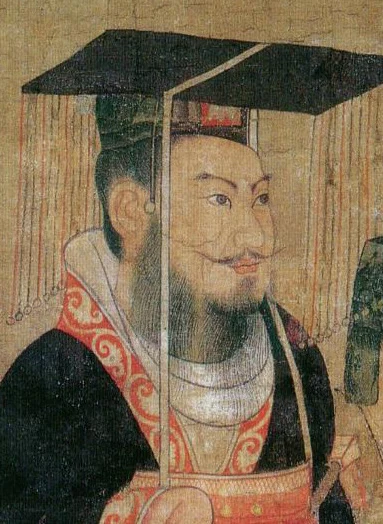 Eastern Han
Founding emperor of the Eastern Han
Liu Xiu
Liu Xiu (January 15, 5 BCE–March 29, 57 CE), courtesy name Wenshu, was a native of Caiyang County in Nanyang Commandery (present-day Zaoyang, Hubei). He was the founding emperor of the Eastern Han, known to history as Emperor Guangwu of Han, with the temple name Shizu. He was a ninth-generation descendant of Liu Bang, Emperor Gaozu of Han, through Liu Fa, Prince Ding of Changsha and a son of Emperor Jing of Han. Duri
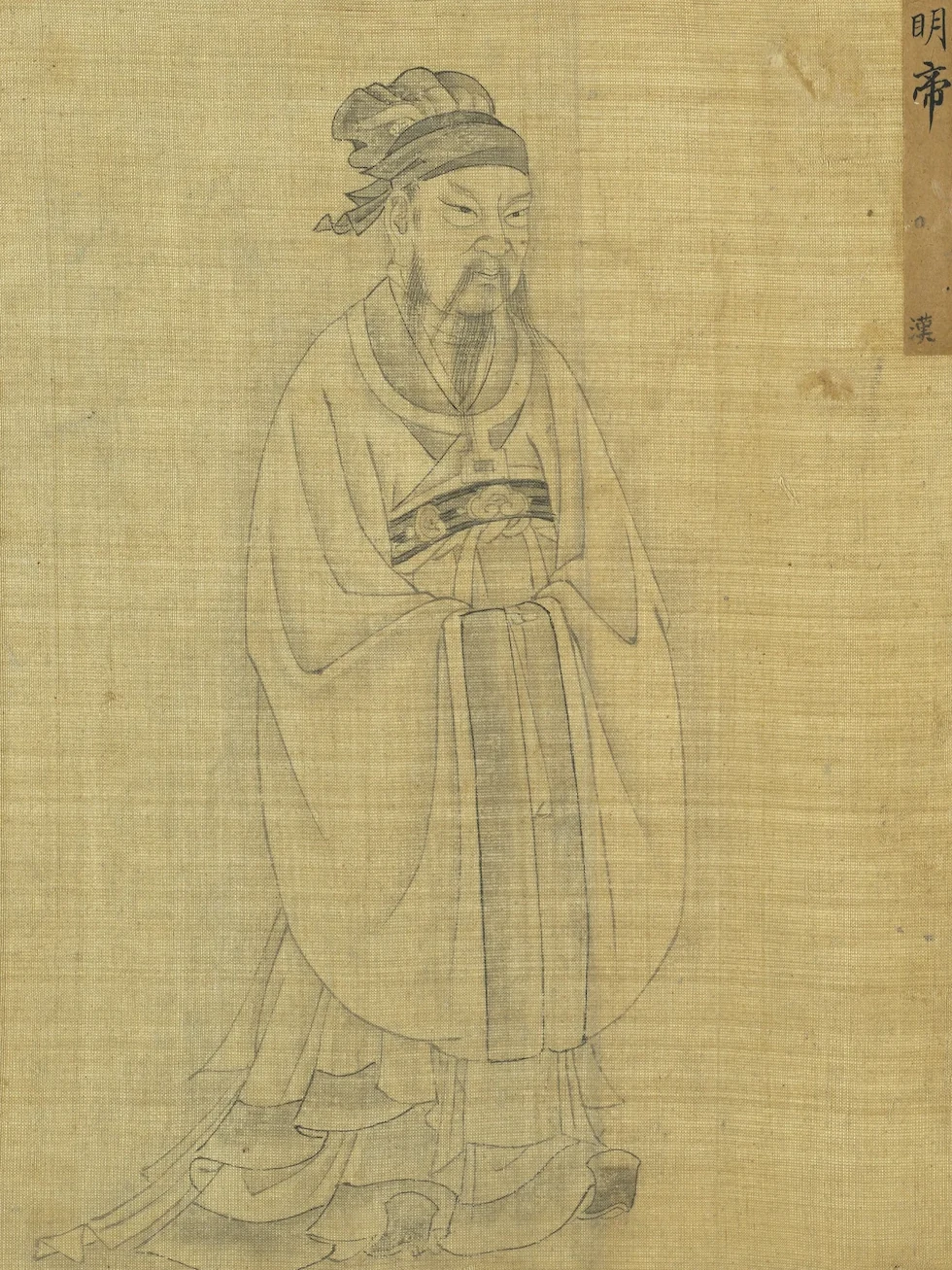 Eastern Han
Emperor
Liu Zhuang
Emperor Ming of Han, Liu Zhuang (June 15, 28–September 5, 75), courtesy name Zili and originally named Liu Yang, was the second emperor of the Eastern Han. He was the fourth son of Liu Xiu, Emperor Guangwu, and his mother was Empress Guanglie Yin Lihua. In 43 (the nineteenth year of Jianwu), he was made crown prince; in 57 (the second year of the Jianwuzhongyuan era), he succeeded to the throne and reigned for eighte
Eastern Han
Emperor
Liu Da
Emperor Zhang of Han, Liu Da (56–April 9, 88), was the third emperor of the Eastern Han. He was a grandson of Emperor Guangwu of Han, Liu Xiu, and the fifth son of Emperor Ming of Han, Liu Zhuang; his birth mother was Noble Lady Jia. He was born in Luoyang in 56, the first year of Jianwu Zhongyuan, made crown prince in 60, the third year of Yongping, and succeeded in 75, the eighteenth year of Yongping, reigning for
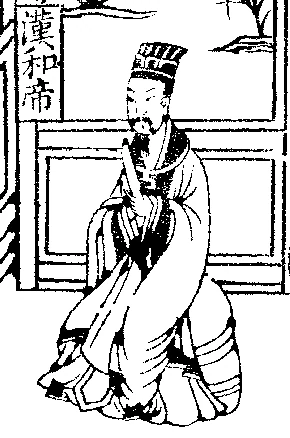 Eastern Han
Emperor
Liu Zhao
Emperor He of Han, Liu Zhao (79–February 13, 106), whose given name is also written with a graphic variant of the character for Zhao, was the fourth emperor of the Eastern Han, reigning from April 9, 88 to February 13, 106. He was the fourth son of Liu Da, Emperor Zhang of Han. His birth mother was Noble Lady Liang, but he was later adopted by Empress Dou, posthumously known as Empress Zhangde. In 82 (the seventh y
Eastern Han
Emperor of the Eastern Han
Liu Long
Liu Long (November 5, 105–September 21, 106) was the fifth emperor of the Eastern Han and a younger son of Emperor He of Han, Liu Zhao. He ascended the throne when he was only a little more than one hundred days old, making him one of the youngest emperors to take the throne in ancient China and one of the shortest-lived emperors. Because he was still an infant, court affairs were conducted by Empress Dowager Deng (E
Eastern Han
Emperor
Liu Hu
Emperor An of Han, Liu Hu (94–April 30, 125), was the sixth emperor of the Eastern Han and reigned from 106 to 125. He was a grandson of Emperor Zhang of Han, Liu Da, and a son of Liu Qing, Prince Xiao of Qinghe; his mother was Zuo Xiao'e. After Emperor Shang died in infancy, Liu Hu, a prince of a collateral branch, was brought into the main line and enthroned. During the early part of his reign, Empress Dowager Deng
Eastern Han
Emperor of the Eastern Han
Liu Bao
Emperor Shun of Han, Liu Bao (115–September 20, 144), was the seventh emperor of the Eastern Han and the son of Liu Hu and the palace woman Lady Li. His formal posthumous title was Emperor Xiaoshun, while later usage commonly omitted “Xiao” and referred to him as Emperor Shun of Han. In 124, the third year of the Yan'guang era, Liu Bao was deposed as crown prince. He was later enthroned in a palace coup launched by t
Eastern Han
Emperor of the Eastern Han
Liu Bing
Liu Bing(143–145), courtesy name Ming, was an Eastern Han emperor commonly known as Emperor Chong of Han, and the son of Emperor Shun, Liu Bao, and Beauty Yu. He became crown prince in 144(Jiankang 1)and succeeded after his father's death that year. Liang Na became empress dowager and governed in his name, with Zhao Jun, Li Gu, and other ministers assisting. His reign saw earthquakes and unrest in Jiujiang, Rinan, an
Eastern Han
Emperor of the Eastern Han
Liu Zuan
Emperor Zhi of Han, Liu Zuan (138–July 26, 146), also known as Liu Xu, was the tenth emperor of the Eastern Han and a son of Liu Hong, Prince Xiao of Bohai. In 145, the first year of the Yongxi era, General-in-Chief Liang Ji and Empress Dowager Liang placed him on the throne, and the era name was changed to Benchu. He reigned for only one year and four months. Although very young, Liu Zuan was intelligent and percept
Eastern Han
Emperor
Liu Zhi
Emperor Huan of Han, Liu Zhi (132, first year of Yangjia–January 168, twelfth month of the first year of Yongkang), courtesy name unknown, was a great-great-grandson of Liu Da, Emperor Zhang of Han, a grandson of Liu Kai, Prince Xiao of Hejian, and a son of Liu Yi, Marquis of Liwu. He was the eleventh emperor of the Eastern Han and received the posthumous title Emperor Xiaohuan. Described as having “fine appearance a
Eastern Han
Emperor
Liu Hong
Emperor Ling of Han, Liu Hong (156–May 13, 189), was the twelfth emperor of the Eastern Han. He was a great-great-grandson of Emperor Zhang of Han, a great-grandson of Prince Xiao Liu Kai of Hejian, and the son of Marquis Liu Chang of Jiedu Village. In 167, the first year of the Yongkang era, Emperor Huan of Han died without an heir. Empress Dowager Dou and her father Dou Wu arranged for Liu Hong to be brought to the
Eastern Han
Emperor of the Eastern Han
Liu Bian
Liu Bian (173–March 6, 190), son of Emperor Ling of Han, Liu Hong, and Empress He, was an emperor of the Eastern Han, conventionally known as Emperor Shao of Han. After Emperor Ling died in 189, the sixth year of Zhongping, Liu Bian succeeded to the throne. He reigned for only a few months before the powerful warlord Dong Zhuo deposed him as Prince of Hongnong. The following year he was poisoned to death. Liu Bian wa
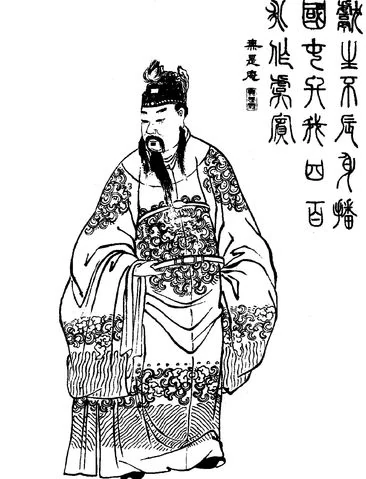 Eastern Han
Emperor
Liu Xie
Liu Xie (April 2, 181–April 21, 234), courtesy name Bohe, was the last emperor of the Eastern Han. He was the second son of Emperor Ling Liu Hong, the younger half-brother of Emperor Shao Liu Bian, and the son of Empress Linghuai Wang Rong. In 189, the sixth year of the Zhongping era, Dong Zhuo deposed Liu Bian and placed the nine-year-old Liu Xie on the throne. Liu Xie was thereafter controlled in turn by powerful f
KEY PEOPLE
Cao Wei
Historical figure
Cao Huan
Cao Huan (246–302), originally named Cao Huang and courtesy name Jingming, was a native of Qiao County, Pei Commandery (present-day Bozhou, Anhui). He was a grandson of Cao Cao, Emperor Wu of Cao Wei, and the son of Cao Yu, Prince of Yan. Cao Huan was the last emperor of Cao Wei during the Three Kingdoms period and reigned from 260 to 266. After Cao Mao was killed in 260, the fifth year of Ganlu, Sima Zhao selected C
Eastern Han
Consort of Sun Wu
Bu Lianshi
Bu Lianshi (d. 238 CE), a native of Huaiyin in Linhuai Commandery, was the preeminent consort of Sun Quan, the founding Emperor of Eastern Wu, and the biological mother of Princesses Sun Luban and Sun Luyu. During the turbulence of the late Eastern Han dynasty, she relocated with her mother to Lujiang Commandery before crossing the Yangtze River following Sun Ce's conquest in 199 CE. Captured by her exceptional grace
 Eastern Han
Late Eastern Han statesman and military commander
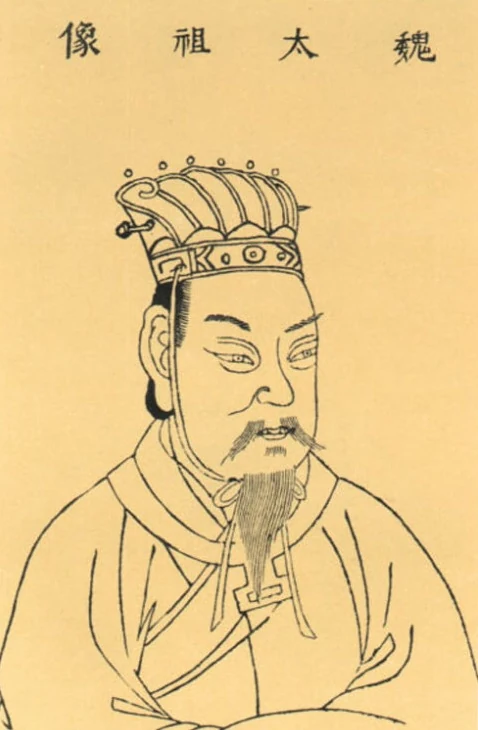
Cao Cao
Cao Cao (155(1st year of Yongshou)–220(25th year of Jian'an)), courtesy name Mengde and childhood name Aman, was a native of Qiao County in Pei Commandery and a late Eastern Han statesman, military commander, and poet. He entered Eastern Han service early in life. After the Yellow Turban Rebellion began, he took part in suppressing the rebels and later established a military base in Yan Province. After bringing Emper
 Eastern Han
General under Liu Bei
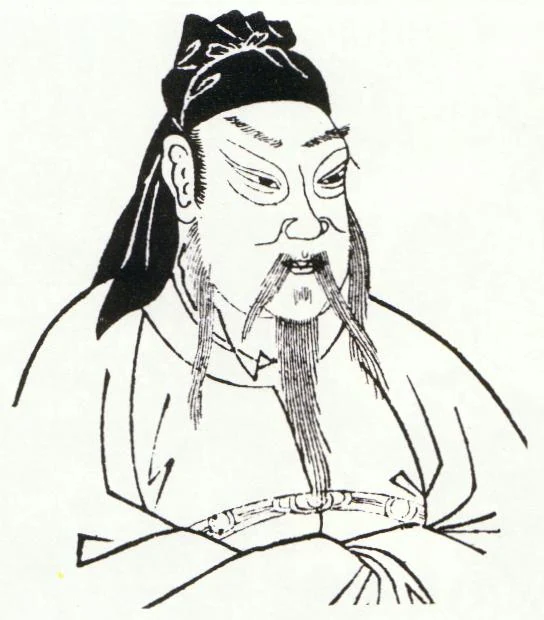
Guan Yu
Guan Yu, courtesy name Yunzhang and originally Changsheng, was a native of Xie County in Hedong Commandery in the late Eastern Han and an important general in Liu Bei's group. His exact year of birth is not recorded in early histories such as the Records of the Three Kingdoms. Later inscriptions give differing accounts of a birth in 160, including different lunar birth dates. In his early years, Guan Yu fled to Zhu
 Eastern Han
General
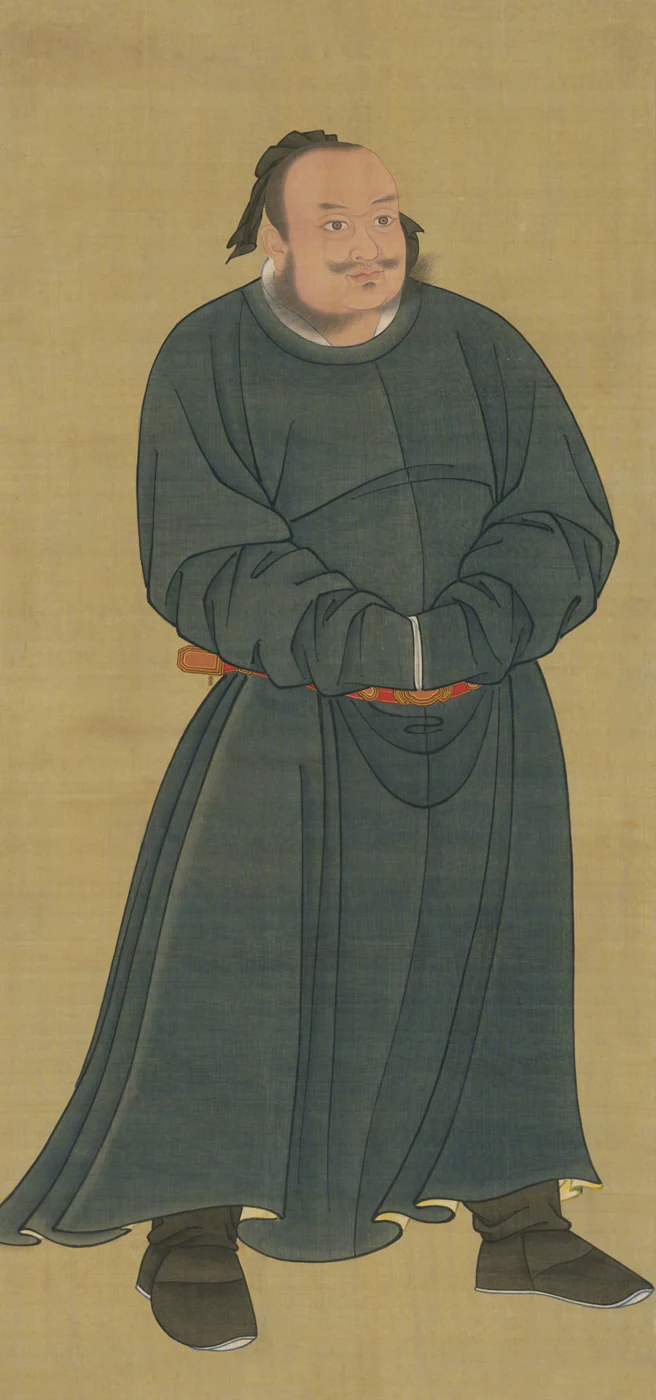
Ban Chao
Ban Chao (32–102), courtesy name Zhongsheng, was from Pingling County in Youfufeng (present-day Xianyang, Shaanxi). A celebrated military commander and diplomat of the Eastern Han, he was the youngest son of the historian Ban Biao; his elder brother Ban Gu and younger sister Ban Zhao were also noted historians. Ban Chao was ambitious and unconcerned with minor formalities, but personally filial, respectful, and perce
 Eastern Han
Official and politician
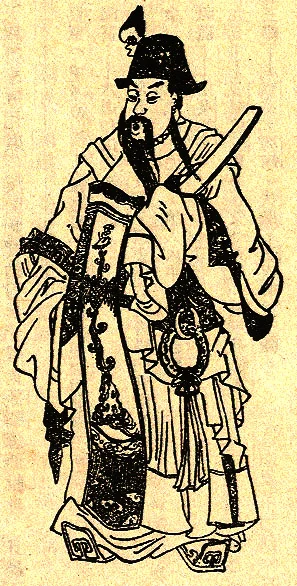
Yuan Shao
Before the Battle of Guandu, Yuan Shao was the strongest warlord in northern China. He came from the prestigious Yuan clan, famed for producing “four generations and three excellencies,” served as leader of the coalition against Dong Zhuo, and was later defeated by Cao Cao.
 Eastern Han
Eunuch
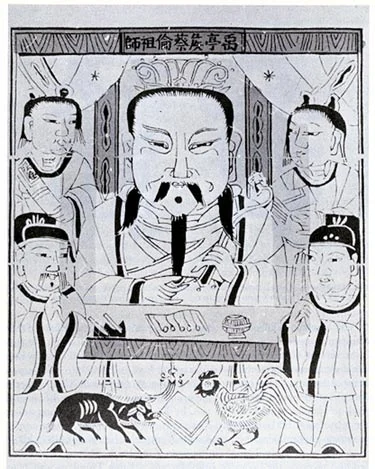
Cai Lun
Cai Lun, courtesy name Jingzhong, was a native of Guiyang Commandery in the Eastern Han. He successively served as a Junior Attendant of the Yellow Gates, Palace Attendant, Director of the Imperial Workshops, and Grand Coachman of Changle Palace, and was enfeoffed as Marquis of Longting. While serving as Director of the Imperial Workshops, he supervised the manufacture of special swords and other implements. The *Boo
 Eastern Han
General
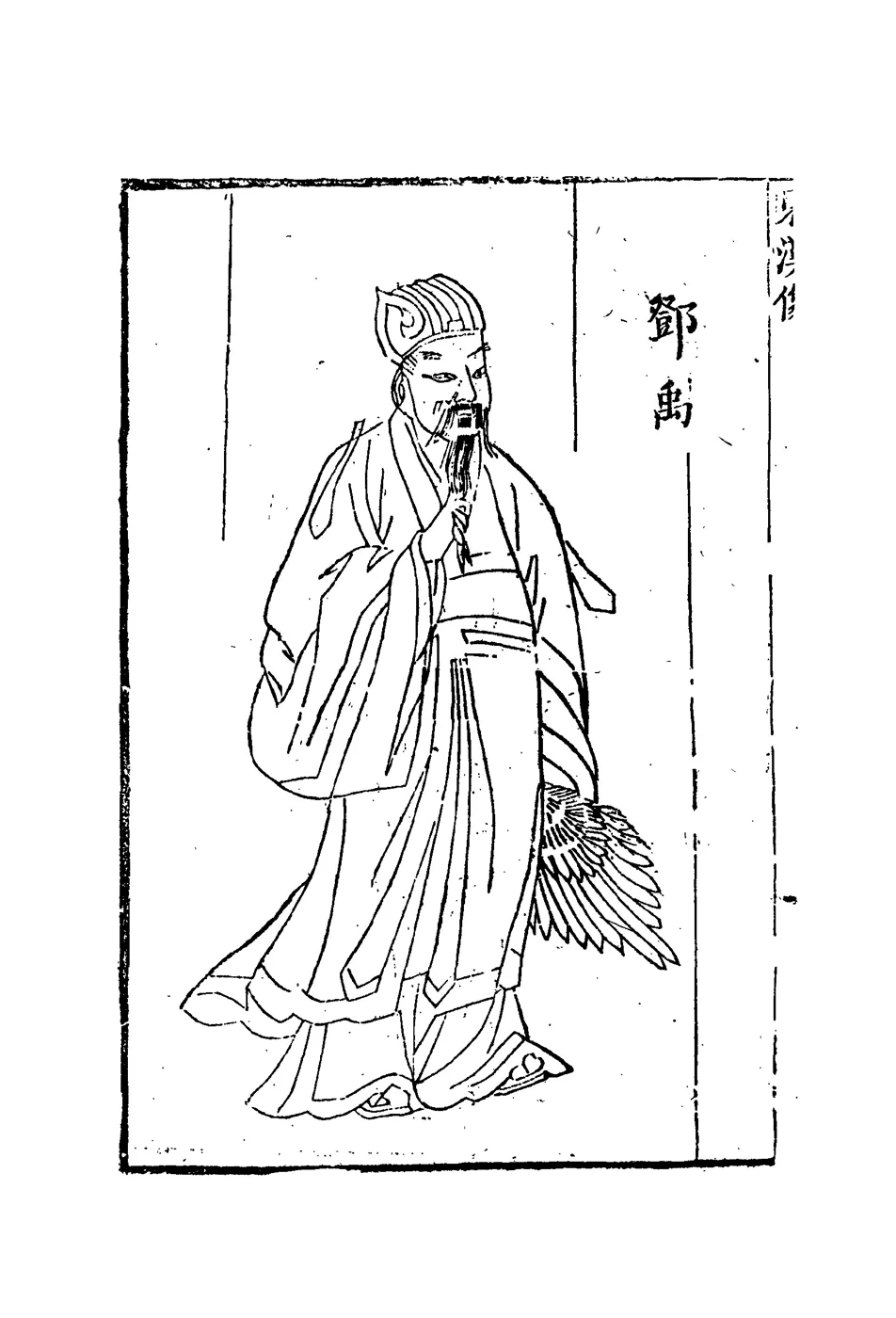
Deng Yu
Deng Yu (2–58), courtesy name Zhonghua, was a native of Xinye County in Nanyang Commandery, present-day Xinye County, Henan. He was a founding statesman and general of the Eastern Han and was later ranked first among the 28 generals of the Cloud Terrace. As a young man he studied in Chang'an and befriended Liu Xiu. After the collapse of the Xin regime, Deng joined Liu and urged him to build a base in Hebei, win popul
Eastern Han
Empress
Empress Ma (Emperor Ming of Han)
Empress Ma (40–79), whose personal name is unknown and who was later commonly called Empress Mingde, was a native of Maoling in Fufeng (northeast of present-day Xingping, Shaanxi). She was the daughter of Ma Yuan, the famous Eastern Han general known as General Who Pacifies the Waves, the empress of Liu Zhuang, Emperor Ming of Han, and the adoptive mother of Liu Da, Emperor Zhang of Han. Empress Ma was noted for resp
 Eastern Han
General
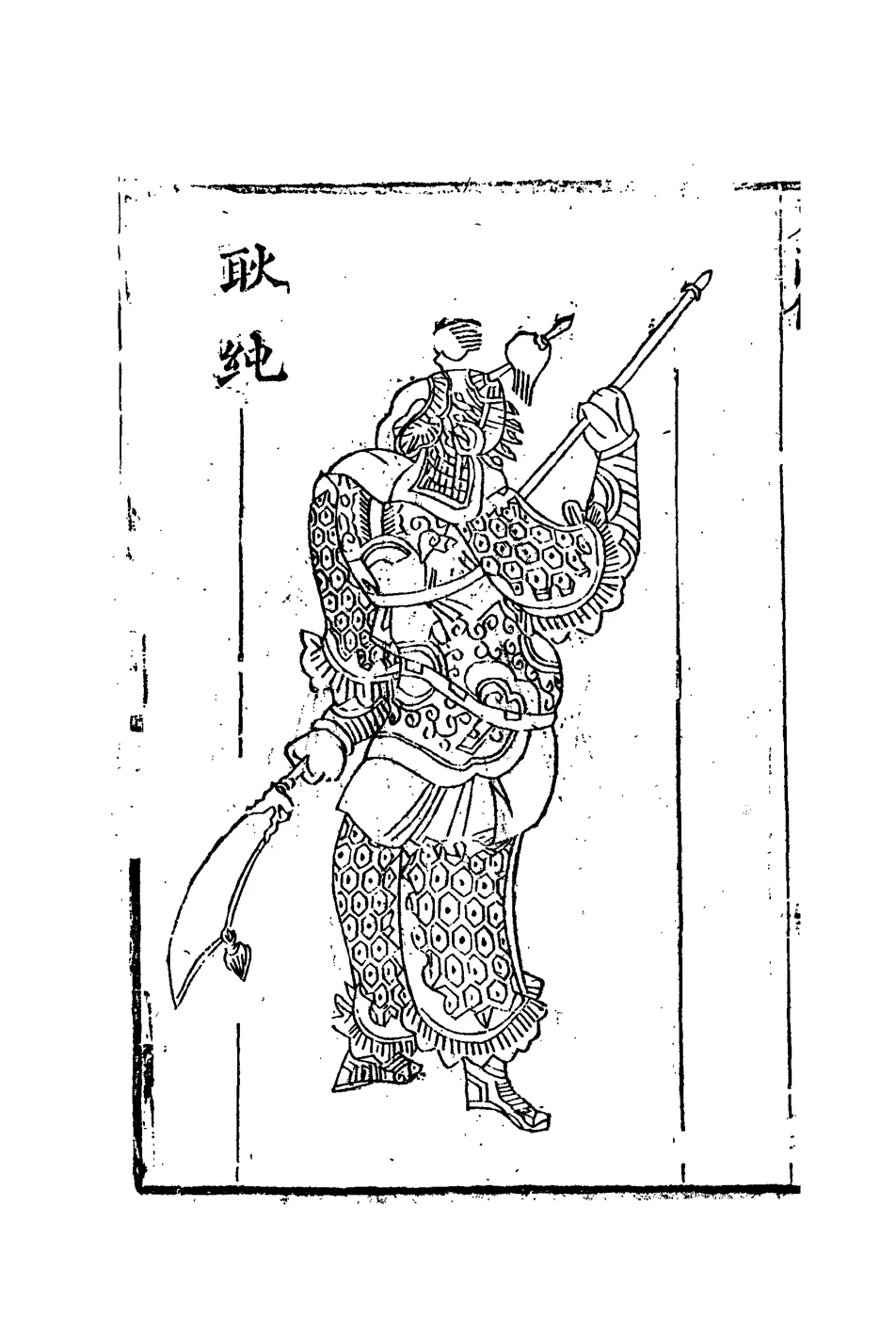
Geng Chun
Geng Chun was one of the 28 generals of the Cloud Terrace, Marquis of Dongguang, and a major contributor to the defeat of hostile forces in You Province and the pacification of Hebei.
 Xin dynasty
General
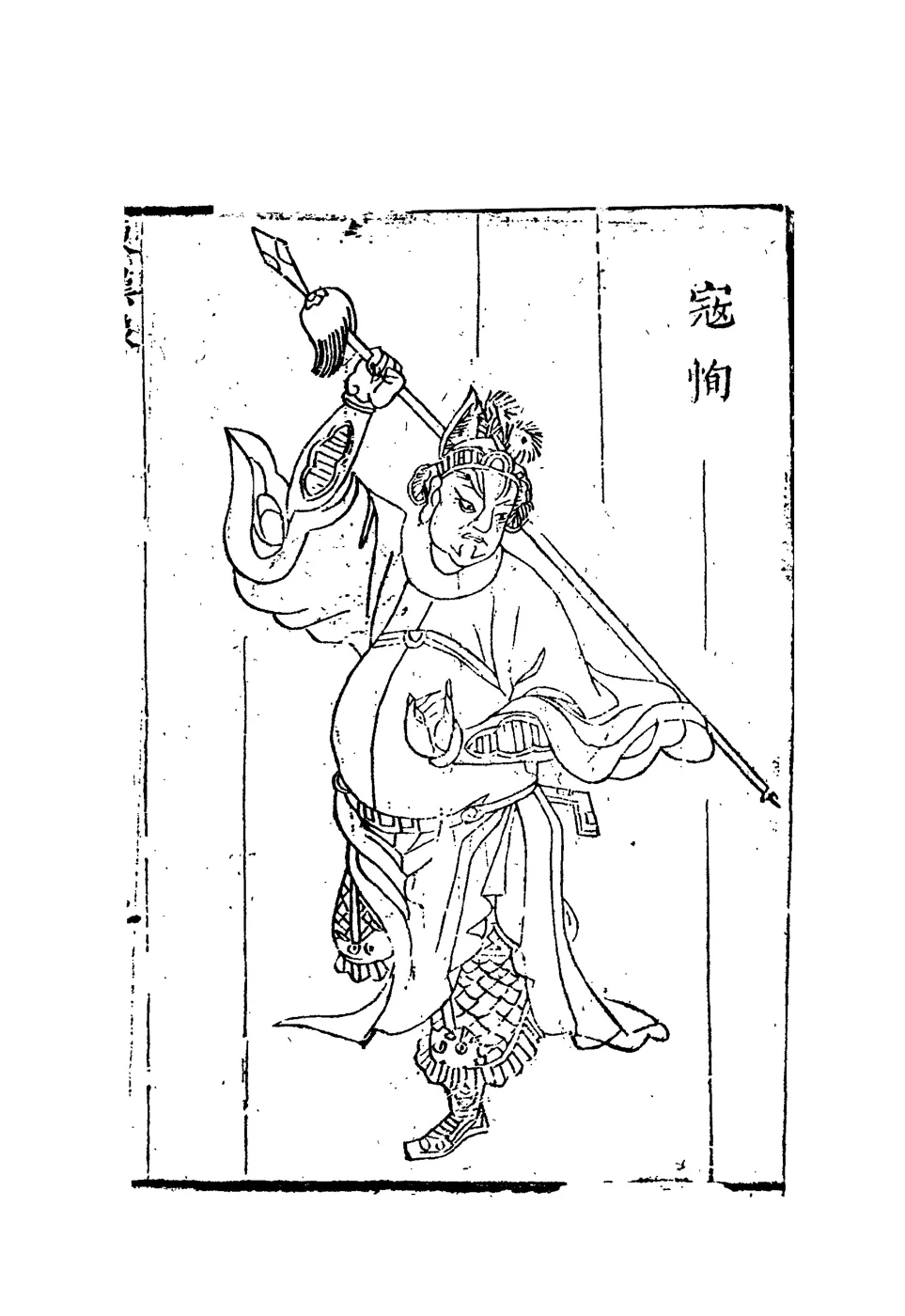
Kou Xun
Kou Xun was one of the Twenty-Eight Generals of the Cloud Terrace and held the title Marquis of Yongnu. He administered Henei and later Yingchuan, providing crucial logistical support and supplies for the armies of Emperor Guangwu.
Eastern Han
Empress dowager
Empress Zhangde
Empress Dowager Dou of Zhangde (about 59 – October 8, 97), whose personal name is unknown, was a native of Pingling in Fufeng (present-day Xianyang, Shaanxi). She was the empress of Emperor Zhang of the Eastern Han, Liu Da, and the adoptive mother of Emperor He, Liu Zhao. She was a great-granddaughter of Dou Rong, Grand Minister of Works. Her father, Dou Xun, married Princess Biyang, daughter of Liu Qiang, Prince Gon
KEY EVENTS
Related entries
Bibliography
- 《后汉书》
- 《三国志》
- 《资治通鉴》