TL;DR · Core Takeaways
- Dismantling the anti-commercial myth: Dynastic penal codes declared that farming came before trade. Yet the state targeted roving peddlers, not commerce itself. Imperial courts built state monopolies whenever merchants agreed to farm taxes.
- Statutory light taxes versus grassroots extraction: Official land tax rates fell as low as one-thirtieth of the harvest. Still, monopoly markups hit ordinary homes hard. Families paid steep indirect taxes on everyday goods.
- The institutional shift toward licensing rents: State workshops lost money through graft and waste. The empire then hired licensed merchants to sell state goods. This shifted inventory risks to traders while securing steady dividends.
- Institutional limits on capital formation: Atlantic chartered firms gained legal property rights backed by parliaments. In contrast, Chinese merchant monopolists had no legal shield against state seizures. Their wealth could not grow into modern industrial capital.
Historical Coordinates
- Chinese Timeline: Western Han Dynasty, fourth year of the Yuanshou era (119 BCE, Sang Hongyang launches the State Monopoly on Salt and Iron) to Qing Dynasty, eleventh year of the Guangxu era (1885 CE, bankruptcy of Hu Xueyan).
- Western / Mediterranean Timeline: Late Roman Republic tax-farming syndicates along the Appian Way to early modern chartered merchant ventures (1600 CE, founding of the English East India Company).
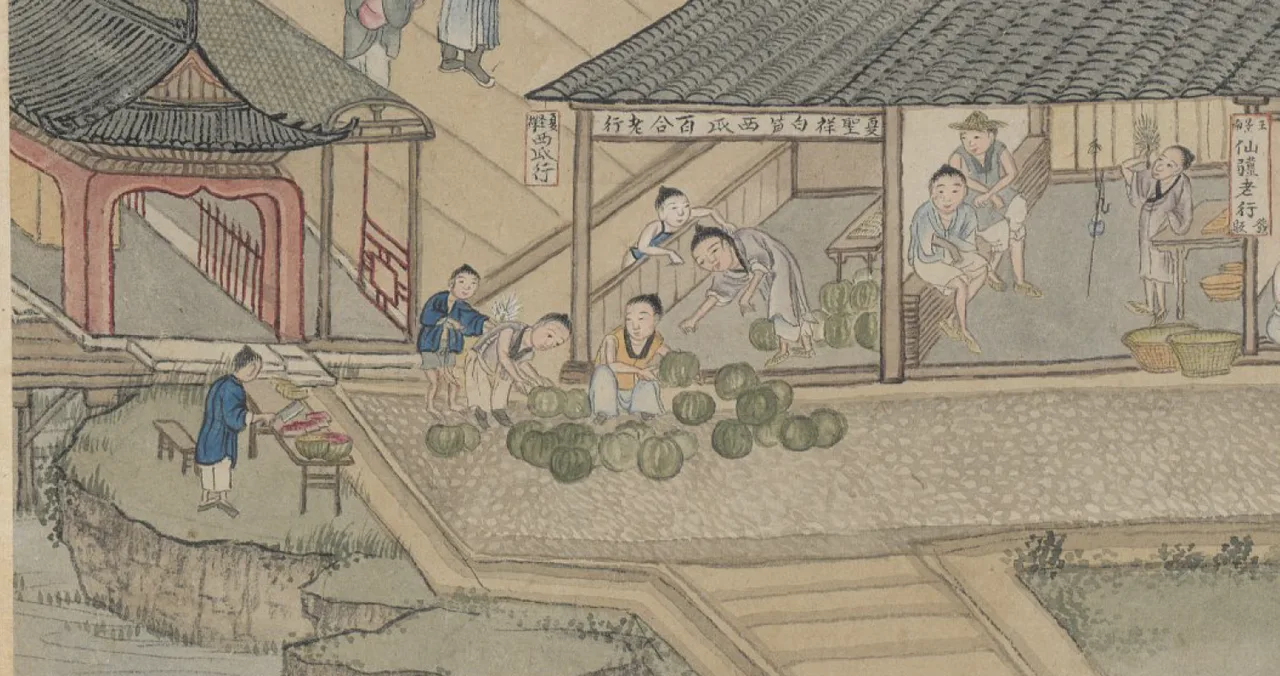
Old court records claim imperial rule favored farming over commerce. This idea began with Shang Yang's Reforms. It ran straight through the Ming Dynasty and Qing Dynasty codes. Ideology ranked traders below scholars, farmers, and artisans. Sumptuary laws restricted their robes, carriages, and homes. The state also barred merchant sons from Civil Service Examinations.
The dynastic records show a very different truth. Emperor Wu of Han hired wealthy salt and iron tycoons to build his State Monopoly on Salt and Iron. In the mid-Tang Dynasty, fiscal reformer Liu Yan rebuilt the salt monopoly. Soon, salt taxes paid for half of the imperial budget. During the Qing Dynasty, coastal salt guilds helped fund royal tours and border wars.
Imperial speeches attacked trade, but dynastic treasuries relied on it. The imperial court never opposed market profits. It only fought private wealth that escaped bureaucratic control.
01. Nominal Statute vs. Ground-Level Reality: Micro-Extraction and Macro-Rents
Ancient courts faced a hard fiscal problem. Peasant families stayed on registered plots of land. They were easy to tax with grain levies and labor duties. Mobile merchants were far harder to track across borders. Auditing private merchant books cost more than inspectors could collect.
When merchant fortunes grew, private cartels raised retail prices. They drew hands away from farming and challenged imperial control. The court fixed this issue by turning daily staples into hidden tax tools.
Household and Local Balance Sheets
Court decrees promising light corvée and taxes gave little relief to peasant homes. A farming family might pay a low direct land tax. Yet each purchase of daily salt and iron tools carried a steep monopoly markup.
Before the Western Han monopolies, private salt cost very few coins per liter. Prices jumped once official distribution began. Worse yet, state salt was often adulterated with sand. Poor farmers could not afford good iron tools. They worked fields with brittle state-cast implements or went back to wooden tools.
Local officials and licensed merchant syndicates built lucrative rackets on this monopoly model. Under the Ming and Qing salt systems, an imperial salt Censor held total control over salt quotas and river checkpoints. Regulators took regular bribes from licensed salt magnates. Imperial officials used dynastic law to hunt unlicensed peddlers. At the same time, protected merchant houses bribed magistrates to keep retail prices high.
Imperial Treasury Pressures
Dynastic treasuries used staple monopolies to offset high administrative costs and military expenditure. Emperor Wu fought long campaigns against the Xiongnu that emptied central reserves. During the Yuanfeng era, Sang Hongyang set up state monopolies over salt, iron, and liquor. He also built price equalization bureaus. These moves funded frontier wars without raising direct land taxes on smallholders.
After the An Lushan Rebellion, the household registry system collapsed across the Tang Dynasty. This loss of tax records hurt the early rollout of the Implementation of the Two-Tax System. Fiscal reformer Liu Yan changed the system. Private makers boiled the salt, the state bought it at fixed depot prices, and licensed merchants sold it across regional markets. Treasury salt revenue rose from tens of thousands of strings to over six million strings by the end of the Dali era under Emperor Dezong of Tang. This revenue supplied over half of the central cash income.
State monopolizes core survival staples (Salt / Iron / Tea)
   │
   ▼
Imperial boards issue quota permits (Salt vouchers / Tea licenses)
   │
   ▼
Licensed merchant guilds operate legal oligopolies, shifting markups to consumers
   │
   ▼
Dynastic enforcement brands independent free traders as criminal smugglers
   │
   ▼
Treasury collects upfront license fees, siphoning windfall gains via mandatory contributions
This distribution chain hid regressive consumption taxes behind everyday staples. By shifting retail sales to merchant capital, the imperial court avoided running a costly retail bureaucracy. It also used merchant guilds as shields against public anger over high prices.
02. Institutional Evolution: Administrative Monopoly to State-Merchant Collusion
Over two thousand years, dynastic commercial policies went through three clear stages. These stages moved from direct confiscation to direct state operation, and finally to licensed merchant cartels under bureaucratic protection.
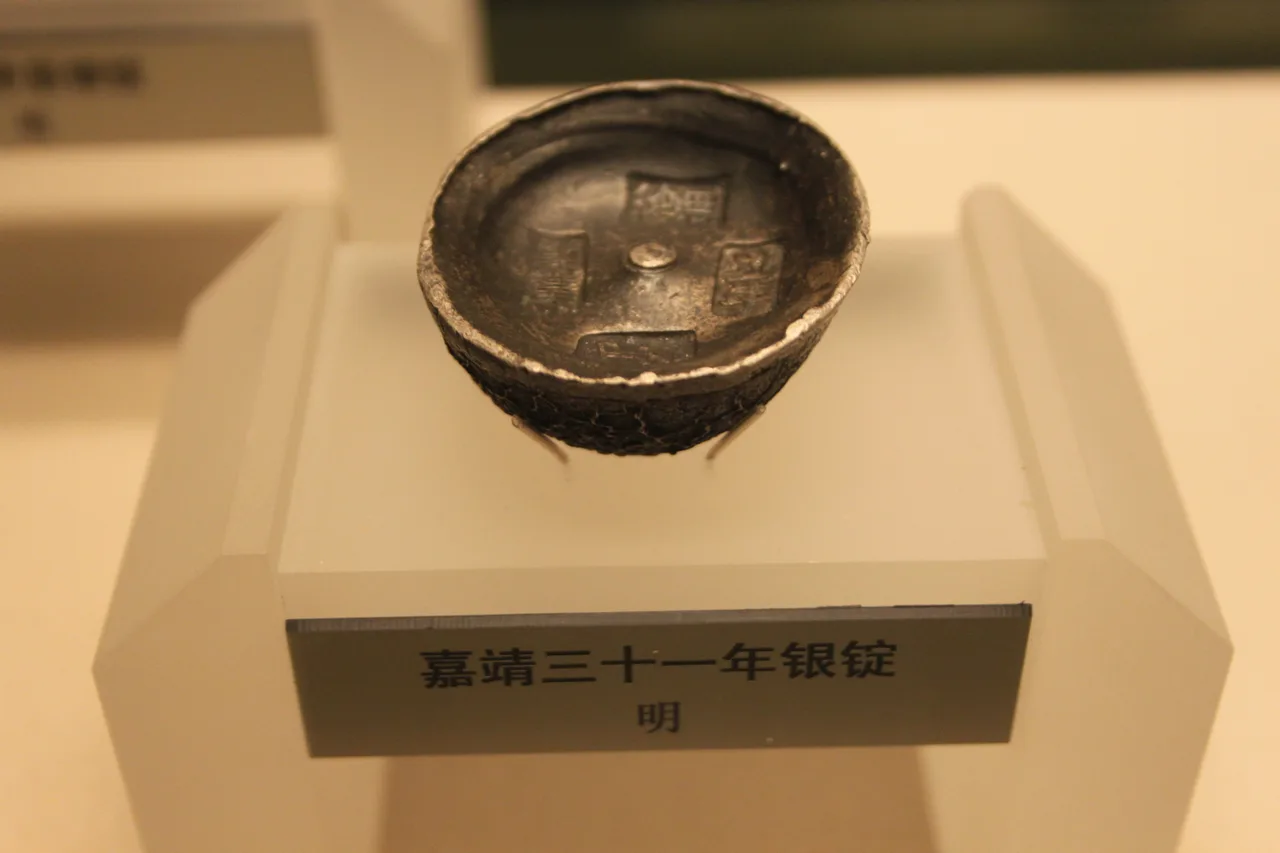
Comparison of Imperial Commercial Control Across Dynasties
| Historical Era | Core Control Mechanism | Fiscal Model and Operational Vehicle | Ultimate Form of Merchant Capital |
|---|---|---|---|
| Pre-Qin to Early Western Han | Status suppression and wealth expropriation (banning merchants from office, carriage taxes, Reporting Concealed Wealth) | Direct administrative confiscation and forced return of labor to agrarian plots | Unstable capital accumulation; vulnerable to wholesale asset confiscation |
| Mid-Western Han through Tang and Song | Direct bureaucratic monopolies and nascent paper vouchers (Sang Hongyang's distribution bureaus, Liu Yan's salt reforms, Song tea certificates) | Court captured wholesale markups and gradually delegated transit and retail legs to merchants | Specialized voucher merchants reliant on central license reallocations |
| High Ming and Qing | Chartered merchant quotas and interest-bearing state loans (the Gangyan fixed-quota system, Thirteen Factories of Guangzhou, Imperial Household lending) | Distribution under bureaucratic supervision; the crown collected steady dividends and mandatory donations | Comprador-style merchant cartels bound to the court, lacking formal legal protections |
Bureaucratic-merchant collusion peaked during the late Ming Dynasty and high Qing Dynasty. During the Wanli era, the Lianghuai salt zone set up the Gangyan system. This system changed temporary quotas into Hereditary Succession. Salt licenses became permanent assets that merchants could buy and sell. By the high Qing, merchant guilds managed key financial ledgers directly for the throne.
The Qianlong Emperor took six southern inspection tours. Head salt merchants built royal villas, paved roads, and spent millions of taels of silver on pageantry. In the two Jinchuan campaigns, military expenditure drained over seventy million taels from the central treasury. Salt merchant donations covered these huge fiscal shortfalls.
The imperial throne also acted as a commercial lender. The Qing Imperial Household Department drew millions of taels from palace funds, including the Imperial Workshops of the Hall of Mental Cultivation. It lent this silver to Lianghuai salt merchants and court-backed firms at annual interest rates of ten to twelve percent. The throne acted as an investor seeking returns. Favored merchants used palace funds to drive rivals out of the market. The system grew from simple tax farming into a joint business of shared rents and risks.
03. The Property Rights Trap: Chinese Monopolies vs. Atlantic Charters
Imperial monopolies shared many features with early modern Atlantic fiscal systems. Rulers across Eurasia routinely granted monopoly rights. They needed money to fund navies, pay armies, or hire a warlord.
[West European Chartered Enterprises]
Crown issues royal charter ──> Parliament / Independent courts secure corporate property ──> Transferable joint-stock shares ──> Autonomous industrial and financial capital

[Chinese Imperial Merchant Syndicates]
Emperor grants license voucher ──> Legal disputes handled by dynastic magistrates ──> Property lacks corporate standing ──> Constant risk of political purge and asset seizure
Institutional Parallels and Structural Divergence
Between the sixteenth and eighteenth centuries, English and French kings granted commercial charters. These charters covered soap, coal, glass, and maritime trade. Royal courts sold monopoly rights to fund foreign wars. The English East India Company began in 1600. It used its royal charter to monopolize English trade east of the Cape of Good Hope. European kings and Chinese emperors shared the same dilemma. Both solved cash shortages by leasing monopoly rents to merchants.
The key divide lay in the legal tools protecting those profits.
Under Western European mercantilism, merchant property rights gained backing from independent courts. In 1624, the English Parliament passed the Statute of Monopolies. This act barred the crown from granting arbitrary domestic monopolies to court favorites. It protected incentives for patents and overseas trade. After the Glorious Revolution of 1688, parliamentary rule secured statutory taxation. Corporate shares gained real safety against sovereign default and royal seizures. Backed by joint-stock shares and bond markets, European merchant capital grew into durable industrial capital.
Chinese merchant syndicates secured no corporate property rights. Imperial law kept merchants in a low social rank. It left private merchant wealth exposed to state power. Even high officials, such as a Directress of Palace Surveillance, could see family fortunes erased overnight. Even branches of the Imperial Clan could not shield private ventures from seizure. From trade hubs in Hanzhong to the southern ports, merchants had no legal rights against magistrates. A Lianghuai salt merchant family might amass forty million taels of silver. Yet its entire livelihood rested on paper vouchers that the Emperor could revoke at any hour.
From early Ming tycoon Shen Wansan to late Qing financier Hu Xueyan, Chinese merchants served as disposable cash reserves. Shen Wansan lost his fortune before exile. Hu Xueyan funded regional armies, but the court seized his assets after a bank run. Chinese merchants protected their families by buying civil titles and bribing officials. They built ancestral halls and bought farm plots instead of expanding their businesses. They could not safely reinvest monopoly profits into lasting industrial growth.
Hostility to free trade brought stable revenue to dynastic treasuries through captive cartels. Yet by tying state revenue to bureaucratic-merchant collusion without legal property rights, the imperial system choked off modern industrial capitalism.
Primary Sources & Historical Bibliography
- *Ban Gu, Book of Han (Hanshu), Treatise on Food and Money, Part Two (Vol. 24B)*: Details the fiscal math behind Sang Hongyang's state monopolies on salt and iron, price stabilization offices, and the administrative tools used by the Western Han state to nationalize private output.
- *Liu Xu et al., Old Book of Tang (Jiu Tangshu), Biography of Liu Yan (Vol. 123, Liezhuan 73)*: Documents the restructuring of the salt distribution regime following the An Lushan Rebellion, recording how merchant-led retail distribution expanded central treasury cash revenues beyond six million strings a year.
- *Zhao Erxun et al., Draft History of Qing (Qingshi Gao), Treatise on Food and Money V: Salt Regulations (Vol. 124)*: Traces the growth of the Gangyan quota system, Lianghuai regional salt permits, Imperial Household Department capital lending programs, and large-scale merchant donations supporting Qing frontier campaigns.
- *Zeng Yangfeng, A History of Chinese Salt Administration (Commercial Press, 1936)*: A foundational twentieth-century analysis of historical salt administrations, tracing micro-level collection overhead, illicit trade dynamics, and central-provincial tax sharing models documented across the dynastic Wenxian records.
- *William Hyde Price, The English Patents of Monopoly (Harvard Economic Studies, 1906)*: A comparative study analyzing how early modern English monopoly patents evolved from royal fiscal schemes into statutory property rights under parliamentary oversight.