The Southern Song lost northern farmlands after the Jingkang Incident. To survive, the court turned to ocean commerce. Port officials ran the Maritime Trade Supervisorate in Quanzhou and Guangzhou. They collected taxes on cargo ships, bought luxury spices at deep discounts, and resold them for profit. These trade revenues paid for coastal defense and armies along the Yangtze River. Maritime trade kept the state solvent and tied South China to global trade routes.
01. Spatial and Temporal Coordinates for Global Readers
- Time Horizon: 1127–1279 CE. This period lines up with the Crusades, the Angevin realm in England and France, and the rise of Venice and the Mongol Empire.
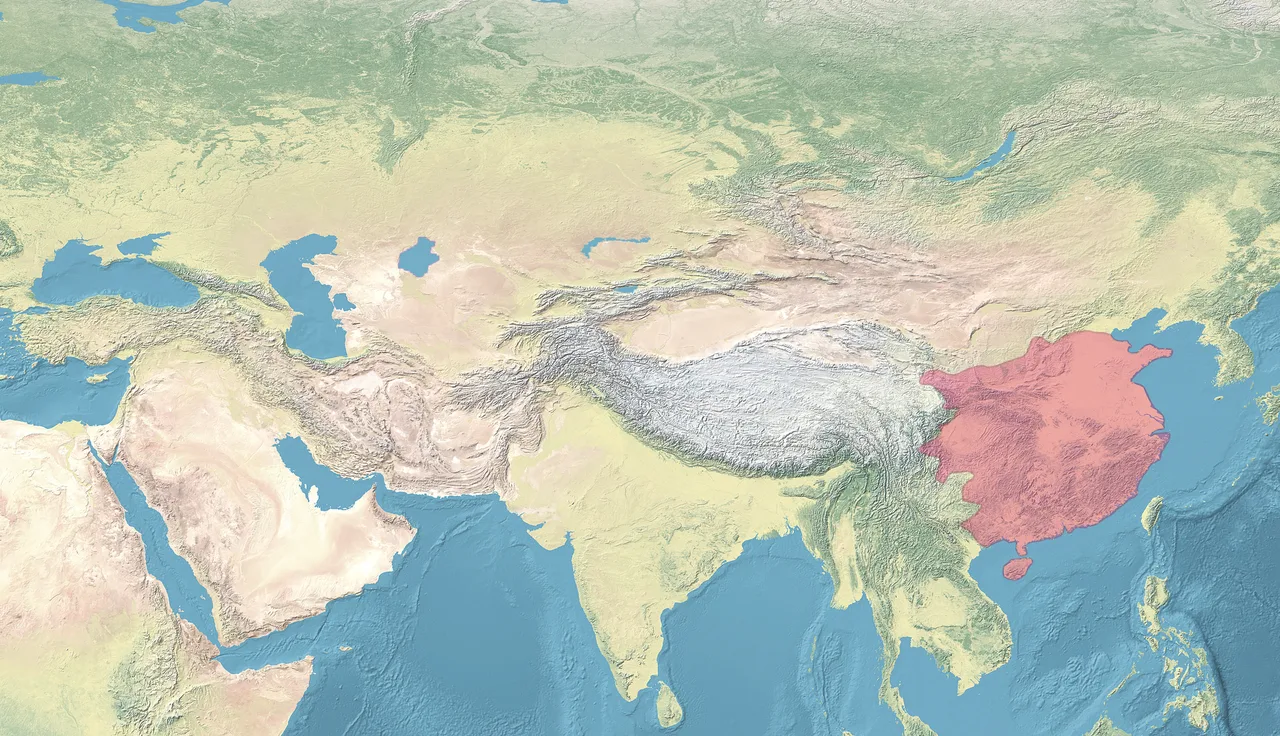
- Core Geography: The southeast coast of China. It centered on Quanzhou and Guangzhou, reaching outward to Southeast Asia, the Indian Ocean, and the Persian Gulf.
- Geopolitical Backdrop: The southward flight past the Huai River split the empire. The court needed cash to pay for resistance to the Jin and resistance to the Mongols.
02. Institutional Operations and Fiscal Ledgers in Quanzhou and Guangzhou
The Southern Song set up port offices in Quanzhou and Guangzhou. The chief official of each Maritime Trade Supervisorate ran tariff checks and tracked storehouses. Officials also hosted visiting merchants. Each spring and autumn, port leaders held big public banquets to welcome foreign captains and pray for safe sailing winds.
Operational Tariffs and Commodity Monopolies
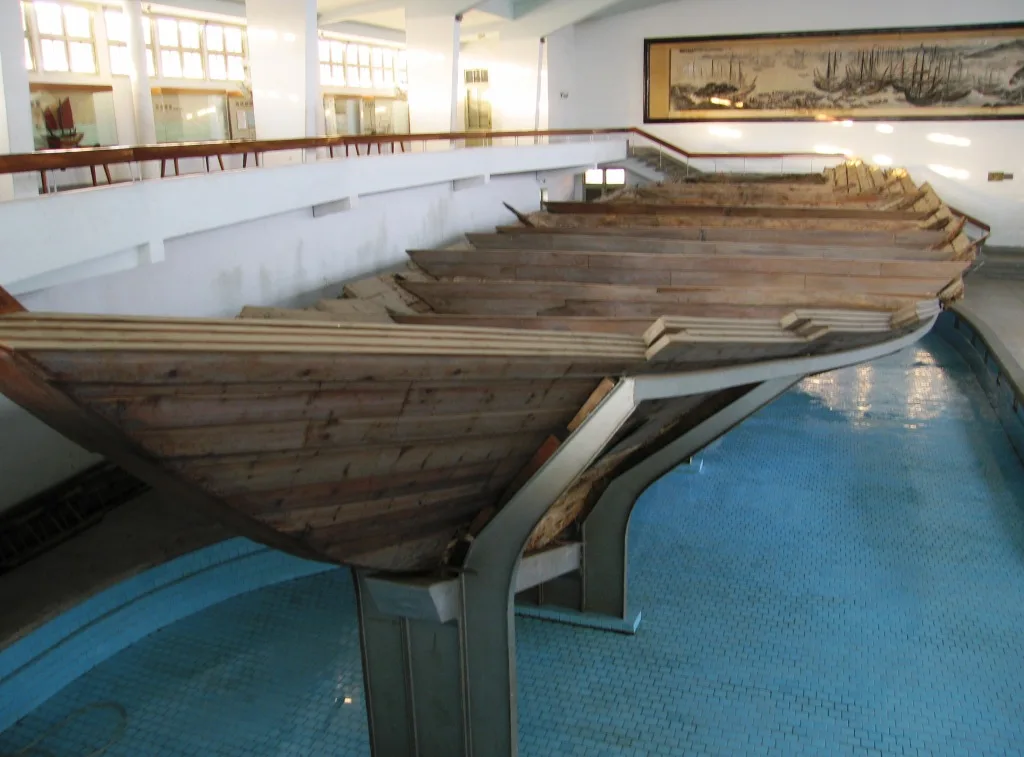
Port officers collected revenue using two main steps: customs taxes (choujie) and state purchases (bomai). When a cargo ship docked, officials went aboard to check the freight list and take a cut of the goods. Rare items like ivory, frankincense, and pearls went straight to state storehouses. Common goods like pepper and dye wood were sold in local markets.
The table below shows tax rules, purchase quotas, and key goods managed by the Maritime Trade Supervisorate:
| Category | Operational Rules and Specific Goods | Fiscal Extraction Rate and Profit Margin | Official Accounting and Settlement Method |
|---|---|---|---|
| In-Kind Tariffs (Choujie) | Fine goods: frankincense, ivory, rhinoceros horn, borneol, pearls.<br>Coarse goods: sappanwood, pepper, agarwood, lakawood. | Fine goods taxed at 10% (one-tenth).<br>Coarse goods taxed at 15% to 20% (two-fifteenths or two-tenths). | Delivered to the court or sent to the Ministry of Revenue without buying costs. |
| Monopoly Procurement (Bomai) | Mandatory state purchase of spices and medicines left after paying customs tax. | State bought 30% to 40% of leftover stock, making 300% to 500% profit on resale. | Paid using paper money vouchers or salt notes; fine spices stayed under state trade bans. |
| Primary Export Goods | Jingdezhen porcelain, Longquan Celadon, tea bowls, raw silk, and iron tools. | Stable market value; heavy goods acted as safe ballast, selling overseas for ten times their domestic cost. | Copper coins were banned from export, yet ships still carried them to trade for foreign goods. |
| Foreign Merchant Incentives | High trade volume earned honor titles like Gentleman for Trust for successful captains. | Foreign trade leaders received court robes and caps when their cargo hit target values. | Quanzhou built special quarters and schools for foreign traders, protecting their homes, rights, and graves. |
Maritime Administration and Frontier Security Logistics
Tariff money paid for army needs rather than mere luxury. After losing northern horse pastures, Song generals paid cash wages to foot soldiers and crossbow units. Officers such as Ren Fu had set precedents for border supply chains. Later commanders counted on shipments of grain and river boats. The Ministry of Revenue pooled port taxes to buy iron armor, crossbow darts, and food supplies for Yangtze defence lines.
When court officials in the capital of Lin'an and regional hubs like Hangzhou looked at budgets, they saw that trade money could offset farm tax gaps. A regional Supreme Commander defending river lines needed reliable cash to pay troops. Port revenue protected southern money markets and funded defense needs, such as during the eastern campaign, through the peaceful years of the Xianchun era.

03. Comparative Mirror: The Customs Ledger of the Republic of Venice
Across the Mediterranean Sea, Venice used naval power and port taxes to fund its state. Comparing the Southern Song Maritime Trade Supervisorate with Venice shows two ways to run maritime finances.
Venice was a city-state run by merchants. It did not rely on farm taxes. Instead, it taxed trade lanes across the sea. Venetian courts charged fees on every ship that docked in the lagoon, collected duties on exports and imports, and funded state galleys with public loans. Ruling nobles owned the merchant firms. Their navy protected Levant trading posts and helped wealthy merchant families grow richer.
The Southern Song took a very different path. It was a vast land empire run by scholars and civil officials. The court used ocean trade as a cash tap to solve budget crises and pay armies on land. While Venice built fleets to open new commercial ports, the Song empire used harbor taxes to keep border troops fed and armed. Port silver collected at Quanzhou and Guangzhou went north to guard rivers against Jurchen and Mongol cavalry.
04. Historical Aftermath and Structural Limits
The docks of the Maritime Trade Bureau of Guangzhou and the Quanzhou Maritime Trade Supervisorate prove that imperial China was deeply involved in global sea trade. Yet wartime costs and budget troubles created deep problems for this system.
Monetary Strain and Coercive Procurement
During the late Southern Song, military costs rose and paper money lost value. State buyers forced ocean merchants to accept weak paper notes for their cargo. These forced sales hurt private traders and pushed many ship captains into smuggling. Even with these hardships, Quanzhou remained a world-class trade port well into the Yuan era.
Institutional Legacy and Ming Retrenchment
The early Ming Dynasty banned private ocean travel to stop coastal piracy. The customs revenue systems that had once funded Song border defense came to an end. State trade offices closed, leaving coastal trade to illegal networks. Historical records show that maritime trade had once served as a primary fiscal pillar for China.
Primary Sources & Historical Bibliography
- History of Song (Song Shi), ed. Toqto'a et al., Vol. 186, Treatise on Food and Money 8: Documents administrative shifts, tariff ratios, spice procurement statutes, and annual revenue figures of the Maritime Trade Supervisorate from the Northern Song through the Southern Song during the Shaoxing era.
- Collected Statutes of the Song (Song Huiyao Jigao), ed. Xu Song, Section on Offices, Vol. 44: Details appointment evaluations for the Supervisor of Maritime Trade in Quanzhou and Guangzhou, official rank awards for foreign sea captains, and tax receipts converted to bullion.
- Chronological Essentials Since Jianyan (Jianyan Yilai Xinian Yaolu), by Li Xinchuan, Vol. 111: Records the seventh year of the Jianyan and Shaoxing transitions, recounting court dialogues between Emperor Gaozong of Song and Vice Minister of Revenue Zhang Yi on extracting maritime customs revenues over agrarian taxes.
- Zhu Fan Zhi (Description of the Foreign Lands), by Zhao Rugua, Vol. 1 & 2: Written by a former Superintendent of Maritime Trade in Fujian circuit, describing customs, commodities, and trade lanes spanning over fifty overseas polities trading in pepper, ivory, and agarwood.