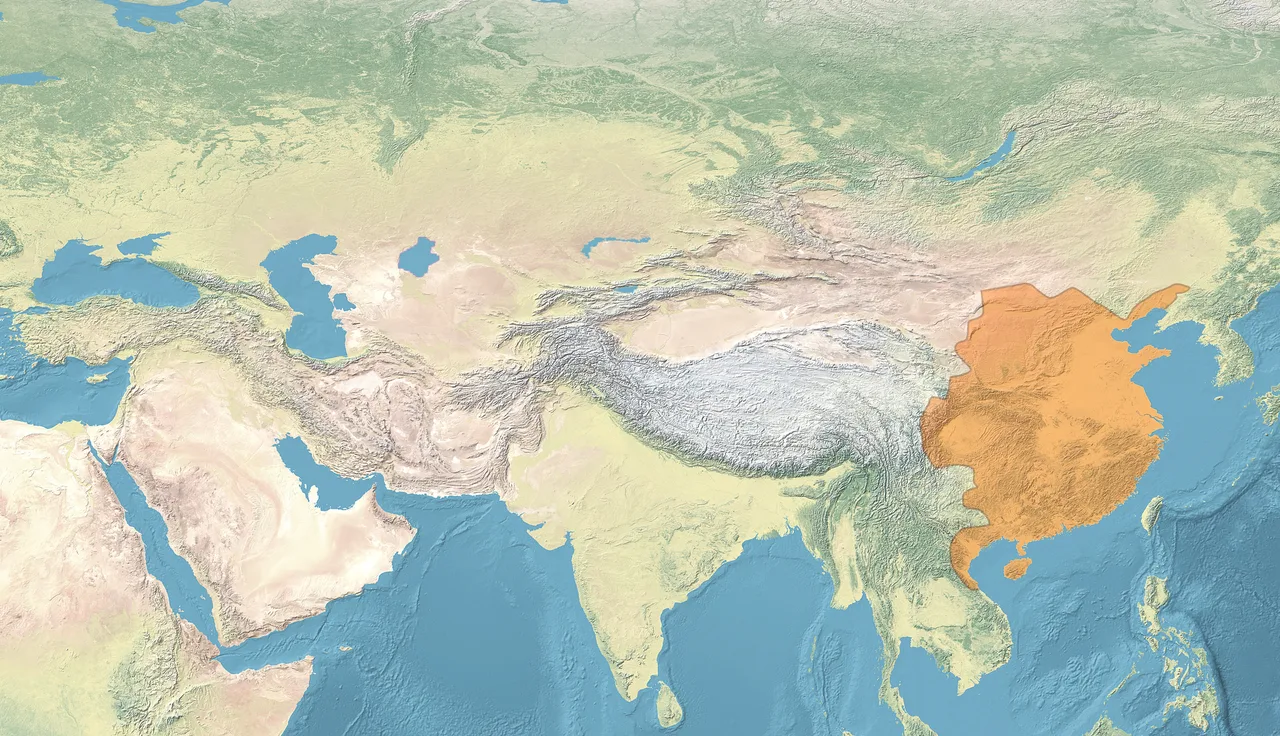
> Historical Context: In the wake of the devastating An Lushan Rebellion, the Tang Dynasty entered a precarious geopolitical era defined by the rise of semi-autonomous regional garrisons, persistent pressure from the Tibetan Empire, and deep reliance on northern steppe allies to maintain imperial security.
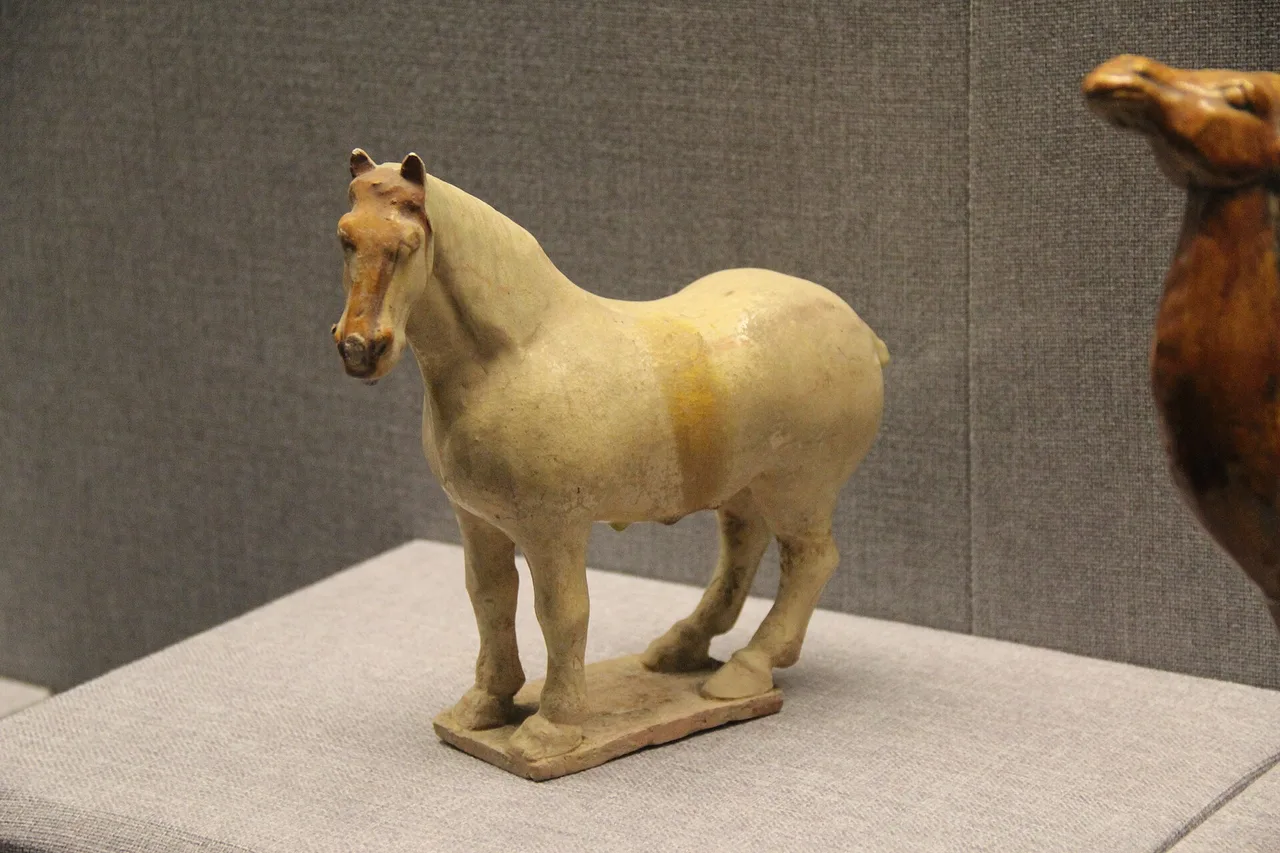
The An Lushan Rebellion cost the Tang Dynasty its best horse pastures. To protect its borders from the Tibetan Empire, the court bought steppe horses from the Uyghurs. The court paid forty bolts of silk for each horse. This price was very high. The deal drained silk stores, but it bought peace and protected the empire for decades.
Global Chronological and Spatial Framework
- Period: 755–840 CE (Mid-to-Late Tang Dynasty).
- Regions: Chang'an, Luoyang, the Hexi Corridor, Beiting, Fengxiang, and the Orkhon Valley.
- Key Polities: Tang Dynasty, Uyghur Khaganate, Tibetan Empire, and the Eastern Roman (Byzantine) Empire.
- Core Mechanism: Exchanging domestic silk tax revenues for steppe horses and frontier military alliances.
01. Fiscal Mechanics and Ledger Balances of the Silk-Horse Trade
The silk-horse trade shaped mid-to-late Tang foreign policy. The An Lushan Rebellion hit the court hard. Armies from the Tibetan Empire seized western borderlands. This advance cut off imperial pastures. The Tang court needed war mounts fast. Treasurers used silk collected under the Two-Tax System to buy horses from the Uyghurs. Official records detail this commerce throughout the history of Tang-Uyghur alliance.
The comparative ledger below illustrates the financial gap between self-sufficient horse breeding during the early Tang Dynasty and the outsourced trade network of the mid-to-late Tang era:
| Dimension | Peak High Tang Domestic Breeding (Tianbao Era) | Mid-to-Late Tang Uyghurs Outsourcing (Dali era) | Balance Sheet & Military Efficacy Impact |
|---|---|---|---|
| Equine Source | State pastures across Longyou and the Hexi Corridor | Steppe herds driven south by the Uyghurs | Domestic stock replaced by aged, worn transport mounts |
| Unit Cost | Several thousand copper cash in forage and labor (a few bolts of silk) | State-mandated rate fixed at 40 bolts of silk per horse | Procurement costs exceeded standard civilian market prices by 8 to 10 times |
| Fiscal Outlay | Routine administrative budgets and public rations | Regular annual drains of hundreds of thousands of bolts of silk | Depleted Jiangnan textile revenues, pushing grain transport by waterways to its limits |
| Strategic Yield | Formed shock cavalry and secured Silk Road corridors directly | Hired Uyghurs forces to check the Tibetan Empire near Lingwu and Taiyuan | Lost tactical self-reliance while securing a temporary strategic buffer |
| Primary Vulnerability | Pastures remained vulnerable to frontier border collapses | Steppe partners raised prices at will, eroding imperial prestige | Prevented an alliance between northern nomads and western Tibetan forces |
Deconstructing the Forty-Bolt Exchange Rate
The Uyghurs asked for forty bolts of silk per mount. That price covered two things. Historical sources show a horse was worth three to five bolts. The other thirty-five bolts acted as a peace bribe.
This trade kept steppe horsemen from raiding Tang towns. It protected cities like Lingwu, Fengxiang, and Taiyuan. In return, the Uyghurs fought the Tibetan Empire near Beiting and along desert paths. They fought hard to protect their trade routes. These clashes kept Tibetan armies away from the Tang heartland.
Logistics of Southern Silk and Northern Border Defenses
This trade placed a huge burden on the empire. Millions of bolts of silk moved north from southern river valleys. Boats used grand canal networks to move the cloth to frontier army bases. Bad droughts often slowed grain transport by waterways. Peasant rebellions broke out too. When transport failed, the court tapped emergency funds.
Steppe horsemen often delivered sick or old horses. Even so, imperial ministers accepted the herds. They knew turning away horses would spark border raids. Regional warlords grew stronger as fanzhen separatism spread. In this tense climate, the court viewed steppe mounts as a vital defense.
02. Trans-Eurasian Parallels: The Byzantine Empire's Bulgar Ledger
The Tang trade deal looked much like frontier defense in western Eurasia. Along the Mediterranean Sea, the Eastern Roman (Byzantine) Empire used the same plan.
Starting in the sixth century, Byzantium fought wars on two sides. Persian and Arab armies hit its eastern flank. At the same time, Slavic, Avar, and Bulgar tribes crossed the Danube in the north. From Justinian I to Basil II, leaders in Constantinople paid regular gifts to northern chiefs.
Ministers sent gold coins and rich silk robes to tribal kings. The ruler in Constantinople held the proud title of Roman Emperor. Yet civil officials treated these gifts as normal military expenditure. Guarding the Danube with heavy cavalry cost far more than paying annual bribes. These gold shipments turned steppe tribes into shields against other warlike nomads.
Contrasting Monetary Media Across Eurasia
Both empires shared the same goal, but they used different tools:
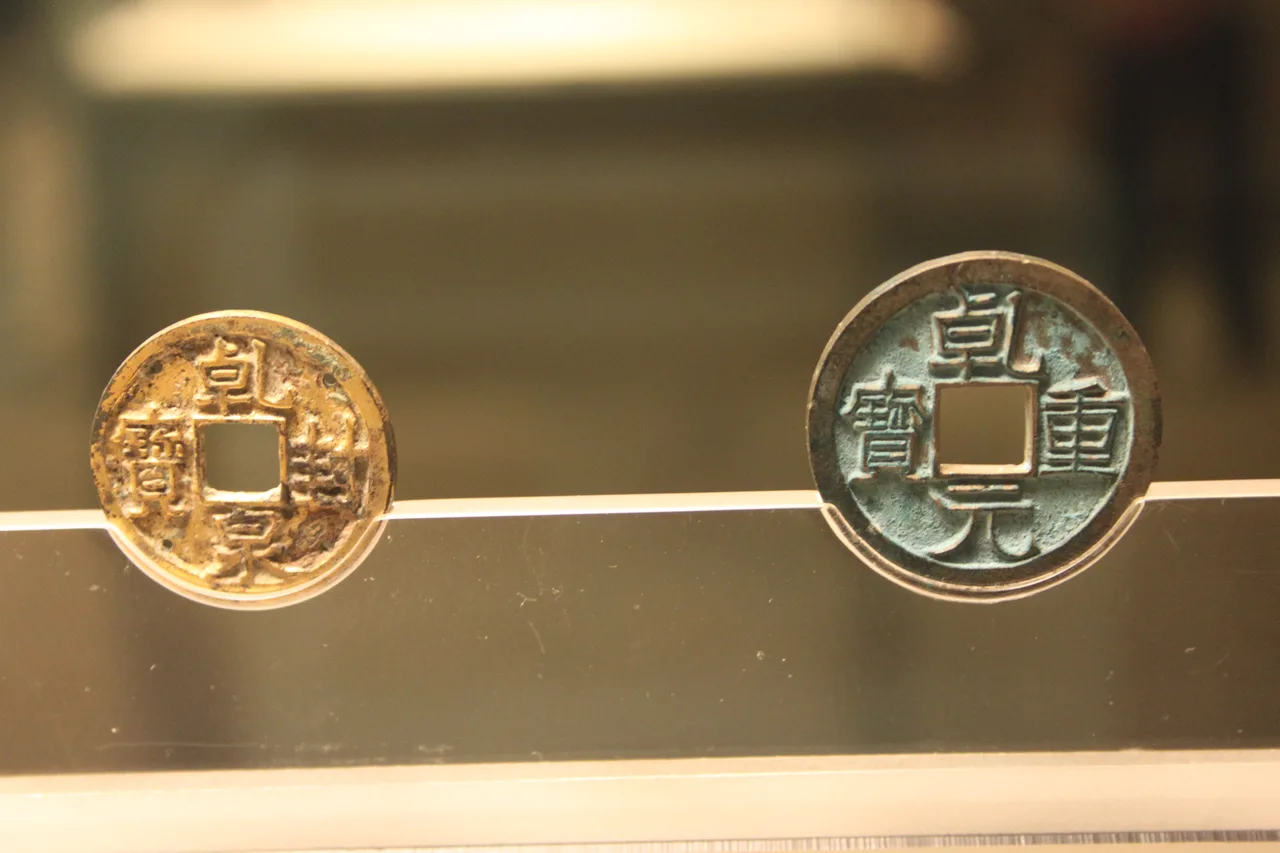
- Monetary Media: Byzantium used gold and silver coins for state payments. In China, copper mines dried up. Tang fiscal administration faced a coin shortage. As a result, the court used rolls of silk as cash for trade and diplomacy.
- Economic Feedback Loops: Byzantine gold flowed into foreign pockets. Foreign traders then used that gold across Mediterranean markets. In contrast, Chinese silk came from state mills. The Uyghurs kept some silk and sold the rest to Sogdian traders on the Silk Road. This system let the Tang buy peace without losing gold and silver reserves. Ports later set up the Maritime Trade Office to watch over sea trade routes.
Mercenary Payments and Long-Term Stability
Both empires used wealth to buy time. Byzantium managed northern tribes with cash. The Tang Dynasty used silk to keep rivals at bay. Yet both empires grew too dependent on paid help.
Steppe chiefs knew their power. They often pressed for bigger gifts. If payments arrived late, tribes raided border towns. Still, treasurers in Chang'an and Constantinople stood by the policy. They knew paying gifts cost less than a costly northern campaign.
03. Imperial Denouement and Historical Legacy
In 840 CE, cold blizzards hit the Uyghur Khaganate. Famine spread across the steppe. Kyrgyz warriors attacked from the north, and the steppe realm fell. Scattered clans fled south toward Tang borders and west toward desert towns. Around that time, the Tibetan Empire fell apart after the death of Langdarma. These events ended the eighty-year silk trade.
The collapse changed life along the northern frontier. The Tang court stopped sending silk north. Emperor Wuzong of Tang used the saved wealth to calm local revolts. But horse imports stopped. Tang armies had fewer horses. This shortage left the court weak against rising warlords.
In the end, the silk-horse trade was a practical compromise. After losing its western pastures, the court traded cloth to obtain war mounts. The trade stopped nomadic horsemen from allying with the Tibetan Empire. This exchange proved central to Tang-Uyghur alliance. It shielded the dynasty and preserved peace for nearly a century.
Primary Sources & Historical Bibliography
- **Old Book of Tang, Vol. 195, Treatise on the Uyghurs**: Details the tribute missions sent to Chang'an from the reign of Emperor Daizong of Tang through Emperor Dezong of Tang, setting down the official exchange rate of forty silk bolts per mount and describing horse inspections at the Court of Imperial Sacrifices.
- **Comprehensive Mirror to Aid in Government, Vol. 233, Tang Annals 49**: Records Grand Councilor Li Mi’s grand strategy presented to Emperor Dezong of Tang to ally north with the Uyghurs, south with Nanzhao, and west with the Abbasids to isolate the Tibetan Empire, balancing diplomacy subsidies against direct military expenditure.
- **Tongdian, Vol. 6, Taxation Part II**: Documents regional textile tax revenues under the Two-Tax System across southern circuits, tracking the fiscal foundation that supplied the court's frontier horse purchases.
- *Rong Xinjiang, Sui-Tang Chang'an and Western Civilization (SDX Joint Publishing, 2007)*: Analyzes the mercantile networks of Uyghur envoys and Sogdian traders along the Silk Road, examining the commercial settlement networks driven by the silk-horse trade.