TL;DR · Core Takeaways
- Most sales were paper titles with zero upkeep: The Ministry of Revenue made money by selling Directorate of Education Imperial Student licenses and empty honors. These paper certificates gave buyers legal perks without adding any salary cost to the state budget.
- The waiting pool worked as free labor: Buyers of real administrative posts faced long waiting lists. Thousands competed for few open spots. They waited in provincial capitals at their own expense and did free administrative work for local leaders.
- Bad debt and war costs broke public trust: In the nineteenth century, war debts and foreign penalties forced the state to drop prices and sell real jobs fast. Buyers treated their offices as private investments and took money from local people to make a profit. This broke the old scholar system and pushed people toward revolution.
> Historical Context
> - Chinese Chronology: Late Qianlong reign to the late Qing era (1796–1911). It spans the First Opium War, the Taiping Heavenly Kingdom, the Self-Strengthening Movement, and the Boxer Protocol.
> - Western & Global Chronology: The late Bourbon French era, the Napoleonic Wars, Victorian Britain, and the rise of modern sovereign finance.
Popular stories about buying office in imperial China point back to the Eastern Han, when rulers sold high titles like Three Excellencies and Commandery Administrator for cash. But in the Qing dynasty, the purchase system known as juanna worked in a very different way. It began under the Shunzhi and Kangxi reigns, grew through the Jiaqing era, and lasted past the Boxer Protocol. It was not just an open market of cash for power. Instead, the Qing state built a clever financial tool based on social rank, legal perks, and fear of falling behind.
Across a century of tight budgets, the books of the Ministry of Revenue showed a clear split. The central court took in millions of silver taels in donations. Meanwhile, local towns suffered as administration grew weak. The state kept the regular Civil Service Examinations as the golden path. Yet behind the scenes, it turned social honor into products for sale, raising private silver without adding to its payroll.
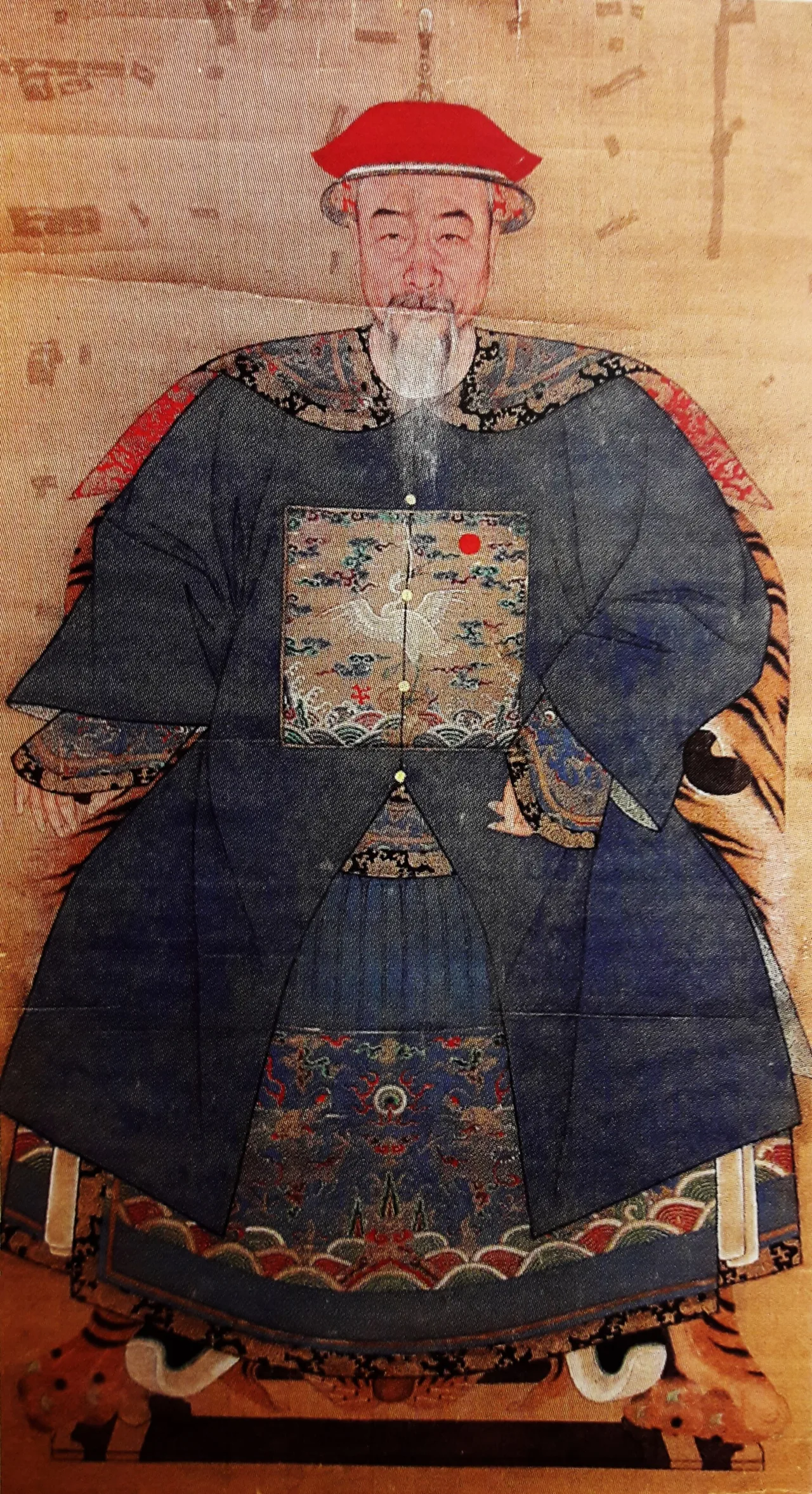
01. The Core Strategy: Selling Zero-Cost Honor While Rationing Substantive Posts
Old rules and records from the Ministry of Revenue show a planned lineup of goods. Many scholars complained that juanna ruined honest governance. But state budget planners knew that real governing jobs were limited. They steered nine out of ten buyers toward paper ranks that took up no actual seats in government.
The Household Balance Sheet: Purchasing Legal Immunity and Entry-Level Status
For rich merchants, grain traders, and family leaders, getting status through the state exams was a slow gamble. On the ground, imperial law came down hard on commoners. A common person had to kneel before the District Magistrate, could face beatings in court from runners, and had to bear heavy local labor and tax fees.
Paying around 108 taels of silver to buy an Imperial Student license from the Directorate of Education was a smart way to protect family wealth:
- No kneeling in local court: Buyers gained the dress and rank of the educated class. A District Magistrate could not beat an Imperial Student during a trial. This stopped yamen staff from extorting them.
- A shortcut to higher exams: The license let students skip early local tests. Holders could sit for the Provincial Graduate tests right away.
- More power in tax talks: Student rank protected households during grain tax collection. It kept them safe from unfair local fees added by tax runners.
Rich families also spent more silver to buy titles like Grand Master, Associate Administrator, or Judicial Secretary under the Provincial Administration Commissioner. They also bought past honors for ancestors to enrich their Family Rites. They did not want daily government work. Instead, they bought safety for their wealth. These titles let them hang imperial plaques in their ancestral halls and wear fine robes at family rites without breaking the law.
The Imperial Treasury: An Infinite-Margin Liquidity Engine
For the Ministry of Revenue and the Emperor, selling student status and paper titles was a goldmine with almost no upkeep:
- No salary cost: The state gave out a single sheet of stamped yellow paper. The treasury paid no wage, gave no office funds, and provided no home.
- No loss of power: Law barred honorary holders from real rule. They still had to show respect to working local officials. The central court kept full control over crime, trials, and tax silver.
- Quick emergency cash: When military expenditure spiked on the frontier, the Yellow River broke its banks, or famine hit, the court in Beijing opened subscriptions. Merchant groups, native banks, and pawnshops sent their silver straight to the central treasury.
| Juanna Product Category | Benchmark Price (Peacetime) | Purchaser Incentive | Immediate State Revenue | Long-Term State Obligation & Cost |
|---|---|---|---|---|
| Directorate of Education Imperial Student | 108 taels of silver (often discounted during wars) | No beatings in court, no kneeling before local leaders, direct access to Provincial Graduate exams | Millions of silver taels across major donation drives | Near-zero cost: Only paper certificates were issued; no salary or home was given |
| Honorary Ranks and Family Ennoblements | A few hundred to several thousand taels | High social standing, rights to fine robes, family pride, safety from local bullies | Steady inflow of private silver from merchants and gentry | Zero cost: Clear laws barred holders from ruling or holding trials |
| Substantive Governing Posts (like District Magistrate) | Thousands to tens of thousands of taels | Real appointment to local office; power over tax grain, court fines, and local funds | Rapid cash flow for big army needs or river works | Waiting line only: No instant post; buyers waited in provincial pools at their own cost |
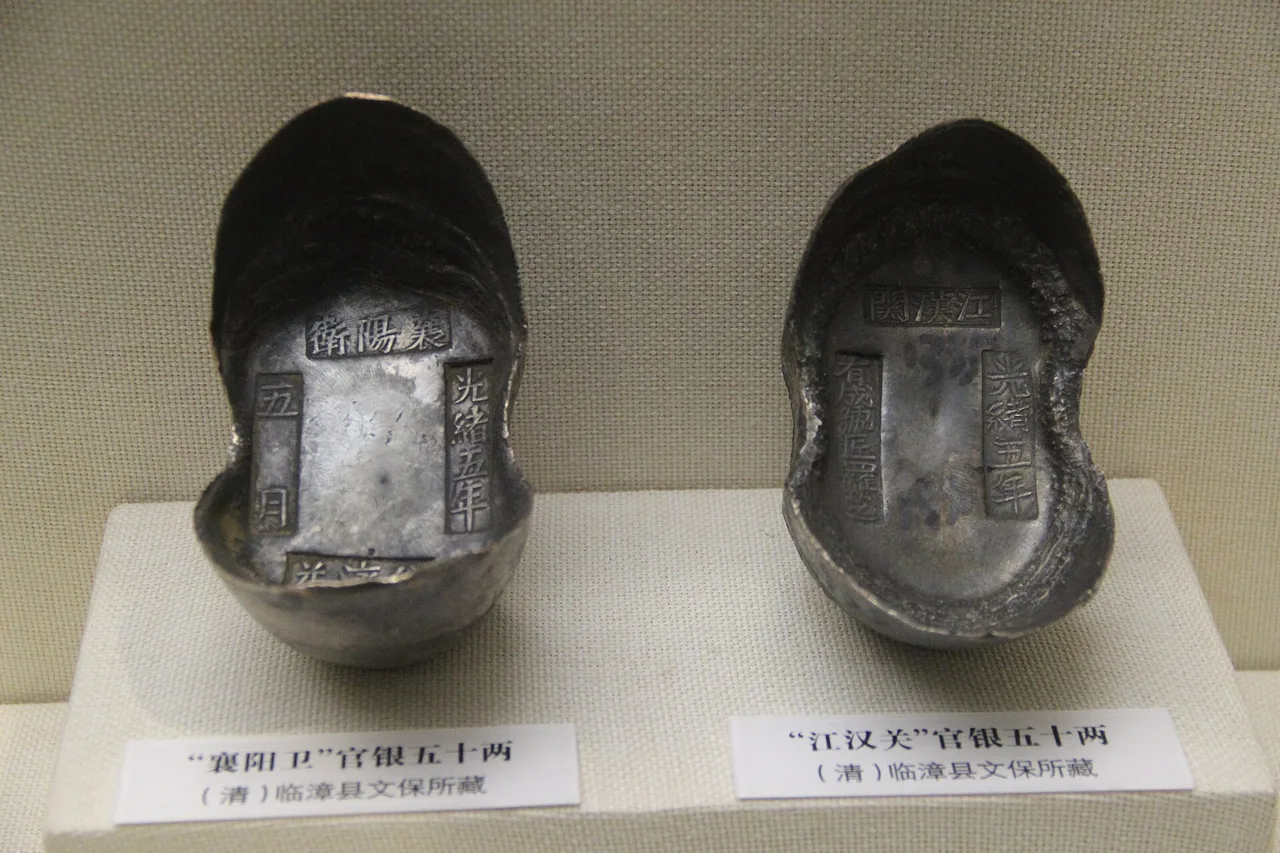
02. The Expectant Trap: Self-Funded Bureaucrats and Labor Arbitrage
Selling student status was safe for the court. But selling real administrative jobs, such as District Magistrate or Associate Administrator, created a trap for buyers.
The Provincial Ledger: Expectant Stagnation and Free Administrative Labor
Across the empire, the number of District Magistrate posts was fixed at around 1,400 to 1,500. Personnel rules kept a tight balance between exam winners (like Jinshi and Provincial Graduate holders) and purchase buyers. In normal years, fewer than five percent of new buyers in any provincial city got an instant job.
Men who bought magistrate papers moved to provincial capitals with family, staff, and private clerks. There they waited in the expectant pool:
- No state pay: The court gave no wage or anti-corruption money to waiting men. Renting homes, paying clerks, and keeping up appearances cost hundreds or thousands of taels each year.
- Customary gifts: To win favor from provincial leaders, buyers gave gifts in winter and summer, along with door fees to yamen clerks.
- Unpaid public tasks: Governors used these waiting men to run water works, guard grain boats, check transit taxes, and clear backed-up court files. Buyers paid for these jobs out of pocket to prove their worth.
This system gave the imperial court a big financial win. Without spending public funds, the state kept an army of literate, self-funded managers who ran public tasks just for a chance at an open post.
The Mechanics of Governance Decay
Pushing office buyers into deep debt ruined local rule:
State money crisis leads to open sales of real posts
  -> Buyers take high-interest loans and wait in provincial pools
    -> Appointed buyers take short terms and milk local taxes
      -> Common people suffer illegal fees and harsh court fines
        -> Public trust breaks down, harming the imperial state
A local official who spent his family fortune or borrowed twenty thousand taels from private money shops could not govern with clean hands. Once he took over a county office, his post was an investment that had to pay off fast. Adding illegal fees to silver melting, pushing people in court for cash, and skimming tax funds were standard ways to pay back his private debts before his term ended.
03. Comparative Empires: Qing Juanna vs. Bourbon French Venality
In early modern times, big Eurasian empires faced similar tests: growing war bills, tight budgets, and weak direct taxes. The Qing juanna system and the French sale of offices under the Ancien Regime show two paths to the same goal.
Structural Parallels: Converting Public Authority into Liquidity
French kings could not tax all their subjects directly and faced heavy war debts. The Crown sold court seats in the Parlements, tax jobs, and clerk posts. In 1604, Henri IV and the Duke of Sully set up the Paulette.
By paying a yearly fee of one-sixtieth of the post's value, owners gained Hereditary Succession over their jobs. They could sell, rent, or pass their royal posts to their heirs. Through this fee, the French Crown turned one-off sales into a steady yearly tax to pay for wars in Europe.
Institutional Divergence: Hereditary Property Rights vs. East Asian Bureaucratic Rotations
The two empires split over the legal nature of public office:
- Property rights versus temporary state jobs
Under the Bourbon kings, venal posts became private, hereditary property. Rich buyers became the Nobles of the Robe. They formed strong blocs in the courts that could slow down or block royal tax plans.
The Qing state never gave up central control over its posts. Whether a man held an Imperial Student card or a real magistracy, he served at the will of the ruler. The Emperor could fire or exile any official. Real jobs had three-year term limits and rules keeping men from ruling in their home regions. No buyer could turn a local yamen into an inherited family estate.
- Perpetual debt traps versus one-time liquidity extraction
Through office sales and the Paulette, the French Crown made buyers into perpetual state creditors. The treasury had to pay yearly interest on sold posts. Over time, these growing payments broke the royal budget and helped cause the revolution of 1789.
The Qing treasury dodged this trap. Nine out of ten buyers got empty titles that paid no state wage. For real jobs, waiting lists forced buyers to pay their own way. The Qing gained quick silver without taking on long-term debt.
04. Institutional Collapse: Permanent Emergency and the Loss of Imperial Legitimacy
Before the nineteenth century, the court set limits on juanna. Even during the White Lotus Rebellion and the western wars under Qianlong, the court closed sales offices once river works finished or armies stood down. It kept a firm balance between exam grads and purchase buyers.
The crises of the nineteenth century broke these limits. The Taiping Rebellion and naval modernization in the Self-Strengthening Movement, along with Coastal Defense needs, cost far more than basic land taxes could cover:
- Price drops and too many titles: As money needs grew, the Ministry of Revenue cut prices. Magistrate posts that once cost four thousand taels sold at steep discounts.
- Exam winners blocked from posts: To get silver fast, the late Qing let buyers pay extra to skip the line. Rich buyers took top spots ahead of Jinshi degree holders who had spent decades studying Confucian rule.
- Anger among the educated class: Leaders like Zhang Zhidong warned that buyers treated local people as cash crops during their short terms. Meanwhile, top scholars faced closed doors. Angry with an imperial court in Beijing that sold merit for silver, they turned toward new reforms and anti-Qing revolutionary work.
For over a century, the Qing state used paper honors and waiting pools to raise cash without raising standard land taxes. But by selling court safety, merit, and rank for quick silver, the dynasty broke down its own local rule. Modern Historiography shows that every silver ingot taken in by these sales deepened the decay that brought down the empire.
Primary Sources & Historical Bibliography
- *Zhao Erxun et al., Draft History of Qing***, "Treatise on Elections 7: Juanna" (Vol. 112). This section details imperial rules, price lists, provincial quotas, and debates over office sales from the Shunzhi reign forward.
- *Ministry of Revenue, Collected Statutes and Precedents of the Guangxu Reign***, "Department of Revenue: Juanna". A detailed record of late Qing price cuts for military campaigns, Coastal Defense funds, and waiting pool rules during the Taiping era.
- Wu Dange, "The Juanna System of the Qing Dynasty", Historical Research, No. 5 (1982). A key study on silver totals, buyer backgrounds, and fiscal shifts across the eighteenth and nineteenth centuries.
- *Xu Daling, The Juanna System of the Qing Dynasty***, Peking University Press, 2000. An authoritative work on subscription drives, waiting pools, and friction between exam grads and buyers.
- *Roland Mousnier, The Venality of Offices in the Great Monarchies (1971) and William Doyle, Venality: The Sale of Offices in Eighteenth-Century France (1996). Essential texts on French office sales, the workings of the Paulette*, and royal finance in early modern Europe.