TL;DR · Core Takeaways
- Nominal Budgets vs. Real Attrition: Ancient warfare cost vast sums not from bronze or iron weapons. Overland transport burnt grain along every road. Teams consumed food every mile, so only a tiny share reached distant fronts.
- Shen Kuo's Transport Limit Formula: In Dream Pool Essays, Northern Song scholar Shen Kuo proved a physical law. Porters eat what they carry. Beyond eighteen to twenty days of travel, porters eat all the grain and can deliver nothing.
- Canals and Agricultural Garrisons as Fiscal Defenses: The Beijing-Hangzhou Grand Canal and frontier Tuntian System saved state treasuries. Water routes and border farms cut long road trips. They stopped supply trains from bankrupting empires.
Historical Coordinates
- Chinese Timeline: 214 BCE (Qin builds the Lingqu Canal) — 119 BCE (Battle of Mobei) — 234 CE (Zhuge Liang amasses grain at Wuzhang Plains) — 1081 CE (Northern Song Five-Route Campaign against Western Xia during the Yuanfeng era)
- Western / Mediterranean Parallel: 1st Century BCE (Late Roman Republican legionary logistics reforms) — 1st–2nd Century CE (Roman Empire relies on the Mediterranean interior sea) — 1812 CE (Logistical collapse of Napoleon's Russian campaign)
01. Paper Assessments vs. Frontier Deliveries: How Long-Haul Haulage Emptied the Treasury
Histories celebrate charging cavalry, daring plans, and battlefield triumphs across northern sands. Yet treasury officials faced hard facts. For every five hundred li an army marched, carts and beasts consumed huge stocks of food.
The Records of the Grand Historian preserves an urgent warning from Zhufu Yan about border wars under Qin Shi Huang:
> "The realm was ordered to carry out military supply transport. Carts and teams were levied from Longxi, Beidi, and Shang Commandery, carting grain northward to the Yellow River. It took thirty zhong of grain dispatched to deliver a single dan to the front."
In ancient measures, six hu and four dou made one zhong. Thirty zhong equaled one hundred and ninety-two dan. To deliver one measure of grain to Great Wall posts, haulers consumed one hundred and ninety-one dan on the road.
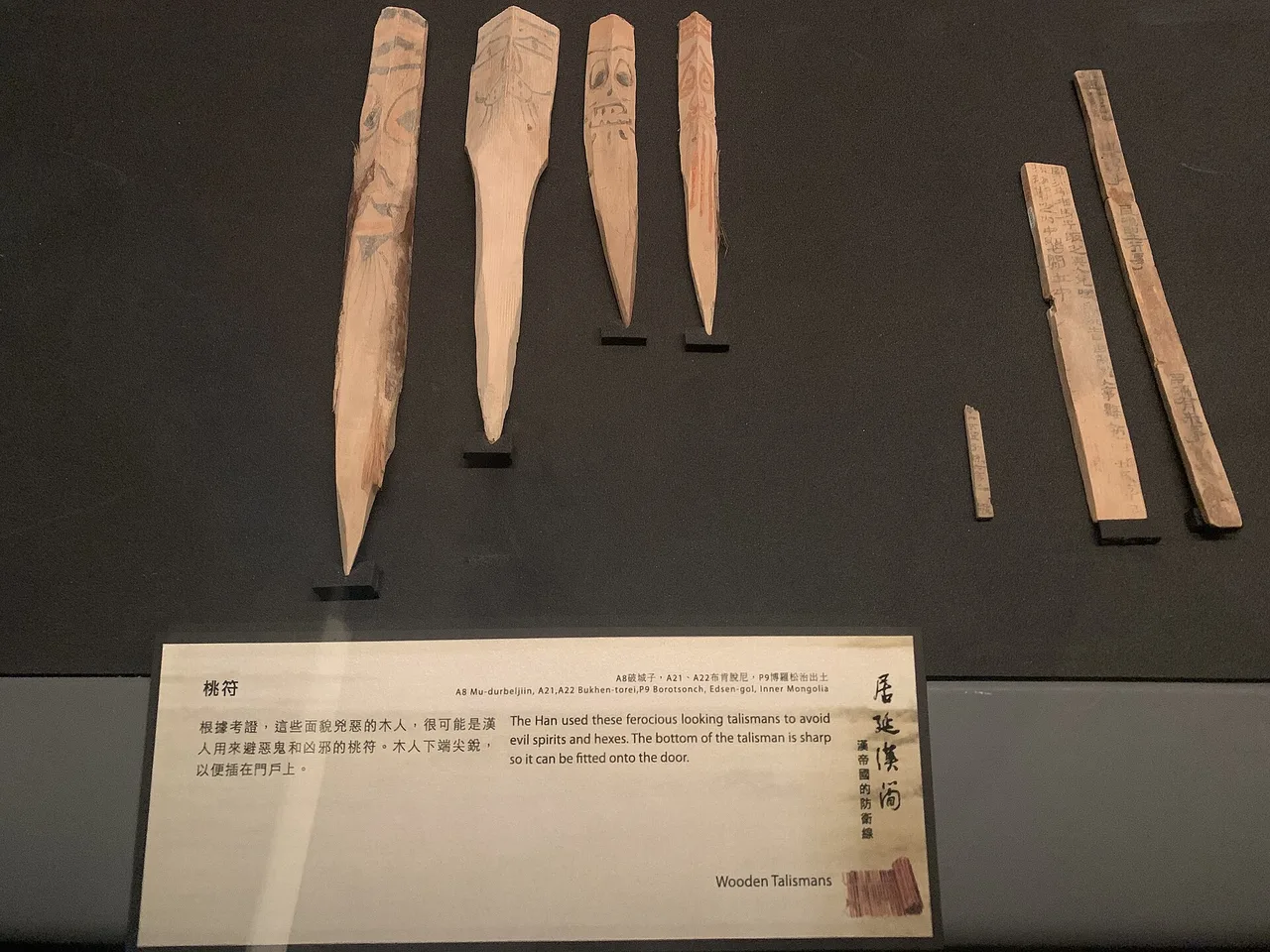
This math broke state budgets. In the capital, taxes looked sufficient to feed large hosts for a full year. Yet when soldiers marched into dry wastes, food dried up fast. Imperial promises of light corvée and taxes in central plains turned into harsh labor burdens along the border lines.
02. Two Ledgers: Porter Survival Limits and Treasury Redlines
Why did supply costs ruin great dynasties? We must study two ledgers: the daily rations of simple porters, and the total cash books of the royal court.
The Micro-Level Balance Sheet: Biological Limits and the Law of Diminishing Cargo
During the Xining and Yuanfeng eras, Northern Song armies fought Western Xia. Shen Kuo managed defense in northwestern border lands. In chapter eleven of Dream Pool Essays, he recorded exact numbers:
> "In the logistics of military grain: a single soldier eats two sheng of grain daily; on heavy march days, six sheng. If one porter shoulders six dou of rice, and the soldier carries five days of dried rations, then one porter supports three men's daily portions. This supply holds for twenty-five days, supporting an outward march of eighteen days... If two porters haul for one soldier, three men eat, lasting twenty-six days; if three porters haul for one soldier, four men eat, lasting thirty-one days... A porter shoulders six dou and eats two sheng daily; his burden is entirely consumed in eighteen days."
Shen Kuo based his math on clear physical rules:
- Physical Carrying Limit: A strong man crossing rough trails could carry six dou (about sixty Song sheng, or sixty kilograms) of grain.
- Daily Caloric Need: A porter or marching soldier needed two sheng of grain every day to survive.
- Food for the Walk Home: A porter had to keep enough food for the return trip, or he would die on the road.
If one porter carried food for one soldier, both men ate four sheng each day. By day eighteen, all grain was gone. The porter had to turn back. If the march went past ten days, almost no grain reached the outpost.
Adding more porters did not fix the problem. A second porter brought six dou, but he also ate two sheng each day. A third porter added more mouths to feed. The supply column soon ate its own loads.
Local magistrates faced harsh transport quotas. Porters collapsed from hunger on post roads. Oxen died when dry roads ran out of grass. When the state took farm carts and draft animals, harvests rotted at home, and farm families fell into deep ruin.
The Macro-Level Imperial Ledger: Quadratic Distance Costs and Treasury Collapse
At court, shipping costs did not rise in a straight line. They grew at a rapid, compounding rate:
Combat front extends into arid or mountainous borderlands (Distance doubles)
    ↓
Requisite porters and draft animals multiply geometrically
    ↓
Supply columns consume the bulk of their cargo en route (Extreme attrition rate)
    ↓
Core agrarian heartlands lose crucial farm labor and plow oxen (Delayed planting, fallow fields)
    ↓
Ordinary tax receipts plummet while extraordinary military expenditures surge
    ↓
Cash reserves empty, forcing predatory taxes or currency debasement and triggering wider social unrest
During campaigns against the Xiongnu under Emperor Wu of Han, commanders like Wei Qing and Huo Qubing led large forces deep into northern sands. General-in-Chief Wei Qing led cavalry sweeps from bases like Beiping and northern frontiers. Backing these drives required hundreds of thousands of civilian porters and carts.
The Book of Han notes that years of long-distance transport drained the state: "Revenues from salt and iron under the Chamberlain for the National Treasury were used to aid the distressed, yet administrative offices could not sustain themselves, and state reserves were spent." Chamberlain for the National Treasury Sang Hongyang launched the state monopoly on salt and iron, price controls, and Reporting Concealed Wealth laws. Even so, frontier supply trains almost erased the wealth saved during the Rule of Wen and Jing.
In 612 CE, Emperor Yang of Sui mobilized over one million combat troops to attack Goguryeo. Civilian laborers hauling food and weapons far outnumbered fighting men. Hauling supplies from central plains across muddy roads broke the farm base of Hebei and Shandong. Official records describe dead laborers filling ditches by the roadside. This collapse sparked wide rebellions, bringing down the Sui dynasty within a few years.
03. Logistical Realities Across Dynasties
The table below shows supply performance, finance tools, and political outcomes across major wars:
| Campaign & Logistical Setting | Primary Terrain & Transport Medium | Cargo Dispatched vs. Frontier Delivered (Estimated Loss Ratio) | Marginal Cost & Fiscal Compensation Mechanism | Institutional & Historical Consequence |
|---|---|---|---|---|
| Qin Shi Huang's Northern Frontier Campaigns (c. 215 BCE) | Guanzhong and Longxi to the Yellow River Loop; pack porters and wooden ox carts | 192 : 1 (Recorded as "thirty zhong dispatched to deliver one dan") | Uncompensated labor corvée; porters deducted food from carried cargo | Depleted agrarian manpower; heightened peasant and convict unrest that destabilized Qin rule |
| Emperor Wu of Han's Battle of Mobei (119 BCE) | Eastern commanderies to the southern Gobi frontier; mixed columns of mules, oxen, and porters | Approx. 20–30 : 1 (Scaling above 100:1 deep into steppe territory) | State monopolies on salt and iron, price stabilization, asset registration, and cart taxes | Emperor Wu issued the Repenting Edict of Luntai, ordering the realm to halt aggressive expeditions and focus on agriculture |
| Zhuge Liang's Northern Expeditions (228–234 CE) | Hanzhong Basin across the Qinling Mountains to Longyou and the Wei Valley; mountain plank roads, porters, and wooden ox and flowing horse carts | Approx. 10–15 : 1 (Heavily throttled by narrow mountain plank roads) | Specialized wheelbarrows to cut draft crews; Military Agricultural Colonies (Juntun) at Wuzhang Plains | Multiple offensives aborted due to supply exhaustion; Zhuge Liang died in camp under logistical strain |
| Emperor Yang of Sui's First Goguryeo Campaign (612 CE) | North China Plain to Liaodong Peninsula; muddy overland tracks and coastal grain fleets | Approx. 10–20 : 1 (Overland roads choked by mud; coastal supply fleets scattered by storms) | Empire-wide conscription; forced requisition of private draft animals across the north | Widespread peasant rebellions erupted in Shandong, shattering Sui imperial authority in three years |
| Northern Song Five-Route Campaign Against Western Xia (1081 CE) | Guanzhong interior to the Hengshan range and Lingzhou desert; foot porters and infantry | Approx. 15–20 : 1 (Severe attrition of pack animals once inside desert terrain) | Requisitioned local militias for labor; direct subsidies from the imperial private treasury | Song armies collapsed outside Lingzhou under blizzards and starvation, losing tens of thousands to exposure and hunger |
04. Strategic Countermeasures: Canals, Agricultural Garrisons, and Mediterranean Parallels
Seeing the ruinous cost of road haulage, court planners reached a shared view: moving military provisions over long dirt roads invited ruin. To support border armies, dynasties had to switch to water routes, or grow food right where troops stood.
Altering the Medium: Strategic Economics of the Grand Canal
Building major canal networks gave China its most vital transport tool.
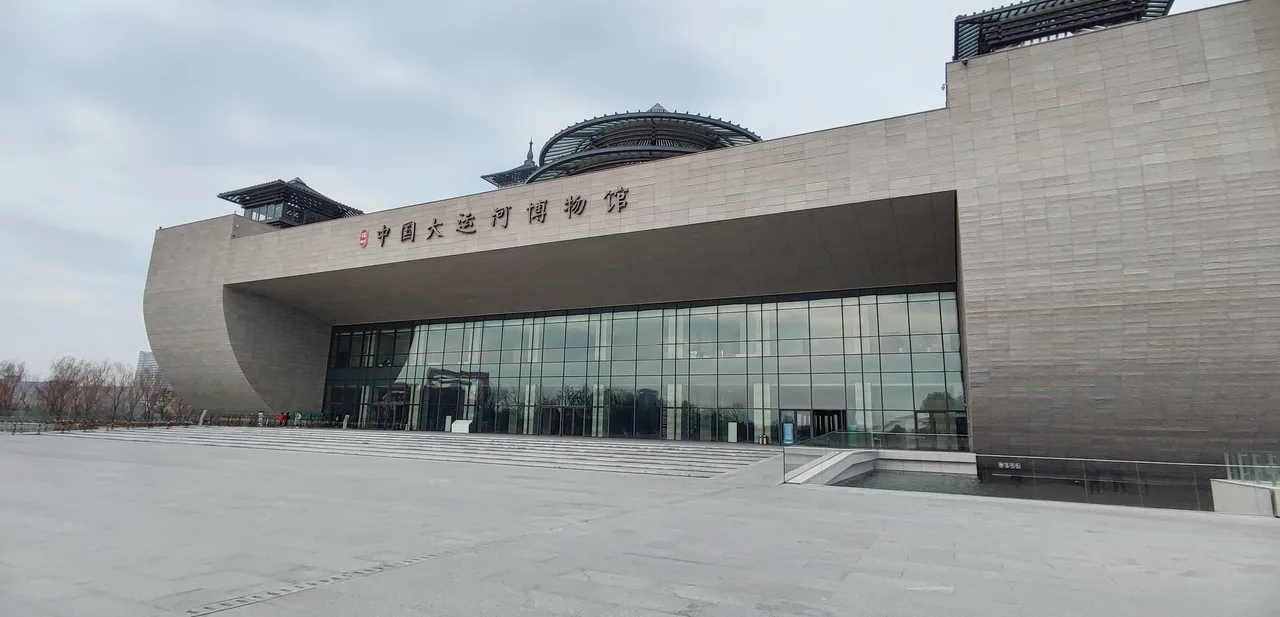
Basic physics explains the price gap between water and land cartage. A horse on a muddy road can pull only a few hundred pounds of cargo. On a calm canal, that same beast moves a barge carrying many tons. Historical records show that inland boat transport cost far less per mile than overland wagons.
During his southern wars, Qin Shi Huang built the Lingqu Canal to connect the Xiang and Li rivers, floating grain boats straight south. Later, Sui rulers linked these routes into the Beijing-Hangzhou Grand Canal. The goal was not royal travel, but moving southern rice to northern borders with little waste. Linking farm basins directly to frontier lines protected the imperial treasury.
Eliminating Distance: Frontier Agricultural Colonies
Along with water networks, dynasties used the Tuntian System. If hauling grain across deserts burned up loads, settling soldier-farmers at border posts saved vast sums. Every bushel harvested along the frontier spared the state from hauling grain across hundreds of miles.
Emperor Xuan of Han backed soldier farming in border valleys. During the Three Kingdoms era, Cao Cao set up farm colonies near Xuchang and the Huai River, securing ample food to unite northern China. Zhuge Liang had troops till fields near the Wei River during his northern campaign drives. Border farms acted as a clever fix for long supply lines, producing grain right at the camp gates.
A Comparative Look: Roman Maritime Logistics vs. Continental Bottlenecks
Physical limits governed Western empires just as strictly as they did Chinese dynasties.
The Roman Empire held its borders because it used the Mediterranean Sea as a cheap highway. Shipping costs remained low. Grain ships from Egypt reached Rome in two weeks under fair winds, carrying large wheat cargoes with almost no loss. Roman troops near sea coasts enjoyed constant supply by ship.
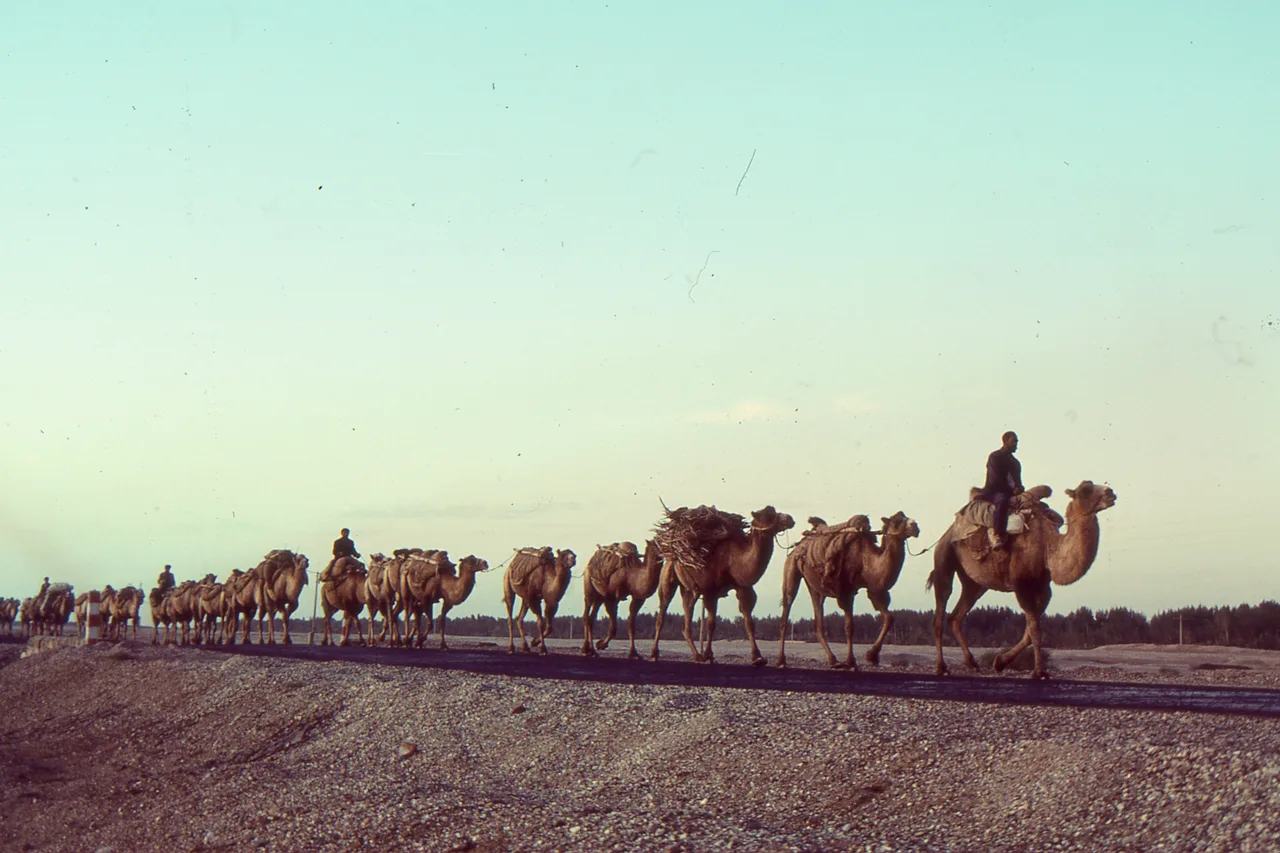
When legions marched deep into thick German forests or across Syrian deserts, they faced the exact barriers Shen Kuo described. Without canals, Roman units relied on mules, ox carts, and foot soldiers. Pack beasts ate their own grain cargo, making long supply lines collapse. In the Teutoburg Forest, German tribes ambushed Roman baggage trains trapped in deep mud.
This contrast reveals two paths in imperial transport:
- The Roman Empire held lands ringed around an open sea, moving food cheaply along coastlines.
- Imperial Chinese Dynasties ruled a massive landmass without an inland sea. Protecting distant borders required massive labor to dig grand canals, set up road relays, and plant military farms in dry frontier soil.
05. Conclusion: Wars Decided on Balance Sheets
History books focus on battlefield courage and sharp tactics. Yet imperial ledgers tell a different tale: wars turned on bags of grain carried over miles of dirt roads.
From the fiscal strain under Emperor Wu of Han to the quick fall of the Sui dynasty and Zhuge Liang's stalled drives, dynasties rose and fell on transport logistics. Roadside attrition was more than a human tragedy for drafted farm hands. It stood as a hard physical limit over every ancient empire marching to protect its borders.
Primary Sources & Historical Bibliography
- Ban Gu, Book of Han, Vol. 24A, "Treatise on Food and Money, Part 1": Detailed accounts of transport expenses from eastern commanderies to the frontier, the fiscal strain under Emperor Wu of Han, and Sang Hongyang's state monopolies and equitable transport reforms.
- Sima Qian, Records of the Grand Historian, Vol. 112, "Biographies of the Marquis of Pingjin and Zhufu Yan": Memorials warning against northern military campaigns, preserving Qin dynasty logistics data including the 192-to-1 supply consumption ratio.
- Shen Kuo, Dream Pool Essays, Vol. 11, "Government and Administration I": Mathematical derivations of porter carrying capacities, metabolic needs, and logistical operational limits during the Northern Song campaigns against Western Xia.
- Chen Shou (with annotations by Pei Songzhi), Records of the Three Kingdoms, Vol. 35, "Book of Shu: Biography of Zhuge Liang": Accounts of grain exhaustion during the northern campaigns, the design of the wooden ox and flowing horse, and frontier farming at Wuzhang Plains.
- Jonathan P. Roth, The Logistics of the Roman Army at War: 264 B.C. - A.D. 235 (Brill): A comprehensive analysis of Mediterranean naval supply efficiencies contrasted with the friction and costs of Roman overland baggage trains.