TL;DR · Core Takeaways
- Scale Masked Paralysis: On paper, the Qing Empire held vast advantages in gross output, population, and nominal annual revenue over Japan before 1894. Yet its fragmented, pre-modern tax apparatus choked central cash delivery during the crisis, while Meiji Japan mobilized more than triple its normal annual budget through modern sovereign credit.
- Credit Deficits and Provincial Evasion Broke Logistics: Faced with emergency frontline demands, the Minister of Revenue and the Ministry of Revenue relied on obsolete interprovincial aid allocations and coercive solicitations. An initial domestic bond issue flopped because imperial authorities lacked contractual credibility, whereas Meiji leaders mobilized over 100 million yen in private domestic savings through the Bank of Japan within months.
- Crushing Reparations Shattered the Imperial Fiscal Balance: The 230-million-tael indemnity demanded under the Treaty of Shimonoseki forced the imperial court into high-interest foreign syndicates. Passing these burdens onto provincial likin transit taxes and salt revenues drained regional fiscal flexibility, ultimately unraveling the fiscal and political bargain between the capital and the provinces.
Historical Context
- Chinese Historical Coordinates: Qing Dynasty Guangxu reign, 14th to 21st years (1888–1895); Self-Strengthening Movement Coastal Defense modernization ground to a halt, culminating in the outbreak and defeat of the First Sino-Japanese War.
- Western / Mediterranean Coordinates: The Second Industrial Revolution accelerated across Europe, where modern central banking, sovereign debt instruments, and the mature fiscal-military state model dominated great-power competition.
01. Paper Wealth and Wartime Asphyxiation: The Illusion of Imperial Scale
Many people explain the defeat in the 1894 First Sino-Japanese War by pointing to Summer Palace spending, court fights, or shell shortages. Yet money trouble ran much deeper. On paper, the Qing Empire was far larger than Japan. Its Beiyang Fleet had huge warships. But when war began, the Minister of Revenue and the Ministry of Revenue could barely find enough silver. In contrast, Japan raised vast funds and sent cash straight to its army and navy.
The two states ran on different systems. In the Qing dynasty, land taxes had been frozen since 1712. Official rates were low, but local offices added many extra fees and transit tolls. Common people paid a lot, but local clerks kept most of it. Little silver ever reached Beijing. The treasury held only a few million taels at any time.
Japan changed its tax system in 1873. It replaced old rice dues with a simple cash tax on land. Japanese farmers paid clear, fixed rates directly to the state. The Ministry of Finance in the Eastern Capital collected these funds without waste. While the Qing court starved in Beijing, Japan built a quick, modern way to gather state cash.
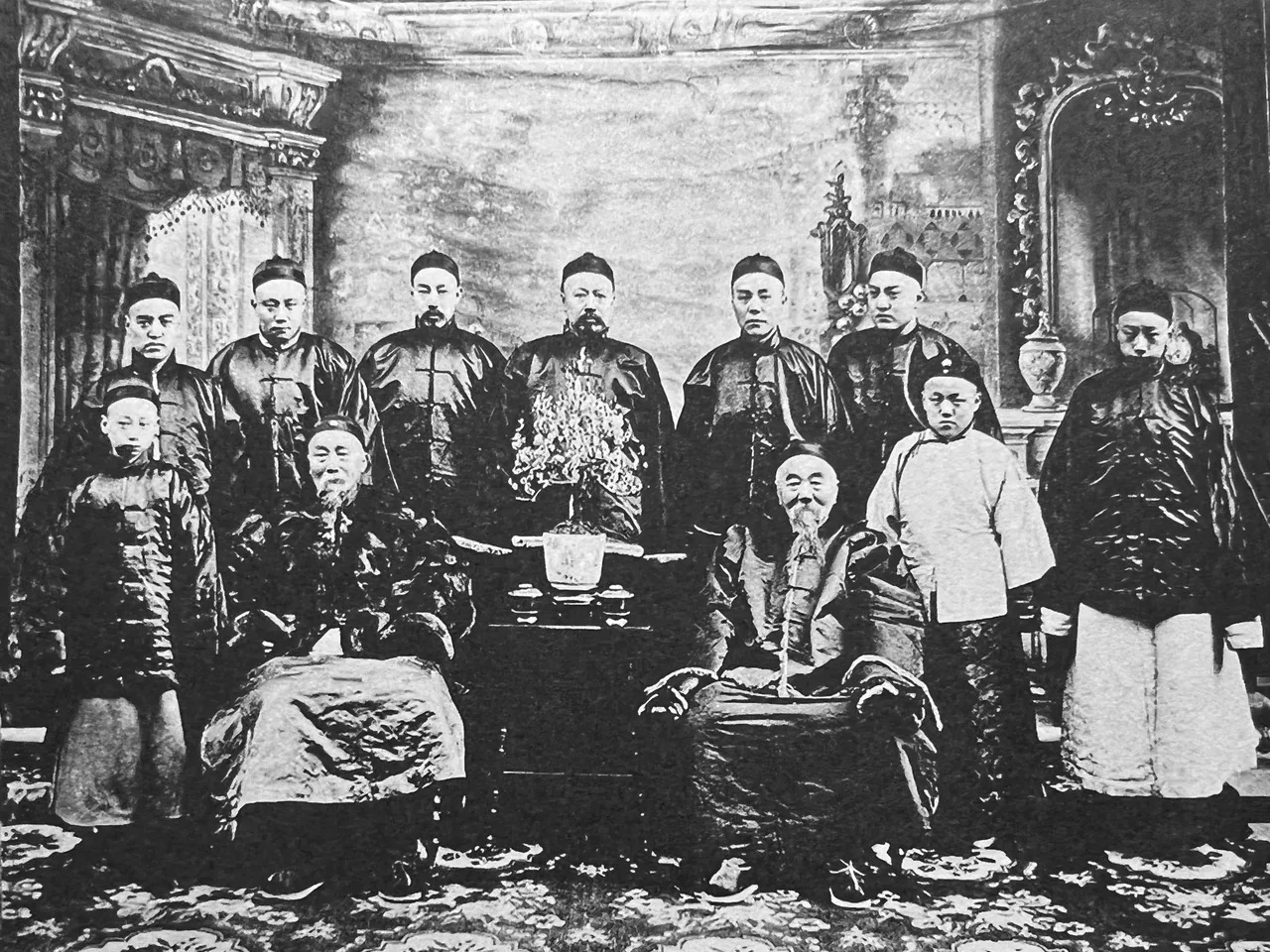
02. The Late Qing Fiscal Impasse: Fractured Balance Sheets and the Wartime Cash Crunch
The Micro Ledger of Households and Local Magistrates: Resistance Under a Credit Deficit
When war started in Korea, the Qing court needed cash fast. But merchants and families did not trust the throne.
In late 1894, the Minister of Revenue asked for ten million taels in merchant loans. The court promised seven percent interest, but lenders held back. For decades, the crown had taken money by force during the Taiping Rebellion. People feared the state would never repay the debt. They expected only empty titles or medals in return.
Every local official then forced quotas on shops and trade guilds. The loan turned into an extortion drive. To protect their savings, merchants hid their silver or moved it to foreign banks. In the end, the drive raised barely one million taels. Because the throne had no credit, it could not tap private wealth.
The Macro Ledger of the Imperial Court and the Ministry of Revenue: The Collapse of Interprovincial Subsidies
In the Forbidden City, the Grand Secretariat and the Inner Chancellor watched the state run out of money. The court had lost control of regional funds decades earlier.
After fighting the Taiping Rebellion, regional armies took over local taxes. Provincial offices, like those run by each Superintendent of Maritime Customs and Provincial Administration Commissioner, kept most customs and transit dues. The Ministry of Revenue had no direct grip on these funds. To pay for the war, Beijing had to order rich provinces to send money to the front.
Li Hongzhang asked for silver from Tianjin by telegraph. The court ordered provinces to pay him at once. Yet regional leaders offered excuses instead of silver. Officials such as the Governor-General of Liangjiang wanted to keep funds for their own Coastal Defense and frontier defence. They delayed shipments, paid in small parts, or sent bad tax debts on paper. Slow carts carried silver across huge distances while troops waited for bullets and coal. Without a central bank, the empire could not move funds in time.
03. Fueling the War Machine: Meiji Japan's Modern Financial Mobilization
The Qing Empire lacked a central credit engine. Meiji Japan built a modern war finance system.
| Dimension of Fiscal Mobilization | Qing Empire (1894–1895) | Meiji Government of Japan (1894–1895) |
|---|---|---|
| Central Financial Hub | No central bank; Ministry of Revenue acted as a simple bookkeeping and disbursement registry | Founded the Bank of Japan in 1882, centralizing currency issuance and managing treasury operations |
| Core Revenue Base | Frozen agricultural land quotas; reliance on fragmented likin duties and maritime customs tariffs | Uniform monetary land tax (Chiso Kaisei); clearly assessed tax base with complete central penetration |
| Treasury Dispatch Structure | Severe central-provincial compartmentalization; reliant on administrative dunning for interprovincial subsidies | Unified treasury under the Ministry of Finance; revenue and disbursements vertically integrated |
| Wartime Credit Mechanisms | Abortive merchant loans collapsed from low credit; turned to costly foreign syndicate loans | Parliamentary legislation sanctioned war bonds; Bank of Japan managed public subscription and commercial discounting |
| Realized War Mobilization | Cobbled together approximately 60 million silver taels across all sources | Diet unanimously approved 250 million yen in special war accounts (roughly equivalent to 160 million silver taels) |
| Frontline Procurement Speed | Subsidies delayed for months; foreign loans required months of diplomacy, stalling munitions deliveries | Immediate cash access; rapid volume purchases of advanced cruisers and explosive shells |
This gap led to a clear chain of events:
Qing fiscal fragmentation and lack of sovereign credit
  -> Interprovincial evasion and domestic loan failure
  -> Cash flow breakdown and stalled munitions supply
  -> Frontline collapse on land and sea
  -> Treaty of Shimonoseki and crushing indemnities
  -> Breakdown of the central-provincial fiscal pact
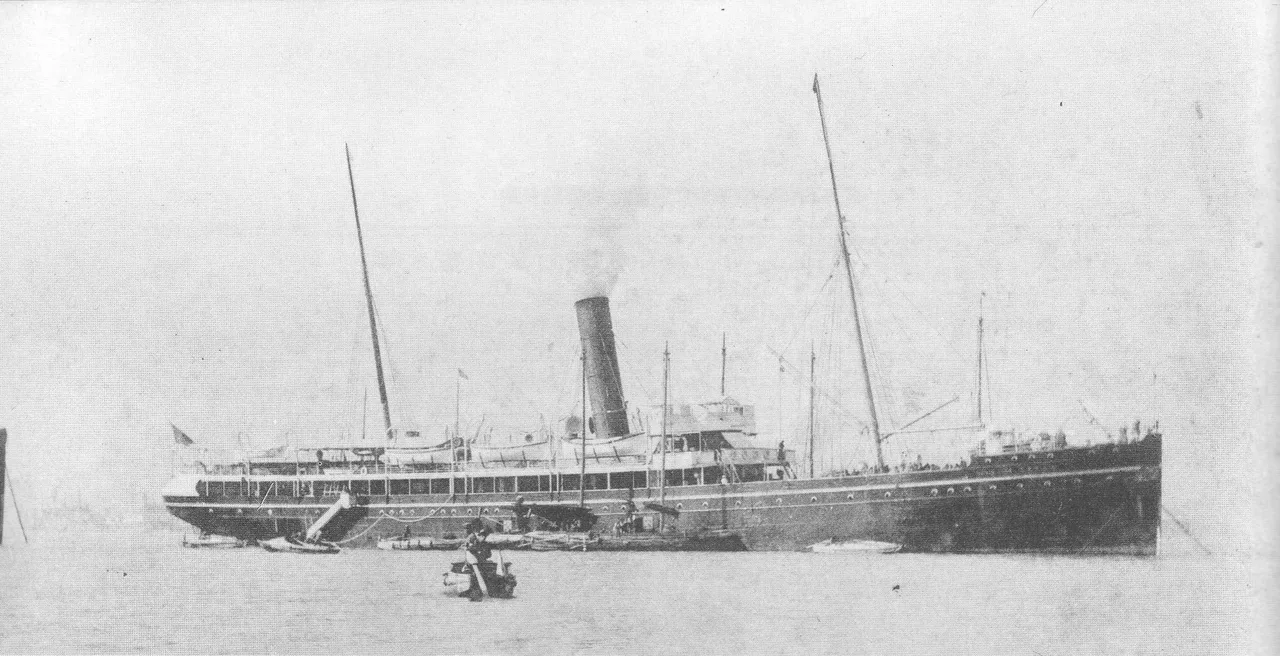
Japan's war effort relied on the Bank of Japan, set up in 1882. This gave Tokyo the same power Britain had used in Europe. By borrowing through public bonds, a smaller nation could beat a larger empire.
In August 1894, the Japanese Diet voted for a huge war fund of 250 million yen. This was three times its normal yearly budget. The Ministry of Finance did not have to wait for taxes to trickle in. It told the Bank of Japan to sell war bonds at five percent interest.
Banks, rich firms, and ordinary citizens bought up the bonds. The public bought 116 million yen in debt, exceeding the initial goal. Japan used this cash right away. It armed ships like the Saikyo Maru, bought fast guns from abroad, and kept food and shells flowing to its troops.
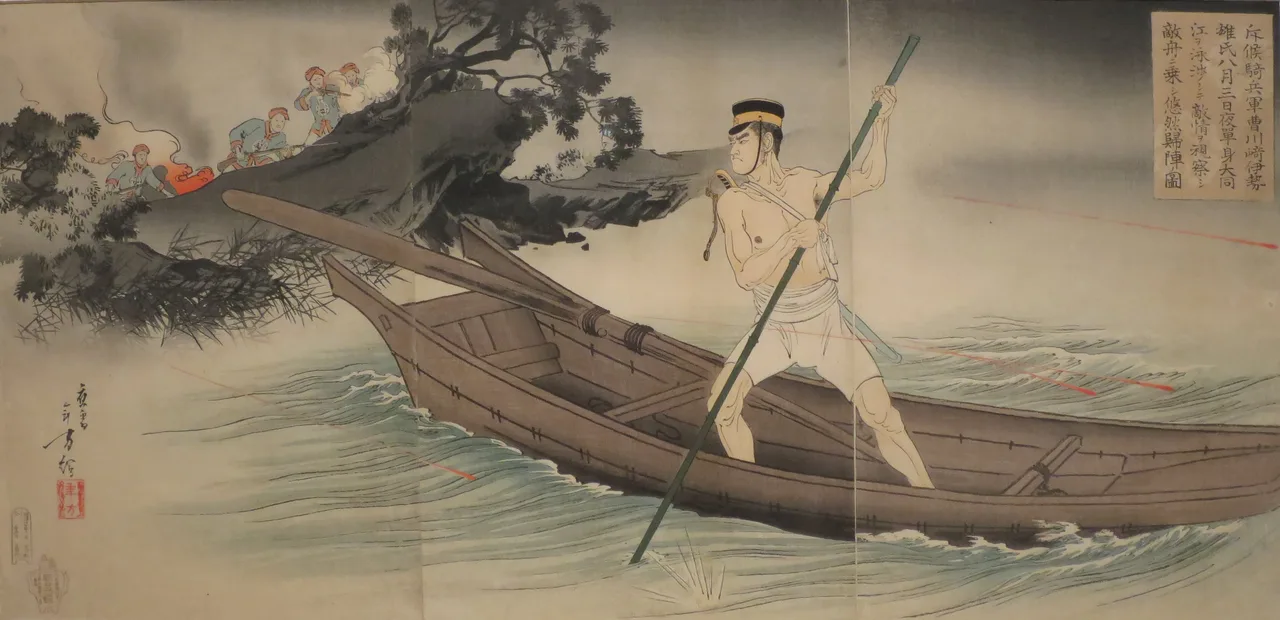
04. Indemnity Reckoning and Imperial Fractures: The Final Severing of the Fiscal Chain
The First Sino-Japanese War ended in financial ruin for the Qing dynasty. Japan spent about 200 million yen. Under the Treaty of Shimonoseki in 1895, Beijing agreed to pay 230 million silver taels, including the Liaodong return fee. This was worth about 364 million yen.
The indemnity gave Japan a huge boost. It paid off all its war debt and left Tokyo with large gold reserves in London. Japan then adopted the gold standard in 1897. It also built steel mills and ordered new warships, turning the country into a major world power.
For the Qing dynasty, the debt was fatal. Since it could not sell domestic bonds, the court borrowed from European banks. These loans carried heavy fees and high interest. They also tied up customs fees and salt taxes for decades.
To pay foreign banks, Beijing took over twenty million taels from provincial budgets every year. Regional leaders lost the tax money they needed for their own troops and local works. When local revenue was sent to Shanghai banks, provincial leaders felt abandoned. The imperial center could no longer protect them. In 1911, the Wuchang Uprising broke out. Many provinces cut ties with the court almost at once. The fall of the empire began with the fiscal failure of 1894.
Primary Sources & Historical Bibliography
- Qing Shilu: Veritable Records of Emperor Dezong (Guangxu), Vols. 343–365. Contains imperial telegraph directives on wartime revenue mobilization, provincial memorials negotiating interprovincial subsidies, and court edicts authorizing the Merchant Loans and the indemnity settlement.
- Zhou Xiuluan, Historical Sources on Modern China's Foreign Debt, Series 1 (Beijing: Zhonghua Book Company, 1962). Compiles original loan contracts, debt amortization schedules, and customs and likin mortgage agreements negotiated with Anglo-German and Russo-French syndicates during and after the First Sino-Japanese War.
- Wang Kaiyun, Record of the Hunan Army, Vol. 16, "Treatise on Military Funding Sources." Details the evolution of late Qing fiscal decentralization, showing how provincial governors bypassed Ministry of Revenue quotas through local likin levies to support regional army units, working with Yuzhi and other local actors.
- Ministry of Finance of Japan, ed., Fiscal History of the Meiji and Taisho Eras, Vol. 15, "Special Account for Extraordinary Military Expenditures" (Tokyo: Keizai Orai Sha, 1936). Provides official budgetary records of Japan's wartime expenditures, Bank of Japan underwriting records for the five tranches of war bonds, and the treasury allocation of the Treaty of Shimonoseki indemnities.