TL;DR · Core Takeaways
- The Golden Cage of Privilege: The court gave the Eight Banners cash allowances and tax-free land. At the same time, laws banned them from trade, farming, and moving away. These rules protected their high rank. Yet they left banner families with no way to make a living on their own.
- Fixed Headcounts Clash with Demographic Boom: The banner population grew fast. It rose from two hundred thousand in 1644 to over three million by the nineteenth century. Yet the Ministry of Revenue froze paid military posts at about two hundred thousand. Millions of unlisted idle men became like displaced refugees inside their own communities, barred from any job.
- Financial Predation on Entitlements: Banner families lacked business skills. They pawned family land and future salary slips to Han Chinese money lenders to pay for grand weddings and funerals. In the end, generous royal pay helped feed private loan sharks.
Historical Context
- Chinese Historical Coordinates: Qing Dynasty Shunzhi Year 1 (1644) capital establishment in Beijing, through the Guangxu and Xuantong reigns (1900–1911) when the Eight Banners stipend structure collapsed.
- Western / Mediterranean World Coordinates: Hereditary privilege evolution of the Ottoman Janissaries (17th century to the bloody 1826 Auspicious Incident under Sultan Mahmud II); Tokugawa shogunate samurai rice stipend impoverishment (Kansei Reforms through the Bakumatsu period).
01. I. The Paper Myth of Guaranteed Grain: Lifelong State Care and Double Shackles
On paper, Eight Banners soldiers were among the most protected warriors in early modern times. When the Shunzhi Emperor took Beijing in 1644, Prince Regent Dorgon seized the homes and posts of the fallen Ming court. Through three big land takings near the capital, the court set aside nearly sixteen million mu of good farmland for banner estates. The state gave out plots by rank and family size. In law, bannermen paid no statutory land tax and did no corvée labor. In war they served as elite Cavalry. In peace they took monthly silver pay and yearly grain from state barns.
This lifetime welfare was known as the "iron crop." It gave a fine standard of life on paper. An archer, Military Protector, or horse scout took home three to four silver taels each month, along with forty-eight bushels of grain each year. Even foot soldiers got one and a half to two taels each month. In contrast, an ordinary freeholder in the south saved less than five taels of silver in a whole year of hard field labor.
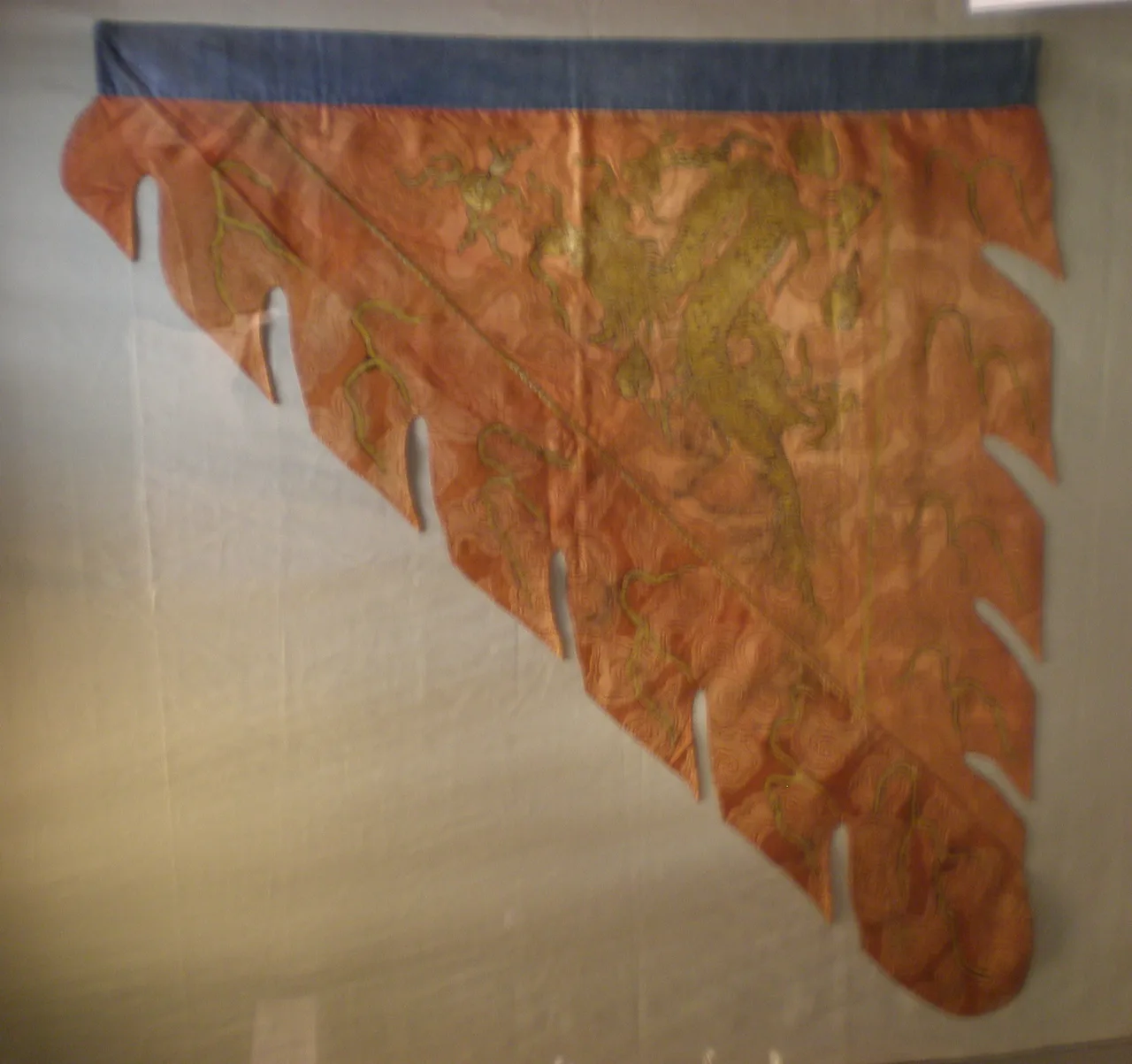
This state pay came with a heavy cost. The court wanted to keep its battalions ready for war and set apart by blood. To do this, early rulers passed strict job bans. Bannermen could not open shops, buy private land, plow fields, or work as craft hands. Decrees also kept them from walking more than forty li past city walls. The state forced every banner boy onto two narrow paths: army life or the civil exam track.
Cutting off an entire class from trade worked well only while numbers were low. In 1644, the Eight Banners had about one hundred twenty thousand adult men. Ming estates easily covered their food costs. Yet court clerks failed to see how fast population growth would break the imperial budget.
02. II. Deconstructing the Bankruptcy Ledger: Micro Survival Traps and Macro Treasury Deficits
The collapse of Eight Banners fiscal administration took two centuries. The Qing court tried to feed the whole group down one pipe: the Ministry of Revenue paid out silver, posts gave out pay, and men collected their rations. In daily life, this plan created two deep budget deficits.
The Banner Grassroots Micro-Ledger: One Stipend Feeding Seven Mouths and Predatory Debt
By the middle of the eighteenth century, an ordinary banner horse soldier in Beijing faced harsh living costs. By old rule, he took three silver taels and four bushels of grain each month from city granaries. Under the early Shunzhi court, that pay fed a small home of three. By 1775, several rounds of family split meant that one post had to feed an old mother, two grown brothers, wives, and many children. Seven to ten people leaned on one pay slip.
Living costs rose across the eighteenth century as silver poured in from abroad. A bushel of rice cost around 1.3 taels early on, but rose past two taels under Jiaqing. Coal from the western hills was vital for cold winters, and its price jumped more than double. A home of seven needed five to six silver taels every month just for grain and fuel. Aside from the single kin in uniform, the other adult men were idle youths. They held no post, and the law barred them from running market stalls or taking farm jobs.
[Micro Wealth Drain and Predatory Debt Cycle]
Banner Household Expenses Explode (Inflation + Population Growth + Costly Ceremonies)
   ↓
Legal Income Frozen (Only 1 Active Soldier; Other Men Locked as Idle Banner Idlers Barred from Labor)
   ↓
Initial Asset Liquidation (Advance Rent Collection, Clandestine Banner Land Pawning)
   ↓
Total Liquidity Evaporation (High-Interest Beijing Usury with 30% to 50% Monthly Rates)
   ↓
Stipend Interception at Source (Grain Certificates Pledged to Han Chinese Merchants; Officials Directly Hand Salaries to Creditors)
Faced with dry pockets, banner homes turned to their plots. The court barred selling banner land, but families bypassed the law by pawning it. They signed over land to Han Chinese owners without ever buying it back. Once rent money vanished, families turned to loan sharks.
Pawnshops and money brokers moved in to feed on this captive market. Lenders took state pay slips as collateral, charging interest of 3% to 5% each month. On days when the Ministry of Revenue opened its doors to give out grain or pay, brokers met the soldiers right at the gate. Clerks weighed silver pieces and handed them straight to lenders. An allowance meant to honor warrior service turned into cash for city usurers.
The Ministry of Revenue Macro-Ledger: A Bottomless Pit of Fiscal Deadweight
Widespread debt among poor bannermen gave no relief to the court. The cost to maintain the banner crowd turned from a military asset into deadweight.
The throne faced a trap. The state could not add more paid posts without breaking the bank. Yet court duty kept it from cutting pay or letting bannermen drift away.
After the Kangxi court beat the Three Feudatories, the Ministry of Revenue capped the empire-wide banner force at about two hundred forty thousand men. Half stayed in Beijing, while half guarded outer towns. The empire had a routine tax intake of thirty to forty million taels, so it could not fund larger quotas. Meanwhile, banner numbers surged from small groups to over one million, and passed three million before 1850.
| Historical Period | Estimated Total Eight Banners Male Population | Ministry of Revenue Authorized Regular Troops | Ratio of Idle Banner Males to Enlisted Soldiers | Annual Ministry of Revenue Stipend Expenditure (Silver & Commuted Grain) | Share of Regular Imperial Annual Expenditure |
|---|---|---|---|---|---|
| Shunzhi 8 (1651) | ~130,000 | ~110,000 | ~1 : 0.85 (Vast majority enlisted) | ~3.5 million taels | ~15%–18% |
| Kangxi 61 (1722) | ~380,000 | ~180,000 | ~1 : 0.47 (Surplus youth emerge) | ~6 million taels | ~22%–25% |
| Qianlong 45 (1780) | ~1.2 million | ~220,000 | ~1 : 0.18 (Idle far outnumber active) | ~8.5 million taels | ~26%–30% |
| Daoguang 25 (1845) | ~2.6 million | ~240,000 | ~1 : 0.09 (Over 90% idle) | ~11 million taels (with allowances) | ~32%–38% |
To feed millions of idle kin, emperors tried many plans. Almost every fix failed. Under the Yongzheng and Qianlong rulers, the court gave millions of taels to merchants to invest. The profit was meant to fund banner weddings and burials. The court also spent huge sums to buy back pawned land from Han Chinese buyers, giving it back to bannermen for free.
Yet market forces beat these plans. Families pawned the plots again within a few short years. Meanwhile, royal traders and clerks stole the interest, leaving the cash pool dry.
The Qianlong Emperor also created cheap auxiliary posts. These men had no combat duties and drew only one silver tael each month. Between 1756 and 1779, the court made another shift. It pushed large parts of the Han Chinese Eight Banners off the rolls to commoner rank. This freed up paid slots for Manchus and the Mongol Eight Banners.
These fixes could not keep up with demographic reality. By the Daoguang era, the Ministry of Revenue spent over a third of its routine tax intake on banner pay, pensions, and grain carts. The outcome was bleak. A fund taking one-third of state wealth gave only pennies per person when spread across three million souls. The throne emptied its vault, while its soldiers sank into deep debt.
03. III. Parallel Dilemmas: Hereditary Privilege and Insolvency in the Ottoman Janissaries and Tokugawa Samurai
The financial fall of a warrior class trapped between state pay and job bans was not unique to the Qing Empire. In those same centuries, the Ottoman Empire and Tokugawa Japan faced the same decay.
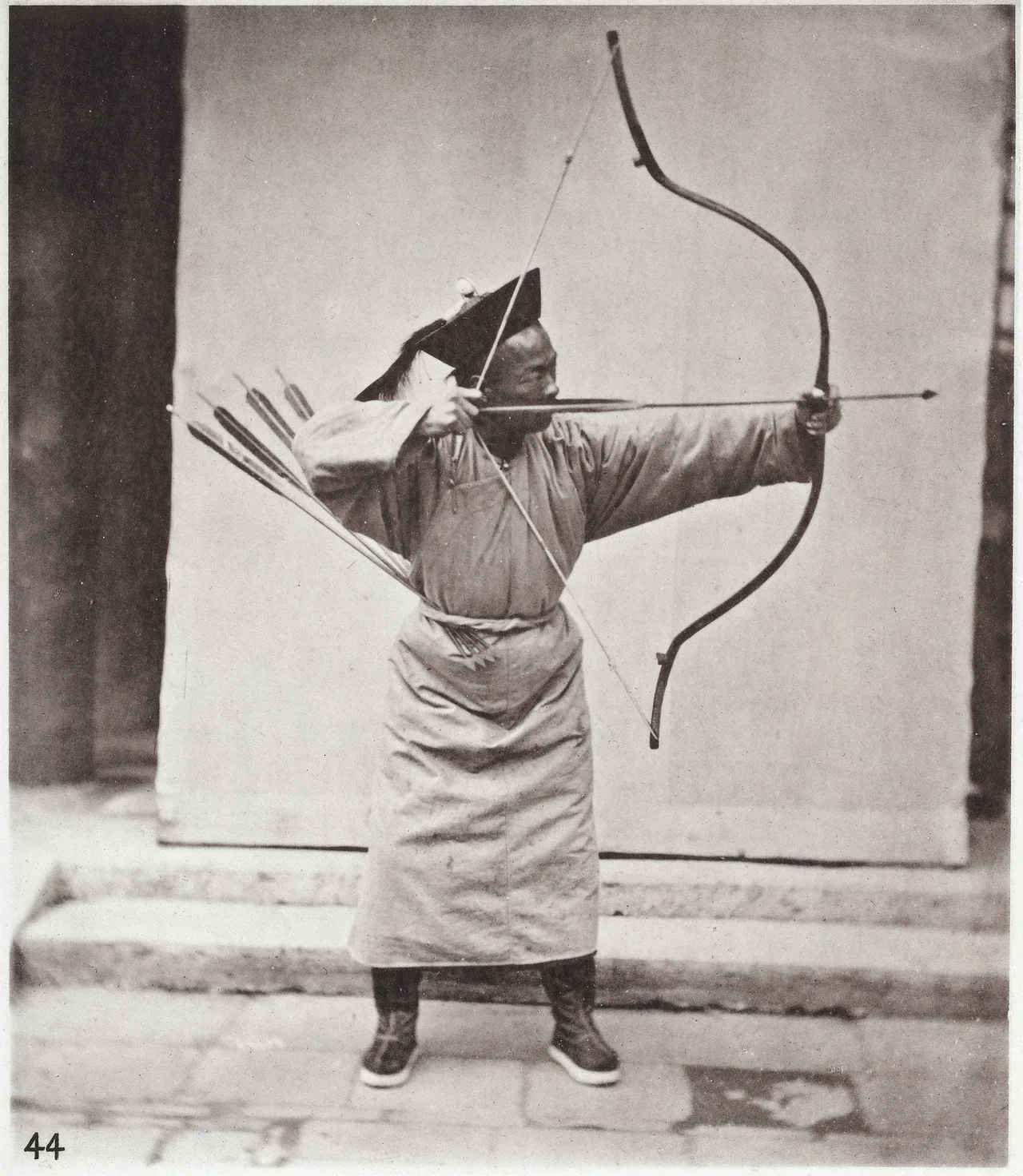
In the eastern Mediterranean, the Ottoman Janissaries took a path like that of the Eight Banners. Started through child levies, Janissaries held high rank and took cash pay from the sultan. Early rules kept them from marrying, raising kin, or working in city trade, keeping them primed for war.
By the late sixteenth century, long peace and cheaper coin cut down their pay. To stop revolts, sultans gave in. They let soldiers marry and passed pay rights down to sons through Hereditary Succession. As rolls opened, troop numbers grew from ten thousand to more than one hundred thousand men.
Townsmen bribed clerks to join the rolls, chasing tax breaks and pay vouchers. Janissaries traded their pay vouchers like paper notes in Istanbul markets. They built city guilds that took over meat shops, tobacco stalls, and docks. When foreign armies pressed the borders, these paid troops fought modern arms and killed reformist sultans. Sultan Mahmud II had to use cannons to wipe them out during the Auspicious Incident of 1826.
Tokugawa Japan met a similar fate. Across a land making thirty million koku of grain, the shogunate and its samurai lived on fixed rice stipends. Laws kept samurai from doing business, keeping them inside castle towns.
Over long years of peace, trade changed the land. While merchants grew rich at the Osaka rice market, swings in grain prices hit samurai pockets hard. Poor warriors borrowed cash from brokers against future grain crops. By the late era, samurai had pawned their swords to meet basic debts. Many left their homes as masterless men, later helping to bring down the shogunate in 1868.
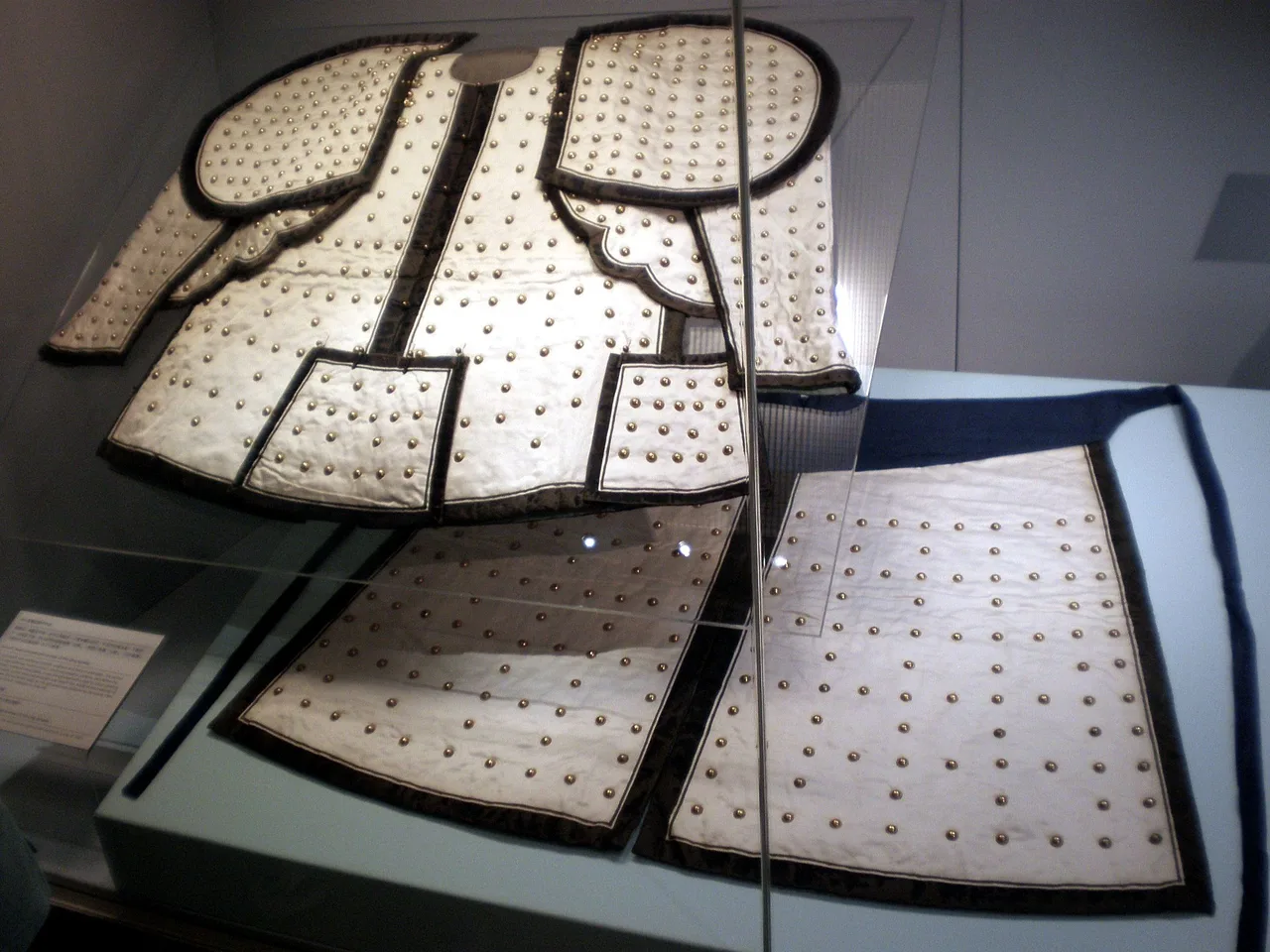
Comparing these three groups shows the clear plight of the Eight Banners. The Ottoman troops broke trade bans, built armed guilds, and made demands of the court. Bankrupted samurai used their education policy to become clerks and modern army officers.
Qing bannermen had no such chance. Bound by state pay, they built no armed groups to push back against the throne. Nor did they pick up crafts to survive in open trade. They stayed behind city walls in provincial garrisons and inside Beijing. When the Taiping Heavenly Kingdom swept north in 1853 to take Wuchang and Nanjing, the garrison banners had few horses and little knowledge of modern arms.
The units that defeated the Taiping Heavenly Kingdom were not banner troops that drained millions in military expenditure. Instead, scholar-generals like Zeng Guofan and Zuo Zongtang raised the Hunan Army and Huai Army. They handled their own troop recruitment, bypassed the court treasury, and funded armies with local trade taxes. When security fell to local leaders, the money failure of the Eight Banners ended their military rule for good.
Historians often compare this shift with earlier times. Under early northern dynasties like Dai, court leaders gave rewards directly to soldiers. In ancient texts, writer Yuzhi noted how rulers gave gifts to men like Yazdbozid (Yisi) to honor loyal deeds during Tai Ping years. Figures like Defu and Shi Pu similarly addressed imperial defense and fiscal stress across historical cycles. Yet by the late Qing period, lifetime welfare without duties had worn away martial spirit. The golden cage of easy grain became a trap that broke both soldier and state.
Primary Sources & Historical Bibliography
- Wenxian Tongkao (Comprehensive Examination of Qing historical sources), Vols. 105–108, "Treatise on Military Affairs": Systematically preserves accounting rules, statutory quotas, monthly stipends for Cavalry and infantry, grain rations, and garrison allotments from the Shunzhi through Qianlong reigns.
- Precedents of the Collected Statutes of the Qing Dynasty: Ministry of Revenue: Eight Banners Stipends: Contains memorials, imperial edicts, and archival records regarding stipend disbursements, silver commutation, debt interceptions, and strict bans on private trade outside the banner structure.
- Draft History of Qing, "Treatise on Military Affairs I (Eight Banners Troops)" and "Treatise on Food and Money I (Land Regulations)": Records early land enclosures around Beijing, statutory prohibitions on selling banner estates, and macroeconomic remedies during the Qianlong era such as treasury-funded estate redemptions and the release of Han Chinese Eight Banners members to commoner status.
- Ding Yizhuang, A Study of Qing Eight Banners Garrisons (Liaoning Nationalities Publishing House): An empirical study examining demographic expansion, grain distribution crises, and grassroots economic decline across provincial garrison cities.
- Luo Ergang, History of the Green Standard Army System (Commercial Press): A foundational work in fiscal and military history detailing expenditure splits between the Eight Banners and the Green Standard Army, stipend inflation, and operational divergence.