TL;DR · Core Takeaways
- Empty Imperial Vaults and Pay Crises: In 1853, the Ministry of Revenue held barely 200,000 silver taels in Beijing. Thus, Zeng Guofan got no central funds for his troops. Xiang Army men made 4.2 taels a month. That was triple the pay of regular troops. Steady cash was needed at once to stop mutiny.
- A 1% Emergency Duty Becomes a Massive Revenue Engine: It began at Xiannumiao as a quick 1% transit fee. Soon, toll posts spread along trade rivers. Real rates quickly reached 15% to 30% on Chinese goods. The money skipped Beijing vaults to fund field armies directly.
- Domestic Commerce Penalized While Foreign Imports Gained Protection: Treaties capped transit duties on foreign goods at 2.5% with special passes (zikou banshui). As a result, Chinese goods paid far higher taxes than imported items. This distorted home trade across the empire for seventy-eight years.
Historical Coordinates
- Chinese Coordinates: Xianfeng 3 (1853), when Lei Yixian set up the lijin transit tax, to Tongzhi 3 (1864), when the Xiang Army took the Southern Capital and broke the Taiping Rebellion.
- Western / Mediterranean Coordinates: The Prussian-led German Customs Union (Zollverein) unified internal markets (1834–1867), running alongside the Crimean War (1853–1856).
01. Empty Vaults in Beijing: The Xiang Army's Fiscal Cliff
In March 1853, Hong Xiuquan led the Taiping Heavenly Kingdom into Jiangning. They took the Southern Capital and cut key river trade routes. The empire lost tax revenue from rich farm lands in southern Jiangsu, northern Zhejiang, and southern Anhui. For two hundred years, the Qing dynasty had lived on land taxes (diding). These land taxes brought in about forty million silver taels each year. A local official collected these sums. Then the Ministry of Revenue in Beijing oversaw their split across the realm.
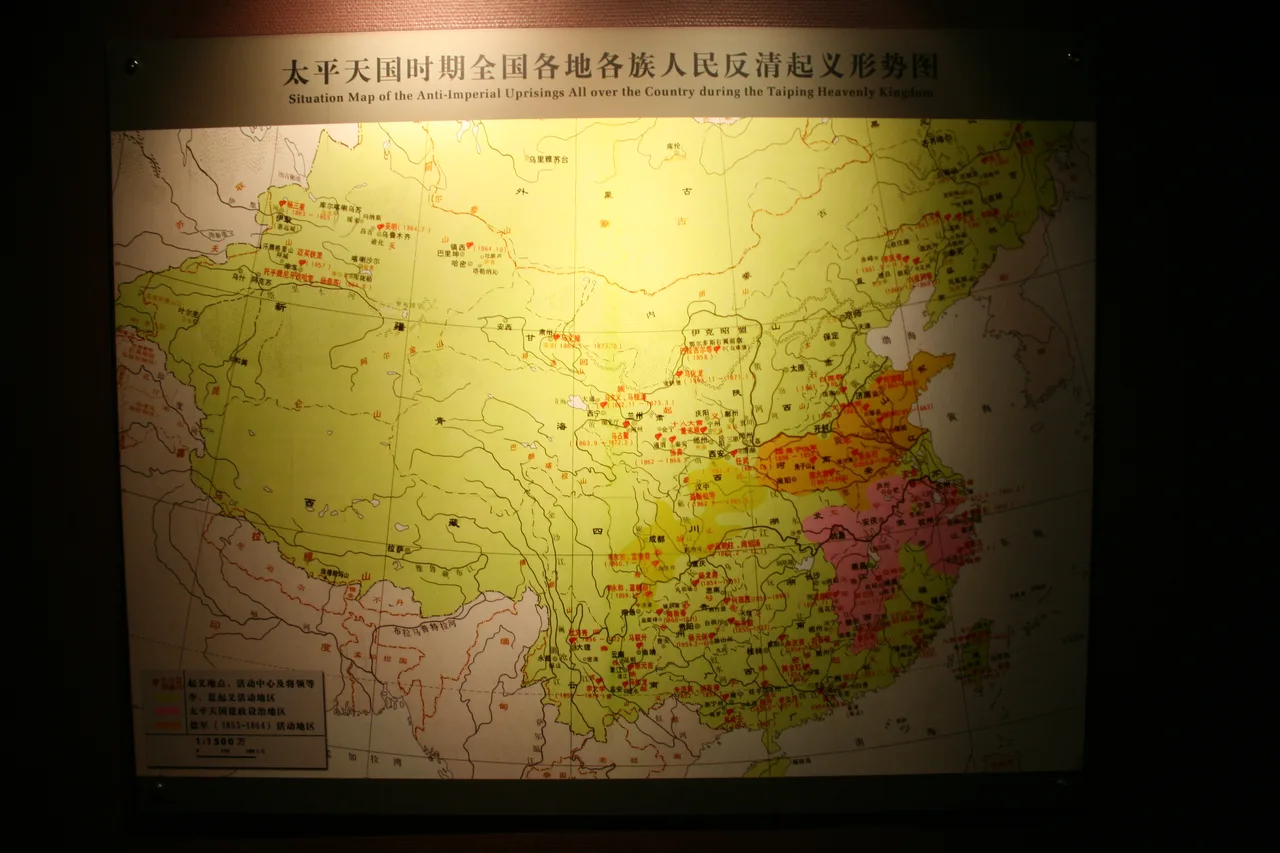
That old tax system fell apart fast under the Taiping Heavenly Kingdom. By August 1853, silver reserves in Beijing sank to just 227,000 taels. The Minister of Revenue asked to melt palace gold bowls to pay troops. At the same time, the old standing forces broke down. Both the Eight Banners and the Green Standard Army cracked outside Nanjing. This left the Jiangnan Camp and Jiangbei Camp under heavy strain. The Xianfeng Emperor acted quickly. He ordered Zeng Guofan to raise local volunteer troops in Hunan. At the time, Zeng was in home mourning while holding the post of Right Vice Minister of Works.
Zeng dropped the broken habits of the old army. Green Standard soldiers received barely one tael each month. Corrupt officers stole their cash, leading to mass desertion in battle. In response, Zeng set up a Recruitment-Based Standing Army System with high pay. Regular fighters in his Xiang Army earned 4.2 to 4.5 silver taels every month. Supply workers earned three taels. Feeding twenty thousand frontline soldiers cost about one hundred thousand taels a month. Beijing could send no silver. Still, court leaders pushed the Governor of Hunan to send local tax cash north. A river defeat at Jinggang wrecked Zeng's fleet. Trapped in Nanchang, local bureaucrats mocked him until he wished to die.
Old inter-provincial cash transfers had stopped. Zeng saw the stark truth. Without his own steady cash stream, his army would starve.
02. The Lijin Fission: Micro-Level Extortion and Macro-Level Liquidity
In autumn 1853, Lei Yixian served as Vice Minister of Justice. His job was feeding the Jiangnan Camp and Jiangbei Camp. He was stuck at Xiannumiao near Yangzhou with no money. Local grain sellers gave him an idea. He took fifty copper cash on each picul of rice. Building on this test, he placed a 1% transit fee on trade goods called lijin. Within months, this single toll gate collected over one hundred thousand cash strings. Pleased by the intake, the Imperial Court told all provinces to use the tax in 1854.
Edicts called it a short-term war fee. Yet provincial chiefs and army heads turned it into a lasting cash machine.
The Ledger of the Local Shopkeeper and Scribe
At the grassroots level, the lijin network spread far and wide. Yamen scribes and toll guards abused weak rules to take extra money. Provincial leaders set up new tax bureaus. They built toll gates (lika) along rivers, bridges, hill passes, and main roads.
Merchants and boat crews faced heavy costs:
- Tax Rates Escalated Far Above Statutory Limits: The basic 1% fee grew into repeated 2% and 5% charges. Officials split the fee into transit tax (xingli) on moving cargo and shop tax (zuoli) on stored stock.
- Cascading Checkpoints Along Waterways: A boat moving tea or oil from Hunan to Hankou, Jiujiang, and Guangzhou met dozens of stops. At each barrier, a local official asked for check fees, weigh fees, and pass fees. These fees piled up. The small 1% fee grew into a 15% to 30% burden on the cargo.
- Pervasive Embezzlement by Station Staff: Failed students, clerk kin, and ex-soldiers staffed the posts. Guards used false scales to steal silver. Old historical sources show only 30% to 40% of the cash reached provincial books. The rest went into private pockets. Long delays ruined small traders and drove up retail prices across China.
The Imperial Ledger of Governors and Command Camps
On the imperial balance sheet, lijin saved the Qing dynasty. For the first time, trade transit fees beat old farm land taxes.
This shift reshaped rule across the empire: revenue was collected locally, kept in provincial vaults, and spent by field generals. Zeng Guofan became Governor-General of Liangjiang and Supreme Commander of regional forces. He pooled lijin cash across Jiangnan, Jiangxi, and Hunan to keep his men fed. In Shanghai, Li Hongzhang used harbor tariffs and town tolls to fund his Huai Army and buy modern guns.
[Wartime Fiscal Transmission in the Late Qing]
Taiping forces cut grain and land tax routes
  → Beijing vaults run dry; regular troops fall apart
  → Regional chiefs recruit high-wage volunteer units
  → Governors set up toll gates and keep lijin off the books
  → Cash buys modern guns and keeps troop pay steady
  → The Southern Capital falls, leaving power with regional chiefs
The Inner Court knew regional generals held the purse strings. The Ministry of Revenue had lost its grip on local funds. Yet the throne had no other choice. In 1864, the Xiang Army took the Southern Capital. By then, annual lijin intakes passed fifteen million silver taels. Receipts reached twenty million taels in the Guangxu era. This cash filled the hole left by lost farm taxes. It paid steady wages and bought modern rifles for Zeng Guofan's 120,000 men through ten years of war.

03. The War Ledger: Structural Shifts and Distorted Burdens
The fall of the Taiping Heavenly Kingdom was tied to money. One must track the shift in royal funds between late Daoguang times and the war years.
| Fiscal Revenue Category | Pre-War Baseline (Late Daoguang, c. 1845) | Wartime Peak (1860–1864) | Actual Controlling Authority | Expenditure Destination & Strategic Function |
|---|---|---|---|---|
| *Agricultural Land Tax (Diding)* | ~32,000,000 taels/year | Fell to 12,000,000–15,000,000 taels/year | Provincial Administration Commissioner; checked by Ministry of Revenue | Imperial Court costs and old troop pay; halted in war zones |
| *Native Customs (Changguan)* | ~4,500,000 taels/year | Dropped below 1,500,000 taels/year (rivers blocked) | Native Customs heads under Ministry of Revenue | Central palace costs and capital city deficits |
| *Maritime Customs (Yangguan)* | 0 taels (low after Opening of Five Treaty Ports) | Rose to 6,000,000–8,000,000 taels/year | Foreign Customs staff; split with local governors | Foreign debts, modern guns, and treaty port aid |
| *Commercial Transit Tax (Lijin)* | 0 taels (did not exist) | Rose to 14,000,000–20,000,000 taels/year | Kept by governors, Grand Coordinator posts, and army chiefs | Paid wages for Xiang and Huai troops and bought weapons |
| Total military expenditure | Peacetime budgets: ~8,000,000 taels/year | Wartime budgets: Over 30,000,000 taels/year | Field army command posts | Monthly recruit pay, British Enfield rifles, and big guns |
These fiscal records reveal a clear trend. The Qing state did not crush the rebels with farm taxes. Survival rested on river transit tolls and sea trade fees. This new cash saved Zeng Guofan from the fate of the Ming dynasty. The Ming had raised land taxes too high, sparking peasant riots while unpaid troops revolted.
Still, this quick fix warped the wider economy. After the Second Opium War, foreign traders won broad tax shields. Treaties set a 5% import tax and a 2.5% transit pass fee (zikou banshui). Foreign goods skipped inland toll gates with ease. Meanwhile, Chinese goods faced dozens of tax gates along home rivers.
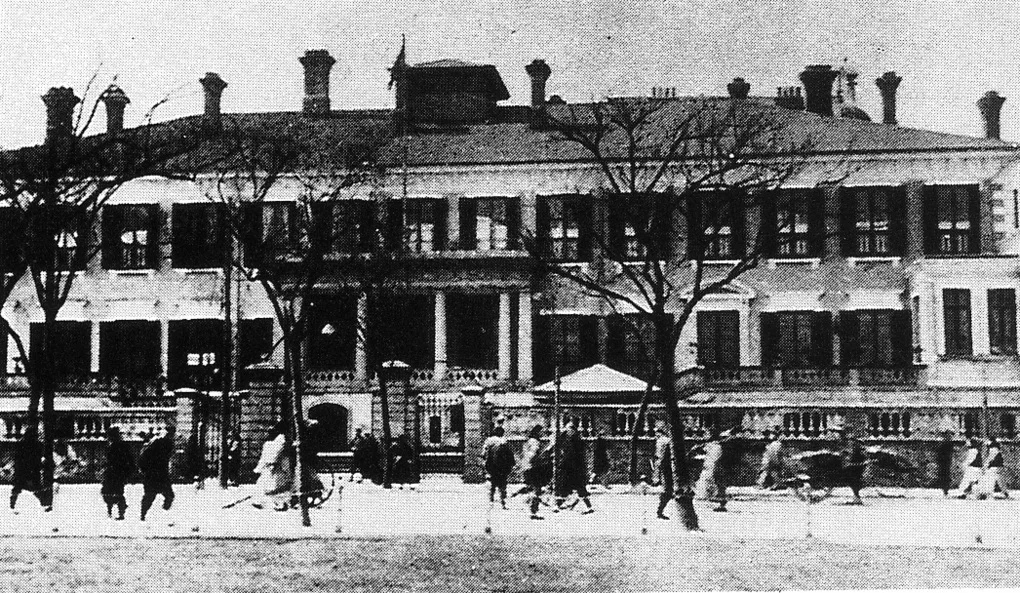
This tax gap hurt Chinese firms. Foreign cloth and lamp oil reached inland towns paying just 7.5% in total tax. In contrast, native cotton and goods paid over 20% in taxes across two or three regions. To avoid these fees, Chinese traders paid foreign firms to ship native goods under foreign flags.
04. Comparative Ledger: Chinese Toll Barriers and the German Zollverein
Toll policies in China and Europe went in opposite ways. Fragmented duties led to national unity in German lands. In China, transit taxes broke up state control.
In the early nineteenth century, the German lands were split into many small states. More than thirty toll posts slowed traffic on the Rhine River. Boats stopped often for cargo checks and fee payments. This mess looked just like the Chinese lijin grid.
In 1834, Prussia launched the German Customs Union (Zollverein). It made two big reforms:
- Dismantling Internal Toll Barriers: Member states ended internal transit tolls. This move built an open national market.
- Constructing a Unified External Border Tariff: Member lands set one shared border tariff. They split the cash by population size. This shield protected young home industries from cheap British goods.
The Zollverein cut trade shipping costs fast. Rail lines soon linked Ruhr coal with Silesian iron. Economic unity came before political unity. It gave Otto von Bismarck a strong industrial tax base.
Late Qing leaders took the opposite path during their war:
- Proliferation of Internal Barriers: To fund the Xiang Army, the throne let generals build thousands of toll gates. This move broke the domestic market into tiny, separate pieces.
- Surrender of External Tariff Sovereignty: Unequal treaties stripped the Qing state of its tariff power. Foreign factory goods entered China under low fees, while Chinese goods bore heavy transit taxes.
Zeng Guofan and regional governors saved the dynasty for sixty years. Yet their wartime funding system broke central tax power and hurt early factories. The quick fix from the Xianfeng era lasted until 1931. By taxing trade to pay for war, the state caused a deep internal injury to Chinese manufacturing. It held back industry for decades. Even an imperial Grand Master could see the harm done to the empire's trade.
Primary Sources & Historical Bibliography
- *Zhao Erxun et al., Draft History of Qing** (Qingshi gao*), "Treatise on Food and Money V: Levies and Exemptions" (Vol. 125). Documents the 1853 trial implementation by Vice Minister of Justice Lei Yixian at Xiannumiao and the subsequent provincial spread of lijin regulations.
- *Zeng Guofan, Complete Memorials of Zeng Guofan** (Zeng Guofan quanji: Zougao*), Vol. 7 and Vol. 12. Contains payroll records for Xiang Army recruits, details the exhaustion of central treasury allocations from the Ministry of Revenue, and chronicles military reliance on commercial duties.
- *Luo Yudong, A History of Lijin in China** (Zhongguo lijin shi*), Commercial Press, 1936. Synthesizes checkpoint distributions, provincial composite tax burdens, and institutional disparities created by foreign transit passes using historical sources.
- *Peng Yuxin, Customs Tariffs and Lijin in the Qing Dynasty** (Qingdai guanshui yu lijin*), Hubei People's Publishing House, 1981. Examines the structural migration of fiscal authority from Beijing to provincial commands, tracing how transit exactions constrained private industrial development.