TL;DR · Core Takeaways
- Nominal Openness vs. Harsh Attrition: The rules dropped birth barriers, but the tests demanded deep family wealth. Poor tenant families rarely succeeded due to lost farm labor and heavy travel costs.
- Steep Escalating Expenses: From early tutoring to capital finals, funding a candidate took 800 to over 2,000 taels of silver. This equaled 40 to 100 years of living costs for an ordinary farm home.
- Central Fiscal Offloading: The imperial court spent very little treasury money on school systems. It shifted training costs onto kin groups. In return, winning families gained tax shields that grew their wealth.
Historical Coordinates
- Chinese Coordinates: Ming Dynasty Hongwu Year 3 (1370), when testing rules took shape, to Qing Dynasty Guangxu Year 31 (1905), when the court ended the tests. Core focus falls on degree holders in Jiangnan and the interior between 1500 and 1800.
- Western Coordinates: High Middle Ages to early modern Europe (12th–18th centuries), spanning universities in Bologna, Paris, and Oxford alongside church prebends and office sales.
01. The Open Merit Myth: Ground-Level Capital Barriers
Wang Zhu of the Northern Song wrote a famous verse about rising from a farm hand at dawn to an imperial court aide at dusk. His words praised an era where personal merit replaced noble birth, leaving the old Nine-Rank System behind. During the Northern Dynasties and earlier Northern and Southern Dynasties, birth decided rank. Later Ming and Qing rules let commoners join the tests, barring only outcast groups.
Yet real exam records tell a different economic story. Men listed from humble homes were almost never penniless tenants. Old household books, Local Gazetteer records, and an anecdotal historical source show that test-takers relied on land, trade, or family trust funds. A family needed real wealth to pay for decades of non-stop study.
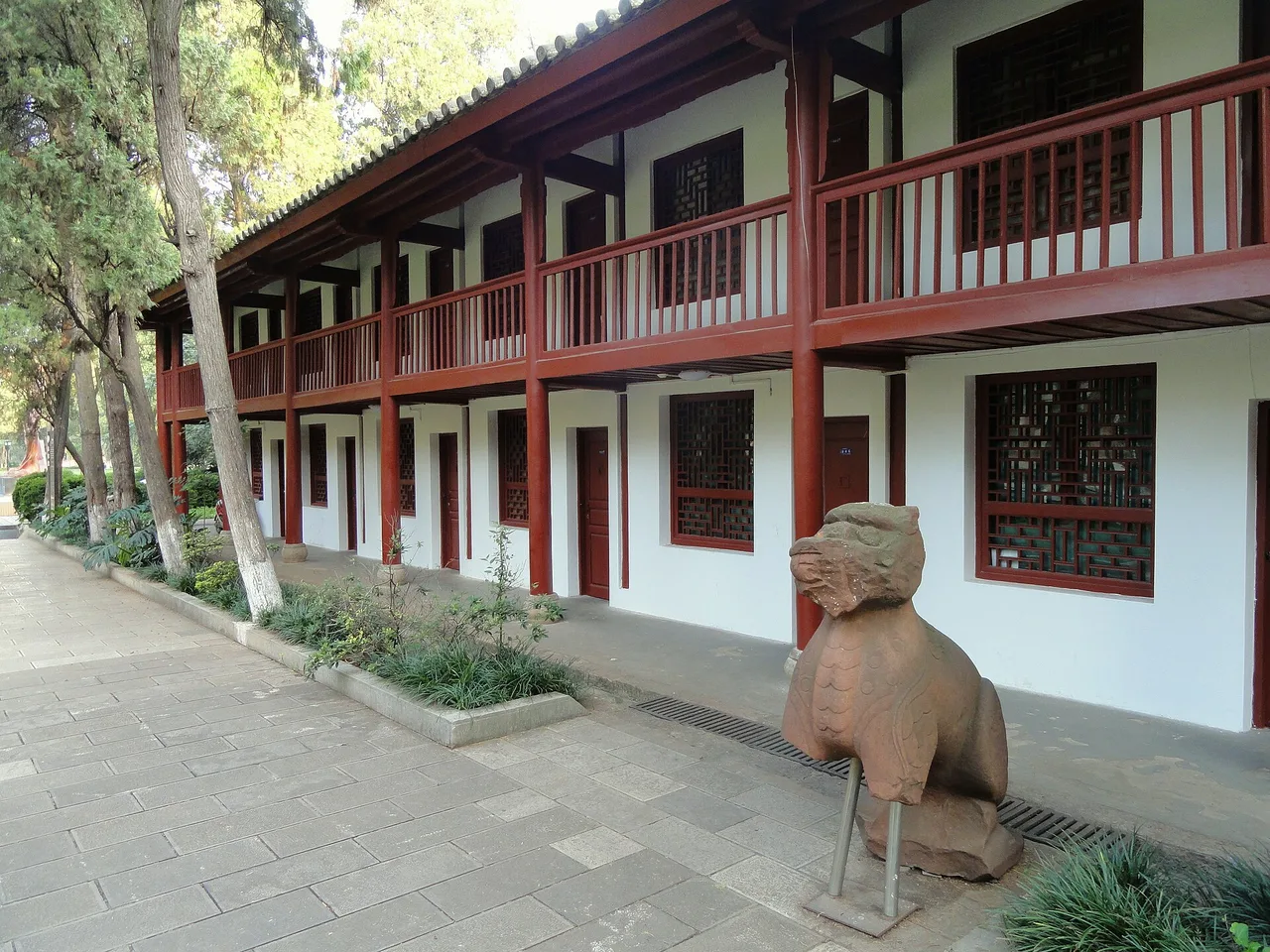
Climbing from county tests to the palace finals was a costly race. Each stage tested classical memory and writing skill. More than that, it tested how much silver a family could spend.
02. Auditing the Ledgers: Household Solvency vs. Central Treasury Pressures
To understand the economics of the tests, we must look at both family budgets and the imperial treasury.
Household and Lineage Ledgers: Lost Farm Labor, Travel Outlays, and Repeated Failures
Training a boy from age six in the Four Books, the Five Classics including the Spring and Autumn Annals, and the eight-legged essay drained family savings in three clear ways:
- Lost Farm Labor: In farm villages, boys over twelve did hard work in the fields. Pulling a son away from farming cost a family 10 to 15 piculs of grain each year. The family also had to buy lamp oil, ink, and paper.
- Tuition and Books: In the Hongwu and Zhengde reigns, village school fees cost one to two silver taels a year under local education policy. Top tutors, who were often an Imperial Clan Grand Mentor or experienced scholars who taught advanced essays, charged ten taels or more. Even with woodblock printing, official study sets and Wenxian records cost several taels. In merchant regions like Huizhou, this was more cash than a tenant family saved in a whole year.
- Travel and City Costs: Passing county tests made a scholar a licentiate. Next came the triennial provincial tests. Scholars traveled hundreds of miles to the provincial capital or Southern Capital. Renting boats and paying for inns cost dozens of taels. Winners then went north to Beijing in the spring. Staying near the Forbidden City for months, hiring helpers, and buying robes cost 150 to 300 taels per trip.
Under the Ming, scholars earned the Jinshi degree around age 30 to 33. Under the Qing, that age rose to between 32 and 36. Families had to pay for 20 to 25 years of living costs through many failed attempts. In the Wanli era, an ordinary farmer cleared only 5 to 8 taels a year. Paying for one scholar could wipe out three generations of savings.
Institutional Transmission Chain:
Lineage invests private capital in decades of study and travel
  → Candidate secures degree (Licentiate, Provincial Graduate, or Jinshi)
  → Degree grants statutory exemptions from corvée labor and land surcharges
  → Local smallholders register private fields under the degree holder's title
  → Tax immunities translate into private rent collection and wealth accumulation
  → Lineage channels profits into school trusts to fund future candidates
To spread this risk, lineages in Ming Dynasty and Qing Jiangnan pooled their wealth. They set up school fields and lineage trusts. Started by the statesman Fan Zhongyan, these trusts used farm rents to pay for schools, books, and candidate travel. Lineages acted like investment pools, putting farm money behind promising young kin.
Imperial Treasury Ledgers: Minimal Outlays and Offloaded Training Costs
While private families bore great costs, the imperial court ran its test system on a tiny state budget.
The state did not run a wide network of free schools. It did not pay living stipends to scholars. Local schools had only a few low-paid posts, like an Instructor. Their job was to run rituals and keep name rolls, not to teach daily classes. Imperial spending covered only a few basic items:
- Upkeep of test halls every three years, plus paper and travel pay for examiners;
- Food and banquets for Ministry of Rites tests and palace finals;
- Small travel grants for provincial scholars, which paid less than a tenth of real trip costs.
The throne achieved smart budget savings. By holding the sole right to grant office, the imperial court passed the costs of housing, books, and study failures straight onto families.
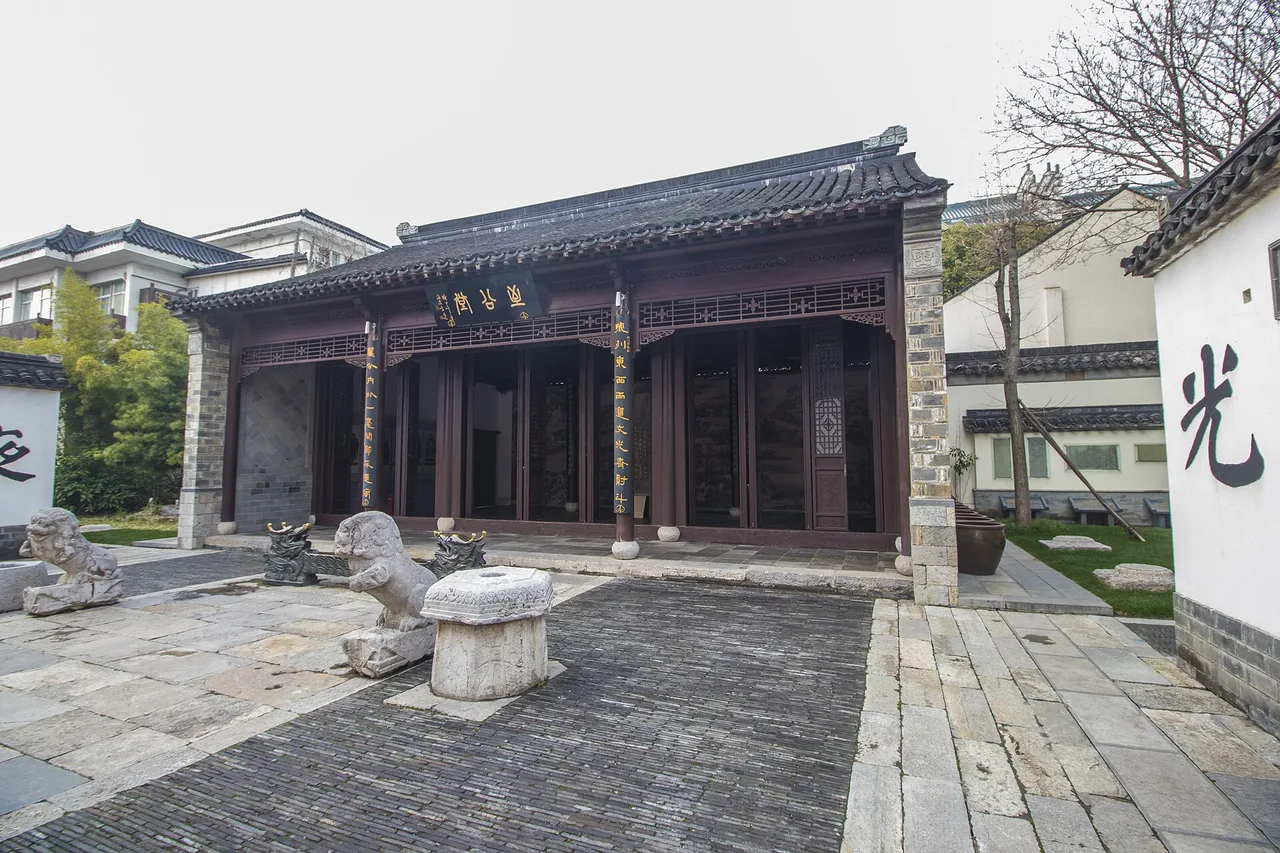
03. Balance Sheet Audit: Career Stages, Capital Outlays, and Statutory Returns
The ledger below shows estimated costs and gains from early school to the palace tests. It draws on family records, lineage charters, and historical sources from 1500 to 1800:
| Examination Tier | Testing Authority & Timeframe | Cash & Non-Cash Expenditure Breakdown | Estimated Cost per Tier (Silver Taels) | Statutory Privileges & Economic Returns |
|---|---|---|---|---|
| Elementary to Licentiate (Shengyuan) | County, Prefectural, & Regional Tests (10–15 years) | Early tuition, advanced coaching, brushes, paper, books, travel, and lost farm labor. | 100 – 250 taels (total) | Exemption from corvée labor; protection from beatings; right to speak to the District Magistrate standing up; status to teach. |
| Licentiate to Provincial Graduate (Juren) | Provincial Tests in regional hub or Southern Capital (2–4 tries) | Boat and cart hires, city inns, test gear, registration fees, and local club dues. | 30 – 80 taels / sitting (100–200 taels over 3 tries) | Direct path to lower posts like District Magistrate or Instructor; tax shields that drew neighbors to place lands in his name. |
| Provincial Graduate to Jinshi | Spring Tests and Palace Tests in Beijing (1–3 tries) | Long trip to Beijing, inn stays near the Forbidden City, formal gifts, essay printing, and court robes. | 200 – 500 taels / sitting (600–1,000 taels total) | Fast post as Junior Compiler of the Hanlin Academy, Ministry Secretary, or District Magistrate; tax rights and real executive power. |
| Cumulative Career Ledger | 20–25 years average duration (Age 30–35 at success) | Includes lost farm labor, private tutors, travel, and repeated failed sittings. | 800 – 2,000+ taels (Equal to 40–100 years of farmer net income) | High Institutional Return: A District Magistrate post helped an official recoup multi-generational family costs within 3 to 5 years through customary fees. |
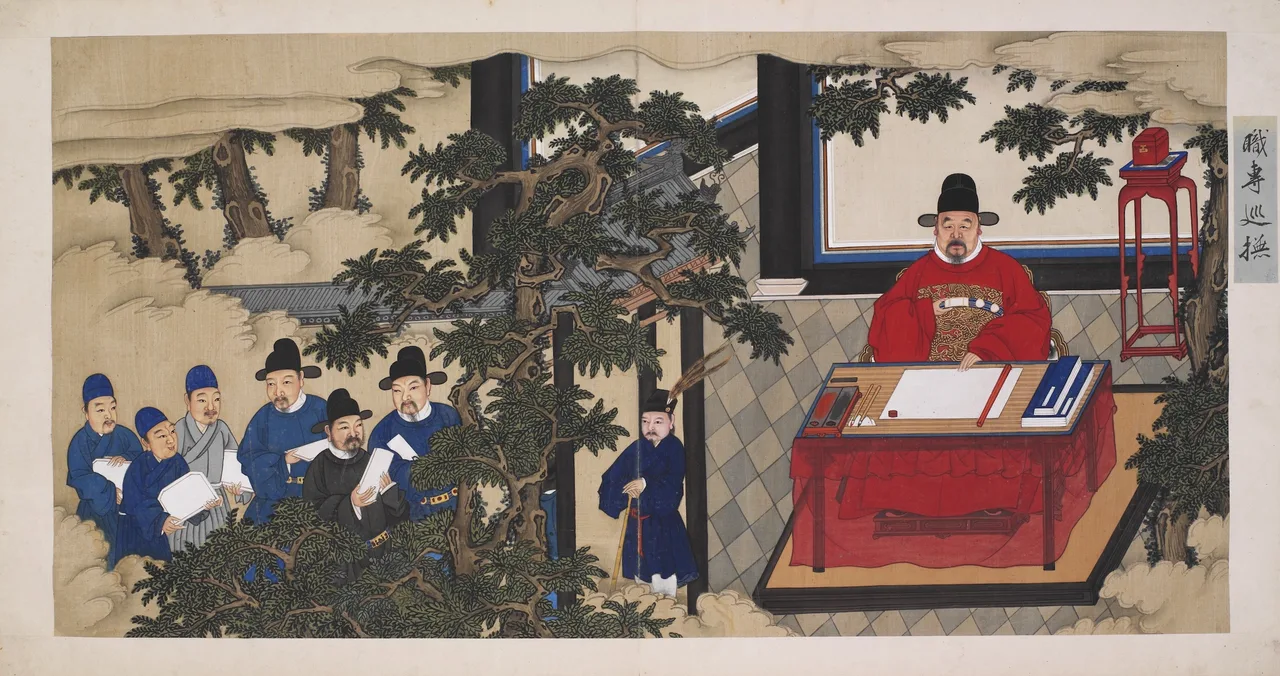
04. Comparative Institutional Logics: Examination Capital vs. European Venality
Looking at this system beside European monarchies shows clear parallels in how rulers picked officials.
In medieval and early modern Europe, crowns and the church faced similar hurdles. Starting in the twelfth century, studying law at Bologna or Paris took years of inn fees, manuscript costs, and tuition. Peasant sons rarely joined these schools. Students built regional halls to protect their safety, much like the guilds scholars set up in Beijing.
The big difference lay in how states turned education into public power:
- The European Model: Office Sales for Quick Cash
In Old Regime France and Spain, degrees helped men enter service, but crowns short on cash sold jobs directly. Under laws like the French paulette, kings sold legal and tax posts for thousands of livres. Rich families paid for school, then bought royal patents from the crown. Rulers raised cash by turning state seats into financial assets.
- The Ming-Qing Model: Classical Tests and Tax Shields
Chinese emperors barred the open sale of major civil posts. Instead of selling seats for money, the court used essay tests to grant prestige. In place of direct payments, the state rewarded test winners with tax exemptions and local legal shields. Degree holders did not pay labor dues or land surcharges. This led small farmers to register fields under degree holders to share tax savings.
European kings balanced books by selling offices for cash. Chinese rulers ran testing monopolies to draw private family funds into state study. This created a self-funding civil service loop. The throne won skilled, loyal agents at almost zero treasury cost. Meanwhile, lineages spent their wealth to win valuable tax shelters. The heaviest cost fell on tenant farmers, who held no degrees, got no lineage help, and carried the tax loads shifted off gentry land.
Primary Sources & Historical Bibliography
- *History of Ming, Treatise on Elections, Part 2 (Ming Shi, Xuanju Zhi Er)*: Details early Ming examination rules, testing forms, paper allowances, and provincial quotas set under the Hongwu and Xuande reigns.
- *Draft History of Qing, Treatise on Elections, Part 1 (Qing Shi Gao, Xuanju Zhi Yi)*: Records quota rules for provincial testing, licentiate ranking, and travel grants for capital candidates.
- *Ho Ping-ti, The Ladder of Success in Imperial China (New York: Columbia University Press, 1962)*: Provides statistical reviews of Jinshi family trees and rates of social mobility.
- *Hsu Hung, Studies in Ming Social History (Mingdai Shehuishi Yanjiu)*: Examines the living costs of licentiates, legal tax exemptions, and land sheltering in late imperial Jiangnan.
- *Fan Zhongyan, Rules of the Fan Lineage Charitable Estate (Fan Shi Yizhuang Guiju) and Lineage Registers*: Preserves family charters showing how lineage trusts funded student travel and living allowances.