TL;DR · Core Takeaways
- Franchise Rights for Border Logistics: Long before the rise of the Rishengchang draft bank in Pingyao, Shanxi merchants earned their seed money by hauling grain to the Nine Border Garrisons along the Great Wall to get state salt vouchers.
- Merchant Farms Reshaping the Frontier: To skip long, costly cart trips across mountain passes, Shanxi merchant groups built shangtun (merchant farm colonies). They cleared wild border plots near garrisons and grew grain right by the troops.
- Silver Shift Triggers Supply Collapse: The 1492 Ye Qi reforms swapped grain hauls for cash fees. This broke the border supply loop. Frontier merchant farms shut down, regional grain prices jumped five- to tenfold, and the imperial treasury ran out of food for its troops.
Historical Context
- Chinese Timeline: In 1370 (the 3rd year of the Hongwu reign), the Shanxi branch secretariat set up the Kaizhong salt-for-grain system under Emperor Taizu of Ming. In 1492 (the 5th year of the Hongzhi reign under Emperor Xiaozong), the Ministry of Revenue took up Ye Qi's silver monetization plan.
- Western / Mediterranean Parallel: During the Hundred Years' War (1369–1389), the French crown grew its royal monopoly over the gabelle salt tax. In 1492, the Crown of Castile conquered Granada and funded Christopher Columbus on his voyage across the Atlantic.
01. 1. Nominal Statutory Rates vs. Ground-Level Realities: Frontier Supply Realities
In the early Hongwu years, the Ming Dynasty pushed the Yuan court out of the Central Plains. Still, Northern Yuan horsemen stayed active along the northern steppe. To guard the northern border, the court set up the Nine Border Garrisons and posted hundreds of thousands of troops and horses. Feeding these large garrisons put heavy pressure on the Ministry of Revenue.
Statutory tax rates looked low on paper. Early Ming farm taxes stood at only one-thirtieth of the grain harvest, in line with Zhu Yuanzhang's policy of light corvée and taxes. But real transport conditions on the ground told a far harsher story. Hauling grain inland across the Taihang and Yin mountain ranges relied on forced peasant labor, draft teams, and working cattle moving at a crawl. As recorded in the Veritable Records of the Ming Taizu Emperor and reported by border logistics clerks, moving grain across rough land ate up huge amounts of supplies:
$$\text{1 shi of grain delivered to frontier depots} \implies 4 \text{ to } 8 \text{ shi consumed by draft animals and human haulers en route}$$
Hard transport labor forced many farm families near supply routes to abandon their land. While official tax rates looked low in central tax books, real grain transport demands pushed small farms to ruin.
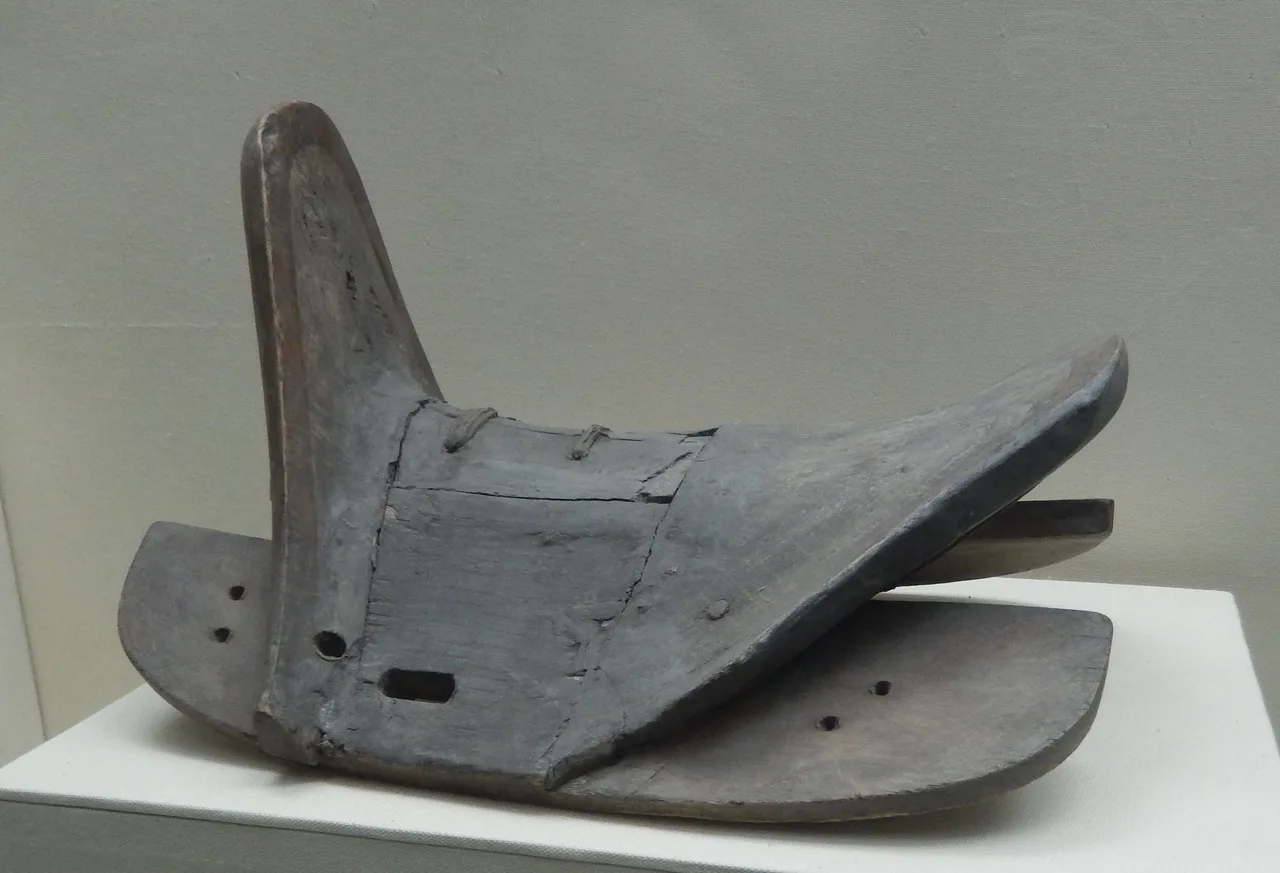
To break this supply deadlock, Shanxi official Yang Xian proposed a commercial barter plan in 1370. Emperor Taizu of Ming approved the program, creating the Kaizhong system. This policy tied the state monopoly on table salt right to military supply transport:
- The imperial court banned private salt sales. Merchants who wanted to trade salt from Lianghuai or Liangzhe had to get official salt vouchers (yanyin). Each voucher let the bearer collect 200 to 400 catties of state salt.
- The state refused bronze coins or silver bullion. Instead, merchants had to build their own pack trains and haul set amounts of wheat, millet, or rice directly to border grain depots in Datong, Xuanfu, or Taiyuan.
- Garrison depot officers checked the grain shipments and handed out warehouse receipts. Merchants took these dockets to regional salt offices, picked up their salt batches, and sold them in set sales zones for cash profits.
Without spending its own treasury funds, the state used retail salt margins to shift frontier military supply transport onto private merchant syndicates.
02. 2. The Dual-Ledger Balance Sheet: Local Balance Sheets vs. Imperial Pressures
Once the court started the Kaizhong policy, merchants and officials adjusted their work to meet their own goals. Shanxi and Shaanxi merchants lived close to the northern borders. Because of this, they were the first to reshape their trade operations.
Local Household and Merchant Balance Sheets
At first, Shanxi merchants put together mule trains to buy grain in central farm basins and haul it over mountain passes. High cart wages, animal feed, and road tolls ate into net margins. To raise profits, merchants had to cut out long overland trips.
To solve this, Shanxi merchant families built farm colonies (shangtun):
- Capital Deployment: Profits from selling salt flowed back to the northern frontier. Syndicates bought land titles, put up walled settlements, and dug water control wells across frontier lands around Datong, Shuozhou, and the former prince of Dai territory.
- Labor Organization: Merchants ran organized labor recruitment, bringing in landless farmers from the Central Plains. They gave these workers farm tools, working cattle, daily grain, and seeds to clear large fields near the Great Wall lines.
- Localized Production Cycles: In autumn, crops of oats, millet, and barley went right into nearby border granaries. This cut out mountain routes and earned official receipts at low transit cost.
Ming literary collection texts from the Chenghua and Hongzhi years show that local border farming brought the full cost of frontier grain down to about 0.2 to 0.3 silver taels per shi. Downstream, trading a voucher for salt in Lianghuai and selling it in Huguang brought net returns of one to two silver taels per voucher after road losses and labor costs. High profit margins encouraged syndicates to open up more border farmland. Northern garrisons received dependable food supplies, while farm families in inner provinces were spared harsh transport duties.
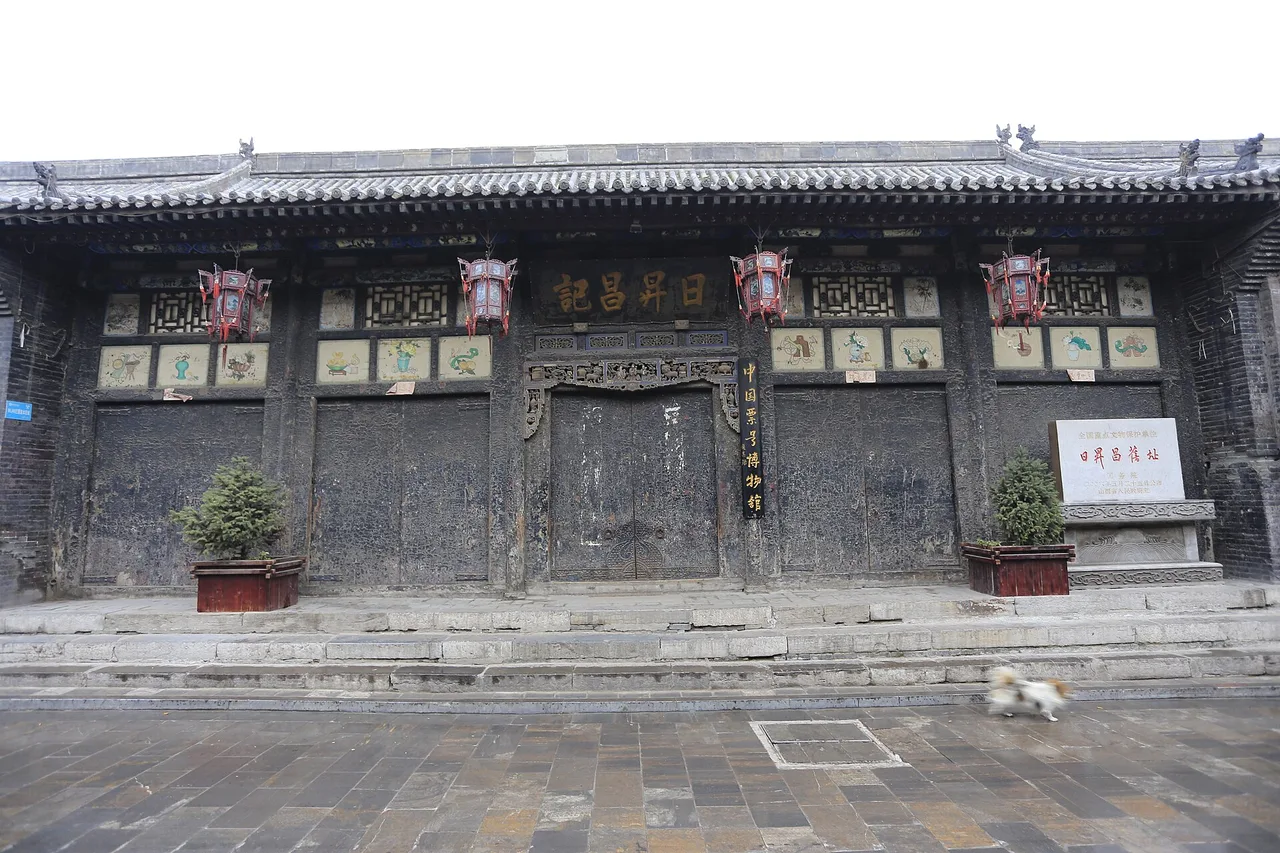
Imperial Treasury Pressures
For the imperial court in Beiping, Beijing, and the southern capital, the Kaizhong policy worked as an off-budget swap. Early Ming salt trades brought little hard cash into the central treasury. Instead, the real gain was full granaries feeding front-line troops across the Nine Border Garrisons.
| Evaluation Metric | Traditional Bureaucratic Transport (Early Hongwu Era) | The Kaizhong Merchant Colony System (Hongwu through Chenghua Eras) | The Ye Qi Silver Monetization Reform (Post-1492, Hongzhi Era) |
|---|---|---|---|
| Direct Treasury Disbursals | Heavy drain (allocating internal reserves to build cart fleets and barges) | Minimal (clearing physical salt quotas through regional salt offices) | Apparent surge (annual salt revenue receipts exceeding one million silver taels) |
| Supply Chain Loss Rate | 400%–800% (consumed by draft teams and carters along mountain trails) | Approaches zero (grain grown adjacent to garrison outposts) | Replaced by market price inflation, adding 500%–1,000% premiums |
| Frontier Granary Reserves | Chronic shortfalls, often lacking several months of basic rations | Millions of shi in storage, keeping frontier granaries stocked | Physical supply collapse, abundant silver chasing scarce grain, surging prices |
| Merchant Capital Allocation | Confined to wholesale grain acquisition across North China plains | Capital deployed into northern water control, frontier farming, and Fortifications | Total retreat from northern frontiers, shifting southward to buy quotas in Yangzhou |
| Border Defense Ecosystem | Interior peasants fleeing corvée; destitute border soldiers | Reclaimed borderlands creating defensive depth against cavalry incursions | Rapid abandonment of reclaimed plots; frontier buffer zones contract |
From the view of imperial fiscal administration, this barter system stopped money shortages when silver stocks were low. Swapping state salt rights for reliable food kept peace and military strength along the Great Wall for over a hundred years.
03. 3. Institutional Breakdown: The 1492 Ye Qi Reforms and Frontier Logistics
This stable system broke down in 1492 because of short-term cash goals in the Ministry of Revenue.
Imperial Secretary and Minister of Revenue Ye Qi, who came from Huai'an, saw empty vaults in the imperial treasury. He looked at simple paper income. Under the old barter rules, frontier grain deliveries kept salt vouchers cheap at the source. If the court dropped the rule to deliver grain to the frontier and instead sold salt vouchers for 0.3 to 0.4 silver taels each, the central treasury could take in over one million silver taels a year. The court could then send silver coin directly to northern border garrisons so officers could buy grain on local open markets.
This policy shift, known as the Ye Qi reforms, caused an immediate collapse across the frontier supply chain:
flowchart TD
    A["Ministry of Revenue passes Ye Qi reforms: replacing grain cartage with direct cash sales"] --> B["Frontier merchant farms lose regulatory margins; capital leaves border garrisons"]
    B --> C["Irrigated border farmland along the Great Wall falls into disrepair"]
    C --> D["Frontier food production collapses, creating severe regional grain deficits"]
    A --> E["Ministry of Revenue remits silver proceeds directly to frontier garrisons"]
    D & E --> F["Silver chases non-existent local grain; staple prices jump five- to tenfold"]
    F --> G["Frontier military expenditure surges, forcing late Ming agricultural surtaxes"]
The breakdown played out in three clear steps:
- Capital Flight and Land Abandonment: Because merchants could buy salt vouchers with cash at coastal depots, border farm colonies lost their commercial edge. Syndicates stopped paying for farm hands and ditch upkeep. Irrigation canals filled with mud, each Fortress outpost fell into disuse, and border fields turned back into wild scrub.
- Capital Movement Southward and the Ascent of Huizhou Networks: As cash sales replaced frontier grain hauls, Huizhou merchants living near Huainan salt pans used low water-freight rates and strong credit pools to take over salt sales. Shanxi merchants saw their share in Lianghuai salt markets shrink away.
- Hyperinflation Across Frontier Markets: When border troops went to local markets with loose silver sent by the Ministry of Revenue, they found little grain to buy. Dry northern garrisons grew few crops without farm ditches and water control. In Xuanfu and Datong, grain prices shot up from 0.3 or 0.4 taels per shi to 1.5 or over 2.0 taels.
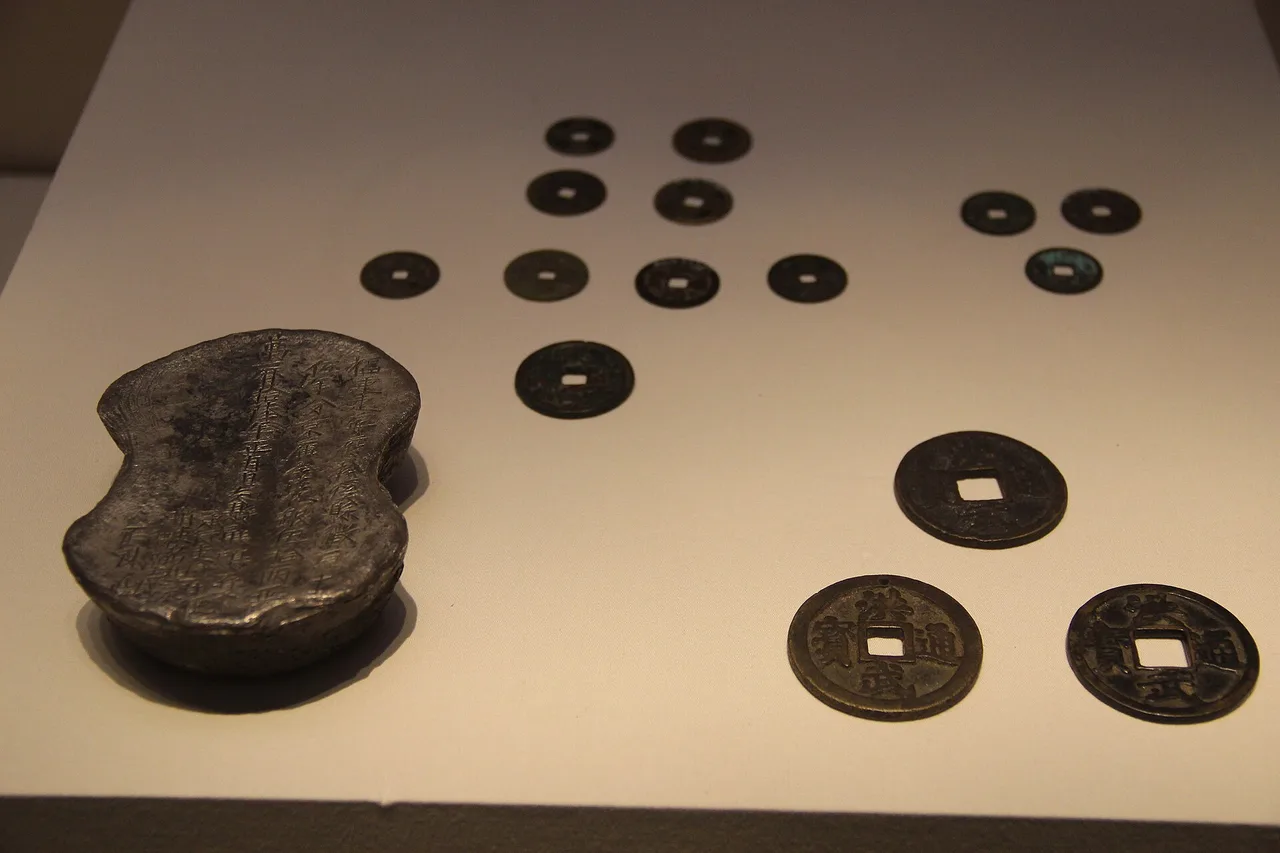
The small silver sums collected at Yangzhou salt offices were soon wiped out by high grain prices on the northern border. Frontier budget deficits widened. In time, the court had to add heavy land surtaxes during the Wanli and Tianqi reigns. These crushing taxes sparked widespread peasant uprisings in the late Ming Dynasty.
04. 4. Institutional Comparison: Ming Barter Logistics and Early Modern European Chartered Systems
The Ming Dynasty Kaizhong policy used a setup much like the chartered trade firms run by early modern European states in the 1600s and 1700s. In both cases, rulers with thin budgets and small civil services gave exclusive monopoly charters to private merchant groups to handle high-cost strategic jobs.
flowchart LR
    subgraph Ming["Ming Kaizhong System (1370–1492)"]
        direction TB
        M1["Ming court faces supply bottlenecks across Nine Border Garrisons"] --> M2["Court awards regional salt monopolies via vouchers"]
        M2 --> M3["Shanxi merchants finance border settlements and supply transport"]
        M3 --> M4["State pays for frontier defense using monopoly rents"]
    end

    subgraph Europe["European Chartered Companies (1600–1700)"]
        direction TB
        E1["Crown lacks treasury funds to sustain oceanic naval campaigns"] --> E2["Crown grants exclusive trade and navigation rights via royal charter"]
        E2 --> E3["Chartered company finances armed merchant fleets and colonies"]
        E3 --> E4["Crown expands maritime power via outsourced monopoly profits"]
    end
Both models shared common methods:
- Outsourcing Administrative Overheads: European crowns, such as Tudor England and the Dutch Republic, lacked the funds to keep permanent navies across open sea lanes. They issued royal charters to bodies like the East India firms, which built armed ships, forts, and posts out of their trade income. Just as European rulers ran coastal trade posts from Dinghai to the Atlantic rim, Emperor Taizu of Ming cut costly state haulage by giving salt rights to Shanxi merchants, who paid for border fields and farm Fortifications themselves.
- Financialization and Rent-Seeking: European chartered firms grew into joint-stock bodies with shares traded in open markets in Amsterdam and London. In contrast, once Ming salt vouchers were cut loose from frontier grain hauls after 1492, they turned into paper chits traded by members of the Grand Secretariat, the Ministry of Revenue, and Palace Eunuch officers. Deep bribery, quota hoarding, and illicit sales ruined the official pricing rules.
A core difference shaped their lasting paths: European chartered companies used share structures to funnel sea trade gains back into home money markets. The Ming Kaizhong system stayed tied to the border defense needs of a large farming empire. When Ye Qi broke this physical grain transport loop to get quick cash, the state weakened its northern garrisons without building modern banking tools, leaving behind steep military expenditure and empty state granaries.
Primary Sources & Historical Bibliography
- Official Ming Dynastic Records and Statutes:
- Li Dongyang et al., eds., Collected Statutes of the Ming Dynasty (Da Ming Huidian), Vol. 34, "Salt Regulations" (recording the rules of the 1370 Kaizhong barter system and the 1492 Ministry of Revenue cash reforms under the Manager of Sewing and treasury staff).
- Zhang Tingyu et al., History of Ming (Ming Shi), Vol. 80, "Treatise on Food and Money IV: Salt Regulations" (documenting the exchange of border grain for salt vouchers, frontier logistics, and the collapse of garrison reserves).
- Modern Academic Scholarship and Economic Histories:
- Terada Takanobu, Studies on the Shanxi Merchants (Sanxi shangren yanjiu), translated by Zhang Zhengming et al. (Taiyuan: Shanxi People's Publishing House, 1986). (An empirical survey of Shanxi merchant farm colonies and the structural history of the Kaizhong system).
- Ray Huang, Taxation and Governmental Finance in Sixteenth-Century Ming China (Cambridge: Cambridge University Press, 1974). (An analytical assessment of the fiscal transition toward silver monetization and accounting failures in the Ming salt monopoly).