TL;DR · Core Takeaways
- A 3.3% farm tax could not fund steppe wars: After the 119 BCE Battle of Mobei emptied seventy years of Han savings, raising land taxes risked revolt. The court needed a hidden tax no household could dodge.
- Salt and iron offered the perfect pre-industrial tax base: Peasants wove their own cloth and grew food, yet could never make salt or forge iron plows at home. State monopolies built war taxes straight into every kitchen and farm.
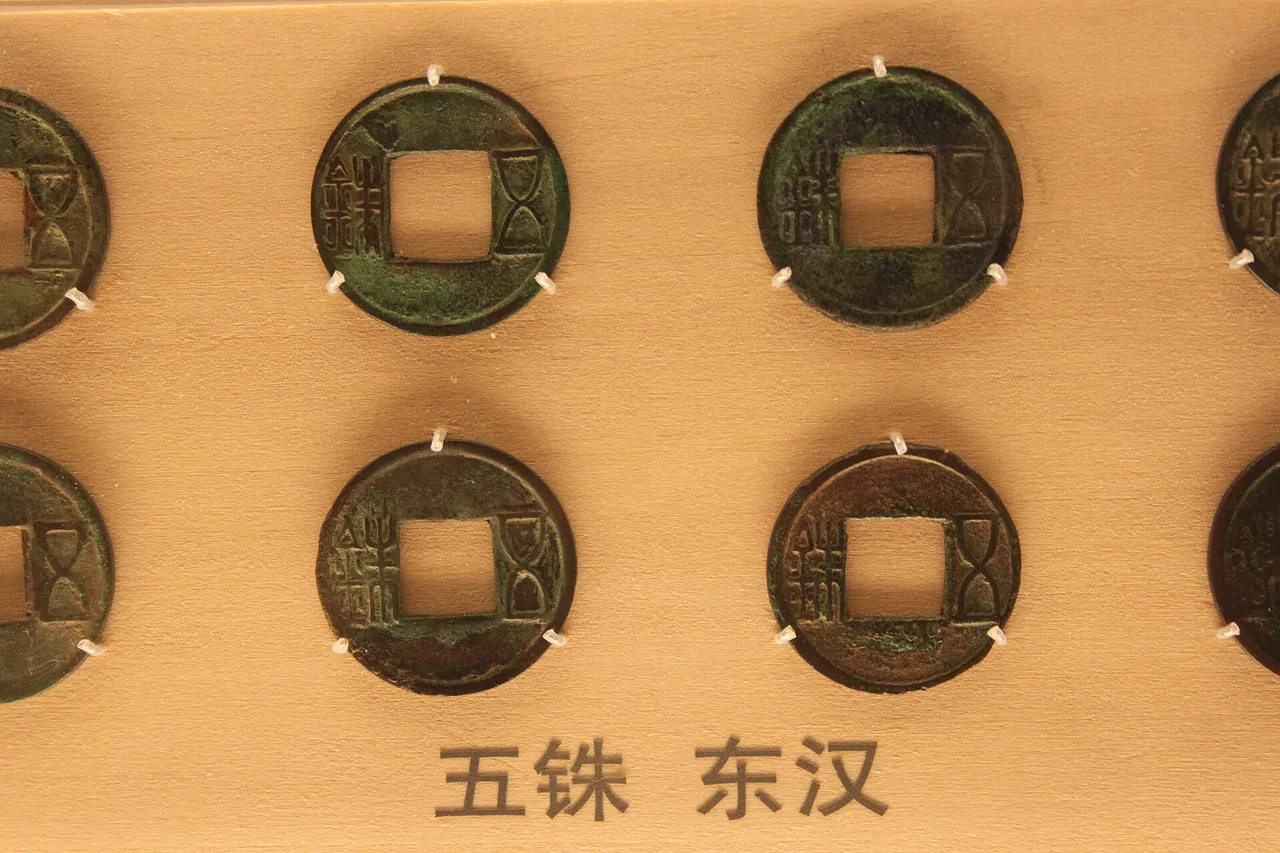
- Unified coinage closed the wartime money loop: Sang Hongyang ended local coin minting, issued standard Wuzhu bronze coins, and drained cash back into the treasury via salt sales—sparking fierce complaints over bad state tools in 81 BCE.
> Historical Context: Western Han Dynasty, Reigns of Emperors Wu and Zhao (141 BCE - 81 BCE) | Parallel in Europe: Late Roman Republic state mining and Mediterranean war finance.
In 119 BCE, Emperor Wu of Han sent generals Wei Qing and Huo Qubing north into the Gobi Desert for the Battle of Mobei Battle of Mobei. The court fielded 100,000 cavalrymen, 140,000 warhorses, and hundreds of thousands of infantry and supply porters. Han armies drove the Xiongnu court deep into the northern steppe. Yet when treasury clerks added up the bills back in Chang'an, the Western Han Western Han Dynasty stood near bankruptcy.
That single northern campaign cost over 100,000 horses and more than 200,000 jin of gold in combat bonuses. Long grain convoys swallowed the rest. Seventy years of cash and grain saved during the Rule of Wen and Jing Rule of Wen and Jing vanished. Officials even sold fake military ranks just to pay death benefits for fallen officers. Still, northern garrison troops needed steady military expenditure for pay and supplies. Raising the one-thirtieth land tax (3.3 percent) too fast risked a nationwide peasant revolt.
To break this deadlock, young finance planner Sang Hongyang Sang Hongyang and Censor-in-Chief Zhang Tang Zhang Tang built a wartime economic machine around three pillars: the state monopoly on salt and iron State Monopoly on Salt and Iron, central coinage reform, and state-run commodity trade.
01. Why the Han Court Targeted Salt and Iron
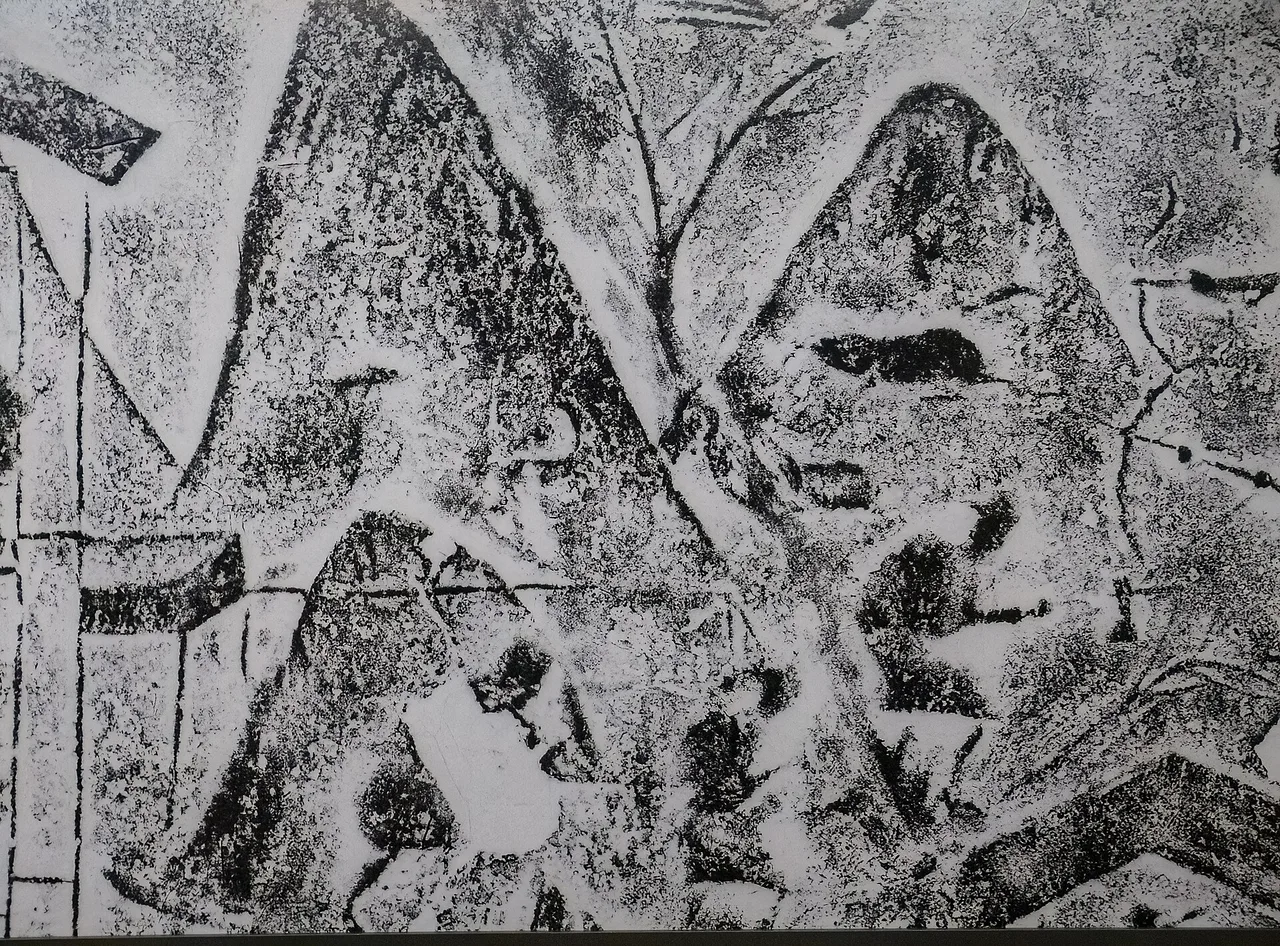
Seizing salt wells and ironworks was never about chasing ordinary shop profits. The court wanted a hidden indirect war tax that reached every home without sparking tax riots.
Two Daily Goods No Farm Could Make at Home
In pre-industrial villages, peasant families met almost all daily needs inside their own courtyards. They spun hemp cloth, raised chickens, grew vegetables, and repaired thatch roofs. Only two essential goods defied home production: edible salt and iron farm tools.
Once state Salt and Iron Offices took over sea salt pans, inland brine wells, and iron smelters, every cooking pot and iron plow became a tax collector. Centuries earlier, statesman Guan Zhong had explained why indirect pricing worked better than direct taxes. When bailiffs showed up to seize extra grain, farmers saw the state taking food off their table and fought back. When officials hid the tax inside higher salt and tool prices, buyers blamed greedy markets rather than the palace. Better still, runaway households hiding off county tax rolls—and tax-exempt local elites—still had to buy salt to eat and iron to farm.
Imperial Salt Finance Across Eurasia
Building war chests from salt and mineral monopolies appeared in Western empires as well. Rome controlled Mediterranean salt flats (salinae) and huge Spanish silver and lead mines, producing roughly 80,000 metric tons of lead and 15,000 tons of copper each year at its peak to back state budgets. Centuries later, the French monarchy built the Gabelle salt monopoly into a core fiscal pillar, posting over 3,000 armed guards along the Loire River to stop smugglers. By 1784, 49 kilograms of salt cost 31 sous in tax-exempt Brittany yet 591 sous in heavily taxed Anjou—a nineteen-fold gap that bred armed smuggling rings. Compared with France's messy regional exemptions, Emperor Wu's 2nd-century BCE takeover of both production and wholesale distribution had far fewer leaks.
02. Wuzhu Coins and the Wartime Money Loop
Controlling salt and iron meant little if local princes kept flooding markets with cheap copper coins. In 113 BCE, Sang Hongyang launched a monetary coup to pull all minting rights back into central hands.
Ending Private Mints With Standard Wuzhu Coins
Early Han emperors had allowed vassal kings and rich clans to mine copper and cast coins. That policy backfired badly when Liu Pi, Prince of Wu, funded the Rebellion of the Seven States Rebellion of the Seven States in 154 BCE using profits from sea salt and private copper mines. By Emperor Wu's early reign, clipped and underweight local coins flooded markets and drove wild price swings.
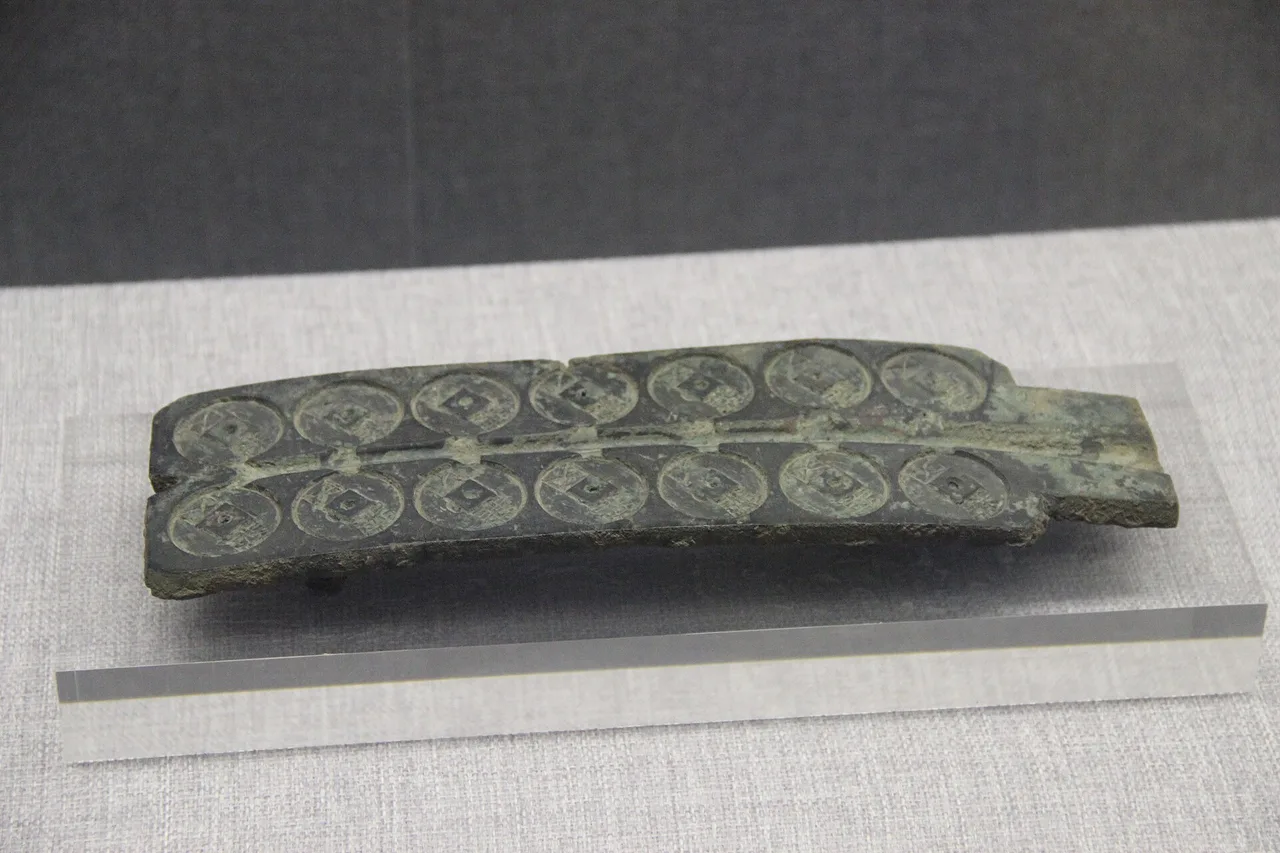
Sang Hongyang and Zhang Tang banned all regional and private mints. They melted down old mixed coins and ordered the capital mint to strike the standardized Wuzhu bronze coin with raised rims that stopped clipping. The court even cut square-foot pieces of white deerskin from the royal park, priced each hide at 400,000 coins, and forced visiting princes and members of the Imperial Clan to buy them with hard cash.
| Policy Pillar | Operational Control | Wartime Fiscal & Monetary Role |
|---|---|---|
| *Unified Wuzhu Coinage* | Banned local mints; capital mint struck standard bronze coins | Stopped counterfeit inflation and protected army buying power |
| Salt & Iron State Monopoly | State bureaus ran salt boiling, iron smelting, and wholesale pricing | Turned war costs into hidden daily consumption taxes and pulled coins back |
| State Transport & Price-Equalization | Officials took local goods as tax and shipped them to high-price markets | Captured long-distance merchant margins and leveled army supply costs |
How Coins Flowed Back to Chang'an
Together, these three tools closed a tight fiscal loop rare in the ancient world. Capital mints struck standard Wuzhu coins to pay soldiers and buy horses -> Cash flowed into rural towns -> Farmers spent coins on state salt and iron tools -> Bronze coins poured right back into the Chamberlain for the National Treasury vaults -> The court funded frontier forts without endless coin debasement. Backed by this steady cash flow, Emperor Wu settled four commanderies along the Hexi Corridor and sent envoy Zhang Qian west to open imperial trade lines into Central Asia.
03. The Cost of State Monopolies: The 81 BCE Debate
Monopolies saved Emperor Wu's war budget in the short run, yet state workshops shielded from competition decayed fast. In 81 BCE, six years after Emperor Wu died, Emperor Zhao called Confucian scholars from the provinces to debate Sang Hongyang face to face at court. Their sharp arguments survive in the classic Discourses on Salt and Iron.
Provincial delegates did not argue in vague slogans. They pointed straight at broken plows and bitter salt in village markets:
- Heavy, brittle state plows: Private blacksmiths had once competed for loyal buyers by forging light, sharp iron tools and touring villages to mend broken blades. Under state quotas, iron clerks cared only about hitting raw weight targets. They cast thick, brittle plows ill-suited to local soils while charging far higher prices. Many poor farmers went back to carving wooden hoes and pulling weeds by hand.
- Bitter salt and forced quotas: State salt pans cut corners on boiling, turning out dark, bitter salt. When remote counties missed sales quotas, any local official pressed households to buy fixed bags of salt based on head counts, whether families needed it or not.
Facing angry delegates, an aging Sang Hongyang gave a cold, practical reply. Hundreds of thousands of cavalrymen and horses serving as frontier defense garrison troops ate grain and drew pay every single morning. Drop the monopolies and rely solely on the 3.3 percent land tax, he warned, and frontier defense would collapse within days.
That 81 BCE debate laid bare an enduring trap for large agrarian empires. Maintaining vast borders outgrew what light farm taxes could ever pay. Yet handing industry over to state bureaus bred poor quality, corruption, and forced quotas. For the next two thousand years, Chinese economic policy swung back and forth between Sang Hongyang's centralized monopolies and low-tax market freedom.
- Key Cross-Cultural Anchors:
state monopoly on salt and iron·*Wuzhu* bronze coin·state transport and price-equalization system·one-thirtieth land tax·*Discourses on Salt and Iron* - Linked CHIST Entries: State Monopoly on Salt and Iron · Sang Hongyang · Zhang Tang · Battle of Mobei · Rebellion of the Seven States · Western Han Dynasty
Primary Sources & Historical Bibliography
- Huan Kuan, Discourses on Salt and Iron (Yantielun), Chs. 1 & 36 — recording the 81 BCE court debate between Sang Hongyang and provincial scholars over tool quality, salt quotas, and frontier defense.
- Sima Qian, Records of the Grand Historian (Shiji), Vol. 30, Treatise on the Balanced Standard — detailing the 119 BCE Mobei campaign losses and Wuzhu coin reform.
- Ban Gu, Book of Han (Hanshu), Vol. 24B, Treatise on Food and Money — chronicling the salt-iron bureaus, white deerskin currency, and state price-equalization system.
- Esson M. Gale (trans.), Discourses on Salt and Iron: A Debate on State Control of Commerce and Industry in Ancient China (Leiden: Brill, 1931).
- Tamara T. Chin, Savage Exchange: Han Imperialism, Chinese Literary Style, and the Economic Imagination (Harvard University Asia Center, 2014).