TL;DR · Core Takeaways
- It began as a central power grab against great clans: When Cao Wei official Chen Qun created the Nine-Rank System in 220 CE, he wanted to restore state control after civil wars wrecked local records and left hiring to elite cliques.
- One fatal flaw locked the judge's seat: Raters called Senior Rectifiers had to be serving capital officials—posts already held by old elite families. When coups traded away oversight, judges quietly became club insiders.
- Pedigree replaced talent within two generations: Because conduct was hard to score, ancestral rank became the only firm rule, locking commoners into petty clerkships while elite sons started near the top.
> Historical Context: Three Kingdoms Cao Wei to Western Jin Dynasties (220 CE - 316 CE) | Parallel in Europe: Roman Crisis of the Third Century prior to Diocletian's reforms.
Mention China's Nine-Rank System Nine-Rank Controller System across the Northern and Southern Dynasties, and most people quote one famous line: "No poor family sits in the upper ranks, and no great clan sits in the lower ones." It sounds like a rigged plan built from day one to keep commoners out.
Yet look back to the winter of 220 CE, when Cao Pi Cao Pi founded Cao Wei Cao Wei and Imperial Secretary Chen Qun Chen Qun wrote his first draft. That early blueprint points the exact opposite way. At its birth, the Nine-Rank System was a wartime rescue tool meant to break great-clan control over late Han hiring.
How did a smart plan for finding displaced talent harden within forty years into a hereditary wall that lasted three centuries?
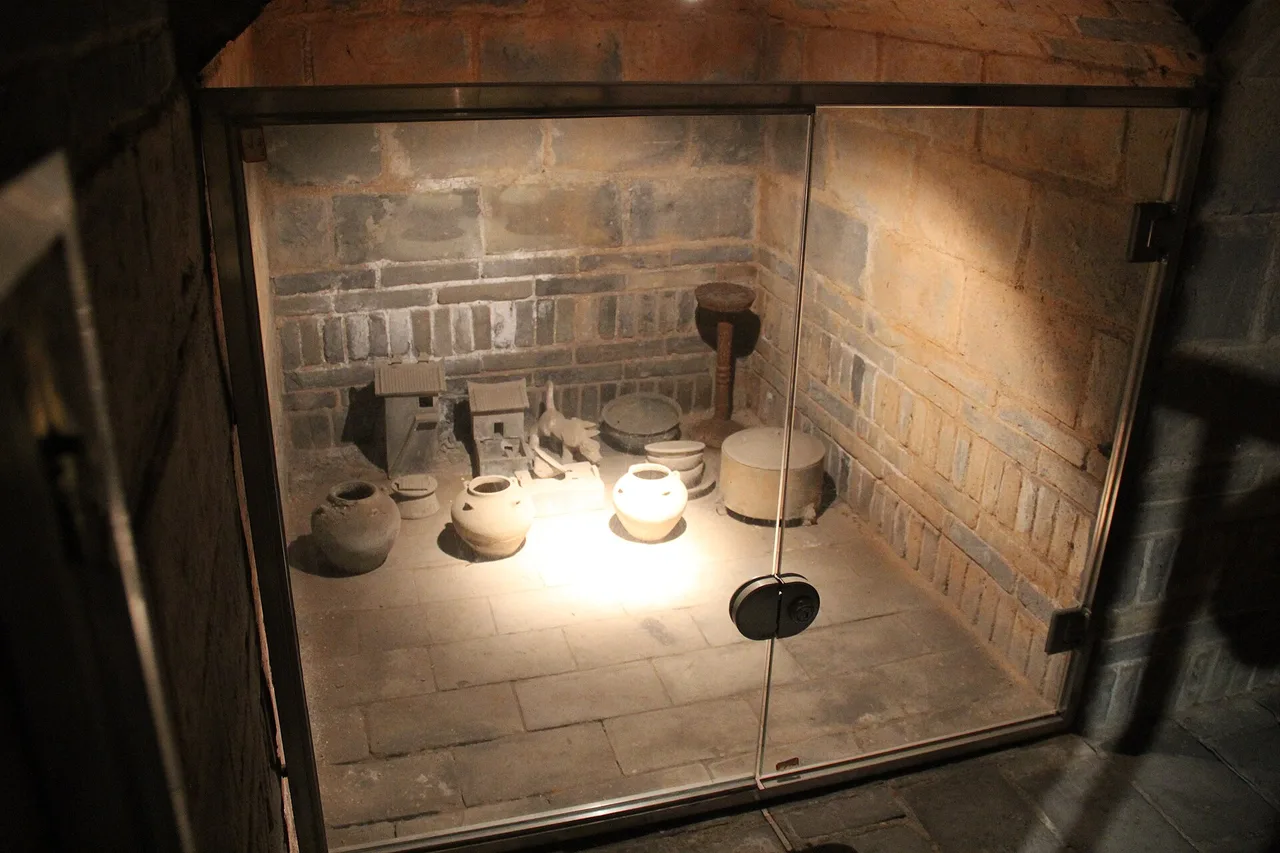
01. Civil War Shattered the Old Recommendation System
The Nine-Rank System did not appear out of thin air. It grew because the four-century-old Han recommendation system broke down completely during civil war.
When Villages Emptied Out, Local Vetting Broke
For four hundred years, each Commandery Administrator hired civil staff by checking local scholars for Filial and Incorrupt conduct and clean names. That setup worked only while towns stayed calm and people rarely moved. Neighbors knew who studied hard and who faked virtue.
After the Yellow Turban wars, the burning of Luoyang, and thirty years of warlord fighting, whole provinces emptied out. Great clans and peasant families fled south across the Yangtze. Others ran west into Sichuan or northeast toward Manchuria. County tax books burned, and village elders scattered.
When Cao Cao Cao Cao and Cao Pi rebuilt the state, they needed thousands of officials fast. Yet two walls blocked them. First, a local official held no records for displaced refugees at city gates. No one knew if a stranger had deserted an army back home. Second, late Han elite salons like the Yuan clan of Runan controlled praise inside closed rings. Cao Cao called for "talent alone," yet lacked a grading tool to run the appointment system fairly.
02. Chen Qun's Three-Part Check-and-Balance Blueprint
To rebuild state trust across a scattered population, Chen Qun drafted his Nine-Rank grading law in 220 CE.
Three Linked Controls That Worked at First
Chen Qun's early plan rested on three clear checks:
- Central raters from capital ministries: The throne picked respected capital officials who knew their home regions to serve part-time as a Senior Rectifier (Da Zhongzheng) or Junior Rectifier. Grading power moved from local warlords and salon cliques straight into central hands.
- Written conduct notes beside nine numerical grades: Wherever a scholar had fled, the Rectifier from his home province checked his family roots, skill, and work record. The rater wrote a brief character note (zhuang) and gave one of nine grades (pin).
- Three-year re-checks before hiring: Grades did not last forever. Rectifiers had to review and adjust scores every three years before the Ministry of Personnel assigned actual posts.
Under early Cao Wei rulers, that setup worked well. Cao Cao and Cao Pi watched court factions closely. Sharp men from humble homes—like herdboy-turned-general Deng Ai and border commander Guo Huai—earned solid grades and rose to high military administration posts.
Yet two quiet cracks sat inside Chen Qun's neat organizational chart.
03. Two Flaws Turned Meritocracy Into a Hereditary Club
Once grading lacked an objective test and sat in elite hands, two generations turned talent checks into birthright. Rectifiers came from senior capital posts (held by old clans) -> Coup politics stopped central audits -> Subjective conduct notes caused feuds while ancestral rank sat on paper -> Merit split from grades -> Western Jin tied starting rank to (Nine-Rank Grade minus Four) -> Commoners hit a permanent wall.
| System Element | Chen Qun's Original Design (220 CE) | Reality Two Generations Later (Western Jin) |
|---|---|---|
| Who Served as Rectifier | Fair capital reviewers picked by the court | Monopolized by heirs of top aristocratic clans |
| Core Grading Basis | Personal conduct and skill (zhuang) first | Merit dropped; ancestral office rank set the grade |
| Appointment System Rule | Flexible placement using grade and record | Rigid rule: Starting Rank = Nine-Rank Grade minus 4 |
| Social Mobility | Spotted displaced talent after civil war | Rank-2 elite youths entered high posts; commoners stuck as clerks |
Flaw One: Old Aristocrats Controlled the Judge's Chair
Trouble began with who could serve as a Senior Rectifier. By rule, a Senior Rectifier had to hold high office in Luoyang and keep deep respect back home. Who survived thirty years of civil war with family books intact and high capital office? Almost solely the grand Eastern Han clans. That group meant the Xun and Chen houses of Yingchuan, the Wangs of Taiyuan, and the Hedong Pei clan. Strong Cao rulers kept those raters in check. Yet Sima Yi seized power during the 249 CE Incident at the Gaoping Tombs Incident at Gaoping Tombs. His family needed elite support to replace Cao Wei. New rulers traded oversight for clan loyalty and dropped audits on biased Rectifiers.
Flaw Two: Ancestral Pedigree Replaced Written Merit
In daily work, scoring personal virtue or skill started bitter feuds. Giving a peer's son a low grade made an enemy of a whole clan. By contrast, checking what rank a boy's father and grandfather held sat right on paper. No one could fight old records. Soon raters followed a lazy unspoken rule. If a youth's elders held Rank-2 offices, a vague note praising his "fine family tone" won him Grade 2 (the top active tier, as Grade 1 stayed mostly empty). If no elder in three generations held high office, bright outsiders rarely cleared Grade 6 or 7.
Under Western Jin Western Jin Dynasty law, a scholar's first post equaled his Nine-Rank grade minus four. A twenty-year-old from a Grade-2 clan walked straight into Rank 6 palace jobs like Gentleman of the Palace Library or Gentleman Compiler. He rose smoothly to Imperial Secretary or Palace Attendant by seniority alone. Commoners pushed down to Grade 6 or below began at Rank 10 as petty clerks. Even after decades of hard work, they never crossed the Rank 5 line.
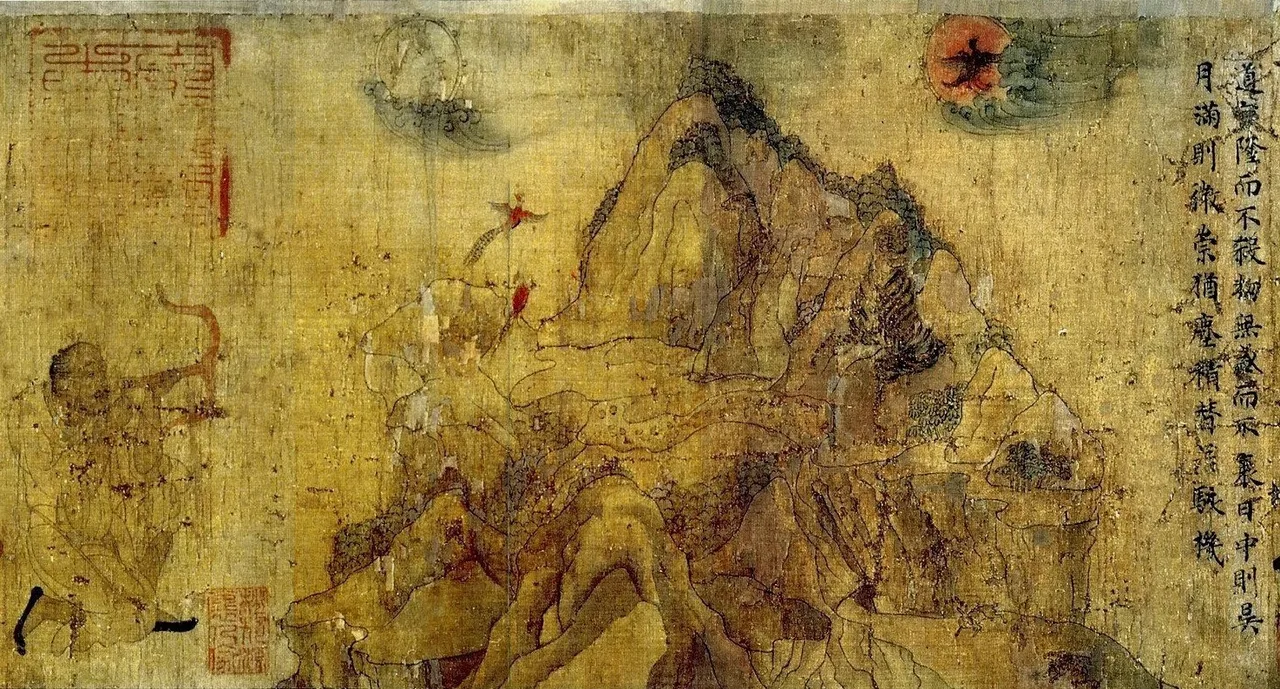
04. Comparative View: When Elites Lock the Hiring Gate
Closing open hiring into a tight family club did not happen only in China. In Venice, city leaders first won seats through live trade skill. Yet starting in 1297, old merchant houses closed the Great Council (Serrata) and wrote the Libro d'Oro (Golden Book). They locked top seats inside a fixed list of noble names. Later Byzantium saw a similar shift. Military houses like the Doukas and Komnenos clans turned state posts into family ties through marriage and favors.
Still, one stark gap stood out. Venice's Libro d'Oro kept an urban council steady under city law for ages. Once the Western Jin dynasty sealed court power inside a few clans, left-out princes and border generals turned their swords inward. That spark lit the War of the Eight Princes and broke northern rule.
Western Jin minister Liu Yi warned the throne bluntly in a famous plea. "Setting up Rectifiers to grade nine ranks lets private likes raise or crush men," he wrote. "It steals the king's power to reward and punish." Yet without blind tests, moral pleas could never break hereditary succession. Only when the Sui and Tang courts built open Civil Service Examinations around 600 CE did Chinese kings pry hiring back out of clan hands.
- Key Cross-Cultural Anchors:
Nine-Rank System·recommendation system·Rectifier(Zhongzheng) ·hereditary aristocratic clans·Civil Service Examinations - Linked CHIST Entries: Nine-Rank Controller System · Chen Qun · Cao Cao · Cao Pi · Cao Wei · Western Jin Dynasty · Incident at Gaoping Tombs
Primary Sources & Historical Bibliography
- Chen Shou, Records of the Three Kingdoms (Sanguozhi), Vol. 22, Book of Wei, Biography of Chen Qun — recording Chen Qun's 220 CE Nine-Rank proposal.
- Fang Xuanling et al., Book of Jin (Jinshu), Vol. 45, Biography of Liu Yi — preserving Liu Yi's memorial condemning clan monopoly and the "no poor family in upper ranks" crisis.
- Ma Duanlin, Comprehensive Examination of Literature (Wenxian Tongkao), Vol. 28, On Elections — tracing the shift from Han recommendations to Jin starting-office formulas.
- Patricia Buckley Ebrey, The Aristocratic Families of Early Imperial China: A Case Study of the Po-ling Ts'ui Family (Cambridge University Press, 1978).
- Albert E. Dien, Six Dynasties Civilization (New Haven: Yale University Press, 2007) — archaeological and institutional study of Wei-Jin aristocratic society.