TL;DR · Core Takeaways
- The Myth of Cheap Defense: Tang cavalry and foot units beat rival steppe powers. Yet these troops were part-time farm boys. They got no pay. They bought their own weapons, horses, and food.
- The Early Deal: The plan worked at first. The state kept its word. It gave land grants, kept wars short, lifted common taxes, and handed out honors.
- Distant Frontiers and Ruin: Later, wars reached deep into Central Asia. Short trips turned into years away. Ranks lost their value. Nobles made soldiers do private work. Peasant homes went broke, and men fled.
- The Cost of Paid Troops: The court had to hire paid guards and border regulars. This heavy military expenditure made the throne yield tax powers to frontier generals. This choice set the stage for warlord rule and the An Lushan Rebellion.
Historical Context & Spatial Coordinates
- Chinese Historical Timeline: Emperor Wen of Sui Dynasty (Sui Dynasty) united the garrisons in 581. Emperor Xuanzong of Tang stopped militia drafts in 749. This span lasted 168 years. The An Lushan Rebellion broke out in 755.
- Mediterranean and Western Coordinate: The Byzantine Empire built its thematic system in the mid-7th century. It gave land for troop service. Earlier, Rome's citizen army broke down after the Punic Wars. This led to the Marian reforms in 107 BCE to form a paid standing force.
01. 1. Paper Exemptions and Covert Ruin: The Sanitized Peasant-Soldier Ideal
Old court records praised the early Tang army for its low cost and high skill. Later writers claimed the Fubing System (Fubing System) was an ideal plan. It joined farm work with quick troop call-ups. Under this view, the throne avoided the high cost of a paid standing army. Farmers trained between planting and harvest. They marched to war when called. They went back to their fields after battle.
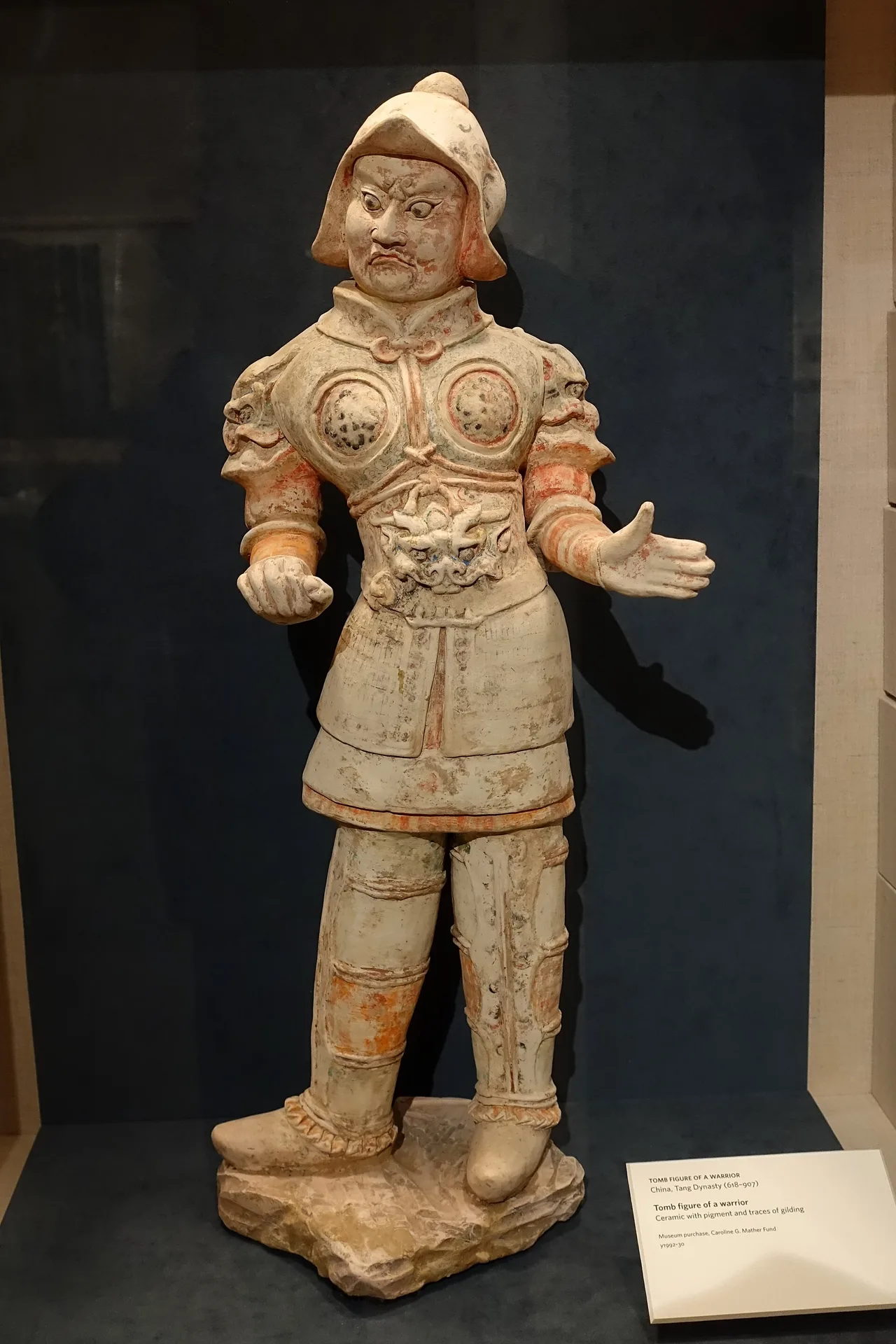
Law books and local records show a wide gap between theory and real life. The court found a cheap fiscal shortcut. On imperial books, a militia soldier cost the state zero daily pay. Laws made each family supply a bow, thirty arrows, and a sword. They also had to buy grain rations, rice, salt, bean paste, foul-weather coats, and tents with their own cash.
Putting war costs on farm families saved the court large sums of silver and silk early on. Emperor Taizong of Tang and Emperor Gaozong of Tang beat the Eastern Turkic Khaganate, Xueyantuo, and Tuyuhun. They also launched big drives against Goguryeo with low cash outlays from the center.
This plan worked early because the ruling house offered a fair deal:
- Guaranteed Land: Militia homes got first pick under the Equal-Field System (Equal-Field System (Juntian Zhi)). They received their full hundred mou of ground to support their families.
- Tax Relief: The recruit did not pay grain, cloth, or labor taxes. He also skipped unpaid work crews run by local officials.
- Prizes and Rank: Early wars were short and close to home. The army won fast. Men came back after a few months with captured camels, horses, and cattle. War deeds brought honors like Senior Commandant of Cavalry or Commandant of Cavalry that cut family taxes and raised their social status.
For well-off yeoman families in the Guanzhong plains tied to the Guanlong Military-Aristocratic Group, joining a garrison unit was a good trade. Yet any system that shifts state bills onto private homes needs stable times. When frontier wars moved far away and free land ran out, tax relief became a money trap that ruined middle-class farms.
02. 2. The Imperial Ledger: Household Ruin Versus Treasury Deficits
Prosperous farmers once volunteered for garrison rolls. Later, they ran away from their land. To see why, we must check two accounts: the home budget of middle-tier farmers in Guanzhong, and the state ledger kept inside Chang'an's Taiji Hall.
1. The Microeconomic Ledger: Households and Garrison Commands
State rules for draft picks were strict. The New History of the Tang tells us that men had to be between twenty-five and fifty years old. They had to be strong and come from solid homes. Poor tenants were barred. Garrison chiefs such as the Commandant for Repelling Assaults and the Commandant of Resolute Courage chose recruits only from upper-middle farm families across Guanzhong and Longyou. These homes held land deeds, draft oxen, and grown sons.
Drafting a son into a garrison hit a yeoman family with swift cash loss and lost work:
Ten soldiers formed a basic mess squad called a huo. The law made these ten men pool money for six pack mules, two tents, an iron pot, shovels, and tools. When poorer men could not pay, wealthier yeomen had to cover the gap. Families had to buy all this gear before marching out.
In good crop years, the plan worked well. The court honored its rule of one-month guard shifts in the palace. Guanzhong troops reached Chang'an in a few days. They did their duty during the winter lull. Under Emperor Gaozong of Tang and Wu Zetian (who later marked her reign as Wansui Tongtian), border threats broke this short loop. Trips to the Pamir Mountains, the Four Garrisons of Anxi, or Qinghai took three to six months of walking each way.
Tours of duty lasted more than three years without a break. Farm beasts died, and field tools rusted. Wives and children worked the fields alone. They also had to pack and send winter clothes over long post roads to keep their sons alive. High nobles in the capital used rotating troops as unpaid servants. They forced them to build private estates, haul timber, and plow personal land. Military ranks lost their value through excess awards, and local clerks ignored vet claims. Running away became the only way to avoid ruin.
2. The Macroeconomic Ledger: Imperial Solvency and Frontier Defense
The low-cost militia model relied on fast, nearby campaigns. General Li Jing crushed the Eastern Turkic Khaganate in 630 with just over one hundred thousand troops in a short strike lasting a few months. The army took many cattle and horses, filling northern horse farms and leaving a budget surplus.
Later, the empire pushed toward the Aral Sea and Korea. The Tang defense line grew from several hundred miles to more than fifteen hundred miles. The cheap defense plan broke down under harsh geographic realities:
| Military Institutional Model | Weapons and Warhorse Procurement | Basic Rations and Soldier Stipends | Campaign Duration and Rotation Mechanism | Central Treasury Outlays | Grassroots Household Bankruptcy Risk |
|---|---|---|---|---|---|
| Early Zhenguan Militia<br>(Low-Cost Armed Partnership) | Peasant households paid in full<br>(Affluent families subsidized team gear) | Peasants supplied 60 days of rations<br>(Court granted complete tax exemptions) | Short strikes (1–4 months)<br>Home for harvest; 1-month palace rotation | Very Low<br>(Minor injury pensions and merit rewards) | Low<br>(Full land grants; tax savings exceeded gear costs) |
| Wu Zetian to Early Kaiyuan Militia<br>(Systemic Overstretch Model) | Peasants paid the majority<br>(Troops repaired worn weapons out of pocket) | Peasant savings plus local grain transit<br>(Rations ran out during multi-year tours) | Protracted border tours (3–10 years)<br>Remote outposts; rotations routinely skipped | Medium<br>(Frontier transport losses escalated) | Catastrophic<br>(Fields abandoned; families sold children to buy gear) |
| Tianbao Frontier Mercenary System<br>(High-Cost Standing Army) | Imperial arsenals or frontier foundries<br>(Central treasury paid in full) | Fixed monthly grain and seasonal uniforms<br>(Professional wages and family stipends) | Lifelong career enlistment<br>Permanent frontier garrisoning; no farming | Very High<br>(Military upkeep consumed over 70% of cash revenue) | Indirect Tax Shifting<br>(Yeomen became debt-ridden tenants funding border pay) |
In 696, Khitan forces took Yingzhou, while the Tibetan Empire attacked Qinghai year after year. Tang warfare turned from quick, profitable raids into slow, costly wars of attrition. When the court failed to send pay and long-haul grain, troops deserted on the road.
Rising transport costs started a chain reaction through the whole empire:
Territorial overexpansion and the rise of powerful border rivals
    ↓
Marching routes exceeded a thousand miles; troops remained stationed at distant posts for years
    ↓
Peasant households ran out of labor, went bankrupt, and engaged in self-mutilation to avoid the draft
    ↓
Garrison rosters emptied, leaving Chang'an palace divisions without rotating guards
    ↓
Grand Councilor Zhang Yue recruited the salaried "Ever-Standing Guards," shifting toward the Recruitment-Based Standing Army System
    ↓
The court established ten frontier commands staffed by career mercenaries receiving monthly stipends
    ↓
Upkeep for 490,000 frontier mercenaries overwhelmed central finances, forcing the court to yield regional taxes
    ↓
Military Commissioners gained autonomous armies and self-sufficient treasuries, sparking the An Lushan Rebellion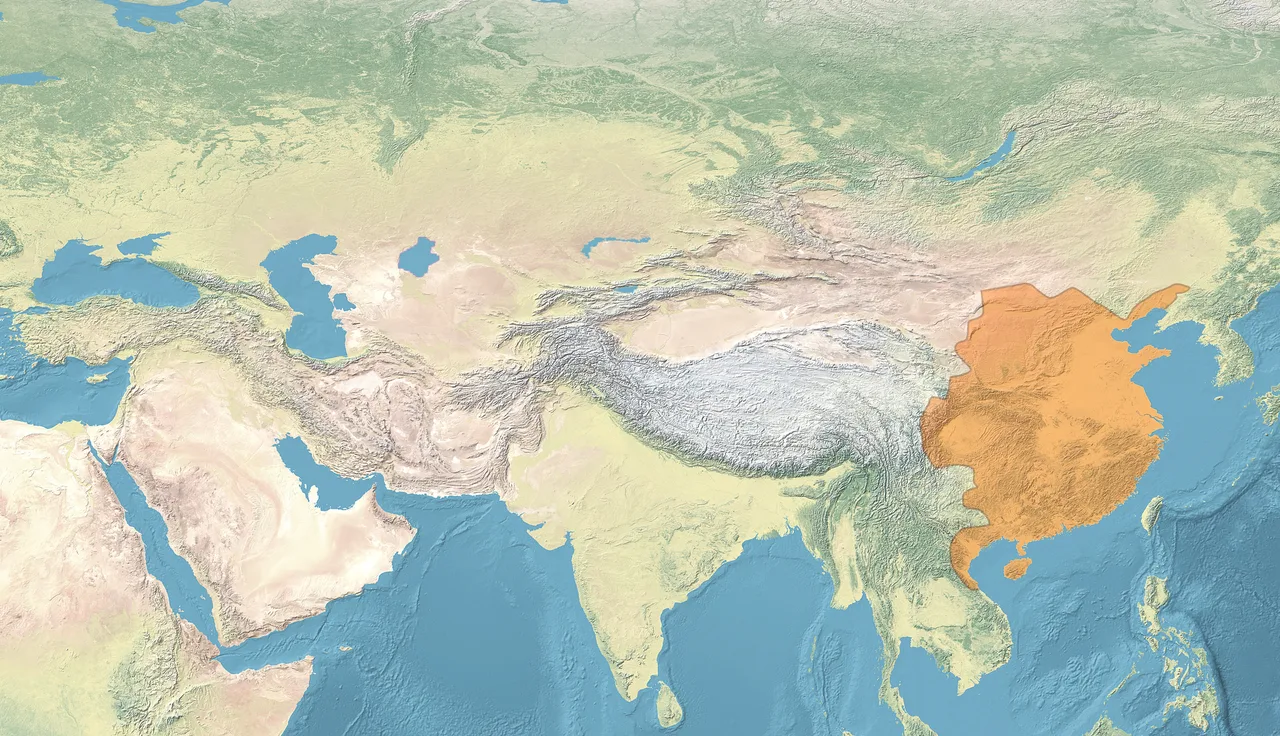
03. 3. Eurasian Parallels: The Agrarian Trap of the Roman Citizen-Soldier
The fall of the Sui-Tang militia was not unique to China. In the Mediterranean, the shift from the Roman Republic to the Roman Empire traced a very similar path.
1. Institutional Symmetry: Exchanging Arable Land for Mobilized Muscle
The early Roman Republic counted on property-owning citizen-soldiers (assidui). Their setup matched the early Tang militia:
- Self-Bought Gear: Roman citizens bought their own armor, shields (scutum), and spears (pilum) based on property classes (classis). The Senate gave out no daily wage, only a small food allowance (stipendium) on campaign.
- Short Raids: Wars stayed near central Italy. Fights began after spring planting and ended before fall harvest. Men returned in time to cut their wheat.
- Service Tied to Land: Military duty was the path to full voting rights. Landless men (capite censi) could not join the legions. Leaders felt men without farms had no reason to die for the state.
2. Fiscal Mutation and the Professional Shift
When wars against Carthage and Macedon sent Roman troops abroad to Spain, North Africa, and Greece, this farm-soldier system failed. Roman legionaries stayed overseas for three to five years. In an old economy without easy credit or aid, long tours brought bad economic results:
- Italian family farms decayed without adult male hands, leaving returning vets deep in debt.
- Rich Roman senators used loans and land grabs to take over vet farms, building large slave estates (latifundia).
- Landless vets fled to Rome as jobless city mobs, cutting the number of eligible recruits and starving legions of men.
In 107 BCE, Consul Gaius Marius carried out major reforms. He dropped property rules, opened the ranks to the poor, gave out state weapons, and set enlistment to sixteen to twenty years with land or cash bonuses at the end. Under Augustus, a standard legion became a standing force paid 225 silver coins a year, which later rose to 300 under Domitian.
3. Divergent Imperial Trajectories: Bureaucracy Versus Warlordism
In 722, Grand Councilor Zhang Yue enlisted the "Ever-Standing Guards" in Chang'an, adopting the Recruitment-Based Standing Army System and ending reliance on unpaid conscripts. Rome and China took different tax paths to fund their professional soldiers:
- Different Tax Paths: Rome set up a military chest (aerarium militare) fed by a five percent tax on inheritances and a one percent sales tax. It paid troops directly in coin from central vaults. The Tang court had no broad market sales tax. When equal-field plots dried up and grain boats stalled, the throne told frontier outposts to gather local grain and fund their own pay.
- Different Types of Fractures: Late Roman legions acted like private retinues. Soldiers followed strong generals like Sulla, Pompey, and Julius Caesar, who gave them loot and land. This led to direct civil wars. The Tang court set up giant border posts under Military Commissioners like An Lushan, giving them civil rule, state farms, and tax rolls. Mercenaries had no link to Guanzhong; they obeyed the border chief who paid their grain, eventually fostering fanzhen separatism.
Rome fell to legion commanders taking the throne. Tang China was shaken when An Lushan marched 150,000 veteran mercenaries across the Yellow River. When an empire tries to run a large standing force without a sound central tax plan, that army soon turns on the state.
04. 4. Echoes of Collapse: Offloading Costs and Losing the Realm
The Fubing System did not fall to foreign armies. It fell because the central court tried to get defense for free.
For more than 150 years, Sui and Tang rulers tried to run an empire-wide army without paying a routine defense bill. This model worked only while Guanzhong had open land and borders stayed close. Underneath high court talk, the system was a heavy tax on yeoman farmers.
Early Tang Equilibrium:
[Available Land Grants] + [Broad Tax Exemptions] > [Personal Equipment and Short Deployments] ==> Prosperous Yeomen Volunteer

Mid-Tang Frontier Overstretch:
[Deployments Exceeding Thousands of Miles] + [Aristocratic Abuses] + [Worthless Titles] > [Household Economic Capacity] ==> Widespread Desertion and Flight

Late Tianbao Professionalism:
[Central Treasury Unable to Fund 490,000 Regulars] ==> [Fiscal Autonomy Granted to Frontier Governors] ==> An Lushan Rebellion Erupts
Imperial borders moved past the Pamir Mountains, but court rewards shrank to paper titles and forced palace labor. The deal between throne and farmer broke down. Guanzhong yeomen left their homes, broke limbs to avoid draft lists, and let their fields grow weeds.
Emperor Xuanzong of Tang and his ministers gave in to economic reality and hired career mercenaries. Yet a standing army demanded steady cash. To avoid hauling tons of silk bolts over high mountain passes, Chang'an gave tax powers to border chiefs. Mercenary troops and foreign generals took over the forts once held by free farm-soldiers. When An Lushan turned his cavalry south, the court found no loyal Guanzhong farmers left to stand in his way.
Primary Sources & Historical Bibliography
- Dynastic Histories and Official Compendiums:
- New History of the Tang, Vol. 50, Treatise 40, "Treatise on Military Affairs": Contains detailed criteria for recruit selection, squad-level mule and equipment pooling, and imperial decrees on the creation of professional guard units.
- Old Book of Tang, Vol. 43, Treatise 23, "Treatise on Officialdom II": Examines the administrative rank of garrison commanders and statutory terms for palace guard rotations.
- Tongdian, Vol. 148, "Military Affairs I": Du You's economic critique of the evolution of militia commands and the rise of mercenary frontier budgets during the Kaiyuan and Tianbao eras.
- Comprehensive Mirror to Aid in Government, Vol. 212, "Tang Annals XXVIII": Documents the political debate in 722 when Grand Councilor Zhang Yue convinced the throne to demobilize bankrupt militia commands and enlist 130,000 professional guards.
- Modern Historiographical Works:
- Tanigawa, Michio. The Formation of the Sui-Tang Empire. Tokyo: Chikuma Shobo, 1971; Chinese translation by Ma Biao, Shanghai Chinese Classics Publishing House, 2004. (Detailed analysis of the Guanzhong aristocratic elite and the social status of garrison households).
- Tang, Changru. Three Essays on the History of the Wei, Jin, Northern and Southern Dynasties, Sui, and Tang Dynasties. Wuhan: Wuhan University Press, 1992. (Foundational economic study on the interdependence of the Equal-Field System (Juntian Zhi) and garrison militias).
- Wang, Xiaofu. A Political History of the Tang, the Tibetan Empire, and the Abbasid Caliphate. Beijing: Peking University Press, 1992. (Examines the logistical costs of the Four Garrisons of Anxi on the Tang defense budget).