TL;DR · Core Takeaways
- Selling offices grew from a tax crisis, not mere greed: In 178 CE, Emperor Ling of Han opened the Western Garden office market because walled clan estates dodged taxes while fifty years of border wars drained the public treasury.
- Regional posts cost twice as much as top ministries: A Commandery Administrator paid 20 million coins, while a top cabinet minister paid 10 million. Local chiefs controlled taxes directly, and clean scholars even got half-off deals or credit IOUs.
- Short-term tax farming sparked revolt in six years: Buyers borrowed high-interest loans to buy two-year posts. They squeezed villages ruthlessly to break even, triggering the 184 CE Yellow Turban Rebellion.
> Historical Context: Late Eastern Han Dynasty, Reign of Emperor Ling (168 CE - 189 CE) | Parallel in Europe: Late Antonine Roman Empire before the Year of the Five Emperors.
In 178 CE, the Eastern Han Eastern Han Dynasty ruler Emperor Ling of Han—born Liu Hong—opened a strange market inside his Luoyang palace. From rural county seats up to the empire's top three cabinet offices—the Defender-in-Chief, Minister of Education, and Minister of Works—public offices went on sale at posted cash prices.
Popular stories often blame this crisis on one greedy emperor. Yet a look at the Western Garden price sheet reveals a deeper danger. This was not just a palace scandal. It was a desperate sovereign cash crisis that broke the dynasty's last check on local abuse within six short years.
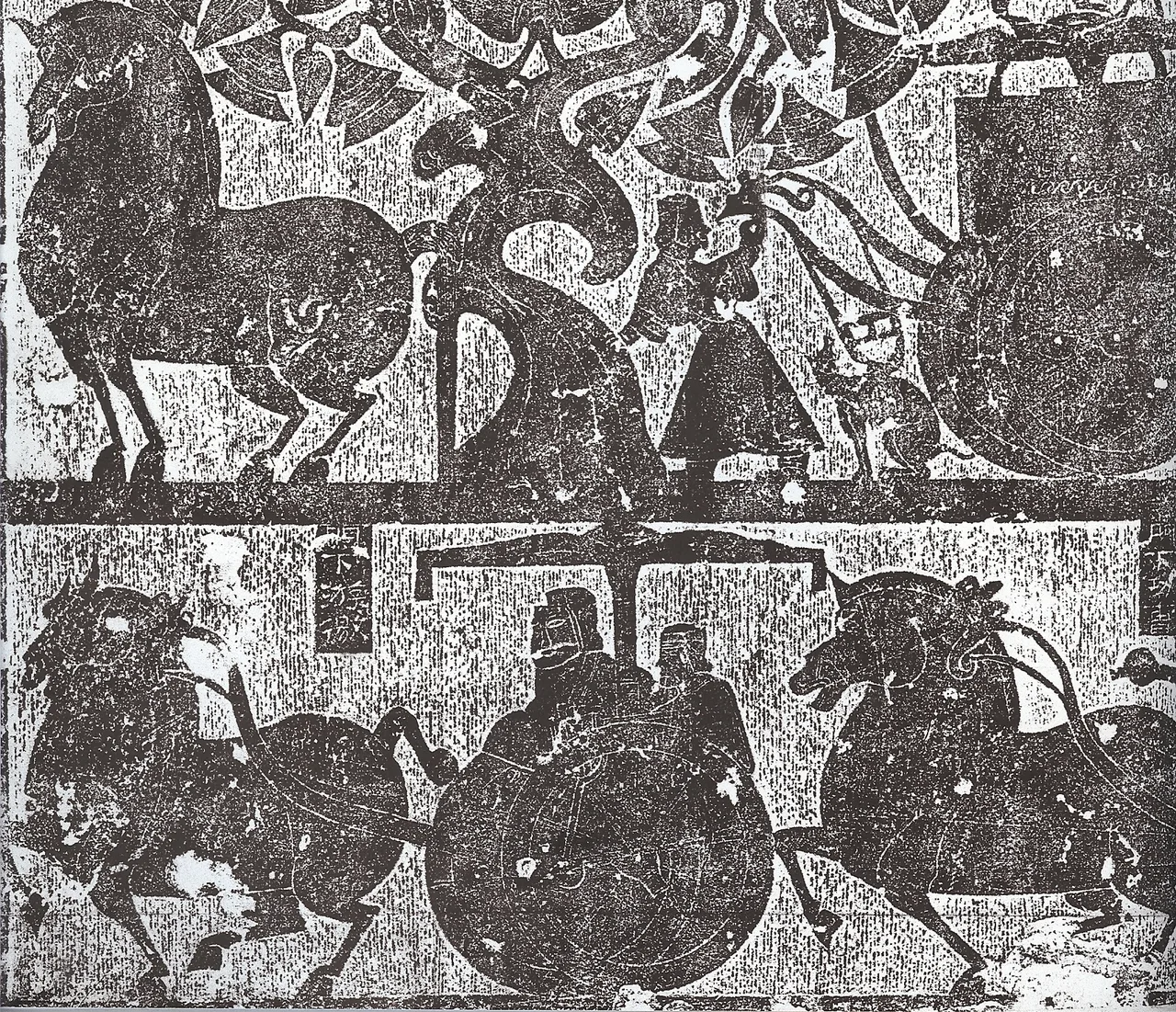
01. The Western Garden Price List: Franchises Sold on Credit
Emperor Ling of Han treated state jobs like cash franchises. Under normal Han pay rules, a Commandery Administrator (Two Thousand Bushels rank) earned about one thousand shi of grain plus tens of thousands of coins each year. Inside the Western Garden, prices soared past decades of legal pay. Worse yet, the price tags tracked cash recovery speed, not official rank.
Price Tags and "Buy Now, Pay Later" Loans
| Official Rank | Legal Annual Pay | Posted Western Garden Price | Cash Recovery Logic |
|---|---|---|---|
| Three Excellencies (Top Ministers) | Highest central cabinet posts | 10 million coins | Checked by eunuchs and peers; fewer direct fee streams |
| *Commandery Administrator (2,000 Shi)* | ~1,000 shi grain + coins | 20 million coins | Prime prize: controlled county taxes, court fines, and local gifts |
| *District Magistrate (400 Shi)* | Hundreds of shi grain | 4 million coins | Faced tens of thousands of taxpayers directly; fast cash return |
| Famed Scholars / Discounted Nominees | Varied by office | 50% off or IOUs | Signed debt notes first and repaid after squeezing locals |
For respected scholars short on cash, Emperor Ling offered fifty-percent discounts and credit plans. Famed Confucian scholar Cui Lie Cui Lie asked the Empress Dowager to help bargain down his price. He bought the top post of Minister of Education (Situ) for 5 million coins. On his first day, even Cui Lie felt uneasy and asked his son Cui Jun what people said outside. His son gave a blunt answer. "Father, everyone respected your name before. Now people whisper that your post stinks of copper coins."
Cui Lie at least paid cash up front. Poorer candidates had to sign debt notes called "palace repair fees" or "army aid fees." They promised to squeeze money from their counties and pay back the emperor's vault later. Honest Commandery Governor Sima Zhi refused that trap. Palace agents demanded 3 million coins from him—half off because of his clean name. Sima Zhi saw he could never pay that bill legally. He wrote a farewell note saying a local official must shield the people, not rob them for the palace. Then he took poison on the road to his post.
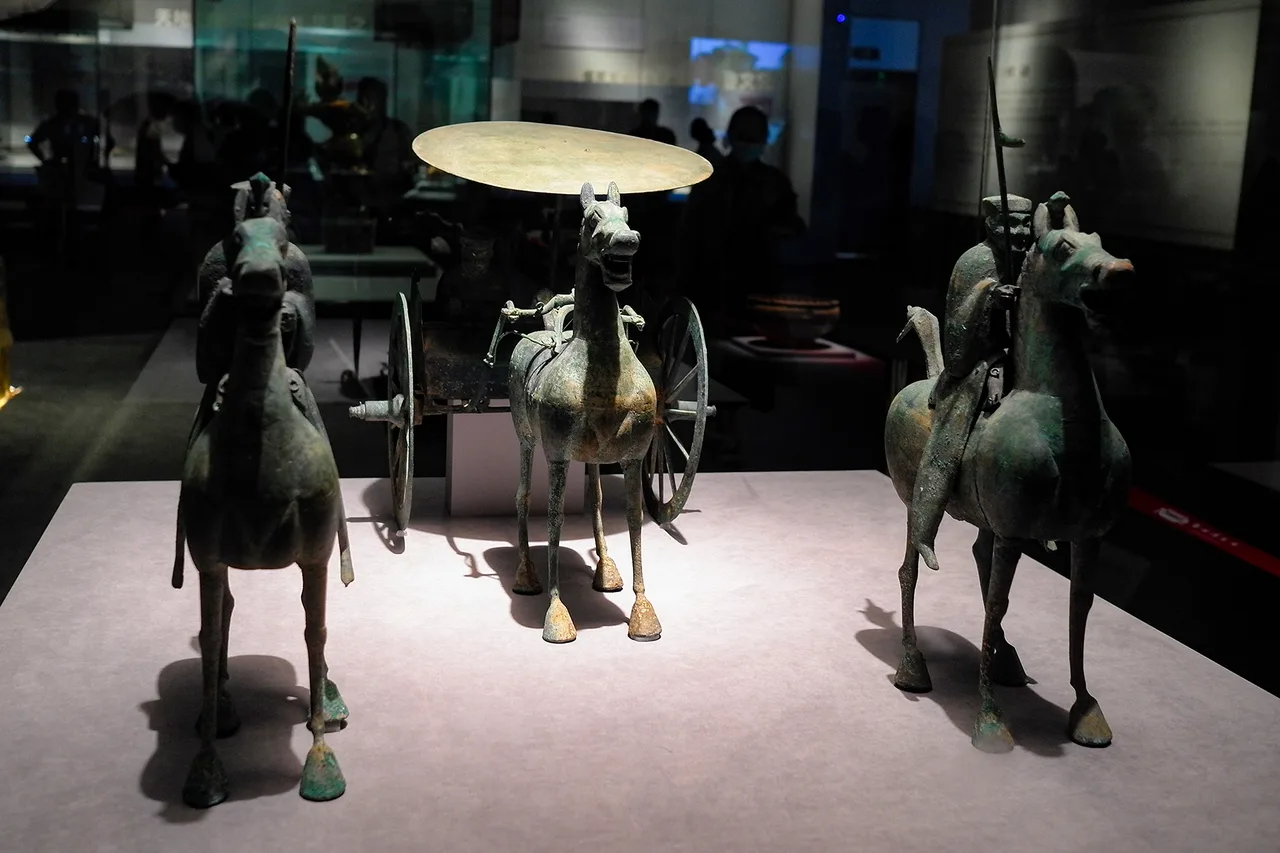
02. Why the Emperor Retailed State Power
Emperor Ling did not sell offices just to buy palace luxuries. He sold offices because the Eastern Han regular tax machine had broken down.
Tax-Dodging Estates and Fifty Years of Frontier War
By the 170s CE, two massive shocks hit central budgets:
- A shrinking public tax roll: Decades of court feuds between Imperial Affinal Relatives and each Court Eunuch or Palace Attendant-in-Ordinary weakened oversight. Rich clans built armed walled estates and hid both land and peasants off county registers. Taxes flowing to the Chamberlain for the National Treasury shrank year after year.
- Fifty years of border war debt: Fighting Qiang uprisings across the northwestern borderland dragged on for half a century. Chronicles put direct military expenditure above 24 billion coins, draining the public treasury dry.
Meanwhile, the Chamberlain for the Palace Revenues held flexible cash in the Western Garden vaults. Selling offices pulled cash straight into the emperor's personal chests. Part paid for Imperial Court upkeep and famine relief. Another part funded a brand-new guard under his direct military command: the Eight Colonels of the Western Garden. Young officers like Cao Cao Cao Cao and Yuan Shao Yuan Shao served as Commandant officers there. With regular land rolls failing, the throne used office sales as a cash advance on future local taxes.
03. Short-Term Tax Farming and the 184 CE Explosion
In the short run, selling offices brought real cash into Luoyang. In the countryside, it turned county rule into licensed plunder along a sharp path of collapse. Regular tax rolls shrank -> Emperor sold offices for huge sums and debt IOUs -> Buyers borrowed high-interest loans to pay the palace -> Short two-year terms forced heavy extralegal local levies and fake trials -> Drought-hit farmers lost all hope -> The Yellow Turban Rebellion broke out in 184 CE.
Counting a Buyer's Payback Clock
Picture a new Commandery Administrator who paid 20 million coins for his post. He usually borrowed most of that cash at high rates from Luoyang merchants. The moment he stepped inside his hall, his goal was simple. Within two or three years, he had to recover his 20 million coins, pay off interest, and save extra cash to bribe court insiders for his next job. He ignored water control projects and honest trials. Instead, county offices framed rich homes on false charges to seize land. They piled extralegal local levies onto tax bills and skimmed grain meant for famine relief. Across drought- and plague-struck plains in Ji, Yu, and Qing provinces, poor farmers ran out of options. Six years after the Western Garden market opened in the Guanghe era, Way of Great Peace leader Zhang Jiao Zhang Jiao rallied hundreds of thousands of fighters in the Yellow Turban Rebellion Yellow Turban Rebellion.
Han China vs. French Venality and Roman Tax Farmers
Western governments also sold offices or farmed taxes during cash crises, yet property rules shaped very different results:
- *Early Modern French Office Sales (Vénalité des offices): From the 1500s to the 1700s, the French crown sold court and tax posts. Starting in 1604, the Paulette* fee let buyers hold posts for life and pass them to heirs. Because families treated an office like real estate, buyers still tried to keep local order steady.
- *Late Roman Tax Contractors (Publicani)*: Rome hired private syndicates to advance war cash and collect provincial taxes at a profit. Harsh abuses forced early Roman emperors to bring provinces back under salaried staff. By 118 CE, Emperor Hadrian had to burn records of 900 million sesterces in uncollectible back taxes.
The Eastern Han model combined the worst traits of both worlds. It gave buyers the short-term profit pressure of Roman tax farming without the lifetime security of French venality. A two-year clock turned every buyer into a hit-and-run collector. Once the Yellow Turban Rebellion erupted, the court could no longer crush rebels alone. By the Zhongping era, it handed full military command and tax power to provincial Regional Governors (zhoumu). Central power never came back.
- Key Cross-Cultural Anchors:
sale of public offices(vénalité des offices) ·tax farming(publicani) ·extralegal local levies·Eight Colonels of the Western Garden·Regional Governor(zhoumu) - Linked CHIST Entries: Eastern Han Dynasty · Cui Lie · Cao Cao · Yuan Shao · Yellow Turban Rebellion · Zhang Jiao
Primary Sources & Historical Bibliography
- Fan Ye, Book of the Later Han (Houhanshu), Vol. 8, Annals of Emperor Ling — recording the 178 CE Guanghe opening of the Western Garden office market and the 188 CE Zhongping creation of the Eight Colonels.
- Fan Ye, Book of the Later Han (Houhanshu), Vol. 52, Biography of Cui Yin (appended Biography of Cui Lie) — preserving Cui Lie's 5-million-coin purchase and Cui Jun's "copper-smell" rebuke.
- Sima Guang, Comprehensive Mirror to Aid in Government (Zizhi Tongjian), Vols. 57–58 — detailing Sima Zhi's farewell letter over the 3-million-coin demand and local abuses before 184 CE.
- Rafe de Crespigny, Fire over Luoyang: A History of the Later Han Dynasty 23–220 AD (Leiden: Brill, 2016) — comprehensive study of late Han fiscal strain and institutional breakdown.
- William Doyle, Venality: The Sale of Offices in Eighteenth-Century France (Oxford University Press, 1996) — comparing heritable French office ownership with short-term extraction models.