Cao Pi accepted the Han abdication, proclaimed himself emperor, and established the capital at Luoyang.
220 CE–266 CE
Cao Wei
Concurrent polity曹魏
Wei (220–266), conventionally known as Cao Wei, was the state founded by the Cao family after replacing the Eastern Han and was one of the Three Kingdoms alongside Shu Han and Wu. It inherited the territory and institutions of the Eastern Han, controlled the Central Plains, and was the strongest, largest, and most populous of the three states. In 220, the first year of the Huangchu era, Cao Pi accepted the abdication of the Han emperor and proclaimed himself emperor, establishing his capital at…
220 CE–266 CECapital · See entry
ERA OVERVIEW
Wei (220–266), conventionally known as Cao Wei, was the state founded by the Cao family after replacing the Eastern Han and was one of the Three Kingdoms alongside Shu Han and Wu. It inherited the territory and institutions of the Eastern Han, controlled the Central Plains, and was the strongest, largest, and most populous of the three states. In 220, the first year of the Huangchu era, Cao Pi accepted the abdication of the Han emperor and proclaimed himself emperor, establishing his capital at Luoyang. In 266, the second year of the Xianxi era, Sima Yan accepted the abdication of the Wei emperor and changed the state name to Jin. Cao Wei thereby ended after five emperors and about forty-six years. Its political, economic, military, and cultural developments both underpinned its predominance during the tripartite division and created important conditions for the later unification under Western Jin, making the regime central to understanding institutional and social change from the late Han to the early Jin.
Time span220 CE–266 CE
CapitalSee entry
ERA TIMELINE
Cao Wei defeated Qiang and other groups in Hexi and reopened contact with the Western Regions.
The Incident at the Gaoping Tombs; Sima Yi seized political power.
Sima Shi deposed Cao Fang, Prince of Qi, and installed Cao Mao, Duke of Gaogui District.
Sima Zhao sent Zhong Hui, Deng Ai, and others to destroy Shu Han and suppressed the uprising of Zhong Hui and Jiang Wei; Wei territory reached its greatest extent.
Sima Yan accepted the Wei abdication, proclaimed himself emperor, changed the state name to Jin, reduced Emperor Yuan Cao Huan to Prince of Chenliu, and ended Cao Wei.
FULL ENTRY
Overview
Wei (220–266), conventionally known as Cao Wei, was the state founded by the Cao family after replacing the Eastern Han and was one of the Three Kingdoms alongside Shu Han and Wu. It inherited the territory and institutions of the Eastern Han, controlled the Central Plains, and was the strongest, largest, and most populous of the three states. In 220, the first year of the Huangchu era, Cao Pi accepted the abdication of the Han emperor and proclaimed himself emperor, establishing his capital at Luoyang. In 266, the second year of the Xianxi era, Sima Yan accepted the abdication of the Wei emperor and changed the state name to Jin. Cao Wei thereby ended after five emperors and about forty-six years. Its political, economic, military, and cultural developments both underpinned its predominance during the tripartite division and created important conditions for the later unification under Western Jin, making the regime central to understanding institutional and social change from the late Han to the early Jin.
Historical Development
Foundation: Cao Cao rose to power by “supporting the Son of Heaven in order to command those who would not submit” and gradually unified northern China. In 196, the first year of the Jian'an era, he received Emperor Xian of Han at Xuchang. He successively defeated Yuan Shu, destroyed Lü Bu, accepted Zhang Xiu's surrender, and drove out Liu Bei. In 200, the fifth year of Jian'an, he decisively defeated Yuan Shao at the Battle of Guandu and spent the following seven years pacifying Hebei, bringing the Southern Xiongnu under control, and destroying the Wuhuan, thereby largely unifying the north. In 208, the thirteenth year of Jian'an, he was defeated by the Sun–Liu alliance at the Battle of Red Cliffs. He then turned northwest, annexing territories in Liang Province, taking Hanzhong, and occupying Longxi, producing a tripartite balance with Sun Quan and Liu Bei. In 213, the eighteenth year of Jian'an, Cao Cao was enfeoffed as Duke of Wei, established his center at Ye, and received ten commanderies of Ji Province. In 216, the twenty-first year of Jian'an, he was elevated to Prince of Wei. Cao Cao died in 220, the twenty-fifth year of Jian'an, and his son Cao Pi inherited the title Prince of Wei. On the xinwei day of the tenth month that year, 11 December, Cao Pi accepted the abdication of Emperor Xian, proclaimed himself emperor, adopted Huangchu as the era name, established the capital at Luoyang, and formally founded the state. Cao Cao was posthumously honored as Emperor Wu of Wei.
Height: Emperor Wen Cao Pi reigned for seven years. He established the Nine-rank system and the Secretariat, restored production, and replenished government stores. In 221, the second year of Huangchu, Cao Wei defeated Qiang and other groups in the Hexi region and reopened contact with the Western Regions; Sun Quan for a time submitted and accepted the title Prince of Wu. Emperor Ming Cao Rui, who reigned from 226 to 239, repeatedly resisted Zhuge Liang's Northern Expeditions and also campaigned against Eastern Wu. Cao Wei remained the strongest of the Three Kingdoms. The reigns of Emperors Wen and Ming marked the height of the state.
Turning point: On his deathbed, Emperor Ming appointed Cao Shuang and Sima Yi to assist the young ruler. In 249, the tenth year of the Zhengshi era, Sima Yi carried out the Incident at the Gaoping Tombs and destroyed Cao Shuang's political group. Military and political authority thereafter increasingly passed into the hands of the Sima family, while the Cao imperial clan was marginalized. This became the principal turning point from strength toward decline.
Decline: Sima Shi and Sima Zhao successively controlled the government and suppressed the Three Rebellions in Shouchun led by Wang Ling, Guan Qiujian, and Zhuge Dan. They also interfered directly with the succession. In 254, the sixth year of the Jiaping era, Sima Shi deposed Cao Fang, Prince of Qi, and installed Cao Mao, Duke of Gaogui District. In 260, the fifth year of the Ganlu era, Cao Mao led followers in an attempt to attack Sima Zhao but was killed by Cheng Ji on Sima Zhao's orders, after which Cao Huan was installed as Emperor Yuan. By this point the Wei imperial house retained little more than formal status, while effective power belonged to the Sima family.
Fall: In 263, the fourth year of the Jingyuan era, Sima Zhao sent Zhong Hui, Deng Ai, and others to destroy Shu Han and subsequently suppressed the uprising of Zhong Hui and Jiang Wei. Cao Wei's territory thereby reached its greatest extent. In 266, the second year of Xianxi, Sima Yan accepted the Wei emperor's abdication, proclaimed himself emperor, and changed the state name to Jin. Emperor Yuan Cao Huan was reduced to Prince of Chenliu, and Cao Wei formally ended. After founding Jin, Sima Yan lifted restrictions on the Cao imperial clan. The fief of Chenliu continued through Western Jin, Eastern Jin, and Liu Song for an unusually long period.
Politics and Institutions
Cao Wei inherited and modified Eastern Han institutions. The central government retained the Three Excellencies and the Imperial Secretariat, while Cao Pi established the Secretariat to handle confidential state affairs. Responsibility for drafting imperial documents gradually shifted from officials of the earlier secretariat apparatus toward Secretariat officials, concentrating control of confidential matters in the new institution. Cao Pi also issued rules restricting imperial relatives by marriage and eunuchs: eunuchs could not hold office above certain bureau-level posts, ministers were not to submit affairs through the empress dowager, and members of imperial consort families were not to serve as chief regents. As a result, Cao Wei did not experience the same pattern of eunuch and consort domination seen in the late Eastern Han. By contrast, princes of the imperial clan were tightly restricted. Their fiefs were frequently changed, they held no independent civil or military power, and their movements were closely supervised. This left the Cao clan poorly positioned to resist later domination by powerful non-imperial ministers. In recruitment, Cao Wei implemented the Nine-rank system associated with Chen Qun, which had a far-reaching impact on politics during the Wei, Jin, and Northern and Southern Dynasties. In law, Emperor Ming revised Han statutes to produce the Wei Code, also called the New Code. Militarily, forces were divided into central armies, external armies, and provincial-commandery forces, while commanders were appointed with authority over military affairs in multiple provinces, creating a system in which civil administration and regional military commands were partly separated.
Military and Foreign Relations
Cao Wei controlled the Central Plains and possessed the largest pool of manpower and material resources among the Three Kingdoms. It maintained elite cavalry such as the Tiger and Leopard Cavalry alongside central, external, and provincial-commandery armies, giving it a long-term strategic advantage. Against Shu Han, it repeatedly repelled Zhuge Liang's Northern Expeditions and defended its territory. Emperor Wen launched three campaigns against Wu between 222 and 225, but none achieved decisive success. Diplomatically, Cao Wei presented itself as the legitimate successor to Han and regarded Shu and Wu as illegitimate rival regimes, so its relations with them were dominated by military confrontation. In the Western Regions, states including Kucha, Khotan, Kangju, Wusun, Shule, the Yuezhi, Shanshan, and Jushi continued to send tribute in patterns compared in the source to those of the Han period, while Wei used an administrative office headed by the Chief Official of the Western Regions to manage the Western Regions. After Guan Qiujian's campaigns against Goguryeo, the source states that northern parts of the Korean Peninsula were incorporated into Wei territory. In 238, the second year of Jingchu, Wei envoys conferred on Himiko of Wa the title “Queen of Wa Friendly to Wei.” The source also notes scattered records of overland contacts between Daqin, identified with the Roman Empire, and Wei. After Emperor Wen's reign, Wei also repeatedly defeated Xianbei forces and strengthened the northern frontier.
Economy and Commerce
Around the time of the state's foundation, Cao Wei implemented Tuntian, recruiting displaced people to cultivate state land and establishing large agricultural-military settlements around Xu, Ye, and other places. This provided grain supplies for campaigns and state consolidation. Land taxation was changed from the Han practice of proportional division to a fixed levy of four sheng per mu, so increased output did not automatically increase the tax burden, giving cultivators a stronger incentive to intensify production. Wei also carried out extensive water-control projects, which the source describes as the largest and most numerous among the Three Kingdoms. In 233, the first year of Qinglong, construction in the Guanzhong region included the Chengguo Canal, and more than three thousand qing of saline land were improved, greatly increasing government resources. Water projects in Henan likewise raised agricultural output. Commercial cities such as Ye and Luoyang were active, and large state workshops supported textiles, ceramics, salt production, shipbuilding, and other industries, alongside overseas trade. Because copper coinage had deteriorated at the end of Han and private coinage proliferated, cloth, grain, silk, and other goods were for a time widely used as media of exchange and taxation. By the end of the Huangchu era, government stores were described as well supplied and the wartime inflation problem largely stabilized. Registered population in Wei territory was about 4.43 million and rose to about 5.37 million after the conquest of Shu. Some modern estimates that include military and agricultural-settlement households place the total population at about thirteen million.
Culture and Society
Cao Wei inherited the literary world of the Jian'an period. Cao Cao, Cao Pi, and Cao Zhi, known collectively as the Three Caos, were celebrated alongside the Seven Masters of Jian'an and helped shape the Jian'an Literary Style. Cao Pi's Discourse on Literature, part of the Dianlun, is an important early work of literary criticism. During the Zhengshi era, He Yan and Wang Bi used ideas associated with Laozi and Zhuangzi to interpret the Book of Changes and other classics, contributing to the rise of xuanxue, later continued by figures such as Ruan Ji and Ji Kang. In education, Emperor Wen in 224, the fifth year of Huangchu, enfeoffed Kong Xian, a descendant of Confucius, as Marquis of Zongsheng, repaired the Temple of Confucius, established the National University, and introduced examinations on the Five Classics. In 241, the second year of Zhengshi, twenty-eight blocks of the Zhengshi Stone Classics, written in three scripts, were erected. Buddhism continued to spread eastward. In 260, the fifth year of Ganlu, Zhu Shixing traveled west in search of Buddhist disciplinary texts, an early recorded Chinese journey for Buddhist scriptures. Technical accomplishments included Ma Jun's improvements to silk looms and his construction of a south-pointing chariot and chain-pump waterwheel; Pei Xiu's formulation of six principles of cartography and compilation of the Regional Maps of the Yu Gong; and Liu Hui's commentary on the Nine Chapters on the Mathematical Art. At the same time, elite lineages increasingly consolidated their social position through the Nine-rank system, and aristocratic families became a growing force in political life.
Rulers and Governing Core
Cao Pi, Cao Rui, Cao Fang, Cao Mao, Cao Huan.
> This section explains the position of rulers in the regime's political development; full biographies are provided in the corresponding person entities.
Historical Assessment and Legacy
Contemporary views: Many contemporaries treated Wei as the legitimate successor to Han and as the principal orthodox state among the Three Kingdoms. Chen Shou's Records of the Three Kingdoms, for example, organized the Wei rulers in imperial annals, reflecting Wei's dominant political position in the tripartite order.
Later historical assessments: Later historians have credited Cao Wei with unifying northern China, restoring production in the Central Plains, and creating conditions for the later unification under Western Jin. They have also emphasized the harsh struggles among powerful ministers and the structural weakness created when the Cao imperial clan was deprived of independent authority and ultimately replaced by the Sima family. Institutionally, Tuntian, the Nine-rank system, and the Wei Code exerted long-term influence on the Wei-Jin era and later dynasties, while the Nine-rank system in particular helped shape aristocratic politics for centuries. Cao Wei is therefore an important link for understanding political, institutional, and social transformation from the late Han to Western Jin. The assessments summarized here are later historiographical overviews rather than a claim that every judgment derives from contemporary primary sources.
Rulers
Cao Pi, Cao Rui, Cao Fang, Cao Mao, Cao Huan.
 Cao Wei
Historical figure
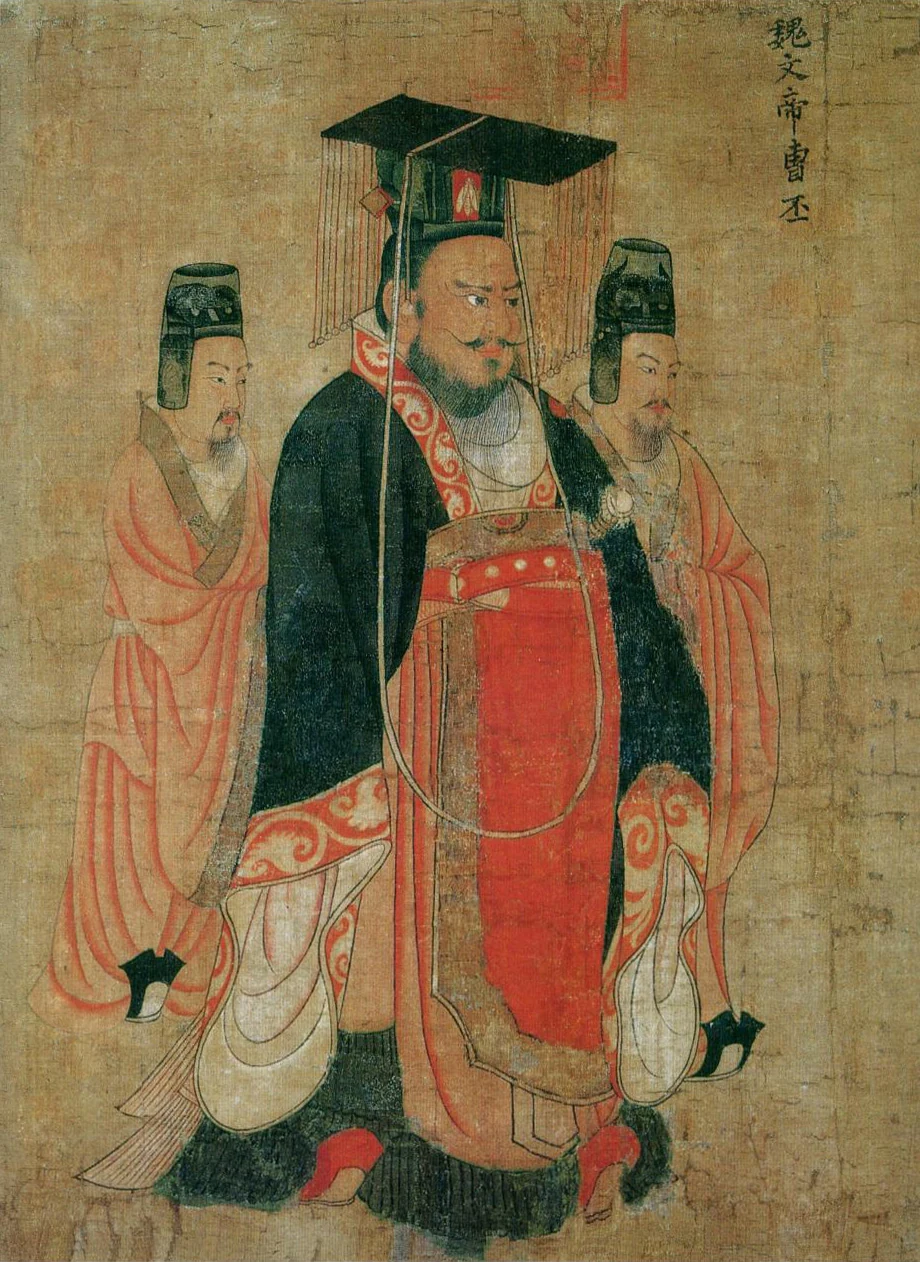
Cao Pi
Cao Pi (187–June 29, 226), courtesy name Zihuan, was a native of Qiao County, Pei Commandery (present-day Bozhou, Anhui). He was a politician and writer of the Three Kingdoms period and the founding emperor of Cao Wei, reigning from December 11, 220 to June 29, 226. He was a son of Emperor Wu of Cao Wei, Cao Cao, and Empress Wuxuan, Lady Bian. Accomplished in both civil and military arts, he read widely in the classi
Cao Wei
Historical figure
Cao Rui
Cao Rui (204–January 22, 239), courtesy name Yuanzhong, was a native of Qiao County, Pei Commandery (present-day Bozhou, Anhui). He was the second emperor of Cao Wei during the Three Kingdoms period, reigning from June 29, 226 to January 22, 239, and was also active as a statesman and man of letters. He was the son of Cao Pi, the founding emperor of Cao Wei, and Empress Zhen, posthumously honored as Empress Wenzhao.
Cao Wei
Historical figure
Cao Mao
Cao Mao (November 15, 241–June 2, 260), courtesy name Yanshi, was a native of Qiao County, Pei Commandery (present-day Bozhou, Anhui) and the fourth emperor of Cao Wei during the Three Kingdoms period. His reign used the era names Zhengyuan and Ganlu. He was a grandson of Cao Pi, Emperor Wen of Cao Wei, and a son of Cao Lin, Prince Ding of Donghai. In 244, the fifth year of Zhengshi, he was enfeoffed as Duke of Gaogu
Cao Wei
Historical figure
Cao Huan
Cao Huan (246–302), originally named Cao Huang and courtesy name Jingming, was a native of Qiao County, Pei Commandery (present-day Bozhou, Anhui). He was a grandson of Cao Cao, Emperor Wu of Cao Wei, and the son of Cao Yu, Prince of Yan. Cao Huan was the last emperor of Cao Wei during the Three Kingdoms period and reigned from 260 to 266. After Cao Mao was killed in 260, the fifth year of Ganlu, Sima Zhao selected C
KEY PEOPLE
 Western Jin
Historical figure
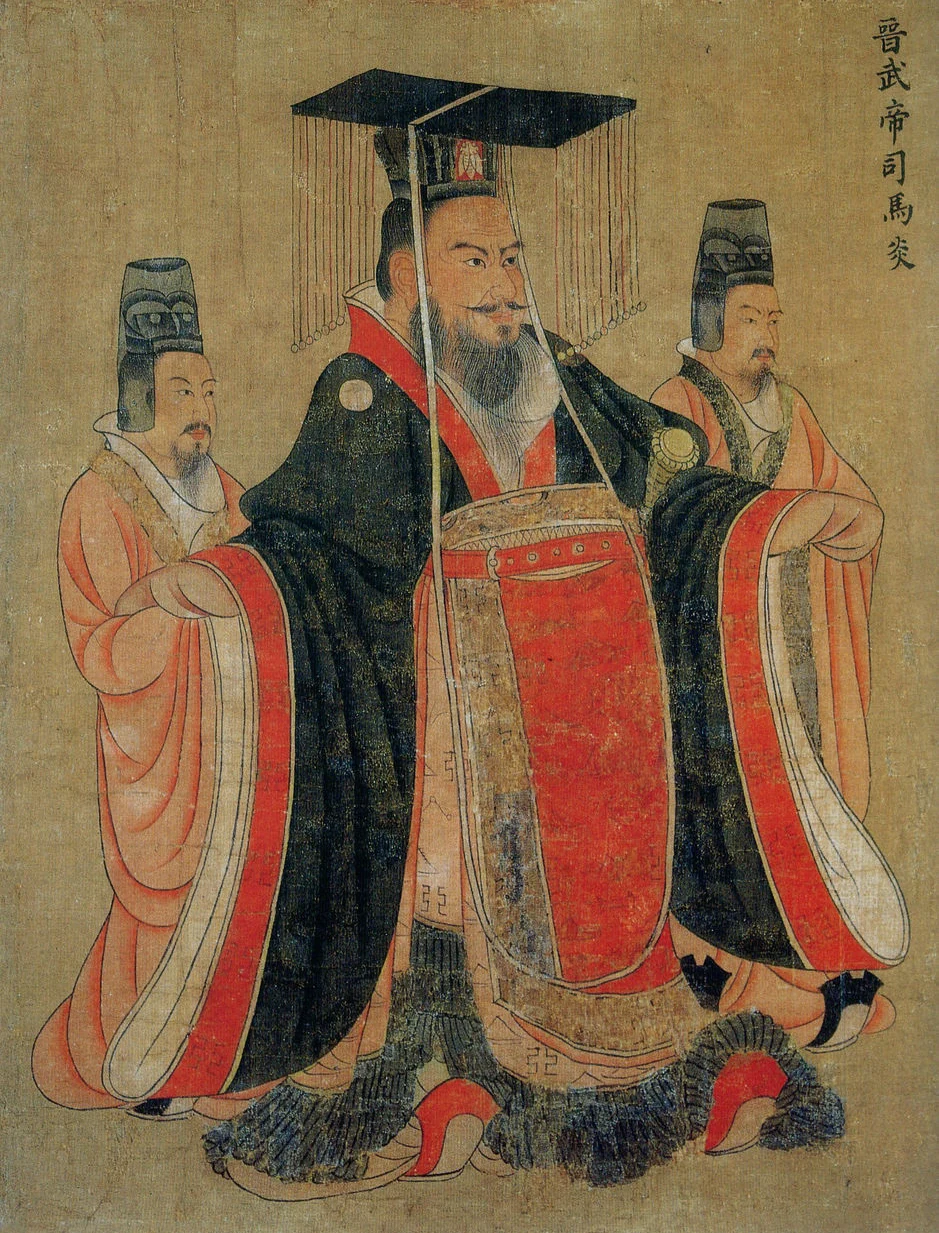
Sima Yan
Sima Yan (236–290), courtesy name Anshi, came from Wen County in Henei Commandery. A son of Sima Zhao and Wang Yuanji, he founded the Western Jin dynasty. He inherited the political power accumulated by his family in Cao Wei and accepted the abdication of Cao Huan in 266 (Taishi 1 of Jin). He ordered the conquest of Wu in 279 (Xianning 5 of Jin); Wu surrendered the following year, ending the division of the Three Kin
 Eastern Han
Late Eastern Han statesman and military commander
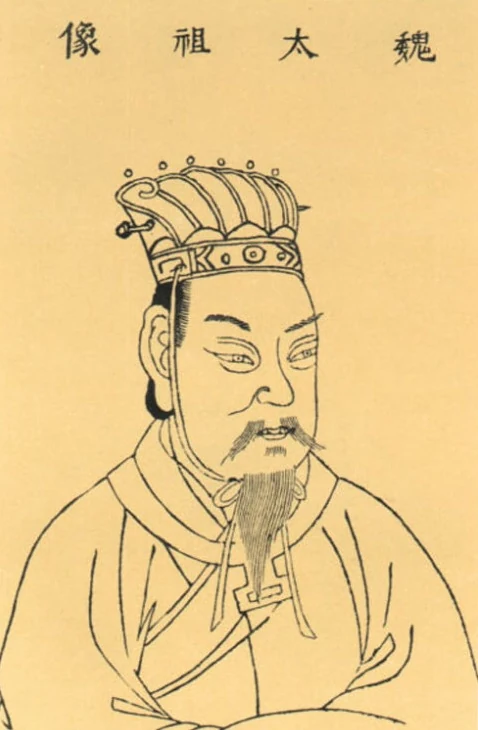
Cao Cao
Cao Cao (155(1st year of Yongshou)–220(25th year of Jian'an)), courtesy name Mengde and childhood name Aman, was a native of Qiao County in Pei Commandery and a late Eastern Han statesman, military commander, and poet. He entered Eastern Han service early in life. After the Yellow Turban Rebellion began, he took part in suppressing the rebels and later established a military base in Yan Province. After bringing Emper
 Cao Wei
Statesman
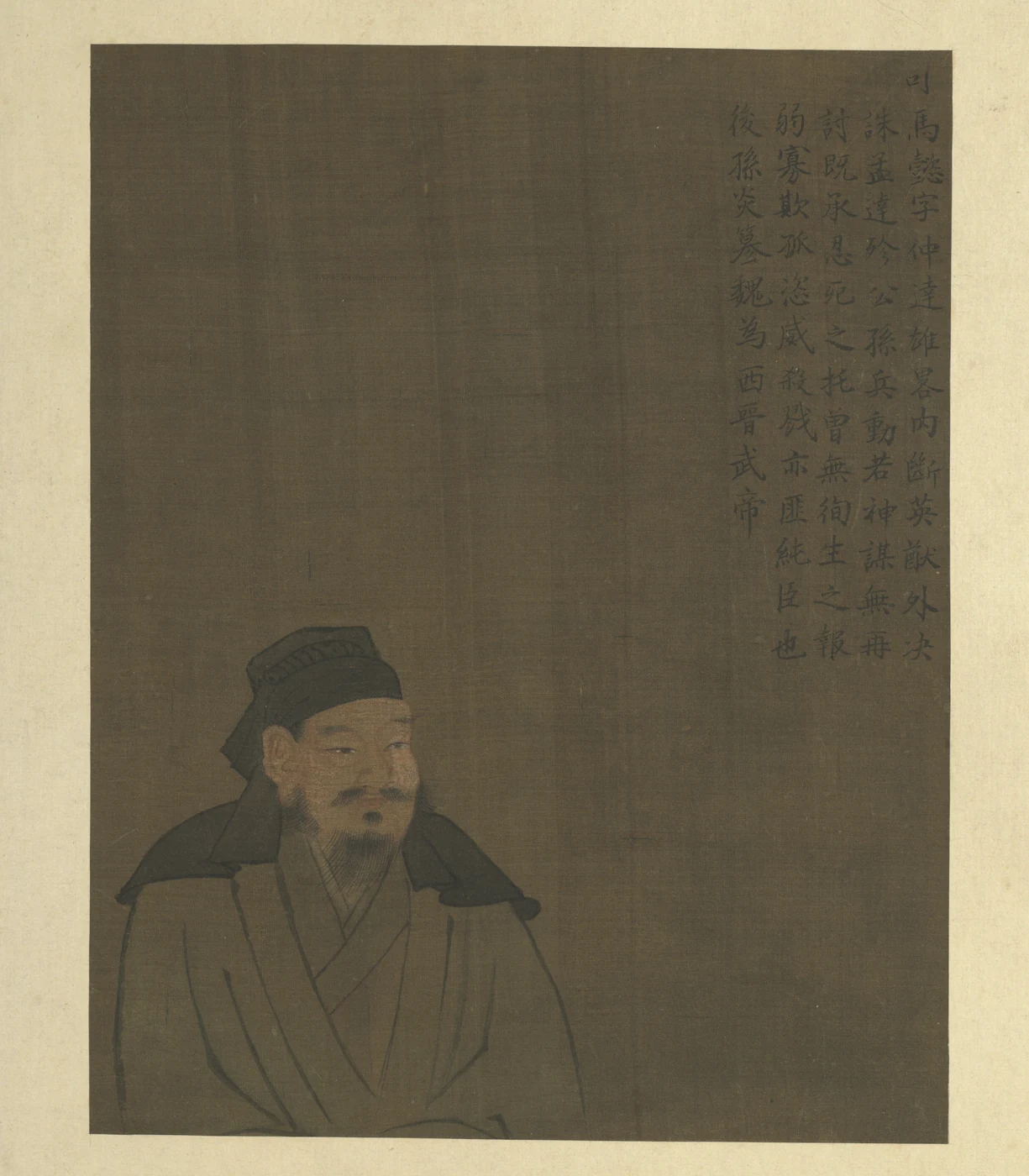
Sima Yi
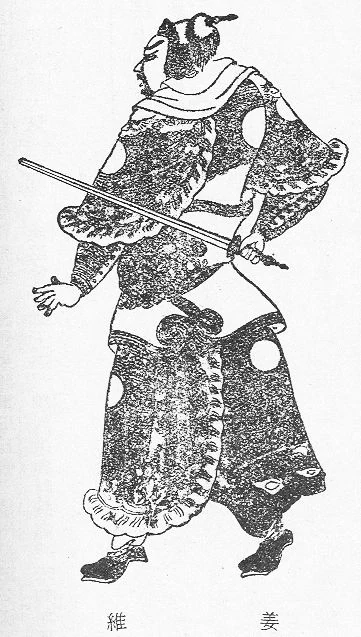
Sima Yi (179 – September 7, 251), courtesy name Zhongda, a native of Xiaojing Village, Wen County, Henei Commandery (present-day Wen County, Jiaozuo, Henan), was a statesman, powerful minister, military commander, and strategist of Cao Wei in the Three Kingdoms era, and the founder of the Jin dynasty. Clever from childhood and of grand design, widely learned and devoted to Confucian teaching, he at first declined off
 Cao Wei
General
Jiang Wei
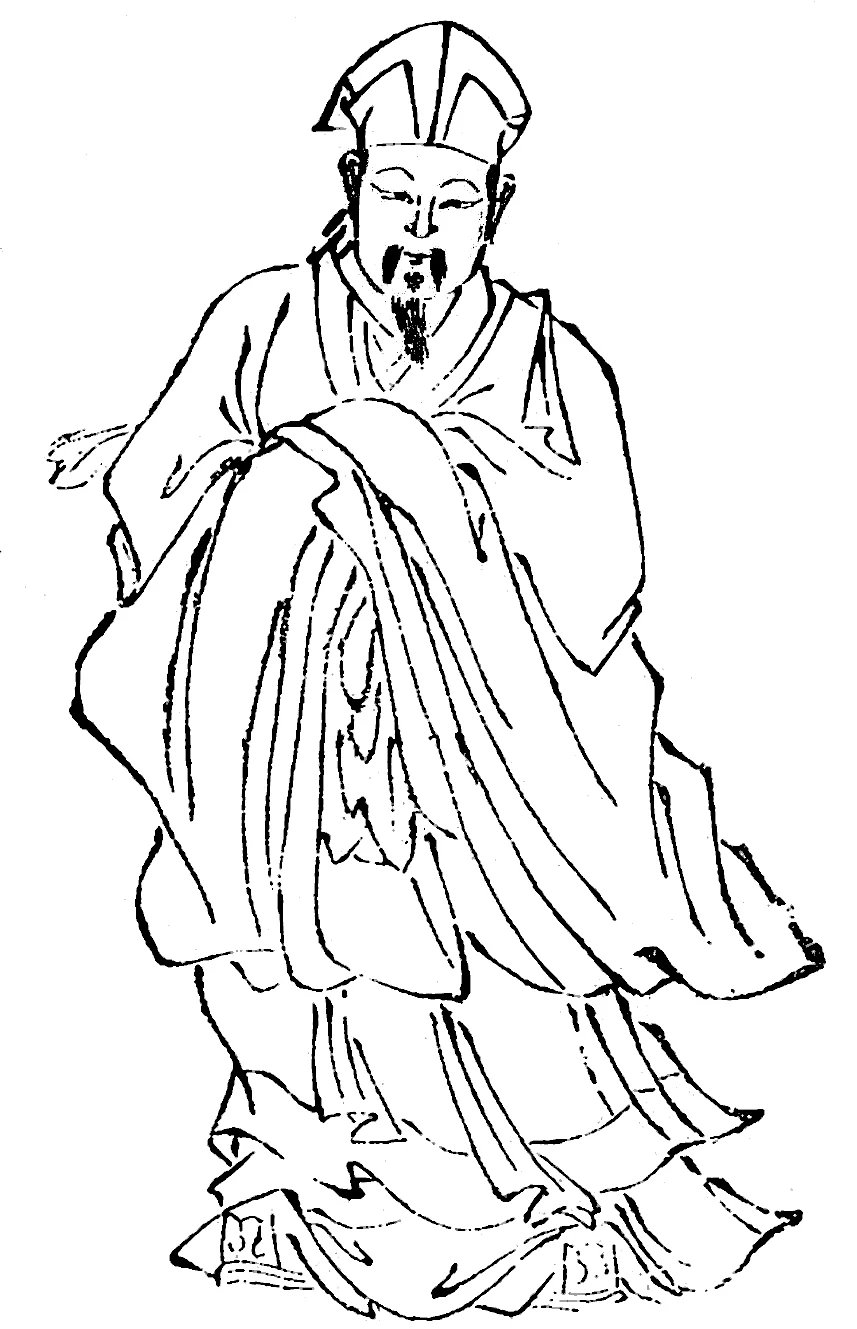
Jiang Wei (202–March 3, 264), courtesy name Boyue, was a native of Ji County in Tianshui Commandery, Liang Province, present-day Gangu County, Tianshui, Gansu. He was a famous Shu Han general of the Three Kingdoms period who rose to General-in-Chief. Originally an officer of Cao Wei in Tianshui Commandery, he surrendered to Shu Han in 228, Jianxing 6, during Zhuge Liang's first expedition through Mount Qi and was hig
 Cao Wei
Statesman
Xun Yu
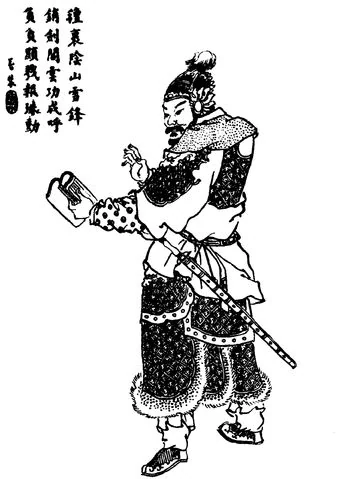
Xun Yu (163–212), courtesy name Wenruo, was a native of Yingyin County, Yingchuan Commandery, in present-day Xuchang, Henan. A late Eastern Han statesman and strategist, he became Cao Cao's principal civil adviser, rose to Palace Attendant and acting Prefect of the Masters of Writing, and was enfeoffed as Marquis of Wansui Village. Because he served for many years as Prefect of the Masters of Writing, later generatio
 Cao Wei
General
Deng Ai
Deng Ai (197–264), courtesy name Shizai, originally named Deng Fan with the courtesy name Shize, was a native of Jiyang County, Yiyang Commandery, in present-day Xinye County, Henan. He was a leading general and military strategist in the later Cao Wei period. Recommended for office because of his learning, he remained in low-ranking service for many years because of a speech impediment before attracting the attentio
Cao Wei
Strategist
Guo Jia
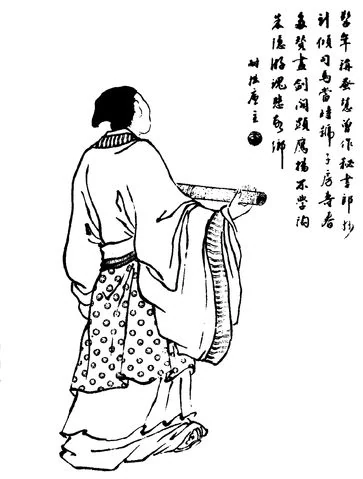
Guo Jia (170–207), courtesy name Fengxiao, was a native of Yangdi in Yingchuan (present-day Yuzhou, Henan). He was a core strategist under Cao Cao in the late Eastern Han, eventually serving as military-libations officer to the Excellency of Works, receiving the title Marquis of Weiyang Village, and posthumously the title Marquis Zhen. Guo Jia came from the Guo clan of Yingchuan and showed far-reaching ambition from
 Cao Wei
Politician
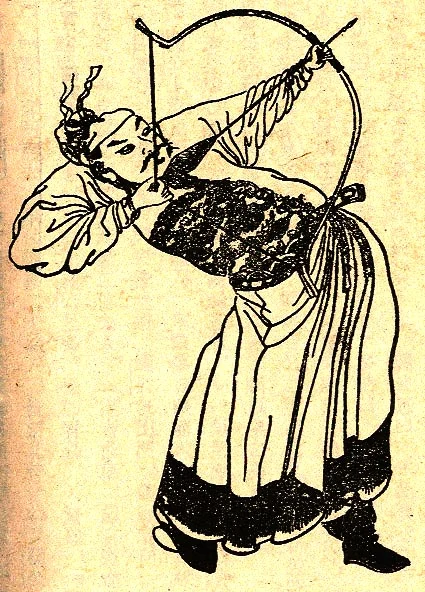
Zhong Hui
Zhong Hui (225–March 3, 264), courtesy name Shiji, was a native of Changshe County in Yingchuan Commandery, present-day Changge, Henan. A minister of Cao Wei during the Three Kingdoms period, he rose to Minister of Education and was the youngest son of Grand Tutor Zhong Yao. Learned and versatile and highly accomplished in xuanxue, Zhong Hui was an important politician, military strategist, writer, and calligrapher
 Cao Wei
General
Zhang Liao
Zhang Liao (169–222), courtesy name Wenyuan, was a native of Mayi in Yanmen Commandery, in present-day Shuozhou, Shanxi. A celebrated Cao Wei general of the late Eastern Han and Three Kingdoms periods, he was traditionally said to descend from Nie Yi of the Western Han and to have adopted the surname Zhang to avoid inherited hostility. Zhang Liao successively served Ding Yuan, He Jin, Dong Zhuo, and Lü Bu before subm
Cao Wei
Senior official
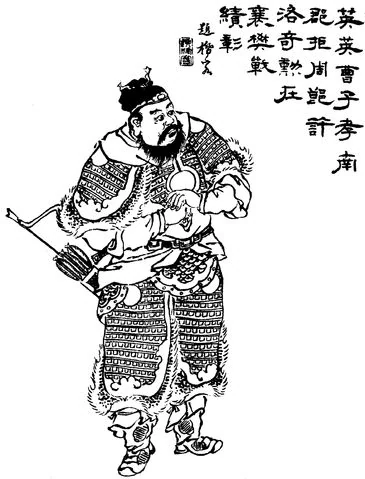
Jia Chong
Jia Chong (217–May 19, 282), courtesy name Gonglu, was a native of Xiangling in Pingyang, in present-day Xiangfen, Shanxi. He was an official from the Cao Wei period of the Three Kingdoms through the Western Jin and a son of Jia Kui, Governor of Yu Province under Cao Wei. Jia Chong became one of the founding meritorious officials of the Western Jin. Born into the Jia clan of Pingyang, he inherited the title Marquis o
 Cao Wei
Historical figure
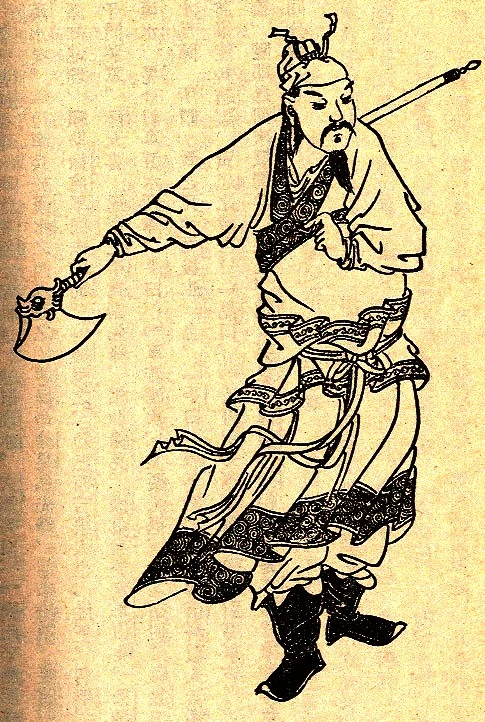
Cao Ren
Cao Ren (168–May 6, 223), courtesy name Zixiao, was a native of Qiao County, Pei Commandery (present-day Bozhou, Anhui). He was a prominent Cao Wei general of the late Eastern Han and Three Kingdoms periods and a younger paternal cousin of Emperor Wu of Cao Wei, Cao Cao. From the beginning of Cao Cao's uprising, Cao Ren led his own followers to join him and repeatedly served as a cavalry vanguard. As a commander he w
 Cao Wei
General
Xu Huang
Xu Huang was one of the Five Elite Generals of Cao Wei. He was best known for defeating Guan Yu and lifting the siege of Fancheng and for the strict discipline of his troops.
Related entries
Bibliography
- 《三国志》
- 《晋书》
- 《资治通鉴》
- 《后汉书》