TL;DR · Core Takeaways
- Headline taxes hid the real bill: Han law taxed farm output at one-thirtieth, or 3.3 percent. Yet cash poll taxes, unpaid labor, and local fees often took over half of a family's crop.
- Fifty-percent rent capped household risk: Peasants gave their land deeds to rich clans for free and paid 50 percent rent. That deal ended state labor drafts and brought famine loans.
- Rome saw the same collapse: Unchecked cash taxes and forced labor drove free smallholders onto huge estates, just like late Roman coloni.
> Historical Context: Western and Eastern Han Dynasties (202 BCE - 220 CE) | Parallel in Europe: Late Roman Republic to the Roman Empire.
In 167 BCE, Emperor Wen of Han Emperor Wen of Han abolished the national land tax. Even when taxes returned, both the Western Han Western Han Dynasty and Eastern Han Eastern Han Dynasty kept the statutory land tax at one-thirtieth of the crop. That came to just 3.3 percent. Centuries later, Zhu Yuanzhang founded the Ming Dynasty and set farm taxes in the same 3 to 5 percent range.
On paper, Chinese small farmers enjoyed tiny tax bills. Out of ten bushels of grain, the state took only a third of one bushel. More than ninety-six percent stayed in the farmer's barn. Yet Han court records show the exact opposite trend on the ground. Thousands of independent farmers walked up to rich local magnates and gave away their land deeds for free. They became tenant farmers and promised to pay 50 percent of every harvest as private rent.
Peasants did not trade 3.3 percent for 50 percent out of poor math. They made that trade because the tax roll hid a second bill with no upper limit.
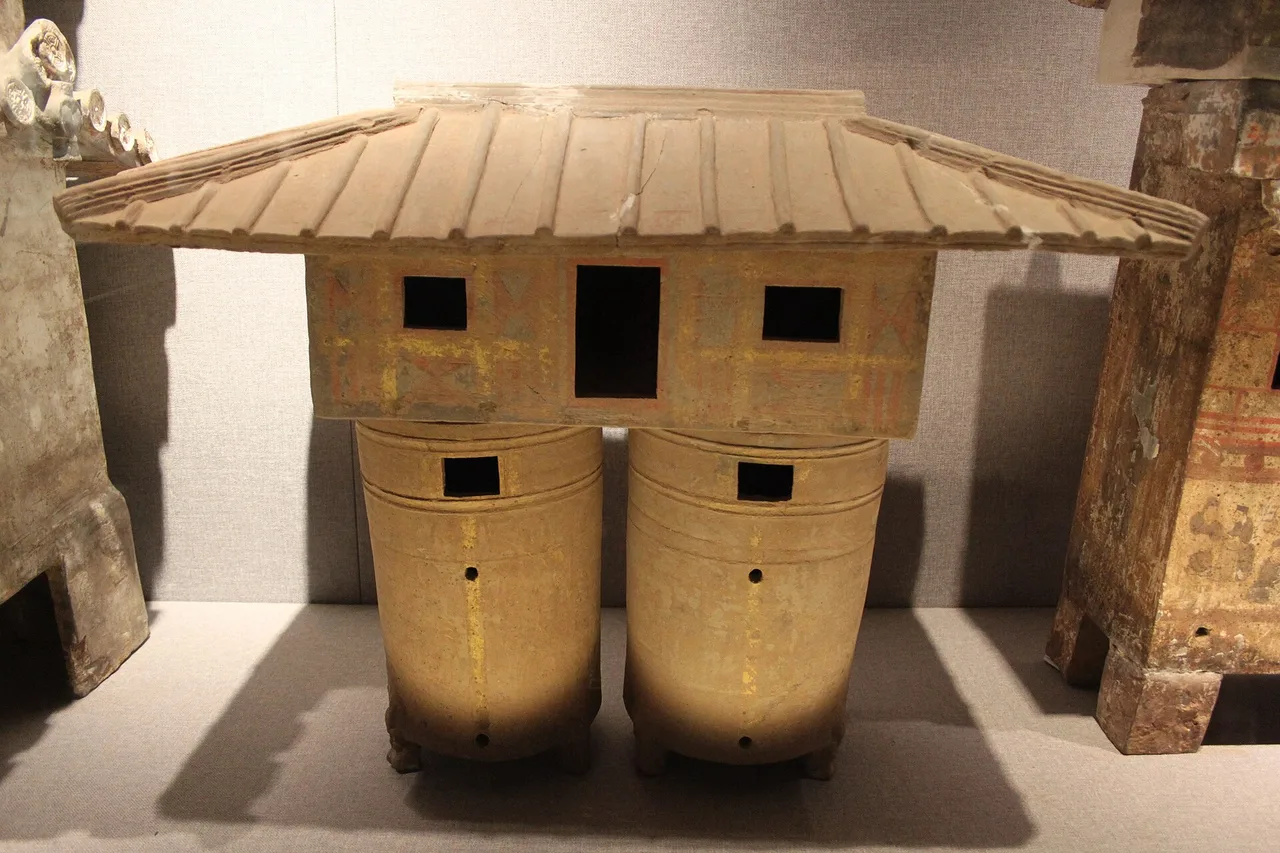
01. The Real Farm Ledger Behind a 3.3% Tax Rate
What ruined a Han farm family was never the small grain tax on its fields. Survival turned on three other harsh bills paid in copper coins, unpaid labor, and local fees. In 178 BCE, the Western Han statesman Chao Cuo Chao Cuo wrote down a clear budget for a five-person farm home. Only two adults in that home could do heavy field work. They farmed about one hundred mu of land and harvested roughly one hundred shi of grain in a good year. At the one-thirtieth rate, that family owed the state granary just 3.33 shi of grain.
Three Hidden Bills That Broke Small Farms
Once a family sat on the official county roll, a local official took far more outside the land tax:
- Cash poll taxes on every head: Every adult aged 15 to 56 owed an annual tax (suanfu) of 120 copper coins. Children aged 7 to 14 owed 20 to 23 coins (koufu). In early Han markets, one shi of grain sold for only a few dozen coins. A family of five had to sell about ten shi of grain just to raise 300 to 400 coins. Good harvests pushed grain prices down. That forced farmers to sell even more grain to pay the exact same coin bill. When border wars broke out, the court doubled the adult coin tax.
- Unpaid labor drafts during busy seasons: Under Han law, every adult man owed one month of unpaid corvée labor each year in his home county. He repaired roads, dug canals, or hauled army food. Over his life, he also owed one year of guard duty in the capital and one year on the frontier. A home of five held only two adult workers. When officials pulled one worker away, grain output fell by half at once. When drafts hit during spring planting or autumn harvest, ripe crops rotted in the mud.
- Grain shrinkage fees and extralegal local levies: When farmers hauled grain to state barns, clerks charged extra grain for transport loss and pests. Clerks often nitpicked grain quality until farmers paid 1.2 or 1.3 shi to clear one shi on paper. Worse still, county offices refused to cut coin taxes during droughts or floods. Families borrowed copper cash at loan rates that doubled in a year. By spring, they had no money left to buy seed.
| Cost Item | Registered Smallholder (Facing the State) | Estate Tenant (After Commendation) |
|---|---|---|
| Legal Land Title | Holds private deed; owes full taxation and corvée | Gives deed free to magnate; works as tenant |
| Statutory Land Tax | 3.3% of harvest (one-thirtieth rate) | 0% (paid or sheltered by the magnate) |
| Poll Taxes, Corvée Labor & Levies | Uncapped and harsh (often many times the land tax) | Near 0% (blocked by the magnate's legal status) |
| Private Land Rent | 0% | 50% of harvest (fixed share) |
| Household Risk | Unlimited risk; one bad draft or drought brings ruin | Capped bill; keeps half the crop and gets famine loans |
How Low Rates Shrank the State Tax Base
Putting these bills side by side shows the chain reaction inside Han villages. Court keeps land tax at 3.3% -> Treasury leans on cash poll taxes and unpaid corvée labor -> Clerks add extralegal local levies -> Cash runs dry in droughts or cheap-grain years -> Farmers give deeds to tax-exempt magnates -> Official tax rolls shrink as private estates grow.
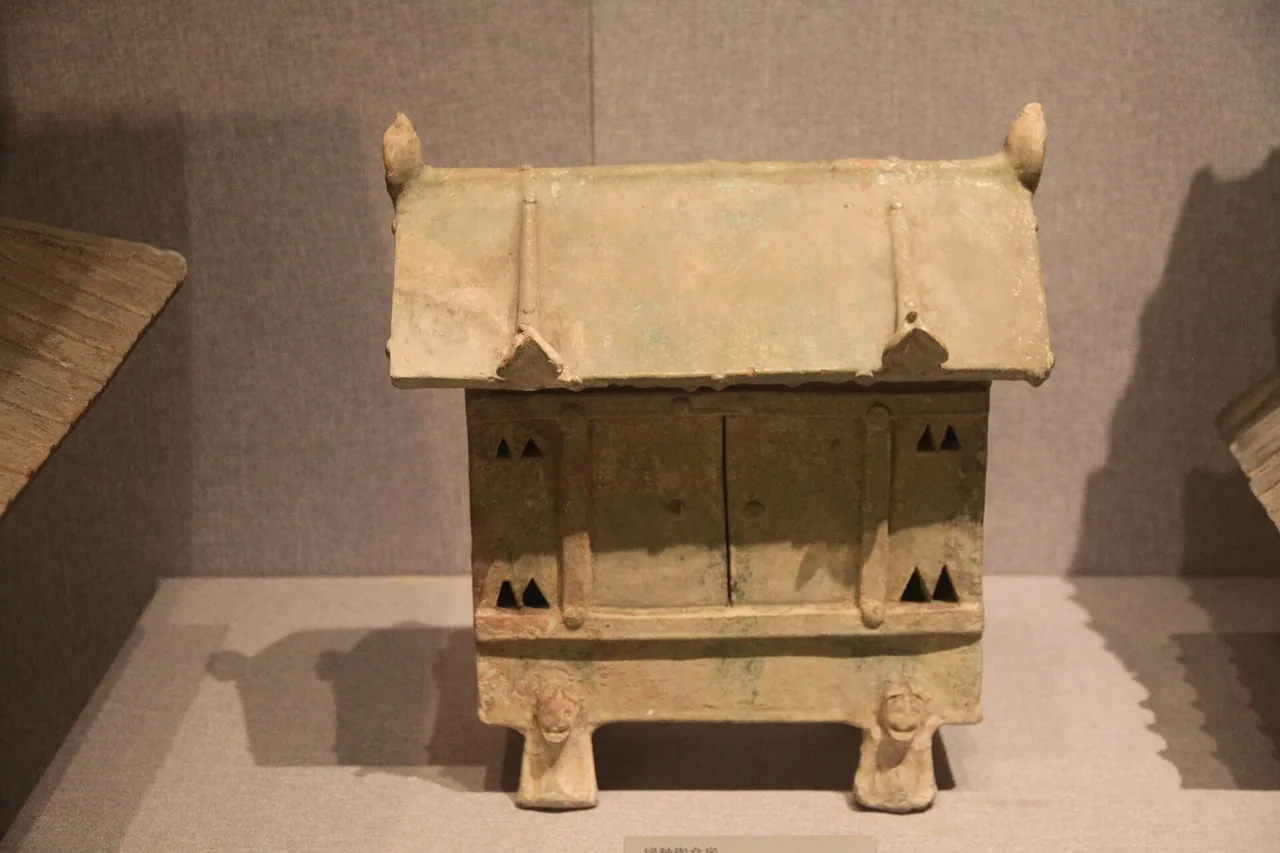
02. Why Magnate Estates Worked as Rational Insurance
Peasant commendation to magnates was not simple theft by greedy lords. It was a two-way risk trade between desperate farmers and powerful elites.
The Magnate Profit Margin
For nobles, high officials, and members of the Imperial Clan, taking peasant deeds paid huge returns. Under Han law, marquises and senior officials held legal exemptions from corvée labor and many state taxes. Even when a lord owed tax on his land, he paid the court only 3.3 percent. He then collected a firm 50 percent rent from the tenants working those exact fields. That forty-point gap fueled the rapid spread of walled estates across both Han eras.
Why Farmers Chose Capped Losses
For a farmer near ruin, trading ownership for tenancy solved his worst problem: fear of the unknown. Paying 50 percent rent stung, yet the bill had a hard cap. Out of one hundred shi of grain, the tenant gave up fifty shi and kept fifty shi at home. If locusts or floods hit, the lord lent grain and seed to keep skilled hands alive for next spring. Strong patrons also used armed retainers to keep bandits and county clerks off the land.
By contrast, staying on the county tax roll brought unlimited danger. No farmer knew when grain prices would crash right before coin taxes came due. No farmer knew when a District Magistrate would draft his son during harvest week. One bad blow forced the family to sell land, sell children into debt, and flee as displaced refugees. Giving up a paper deed for steady rules was a cool, smart move to stay alive.
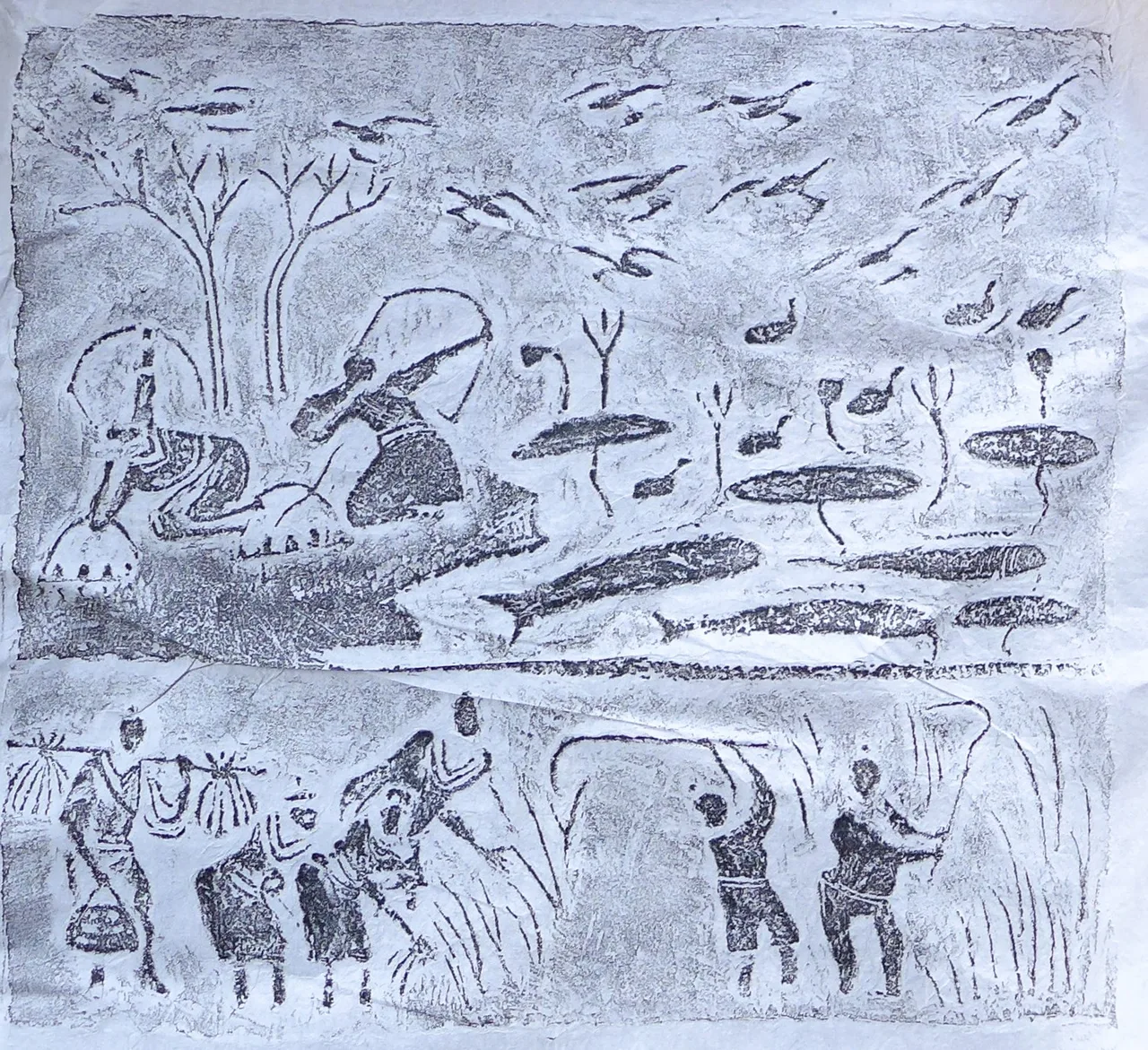
03. Han Commendation vs. Late Roman Patronage (Patrocinium)
When an empire loses control over cash taxes and forced labor, free farmers often trade liberty for elite shelter. That story did not belong to China alone.
The late Roman Empire lived through a near-twin crisis in the 4th and 5th centuries CE. Early Roman emperors taxed provinces at roughly 5 to 7 percent of total output. Yet after third-century wars and coin decay, Emperor Diocletian rolled out a harsh head-and-land tax (Capitatio-Iugatio). Town councils had to cover any local tax shortfall out of their own pockets. Relentless cash demands and army drafts crushed free farmers across the Mediterranean.
Soon, desperate Roman peasants began handing their land deeds to rich senators who had tax breaks and private guards. In return, farmers stayed on the land as dependent coloni. Roman law called this patrocinium. Just like Eastern Han counties losing tax rolls behind walled estates, Western Rome cut Italian land taxes in the early 400s. Still, Rome could not pull runaway taxpayers back onto state books.
The two worlds parted ways only in what followed. Western Rome lost its tax base and broke into small kingdoms. In China, after centuries of estate power during the Northern and Southern Dynasties, the Northern Wei and Sui-Tang courts launched the Equal-Field System Equal-Field System. They rebuilt household rolls and gave state land back to small farmers. Even then, the fix held only while officials kept extra fees in check.
Many quick summaries blame dynastic fall on "land concentration" led by greedy landlords. Real Han budgets show the reverse order: runaway cash poll taxes, harvest labor drafts, and extralegal local levies pushed self-reliant farmers straight into the arms of magnate estates.
- Key Cross-Cultural Anchors:
one-thirtieth land tax(3.3% statutory land tax) ·extralegal local levies·corvée labor·land concentration·commendation to tax-exempt magnates(Patrocinium) - Linked CHIST Entries: Emperor Wen of Han · Chao Cuo · Western Han Dynasty · Eastern Han Dynasty · Equal-Field System
Primary Sources & Historical Bibliography
- Ban Gu, Book of Han (Hanshu), Vol. 24A, Treatise on Food and Money — preserving Chao Cuo's 178 BCE Memorial on Encouraging Agriculture and standard five-person household grain budgets.
- Ban Gu, Book of Han (Hanshu), Vol. 4, Annals of Emperor Wen — recording the 167 BCE abolition of the agricultural land tax.
- Fan Ye, Book of the Later Han (Houhanshu), Vol. 49, Biography of Zhongchang Tong — describing sprawling Eastern Han magnate estates and dependent tenants.
- Cho-yun Hsu, Han Agriculture: The Formation of Early Chinese Agrarian Economy (206 B.C.–A.D. 220) (Seattle: University of Washington Press, 1980).
- Peter Garnsey & Richard Saller, The Roman Empire: Economy, Society and Culture (2nd ed., University of California Press, 2014) — comparing early imperial tax loads and late Roman coloni patronage.