TL;DR · Core Takeaways
- Law vs. Reality: The Green Sprouts policy set a legal rate of 20 percent per season. This looked better than private rates of 50 to 100 percent. Price tricks and clerk bribes raised the real cost above 50 percent.
- Mixed Goals and Bad Incentives: The law tried to help poor farmers and raise state cash at the same time. Target quotas forced local clerks to skip poor families and push unwanted loans onto stable farms.
- Broken Systems: The state had no outside courts and no voluntary choices. Officials forced neighbors into group pledges. One unpaid debt ruined a whole ring of farms, turning a loan into a heavy land tax.
Historical Context
- Chinese History Timeline: 1069–1085. Emperor Shenzong and Wang Anshi led the central court at Bianjing (Kaifeng). They created the Commission for Regulating the Three Fiscal Agencies and tasked the Court of the Imperial Granaries with small farm loans.
- Western / Mediterranean Timeline: Late eleventh century. Feudal lords clashed with popes in the Investiture Controversy (1075–1122), while Italian port cities formed early merchant contracts under church bans on usury.
01. Benevolent Statutes and Practical Traps: The 20 Percent Fallacy
Song farmers faced two lean seasons every year: early spring planting and late spring before the summer crop. Since the Western Han Dynasty, dynasties built Ever-normal Granaries and storehouses to steady crop prices and offer famine relief. Ritual texts like the Book of Rites compiled by Dai Sheng recorded these granary rules. By the mid-eleventh century, rich landholders and private lenders ran village credit. Lenders asked for double the grain at harvest, which meant interest rates of 50 to 100 percent. When bad weather hit, free farmers lost their land to debt and became poor tenants.
Vice Grand Councilor Wang Anshi (style name Anshi) tested a fix while serving as a county head in Yin County. He lent old grain from the local storehouse in spring. He then took back fresh grain with a 20 percent charge in autumn. This step fed the people and brought in extra cash. In the ninth lunar month of 1069, Emperor Shenzong launched the plan across the realm as the Green Sprouts policy under Wang Anshi's New Policies (Xining Reforms).

The law let local offices draw fifteen million strings of cash from the Ever-normal Granary and Guanghui Granary reserves. County desks gave out funds twice a year, in spring and autumn, at a stated rate of 20 percent per term. Borrowers were supposed to choose freely whether to borrow and pay back grain for grain or coin for coin.
Once the bureaucracy took over, the loan program failed its core goal of Humane Governance. Sima Guang argued that the rule used the name of credit to take wealth by force. Senior Grand Master Han Qi sent a memorial warning that farm families in Daming Prefecture wept when the loans arrived. Su Shi wrote that state aid had turned into a forced levy. To see why this happened, we must look past court slogans and check the real accounts.
02. Balancing the Books: Micro-Level Households vs. Imperial State Treasuries
A credit rule lives or dies by how it balances family ledgers. In Northern Song circuits, the Green Sprouts policy split the books between local farmers and imperial managers.
[Imperial Treasury: Growing military expenditure deficits]
         ↓ Mandates loan disbursement and revenue quotas
[Ever-Normal Granary Commissioners / County Magistrates]
         ↓ Evade bad debt risk; exclude asset-poor households
[Forced allocation onto solvent, middle-tier landholders]
         ↓ Official price conversion gaps + clerical extortion
[Real interest rates on peasants escalate to 50%–70%]
         ↓ Ten-household collective liability enforcement
[Single defaults ruin entire guarantor groups; yeomen flee]
Household and Village Balance Sheets
In the villages, real borrowing fees rose far above the legal 20 percent mark.
First, price tricks cut into family savings. Grain stocks were not equal across every circuit. When county offices had no coin in spring, clerks made farmers take old grain or raw cloth at inflated state rates. Come autumn, clerks refused grain. They demanded scarce copper coin instead, or they priced good harvest grain far below market value. This gap added another 15 to 25 percent to the real cost.
Second, clerk fees added heavy burdens. A farmer who walked to the county office had to tip the township bailiff, the village head, and the county scribes. A peasant who signed for ten strings of cash took home less than eight strings. Yet clerks made him pay back the full ten strings plus two strings in interest. After adding travel costs, lost farm time, and fees, the real rate hit 50 to 70 percent. This matched the private loan rates it was meant to fight.
Third, group pledges trapped safe farms. The law set up five-family or ten-family guarantee rings. Each local official, from a local Manager of Agriculture to a circuit Route Commander, was judged on how much cash he collected. To stop bad loans, magistrates skipped the poorest homes. Instead, they forced loans onto middle-class farms that had land to back the debt. Safe farmers who had plenty of grain had to take money they did not want.
When poor neighbors lost their crops and ran away, the remaining families had to pay their missing sums. Joint group liability locked solvent farmers into debts they could not clear.
Imperial Treasury Balance Sheets
Inside the Three Offices and the Department of State Affairs Ministry of Revenue in Kaifeng, leaders faced deep fiscal strain. After beating regional rivals like Northern Han Dynasty and Wuyue Kingdom, the Song kept a large standing army and a huge civil service. By the Xining era, high troop costs and growing rosters created steady deficits. The court needed ready cash and extra grain to supply frontier forts and mount campaigns in the north and west.
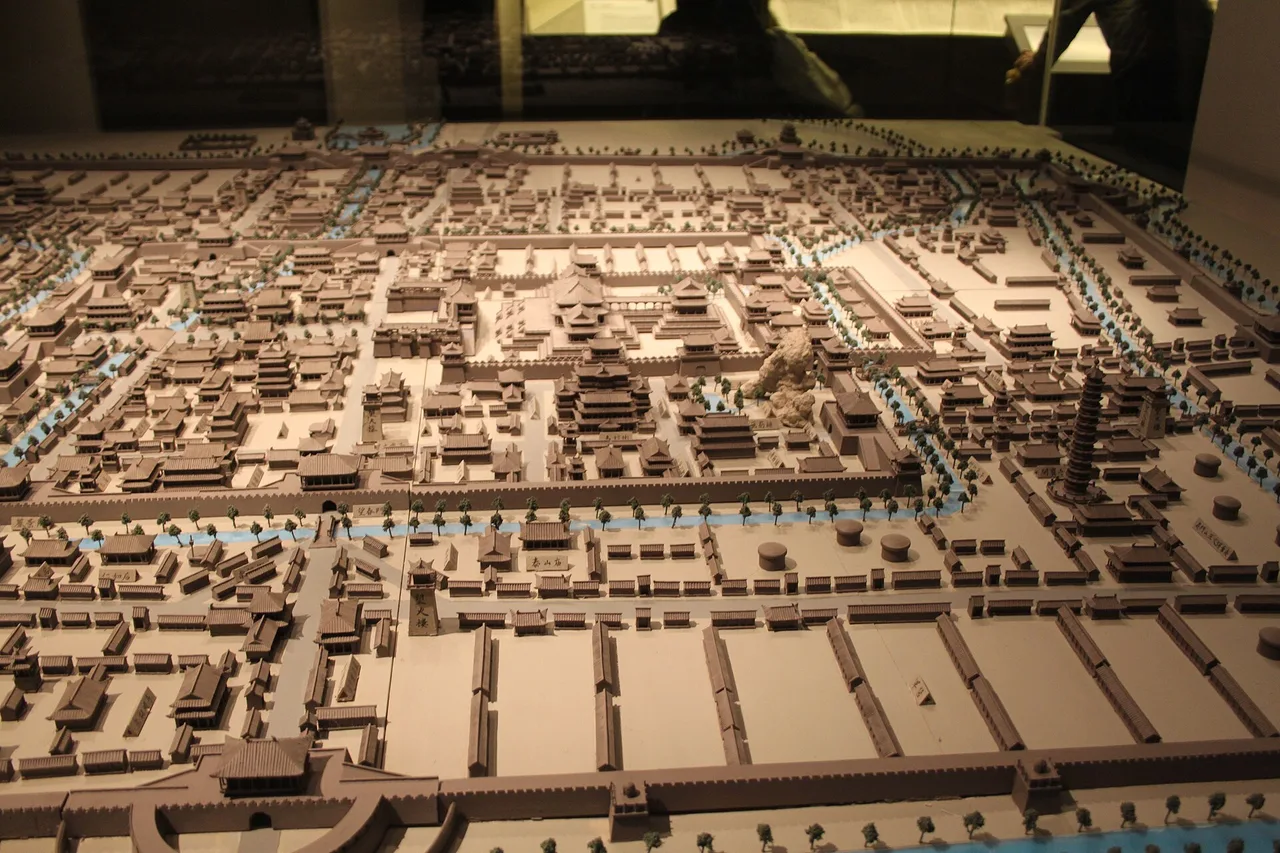
Wang Anshi told Emperor Shenzong that the court could raise income without raising land taxes. Tapping the fifteen million strings in the Ever-normal Granary system gave the treasury fresh income twice a year:
- Lending ten million strings across spring and autumn cycles brought in two to three million strings in interest for the Court of the Imperial Granaries.
- This extra cash bypassed standard land tax debates, skirting fights with court critics.
Cash from the loans went into the Reserve Treasury and frontier supply posts to back Wang Shao in the Xihe Expansion. This money did not come from better trade or higher farm yields. It came from squeezing farm cash into state vaults.
| Accounting Dimension | Statutory Blueprint (Nominal Target) | Ground-Level Execution (Actual Practice) | Private Creditors (Rural Gentry) |
|---|---|---|---|
| Nominal Rate | 20% per cycle (40% annually) | Stated 20%, rising to 50%–70% after conversion spreads | 50%–100% per season (compounding) |
| Borrower Consent | Voluntary application; priority to the poor | Forced allocation imposed on solvent households | Voluntarily contracted under economic distress |
| Disbursement Form | Treasury coin or grain at prevailing market value | Spoiled grain or textiles at inflated official valuations | Spot physical grain or circulating coin |
| Settlement Medium | Grain for grain, cash for cash | Coerced cash payment or undervalued produce buybacks | Land title transfer, labor, or seasonal crops |
| Default Recourse | Grace periods and disaster fee waivers | Ten-household mutual liability collected from neighbors | Foreclosure on mortgaged farmland |
| Fiscal Destination | Ever-normal Granaries for famine relief | Military expenditure and bureaucratic evaluations | Private land accumulation and estate expansion |
The Green Sprouts policy pushed down some private lending rings. Yet replacing private lenders with state agents stripped farmers of the right to say no.
03. Comparative Imperial Ledger: Song Bureaucratic Credit vs. European Charitable Pawnshops
The failure of the Green Sprouts policy was not an isolated Chinese event. Early farm-based societies struggled to give safe, low-cost emergency loans to poor families and small farmers.
In the mid-fifteenth century, Franciscan friars in Italian towns like Perugia opened Monte di Pietà pawnshops. Their goal was to shield poor townsfolk from moneylenders who charged 30 to 40 percent interest.
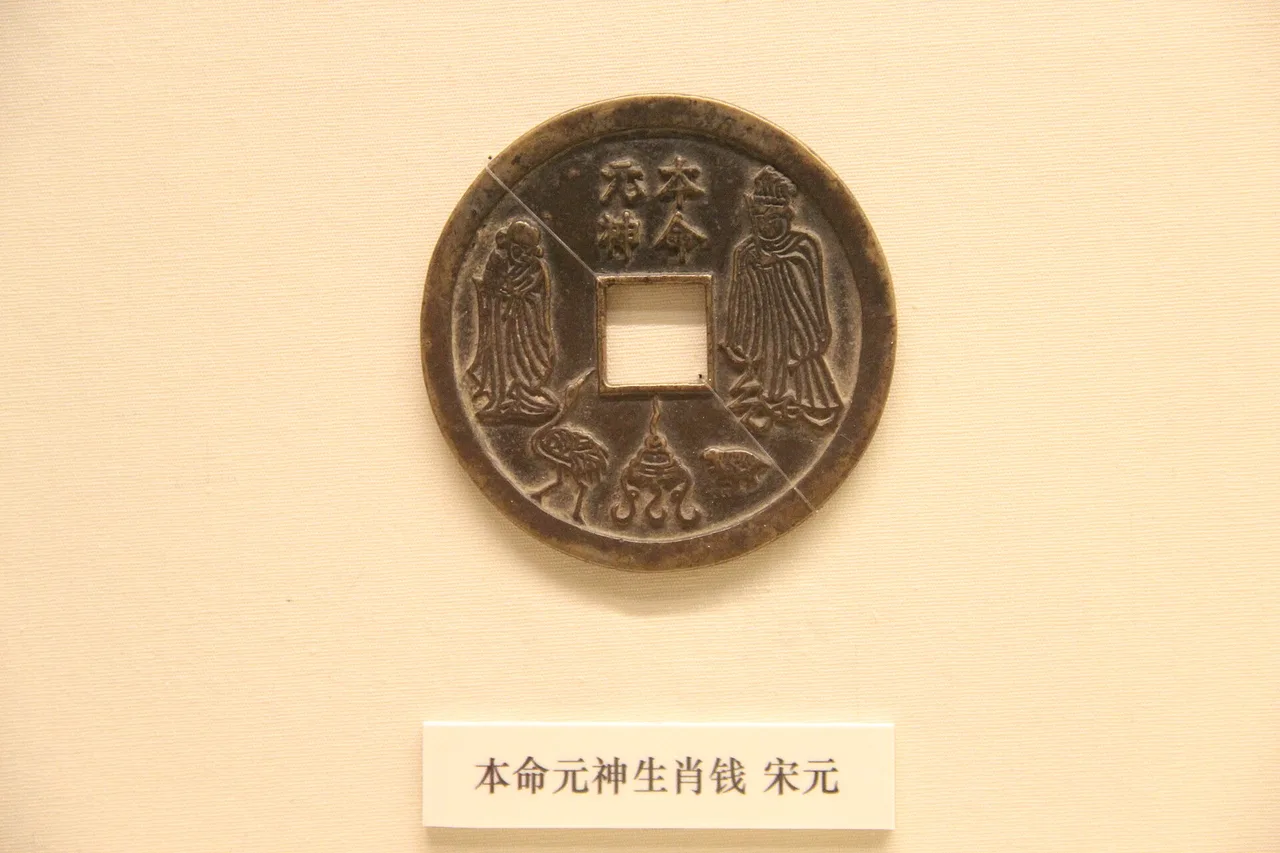
Both plans set out to use public credit to save smallholders from private debt traps. Italian pawnshops gave small loans on personal goods, taking a 5 percent fee to pay for clerks and storage. This fee led to fifty years of church debate over usury until Pope Leo X backed the practice in 1515.
The two systems parted ways on three basic rules:
- Capital Source and Asset Ownership: Money for Italian pawnshops came from civic gifts, guild funds, and church charity trusts. Donors took no profits and held no equity claims. The Green Sprouts policy took its funds from the imperial Ever-normal Granaries. These funds were treated as state capital under imperial, bound by strict replenishment rules.
- Separation from State Fiscal Quotas: Italian pawnshops ran as independent civic bodies. They only tried to pay their own bills while aiding low-income families. They paid no profit to princes and funded no armies. In contrast, the Green Sprouts policy was tied to civil service job reviews. Emperor Shenzong and the Court of the Imperial Granaries judged each Ever-Normal Granary Commissioner and magistrate by how much coin they collected. Officials dropped relief work to hit revenue goals.
- Collateral Foreclosure and Debt Boundaries: Italian pawnshops asked for movable goods, like pots or coats, lending half to two-thirds of the item's true price. If a borrower did not repay after a year, the shop sold the pawn at an open sale. It took back the principal and the 5 percent fee, returning extra coin to the owner. The debt ended there, without touching neighbors. Wang Anshi's system relied on land titles and mutual guarantees. When one poor family failed to pay, magistrates seized the crops of the entire group, forcing neighbors to flee.
When a state acts as lender, judge, and tax collector to cover its own budget holes, helpful welfare plans turn into forced levies.
04. Institutional Incentives: Where the Reform Lost Its Way
A stated rate of 20 percent was not excessive by eleventh-century standards. Handled on an open, voluntary basis, such loans could have helped small farms through spring grain gaps.
Yet laws depend on the officials who run them. Wang Anshi ran his sums on grain prices and state needs, but he misjudged bureaucratic habits. Without independent courts to limit state power, linking social relief to state targets led to abuse. Local officials protected their careers by forcing debt on middle-class homes and skimming fees.
The failure of the Green Sprouts policy shows a basic risk in state finance. When a government runs money lending without outside checks, its claims of Humane Governance soon turn into state extraction.
05. Benevolent Statutes and Practical Traps: The 20 Percent Fallacy
Song farmers faced two lean seasons every year: early spring planting and late spring before the summer crop. Since the Western Han Dynasty, dynasties built Ever-normal Granaries and storehouses to steady crop prices and offer famine relief. Ritual texts like the Book of Rites compiled by Dai Sheng recorded these granary rules. By the mid-eleventh century, rich landholders and private lenders ran village credit. Lenders asked for double the grain at harvest, which meant interest rates of 50 to 100 percent. When bad weather hit, free farmers lost their land to debt and became poor tenants.
Vice Grand Councilor Wang Anshi (style name Anshi) tested a fix while serving as a county head in Yin County. He lent old grain from the local storehouse in spring. He then took back fresh grain with a 20 percent charge in autumn. This step fed the people and brought in extra cash. In the ninth lunar month of 1069, Emperor Shenzong launched the plan across the realm as the Green Sprouts policy under Wang Anshi's New Policies (Xining Reforms).
The law let local offices draw fifteen million strings of cash from the Ever-normal Granary and Guanghui Granary reserves. County desks gave out funds twice a year, in spring and autumn, at a stated rate of 20 percent per term. Borrowers were supposed to choose freely whether to borrow and pay back grain for grain or coin for coin.
Once the bureaucracy took over, the loan program failed its core goal of Humane Governance. Sima Guang argued that the rule used the name of credit to take wealth by force. Senior Grand Master Han Qi sent a memorial warning that farm families in Daming Prefecture wept when the loans arrived. Su Shi wrote that state aid had turned into a forced levy. To see why this happened, we must look past court slogans and check the real accounts.
06. Balancing the Books: Micro-Level Households vs. Imperial State Treasuries
A credit rule lives or dies by how it balances family ledgers. In Northern Song circuits, the Green Sprouts policy split the books between local farmers and imperial managers.
[Imperial Treasury: Growing military expenditure deficits]
         ↓ Mandates loan disbursement and revenue quotas
[Ever-Normal Granary Commissioners / County Magistrates]
         ↓ Evade bad debt risk; exclude asset-poor households
[Forced allocation onto solvent, middle-tier landholders]
         ↓ Official price conversion gaps + clerical extortion
[Real interest rates on peasants escalate to 50%–70%]
         ↓ Ten-household collective liability enforcement
[Single defaults ruin entire guarantor groups; yeomen flee]
Household and Village Balance Sheets
In the villages, real borrowing fees rose far above the legal 20 percent mark.
First, price tricks cut into family savings. Grain stocks were not equal across every circuit. When county offices had no coin in spring, clerks made farmers take old grain or raw cloth at inflated state rates. Come autumn, clerks refused grain. They demanded scarce copper coin instead, or they priced good harvest grain far below market value. This gap added another 15 to 25 percent to the real cost.
Second, clerk fees added heavy burdens. A farmer who walked to the county office had to tip the township bailiff, the village head, and the county scribes. A peasant who signed for ten strings of cash took home less than eight strings. Yet clerks made him pay back the full ten strings plus two strings in interest. After adding travel costs, lost farm time, and fees, the real rate hit 50 to 70 percent. This matched the private loan rates it was meant to fight.
Third, group pledges trapped safe farms. The law set up five-family or ten-family guarantee rings. Each local official, from a local Manager of Agriculture to a circuit Route Commander, was judged on how much cash he collected. To stop bad loans, magistrates skipped the poorest homes. Instead, they forced loans onto middle-class farms that had land to back the debt. Safe farmers who had plenty of grain had to take money they did not want.
When poor neighbors lost their crops and ran away, the remaining families had to pay their missing sums. Joint group liability locked solvent farmers into debts they could not clear.
Imperial Treasury Balance Sheets
Inside the Three Offices and the Department of State Affairs Ministry of Revenue in Kaifeng, leaders faced deep fiscal strain. After beating regional rivals like Northern Han Dynasty and Wuyue Kingdom, the Song kept a large standing army and a huge civil service. By the Xining era, high troop costs and growing rosters created steady deficits. The court needed ready cash and extra grain to supply frontier forts and mount campaigns in the north and west.
Wang Anshi told Emperor Shenzong that the court could raise income without raising land taxes. Tapping the fifteen million strings in the Ever-normal Granary system gave the treasury fresh income twice a year:
- Lending ten million strings across spring and autumn cycles brought in two to three million strings in interest for the Court of the Imperial Granaries.
- This extra cash bypassed standard land tax debates, skirting fights with court critics.
Cash from the loans went into the Reserve Treasury and frontier supply posts to back Wang Shao in the Xihe Expansion. This money did not come from better trade or higher farm yields. It came from squeezing farm cash into state vaults.
| Accounting Dimension | Statutory Blueprint (Nominal Target) | Ground-Level Execution (Actual Practice) | Private Creditors (Rural Gentry) |
|---|---|---|---|
| Nominal Rate | 20% per cycle (40% annually) | Stated 20%, rising to 50%–70% after conversion spreads | 50%–100% per season (compounding) |
| Borrower Consent | Voluntary application; priority to the poor | Forced allocation imposed on solvent households | Voluntarily contracted under economic distress |
| Disbursement Form | Treasury coin or grain at prevailing market value | Spoiled grain or textiles at inflated official valuations | Spot physical grain or circulating coin |
| Settlement Medium | Grain for grain, cash for cash | Coerced cash payment or undervalued produce buybacks | Land title transfer, labor, or seasonal crops |
| Default Recourse | Grace periods and disaster fee waivers | Ten-household mutual liability collected from neighbors | Foreclosure on mortgaged farmland |
| Fiscal Destination | Ever-normal Granaries for famine relief | Military expenditure and bureaucratic evaluations | Private land accumulation and estate expansion |
The Green Sprouts policy pushed down some private lending rings. Yet replacing private lenders with state agents stripped farmers of the right to say no.
07. Comparative Imperial Ledger: Song Bureaucratic Credit vs. European Charitable Pawnshops
The failure of the Green Sprouts policy was not an isolated Chinese event. Early farm-based societies struggled to give safe, low-cost emergency loans to poor families and small farmers.
In the mid-fifteenth century, Franciscan friars in Italian towns like Perugia opened Monte di Pietà pawnshops. Their goal was to shield poor townsfolk from moneylenders who charged 30 to 40 percent interest.
Both plans set out to use public credit to save smallholders from private debt traps. Italian pawnshops gave small loans on personal goods, taking a 5 percent fee to pay for clerks and storage. This fee led to fifty years of church debate over usury until Pope Leo X backed the practice in 1515.
The two systems parted ways on three basic rules:
- Capital Source and Asset Ownership: Money for Italian pawnshops came from civic gifts, guild funds, and church charity trusts. Donors took no profits and held no equity claims. The Green Sprouts policy took its funds from the imperial Ever-normal Granaries. These funds were treated as state capital under imperial, bound by strict replenishment rules.
- Separation from State Fiscal Quotas: Italian pawnshops ran as independent civic bodies. They only tried to pay their own bills while aiding low-income families. They paid no profit to princes and funded no armies. In contrast, the Green Sprouts policy was tied to civil service job reviews. Emperor Shenzong and the Court of the Imperial Granaries judged each Ever-Normal Granary Commissioner and magistrate by how much coin they collected. Officials dropped relief work to hit revenue goals.
- Collateral Foreclosure and Debt Boundaries: Italian pawnshops asked for movable goods, like pots or coats, lending half to two-thirds of the item's true price. If a borrower did not repay after a year, the shop sold the pawn at an open sale. It took back the principal and the 5 percent fee, returning extra coin to the owner. The debt ended there, without touching neighbors. Wang Anshi's system relied on land titles and mutual guarantees. When one poor family failed to pay, magistrates seized the crops of the entire group, forcing neighbors to flee.
When a state acts as lender, judge, and tax collector to cover its own budget holes, helpful welfare plans turn into forced levies.
08. Institutional Incentives: Where the Reform Lost Its Way
A stated rate of 20 percent was not excessive by eleventh-century standards. Handled on an open, voluntary basis, such loans could have helped small farms through spring grain gaps.
Yet laws depend on the officials who run them. Wang Anshi ran his sums on grain prices and state needs, but he misjudged bureaucratic habits. Without independent courts to limit state power, linking social relief to state targets led to abuse. Local officials protected their careers by forcing debt on middle-class homes and skimming fees.
The failure of the Green Sprouts policy shows a basic risk in state finance. When a government runs money lending without outside checks, its claims of Humane Governance soon turn into state extraction.
Primary Sources & Historical Bibliography
- Collected Statutes of the Song (Song huiyao jigao), "Treatise on Food and Money," Vol. 4: Records the 1069 memorial from
⚠ The stream was interrupted. Please continue the task you were working on.
article_id: "art.011"
slug: "wang-anshi-green-sprouts-loan-policy"
series: "imperial-ledger"
dynasties:
- "Northern Song"
era_range: "1069–1085"
tags:
- "Green Sprouts policy"
- "Wang Anshi's reforms"
- "fiscal history"
- "state credit"
- "state-run finance"
title_zh: "Is a 20% Annual Interest Rate Usury? The Overlooked Fiscal Reality of Wang Anshi's Green Sprouts Policy"
title_en: "Is a 20% Annual Interest Rate Usury? The Overlooked Fiscal Reality of Wang Anshi's Green Sprouts Policy"
seo_title: "Wang Anshi's Green Sprouts Policy: Why a 20% Interest Rate Became Forced Extraction"
meta_description: "An economic breakdown of the Green Sprouts policy under Wang Anshi's New Policies (Xining Reforms), contrasting statutory rates with local fiscal quotas and European charitable pawnshops."
reading_time_min: 11
cover_image: "../../assets/wang-anshi-green-sprouts-loan-policy/fig_01_Wang_Anshi_and_Five_Scholars.jpg"
linked_entities:
- "person.mu-rong-yan-zhao"
- "person.wang-an-shi"
- "dynasty.bei-han"
- "dynasty.wu-yue"
- "dynasty.xi-han"
- "person.chang-an-ming-tang-da-yan-ta"
- "person.chen-jian"
- "person.dai-sheng"
author: "CHIST Editorial Desk"
reviewed_by: "CHIST Historical Verification Team"
updated_at: "2026-11-20"
status: "READY_FOR_REVIEW"
Historical Context
- Chinese History Timeline: 1069–1085. Emperor Shenzong and Wang Anshi led the central court at Bianjing (Kaifeng). They created the Commission for Regulating the Three Fiscal Agencies and tasked the Court of the Imperial Granaries with small farm loans.
- Western / Mediterranean Timeline: Late eleventh century. Feudal lords clashed with popes in the Investiture Controversy (1075–1122), while Italian port cities formed early merchant contracts under church bans on usury.
- Collected Statutes of the Song (Song huiyao jigao), "Treatise on Food and Money," Vol. 4: Records the 1069 memorial from the Commission for Regulating the Three Fiscal Agencies that introduced the Green Sprouts regulations, alongside the 1071 Court of the Imperial Granaries reports on circuit lending quotas and grain-cash conversion rates.
- Collected Statutes of the Song (Song huiyao jigao), "Treatise on Officialdom," Vol. 43: Documents the administrative restructuring of the Ever-Normal Granary Commissioners around the Yuanfeng institutional reform, detailing how collection rates determined promotion for magistrates and vice magistrates.
- Long Draft of the Continuation of the Comprehensive Mirror to Aid in Government (Xu zizhi tongjian changbian), Vols. 201–230: Li Tao's compilation of court debates during the Xining reign of Emperor Shenzong, including Han Qi's memorials, Su Shi's remonstrations, and the political correspondence between Sima Guang and Wang Anshi.
- Qi Xia (2009). Economic History of the Song Dynasty (Songdai jingji shi), 2 vols. Beijing: Zhonghua Book Company. Part 4 examines the capital structure of the Ever-normal Granaries, real interest rates, and smallholder tax burdens under Wang Anshi's reforms.
- Brian Pullan (1971). Rich and Poor in Renaissance Venice: The Social Institutions of a Catholic State, to 1620. Cambridge, Mass.: Harvard University Press. An analysis of the institutional accounting, civic oversight, and theological foundations of the Italian Monte di Pietà lending network.