TL;DR · Core Takeaways
- The Northern Song standing army expanded to 1.259 million soldiers by the mid-eleventh century, devouring between seventy and eighty percent of annual central tax receipts even as combat-ready field forces rarely exceeded two hundred thousand troops.
- Under the dynastic maxim of recruiting soldiers in famine years, the court converted young male displaced refugees into tattooed, ration-fed recruits to extinguish potential peasant uprisings before they could ignite.
- Because the Northern Song military system offered no workable exit or pension mechanism, troop registries only grew, creating a self-reinforcing fiscal drag that forced predatory grain requisitions and produced the very agrarian insolvency it sought to pacify.
Chronological & Geographic Coordinates
- Chinese Historical Coordinates: From the founding of the Northern Song in the first year of Jianlong (960) under Zhao Kuangyin to the fall of the capital in the second year of Jingkang (1127). During the Qingli and Huangyou eras under Emperor Renzong of Song (1041–1053), active army headcounts reached an unprecedented ceiling of 1.259 million men.
- Western / Mediterranean Coordinates: From the early to high Roman Empire (27 BCE – 2nd century CE), Augustus and Tiberius institutionalized the state-financed grain dole (Cura annonae). Rome drained grain from overseas provinces to underwrite the survival of two hundred thousand urban proletarians, maintaining a clean institutional separation between civilian relief and professional legionary service.
01. 1. Nominal Defense vs. Ground-Level Stability: Misreading the Fiscal Burden of Redundant Troops
Conventional views expect military expenditure to yield defense or new land. Yet the Northern Song built one of the costliest armies in history to solve a different problem. Under Emperor Renzong of Song, the Imperial Army and the Prefectural Army grew to 1.259 million men. The Three Offices spent near eighty percent of all collected grain and coin on defense, directed by the Bureau of Military Affairs and supervised by an Army Supervisor.
Yet this spending brought few wins on the frontier. In the north, the court bought peace with Liao through annual indemnity payments under the Treaty of Chanyuan. In the west, troops met defeat by Western Xia at Haoshui River.
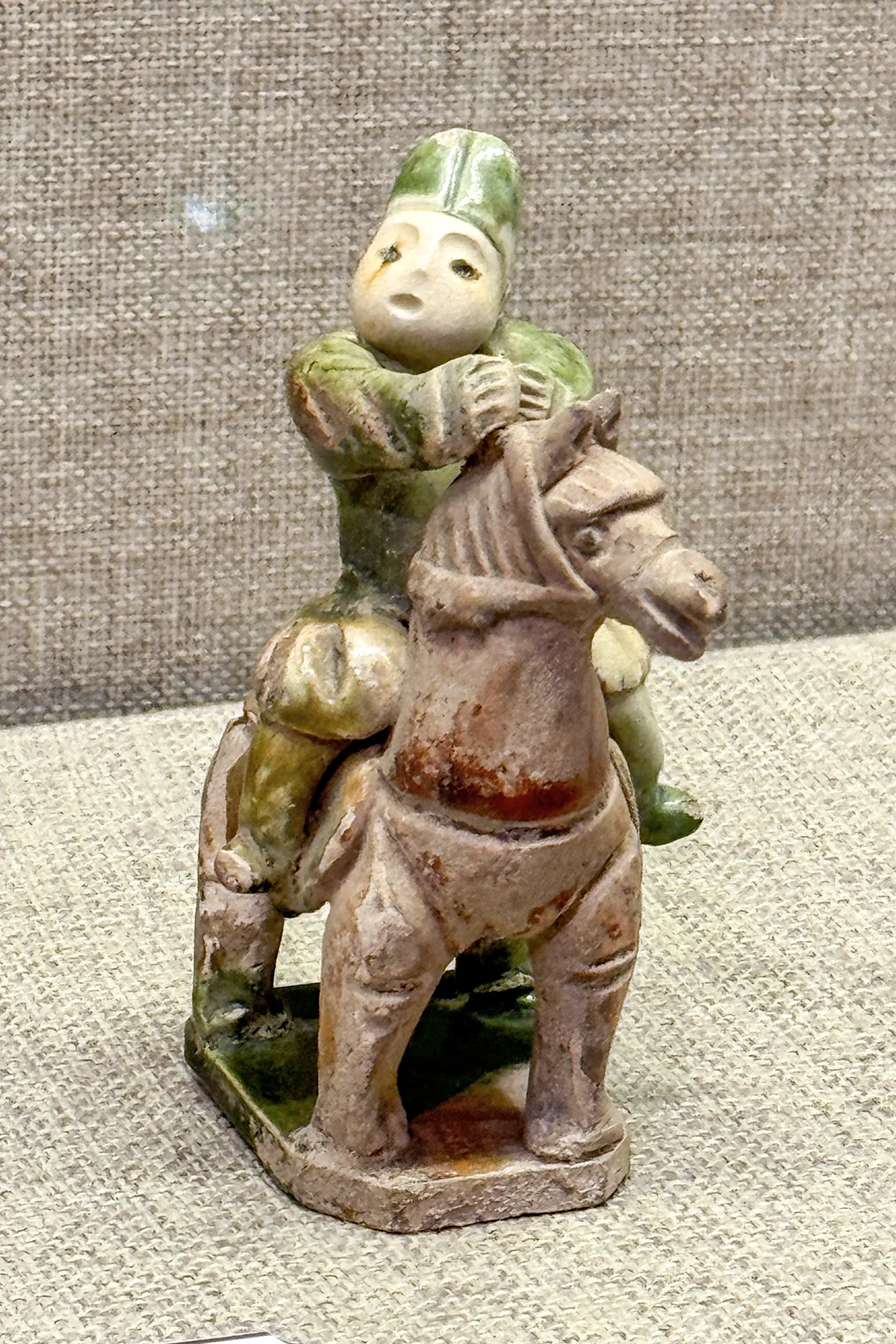
The real goal was domestic peace. After the chaos of the Five Dynasties, Zhao Kuangyin set a simple rule: when famine hits, recruit starving men into the army. The Inner Court used the army as a welfare program to absorb angry crowds.
In past dynasties, floods or droughts wiped out crops. Desperate farmers joined bands of displaced refugees. These bands grew into huge rebellions. The Yellow Turbans in the Eastern Han, Huang Chao in the Tang, and Li Zicheng in the Ming all took this road.
The Northern Song broke this cycle for 160 years. Even during the Fang La Rebellion or the revolt of Wang Xiaobo, no peasant force took Kaifeng. The court paid to keep young men fed in camp so they would not rebel. Later, the Southern Song looked back at these rosters as a costly shield. Even imperial experts in astronomy read the sky for bad omens and urged more troop enrollments to ward off unrest.
02. 2. Buying Peace in Times of Disaster: The Micro Livelihood Ledger vs. The Macro State Ledger
This policy split the state budget into two parts: small family survival and large court finance.
Micro Survival Ledger: Households and Local Prefectures
When severe storms or drought hit a county, grain prices jumped fast. Families pawned tools and sold land. Starving young men had two choices: die by the road or raid local grain bins.
Local officials set up enlistment stations in disaster areas. Officers measured men with rods and enrolled every youth who met height rules. The plan was clear: turn vagrants into troops before they turned into rebels.
Joining the army gave immediate support to a poor family:
- Men received enlistment cash, monthly grain, and two suits of clothes each year.
- Officers tattooed company marks on their face or arm in dark ink. Runaways faced death, which stopped men from joining rebel gangs.
- Troops worked on public labor. Prefectural units dredged the Bian River, repaired dikes, hauled grain, cut wood, and fulfilled compulsory corvée labor.
Recruiting tough young men left behind only children and the old. Riots stopped, and local peace returned quickly.
Macro Fiscal Ledger: The Imperial Court and Directorate of State Finance
The Directorate of State Finance faced steep costs.
During the Renzong reign, one Imperial Army soldier cost about fifty strings of coin per year for food, clothes, gifts, and gear. A Prefectural laborer cost over twenty strings.
In 1048, the Yellow River flooded Hebei. Fearing riots, officials enrolled tens of thousands of refugees into new units like the Qingsai Army. That single step added an annual cost of four million strings of cash.
Total Annual Military Expenditure =
  Sum(Maintenance for Aging Retained Soldiers)
  + Sum(New Emergency Famine Recruits)
  + Sum(Frontline Combat Upkeep)
The Northern Song military system had no discharge plan. A recruit taken in at age twenty could not shoot a bow at forty and grew frail at fifty. Ministers feared that releasing old veterans would create bandit gangs. The Three Offices kept them on grain pay in support roles, and their sons often took their spots.
Collections of statutory land tax could not rise fast enough to match army rosters. The Three Offices closed the gap with salt monopolies, forced grain sales, and paper currency like Jiaozi Paper Money.
03. 3. The Institutional Trap: How Famine Enlistment Became a Self-Locking Fiscal Loop
The table below shows how the Northern Song famine draft differed from earlier and later military systems:
| Structural Dimension | Early Tang Fubing System | Early Modern Mercenary Force | Northern Song Famine Recruitment (960–1127) |
|---|---|---|---|
| Recruitment Channel | Self-supplying landholders; off-season training | Contract enlistment based on fitness and tactical testing | Emergency induction of displaced refugees in disaster zones |
| Nominal Fiscal Function | Self-sufficient soldier-farmers; zero peacetime cash wages | Specialized external warfare and territorial defense | Nominal defense; de facto universal state-funded workfare |
| Routine Duties | Farming hereditary land; rotating border garrison service | Drills, field maneuvers, and combat readiness | Imperial Army garrisons the interior; Prefectural Army provides manual labor |
| Demobilization Mechanism | Return to land upon reaching age limits (e.g., age sixty) | Unit dissolution or discharge upon contract expiration | No demobilization; older men demoted to supply units; hereditary service |
| Share of State Revenue | Negligible; mostly weapons production costs | Moderate in peacetime (30%–40%); peaks during active war | Permanently locks 70% to 80% of central revenue |
| Societal Outcome | High battlefield power; collapses when equal-field tenure fades | Controllable budgets; vulnerable to fiscal shortfalls | Eliminates rural peasant revolts; hollows out combat capability |
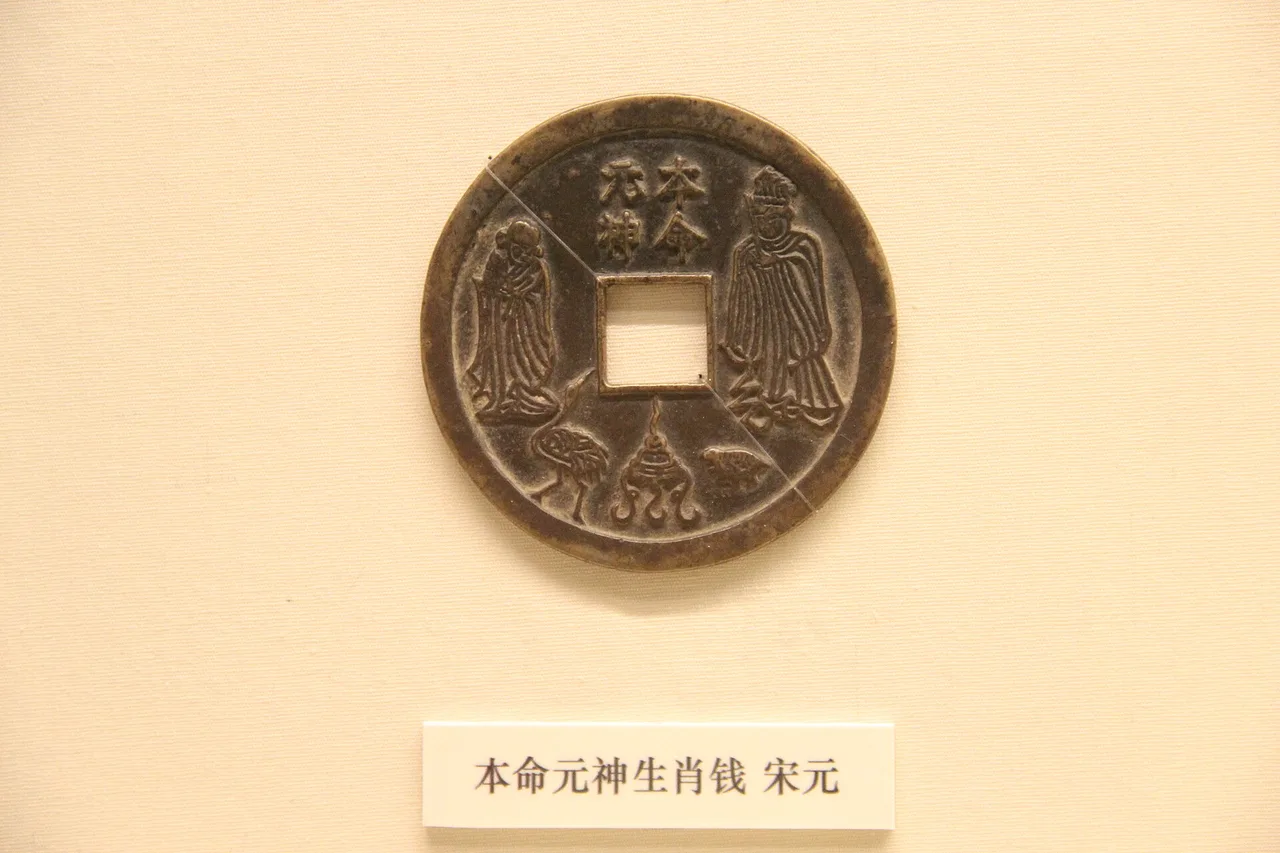
This policy built a trap that hurt the very farmers it aimed to save:
Natural disaster (drought or flood) ruins crops, driving freeholders into vagrancy
       ↓
The imperial court erects recruitment shelters, turning refugees into soldiers
       ↓
The rural rebellion threat drops, but rosters grow permanently past one million men
       ↓
Military expenditure absorbs 70% to 80% of tax income, exhausting treasury balances
       ↓
Magistrates impose heavy salt taxes, forced grain sales, and corvée labor requisitions
       ↓
Crushing fiscal burdens bankrupt remaining smallholders, producing fresh waves of refugees
This loop shows the deep flaw of the plan. An emergency relief program to calm vagrants bled productive farms dry and created more destitute men to feed.
04. 4. Cross-Civilizational Ledger: Song Barrack Relief vs. Imperial Rome's Grain Dole (Cura Annonae)
Ancient Rome faced a similar problem: how to handle landless crowds who might overthrow the city.
In late Republican and early imperial Rome, big estates replaced small farms. Thousands of displaced men moved into the capital. To stop riots, Augustus set up the grain dole (Cura annonae).
Rome took grain from Egypt and North Africa. Imperial ships brought it to Ostia to feed two hundred thousand poor citizens in Rome. Emperor Tiberius said that any break in this grain line would destroy the empire.
Yet the two empires used very different systems:
First, their geography differed. Rome fed only residents of the capital using grain taxed from far provinces. In contrast, the Northern Song ran an empire-wide safety net. Floods in Hebei or droughts in Huainan brought local recruitment camps paid for by central revenue.
Second, Rome kept charity away from its legions. Roman citizens who took free grain did not serve as troops. Rome defended its lands with thirty professional legions of about three hundred thousand men.
The Northern Song mixed charity, public works, and defense into one force. It turned barracks into workhouses. This stopped idle street riots, but it ruined the army. The empire was left with an army that was huge, costly, and poor at fighting.
05. 5. The Fatal Limit of Purchased Stability: Why It Quelled Peasant Rebellions but Collapsed in the Jingkang Incident
Song planners solved internal riots but left the state open to foreign armies.
They stopped peasant revolts. Under Emperor Renzong of Song and Emperor Shenzong, leaders like Fan Zhongyan, Fu Bi, and Grand Councilor Wen Yanbo disagreed on reforms but backed famine recruitment. Grand Councilor Wen Yanbo noted that disbanding troops would let hungry men form rebel forces.
This policy kept the dynasty safe from rural uprisings. Even in late Northern Song, when Emperor Huizong spent vast funds on the huashi gang luxury transport, local revolts like the Fang La Rebellion were put down by loyal garrisons. Peasant armies never took the capital.
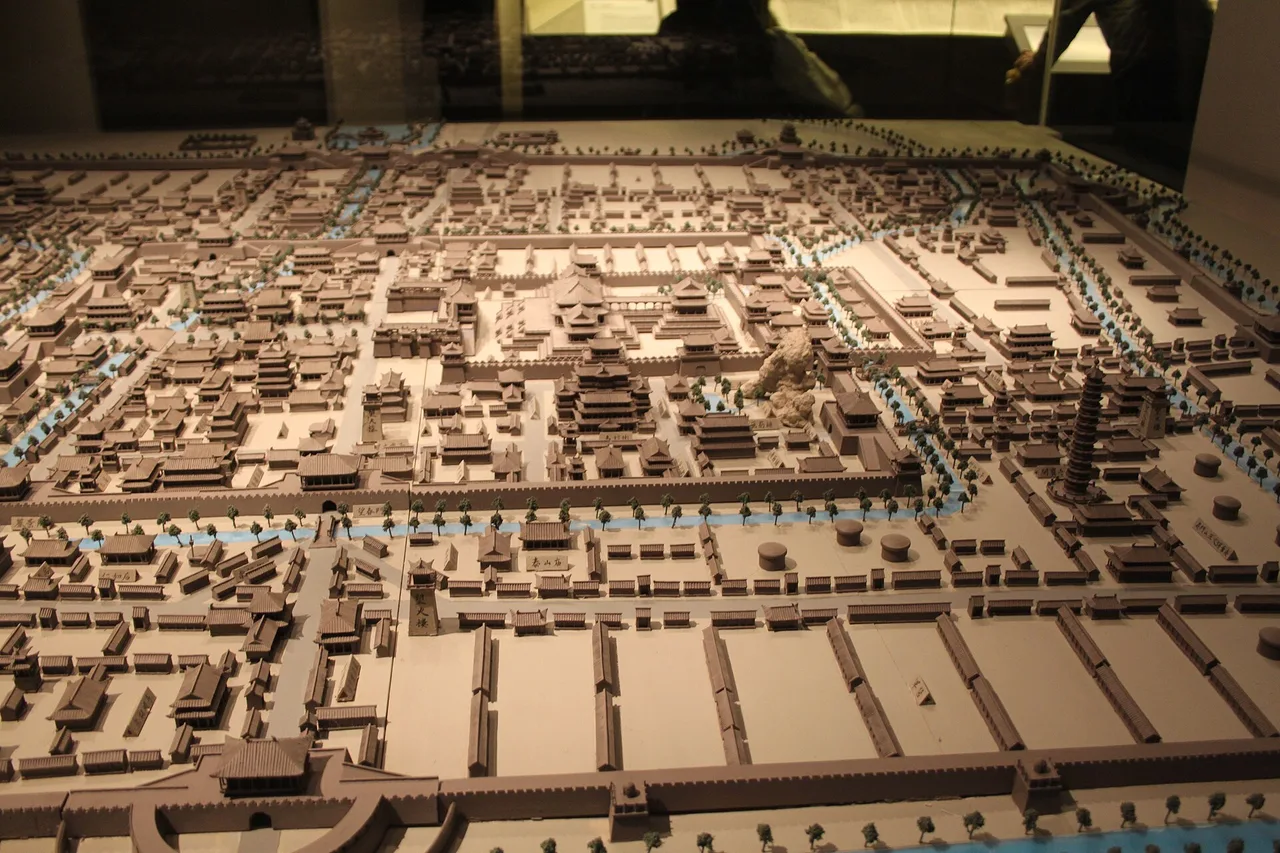
Yet this internal safety net offered no defense against outside threats.
When Jurchen horsemen rode south, they met weak troops. Prefectural soldiers spent their time digging canals, while officers ran private trade. The men who joined to avoid starvation had no desire to fight heavy cavalry.
The Northern Song spent four-fifths of its tax income to buy domestic peace. When Jurchen armies surrounded Kaifeng in the Jingkang Incident, ministers saw that their force was only fit for riot control. The famine draft drained the empire and left it helpless against real invasion.
Primary Sources & Historical Bibliography
- History of Song, "Treatise on Military Affairs" (Vols. 139–144, Zhonghua Book Company edition): Documents the shifting headcounts of the Imperial Army and Prefectural Army, imperial edicts governing famine-year recruitment, ration quotas, and tattooing protocols.
- Li Tao, Long Draft of the Continuation of the Comprehensive Mirror to Aid in Government (Zhonghua Book Company edition): Records court deliberations by Fu Bi, Wen Yanbo, and Han Qi regarding refugee movements, famine enlistments, and military demobilization risks under Emperor Zhenzong of Song and Emperor Renzong of Song.
- Ouyang Xiu, "On the Fundamental Flaws," in Collected Works of Ouyang Xiu: Examines how military rosters exceeded one million troops during the Qingli era, consuming over eighty percent of revenue managed by the Three Offices and exhausting civilian corvée labor.
- Peter Garnsey, Famine and Food Supply in the Graeco-Roman World: Responses to Risk and Crisis (Cambridge University Press, 1988): Analyzes the institutional logistics of the Roman grain dole (Cura annonae), provincial taxation, and urban social control across the Mediterranean world.