PEOPLE
See an age through the lives within it.
Find people by era and discover the worlds they lived in.
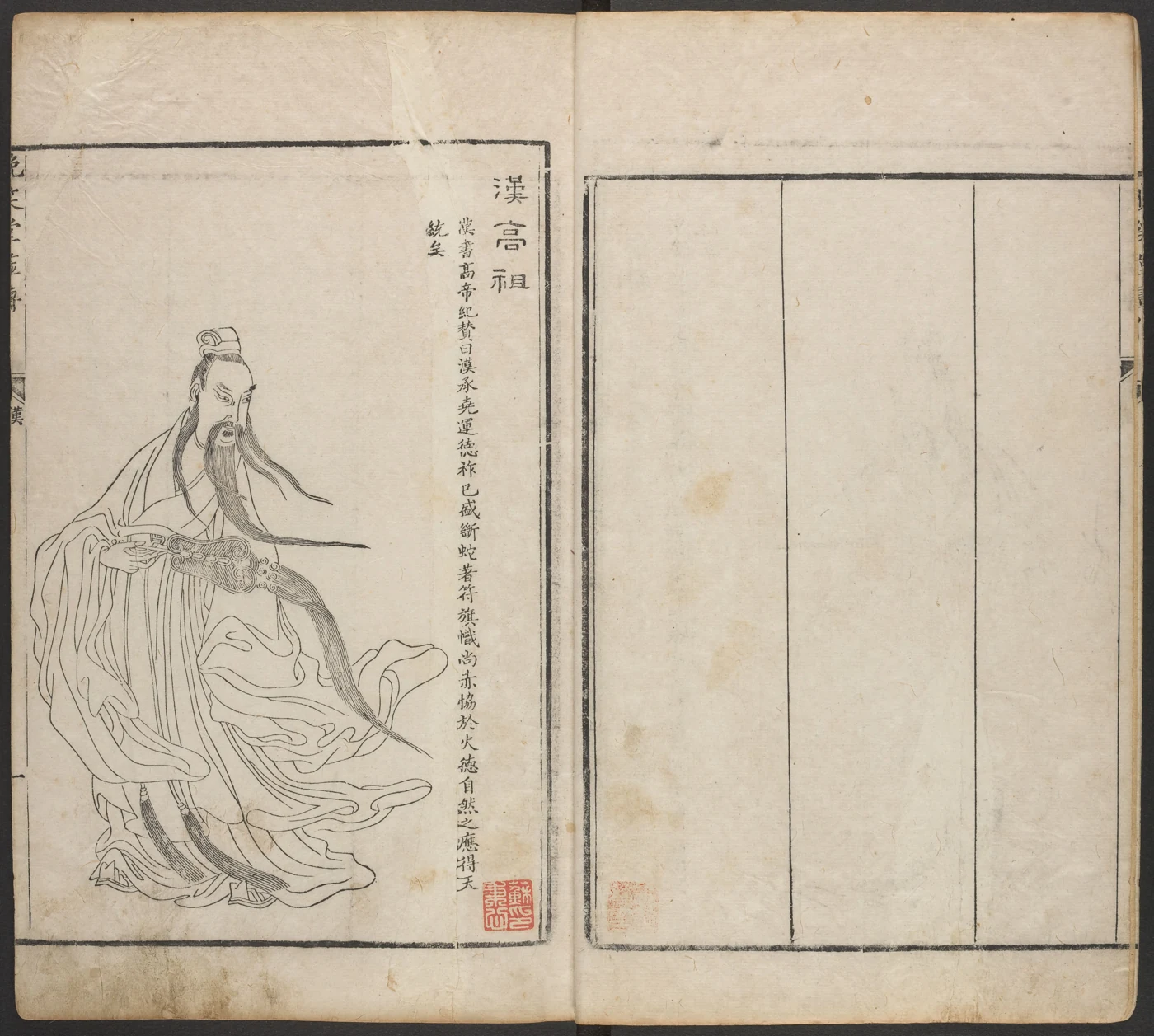 Western Han
Emperor
Liu Bang
Liu Bang (256 BCE or 247 BCE–June 1, 195 BCE), courtesy name Ji, was from Zhongyang Village in Fengyi, Pei (present-day Feng County, Xuzhou, Jiangsu), with ancestral origins stated in the source as Daliang (present-day Kaifeng, Henan). He was the founding emperor of the Western Han, reigning from February 28, 202 BCE to June 1, 195 BCE, and was also a politician, strategist, and military leader. Born into a farming f
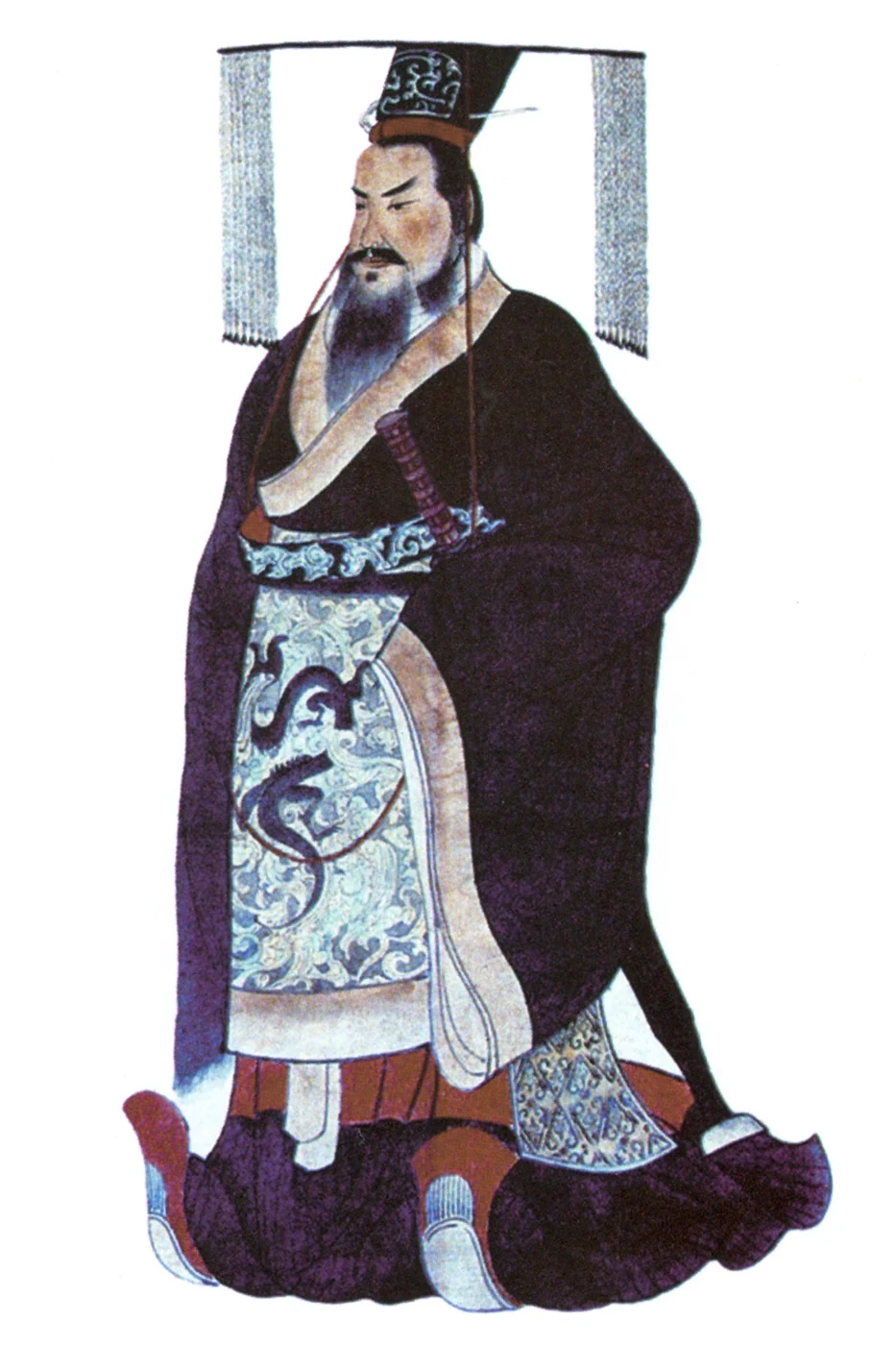 Qin Dynasty
Emperor
Ying Zheng
Qin Shi Huang, Ying Zheng (259–210 BCE), of the Ying surname and Zhao clan, personal name Zheng (with one tradition giving the name as Zheng written with a different character), was the first ruler in Chinese history to assume the title of emperor and the founding emperor of the Qin dynasty. He was born in 259 BCE, in the first month of the forty-eighth year of King Zhaoxiang of Qin, in Handan, the capital of Zhao, a
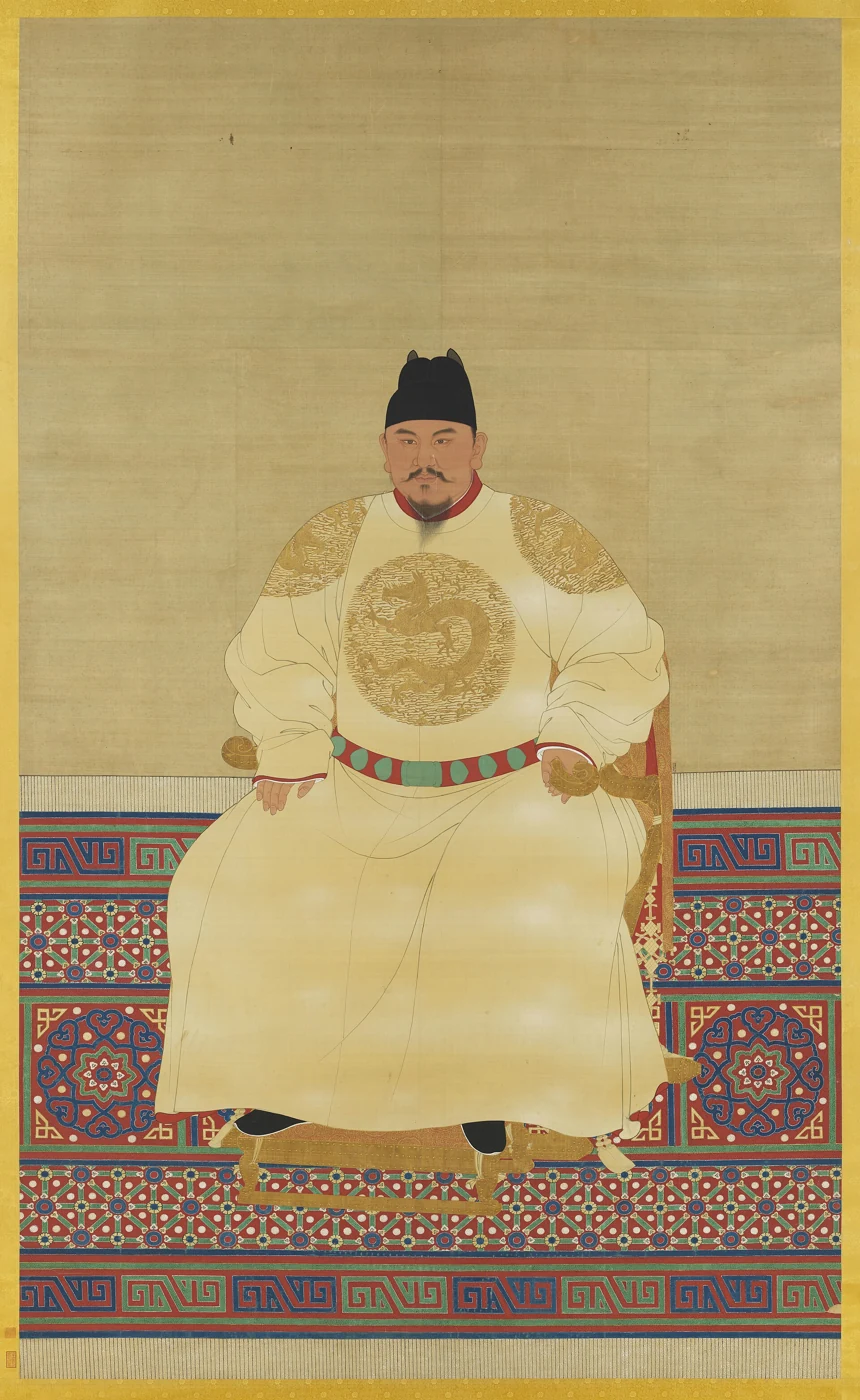 Ming Dynasty
Emperor
Zhu Yuanzhang
Zhu Yuanzhang (October 21, 1328–June 24, 1398), courtesy name Guorui, was originally named Zhu Zhongba and Zhu Xingzong. A native of Zhongli in Haozhou (present-day Fengyang, Anhui), he was the founding emperor of the Ming Dynasty. He reigned from 1368 to 1398 under the Hongwu era name, with the temple name Taizu and the posthumous title “Kaitian Xingdao Zhaoji Liji Dasheng Zhishen Renwen Yiwu Junde Chenggong Gao Hua
Emperor
Wu Zetian
Wu Zetian (624 – December 16, 705), personal name Zhao, was a native of Wenshui in Bingzhou (present-day Wenshui County, Shanxi Province) and was the only orthodox female emperor in Chinese history. At fourteen she entered the palace as a Cairen of Emperor Taizong of Tang and later became a Zhaoyi of Emperor Gaozong of Tang. In 655, the sixth year of the Yonghui era, she was installed as empress and, together with Ga
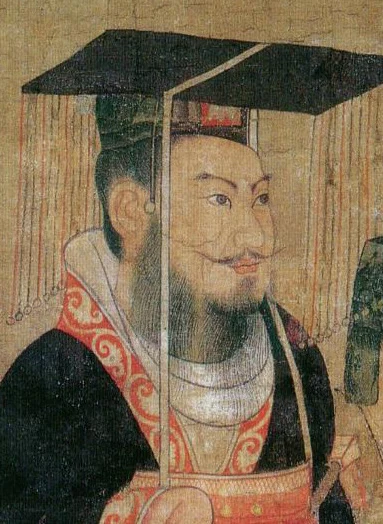 Eastern Han
Founding emperor of the Eastern Han
Liu Xiu
Liu Xiu (January 15, 5 BCE–March 29, 57 CE), courtesy name Wenshu, was a native of Caiyang County in Nanyang Commandery (present-day Zaoyang, Hubei). He was the founding emperor of the Eastern Han, known to history as Emperor Guangwu of Han, with the temple name Shizu. He was a ninth-generation descendant of Liu Bang, Emperor Gaozu of Han, through Liu Fa, Prince Ding of Changsha and a son of Emperor Jing of Han. Duri
 Northern Song
Emperor
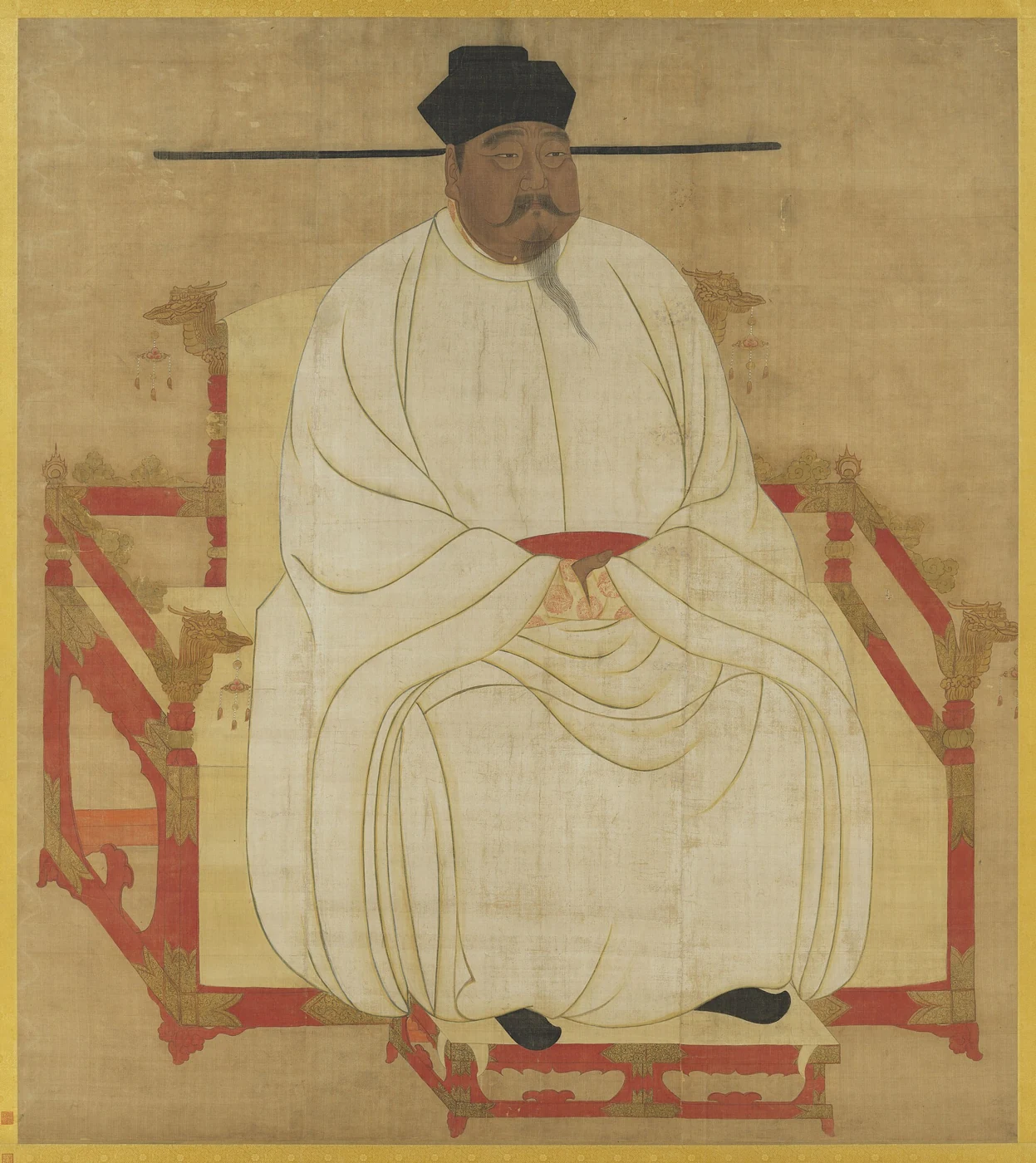
Zhao Kuangyin
Zhao Kuangyin (March 21, 927 – November 14, 976), courtesy name Yuanlang and posthumously known by the temple title Emperor Taizu of Song, was from Zhuo Commandery, though another tradition gives Bao Prefecture as his native place. He was born at Jiamaying in Luoyang, in present-day eastern Chanhe Hui District, Luoyang, Henan. A military commander, politician, and strategist active from the Five Dynasties into the ea
 Sui Dynasty
Emperor
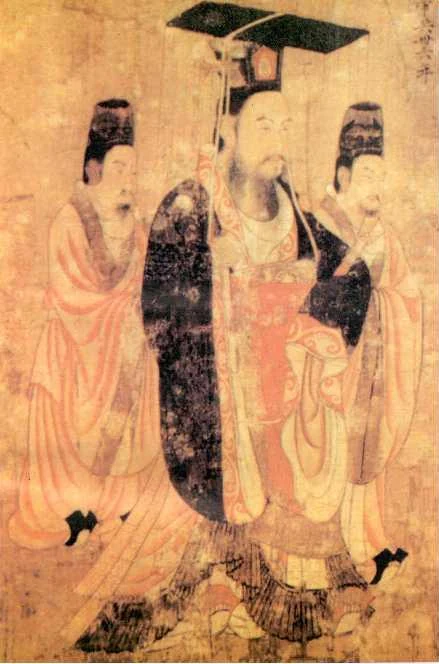
Yang Jian
Emperor Wen of Sui, Yang Jian (541–604), was a native of Huayin County in Hongnong Commandery, present-day Huayin in Shaanxi, and the founding emperor of the Sui dynasty. His temple name was Gaozu and his posthumous title Emperor Wen. He was born in 541, the seventh year of the Datong era of Western Wei, at Bore Nunnery in Fengyi. His father Yang Zhong was a Pillar-of-State general under Western Wei and Northern Zhou
 Shu Han
Emperor
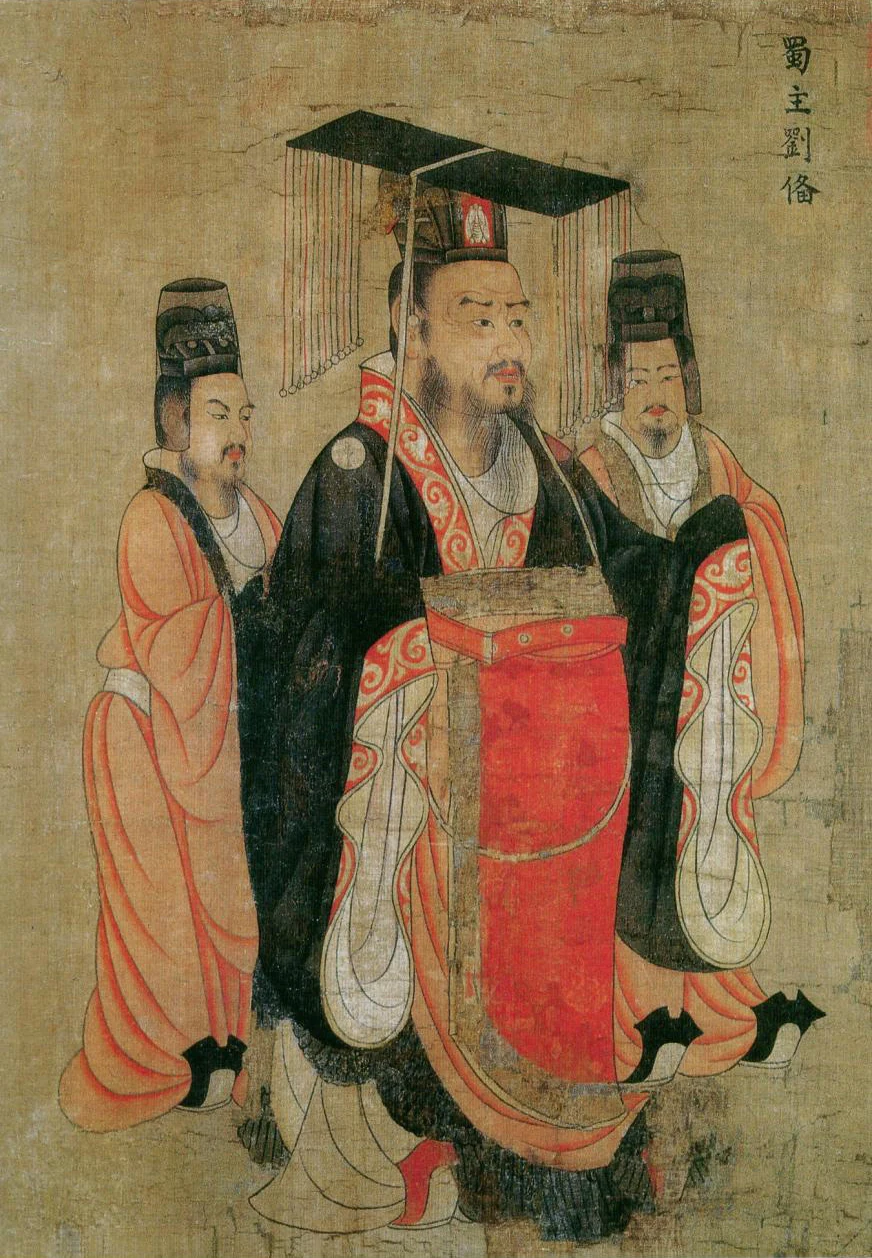
Liu Bei
Liu Bei (161–June 10, 223), courtesy name Xuande, was a native of Zhuo County in Zhuo Commandery (present-day Zhuozhou, Hebei) and was a descendant of Liu Sheng, Prince Jing of Zhongshan of the Western Han. He was one of the major warlords of the late Eastern Han and the founding emperor of Shu Han during the Three Kingdoms period. Historically he is known as Emperor Zhaolie of Shu Han and was also called the Former
 Sun Wu
Emperor
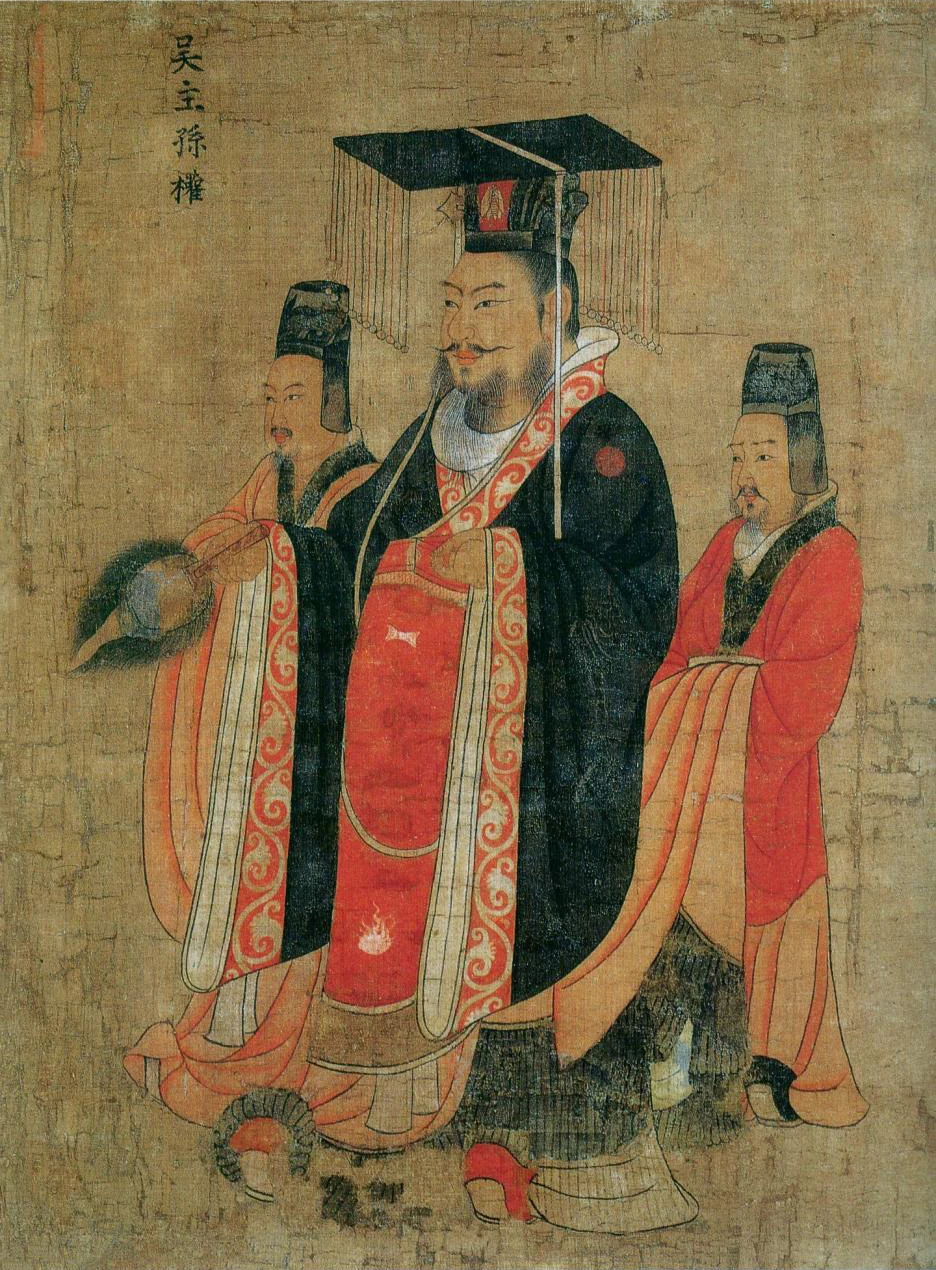
Sun Quan
Sun Quan (182 – May 21, 252), courtesy name Zhongmou, was a native of Fuchun in Wu Commandery (present-day Fuyang District, Hangzhou, Zhejiang) and was born in Xiapi (present-day Pizhou, Jiangsu). He was the founding emperor of Sun Wu during the Three Kingdoms period, reigning from May 23, 229 to May 21, 252, and was a statesman and military commander. Sun Quan inherited the foundations laid by his father and elder b
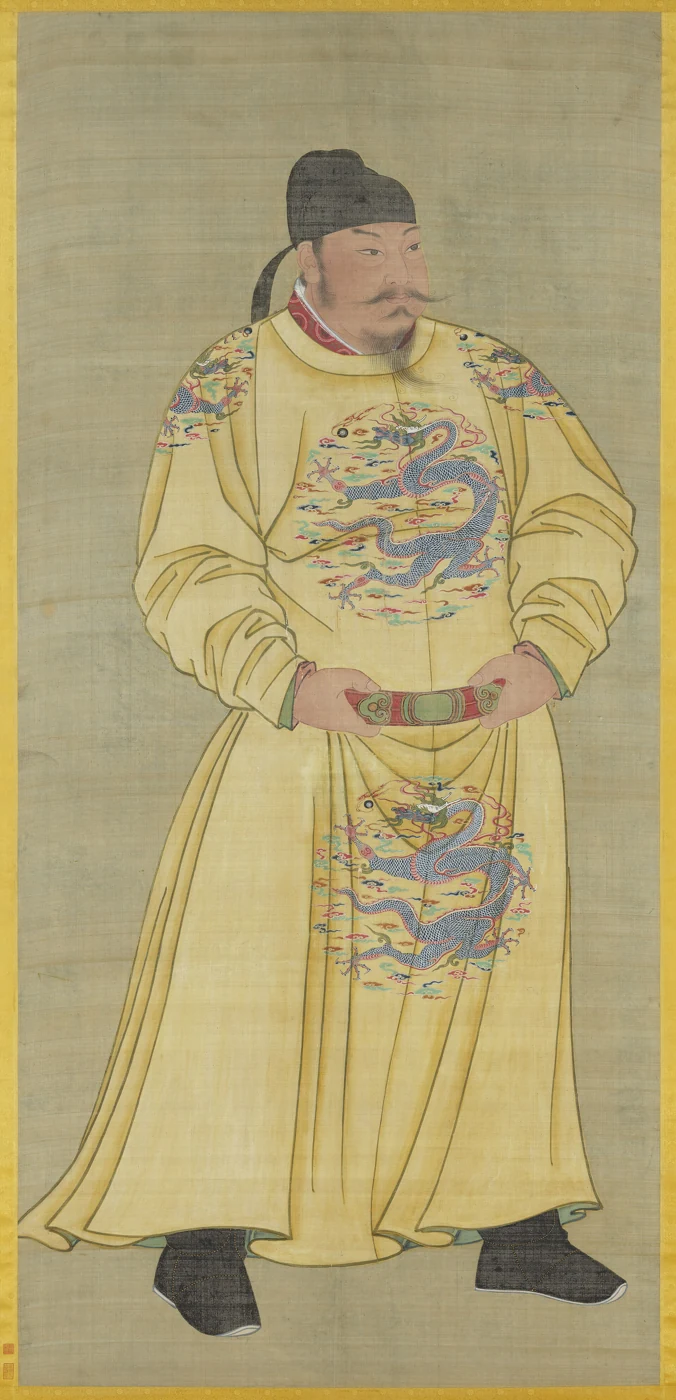 Tang Dynasty
Emperor
Li Shimin
Li Shimin (wuwu day of the twelfth lunar month in the eighteenth year of the Kaihuang era of Sui, January 23, 599–jisi day of the fifth lunar month in the twenty-third year of the Zhenguan era, July 10, 649), a native of Chengji in Longxi (present-day Qin'an County, Tianshui, Gansu), with ancestral origins in Didao, Longxi (present-day Lintao, Gansu), was born in Wugong, present-day Wugong, Shaanxi. He was the second
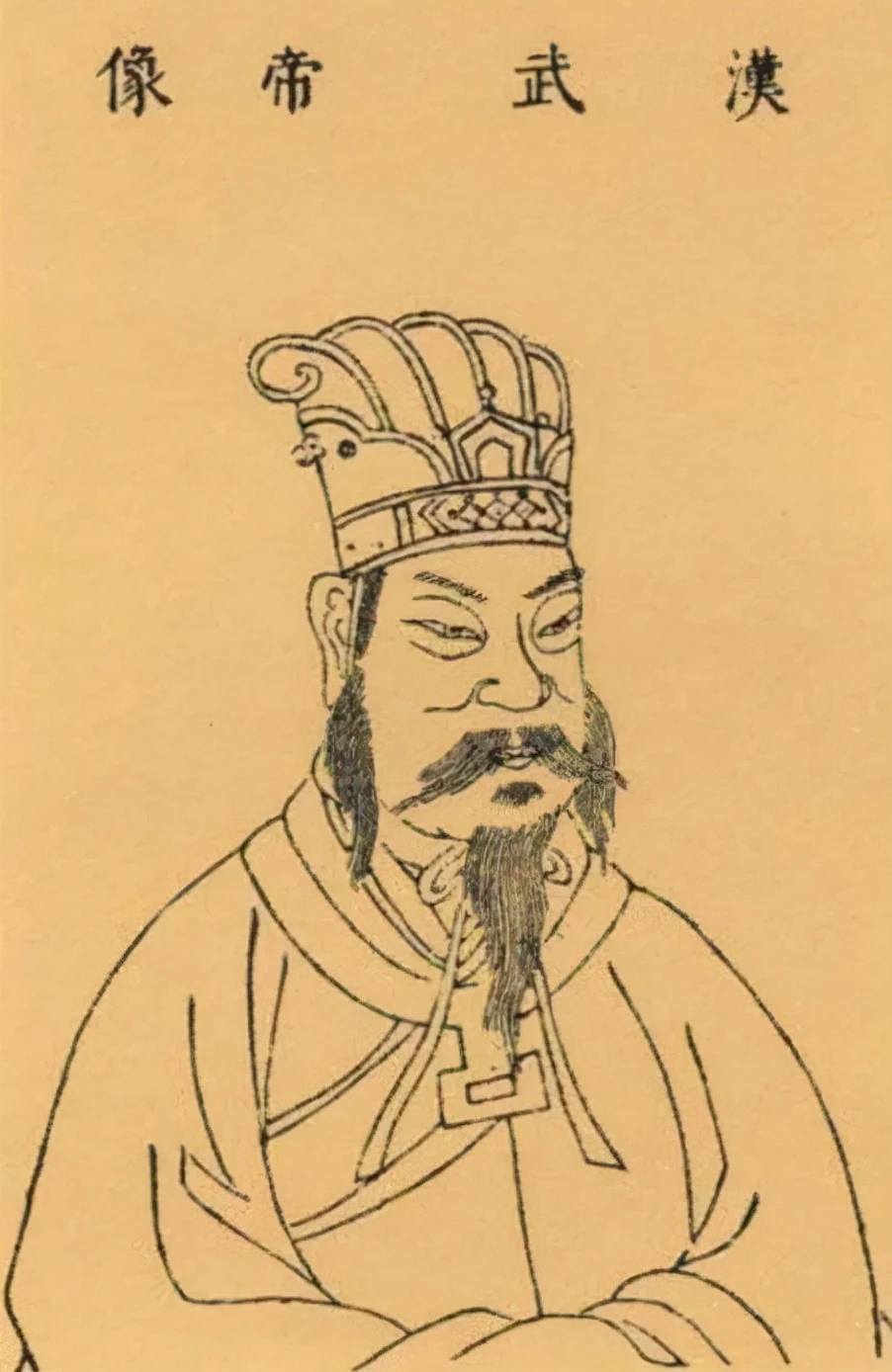 Western Han
Emperor
Liu Che
Emperor Wu of Han, Liu Che (156 BCE–March 29, 87 BCE), was the seventh emperor of the Western Han, the son of Emperor Jing of Han, Liu Qi, and Empress Wang. His temple name was Shizong, his posthumous name Emperor Xiaowu, and he was buried at Maoling. He reigned for fifty-four years, making him one of the longest-reigning emperors in Chinese history. His rule was characterized by stronger central authority, long wars
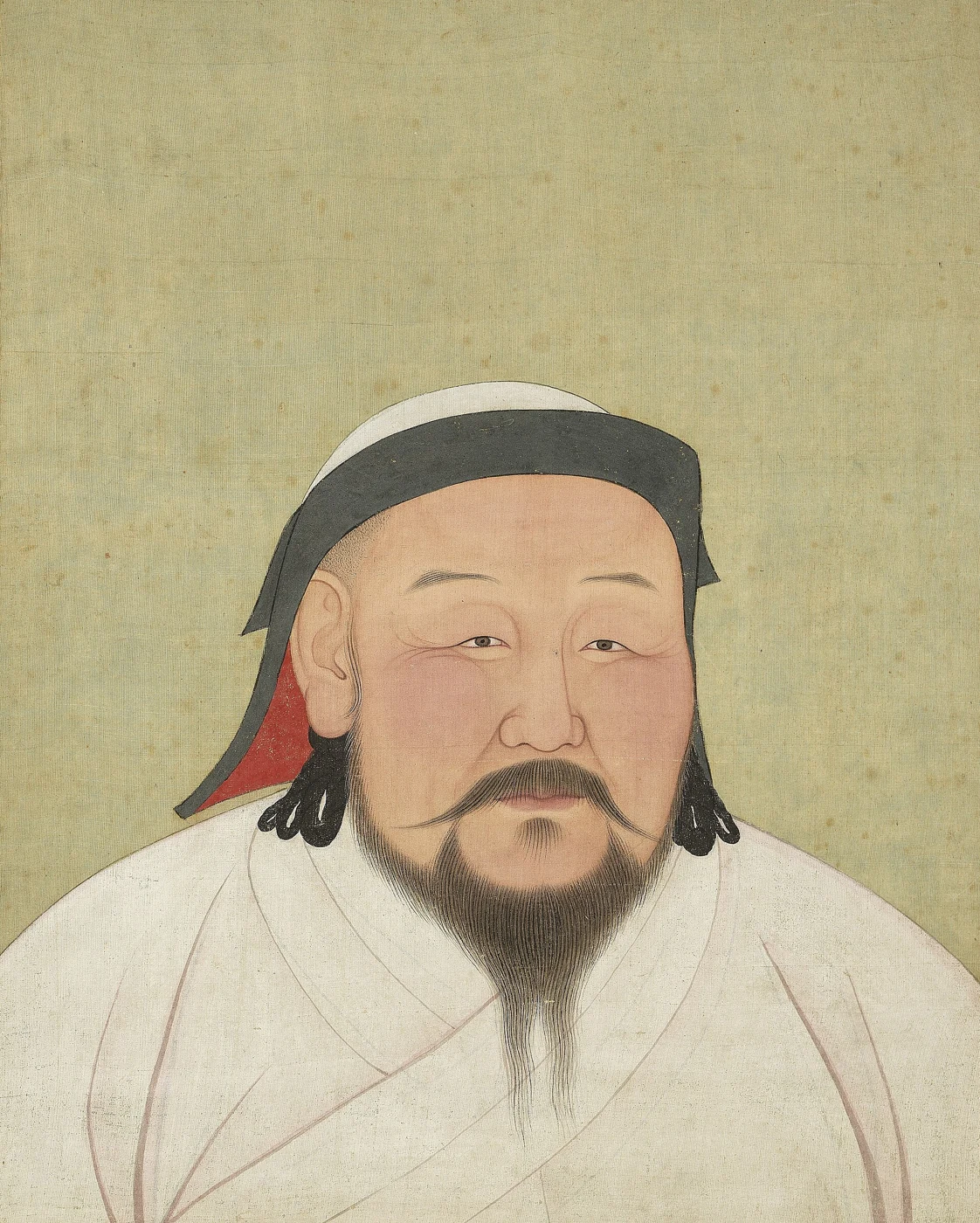 Yuan Dynasty
Great Khan of the Mongol Empire
Borjigin Kublai Khan
Borjigin Kublai Khan (1215-1294), a grandson of Genghis Khan and a son of Tolui and Sorghaghtani Beki, successively served as Great Khan of the Mongol Empire and emperor of the Yuan Dynasty. After Möngke came to power, Kublai was ordered to administer the Chinese territories south of the Gobi. He gathered advisers including Liu Bingzhong, Yao Shu, and Xu Heng and gradually established his own military and political b
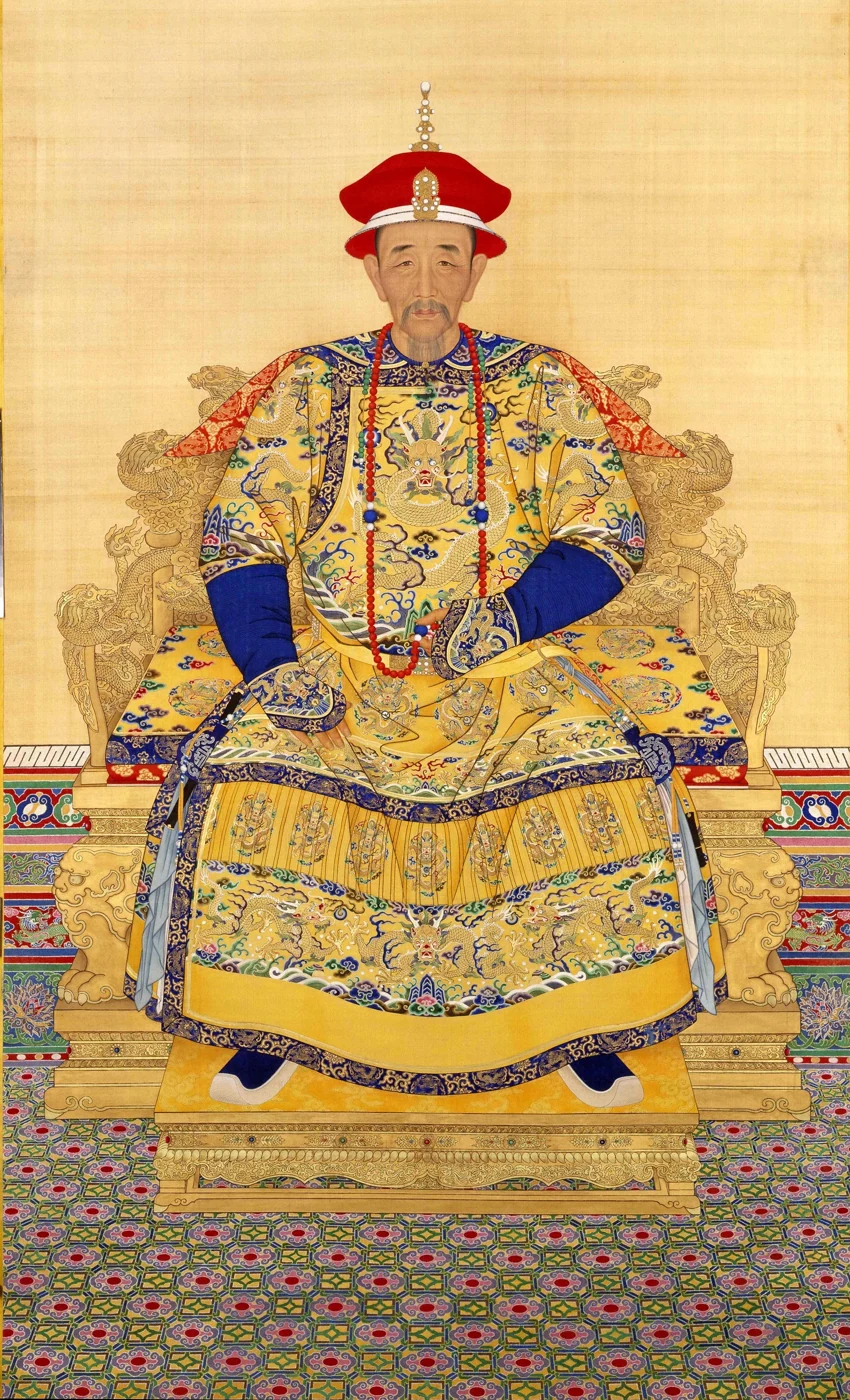 Qing Dynasty
Qing emperor
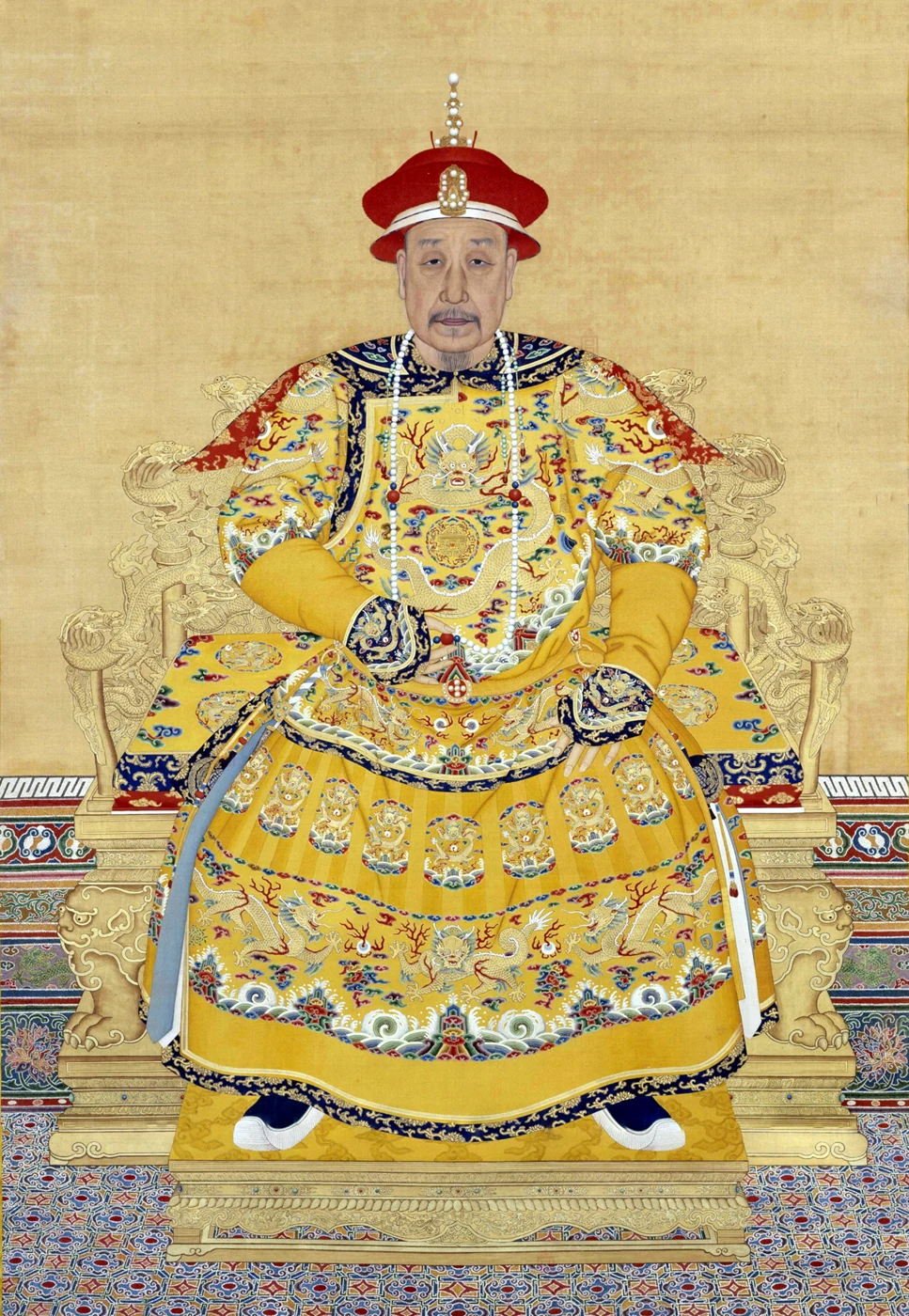
Aisin Gioro Xuanye
Aisin Gioro Xuanye was born on 4 May 1654(18th day of the third lunar month, Shunzhi 11) and died on 20 December 1722(13th day of the 11th lunar month, Kangxi 61). He was known by the era name Kangxi and temple name Shengzu, and was the fourth emperor of the Qing Dynasty, reigning from 1661(Shunzhi 18) to 1722(Kangxi 61). Xuanye ascended the throne as a child and was initially assisted by four regents. After taking p
 Qing Dynasty
Emperor
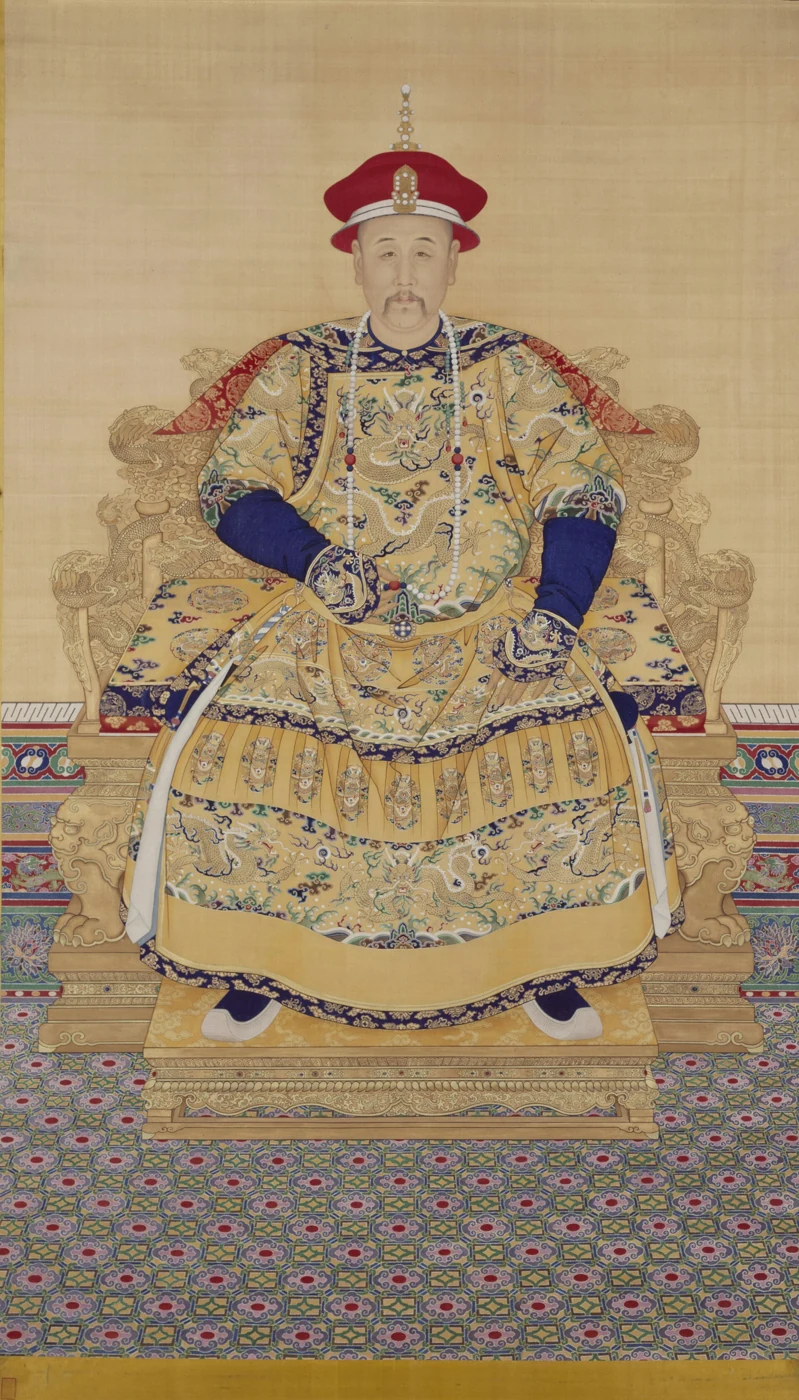
Aisin Gioro Hongli
Aisin Gioro Hongli (September 25, 1711–February 7, 1799) was an Emperor of the Qing Dynasty whose era name was Qianlong and whose temple name was Gaozong. He was the fourth son of the Yongzheng Emperor. He ascended the throne in 1735. In 1795 he announced Yongyan, his fifteenth son, as heir and set the date for his abdication the following year. He transferred the throne to Yongyan on February 9, 1796, and continued
 Qing Dynasty
Emperor
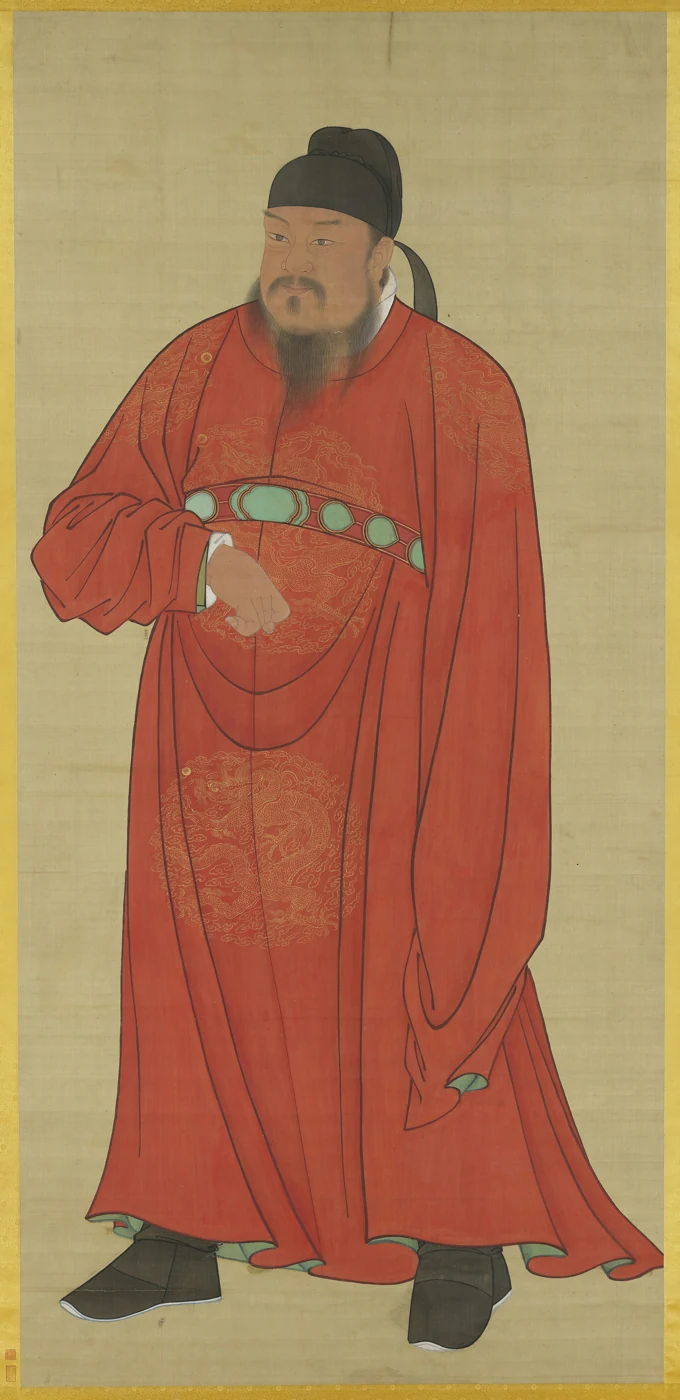
Aisin Gioro Yinzhen
Emperor Shizong of Qing, Aisin Gioro Yinzhen (December 13, 1678–October 8, 1735), was the fifth emperor of the Qing dynasty and the third Qing emperor after the dynasty established its capital in Beijing. He reigned under the era name Yongzheng. He was the fourth son of the Kangxi Emperor, and his mother was Empress Xiaogongren of the Uya clan. Yinzhen was made a beile in 1698, the thirty-seventh year of Kangxi, and
 Tang Dynasty
Emperor
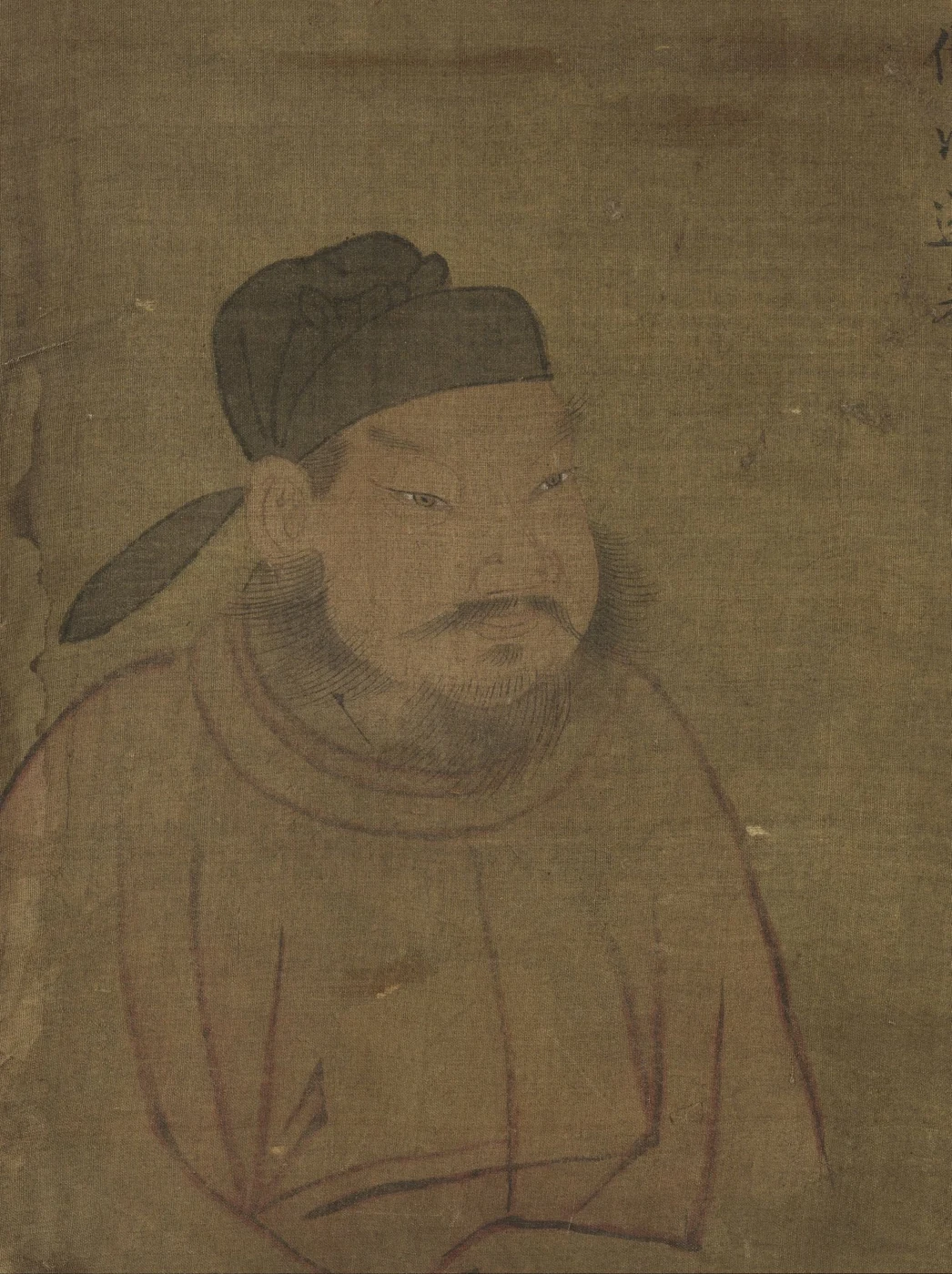
Li Yuan
Li Yuan (December 21, 566–June 25, 635), courtesy name Shude, was a native of Chengji in Longxi (present-day Qin'an, Gansu) and the founding emperor of the Tang dynasty. His temple name was Gaozu and his initial posthumous name was Emperor Taiwu, later changed to Emperor Shenyao Dasheng Daguangxiao. Li Yuan came from an aristocratic Guanlong family of the Northern Zhou. His grandfather Li Hu was one of the Eight Pill
 Tang Dynasty
Emperor
Li Longji
Emperor Xuanzong of Tang, Li Longji (8th day of the 9th lunar month in the first year of the Chuigong era, September 8, 685–jia-yin day of the 4th lunar month in the first year of the Baoying era, May 3, 762), was a grandson of Emperor Gaozong of Tang, Li Zhi, and Wu Zetian, and the third son of Emperor Ruizong of Tang, Li Dan. His mother was Consort Dou. Because he ranked third among his brothers, he was also known
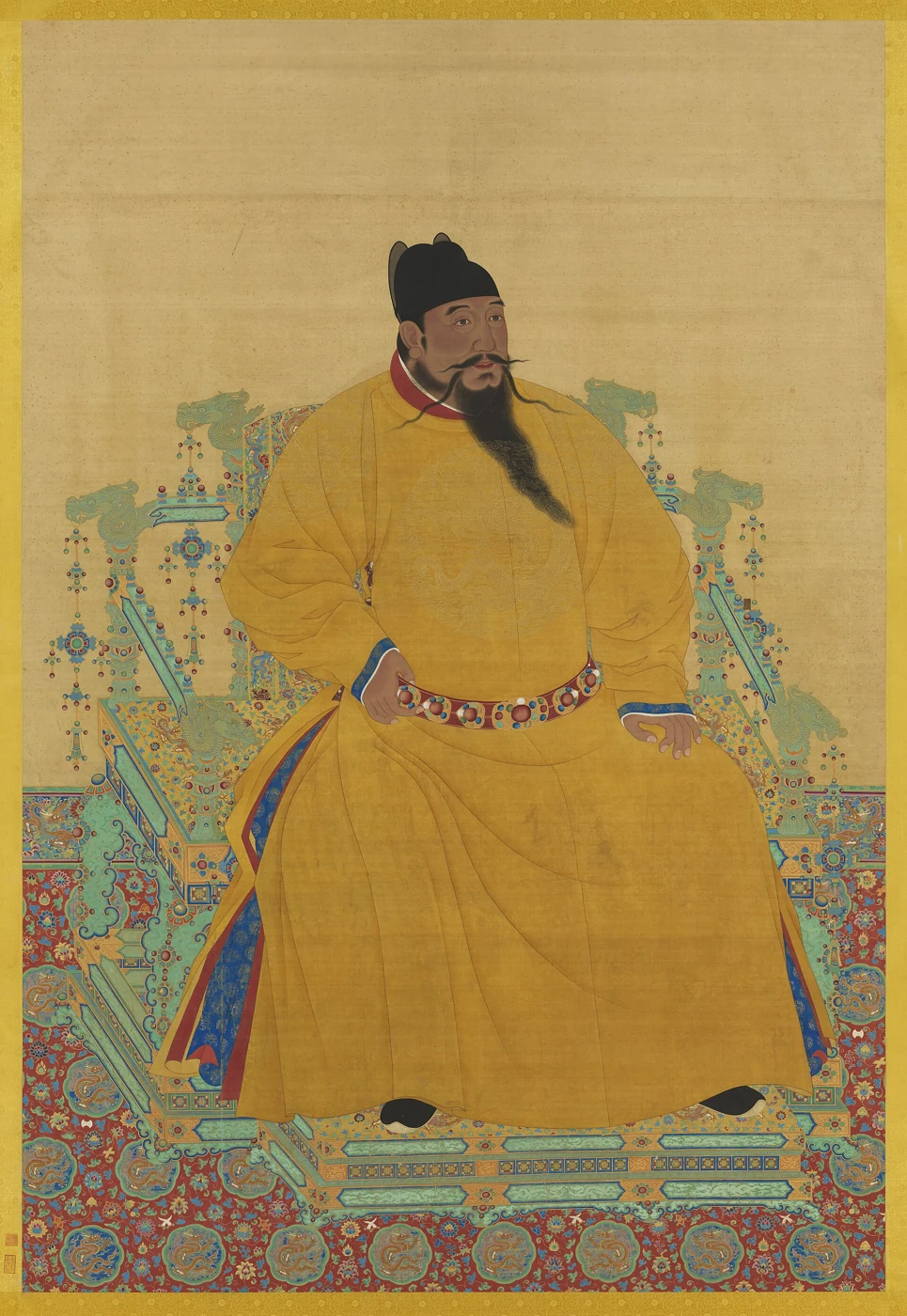 Ming Dynasty
Emperor
Zhu Di
Zhu Di (2 May 1360–12 August 1424), the Yongle Emperor, was the third emperor of the Ming dynasty and the fourth son of Emperor Taizu Zhu Yuanzhang. His era name was Yongle. His temple name was originally Taizong and was changed to Chengzu in 1538, the 17th year of the Jiajing era. Zhu Di was enfeoffed as Prince of Yan in 1370 and took up his fief at Beiping in 1380. In 1399, the first year of the Jianwen era, he lau
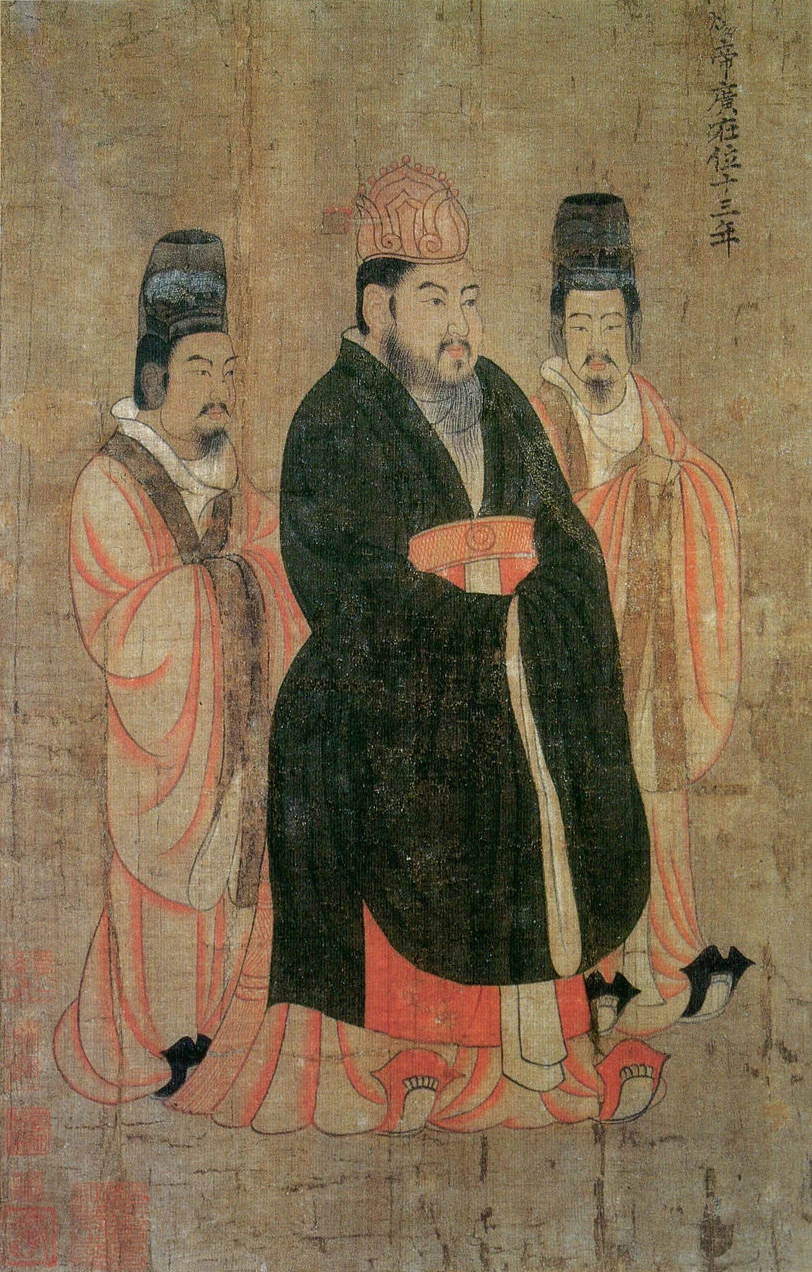 Sui Dynasty
Emperor
Yang Guang
Yang Guang (569–April 11, 618), also named Ying and known in childhood as A'mo, was the second legitimate son of Emperor Wen of Sui, Yang Jian, and Empress Wenxian, Dugu Jialuo. He was the second emperor of the Sui dynasty and is known to history as Emperor Yang of Sui, reigning from 604 to 618. Naturally intelligent, handsome, and talented in literature, he was enfeoffed as Prince of Jin at thirteen and nominally co
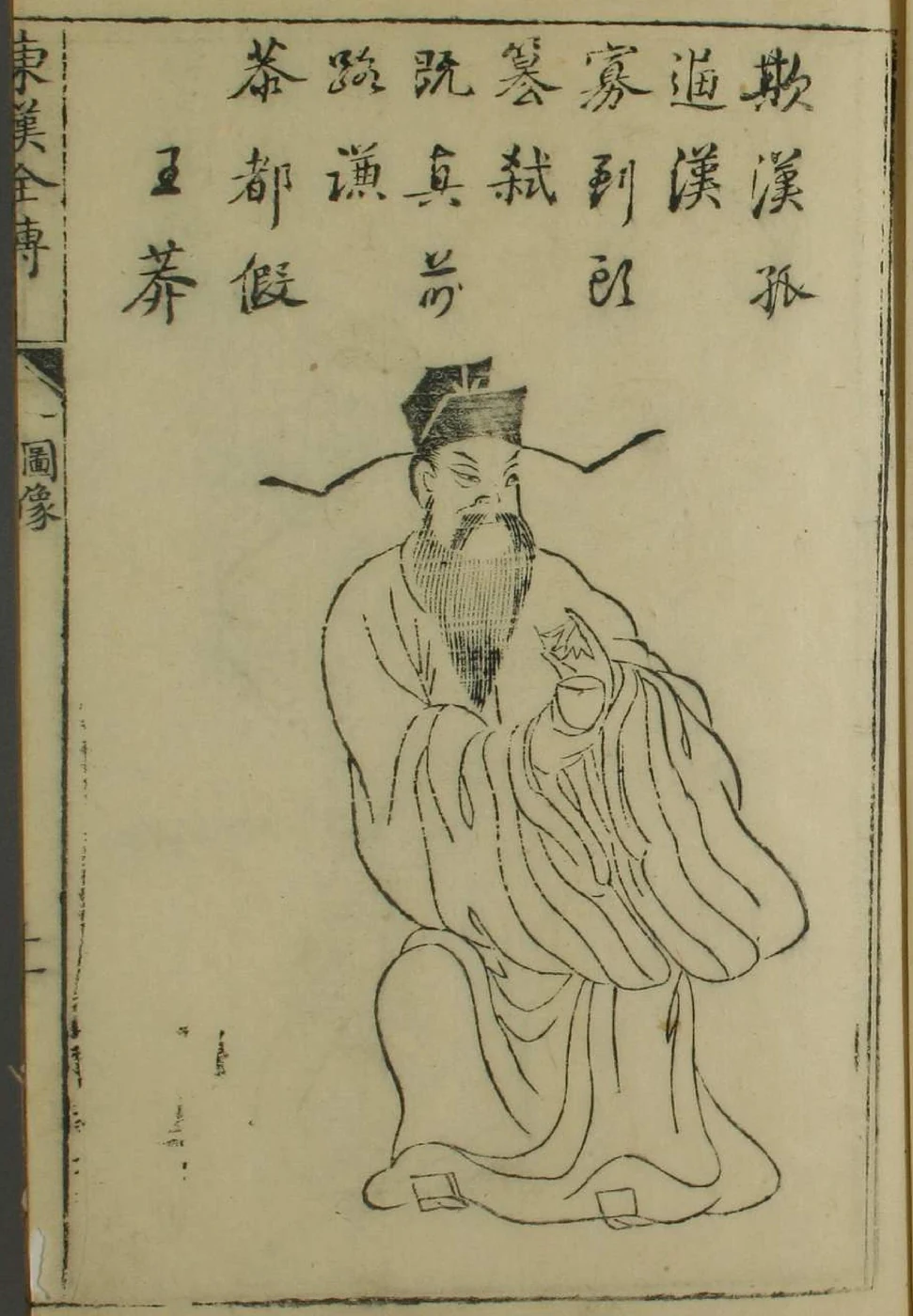 Xin dynasty
Emperor of the Xin dynasty
Wang Mang
Wang Mang (45 BCE–23 CE), courtesy name Jujun, was a native of Yuancheng in Wei Commandery (present-day Handan, Hebei), a maternal relative of the Western Han imperial house, a powerful official, and the founder of the Xin dynasty. He was a nephew of Wang Zhengjun, empress of Emperor Yuan of Han. In his early career he became known for modesty, frugality, learning, and high moral conduct. After the death of Emperor A
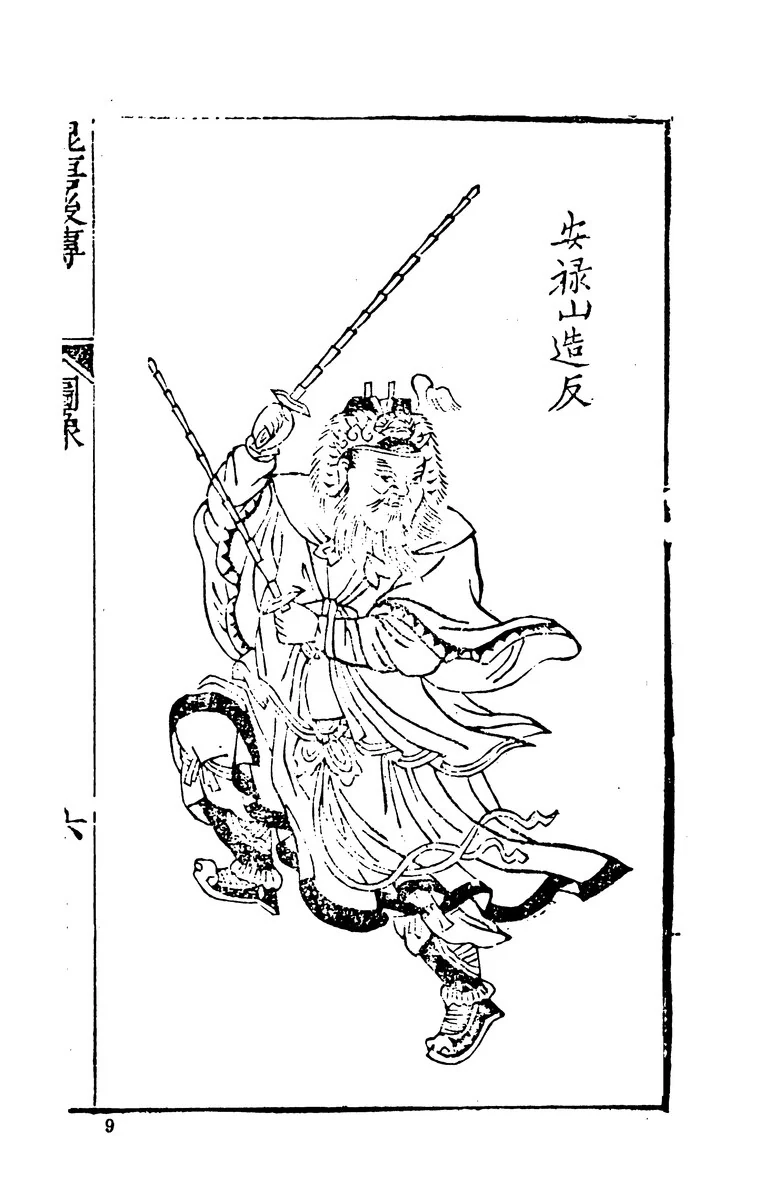 Tang Dynasty
Emperor
An Lushan
An Lushan (January 22, 703–January 29, 757), originally named Yaluoshan (also written Aluoshan), was said in the source to have originally borne the surname Kang, possibly reflecting origins connected with Kangju/Samarkand. After his mother married the Turkic man An Yanyan, he took the surname An and the name Lushan. He was from Liucheng in Yingzhou (south of present-day Chaoyang, Liaoning) and became the initiator o
Emperor
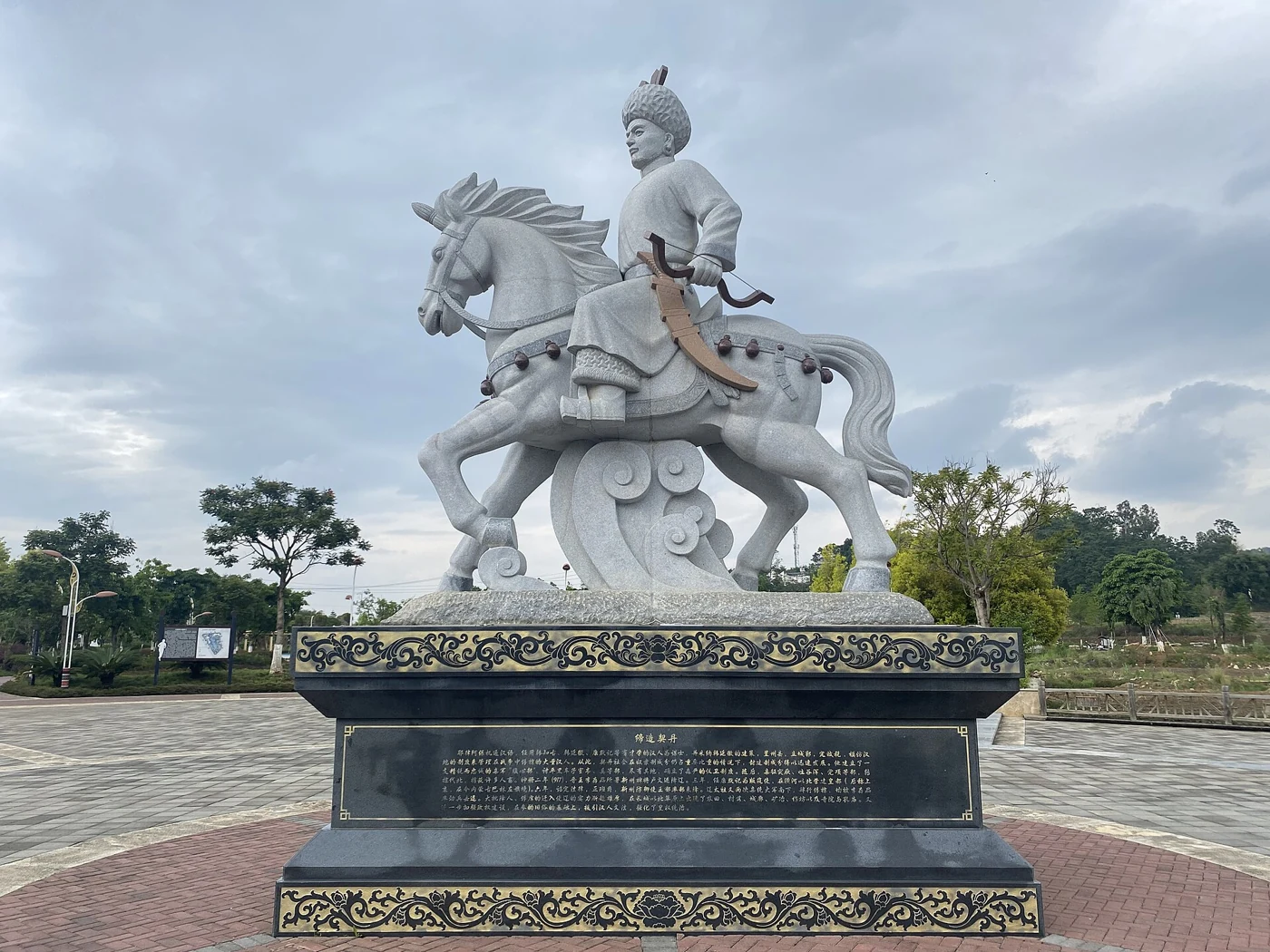
Wanyan Aguda
Wanyan Aguda was the founding emperor of the Jin dynasty. He rose against Liao, established Jin, developed the Meng'an Mouke system, and ordered the creation of the Jurchen script.
 Liao dynasty
Emperor
Emperor Taizu of Liao
Yelü Abaoji (872–September 6, 926), of the Yelü clan, had the sinicized name Yi, the name Abaoji, and the childhood name Chulizhi. He came from Yelü Mili in the Xialaiyi shilie locality of the Khitan Diela tribe, in the area of present-day Chifeng, Inner Mongolia. He was the founder of the Liao dynasty, initially the Khitan state, and reigned from March 17, 916 to September 6, 926. He was the son of Yelü Saladi, late
 Ming Dynasty
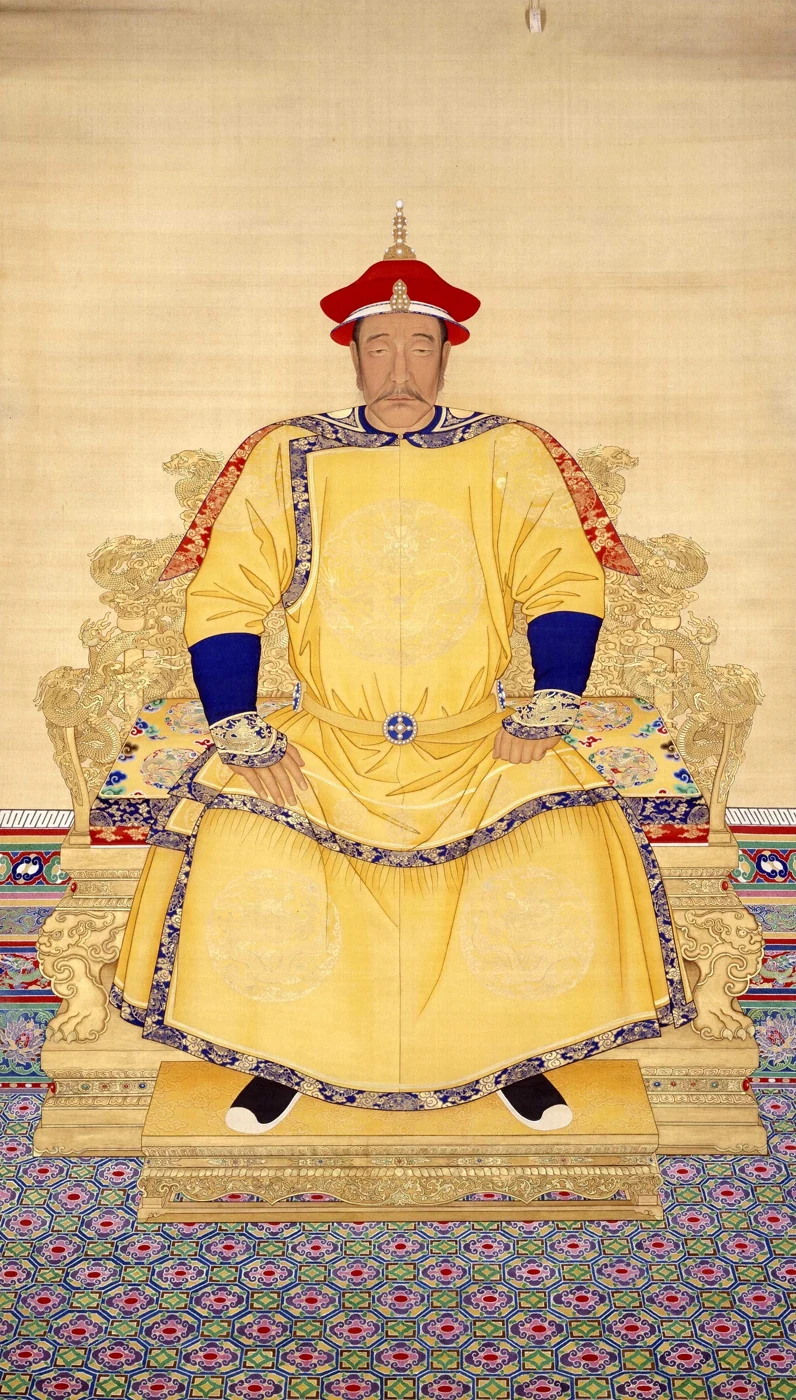
Khan of the Later Jin
Aisin Gioro Nurhaci
Aisin Gioro Nurhaci (1559–1626) was a Jurchen leader in the late Ming period and Great Khan of Later Jin, and was later honored as Emperor Taizu of Qing. His father Taksi and grandfather Giocangga were killed amid the Ming attack on Gure fortress in 1583(11th year of the Wanli reign). Nurhaci subsequently rose in arms with inherited armor and followers, gradually unifying the Jianzhou Jurchens while conquering or acc
 Qing Dynasty
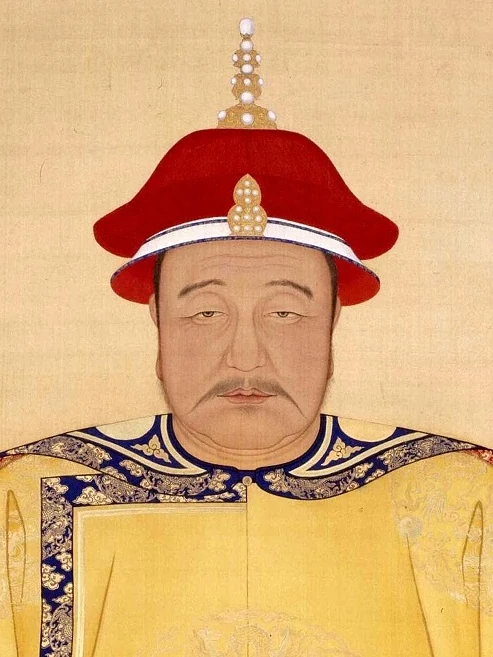
Khan of the Later Jin
Aisin Gioro Hong Taiji
Aisin Gioro Hong Taiji was born on 28 November 1592(25th day of the tenth lunar month, Wanli 20) and died on 21 September 1643(9th day of the eighth lunar month, Chongde 8). He was the eighth son of Nurhaci and succeeded as khan of Later Jin in 1626, using the era names Tiancong and Chongde. After accession, he gradually concentrated khanal authority within a political structure in which the four senior beile initial
 Qing Dynasty
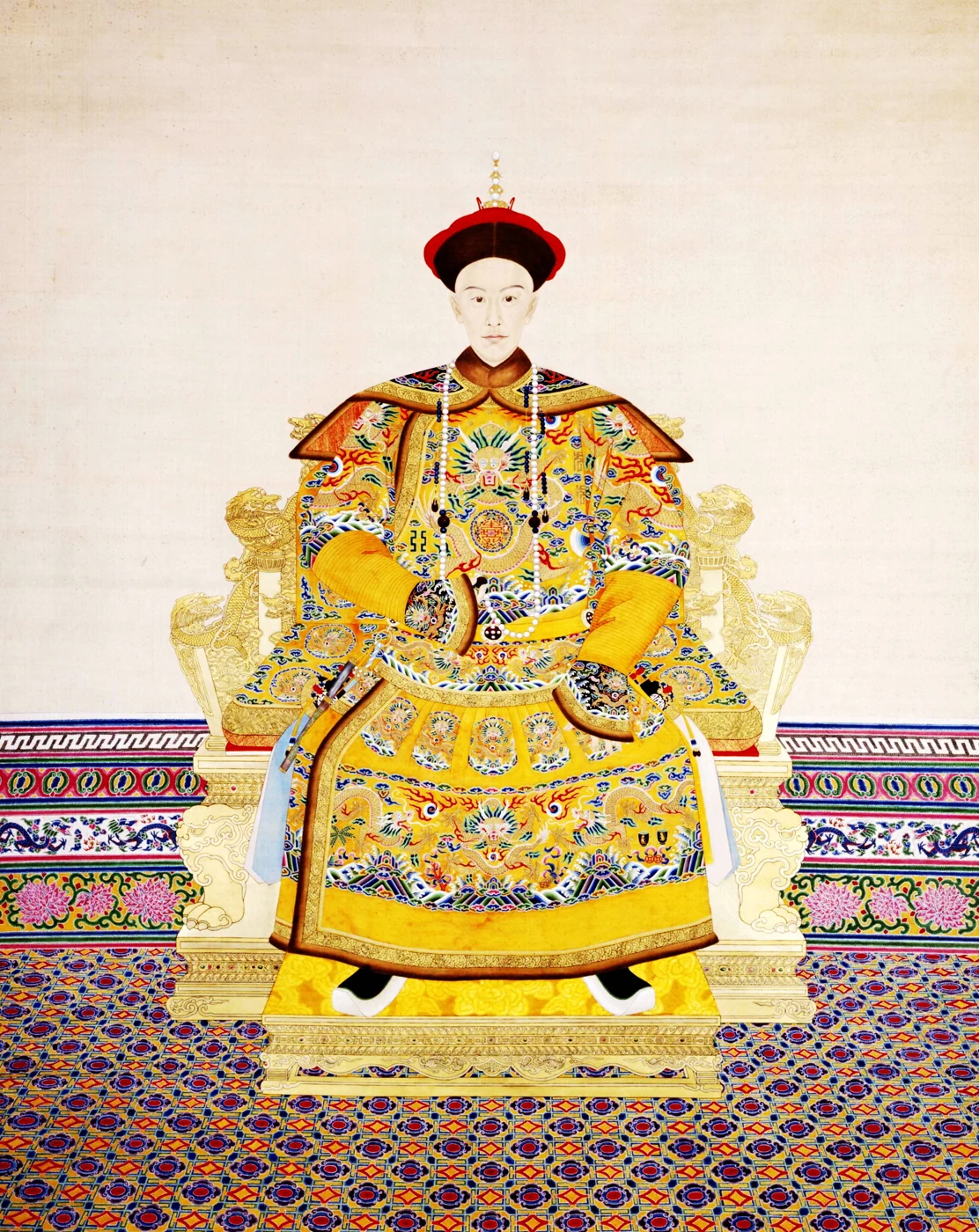
Emperor
Aisin Gioro Zaitian
Aisin Gioro Zaitian (August 14, 1871–November 14, 1908), known by the era name Guangxu and temple name Dezong, was an emperor of the Qing dynasty. His biological father was Yixuan, Prince Chun, and his biological mother, Lady Yehenara Wanzhen, was a younger sister of Empress Dowager Cixi. After the Tongzhi Emperor died without an heir in 1875 (thirteenth year of Tongzhi), Zaitian was selected as successor and adopted
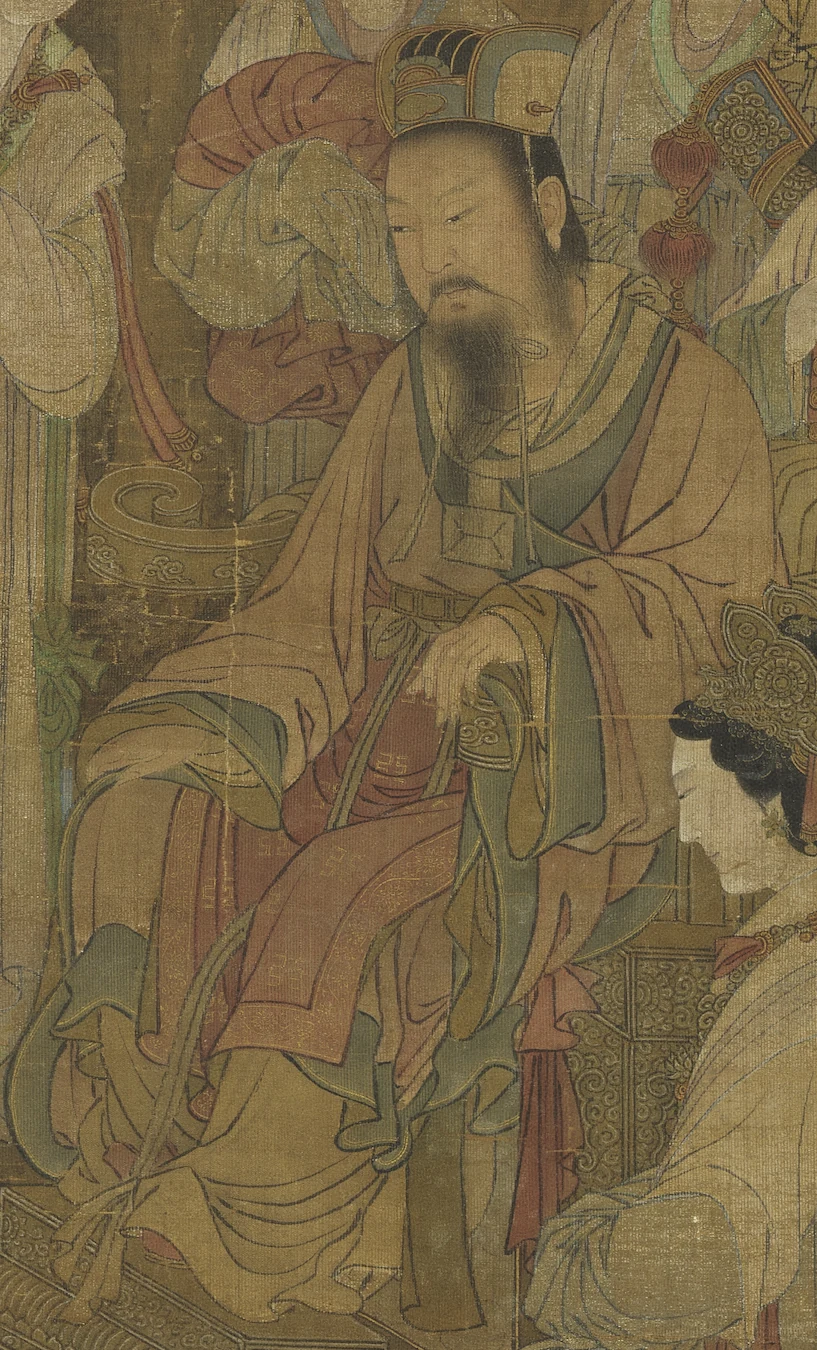 Western Han
Emperor
Liu Heng
Emperor Wen of Han, Liu Heng (203 BCE–157 BCE), was the fourth son of Liu Bang, the founding emperor of the Western Han, and Lady Bo. He was the fifth emperor of the Han dynasty, reigning from 180 BCE to 157 BCE. Initially enfeoffed as Prince of Dai, he guarded the northern frontier. After the death of Empress Lü, the group of senior meritorious officials suppressed the Lü Clan disturbance and installed Liu Heng as e
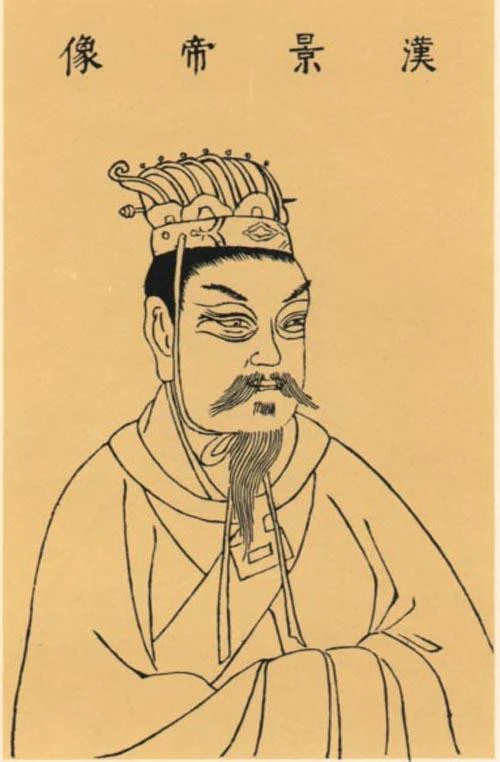 Western Han
Emperor
Liu Qi
Emperor Jing of Han, Liu Qi (188 BCE–March 9, 141 BCE), was the sixth emperor of the Western Han and the son of Emperor Wen, Liu Heng, and Empress Dou, Dou Yifang. Liu Qi reigned for sixteen years from 157 to 141 BCE. He continued his father's policy of allowing the people to recuperate, maintaining light corvée and taxation and reducing punishments. He accepted Chao Cuo's proposal to reduce the power of the feudator
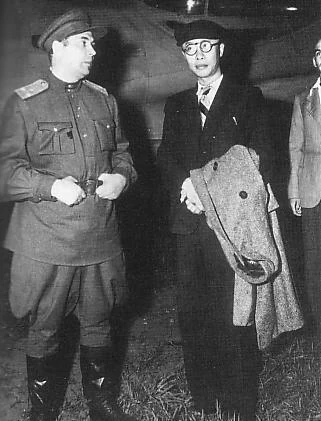 Qing Dynasty
Emperor
Aisin Gioro Puyi
Aisin Gioro Puyi (7 February 1906–17 October 1967), courtesy name Yaozhi, was the last emperor of the Qing Dynasty, with the era name Xuantong. He later served first as Chief Executive and then as Emperor of Japanese-sponsored Manchukuo, using the era names Datong and Kangde. He was the son of Prince Regent Zaifeng. Puyi ascended the throne as a child in 1908 and abdicated in 1912; during the Zhang Xun Restoration of
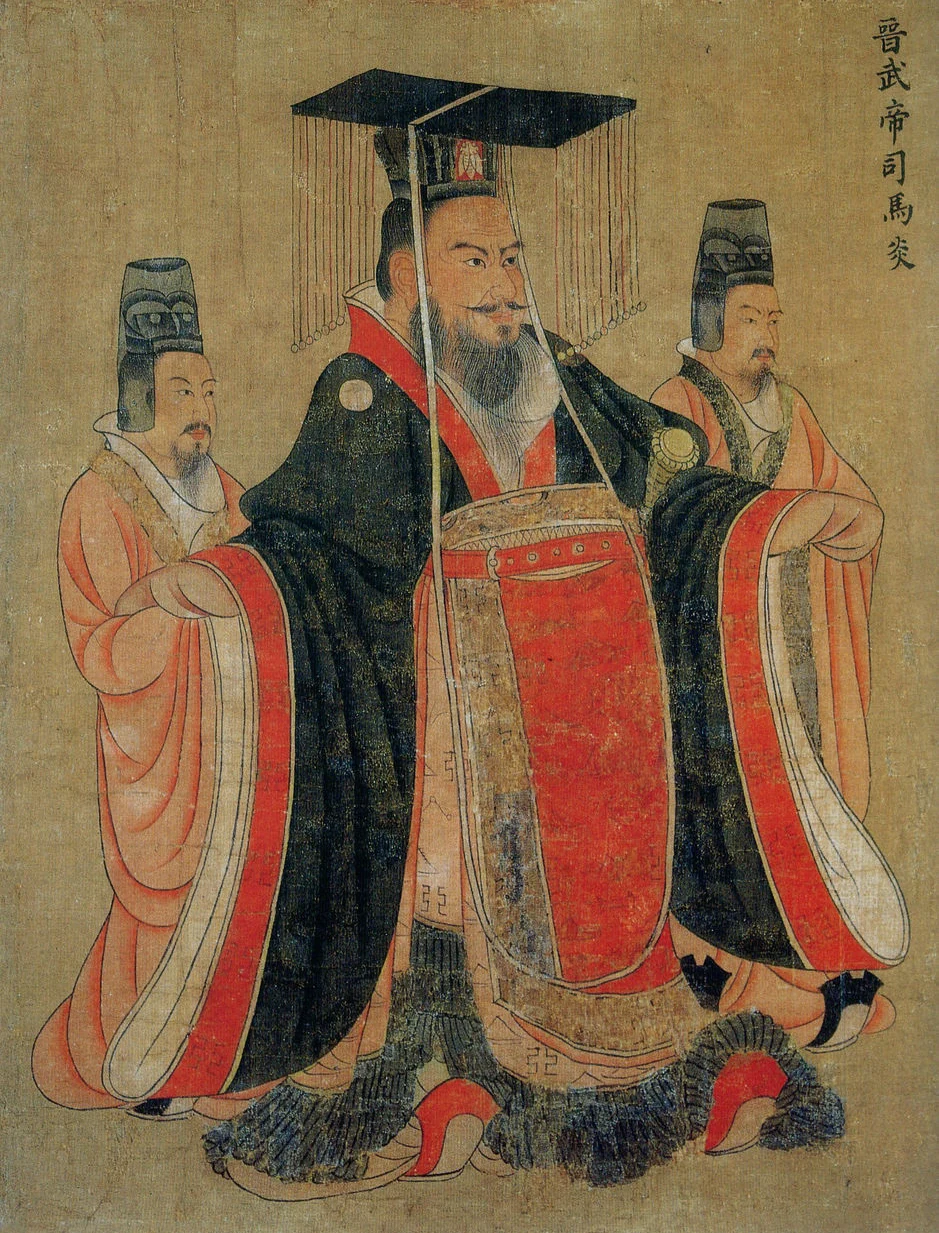 Western Jin
Historical figure
Sima Yan
Sima Yan (236–290), courtesy name Anshi, came from Wen County in Henei Commandery. A son of Sima Zhao and Wang Yuanji, he founded the Western Jin dynasty. He inherited the political power accumulated by his family in Cao Wei and accepted the abdication of Cao Huan in 266 (Taishi 1 of Jin). He ordered the conquest of Wu in 279 (Xianning 5 of Jin); Wu surrendered the following year, ending the division of the Three Kin
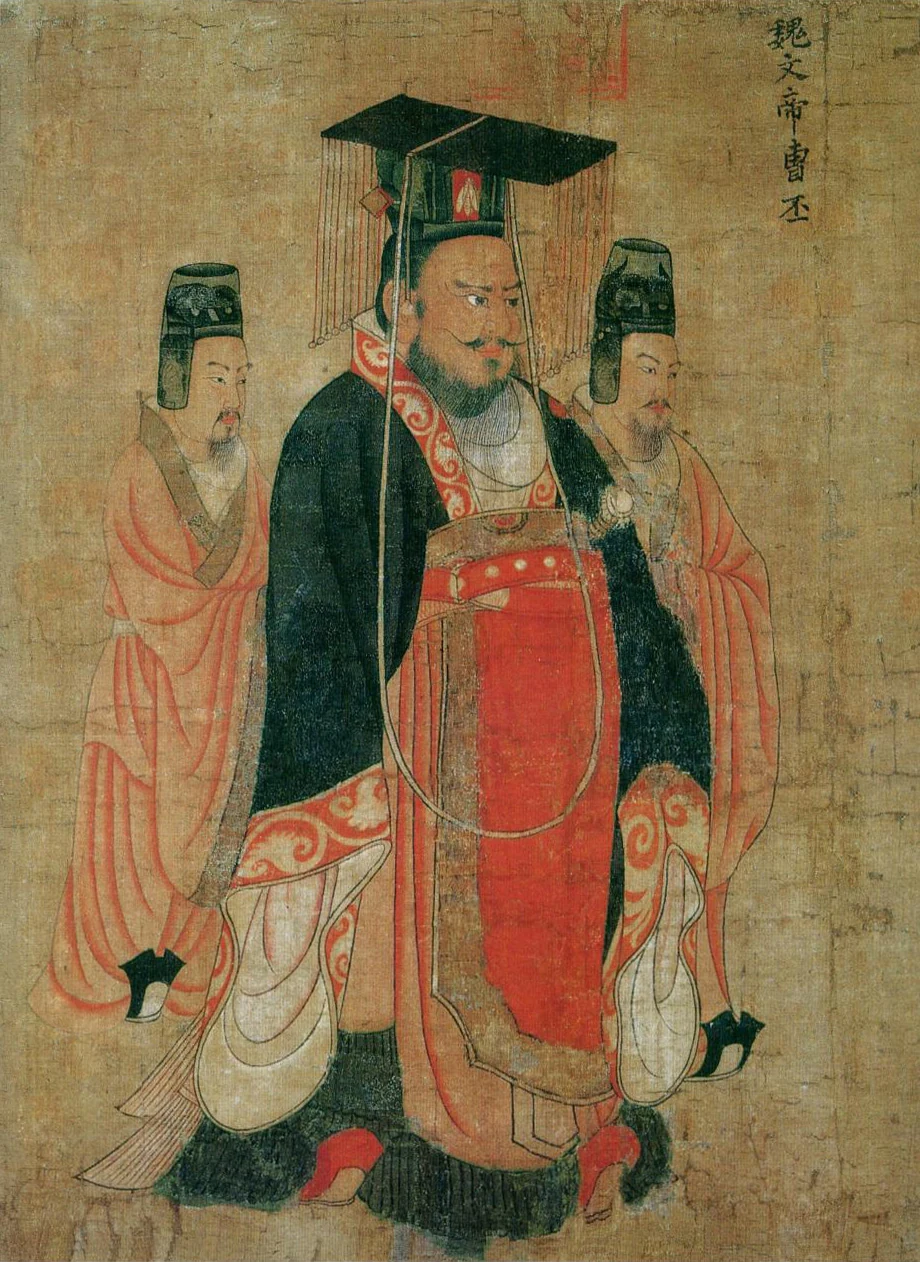 Cao Wei
Historical figure
Cao Pi
Cao Pi (187–June 29, 226), courtesy name Zihuan, was a native of Qiao County, Pei Commandery (present-day Bozhou, Anhui). He was a politician and writer of the Three Kingdoms period and the founding emperor of Cao Wei, reigning from December 11, 220 to June 29, 226. He was a son of Emperor Wu of Cao Wei, Cao Cao, and Empress Wuxuan, Lady Bian. Accomplished in both civil and military arts, he read widely in the classi
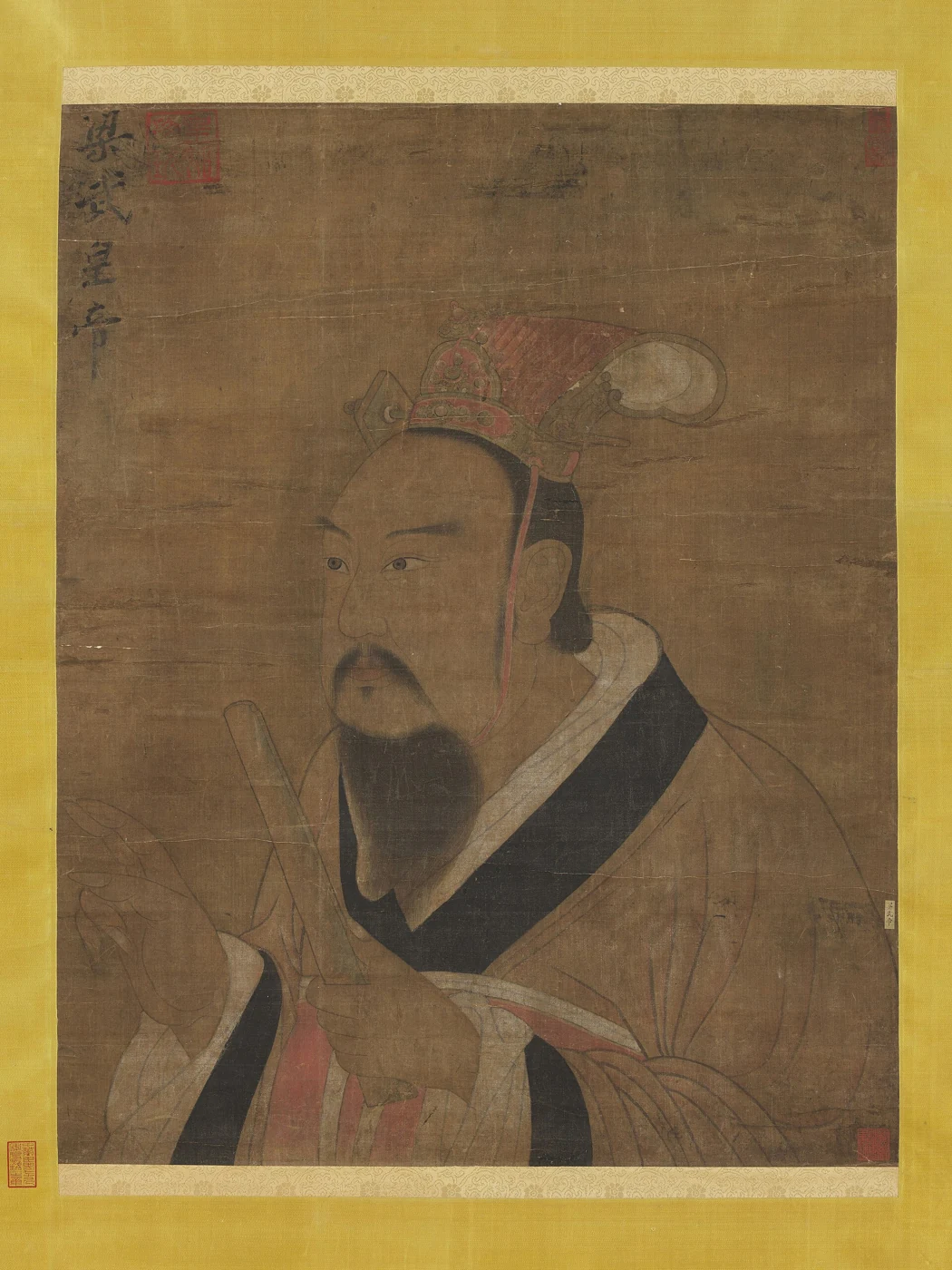 Liang dynasty
Emperor
Xiao Yan
Xiao Yan (464–June 12, 549), courtesy name Shuda and childhood name Lian'er, was from Zhongdu Ward in Southern Lanling Commandery (present-day Changzhou, Jiangsu; another view places it in Danyang, Jiangsu). He was the founding emperor of Southern Liang, reigning from 502 to 549, with the temple name Gaozu. A member of the Lanling Xiao clan, he was said to descend from the Western Han chancellor Xiao He and belonged
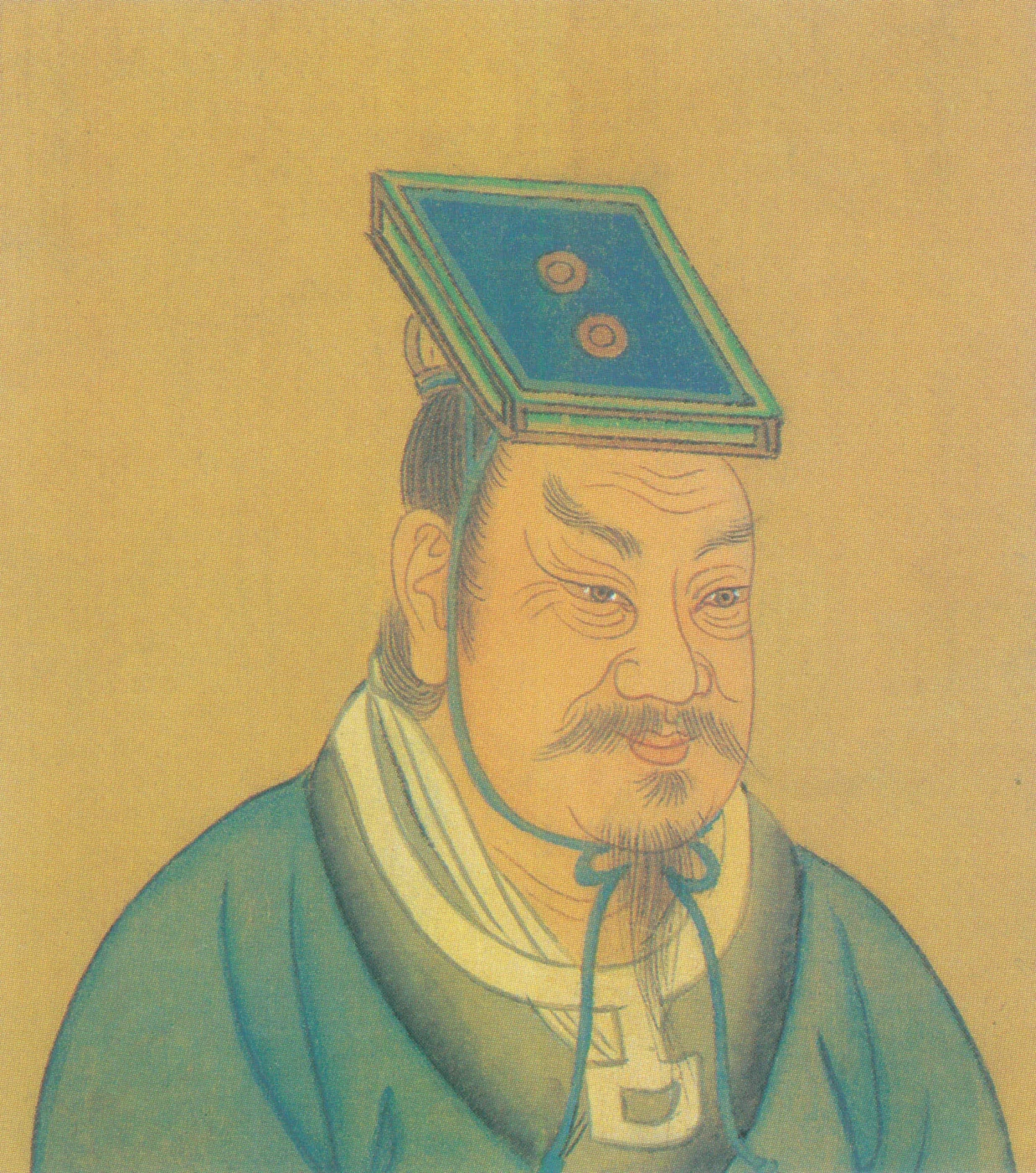 Liu Song
Historical figure
Liu Yu
Liu Yu (363–422), courtesy name Deyu and childhood name Jinu, came from a Pengcheng family and was born in Jingkou. He became a general in the late Eastern Jin and founded the Liu Song dynasty. After gaining prominence in the conflict with Sun En, he raised troops against Huan Xuan and restored the Jin emperor. He then defeated several southern rivals and conquered Southern Yan and Later Qin, entering Luoyang and Cha
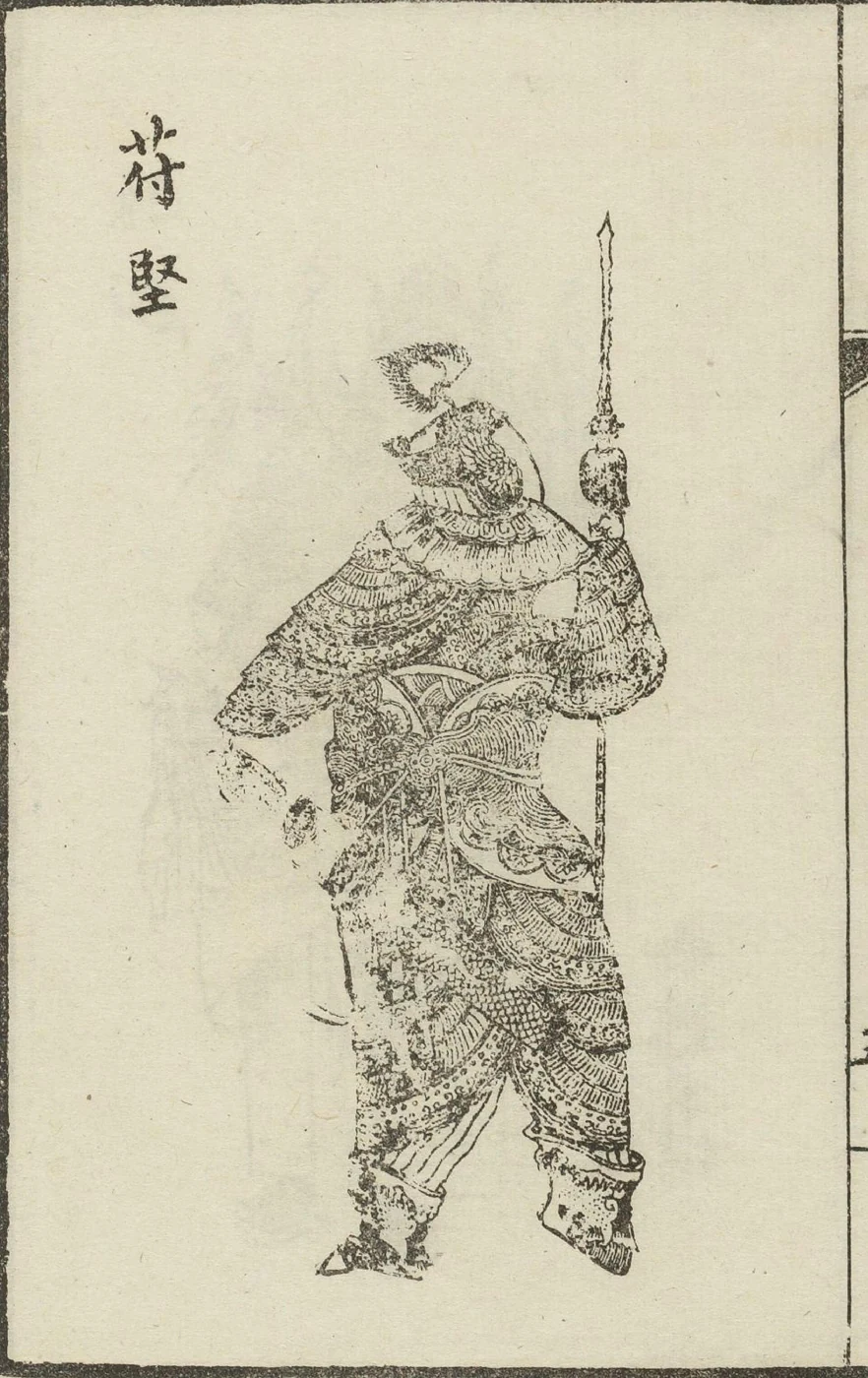 Former Qin
Historical figure
Fu Jian
Fu Jian (338–385), courtesy name Yonggu, was a Di ruler of Former Qin from Linwei in Lueyang Commandery and was born at Ye. In 357 (Shouguang 3 of Former Qin) he overthrew Fu Sheng and took the title Heavenly King of Great Qin. He then appointed Wang Meng and others, encouraged farming, reorganized administration, and conquered Former Yan, Former Liang, and Dai, establishing a north–south standoff with Eastern Jin. H
Historical figure
Yuan Hong
Yuan Hong (467–499), originally Tuoba Hong, was a son of Emperor Xianwen, Tuoba Hong, and the seventh emperor of Northern Wei. He ascended the throne as a child in 471 (Huangxing 5 of Northern Wei), and his grandmother Empress Dowager Feng directed the government during much of his early reign. After her death, he personally advanced reforms centred on the move to Luoyang. He changed Xianbei surnames, court dress, an
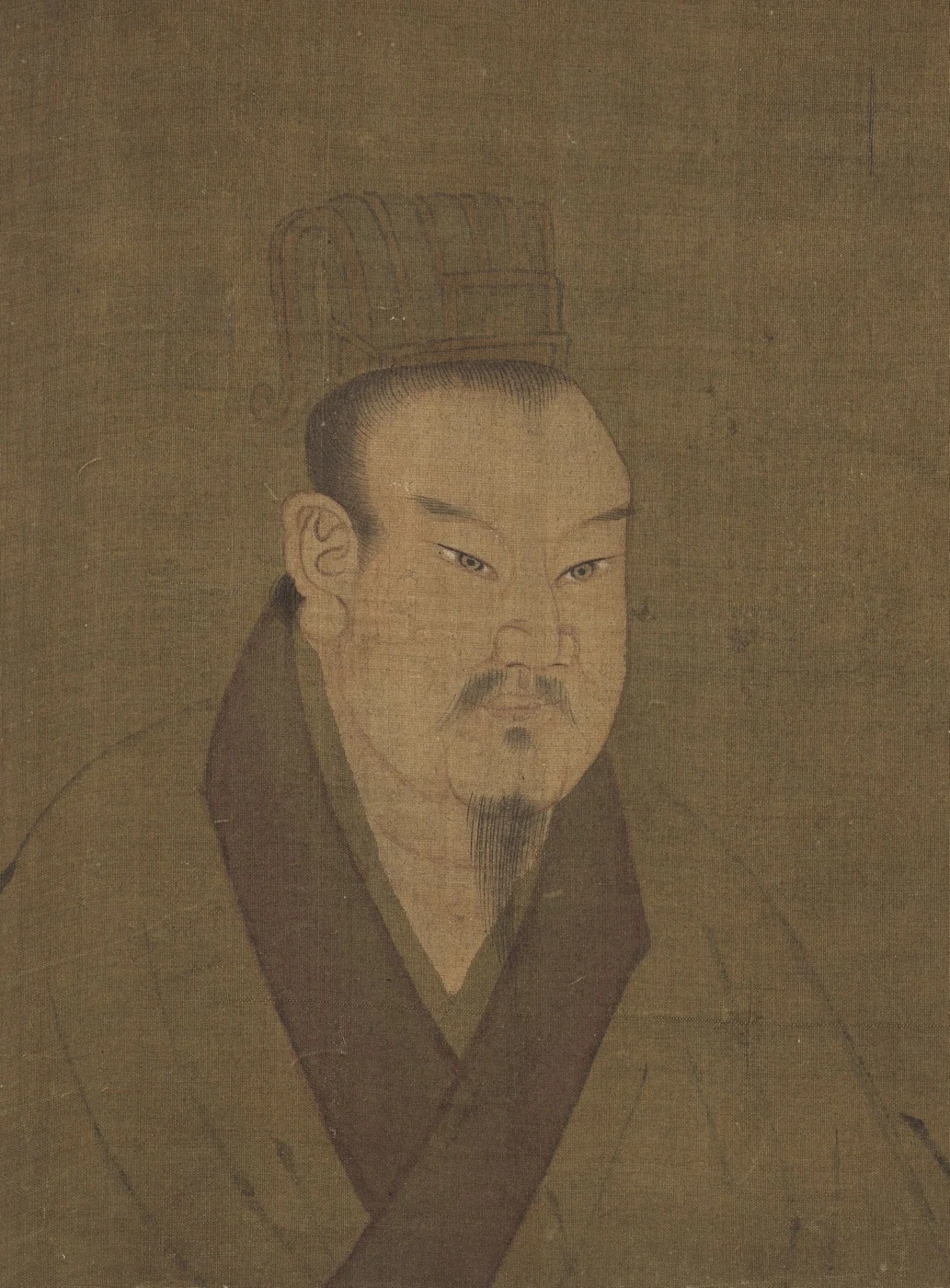 Chen dynasty
Emperor
Chen Baxian
Chen Baxian (503(2nd year of Tianjian under Liang) – 9 August 559(3rd year of Yongding under Chen)), courtesy name Xingguo and childhood name Fasheng, was a native of Xia Ruo Li in Changcheng County, Wuxing Commandery (present-day Changxing, Zhejiang) and the founding emperor of the Southern Chen. Early in his career he gained the favor of Xiao Ying, Marquess of Xinyu, and followed him to serve in Guangzhou, rising t
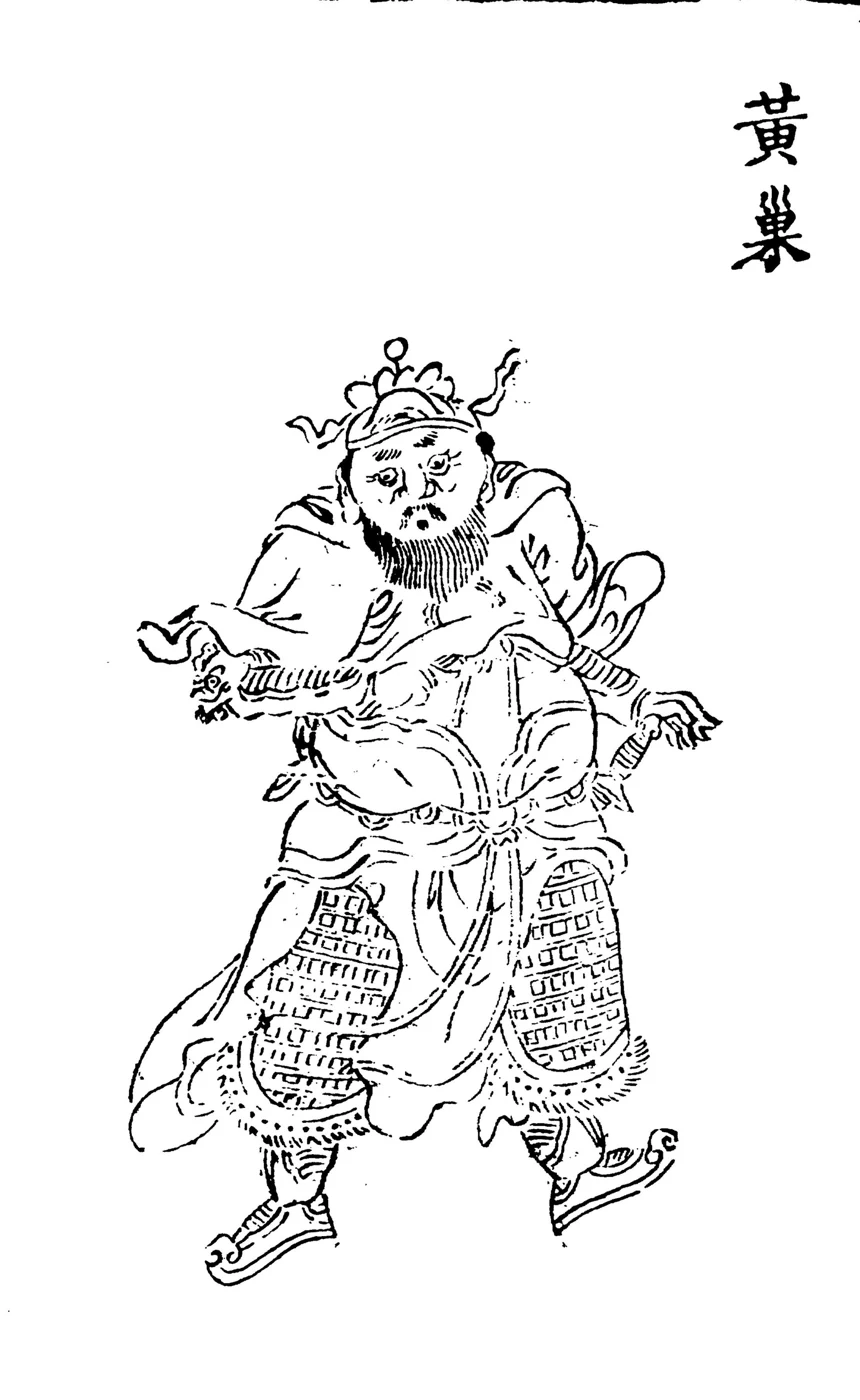 Tang Dynasty
Emperor
Huang Chao
Huang Chao (820–June 15, 884) was a native of Yuanju in Caozhou, northwest of present-day Cao County in Heze, Shandong. He was a leader of the large-scale peasant war at the end of the Tang and the founder of the Great Qi regime. Born into a family engaged in the salt trade, Huang Chao was skilled in riding and archery and repeatedly failed the jinshi examination. In 875, the second year of the Qianfu era, he led f
Emperor
Yelü Dashi
Yelü Dashi (1087–1143), courtesy name Zhongde, was a Khitan, an eighth-generation descendant of Yelü Abaoji, and the founding emperor of Western Liao, with the temple name Dezong. Literate in both Khitan and Chinese and skilled in riding and archery, he is the only Khitan jinshi explicitly recorded in the History of Liao. During the collapse of the Liao he led followers west and founded Western Liao in Central Asia
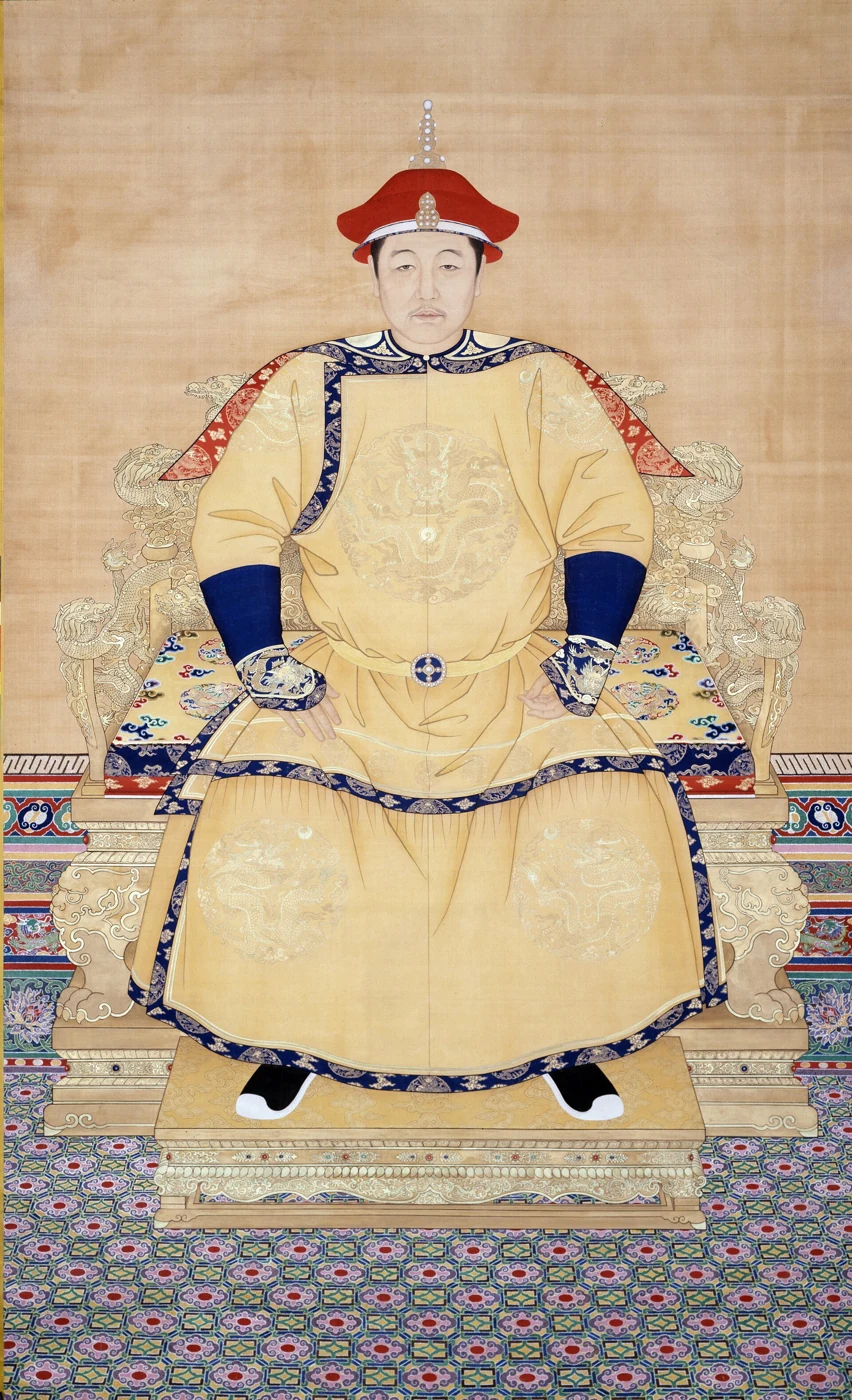 Qing Dynasty
Emperor
Aisin Gioro Fulin
Shunzhi Emperor Fulin (March 15, 1638–February 5, 1661), of the Aisin Gioro clan and known by the Manchu childhood name Fangkala, was the first Qing emperor after the dynasty entered the passes and the first Qing ruler after the capital was established at Beijing. He was the ninth son of Hong Taiji, Emperor Taizong of Qing, and his mother was Empress Xiaozhuangwen of the Borjigit clan. After Hong Taiji died suddenly
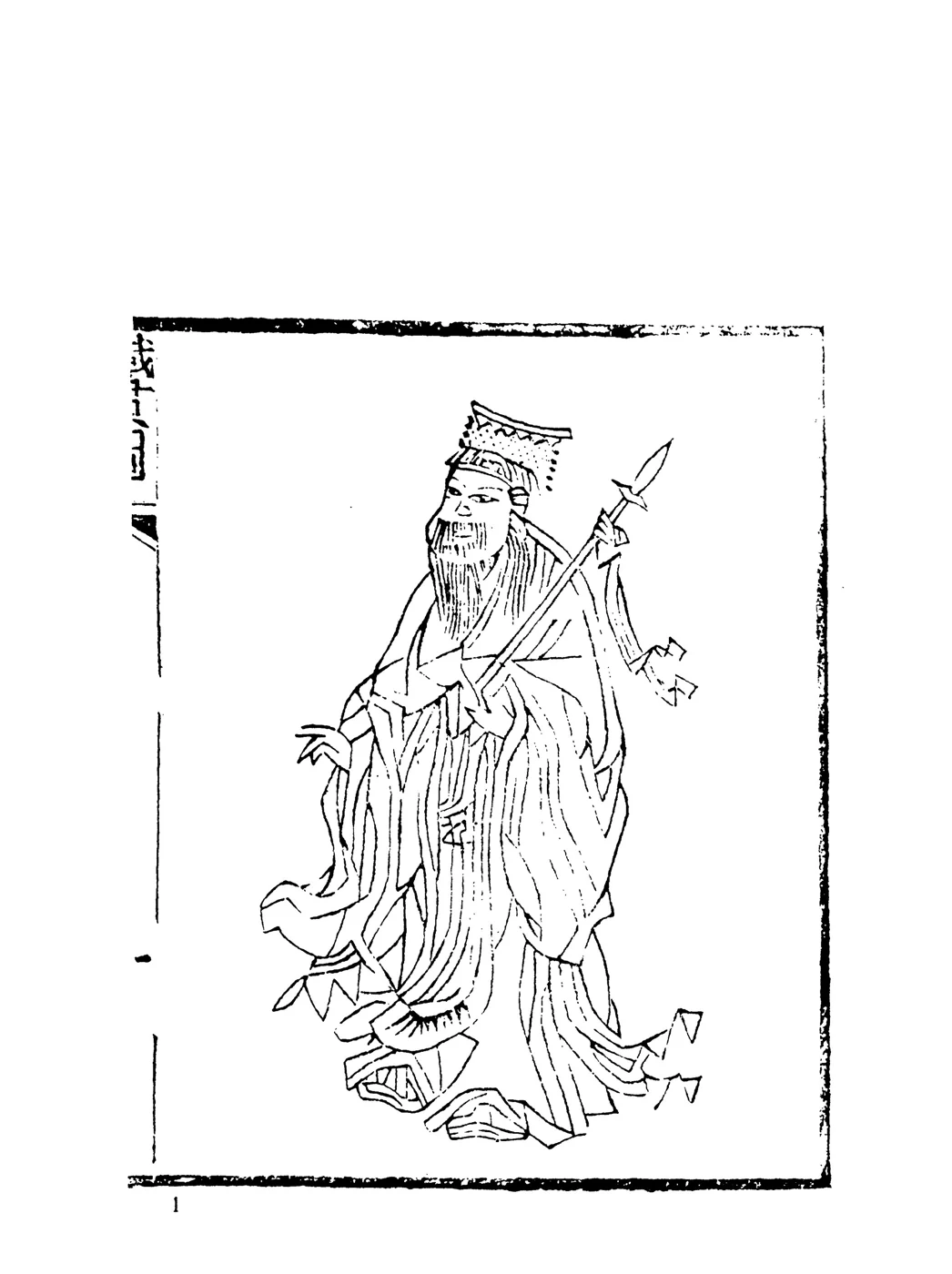 Ming Dynasty
Emperor
Zhu Youjian
Zhu Youjian (February 6, 1611 – April 25, 1644) was the fifth son of Emperor Guangzong (Zhu Changluo) of the Ming dynasty, the younger half-brother of Emperor Xizong (Zhu Youxiao), and the son of Empress Xiaochun (Lady Liu). He was the sixteenth emperor of the Ming dynasty and the last sovereign to govern a unified Chinese realm under the Ming house (reigned 1627–1644). His era name was Chongzhen, and he is historica
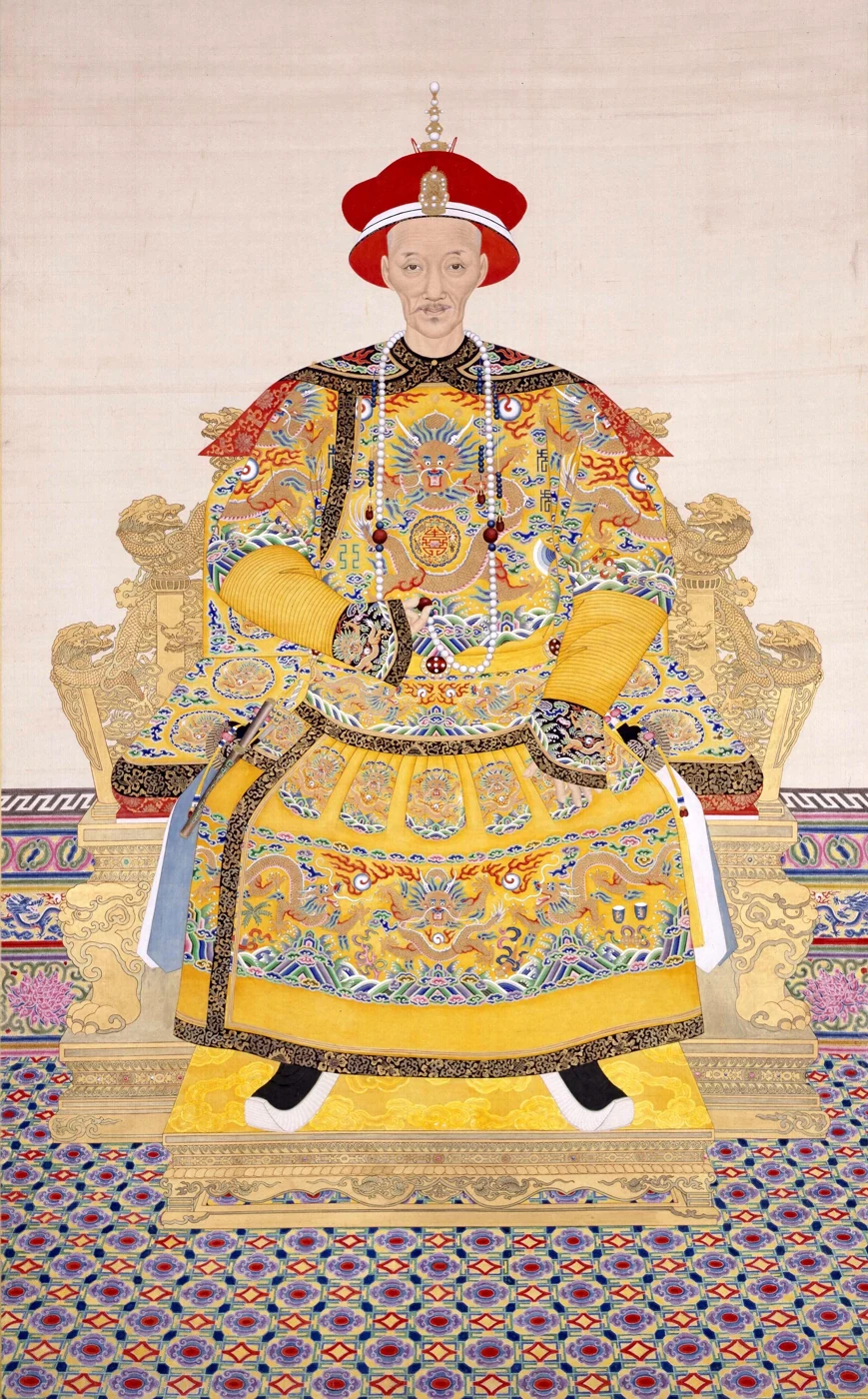 Qing Dynasty
Emperor
Aisin Gioro Minning
Aisin Gioro Minning (September 16, 1782–February 25, 1850), the Daoguang Emperor and temple-named Xuanzong of Qing, was originally named Mianning and changed his name to Minning after ascending the throne. He was the eighth emperor of the Qing Dynasty and the sixth Qing ruler after the conquest of China proper. His era name was Daoguang, his temple name Xuanzong, and his posthumous title Emperor Cheng. He was born in
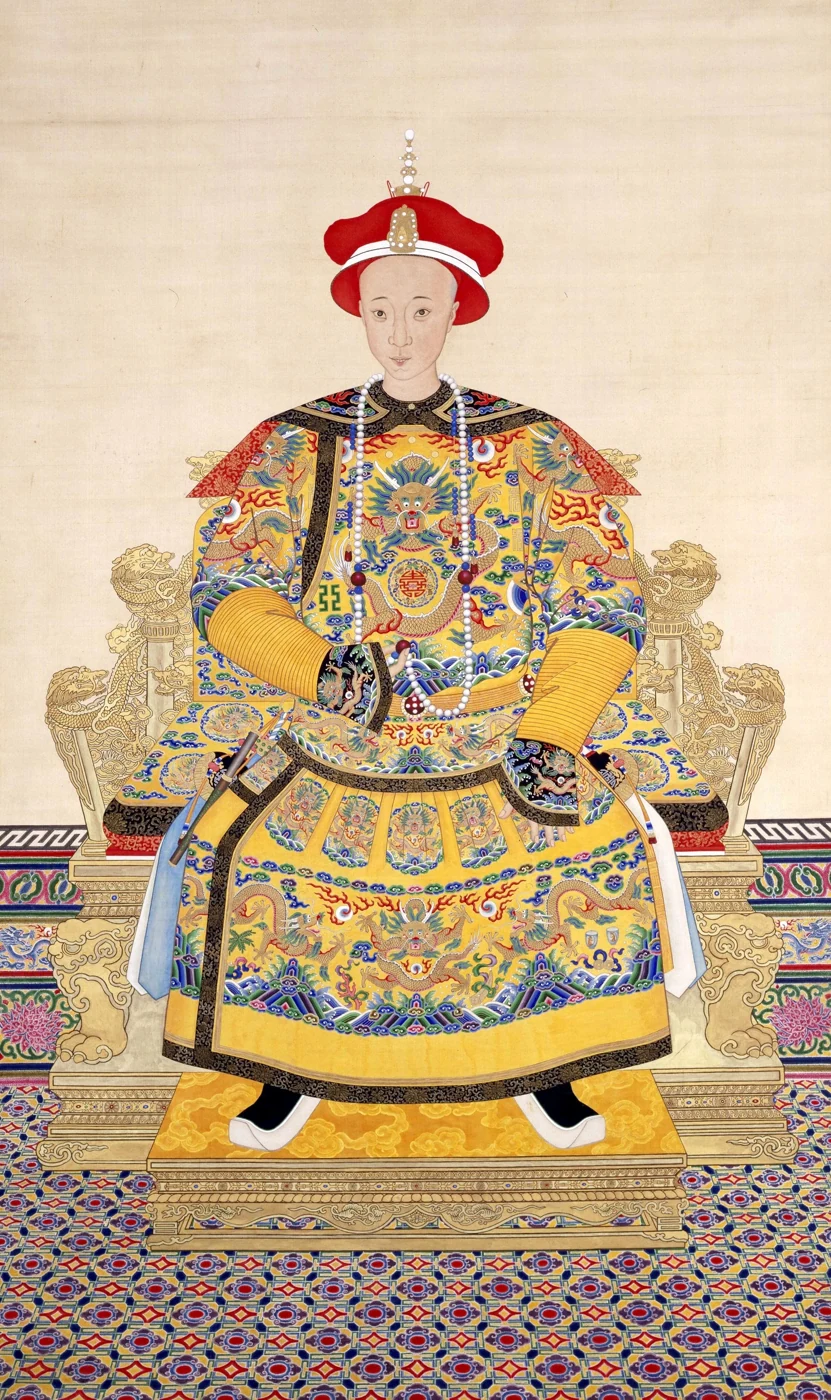 Qing Dynasty
Emperor
Aisin Gioro Zaichun
Emperor Muzong of Qing, Aisin Gioro Zaichun (April 27, 1856–January 12, 1875), was the eldest son of the Xianfeng Emperor and was born to Lady Yehenara, later Empress Xiaoqinxian, better known as Empress Dowager Cixi. He was the tenth emperor of the Qing dynasty, reigning from August 22, 1861 to January 12, 1875, and the eighth Qing emperor after the conquest of China proper. His era name was Tongzhi. He was born in
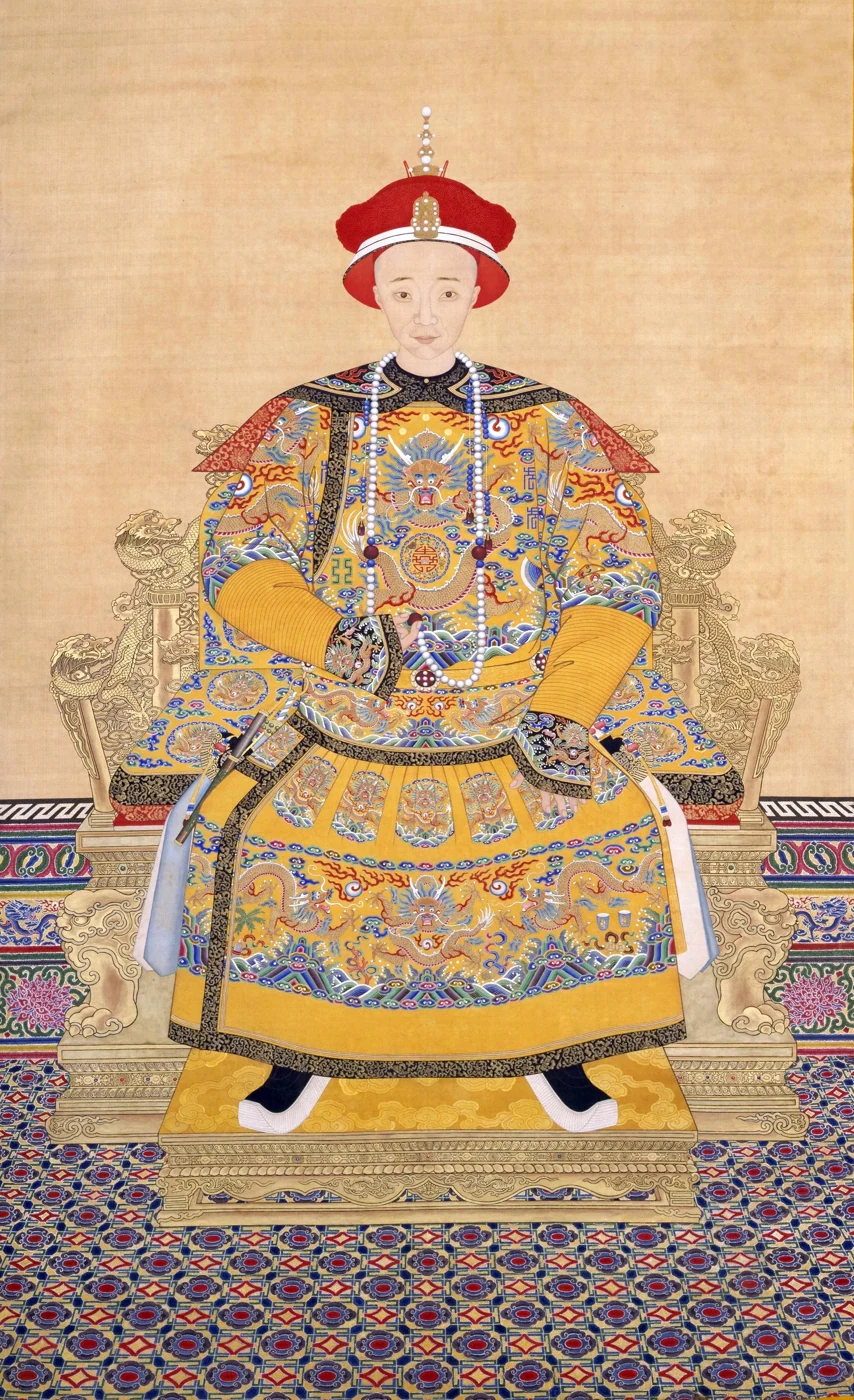 Qing Dynasty
Emperor
Aisin Gioro Yizhu
The Xianfeng Emperor, Aisin Gioro Yizhu (July 17, 1831–August 22, 1861), who called himself Master Qiele, was the ninth emperor of the Qing dynasty. His era name was Xianfeng and his temple name Wenzong; his full posthumous title was Xietian Yiyun Zhizhong Chuimo Maode Zhenwu Shengxiao Yuangong Duanren Kuanmin Zhuangjian Xian Huangdi. He was the fourth son of the Daoguang Emperor and Empress Xiaoquancheng of the Nioh
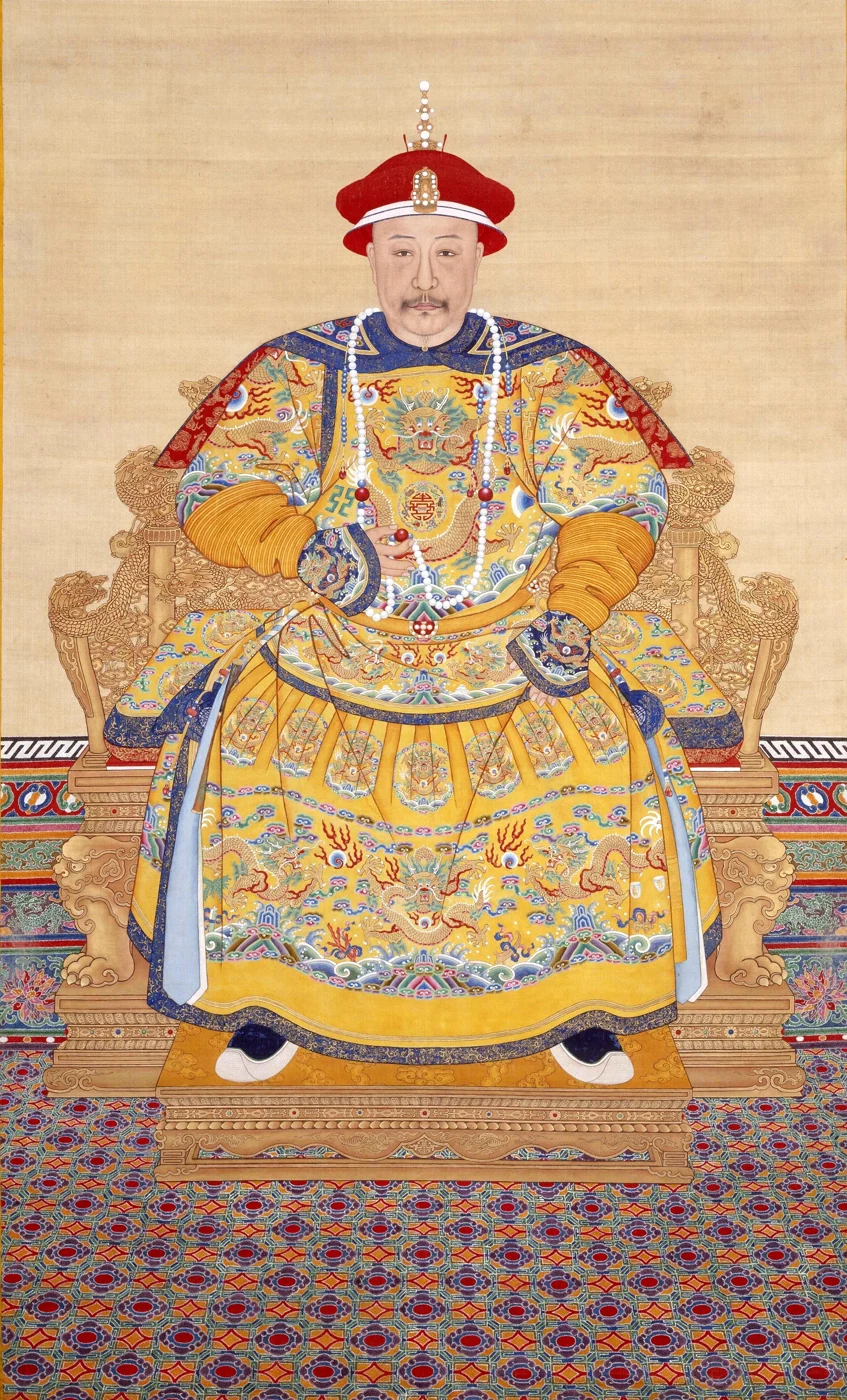 Qing Dynasty
Emperor
Aisin Gioro Yongyan
Aisin Gioro Yongyan (November 13, 1760–September 2, 1820), originally named Yongyan, was the fifteenth son of the Qianlong Emperor, Emperor Gaozong of Qing. His mother was Empress Xiaoyichun of the Weigiya clan. He was the seventh emperor of the Qing dynasty and the fifth after the Qing entry through the passes. In 1795, the sixtieth year of Qianlong, he was named crown prince. He ascended the throne after the Qianlo
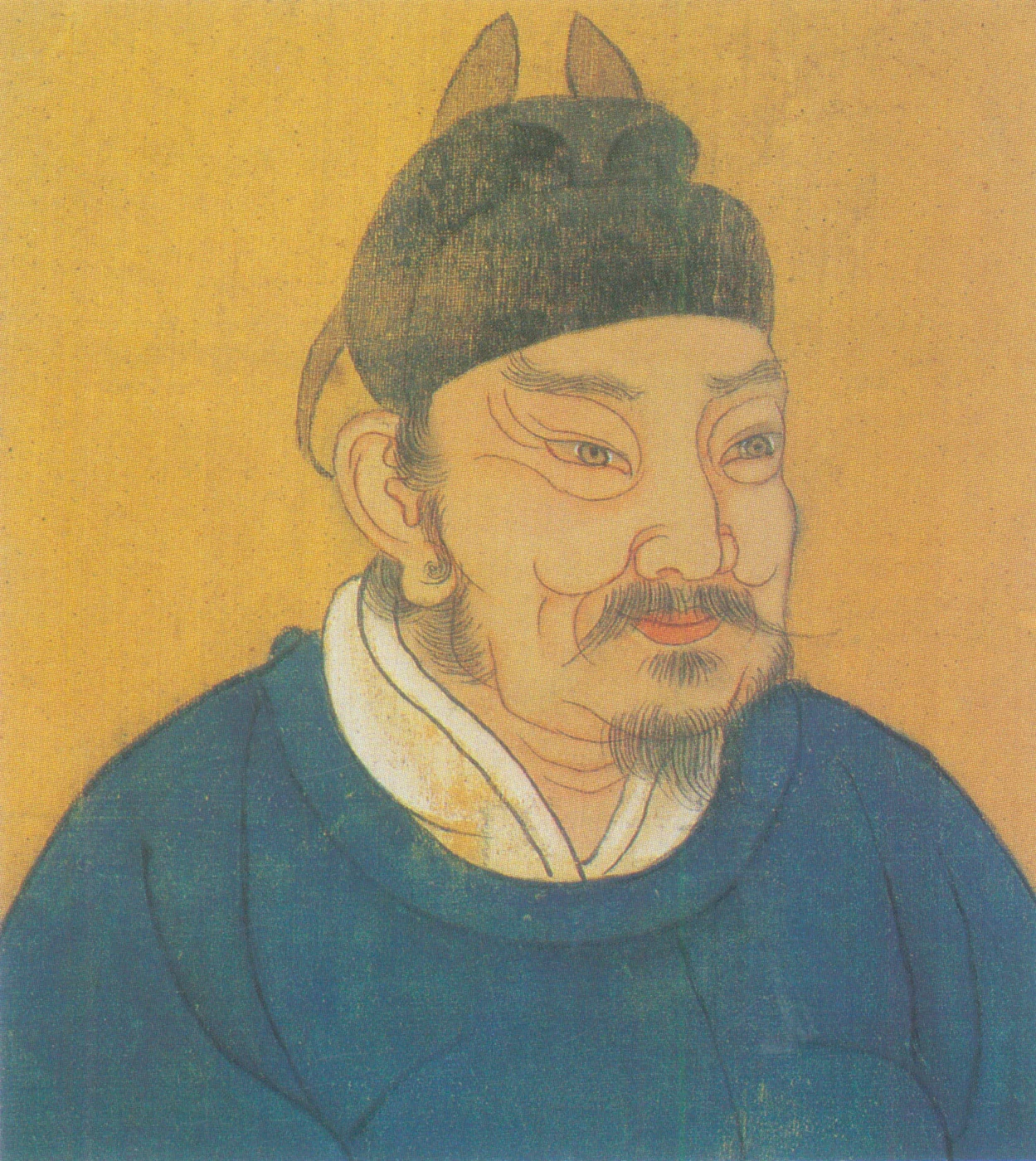 Later Zhou
Emperor
Guo Wei
Guo Wei (904–954), courtesy name Wenzhong and childhood name Guo Que'er, was a native of Yaoshan in Xingzhou (present-day Longyao, Hebei). He was the founding emperor of Later Zhou during the Five Dynasties period, with the temple name Taizu, and is historically known as Emperor Taizu of Later Zhou. Born to humble circumstances, Guo entered the army when young and rose through military service to become Military Affa
Emperor
Tuoba Gui
Tuoba Gui (August 4, 371–November 6, 409), also known as Tuoba Kai, Tuoba Shegui, Tuoba Yigui, and Tuoba Shiyigui, courtesy name Shegui, was a Xianbei from Shengle, present-day Horinger County in Inner Mongolia. He was the founding emperor, military commander, and political leader of Northern Wei, a grandson of Tuoba Shiyiqian, Emperor Zhaocheng, and the posthumous son of Tuoba Shi, Emperor Xianming. Born north of Ca
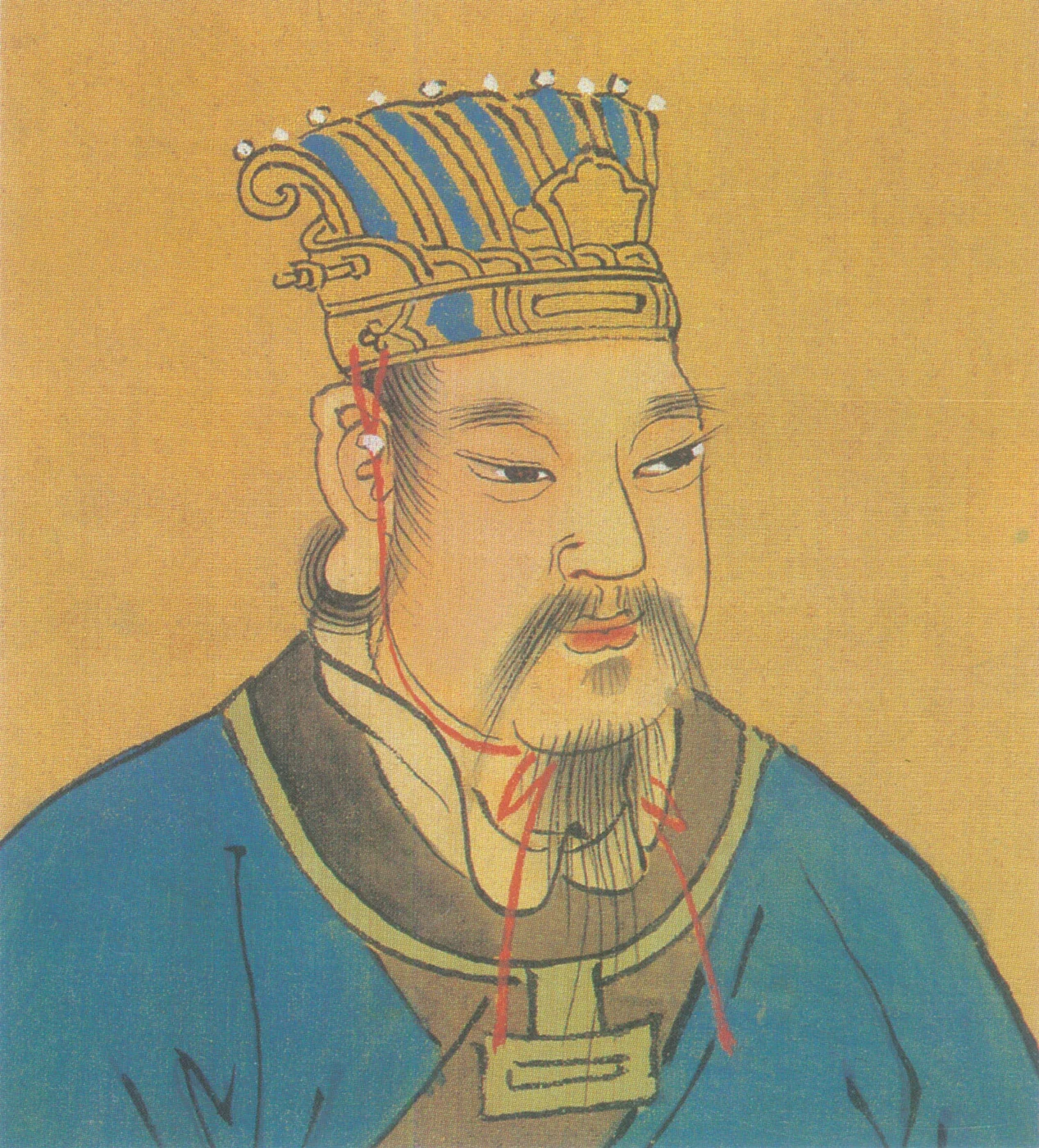 Eastern Jin
Emperor
Sima Rui
Sima Rui (276–January 3, 323), courtesy name Jingwen, was a native of Wen County, Henei Commandery and the founding emperor of the Eastern Jin. He was a great-grandson of Sima Yi, posthumously honored as Emperor Xuan of Jin, and the son of Sima Jin, Prince Gong of Langya. His mother was Xiahou Guangji, consort of the Prince of Langya. He received the posthumous title Emperor Yuan and the temple name Zhongzong and was
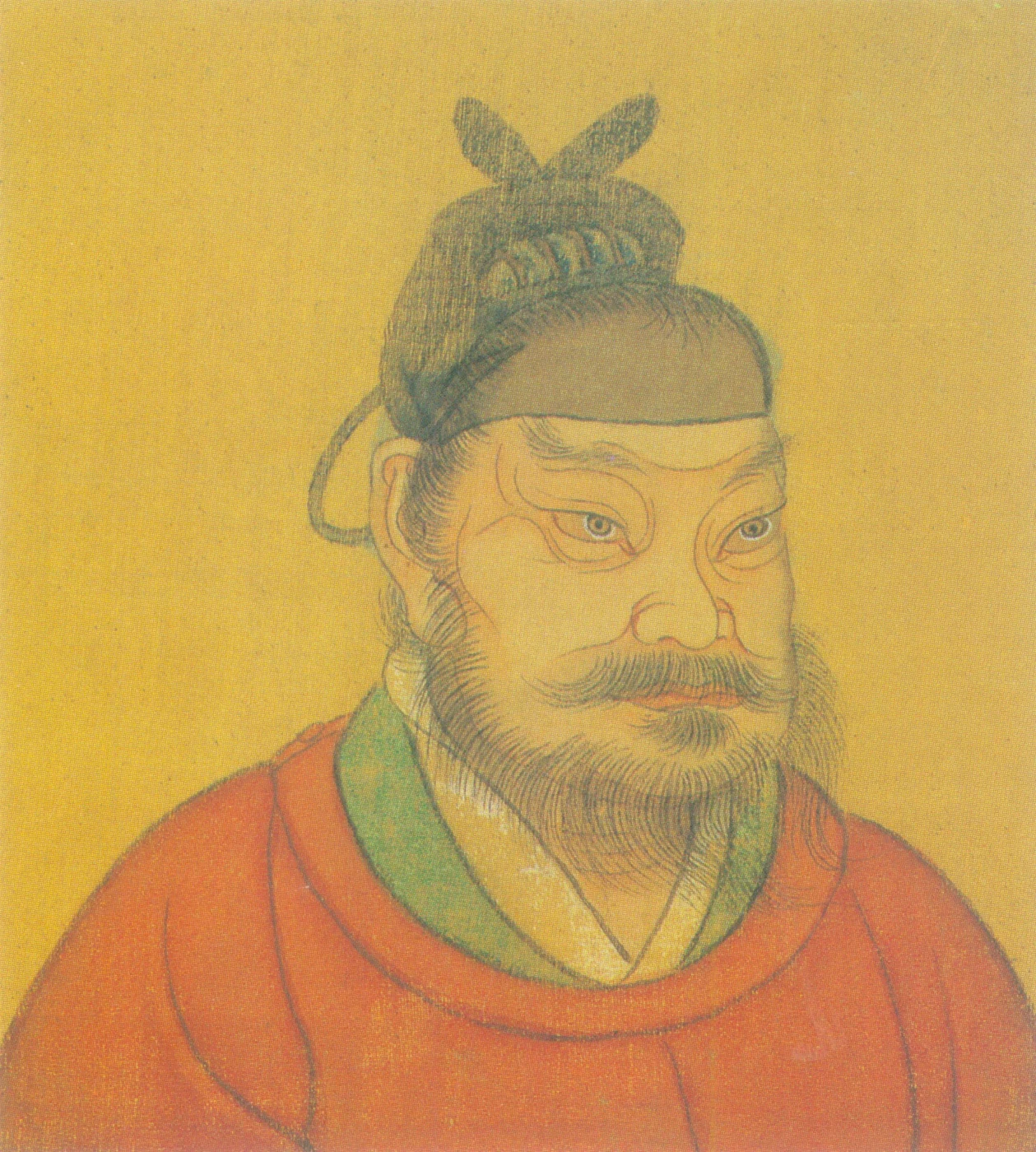 Later Jin
Emperor
Shi Jingtang
Shi Jingtang (March 30, 892–July 28, 942), a Shatuo from Fenyang Ward in Taiyuan, was the founding emperor of Later Jin during the Five Dynasties and Ten Kingdoms period. His temple name was Gaozu and his posthumous title was Shengwen Zhangwu Mingde Xiao Emperor. His father Shi Shaoyong, whose non-Han name was Nielieji, served under Li Keyong and rose to become prefect of Pingzhou and Mingzhou. Shi Jingtang became th