Liu Bang proclaimed himself emperor and Western Han was founded.
202 BCE–9 CE
Western Han
Chang’an and an expanding world西汉
Western Han was the first major phase of the Han dynasty. It was founded by Liu Bang, Emperor Gaozu, in 202 BCE as a unified empire with its capital at Chang'an. The dynasty transmitted power through twelve emperors and lasted for more than two centuries. In its early period, the government followed policies associated with Huang-Lao thought, emphasizing recovery, light taxation, reduced corvée, and limited interference. Social stability gradually returned. After the Rule of Wen and Jing,…
202 BCE–9 CECapital · Chang'an
ERA OVERVIEW
Western Han was the first major phase of the Han dynasty. It was founded by Liu Bang, Emperor Gaozu, in 202 BCE as a unified empire with its capital at Chang'an. The dynasty transmitted power through twelve emperors and lasted for more than two centuries. In its early period, the government followed policies associated with Huang-Lao thought, emphasizing recovery, light taxation, reduced corvée, and limited interference. Social stability gradually returned. After the Rule of Wen and Jing, economic conditions improved and state granaries filled. Under Emperor Wu, the dynasty attacked the Xiongnu, expanded into the southwest and the Western Regions, and reached the height of its power. In the later period, imperial relatives increasingly dominated court politics, Wang Mang accumulated authority, and in 9 CE he replaced the Han and established Xin. Western Han inherited important features from Zhou and Qin and profoundly shaped the subsequent tradition of centralized imperial government and political unification.
Time span202 BCE–9 CE
CapitalChang'an
ERA TIMELINE
After the siege at Baideng, Han adjusted its policy toward the Xiongnu.
Empress Lü died, the Lü clan crisis ended, and Liu Heng became emperor.
Rebellion of the Seven States began and was suppressed.
Emperor Wu took the throne.
Zhang Qian began his first mission to the Western Regions.
The Battle of Mobei and expansion of state salt-and-iron monopolies marked intensified internal and external policy.
Emperor Wu died; Huo Guang became regent.
Liu Xun became emperor; the Zhao-Xuan Revival developed.
The Protectorate of the Western Regions was established.
Wang Mang dominated government and prepared the dynastic transition.
Wang Mang accepted abdication, founded Xin, and Western Han ended.
FULL ENTRY
Historical Development
Western Han history can broadly be divided into four phases: establishment, high point, decline, and fall. In the early dynasty, Liu Bang defeated rival kings, established the capital at Chang'an, adopted marriage diplomacy with the Xiongnu, and pursued policies of recovery. Under Emperor Hui, Empress Dowager Lü, and Emperors Wen and Jing, the political order remained relatively stable and state finances strengthened, producing the period known as the Rule of Wen and Jing.
Under Emperor Wu, Western Han launched major campaigns against the Xiongnu, expanded into the Hexi Corridor and the Western Regions, elevated Confucian learning within state ideology, and further strengthened central authority. State power reached a peak, though prolonged warfare also exhausted population and resources. During the reigns of Emperors Zhao and Xuan, political administration became more stable again, a period often called the Zhao-Xuan Revival.
During the reigns of Emperors Yuan and Cheng, imperial relatives gained increasing power and imperial authority weakened. In the reigns of Emperors Ai and Ping, Wang Mang, an imperial relative, accumulated power while presenting himself as humble, respectful of scholars, and morally upright. In 8 CE he moved from the title “Regent Emperor” to “Acting Emperor,” and in the following year, 9 CE, formally accepted abdication, proclaimed himself emperor, and founded Xin. Western Han thereby ended.
Politics and Institutions
The central government inherited the Qin system while modifying it, maintaining the Three Dukes and Nine Ministers. Under Emperor Wu, the Secretariat and inner court took on more direct policy-making roles, changing the relationship between imperial and ministerial authority. Local administration primarily used commanderies and counties while also enfeoffing members of the Liu clan as regional kings. From the reign of Emperor Wu, the court steadily weakened princely autonomy and strengthened central control.
Recruitment relied heavily on recommendation and nomination, including categories such as “filial and incorrupt” and “worthy and upright.” Han law remained the main legal framework, with repeated efforts to simplify punishment and proclaim renewed governance. Inspectors were assigned to oversee commanderies and scrutinize local officials. Detailed institutional arrangements are treated in their respective entries.
Military and Diplomacy
Under Emperor Wu, Western Han launched major campaigns against the Xiongnu under generals such as Wei Qing and Huo Qubing, established the four Hexi commanderies, and opened routes to the Western Regions. The Protectorate of the Western Regions was later created under Emperor Xuan. Han also expanded southward against Nanyue and Eastern Ou and engaged southwestern peoples.
Policy toward the Xiongnu shifted from early marriage diplomacy to sustained offensive warfare, later combining hostage arrangements, marriage diplomacy, and frontier trade. Zhang Qian's missions opened stronger connections with Central Asia, and the Silk Road facilitated growing movement of envoys and merchants.
Economy and Commerce
The early dynasty reduced taxes and corvée and encouraged displaced people to return to farming. The agricultural tax was kept low, commonly described as one-thirtieth of the harvest, helping agriculture recover. Under Emperor Wu, the state introduced salt-and-iron monopolies, the equal transportation and price-stabilization systems, standardized the wuzhu coin, and imposed taxes and reporting requirements on commercial wealth. State revenues increased. Handicrafts and commerce expanded, Chang'an and other markets prospered, and the Silk Road linked China with long-distance trade.
Culture and Society
Confucian learning became the dominant state ideology, an imperial academy was established, and classical scholarship flourished. Historiography and literature developed strongly: the Records of the Grand Historian was completed during this era, while Han fu and Music Bureau poetry became major genres. Society was organized around kinship and local communities, state policy favored agriculture and restricted merchants, and ritual norms became increasingly important. The Han ethnic identity also took more definite shape during this period.
Rulers and Political Core
Liu Bang, Liu Ying, Former Young Emperor, Later Young Emperor, Liu Heng, Liu Qi, Liu Che, Liu Fuling, Liu He, Liu Xun, Liu Shi, Liu Ao, Liu Xin, Liu Kan; Ruzi Ying served as crown prince and did not formally become emperor.
> This section explains rulers and political actors in the evolution of the dynasty; full biographies are carried by person entities.
Historical Assessment and Legacy
Contemporaries and later writers often praised the early Han for benevolent government and policies allowing the population to recover. The Book of Han summarized the ideal condition as officials fulfilling their duties and the people living securely in their occupations. Later historians have generally treated Western Han as one of the major formative periods of the centralized imperial order that endured for roughly two millennia. Institutions and policies involving commanderies and counties, recommendation, the imperial academy, salt-and-iron monopolies, and long-distance exchanges became important precedents. Later historians also repeatedly criticized the growth of imperial-relative power in the final decades and the resulting transfer of authority.
Rulers
Liu Bang, Liu Ying, Former Young Emperor, Later Young Emperor, Liu Heng, Liu Qi, Liu Che, Liu Fuling, Liu He, Liu Xun, Liu Shi, Liu Ao, Liu Xin, Liu Kan; Ruzi Ying served as crown prince and did not formally become emperor.
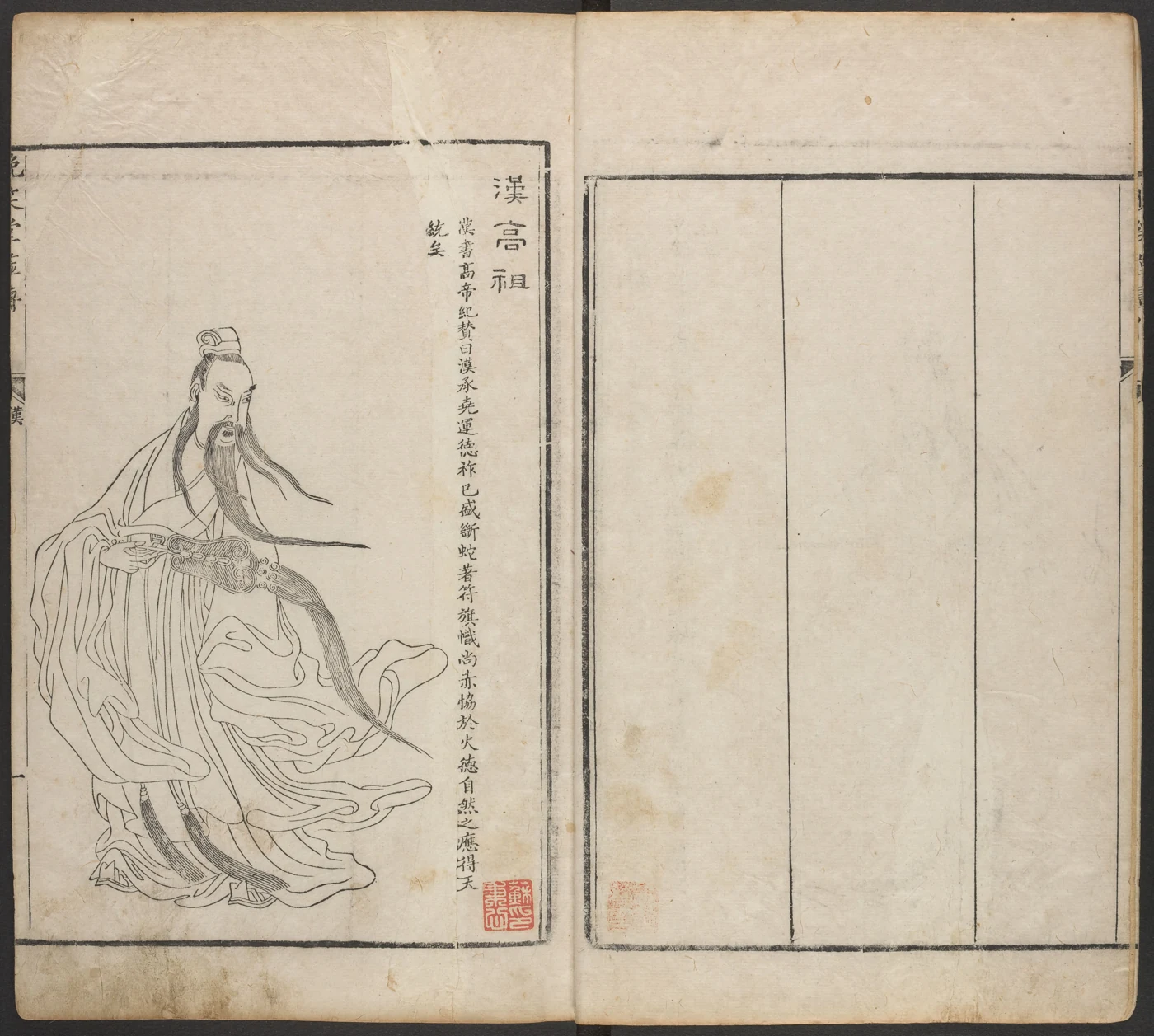 Western Han
Emperor
Liu Bang
Liu Bang (256 BCE or 247 BCE–June 1, 195 BCE), courtesy name Ji, was from Zhongyang Village in Fengyi, Pei (present-day Feng County, Xuzhou, Jiangsu), with ancestral origins stated in the source as Daliang (present-day Kaifeng, Henan). He was the founding emperor of the Western Han, reigning from February 28, 202 BCE to June 1, 195 BCE, and was also a politician, strategist, and military leader. Born into a farming f
Western Han
Emperor
Liu Ying
The legitimate eldest son of Emperor Gaozu, Liu Ying was regarded as benevolent but weak after succeeding to the throne. Government was largely controlled by Empress Lü, and he reigned only seven years.
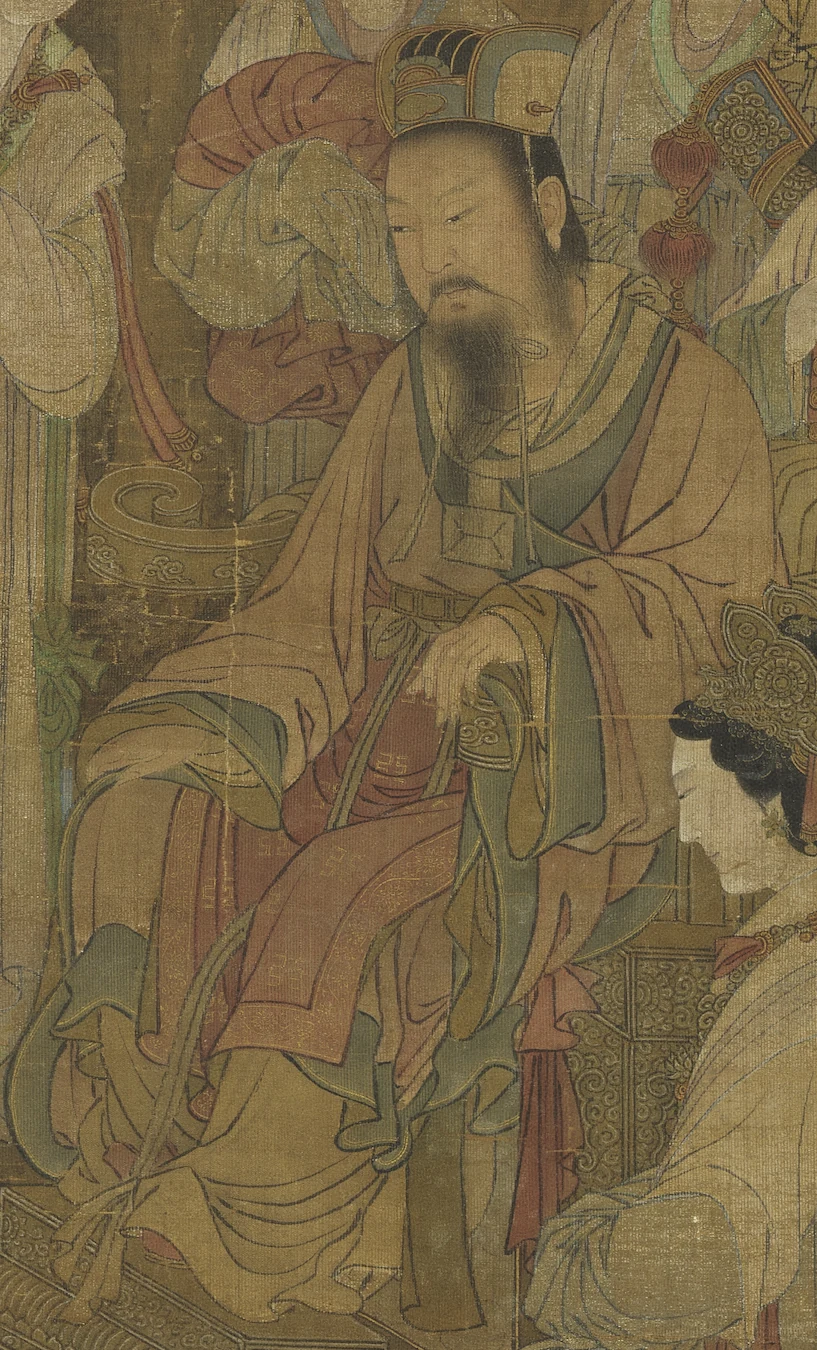 Western Han
Emperor
Liu Heng
Emperor Wen of Han, Liu Heng (203 BCE–157 BCE), was the fourth son of Liu Bang, the founding emperor of the Western Han, and Lady Bo. He was the fifth emperor of the Han dynasty, reigning from 180 BCE to 157 BCE. Initially enfeoffed as Prince of Dai, he guarded the northern frontier. After the death of Empress Lü, the group of senior meritorious officials suppressed the Lü Clan disturbance and installed Liu Heng as e
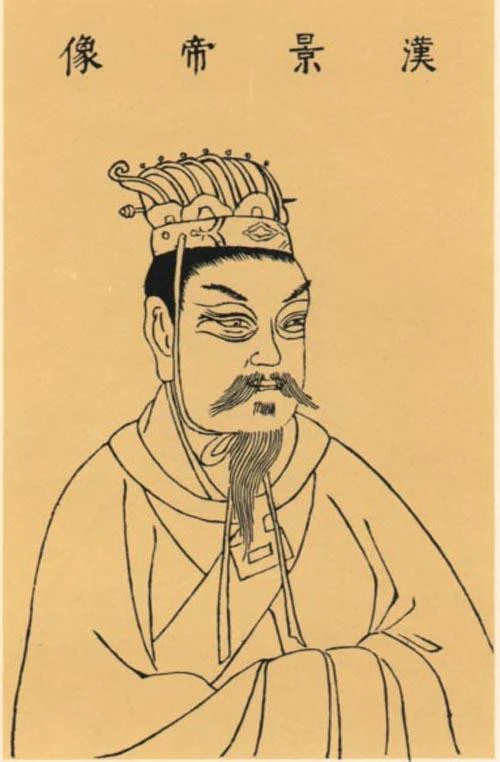 Western Han
Emperor
Liu Qi
Emperor Jing of Han, Liu Qi (188 BCE–March 9, 141 BCE), was the sixth emperor of the Western Han and the son of Emperor Wen, Liu Heng, and Empress Dou, Dou Yifang. Liu Qi reigned for sixteen years from 157 to 141 BCE. He continued his father's policy of allowing the people to recuperate, maintaining light corvée and taxation and reducing punishments. He accepted Chao Cuo's proposal to reduce the power of the feudator
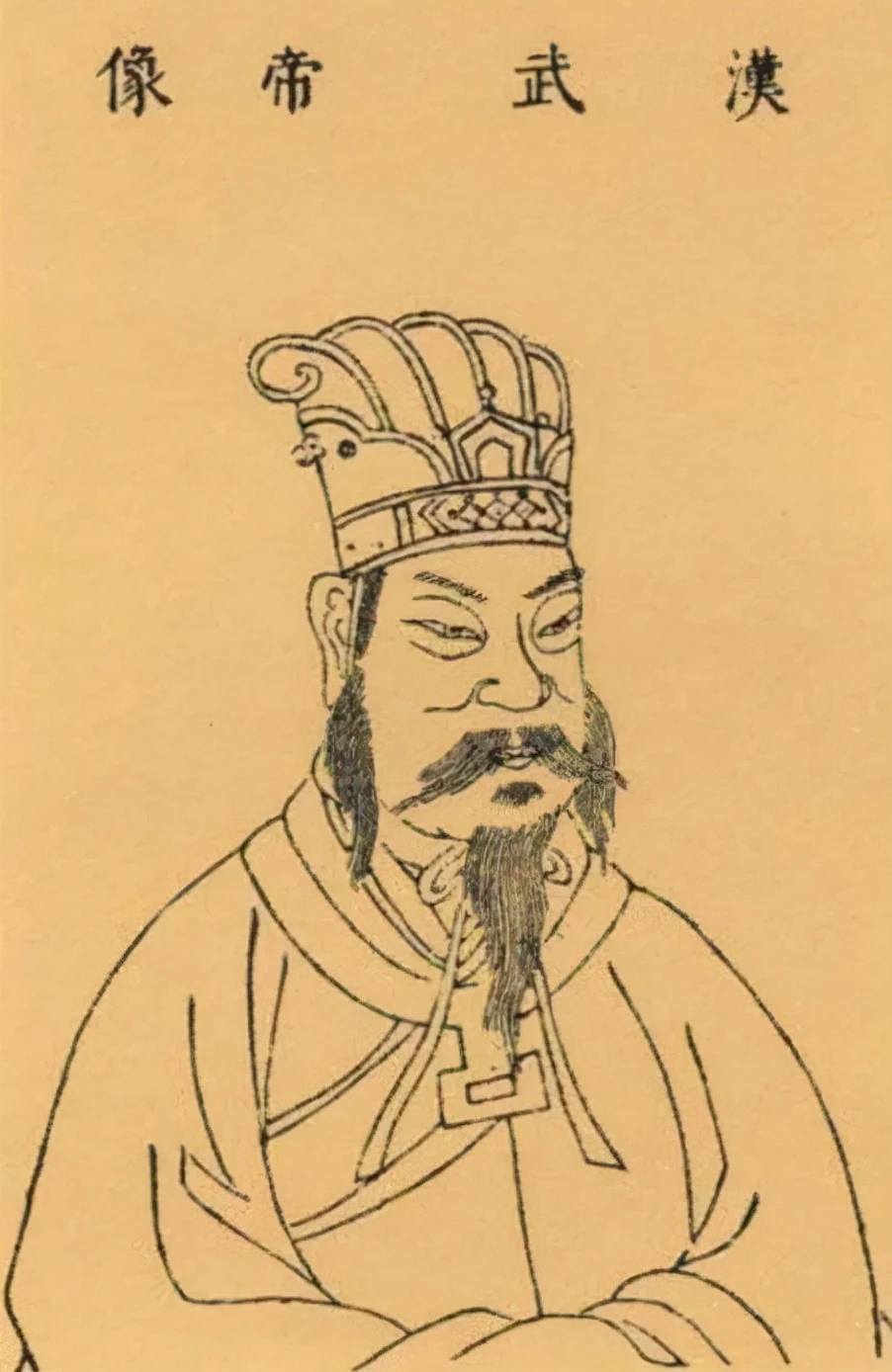 Western Han
Emperor
Liu Che
Emperor Wu of Han, Liu Che (156 BCE–March 29, 87 BCE), was the seventh emperor of the Western Han, the son of Emperor Jing of Han, Liu Qi, and Empress Wang. His temple name was Shizong, his posthumous name Emperor Xiaowu, and he was buried at Maoling. He reigned for fifty-four years, making him one of the longest-reigning emperors in Chinese history. His rule was characterized by stronger central authority, long wars
Western Han
Emperor
Liu Fuling
Emperor Zhao of Han, Liu Fuling (94–74 BCE), was the eighth emperor of the Western Han and the youngest son of Emperor Wu of Han, Liu Che; his mother was Consort Gouyi of the Zhao clan. In 87 BCE, the second year of Houyuan, Emperor Wu named the eight-year-old Liu Fuling crown prince shortly before his death and appointed Huo Guang, Jin Midi, Shangguan Jie, and Sang Hongyang as regents. Emperor Zhao reigned for thirt
 Western Han
Emperor
Liu Xun
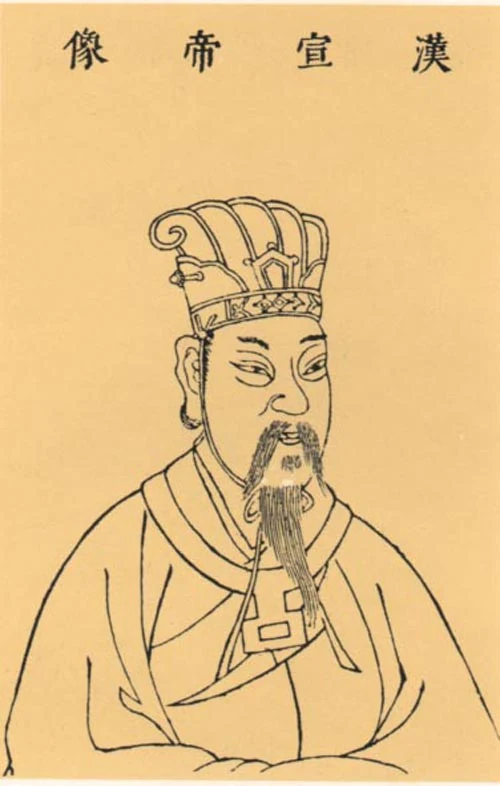
Emperor Xuan of Han, Liu Xun (91 BCE–January 10, 48 BCE), originally named Liu Bingyi and with the courtesy name Ziqing, was the tenth emperor of the Western Han, reigning from September 8, 74 BCE to January 10, 48 BCE. He was a great-grandson of Emperor Wu, Liu Che; grandson of Crown Prince Li, Liu Ju; and son of Liu Jin, known as the Imperial Grandson Shi. Liu Xun suffered the consequences of the Witchcraft Calamit
 Western Han
Emperor
Liu Shi
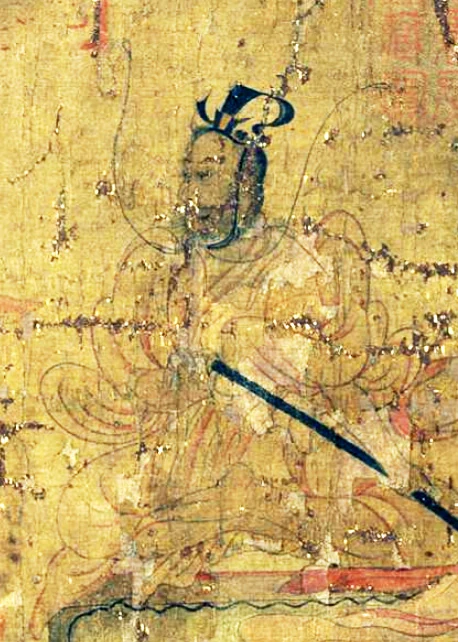
Emperor Yuan of Han, Liu Shi (74 BCE, first year of Yuanping–33 BCE, first year of Jingning), was the eleventh emperor of the Western Han and the son of Emperor Xuan, Liu Xun, and his first wife, Empress Gong'ai Xu Pingjun. He succeeded to the throne in January 48 BCE, the twelfth month of the first year of Huanglong, and reigned for sixteen years. Liu Shi was gentle, benevolent, and fond of Confucian learning but la
 Western Han
Emperor
Liu Ao
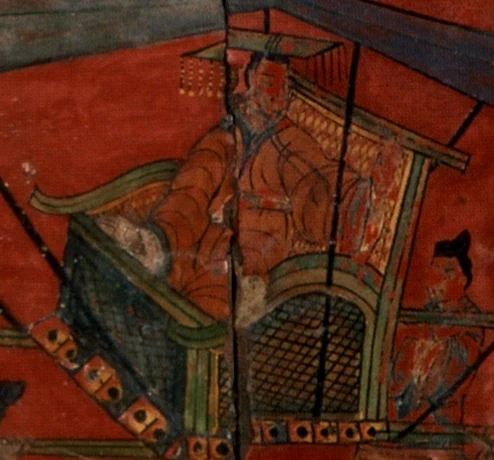
Emperor Cheng of Han, Liu Ao (51 BCE–April 15, 7 BCE), courtesy name Taisun, was the twelfth emperor of the Western Han and the son of Emperor Yuan Liu Shi and Wang Zhengjun. He reigned for twenty-five years, from 33 BCE to 7 BCE. As the legitimate grandson of Emperor Xuan, Liu Ao was greatly loved by his grandfather, who personally chose the name Ao for him. In his youth he was described as broad-minded and cautious
 Western Han
Emperor
Liu Xin
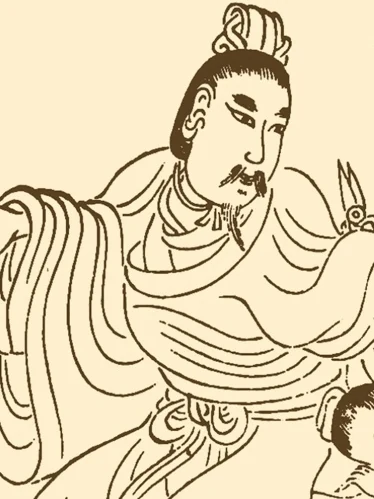
Liu Xin (25 BCE–August 15, 1 BCE), courtesy name unknown, was from Dingtao Kingdom in Yanzhou (present-day Dingtao District, Heze, Shandong). He was the thirteenth emperor of the Western Han when counted from Emperor Gaozu Liu Bang and, according to the source, reigned for seven years. He was a grandson of Emperor Yuan Liu Shi, the son of Liu Kang, Prince Gong of Dingtao, and the son of Lady Ding. In 8 BCE, the first
Western Han
Emperor
Liu Kan
Liu Kan, originally named Liu Jizi, was the fourteenth emperor of the Western Han. He was a grandson of Emperor Yuan, Liu Shi, and a son of Liu Xing, Prince Xiao of Zhongshan; his mother was Lady Wei. He was born in 8 BCE, the first year of Suihe, and in 1 BCE, the second year of Yuanshou, Wang Mang brought him to the throne at age nine. During his reign, Grand Empress Dowager Wang Zhengjun ruled at court while Grand
KEY PEOPLE
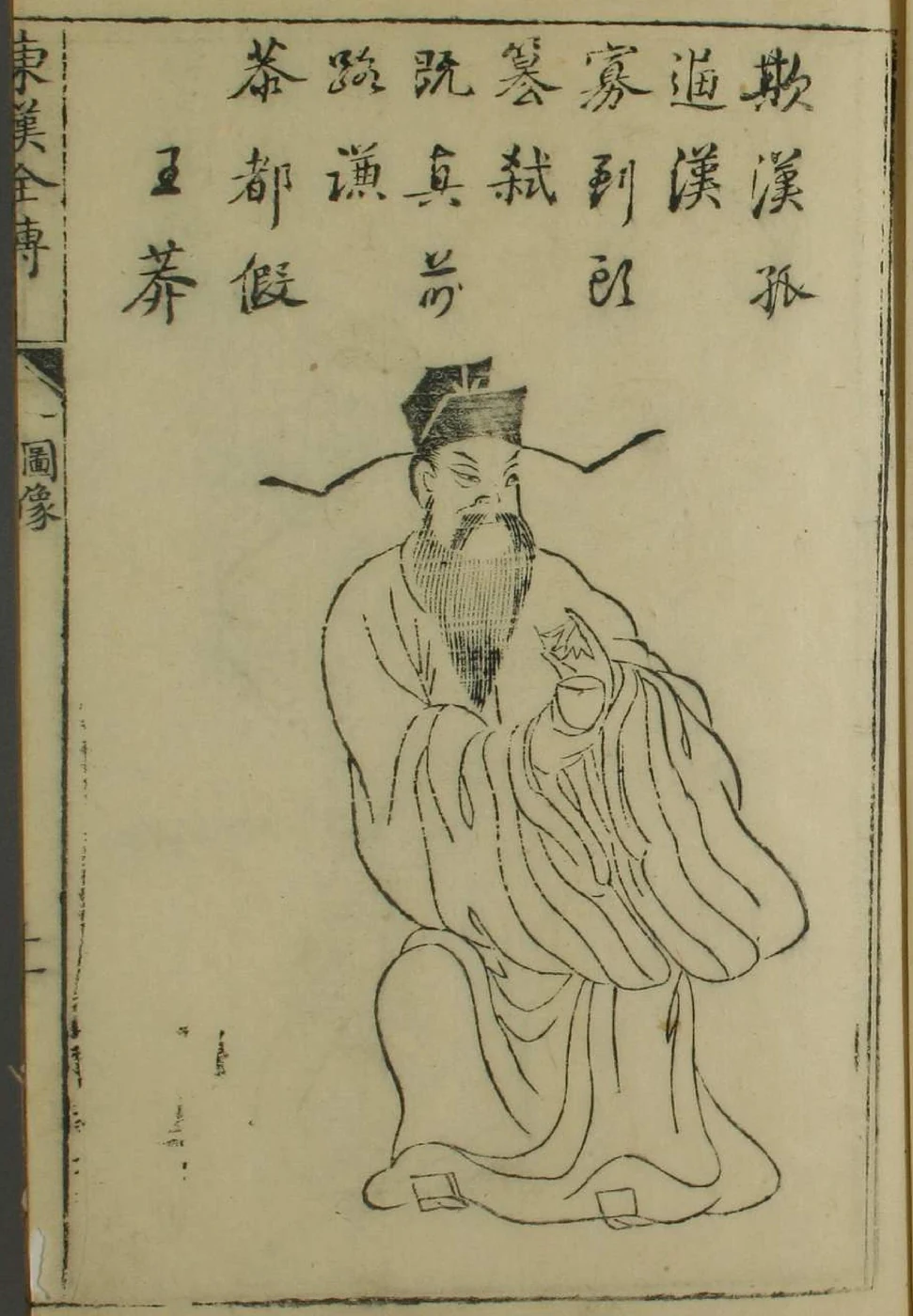 Xin dynasty
Emperor of the Xin dynasty
Wang Mang
Wang Mang (45 BCE–23 CE), courtesy name Jujun, was a native of Yuancheng in Wei Commandery (present-day Handan, Hebei), a maternal relative of the Western Han imperial house, a powerful official, and the founder of the Xin dynasty. He was a nephew of Wang Zhengjun, empress of Emperor Yuan of Han. In his early career he became known for modesty, frugality, learning, and high moral conduct. After the death of Emperor A
Western Han
Xiongnu Chanyu
Luandi Modu
Modu Chanyu (d. 174 BCE), of the Luandi clan and the Xiongnu people, was a Xiongnu Chanyu in the late Qin and early Han periods and the son of Touman Chanyu. In 209 BCE, the first year of Qin Er Shi, he killed his father and took the throne. The source text describes him as an outstanding Xiongnu military commander and the founder of a steppe empire. Using the whistling-arrow method to seize power, Modu became the fi
Western Han
Chanyu
Luandi Touman
Luandi Touman (d. 209 BCE), of the Luandi clan, was the first Chanyu clearly recorded in Xiongnu history and the father of Modu Chanyu. During his reign, the Xiongnu gradually developed from a dispersed tribal confederation toward a more unified polity, laying foundations for the Xiongnu state. His realm bordered the Donghu in the east, the Yuezhi in the west, the Qin dynasty in the south, and the Dingling in the nor
Western Han
Emperor of the Western Han
Liu Clan Member (Former Young Emperor of Western Han)
The Former Young Emperor of the Western Han (dates unknown–184 BCE) was a son of Emperor Hui of Han, Liu Ying, and the third emperor of the Western Han, reigning from 188 to 184 BCE. His birth mother was one of Emperor Hui's palace women. After Empress Lü had her killed, Empress Zhang Yan nominally adopted the child and he was made Crown Prince. Following Emperor Hui's death, Empress Lü ruled at court and placed him
Western Han
Xiongnu Chanyu
Luandi Clan (Qiedihou Chanyu)
Qiedihou Chanyu (d. 96 BCE), of the Luandi clan, was a son of Yizhixie Chanyu, a younger brother of Wuwei Chanyu, and a Xiongnu Chanyu during the Western Han. He acceded in 101 BCE, the fourth year of the Taichu era, and died in office in 96 BCE, the first year of the Taishi era, after a reign of about five years. During his reign, Han–Xiongnu relations shifted from a brief easing to full confrontation. Because his p
Western Han
Xiongnu Chanyu
Luandi Yizhixie
Yizhixie Chanyu (d. 114 BCE), of the Luandi clan and the Xiongnu people, was the younger brother of Junchen Chanyu and had formerly served as Left Guli King. When Junchen Chanyu died in 126 BCE, the third year of the Yuanshuo era, Yizhixie defeated Junchen's crown prince Yudan and proclaimed himself Chanyu. Yudan fled to the Han, where he was enfeoffed as Marquis of She'an, and died several months later. Yizhixie's r
Western Han
Chanyu
Luandi Xulüquanqu
Xulüquanqu Chanyu ruled during a period of increasing internal conflict among the Xiongnu, when the strength and cohesion of the royal court continued to decline.
Western Han
Chanyu
Luandi Hulugu
Luandi Hulugu (d. 85 BCE), of the Luandi clan, was a Xiongnu chanyu during the Western Han and a son of Qiedihou Chanyu. He succeeded to the chanyu position in 96 BCE. During his reign he repeatedly raided Han frontier commanderies, entering Shanggu, Wuyuan, and Jiuquan, and fought Han forces at Mount Junji and the narrow pass at Fuyangju. He was at one point defeated by the Han general Li Guangli. In 90 BCE, the thi
Western Han
Xiongnu Chanyu
Luandi Hutuwusi
Zhizhi Chanyu, elder brother of Huhanye Chanyu, once controlled the Chanyu court. After he could no longer maintain his position, he moved west to Kangju and was ultimately killed at Zhizhi City by forces led by Chen Tang.
Western Han
XiongNuChanYu
Chanyu Wuwei
Chanyu Wuwei was the eldest son of Yizhixie Chanyu and ruled the Xiongnu for about a decade after succeeding his father in 114 BCE. His reign coincided with the high point of Emperor Wu’s campaigns against the Xiongnu. The Han victories under Wei Qing and Huo Qubing had pushed the Xiongnu away from the southern approaches and weakened the political position inherited by Wuwei.
Western Han
Xiongnu Chanyu
Luandi Junchen
Junchen Chanyu (d. 126 BCE), of the Luandi clan, was a Chanyu of the Xiongnu and a son of Lao Shangchanyu. He succeeded to the throne in 161 BCE, the third year of Emperor Wen's later reign, and is stated in the source text to have ruled for thirty-five years, spanning the reigns of Emperors Wen, Jing, and Wu of the Western Han. During his rule, Xiongnu–Han relations moved from the coexistence of heqin and frontier r
Western Han
Western Han Emperor
Emperor Houshao of Han
Liu Hong (d. November 14, 180 BCE), originally named Liu Shan and later Liu Yi, is traditionally designated in imperial historiography as Emperor Houshao of Western Han. Early dynastic accounts record him as a son of Emperor Hui of Han (Liu Ying), though imperial chancellors during his deposition claimed he was not biologically related to Emperor Hui—a claim originating from fierce factional court struggles rather th
Related entries
Bibliography
- 《史记》
- 《汉书》
- 《资治通鉴》