Pacified the Three Qins
Followed King of Han Liu Bang out of Hanzhong as a Palace Attendant Cavalry Commander of a Thousand Men to pacify the Three Qins in Guanzhong.
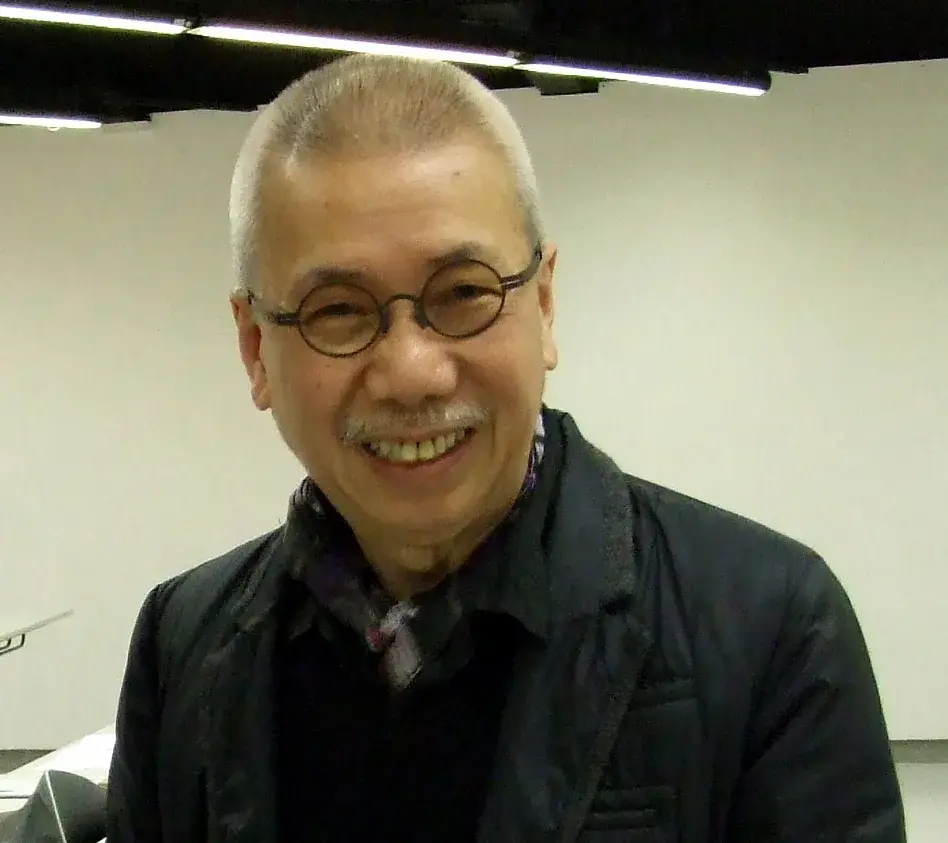
约前?–前?
靳强
Jin Qiang (靳强) was a military general during the Qin-Han transition and a founding meritorious official of the Western Han. Serving early in his career as a Palace Attendant Cavalry Commander of a Thousand Men, he followed King of Han Liu Bang out of Hanzhong in the first year of Han (206 BCE) to pacify the Three Qins. In the second year of Han (205 BCE), Jin Qiang was promoted to Palace Attendant Cavalry General and led Han…
Jin Qiang (靳强) was a military general during the Qin-Han transition and a founding meritorious official of the Western Han. Serving early in his career as a Palace Attendant Cavalry Commander of a Thousand Men, he followed King of Han Liu Bang out of Hanzhong in the first year of Han (206 BCE) to pacify the Three Qins. In the second year of Han (205 BCE), Jin Qiang was promoted to Palace Attendant Cavalry General and led Han cavalry alongside Guan Ying around Xingyang, defeating Western Chu general Zhongli Mo and severing the Chu army's grain supply lines. In the eleventh year of Emperor Gaozu (196 BCE), Jin Qiang was enfeoffed as Marquis of Fenyang (occasionally conflated in some indices as Marquis of Fenyin), ranking ninety-sixth among the founding meritorious officials of the Western Han. After holding the marquisate for eleven years, he died in the third year of Empress Gaohou (185 BCE) and received the posthumous title "Zhuang" (altered to "Yan" during the Eastern Han), known historically as Marquis Yan of Fenyang.
Followed King of Han Liu Bang out of Hanzhong as a Palace Attendant Cavalry Commander of a Thousand Men to pacify the Three Qins in Guanzhong.
Promoted to Palace Attendant Cavalry General and led cavalry east of Xingyang to defeat Western Chu general Zhongli Mo.
Died after eleven years as marquis and was posthumously titled "Zhuang" ("Yan"); succeeded by his son Jin Jie.
Amidst the rebellions at the end of the Qin dynasty, Jin Qiang joined the forces of King of Han Liu Bang and, owing to his skill in mounted warfare, served under the Chamberlain for Attendants as a Palace Attendant Cavalry Commander of a Thousand Men. In the first year of Han (206 BCE), when Liu Bang marched eastward from Hanzhong to pacify the Three Qins, Jin Qiang led his cavalry unit on the campaign against Zhang Han, Sima Xin, and Dong Yi, helping secure the Guanzhong heartland for the Han army.
In the second year of Han (205 BCE), Chu and Han forces engaged in a fierce struggle along the Pengcheng–Xingyang front. After Liu Bang regrouped at Xingyang with reinforcements and supplies organized by Xiao He from Guanzhong, he organized an elite corps of Palace Attendant cavalry to counter the Western Chu cavalry. Appointed Palace Attendant Cavalry General, Jin Qiang coordinated with generals such as Guan Ying to intercept Chu troops east of Xingyang. In battle, Jin Qiang led his riders in a determined charge against the forces of Xiang Yu's famed general Zhongli Mo, routing his unit and joining other commanders in cutting the Chu supply route stretching from Yangwu to Xiangyi, which relieved pressure on the main Han defensive line.
After the founding of the Western Han dynasty, Jin Qiang continued to participate in campaigns suppressing regional rebellions. On the Xinhai day of the second month (recorded as the third month in the Book of Han) of the eleventh year of Emperor Gaozu (196 BCE), Emperor Gaozu rewarded his meritorious officers and enfeoffed Jin Qiang as Marquis of Fenyang (occasionally conflated in certain later catalogues with Zhou Chang's title, Marquis of Fenyin), ranking ninety-sixth on the court's roll of founding marquises.
Jin Qiang held his marquisate for eleven years through the reigns of Emperor Gaozu, Emperor Hui, and Empress Lü. He died of illness in the third year of Empress Gaohou (185 BCE) and was granted the posthumous title "Zhuang" (recorded in the Book of Han as "Yan" to avoid the personal name of Emperor Ming of Eastern Han, Liu Zhuang), earning the historical designation Marquis Yan of Fenyang. His son Jin Jie (Marquis Gong of Fenyang) succeeded to the title in 184 BCE and held it for thirty-three years; the marquisate then passed to his grandson Jin Hu (Marquis Kang of Fenyang), upon whose death without issue the fief was temporarily abolished. In the fifth year of Yuanding (112 BCE) under Emperor Wu, Jin Qiang's great-grandson Jin Shi was re-enfeoffed as Marquis of Jiangzou and served as Grand Master of Ceremonies before losing his title for unauthorized use of post horses. In 62 BCE, Emperor Xuan granted tax and corvée exemption to Jin Qiang's sixth-generation descendant Jin Zhong of Chang'an.
FIGURES ASSOCIATED WITH THIS DYNASTY