The Northern Song (960–1127) was a Central Plains regime founded by Zhao Kuangyin after the Five Dynasties and Ten Kingdoms period. Its capital was Dongjing Kaifeng Prefecture (present-day Kaifeng, Henan). It had nine emperors and lasted 167 years; together with the Southern Song it is collectively known as the Song dynasty, or the “Two Songs.” Because the imperial house bore the surname Zhao, it was also called “Zhao Song”; because it claimed the virtue of fire, it was also known as “Yan…
960 CE–1127 CECapital · Kaifeng
ERA OVERVIEW
The Northern Song (960–1127) was a Central Plains regime founded by Zhao Kuangyin after the Five Dynasties and Ten Kingdoms period. Its capital was Dongjing Kaifeng Prefecture (present-day Kaifeng, Henan). It had nine emperors and lasted 167 years; together with the Southern Song it is collectively known as the Song dynasty, or the “Two Songs.” Because the imperial house bore the surname Zhao, it was also called “Zhao Song”; because it claimed the virtue of fire, it was also known as “Yan Song.” At the beginning of the dynasty, policies emphasizing civil administration over military power and strengthening the center while weakening the branches were established. By recovering military command and expanding the imperial examination system, the court strengthened central authority and avoided the regional warlordism and military usurpations that had characterized the late Tang and Five Dynasties. The economy, science and technology, and culture flourished to a high degree, and the dynasty has been described as an “empire of culture and art.” However, its territory was the smallest among the unified Central Plains dynasties, it failed to recover the Sixteen Prefectures of Yan and Yun, and it remained in long-term confrontation with the Liao dynasty and Western Xia. In its final years, political deterioration and the mistaken decision to ally with Jin against Liao contributed to disaster. In the second year of the Jingkang era (1127), Emperors Huizong and Qinzong were taken north by Jin forces, and the Northern Song came to an end.
Time span960 CE–1127 CE
CapitalKaifeng
ERA TIMELINE
Zhao Kuangyin founded the Song dynastyOpen
Zhao Kuangyin founded the Song dynasty.
the Northern Song began large-scale caOpen
the Northern Song began large-scale campaigns to unify the south.
(fourth year of Taiping Xingguo, uOpen
979 (fourth year of Taiping Xingguo, under Emperor Taizong): Northern Han was destroyed and the unification campaigns were basically completed.
the Chanyuan Treaty between Song and LOpen
the Chanyuan Treaty between Song and Liao was concluded.
the Qingli Reforms began.Open
the Qingli Reforms began.
New Policies of Wang Anshi began.Open
New Policies of Wang Anshi began.
after Emperor Shenzong’s death, policyOpen
after Emperor Shenzong’s death, policy toward the New Policies repeatedly changed.
Emperor Huizong ascended the throne; iOpen
Emperor Huizong ascended the throne; internal and external crises deepened later in his reign.
Jin forces moved south and the Song-JiOpen
Jin forces moved south and the Song-Jin war expanded into full-scale conflict.
the Jingkang Incident occurred and theOpen
the Jingkang Incident occurred and the Northern Song ended.
FULL ENTRY
Overview
The Northern Song (960–1127) was a Central Plains regime founded by Zhao Kuangyin after the Five Dynasties and Ten Kingdoms period. Its capital was Dongjing Kaifeng Prefecture (present-day Kaifeng, Henan). It had nine emperors and lasted 167 years; together with the Southern Song it is collectively known as the Song dynasty, or the “Two Songs.” Because the imperial house bore the surname Zhao, it was also called “Zhao Song”; because it claimed the virtue of fire, it was also known as “Yan Song.” At the beginning of the dynasty, policies emphasizing civil administration over military power and strengthening the center while weakening the branches were established. By recovering military command and expanding the imperial examination system, the court strengthened central authority and avoided the regional warlordism and military usurpations that had characterized the late Tang and Five Dynasties. The economy, science and technology, and culture flourished to a high degree, and the dynasty has been described as an “empire of culture and art.” However, its territory was the smallest among the unified Central Plains dynasties, it failed to recover the Sixteen Prefectures of Yan and Yun, and it remained in long-term confrontation with the Liao dynasty and Western Xia. In its final years, political deterioration and the mistaken decision to ally with Jin against Liao contributed to disaster. In the second year of the Jingkang era (1127), Emperors Huizong and Qinzong were taken north by Jin forces, and the Northern Song came to an end.
Historical Development
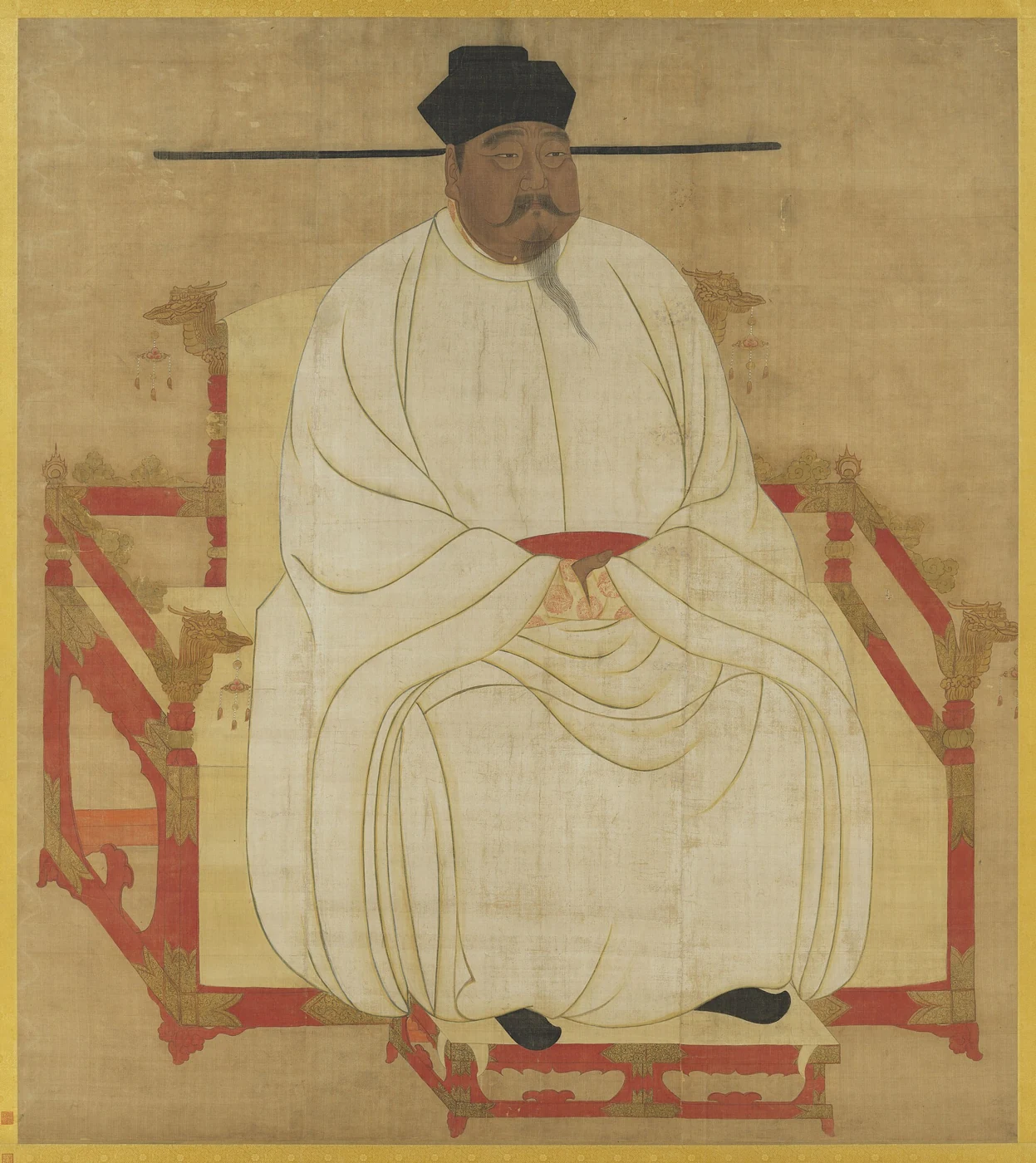
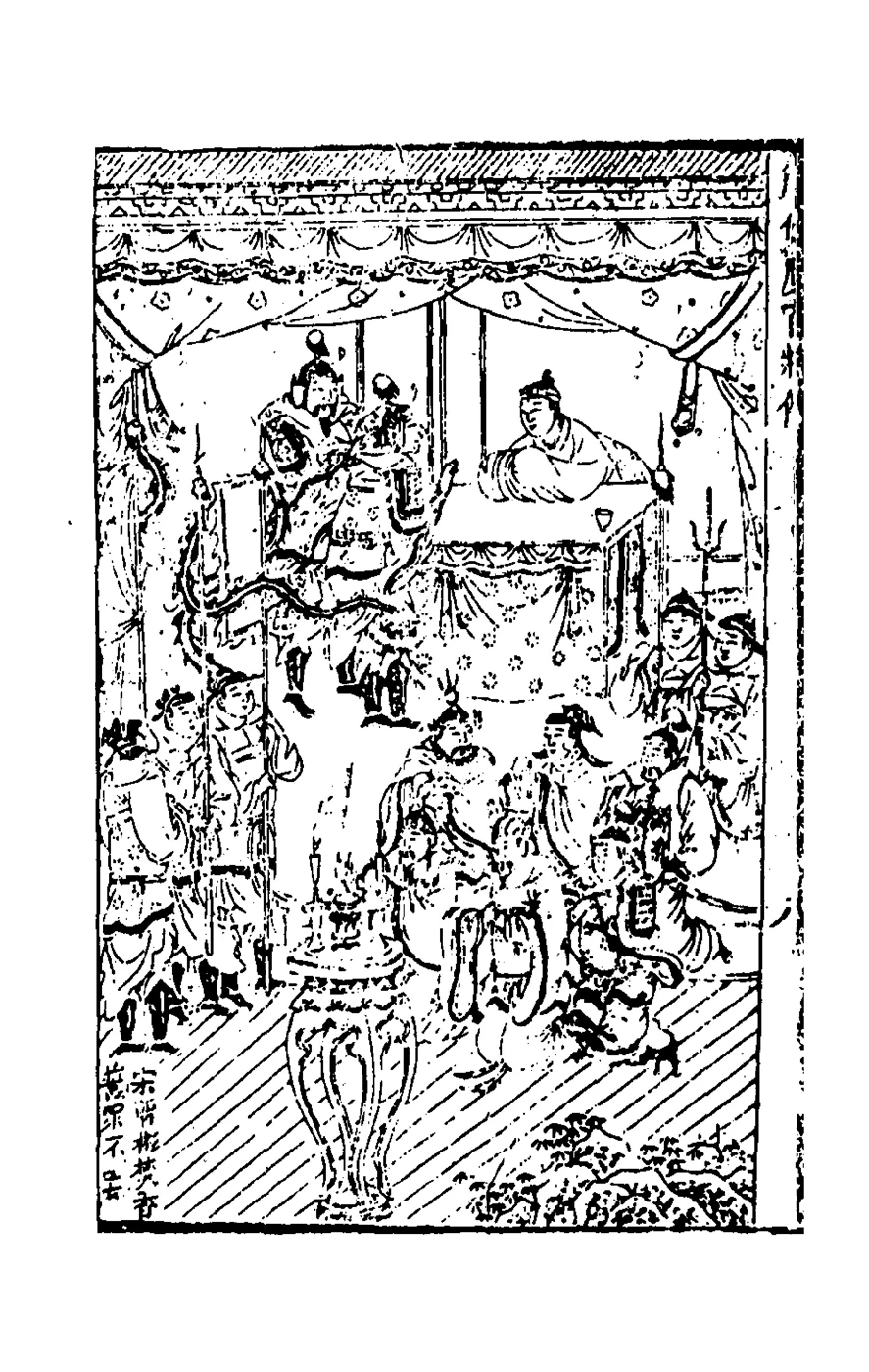
Foundation: Emperor Shizong of Later Zhou, Chai Rong, carried out reforms and sought to strengthen the state but died early; his successor, Emperor Gong, was only seven years old. On the first day of the first lunar month of the seventh year of the Xiande era (960), reports arrived that Liao and Northern Han forces were jointly advancing south. Grand Councilor Fan Zhi hastily ordered Zhao Kuangyin, commander of the palace army, to lead the imperial guards against them. When the army reached Chenqiao Station, officers launched the Chenqiao Mutiny in Zhao’s name, placed the yellow robe on him, and acclaimed him emperor. He then returned to the capital, compelled Emperor Gong of Later Zhou to abdicate, and founded the Song dynasty as Emperor Taizu of Song. He made Dongjing Kaifeng Prefecture the capital and adopted the Jianlong era name. The dynasty is conventionally called the Northern Song. Around the eighth month of the third year of Jianlong (962) and again in the tenth month of the second year of Kaibao (969), Taizu carried out what became known as the “relinquishing of military command over cups of wine,” removing the commands of veteran generals such as Shi Shouxin. Civil officials were increasingly used to supervise the military, and military and fiscal authority was concentrated at the center.
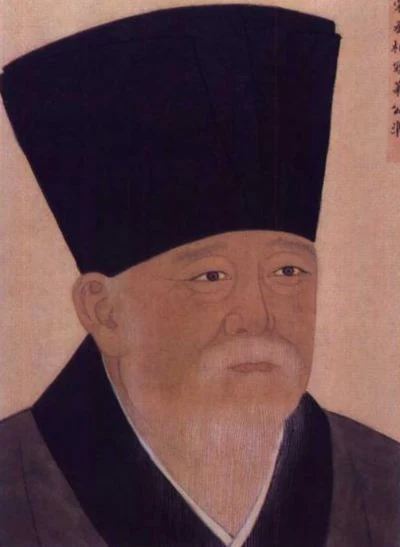
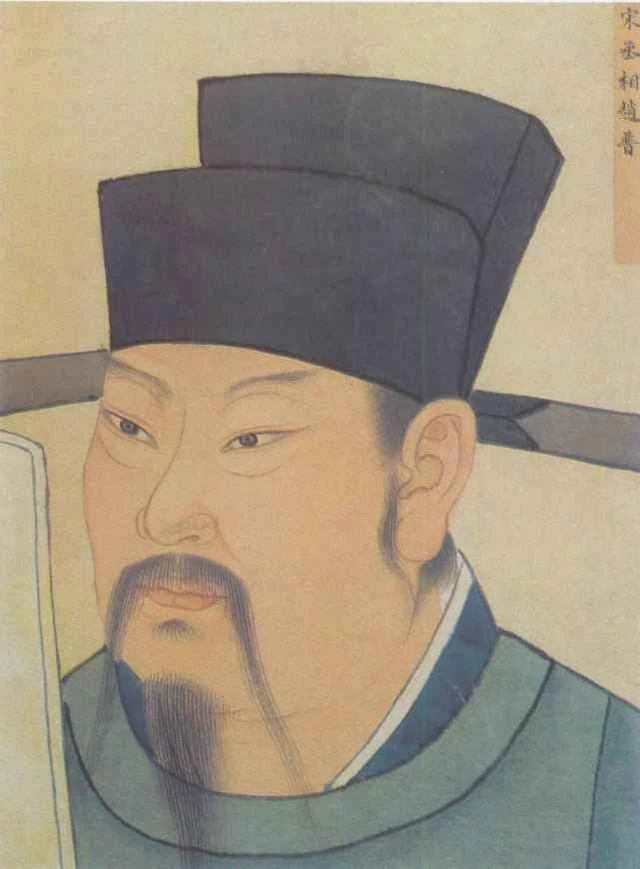
Unification: Emperor Taizu and Zhao Pu settled on a strategy, traditionally associated with their “snowy-night deliberations,” of unifying the south before turning north. The Song successively destroyed Jingnan (Nanping), Wuping, Later Shu, Southern Han, and Southern Tang. It also created a sealed treasury to accumulate money and silk with the intention of eventually buying back the Sixteen Prefectures of Yan and Yun from Liao. In the tenth month of the ninth year of Kaibao (976), Taizu died suddenly, and his younger brother Zhao Guangyi succeeded at the coffin, becoming Emperor Taizong of Song. After his accession, Chen Hongjin of Zhangzhou and Quanzhou and Qian Hongchu of Wuyue successively submitted their territories to Song in the third year of the Taiping Xingguo era (978), and Northern Han was destroyed the following year (979). The political division of the Five Dynasties and Ten Kingdoms was thereby basically ended, although the northern frontier region of the Sixteen Prefectures of Yan and Yun was never recovered.
Turning point in external policy: To recover the Sixteen Prefectures of Yan and Yun, which Shi Jingtang had ceded to Liao, Emperor Taizong launched a northern expedition after destroying Northern Han in 979, the fourth year of the Taiping Xingguo era. Song forces initially took Yi Prefecture and Zhuo Prefecture but were then defeated at the Gaoliang River and withdrew. Song foreign strategy subsequently became more defensive. A second northern expedition in the third year of the Yongxi era (986) also failed, and the general Yang Ye was killed. Sichuan later saw the Wang Xiaobo and Li Shun uprising, and Taizong’s policies increasingly emphasized internal security over external expansion.
High point: After the efforts of Taizu and Taizong, the Northern Song enjoyed long internal stability, and its economy and culture reached exceptional levels of development. Under Emperors Renzong, Yingzong, and Shenzong, agriculture, handicrafts, and commerce expanded greatly, and Bianjing became a major international metropolis. The population rose from about 32.5 million in the fifth year of the Taiping Xingguo era (980) to about 113 million in the fourth year of the Daguan era (1110). At the same time, the recruitment and maintenance of large armies, an expanded bureaucracy, and overlapping institutions produced the so-called “three redundancies” of soldiers, officials, and expenditures, creating a heavy fiscal burden and contributing to a condition later summarized as “poverty and weakness.”
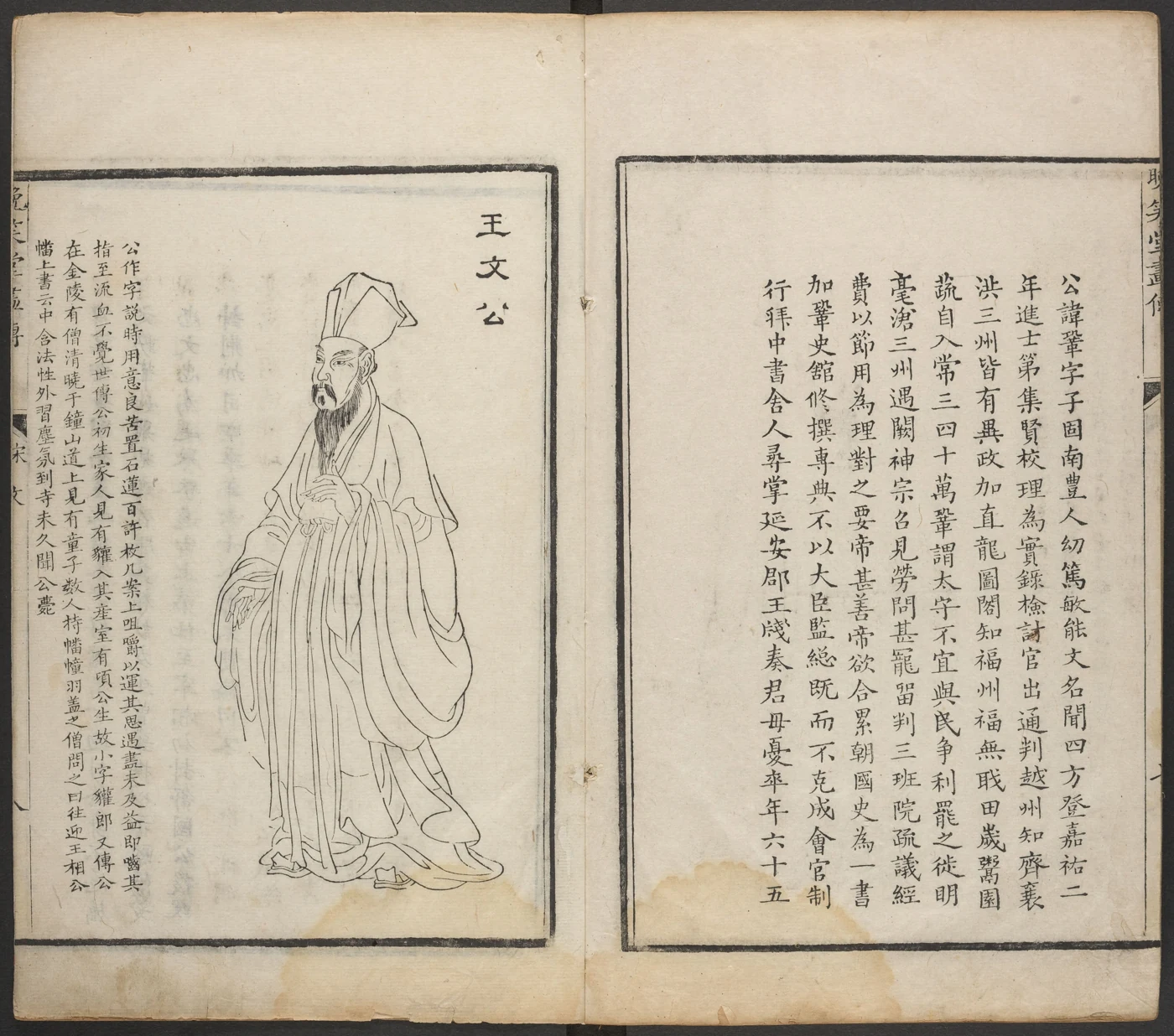
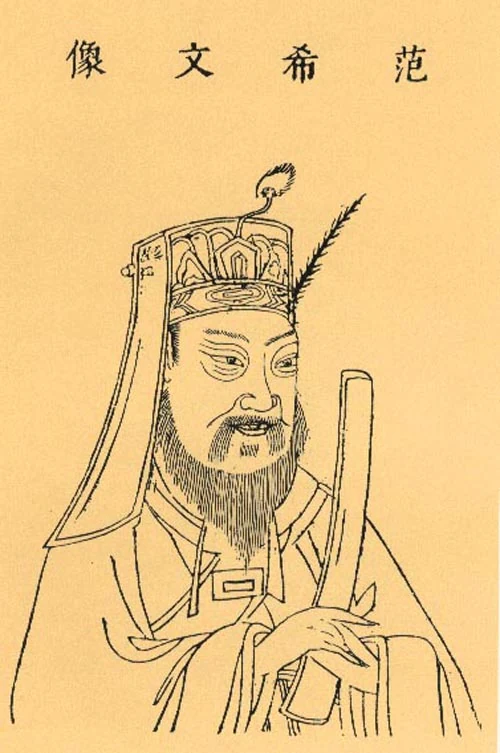
Reform and factional conflict: To address these problems, Fan Zhongyan led the Qingli Reforms under Emperor Renzong in 1043, but they soon failed. Under Emperor Shenzong, Wang Anshi introduced the Xining and Yuanfeng New Policies to correct administrative abuses and reorganize fiscal and military affairs. The reforms produced both results and controversy and generated repeated struggles between the New and Old factions. These political conflicts continued through the reigns of Emperor Zhezong and Emperor Huizong. Under Huizong, Cai Jing dominated government, formed factions, and imposed heavy exactions, while political discipline increasingly deteriorated.
Decline and fall: Under Emperor Huizong, the Song concluded the Alliance Conducted at Sea with Jin to jointly destroy Liao. The alliance exposed the weakness of Song military forces and removed a strategic buffer. After Jin destroyed Liao, Jin armies turned south and advanced on Kaifeng. Emperor Qinzong, after succeeding to the throne, briefly organized resistance but eventually reached a humiliating settlement that led to a temporary Jin withdrawal. In 1126–1127, the first and second years of Jingkang, Jin forces again besieged Kaifeng. After the city fell, they carried Emperors Huizong and Qinzong, members of the imperial clan, consorts, and officials northward. The Northern Song ended in the Jingkang Incident. In the same year, Prince Kang Zhao Gou proclaimed himself emperor in the south, continuing the Song line as the Southern Song.
Politics and Institutions
Central government: The Northern Song broadly inherited Tang institutions while modifying them. Central government was organized around two chief offices and three fiscal agencies: the Secretariat-Chancellery (the Council of State) handled civil administration and edicts, the Bureau of Military Affairs handled military affairs, and together these were the two principal offices; the State Finance Commission handled fiscal administration. Assistant Grand Councilors were appointed to divide the authority of the chief councilors. The dynasty also developed a system in which official rank, honorary or scholarly office, and actual commission could be separated. Powers were deliberately divided and checked, while the emperor retained direct control over major policy.
Local administration: Local government broadly followed a three-tier structure of circuits, prefectures (including superior prefectures, military prefectures, and industrial prefectures), and counties. Circuits had the offices of Fiscal Commissioner, Judicial Commissioner, Pacification Commissioner, and Ever-Normal Granary Commissioner, responsible respectively for finance, justice, military affairs, and grain-relief administration, with powers divided among them. Prefectural and county officials were generally appointed by the court for limited terms.
Selection of officials: The imperial examination system was reformed, lineage restrictions were reduced, admission quotas expanded, and the palace examination was institutionalized. Measures such as examination-room isolation and anonymous scripts, together with other procedural controls, were used to reduce fraud. Many scholar-officials entered government through examinations, although hereditary privilege and nomination also brought large numbers of people into office and contributed to bureaucratic expansion.
Law: The dynasty compiled the *Song Penal Code* and established judicial review through circuit-level judicial offices. Serious cases could be reviewed in stages and eventually reach the Court of Judicial Review and the Ministry of Justice. The judicial system was comparatively elaborate.
Censorial institutions: The Censorate impeached officials, while the Remonstrance Bureau increasingly functioned together with the censorial system. Censors and remonstrators could criticize the emperor and chief ministers, although these institutions were also often used as instruments in factional struggle.
Military and Diplomacy
The Northern Song relied on recruited soldiers and a rotation system for garrison service. The imperial army defended the capital and rotated through local garrisons, while command in the field and authority to mobilize troops were divided to prevent military concentration. Civil officials were placed above military officers, and the status of generals was comparatively low. These measures reduced the danger of military separatism but also weakened combat effectiveness and contributed to the burden of maintaining a large standing army. Foreign policy was primarily defensive. After the Chanyuan Treaty in 1004, Song and Liao maintained a long period of peace. Under the agreement, Song was treated as the elder brother and Liao as the younger brother, while Song provided Liao annually with 100,000 taels of silver and 200,000 bolts of silk. Relations with Western Xia alternated between war and negotiation; after the 1044 settlement, annual payments were exchanged for stability. Under Emperor Huizong, Song briefly allied with Jin to destroy Liao, but the loss of that buffer was followed by the Jingkang disaster.
Economy and Commerce
The Northern Song economy was highly prosperous. Improvements in agricultural tools and multiple-cropping techniques, together with the development of polder fields and terraced fields, increased production. Handicraft industries became highly specialized. Ceramics associated with the Ru, Ding, Guan, Ge, and Jun kilns, as well as silk weaving, printing, shipbuilding, and iron production, were highly developed. Papermaking, movable-type printing, and the use of the compass promoted learning and navigation. Commerce expanded dramatically as the old ward-and-market restrictions weakened. Maritime Trade Offices administered overseas commerce, and the world’s earliest paper money, jiaozi, appeared in Sichuan. Urban commercial life flourished, with entertainment quarters and theaters in Bianjing. State and private production existed side by side, while salt, tea, alcohol, and alum were subject to different combinations of monopoly and licensed trade. The economic center of gravity moved southward and was completed by the transition between the Northern and Southern Song.
Culture and Society
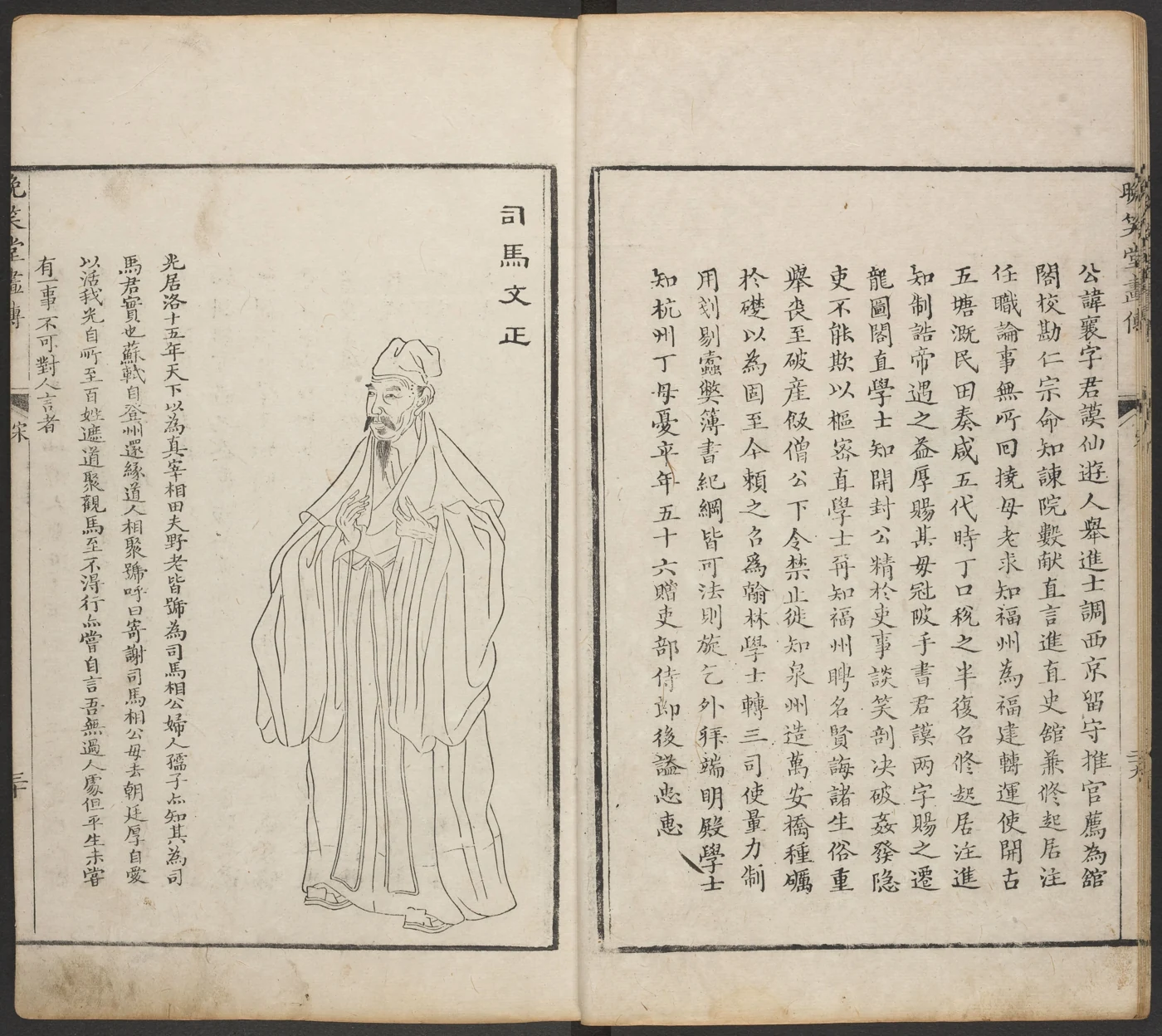
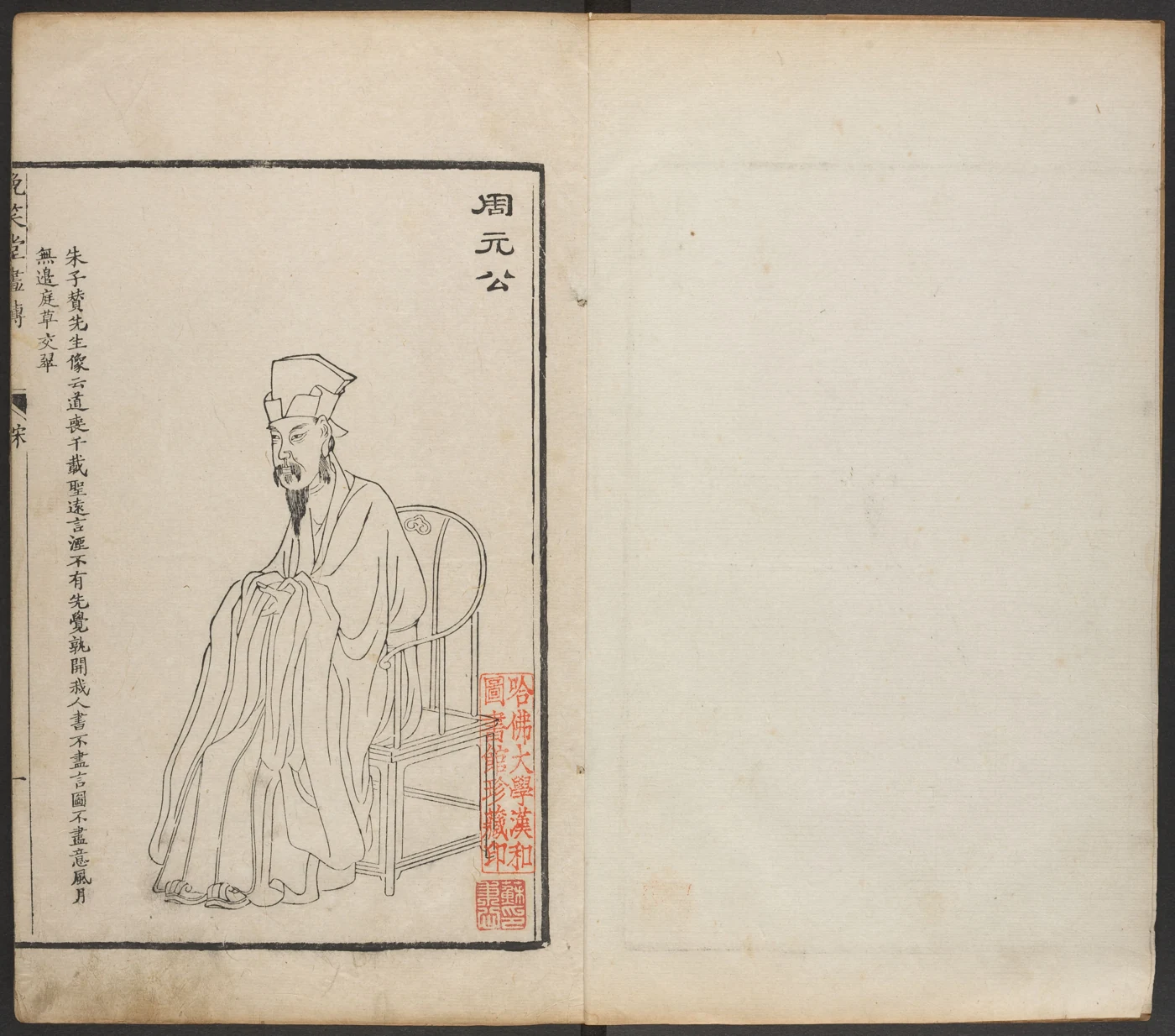
Northern Song culture flourished and has been described as an “empire of culture and art.” Confucian learning revived and developed into Neo-Confucian thought, with Zhou Dunyi and the Cheng brothers among the founders of the Luoyang and related schools. Song ci poetry reached a high point, with Ouyang Xiu, Su Shi, Wang Anshi, and others as major writers, while prose and shi poetry also developed distinctive traditions. Historical scholarship was strong; Sima Guang directed the compilation of the *Comprehensive Mirror in Aid of Governance*. The spread of printing and the growth of academies promoted education and the circulation of knowledge. Urban populations and commercial culture grew, including storytelling and historical recitation. Society valued civil learning over military status, scholar-official politics became highly prominent, and ideals of social hierarchy and success through examination became deeply embedded.
> This section describes each ruler’s place in the evolution of the regime; full personal biographies are carried by the corresponding person entities.
Historical Assessment and Legacy
Contemporary views: Song scholar-officials often took pride in the achievements of civil government. Historical accounts praised the Renzong reign as a high point of good government and celebrated the dynasty’s cultural institutions. At the same time, contemporaries also criticized policies that elevated civil officials while weakening the military. After the Jingkang disaster, Southern Song historians in particular blamed military and administrative weakness, factional conflict, the decision to ally with Jin against Liao, and failures of diplomacy.
Later views: Later historians generally recognize the Northern Song as a high point in the development of the economy, science and technology, culture, and institutions of imperial China. Its large population, urban growth, commodity economy, mature civil bureaucracy, and educational and cultural prosperity are frequently emphasized. At the same time, later assessments also stress “poverty and weakness,” an internal-security orientation at the expense of frontier strength, the fiscal burden of soldiers and officials, and inadequate military preparation that ultimately contributed to the dynasty’s fall. These are later historical interpretations; the wording of primary sources should be checked against the *History of Song*, the *Long Draft of the Continuation of the Comprehensive Mirror in Aid of Governance*, and related works.