 VOL. 01 · ART.041
Three Kingdoms
12 min read
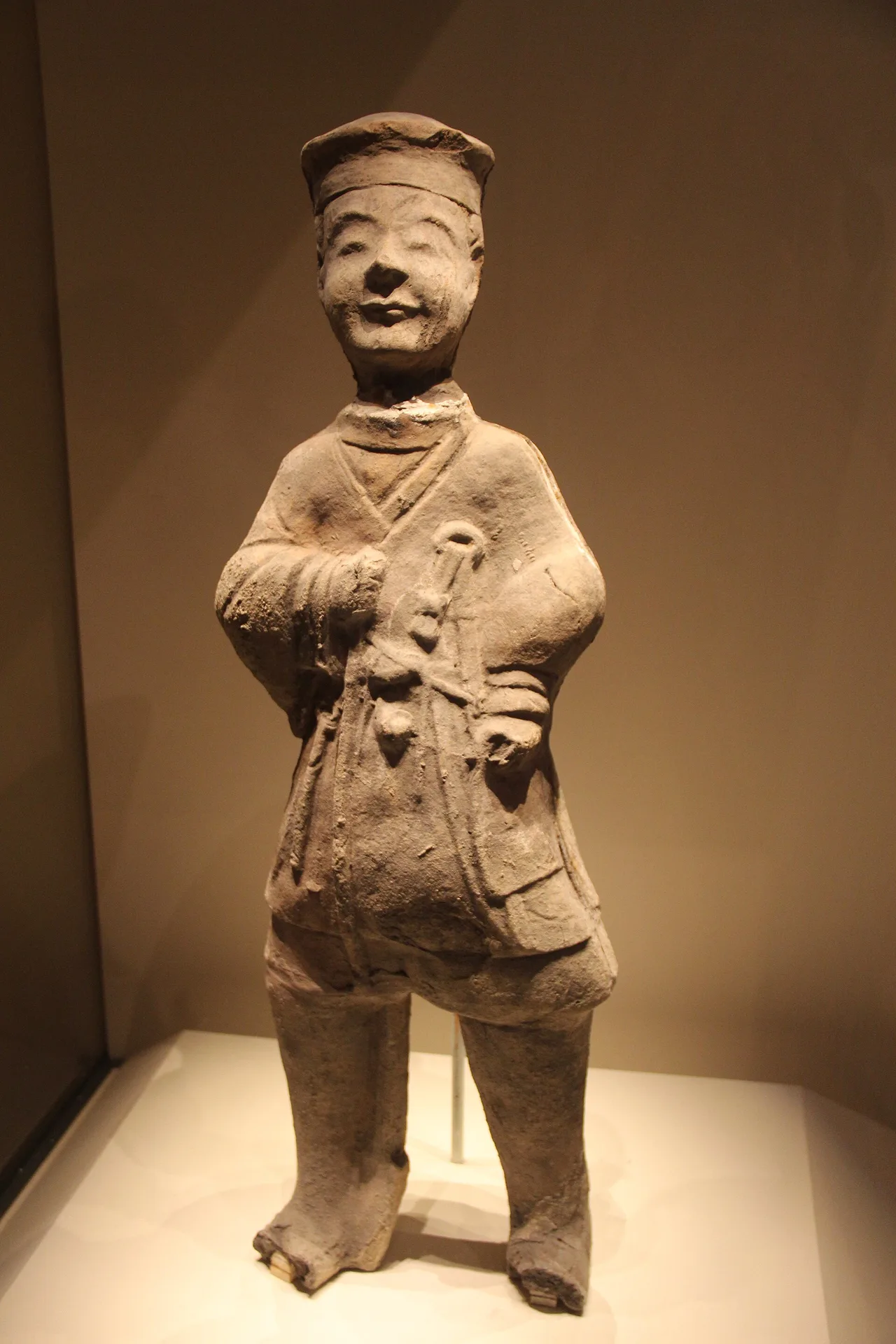
Did Three Kingdoms Generals Really Duel for 'Three Hundred Rounds'? The Reality of Ancient Chinese Battlefield Combat
Deconstructing the myth of heroic single combat during the Three Kingdoms era. Comparing Records of the Three Kingdoms against later vernacular storytelling to reveal authentic cavalry shock doctrine and command structures.
 VOL. 02 · ART.042
Three Kingdoms
9 min read
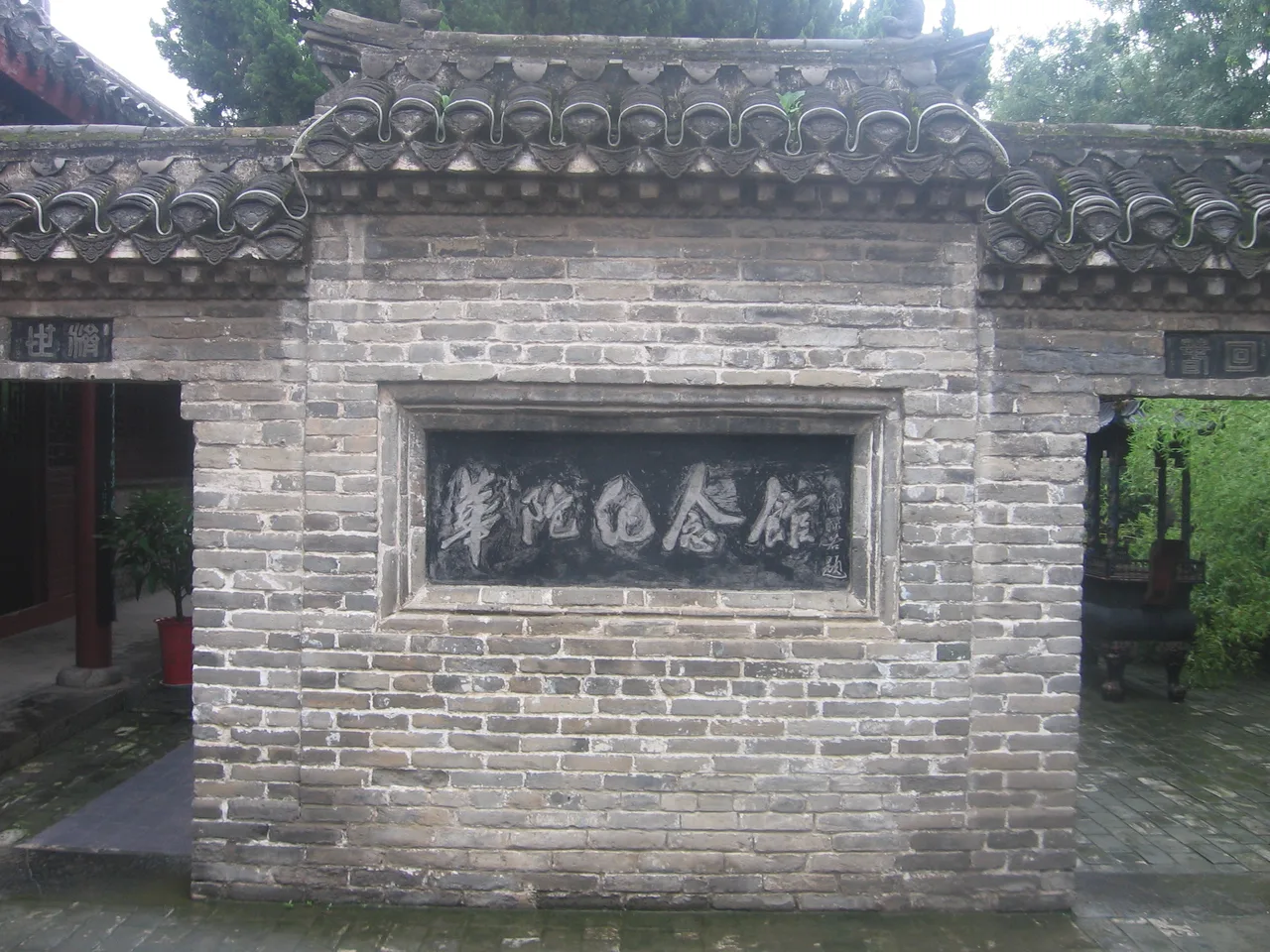
Did Hua Tuo Really Die for Proposing Trepanation? The Medical and Political Truth in the Records of the Three Kingdoms
Clearing the literary fog of Romance of the Three Kingdoms: primary records reveal the status anxiety, wartime discipline, and political clash behind Hua Tuo's death.
 VOL. 03 · ART.043
Three Kingdoms
11 min read
Suicide upon Receiving an Empty Food Box? The Political Purge and Legitimacy Rupture Behind Xun Yu's Death
Deconstruct the Three Kingdoms myth of Xun Yu's empty food box. By examining Records of the Three Kingdoms alongside Pei Songzhi's annotations, explore the 16-year alliance and rupture between Xun Yu and Cao Cao.
 VOL. 04 · ART.044
Three Kingdoms
14 min read
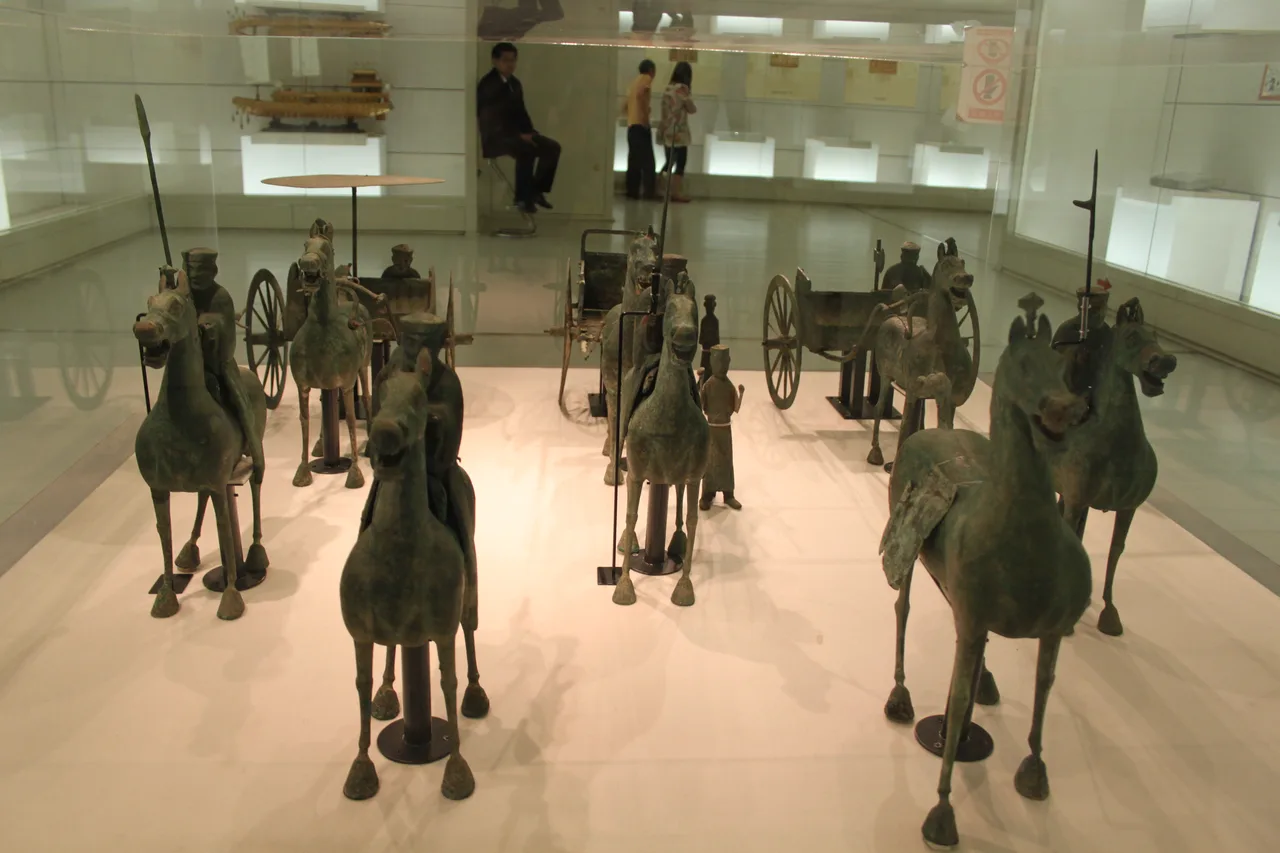
Did Zhao Yun Really Charge Seven Times at Changban? The Historical Bodyguard Commander vs. The Romanced Myth
An analytical critique of the myth versus the historical reality of General Zhao Yun at Changban, tracing his evolution from an elite guard commander to a legendary warrior.
 VOL. 05 · ART.045
Three Kingdoms
12 min read
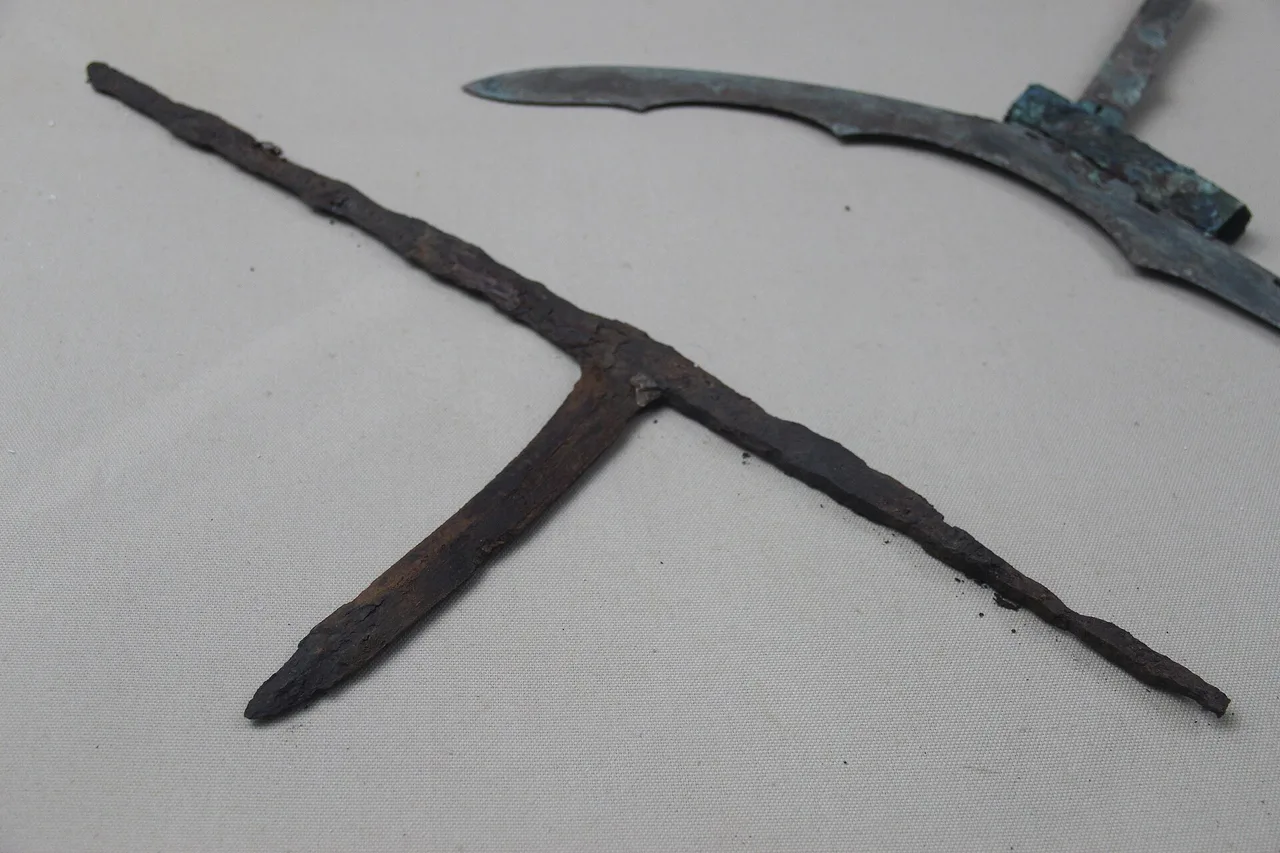
Green Dragon Crescent Blade and Halberds: Why Three Kingdoms Heroes Wielded Song and Ming Weapons
Archaeological excavations and official chronicles restore the authentic cavalry lances, ring-pommel sabers, and bu-character halberds of the late Eastern Han, unpacking how the Song-era Wujing Zongyao, Yuan theater, and Ming romances layered ceremonial arms onto ancient champions.
 VOL. 06 · ART.046
Three Kingdoms
11 min read
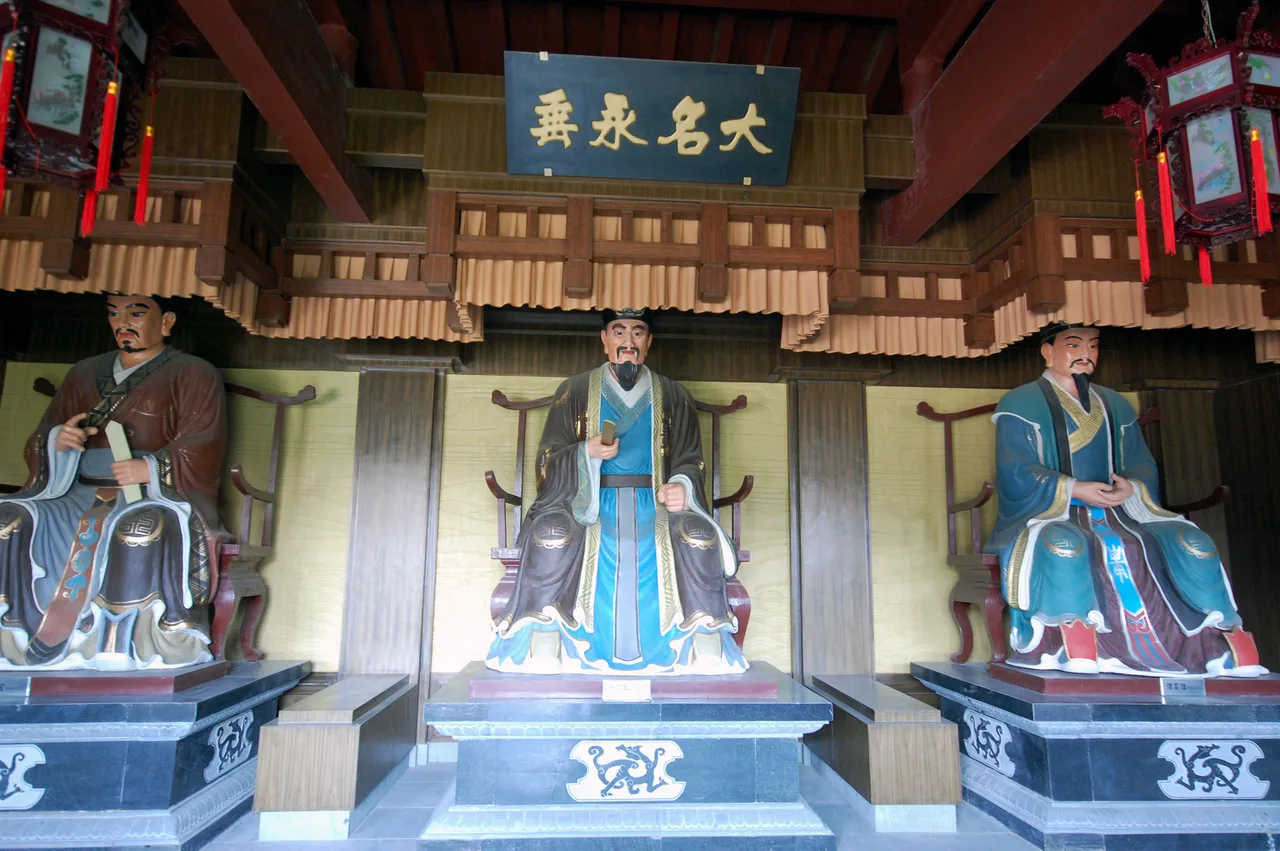
Borrowing Arrows, Summoning the East Wind, and the Empty Fort: Who Actually Owned Zhuge Liang’s Three Miracles?
Comparing Records of the Three Kingdoms with archaeological records to trace the authentic historical prototypes behind Zhuge Liang's miracles in Romance of the Three Kingdoms, revealing how literary layers reassigned tactical feats from Sun Quan, Zhou Yu, and Zhao Yun.
 VOL. 07 · ART.047
Court & Law
9 min read
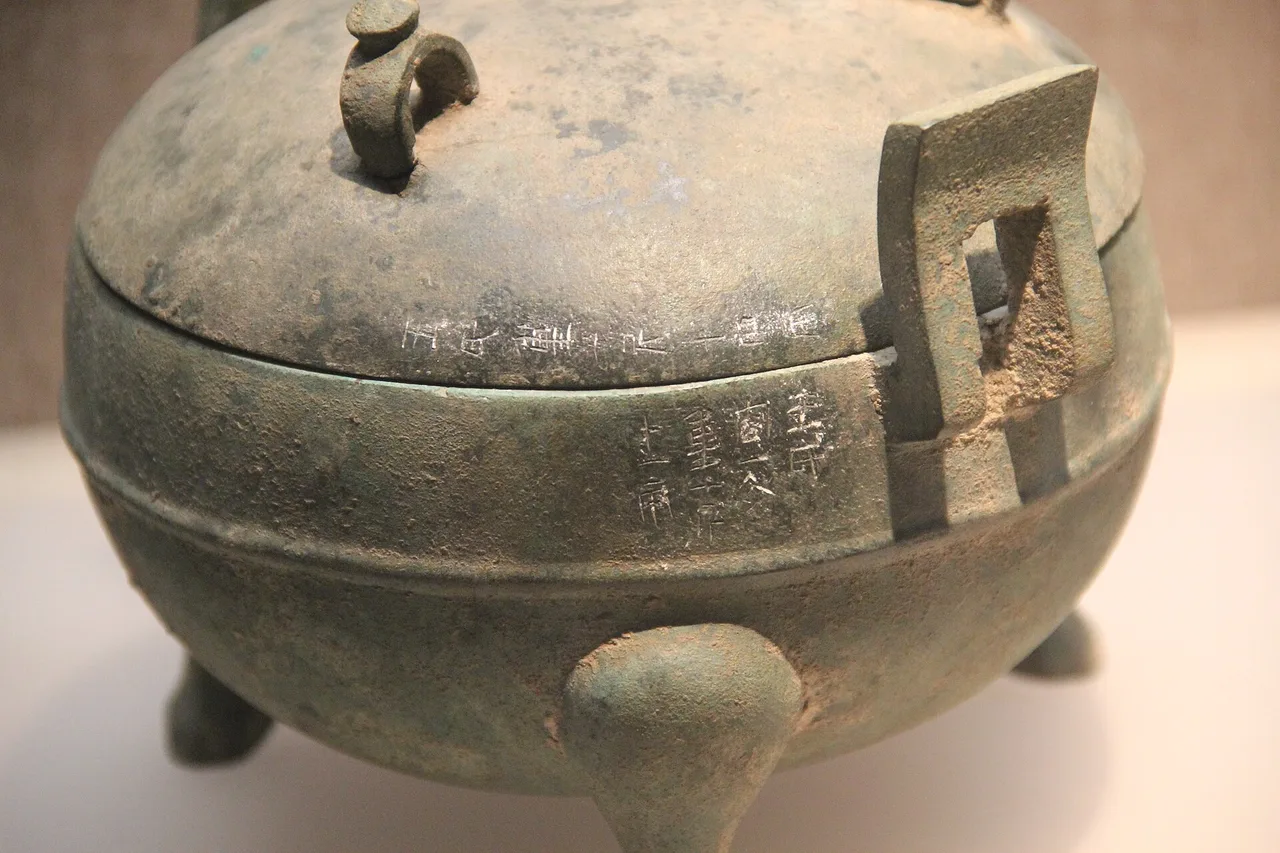
Why Qin Shi Huang is Recorded as Zhao in Shiji: Pre-Qin Xing and Shi Compared to Roman Tria Nomina
An analysis of why Qin Shi Huang was named Zhao Zheng in Shiji, exploring pre-Qin lineage structures and Roman tria nomina.
 VOL. 08 · ART.048
Court & Law
9 min read
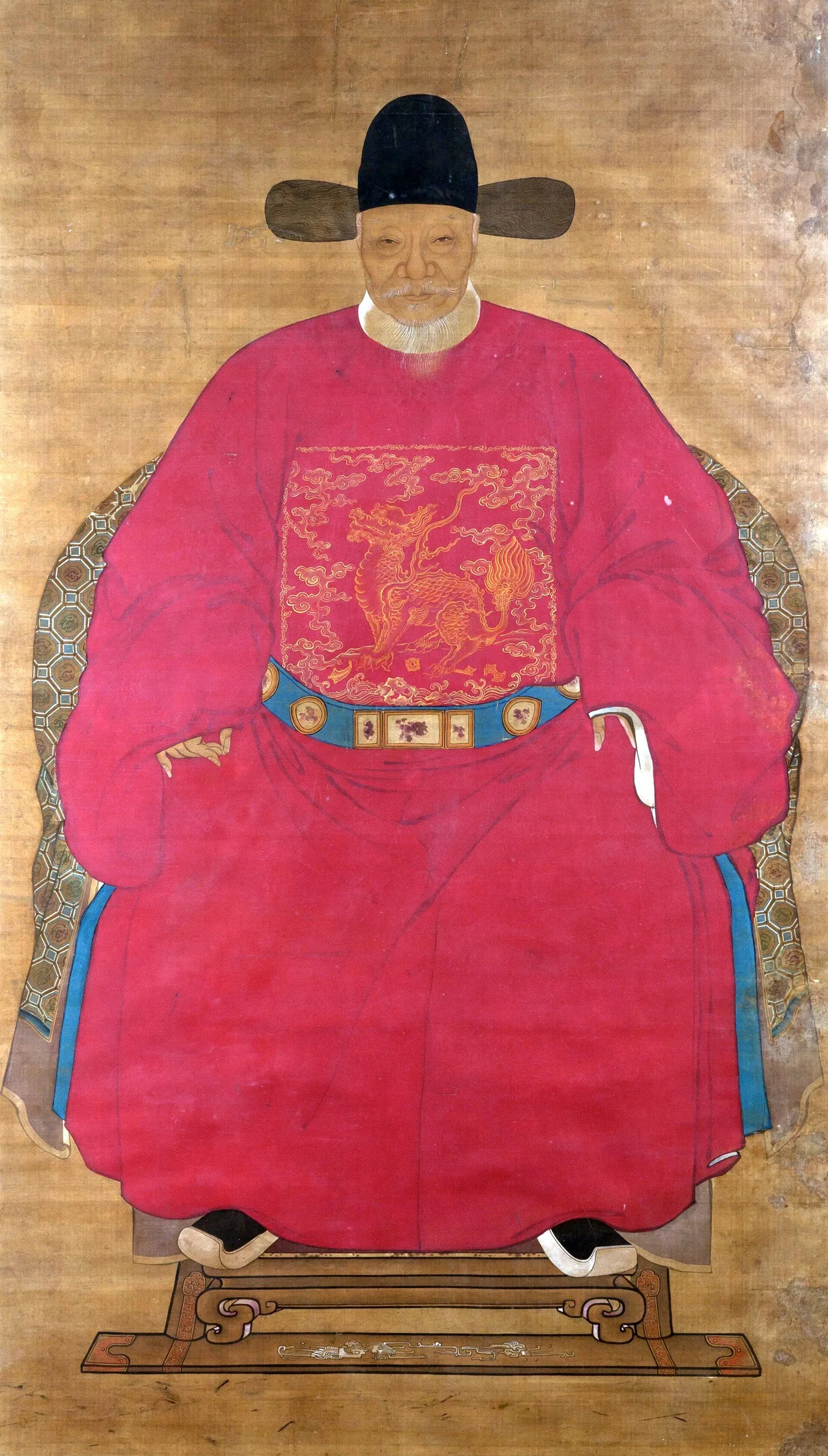
Three Judicial Offices of Ming and Qing: Unraveling the Institutional Checks and Balances Behind Imperial Justice
The trope of the high magistrate personally tracking down killers is pop-fiction fantasy. Discover how the Ministry of Justice, Court of Judicial Review, and Censorate formed an intricate bureaucratic balance of power in late imperial China.
 VOL. 09 · ART.049
Society & Aesthetics
11 min read
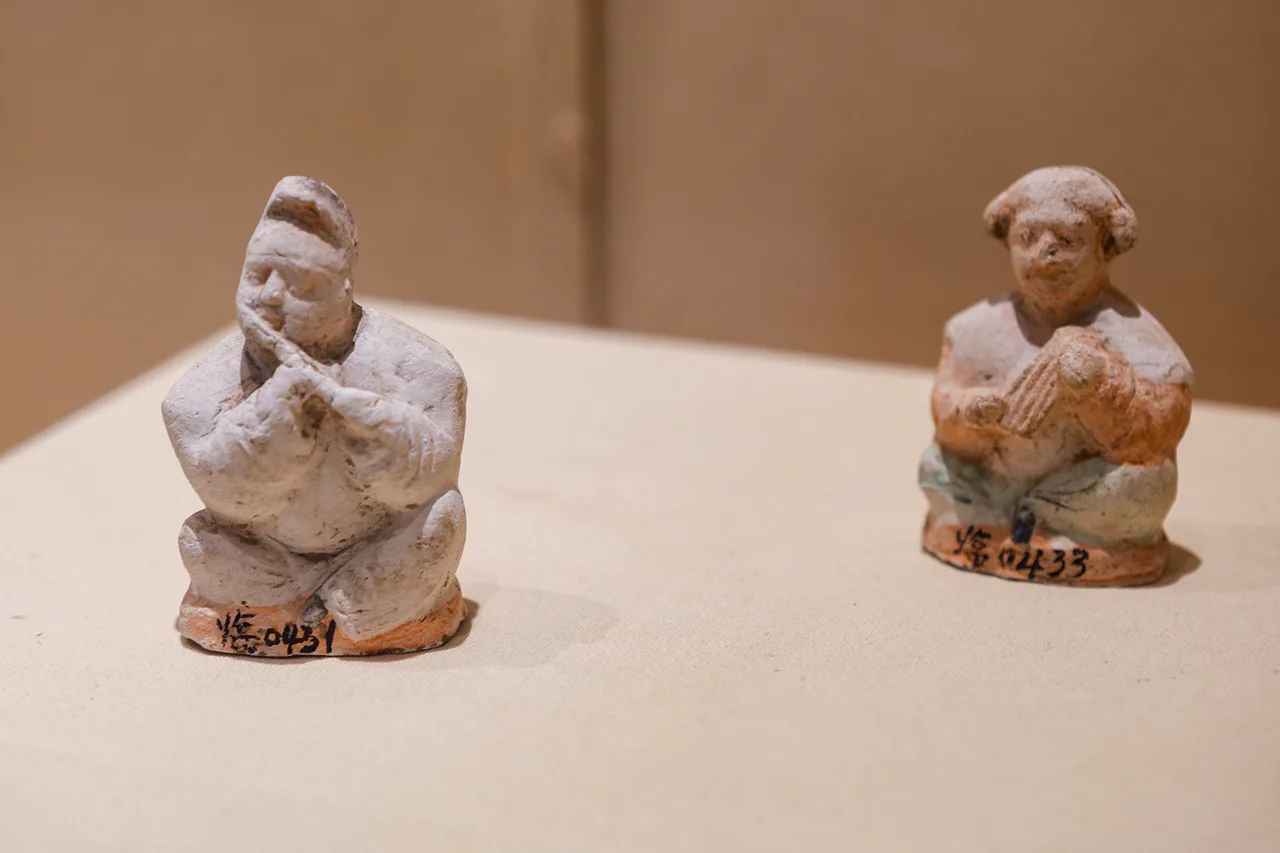
The Romantic Myth of 'Selling Art, Not Bodies': The Real Institutional Hierarchy of Courtesans and Official Entertainers in Tang-Song China
Examine the historical reality of courtesans and official entertainment quarters in Tang and Song China, dismantling modern linguistic misunderstandings and comparing Greek hetairai with China's hereditary entertainer caste.
 VOL. 10 · ART.050
Society & Aesthetics
11 min read
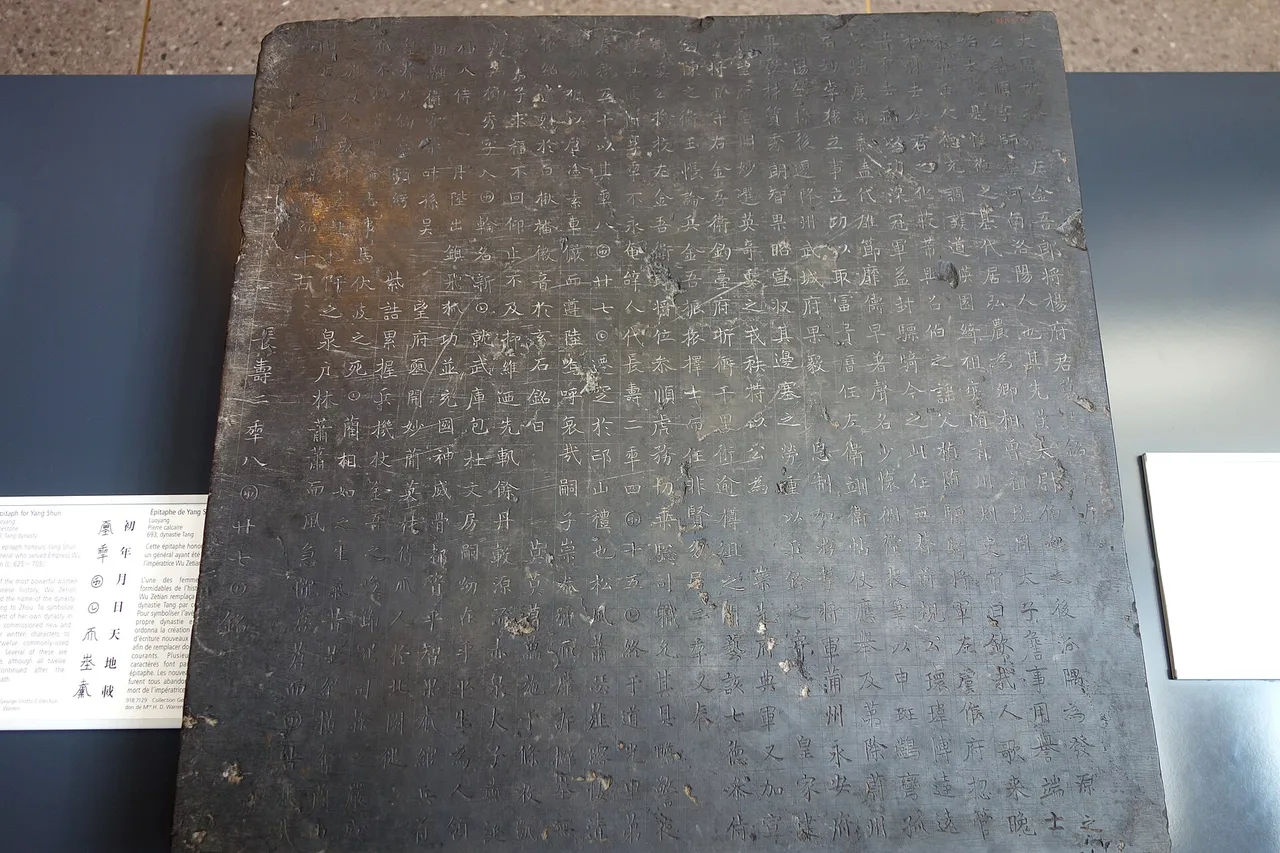
Marriage Politics at the Empress's Court: How Aristocratic Widows Defied Wu Zetian
Deconstructing the modern myth of Wu Zetian championing women's marital autonomy through the lens of elite widows weaponizing Confucian ritual to resist imperial decrees.
 VOL. 11 · ART.051
Court & Law
11 min read
Castration for Power? Deconstructing Palace Eunuchs and the Imperial Castration Myth
Deconstructing pop-culture myths of instant palace elevation, drawing on late Qing archives and official chronicles like the Book of the Later Han and History of Ming to expose lethal surgical realities and shifting institutional boundaries.
 VOL. 12 · ART.052
Society & Aesthetics
11 min read
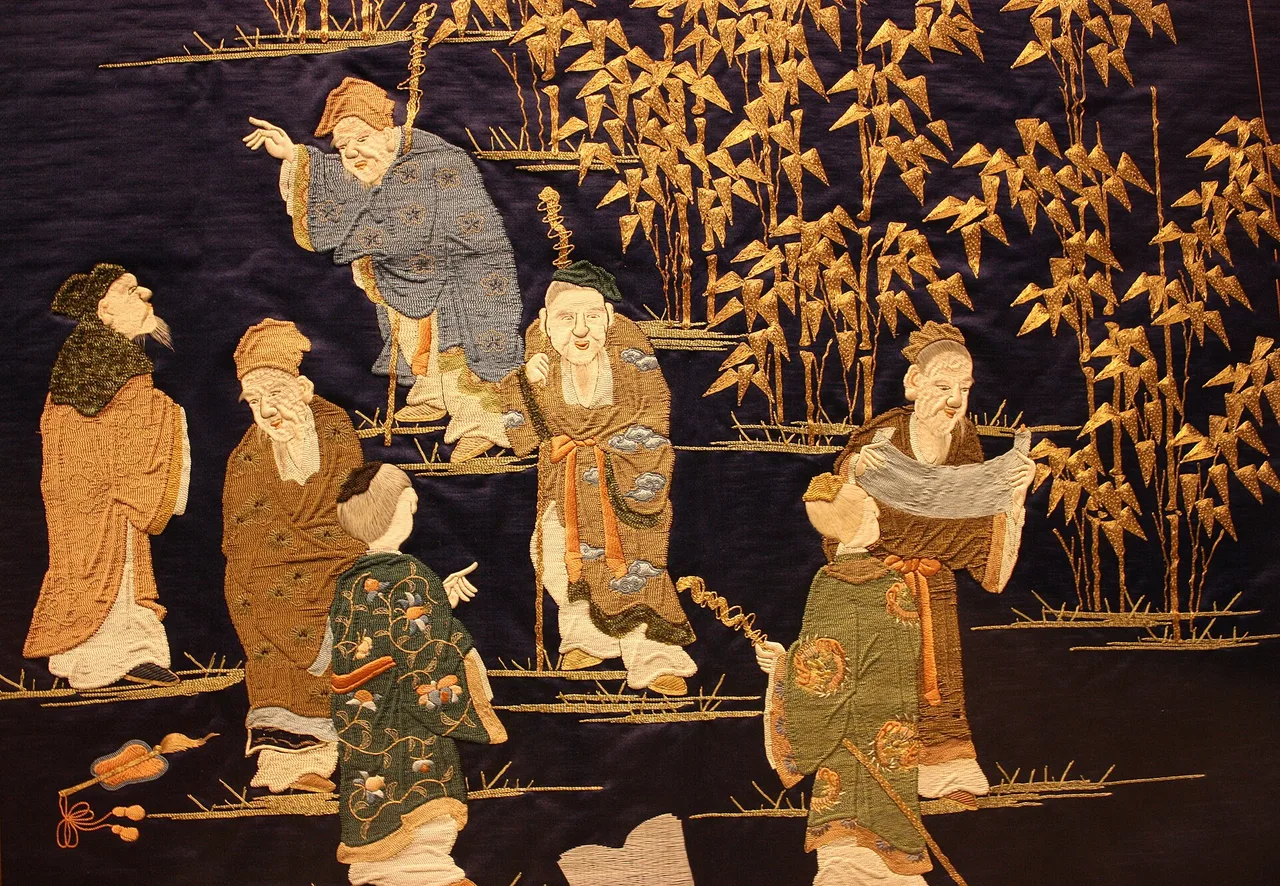
Bohemian Freedom or Aristocratic Immunity? Unmasking the Privilege Behind Wei-Jin Fengdu
Were the flowing robes and barefoot wanderings of Wei-Jin scholars a quest for pure existential freedom, or the symptoms of heavy metal poisoning paired with aristocratic immunity? Drawing from the Book of Jin and A New Account of the Tales of the World, this deep dive deconstructs the layered myth of Wei-Jin Fengdu.
 VOL. 13 · ART.053
Society & Aesthetics
11 min read
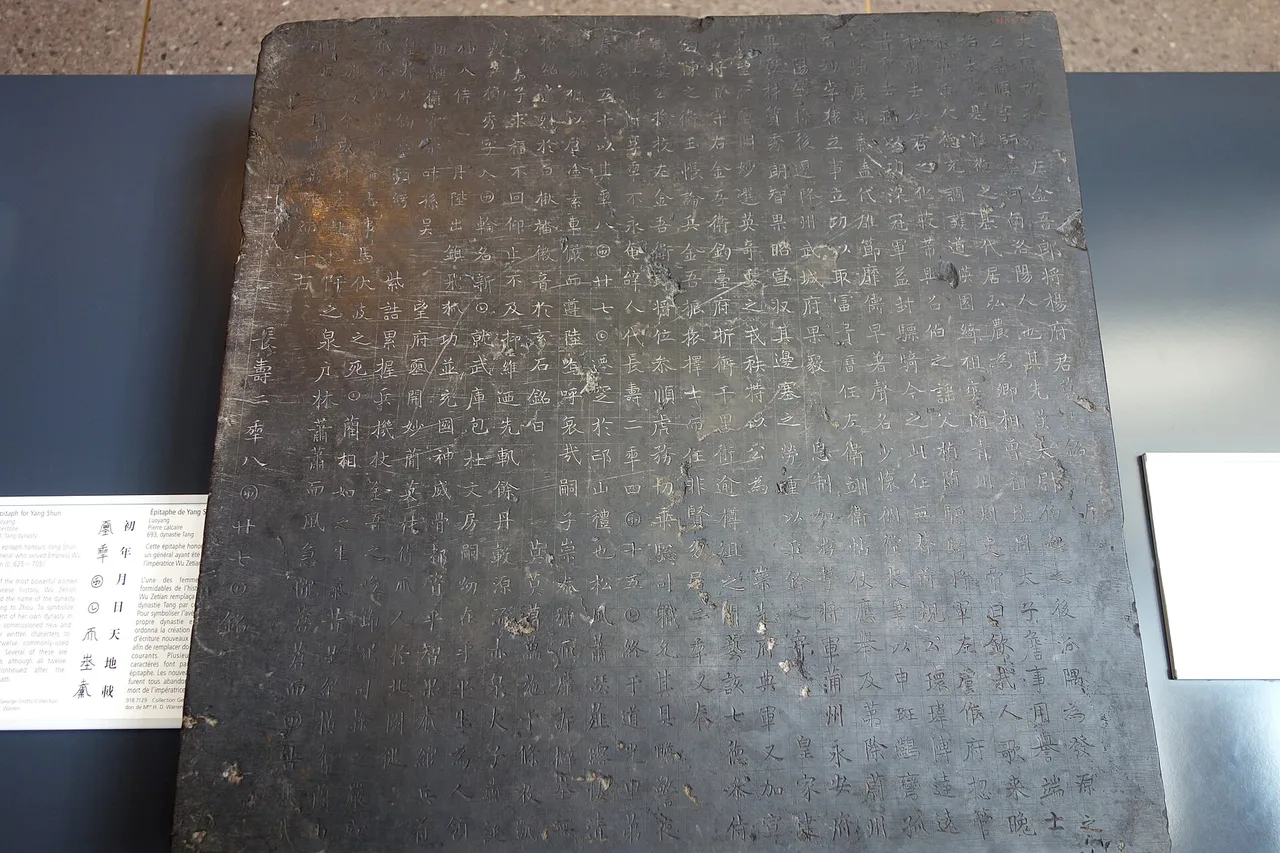
Why Is the Only Female Emperor's Stele Wordless? The Political Truce Behind Wu Zetian's Monument
Uncover the historical truth behind Wu Zetian's Wordless Stele at Qianling Mausoleum: debunking folk legends of self-effacing pride to reveal a fragile post-coup compromise.
 VOL. 14 · ART.054
Society & Aesthetics
12 min read
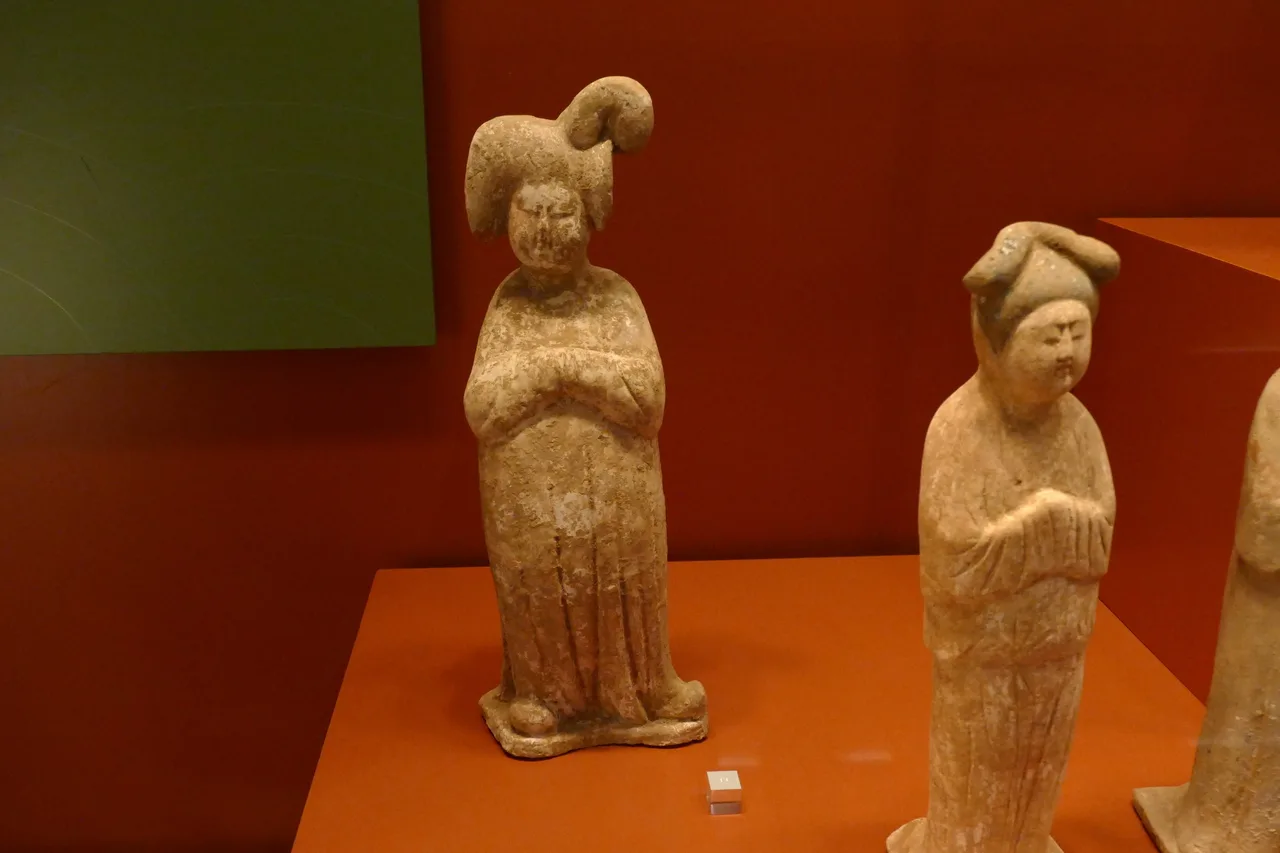
Did the Tang Dynasty Truly Idealize Extreme Obesity? Debunking the Myth of Yang Guifei and High Tang Aesthetics
Examine pop-culture distortions and historical myths regarding High Tang bodily ideals, drawing on official dynastic chronicles and archaeological finds to restore Yang Guifei's athleticism and trace the brief evolution of Tang aesthetics.
 VOL. 15 · ART.055
Court & Law
9 min read
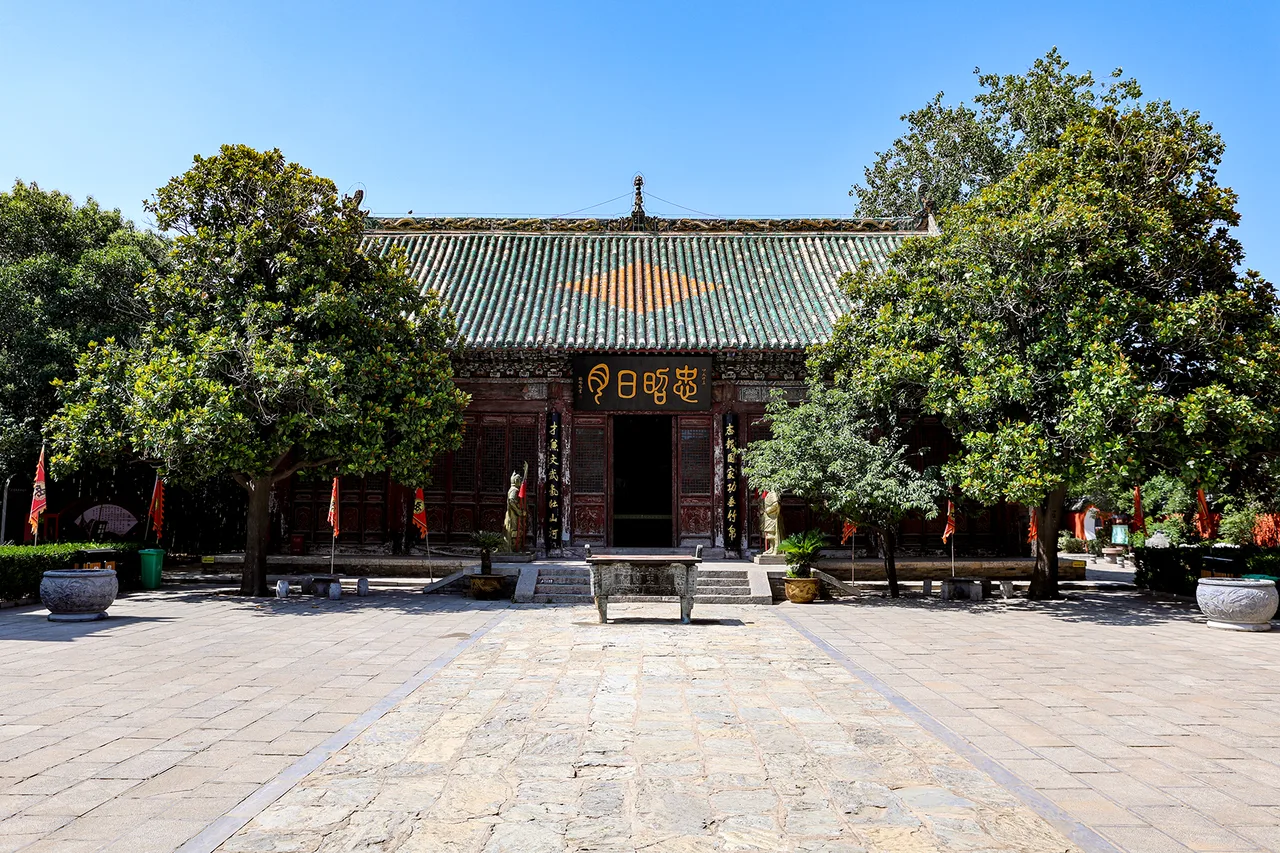
Without Summary Execution Privileges: How Northern Song Censor Bao Zheng Actually Impeached Imperial In-Laws
Deconstructing the Justice Bao myth: through official records in the History of Song and judicial statutes, examine Bao Zheng's real administrative career, capital review procedures, and institutional remonstrance checks on imperial in-laws.
 VOL. 16 · ART.056
Archives & Demographics
11 min read
Did Emperor Gaozong Execute Yue Fei Merely Out of Fear of the Restored Emperors? The Warlord Anxiety in Early Southern Song
Examine the real political motives behind Emperor Gaozong executing Yue Fei. Beyond the folklore myth of rescuing captive emperors, explore the rise of private armies, mutinies, and the centralization of military power.
 VOL. 17 · ART.057
Court & Law
12 min read
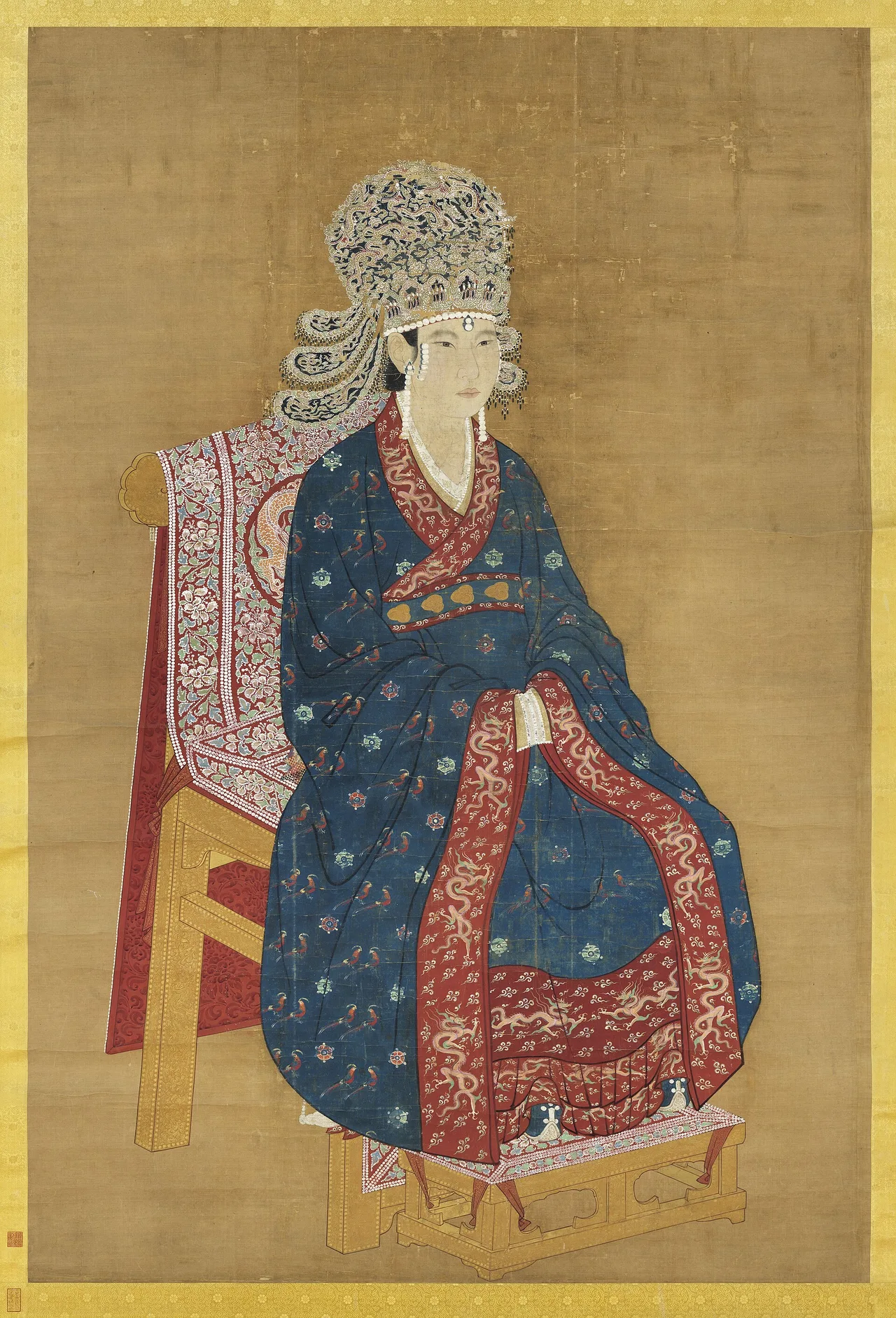
The Empress Without a Biological Son: How Liu E Maintained Twenty Years of Regency and Prevented a Dynastic Coup
Stripping away centuries of theatrical folklore surrounding the Wildcat for Crown Prince myth to reveal how Empress Zhangxian Mingsu governed for two decades through institutional adoption, civil-bureaucratic co-rule, and political foresight.
 VOL. 18 · ART.058
Court & Law
9 min read
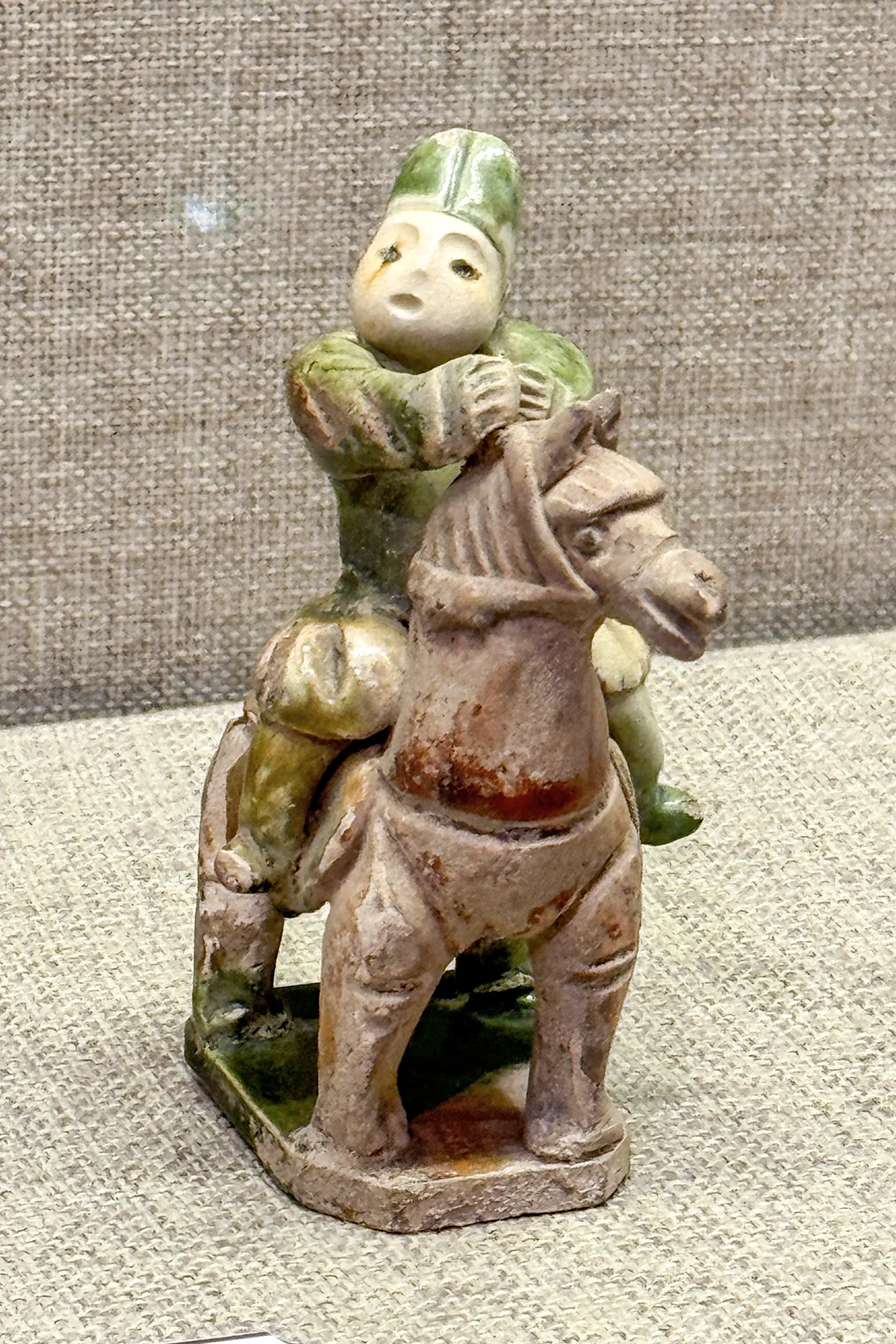
The Myth of Song's 800,000 Imperial Guards: Why a Capital Drill Instructor Could Never Defy Gao Qiu
Deconstructing Lin Chong's title as Drill Instructor of the 800,000 Imperial Guards in Water Margin against the History of Song and Long Draft, revealing real unit counts, unranked instructors, and Gao Qiu's bureaucratic supremacy.
 VOL. 19 · ART.059
Court & Law
12 min read
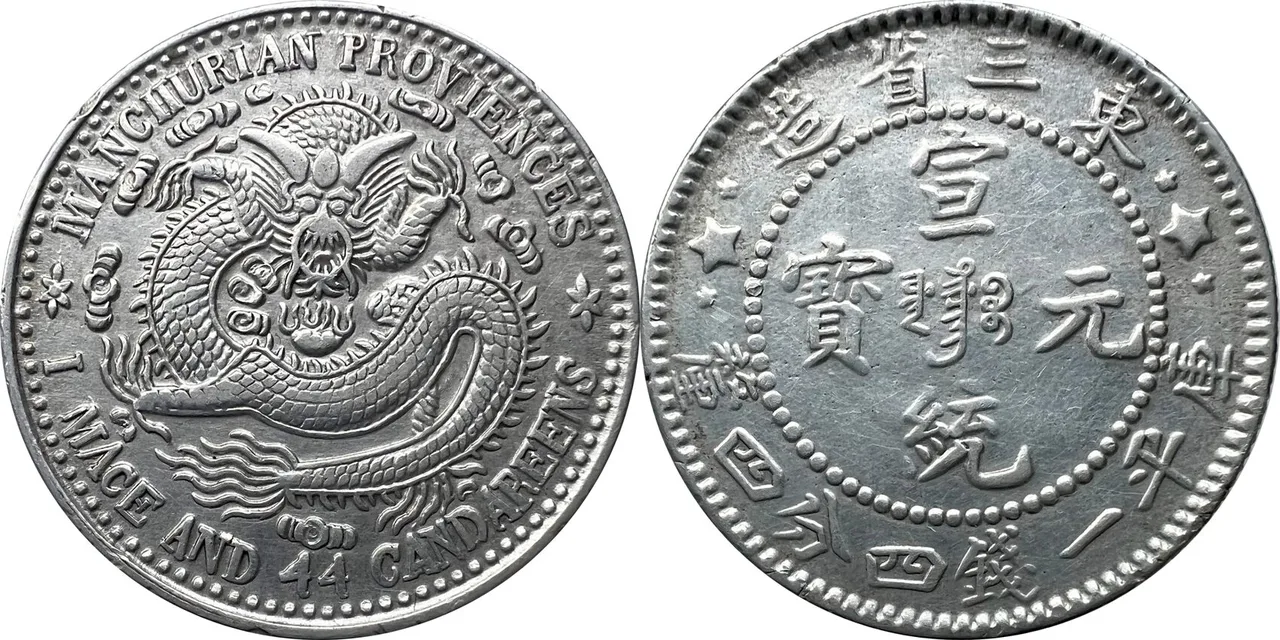
Imperial Penal Exile Was Never Merciful: Debunking Survival Rates from Song Dynasty Tattooed Banishment to Qing Dynasty Ningguta
Drawing on the Song Penal Code, the Great Qing Code, and survivor diaries, this study reveals the low survival rates of imperial Chinese penal exile.
 VOL. 20 · ART.060
Court & Law
12 min read
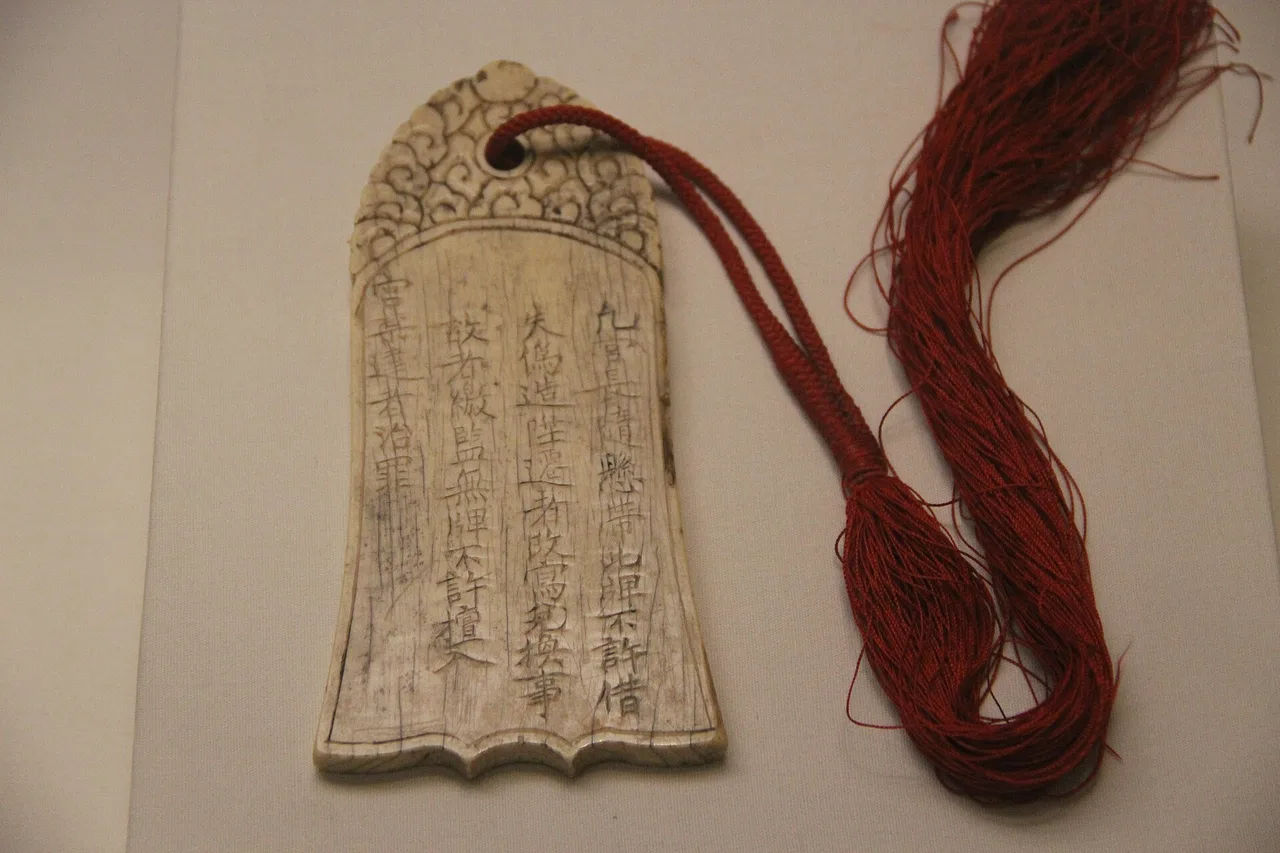
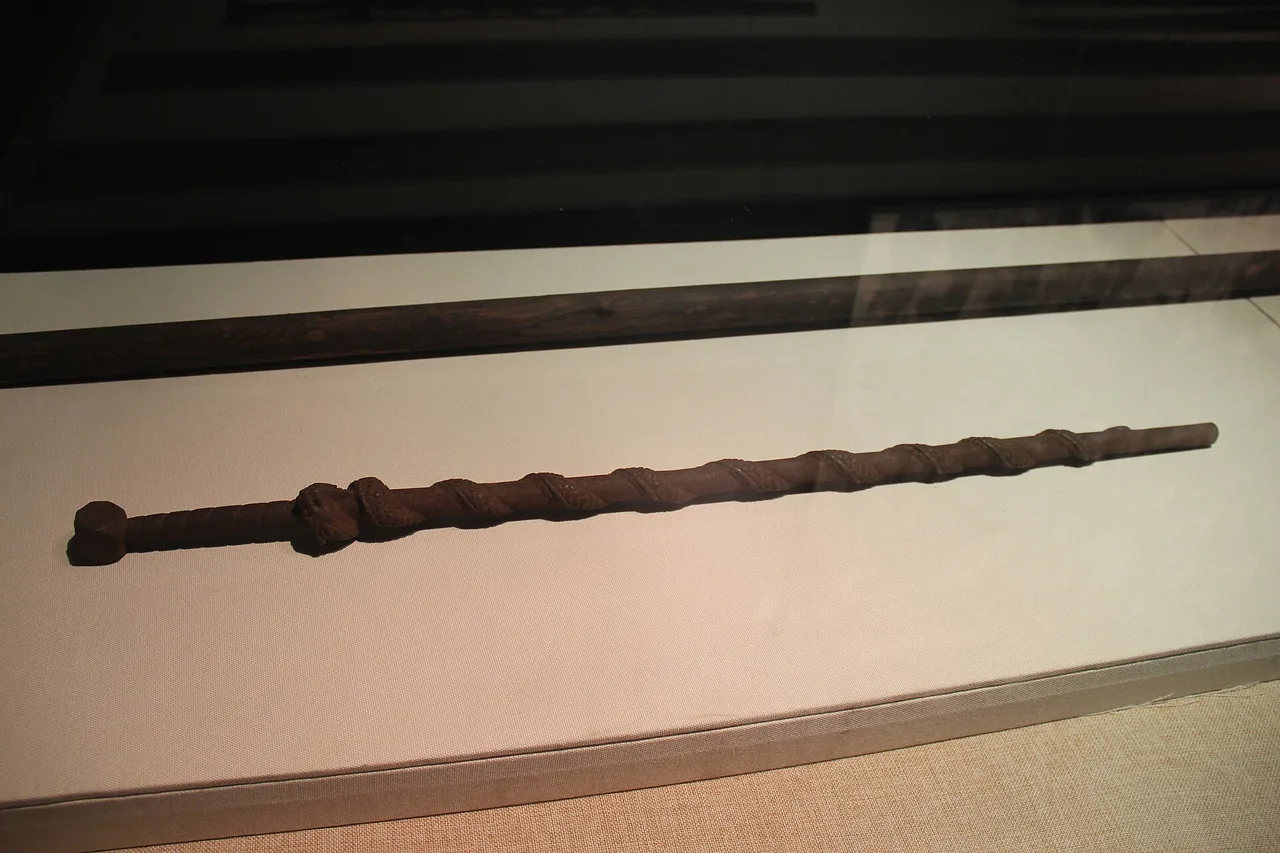
Could the Imperial Sword Truly Execute Corrupt Officials at Will? The Reality and Limits of Delegated Execution in Ming-Qing China
Debunking the popular Chinese myth of the Imperial Sword executing villains at will. Using the Book of Han and Veritable Records of the Ming, this deep dive traces the weapon from an imperial workshop blade to an emergency field warrant during the Wanli campaigns, unpacking Yuan Chonghuan's purge of Mao Wenlong and the subsequent legal reckoning.
 VOL. 21 · ART.061
Court & Law
12 min read
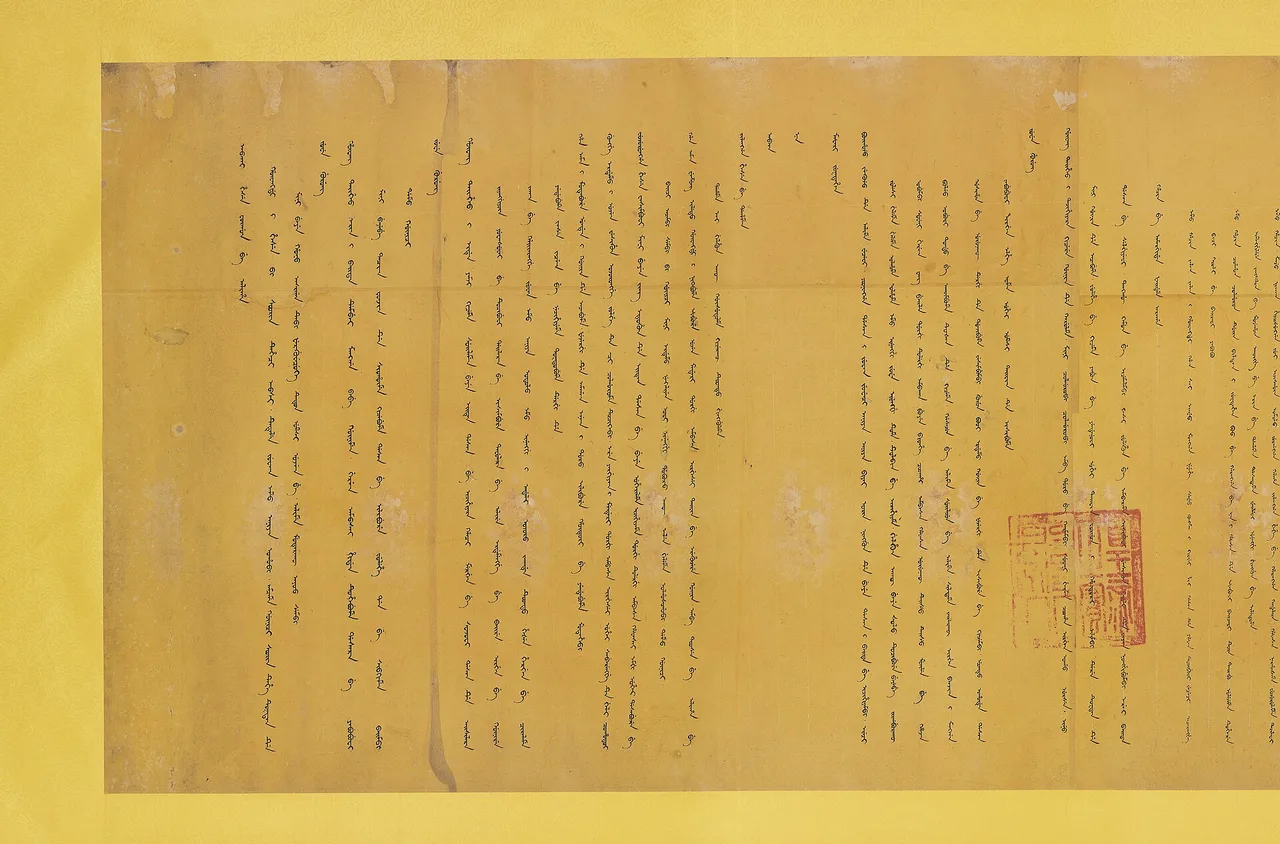
The Millennial Evolution of Chinese Imperial Edict Openings: From Tang Chancellery Review to the Ming Imperial Formula
A deep dive into how Chinese imperial decree openings evolved over two millennia, from Han wooden slips and Tang Chancellery institutional checks to Zhu Yuanzhang's Ming autocratic formula.
 VOL. 22 · ART.062
Archives & Demographics
12 min read
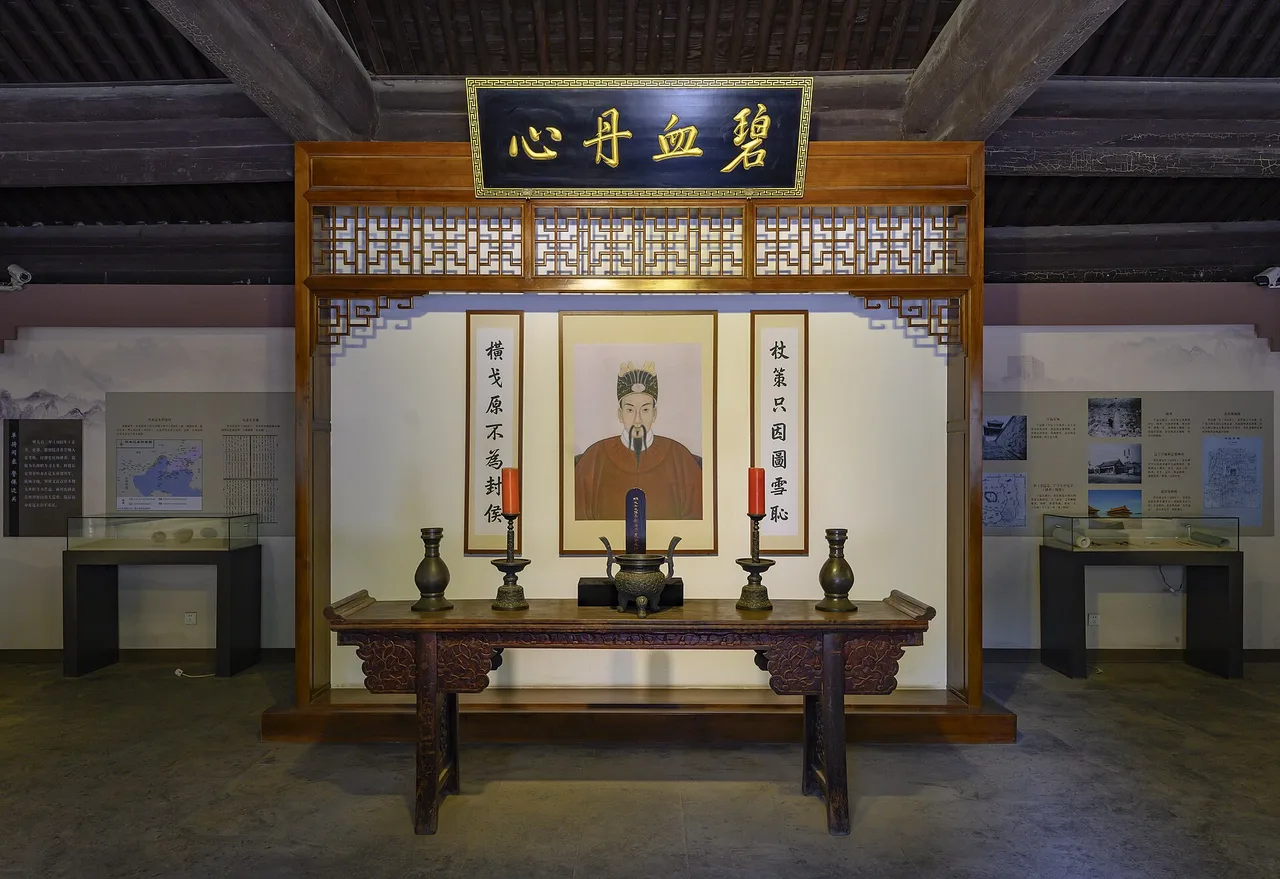
Yuan Chonghuan: Martyr of the Late Ming or Architect of His Own Downfall? Reconstructing the Liaodong Defense Through Dual Archives
Drawing on primary dual archives including the Veritable Records of the Ming, the Veritable Records of Emperor Taizong of Qing, and the Old Manchu Archives, this study strips away Qianlong-era mythmaking and late Ming factional conflict to dissect Commander Yuan Chonghuan's strategic gambles, sovereign-subject friction, and execution.
 VOL. 23 · ART.063
Archives & Demographics
12 min read
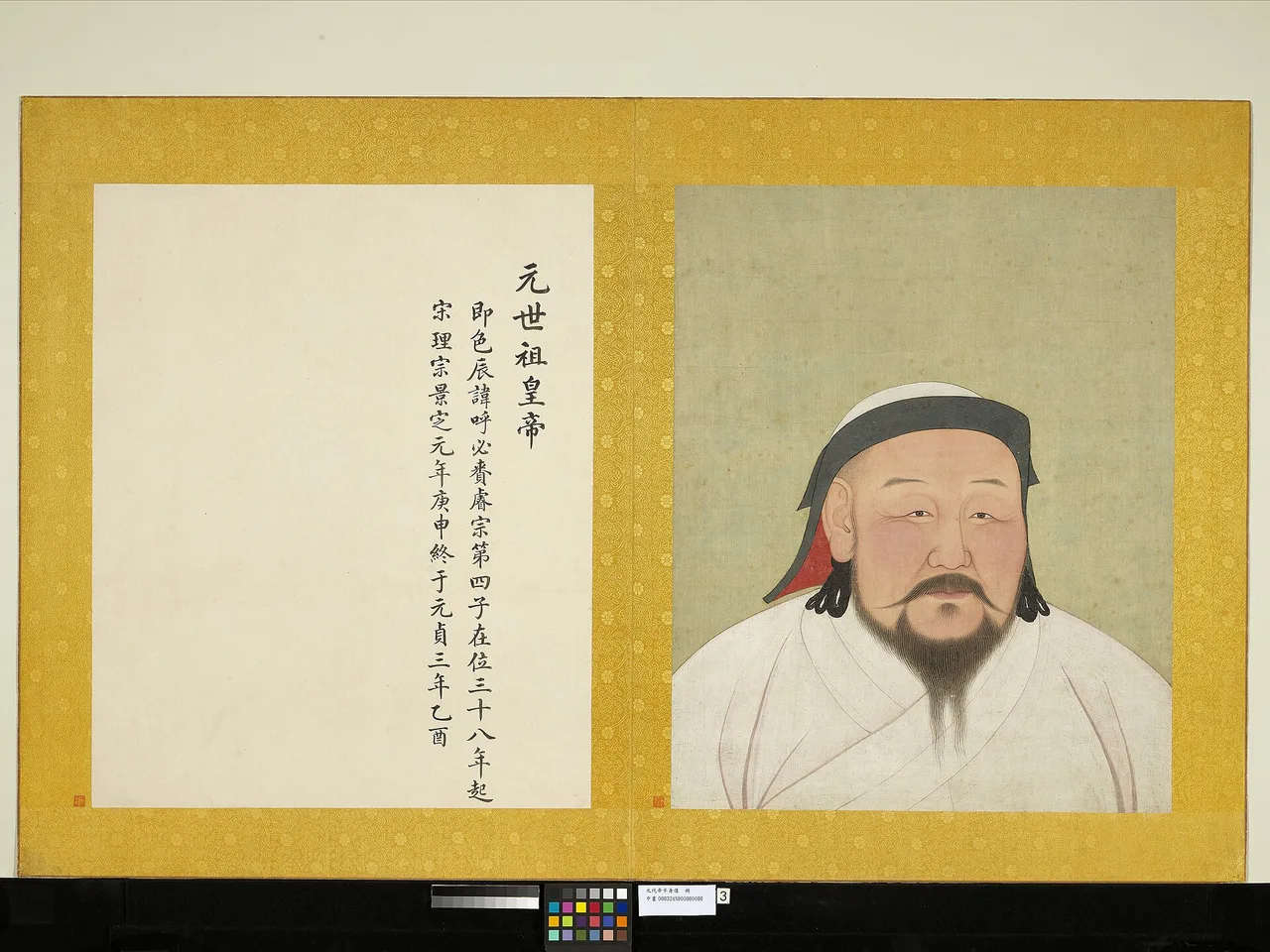
Civilizational Resilience under Conquest Dynasties: Why Chinese Civilization Did Not Fragment Like Rome After the Yuan and Qing Invasions
An autopsy of the modern pseudo-historical claim 'No China after Yashan,' using the fall of Western Rome as a comparative lens to examine how logographic script, the civil service exam, and lineage networks anchored civilizational continuity.
 VOL. 24 · ART.064
Archives & Demographics
11 min read
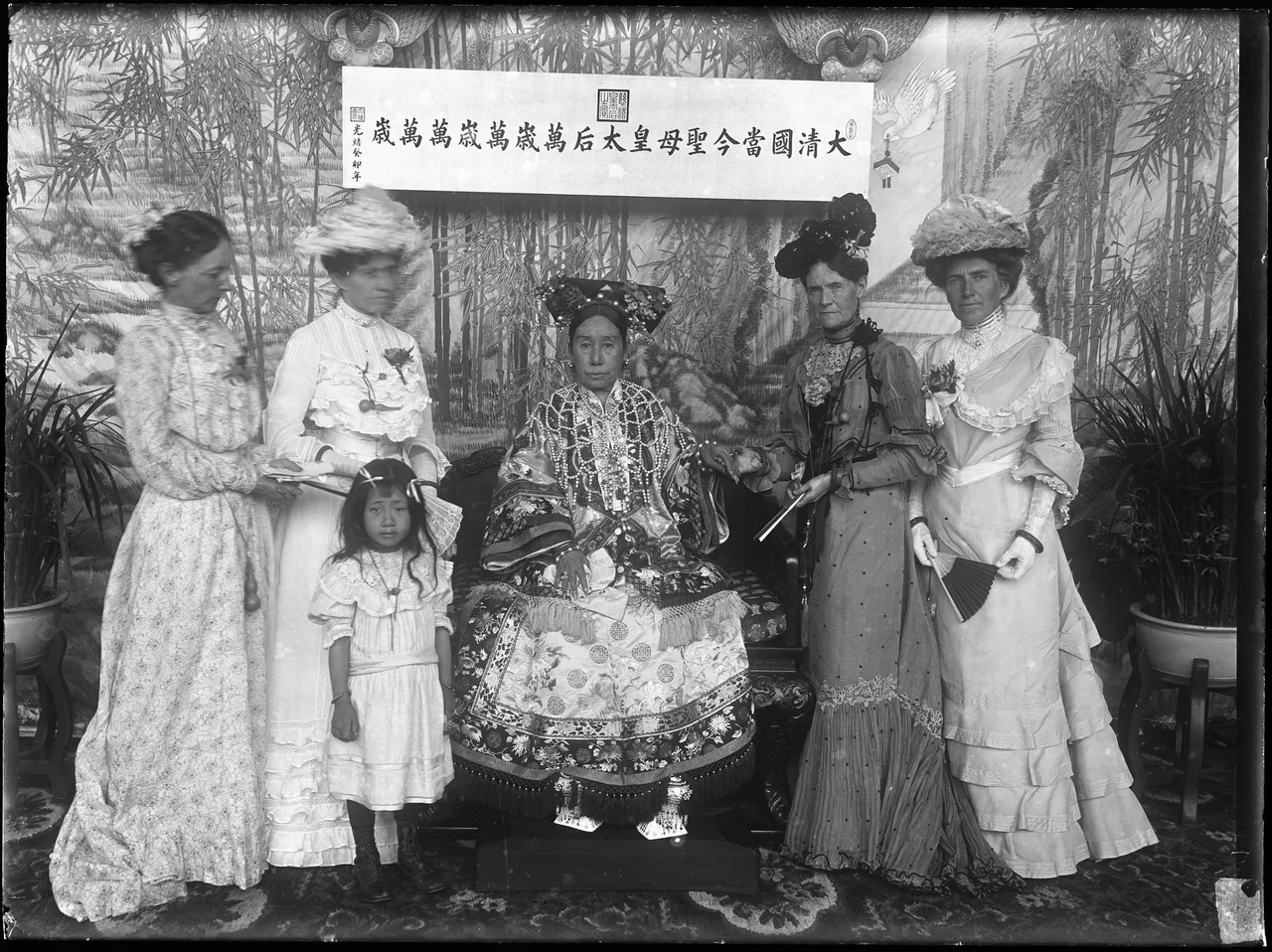
Did Empress Dowager Cixi Really Eat 108 Dishes per Meal? Debunking the Imperial Kitchen Myth through Qing Archives
Drawing on primary Qing imperial dining ledgers and Imperial Household Department procurement records, this study dispels the myth of Empress Dowager Cixi's 108-course daily feast and milk baths.
 VOL. 25 · ART.065
Archives & Demographics
14 min read
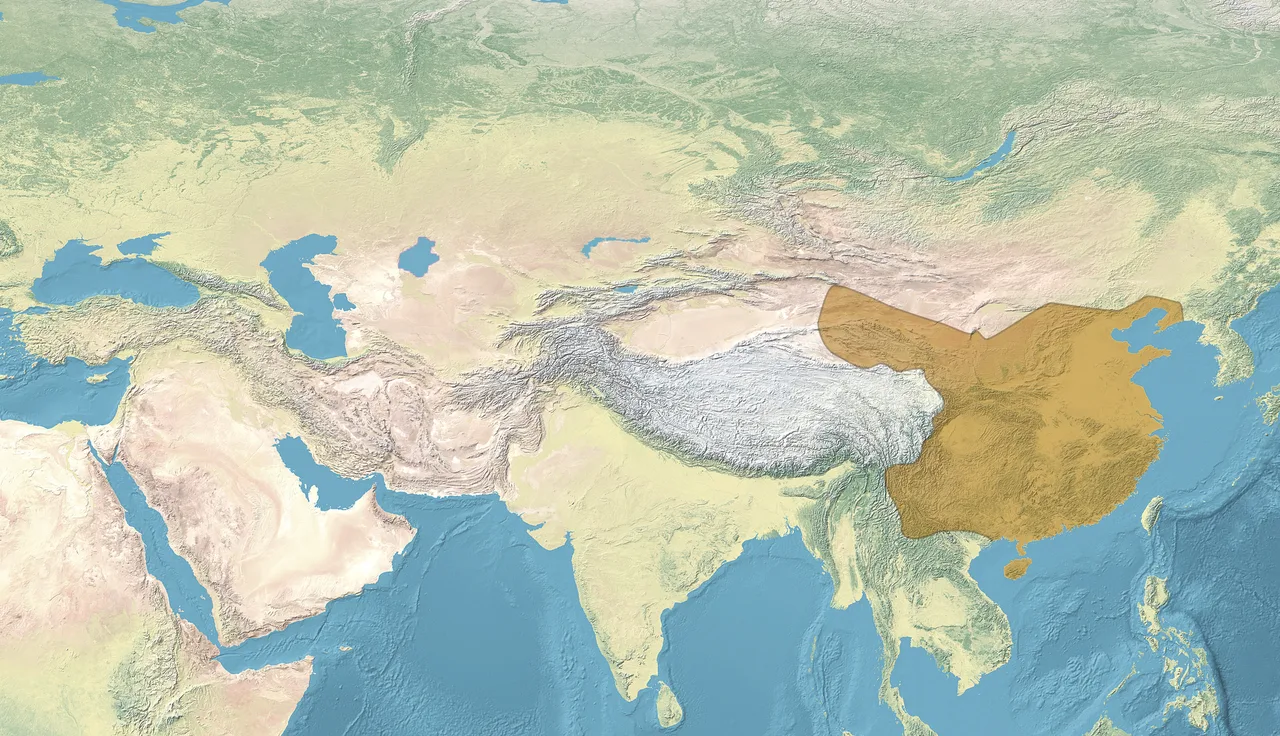
Did Zhang Xianzhong Really Exterminate Six Million People in Sichuan? The Truth Behind the Twenty-Year Demographic Collapse
Drawing on Jesuit archives, local gazetteers, and stone stele inscriptions, this study deconstructs the legend that Zhang Xianzhong killed six million people in Sichuan, exposing the real multi-faction warfare, scorched-earth raids, famine, and plague behind the collapse.