TL;DR · Core Takeaways
- Lethal surgical realities: Without sterile tools or drugs, guild cuts caused death rates of 10% to 20% from blocked urine and wound shock. Village self-cuts brought close to 50% fatality.
- Divergent recruitment pipelines: Early court men came from war captives, court convicts, and border tributes. Only during the mid-to-late Ming did poor rural men start cutting themselves on purpose for palace jobs.
- Non-hereditary tools of autocratic rule: Tang palace heads took military command over elite guard units to unseat kings. Ming eunuchs checked paperwork using delegated imperial seals. Qing emperors kept them as closely watched domestic bondservants. Each era used castrated men to check civil boards and field warlords.
Chronological Benchmarks
- Chinese Historical Coordinates: Western Han Rule of Wen and Jing (Rule of Wen and Jing, where penal cuts entered code) $\rightarrow$ Late Tang (9th century CE, when the Commander of the Shence Army and Military Commissioner of the Shence Army ruled court life) $\rightarrow$ Ming Dynasty, Tianshun to Wanli eras (surge in self-castration, with papers run by the Directorate of Ceremonial) $\rightarrow$ Late Qing, Guangxu era (Imperial Household Department and Palace Disciplinary Office controls)
- Western / Mediterranean Coordinates: Byzantine Empire under Justinian I through Basil II (6th–11th centuries CE, General Narses and the Imperial Chamberlain) $\rightarrow$ Classical Ottoman Empire (16th–17th centuries CE, Chief Black Eunuch checking the Janissary corps)
Video games and movies often treat imperial eunuchs as simple character units. A player clicks a key, pays gold, and hires silk-robed plotters on the spot. Western films and period novels show the same simple trope: sly men whispering in halls, rising from rural poverty straight to imperial favor through one quick blade stroke.
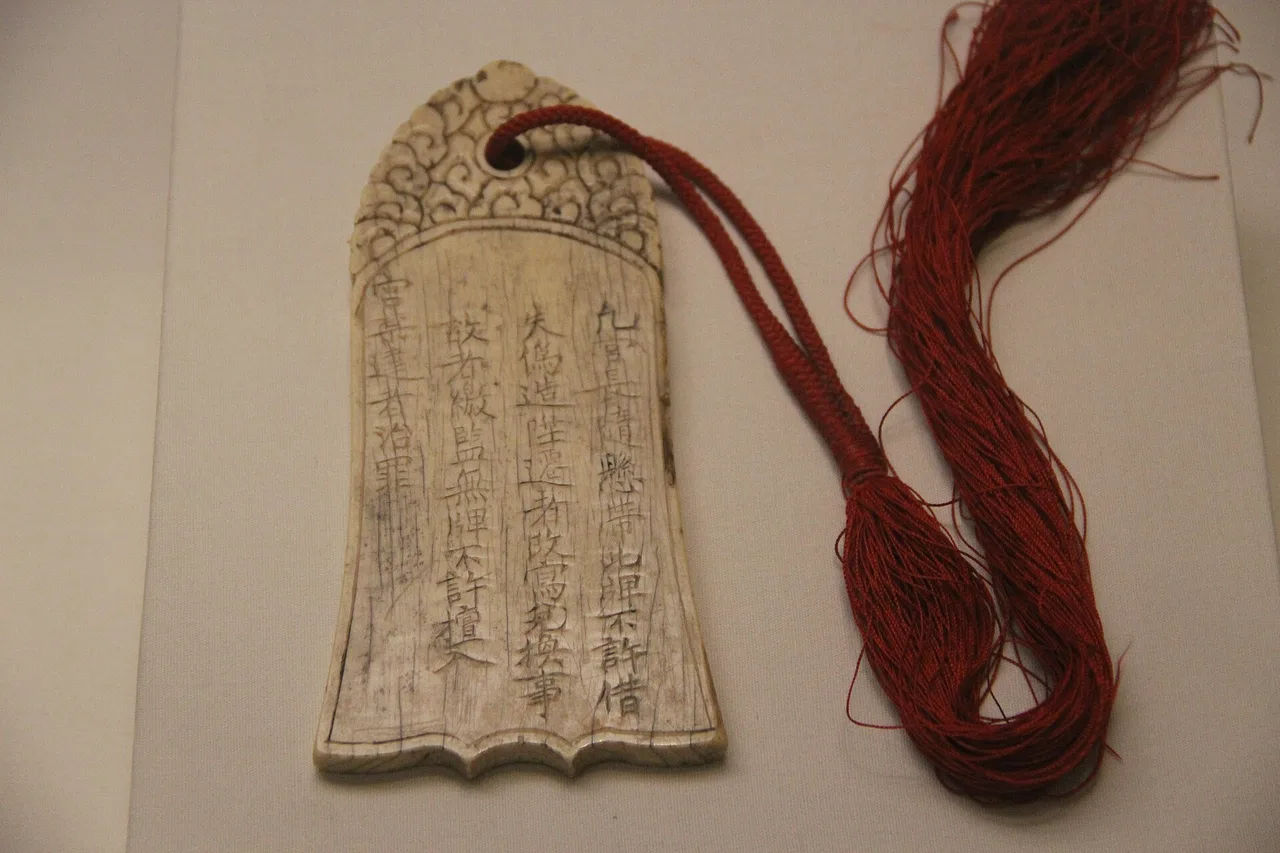
Museum displays in London and Beijing show a very different past. The surviving ivory tallies from the Ming court and badge tags from the Qing court prove these palace servants formed neither a single class nor an easy road out of hunger. The real knives did more than cut away flesh. They cut a person away from family roots, kin safety, and standard law.
| Myth & Popular Misconception | Primary Chronicle & Archaeological Record | How the Myth Evolved |
|---|---|---|
| Myth 1: Quick Recovery and Instant Office<br>Castration was a minor cut needing only brief bed rest before palace work. | Imperial Household Department Archives: Accounting Division; Dr. John Dudgeon's 1870s medical papers in Beijing recording fatal shock, infections, and closed urinary tracts. | Early popular stories and street fiction skipped painful rot, three days of dry thirst, and years of leaking urine to keep plots fast and exciting. |
| Myth 2: Universal Volition Driven by Poverty<br>Eunuchs across every dynasty cut themselves willingly to flee starvation and win court riches. | Book of the Later Han (Biographies of Eunuchs); Old Book of Tang; Tang Code with Commentary ("Robbery and Theft"), showing early eunuchs were war captives, convicts, and tribute, while private cuts brought forced exile. | Ming and Qing novels and modern tabloids pushed late Ming farm panics backward onto all earlier dynasties. |
| Myth 3: Uniform Autocratic Tyranny<br>The Eastern Han cliques, Tang commanders, Ming directors, and Qing favorites shared the exact same system. | Old Book of Tang on the Shence Army guard units; History of Ming on the Directorate of Ceremonial; Veritable Records of the Qing on Qianlong's iron tablets and strict house rules. | Late Ming scholars blamed court eunuchs for dynastic fall during factional conflict to hide their own political faults, flattening shifting institutional history into simple moral tales. |
01. Blades and Wheat Straws: The Brutal Surgery Behind the Trope
Before modern medicine, complete emasculation was one of the most dangerous surgical acts in the world. Workshop logs from surgical families outside the north gates of Beijing show a practice marked by extreme pain and shock.
Procedural Mechanics and the Three-Day Thirst
Late dynastic rules required removing both the penis and scrotum. This left no doubt about the bloodline of newborn royal heirs. Boys fasted for days on heated brick beds to empty the bowels. During the cut, four helpers held down arms and legs while the surgeon used a curved knife to remove the parts in seconds.
The greatest danger started right after the flesh came off. Without stitches, the raw flesh swelled fast. Swollen tissue could shut the cut urinary pipe forever. The surgeon pushed a hollow, oiled wheat straw or goose quill deep into the opening to act as a stent. Then he put on a paste of wood ash, rhubarb powder, and hot pig bile to slow the blood. For three full days, the patient got no water, tea, or broth. Helpers forced him to walk across the room day and night to keep blood flowing and prevent shock.
[Surgical excision] ──> [Insertion of hollow straw stent] ──> [Three days of strict water deprivation] ──> [Stent removal: flow ensures survival, blockage brings death]
Complications and Lifelong Physical Toll
Pulling the straw out on day four decided life or death. If urine flowed out through the opening, the path was open. If swollen skin sealed the hole, urine filled the bladder until it burst, bringing a slow, painful death within days.
Those who survived still faced gangrene, blood rot, and lockjaw. Even in skilled city shops, one or two out of ten boys died. Out in poor farm villages, where men tried the cut on their own with dirty farm knives, half of them died.
Those who lived suffered lifelong harm to the urinary tract. Chronic leaks forced older servants to wear padded cotton cloths inside their robes for the rest of their days. The dried severed flesh was kept in clay jars with lime and hung from ceiling beams. These jars were saved so the parts could be buried with the dead body to honor kin roots.
02. Shifting Origins: Imperial Conquest Versus Late-Era Speculation
Treating palace servants as an unbroken line of poor farm boys hides how border wars and criminal law first fed the palace with fresh bodies.
War Captives, Convicts, and Southern Frontier Tribute
Early courts filled the Inner Court through criminal sentences and border wars. Volume 21 of the Tang Code with Commentary set down under Zhangsun Wuji declared that anyone who blinded, cut, or castrated another person faced forced exile of three thousand leagues. The law treated private castration as severe harm, not a lawful door to state office.
High-ranking Tang servants entered palace life through two main paths: captive boys taken from frontier campaigns, like the general Yang Sixu, and regular child tribute sent by southern border chiefs before later administrative transitions toward the Bureaucratization of Native Chieftainships. The well-known court aide Gao Lishi, first named Feng Yuanyi, came from a rich southern house crushed by crown forces. Troops took him as a captive youth, castrated him, and sent him north as tribute during the reign of Emperor Ming of Tang.
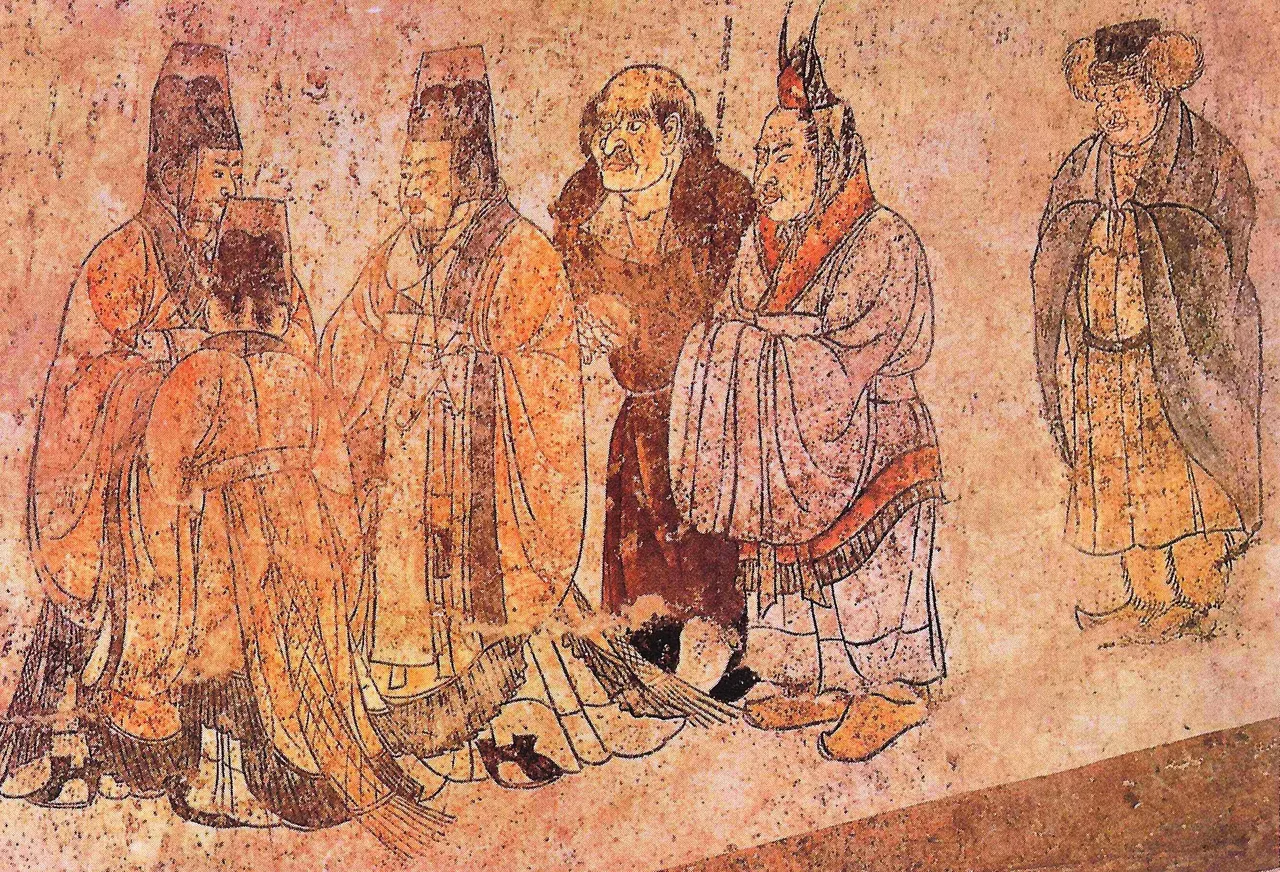
These men built family-like ties inside palace walls. They brought battle skills and outsider loyalty to the throne, which made them useful leaders for inner guard units.
The Mid-Ming Influx of Unsanctioned Candidates
Early Ming kings copied past practice by taking young boys during border campaigns, including southern tribal actions. But after the mid-1400s, growing palace offices sparked an unplanned wave of self-castration across the northern plains, especially in Hejian Prefecture.
Heavy taxes and land theft by rich clans drove ruined farm families to chase tax perks given to court servants. In 1484, more than three thousand castrated men gathered outside the Forbidden City asking for work. By late Ming times, thousands of cut men roamed the capital streets, even while decrees threatened them with frontier army exile.
What started as state punishment turned into a desperate, high-risk gamble by ruined peasants trying to escape famine and debt.
03. The Transformation of Authority: Dynastic Safeguards and Palace Realities
The actual power of court servants changed based on the institutional fears of each ruling house.
The Late Tang Shence Army: Garrison Takeover
Palace power reached its peak when eunuchs took direct hold of the main capital strike force: the Shence Army. Terrified by the An Lushan Rebellion and local warlords in fanzhen separatism, Emperor Dezong of Tang took guard control away from civil scholars and field generals. He made senior eunuchs serve as Commander of the Shence Army and Military Commissioner of the Shence Army, picking each Commandant-in-Ordinary from the palace halls.
This move placed tax income and elite palace troops under direct eunuch rule. During the reign of Emperor Xianzong of Tang and the Sweet Dew incident, these military leaders killed, seated, and removed emperors at will. Palace servants became a ruling armed force that held the throne hostage.
The Ming Directorate of Ceremonial: Clerical Counterbalance
Ming dynastic power worked through desk duties and paper flow rather than field armies.
The dynasty founder Zhu Yuanzhang eliminated the post of Grand Councilor. This piled all daily state paperwork onto his own desk. Later rulers grew tired of the load. Under Emperor Xuanzong of Ming, the court set up palace schools for young servants. This created a dual balance: the civil Grand Secretariat, led by the Senior Grand Secretary, drafted advice on policy, while the Brush-Holding Eunuch Director of the Directorate of Ceremonial stamped the red ink on behalf of the monarch.
Even strongmen like Wei Zhongxian (Wei Zhongxian) drew their power only from crown trust during intense factional conflict. They managed secret police units like the Eastern Depot and the Embroidered Uniform Guard, yet their status lived and died by royal favor. When a new king took power, he could crush a whole faction with a single written decree.
Qing Structural Containment: The Bondservant Framework
The Manchu court treated Ming-era palace overreach as a dark warning. The Shunzhi emperor set up an iron tablet in the palace banning eunuchs from meddling in state affairs. He backed this with three firm rules:
- Bondservant Supervision: The court shut down autonomous eunuch bureaus. It put all palace daily work under the Imperial Household Department run by Manchu bondservants. The Palace Disciplinary Office handled internal police work, keeping eunuchs away from palace security and state files.
- Rank Ceilings and Territorial Boundaries: Attendant ranks were capped at the fourth grade. Staff could not leave the capital without official travel papers. In 1869, during the rule of Empress Dowager Cixi, the favorite eunuch An Dehai left for the south without papers. The governor of Shandong arrested him near Shanghai and had him put to death under dynastic laws, with full court backing.
- Severe Staff Reductions: Ming palaces once held tens of thousands of castrated staff across royal lands. The Qing court capped total numbers in the Forbidden City and the Old Summer Palace to around three thousand. They worked only as basic cleaners, messengers, and domestic helpers.
04. Comparative Horizons: Non-Hereditary Agents of Premodern Empires
Castration was not just an East Asian practice. Large empires across the Mediterranean and the Near East used castrated men for the same political tasks.
| Imperial Domain & Era | Institutional Leverage & Office | Prominent Figures | Monarchical Strategy |
|---|---|---|---|
| Tang Dynasty (8th–9th c. CE) | Direct rule of the Shence Army, treasury control, and Army Supervising Commissioner roles. | Yu Chao'en, Chou Shiliang, Yang Fugong | Using men with no sons to keep regional warlords from taking royal power. |
| Ming Dynasty (15th–17th c. CE) | The Directorate of Ceremonial, secret depots, sea missions, and local mine tax posts. | Wang Zhi, Liu Jin, Wei Zhongxian | Checking civil scholars after getting rid of the prime minister. |
| Byzantine Empire (6th–11th c. CE) | Imperial Chamberlain (Parakoimomenos), army generals, and fleet admirals. | Narses (general), Basil Lekapenos | Barring castrated aides from taking the crown to weaken rich landowning clans. |
| Ottoman Empire (16th–18th c. CE) | Chief Black Eunuch (Kızlar Ağası) running the royal harem and imperial trust lands. | Cafer Agha, Beshir Agha | Protecting the royal household against army factions and the Janissary corps. |
Emperor Justinian sent the castrated general Narses to drive Gothic forces from Italy, while Basil Lekapenos helped run affairs in Constantinople for thirty years. Noble Byzantine houses often castrated younger sons to prepare them for palace careers, anticipating how Ottoman sultans used the Chief Black Eunuch to manage royal estates.
In old empires without written rules for peaceful power sharing, rulers saw the destruction of biological reproduction as a tool against the threat of Hereditary Succession in public office. The surgical blade served a cold, calculated state purpose: rulers cut away human bodies to cure their deep fear of rival family lines.
Primary Sources & Historical Bibliography
- Dynastic Chronicles & Legal Compendia
- Fan Ye (Song of the Southern Dynasties), Book of the Later Han (covering the Eastern Han Dynasty), Vol. 78, "Treatise on Eunuchs." Beijing: Zhonghua Book Company.
- Liu Xu et al. (Later Jin, Later Han Dynasty), Old Book of Tang, Vol. 184, "Biographies of Eunuchs." Beijing: Zhonghua Book Company.
- Zhang Tingyu et al. (Qing Dynasty), History of Ming, Vol. 304, "Biographies of Eunuchs." Beijing: Zhonghua Book Company.
- Zhangsun Wuji et al. (Tang Dynasty), Tang Code with Commentary, Vol. 21, "Robbery and Theft." Beijing: Zhonghua Book Company.
- Field Surveys and Archival Records
- John Dudgeon, M.D., The Evaporated and Emasculated Court Servants of Peking, British Medical Journal and Peking Hospital Reports, 1870s.
- First Historical Archives of China (ed.), Imperial Household Department Archives: Regulations for Emasculation in the Accounting Division. Beijing: Historical Archives Press.
- Modern Scholarly Studies
- Wang Chunyu and Du Wanyan, Eunuchs and Politics in the Ming Dynasty (with Li Lianying comparative notes). Beijing: People's Publishing House, 1988.
- Samuel E. Finer, The History of Government from the Earliest Times, Vol. II: The Intermediate Ages (institutional analyses of Byzantine and Near Eastern court eunuchs in Western Han Dynasty comparative perspective). Oxford University Press, 1997.