Chinese Coordinates
—
Western / Mediterranean Coordinates
Western / Mediterranean Chronological Marker: Classical Athens (hetairai versus street-level pornai) through the Justinian Code in the Byzantine Empire.
TL;DR · Core Takeaways
- Early linguistic records show no pure artistic divide: In the Eastern Han dictionary Shuowen Jiezi, the branch of Study of Chinese Characters shows that chang meant court performers. Female performers merged with commercial sex across the Northern and Southern Dynasties, Northern Song, and Southern Song. Old texts never split the words into selling art versus selling flesh.
- Dynastic codes prove strict legal control: Sun Qi wrote about fixed room prices in the Tang capital. Records from the southward flight of the Song in Chronological Essentials Since Jianyan show that Tang Zhongyou (Tang Zhongyou), the Prefect of Taizhou, was prosecuted when Censors and Remonstrance Officials targeted his ties with an entertainer. Official entertainers were bonded servants of the local state.
- High culture acted as a price barrier: Just as Athens split educated hetairai from lower pornai, elite Chinese courtesans learned music and games to raise fees and screen out poor clients. Yet, court musician families remained trapped in low legal caste.
> Chinese Chronological Marker: Reign of Emperor Gaozu of Tang to Year 2 of the Xuande era under Emperor Xuanzong of Ming; Wanli era studies by Shen Defu.
Popular video games set in the Eastern Capital of Kaifeng or in Southern Song Lin'an often show pleasure houses as pure literary salons. Modern novels share this sweet view. They claim premodern courtesans sang poems and painted while keeping men away, while only common street workers traded physical intimacy.
Some writers even invent fake stories about word roots to defend this idea. Yet painted figures in the Gongyi Museum tell a very different story. Old laws and Tang-Song diaries prove that this gentle picture is a modern fable. Performers could not escape commercial control and state power.
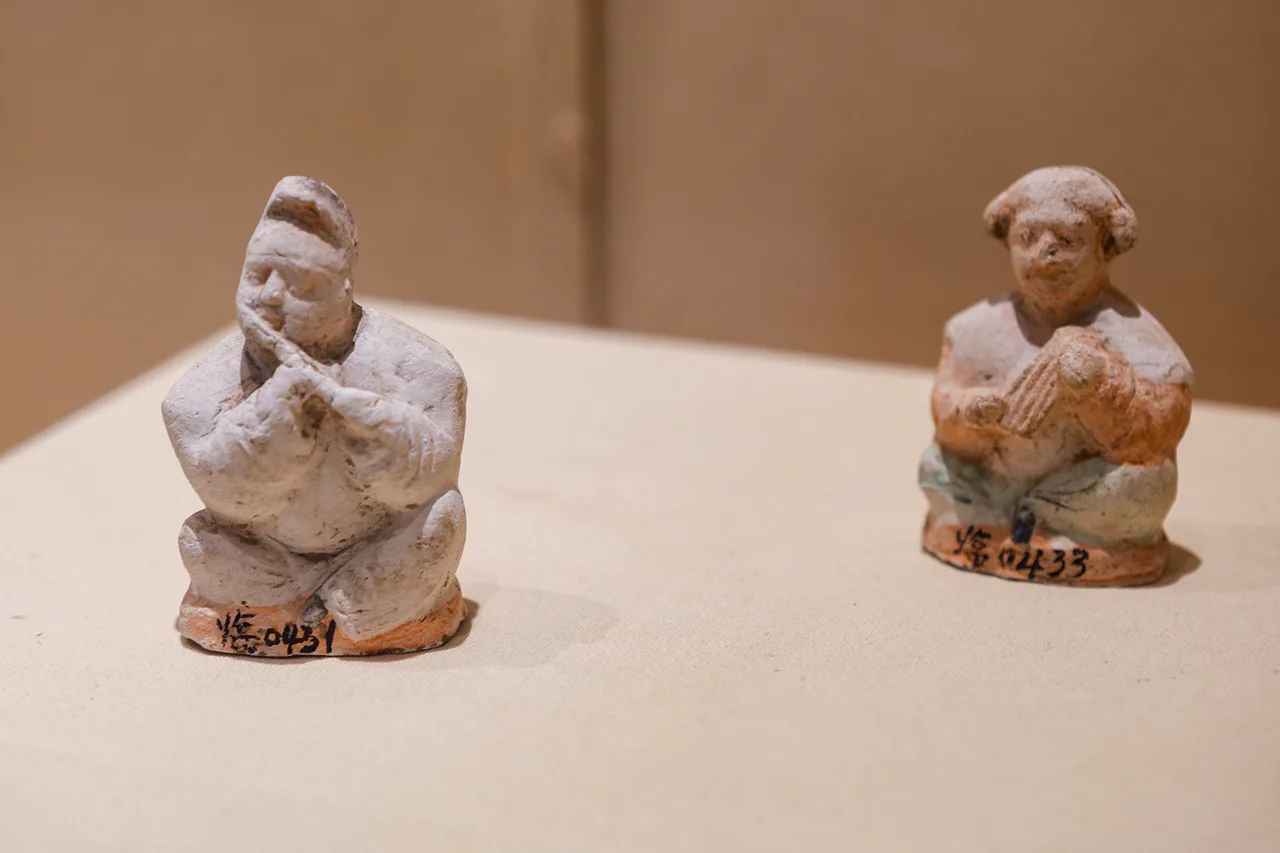
01. Pop-Culture Myth vs. Primary Chronicle
The table below contrasts popular myths with dynastic laws and primary historical sources:
| Myth / Pop-Culture Misconception | Primary Chronicle & Archaeological Reality | How the Myth Evolved |
|---|---|---|
| Linguistic Split Myth: The word ji meant women who sold pure talent without physical touch, while chang meant base street prostitutes. | The Study of Chinese Characters in the Eastern Han Shuowen Jiezi, Vol. 8 ("Radical Ren"), shows chang meant musical play. The Tang Code with Commentary, Vol. 26 ("Miscellaneous Articles"), and the Song Penal Code, Vol. 26, use both words as legal pairs for punished entertainers. | Modern popular fiction: Modern authors made up simple moral splits to sell sweet tales about pure, suffering beauties. |
| Bohemian Salon Myth: Top courtesans in Chang'an wrote poems with scholars and welcomed guests at night only out of real affection. | Sun Qi's Tang book Record of the Northern Quarter shows that overnight stays had clear prices in silk and coins paid to strict foster mothers. | Ming and Qing theater scripts: Men who failed the imperial exams dreamed up sweet romances in teahouses to escape their own sadness. |
| Bureaucratic Exemption Myth: Official courtesans in the Song era served only at state feasts and never suffered any sexual abuse. | Official books like the History of Song, Vol. 429 ("Biography of Zhu Xi"), and Chronological Essentials Since Jianyan, Vol. 156, plus Shen Defu's writings in Wanli yehuo bian, Vol. 24, prove officials slept with bonded women. | Modern romantic historical tales: Modern readers took dry legal rules on paper for real daily life in old China. |
02. Etymology and Legal Codes: The Inverted History of Performers
Online posts often claim that chang was base while ji was clean and artistic. But old dictionaries show the opposite story.
In the Shuowen Jiezi, Vol. 8, from the Eastern Han, scholar Xu Shen put chang under the person radical, meaning court music. In Sima Qian's Records of the Grand Historian, Vol. 126 ("Biographies of the Jesters"), artists who made music, joked, and danced held this name. The word had no dirty sense. During the Northern and Southern Dynasties, great clans kept singers as bonded house servants. The female-radical form arose then, merging with the word for court craft.
[Antiquity through Han Dynasties]
Chang (Person Radical) ─── Court musical and dance performers (focus on talent)
Ji (Household Performers) ─ Bonded female house musicians held by wealthy clans

[Northern Dynasties to Tang and Song]
Chang (Female Radical emerges) ──┐
                                 ├─ Words merge: Imperial laws set "changji"
Ji (Official Entertainer) ───────┘   for state banquets and commercial sex
Under the Tang Code with Commentary, Vol. 26 ("Miscellaneous Articles"), judges in the Court of Judicial Review used both terms in Criminal Statutes for misbehaving officials. Song laws banned magistrates from sleeping with court women, treating both words as marks of the same low base class. The Great Ming Code, Vol. 25 ("Laws on Rites and Penalties"), kept this exact grouping. Scholars in antiquity never built a magic word wall between art and body commerce.
03. Under the Historical Microscope: The Reality of the Entertainment Quarters
Diaries written by Tang and Song scholar-officials reveal how urban red-light wards ran every day.
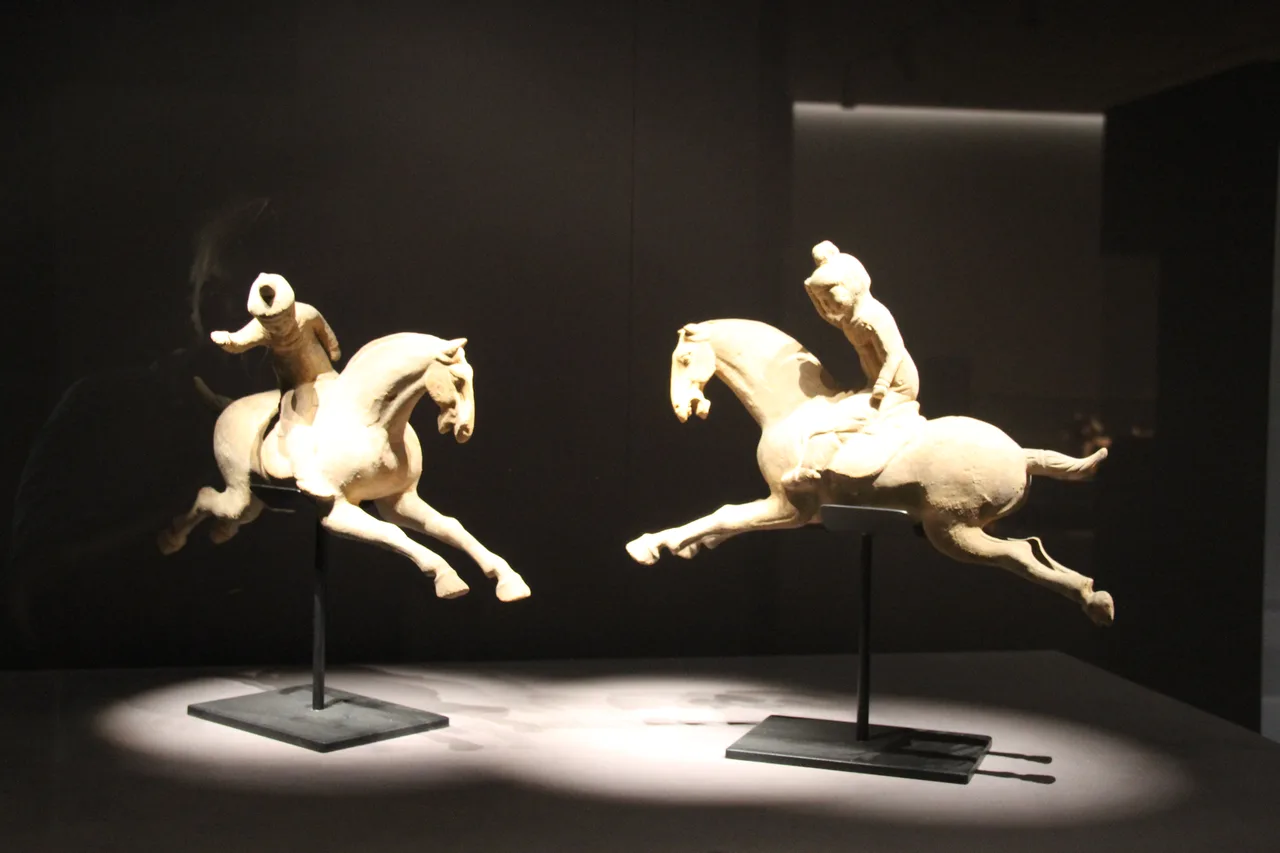
Chancellery Ledgers, Tang Ward Tariffs, and the State Bureaucracy
In the Tang capital of Chang'an, next to the Department of State Affairs, stood the Pingkang Quarter. Sun Qi wrote down its daily habits in his Record of the Northern Quarter:
> "The courtesans live in separate rooms... After feasts, scholars stay for the night with their pick... Every year, foster mothers live off the silk rolls and copper coins earned by these women."
These houses were businesses run by foster mothers with absolute power over the girls. Artistic skill did not set a woman free. Instead, foster mothers used flute playing and verse to charge higher entry fees.
Song institutions grew more formal. Emperor Gaozu of Tang had set up the Inner Music Bureau, which empress Wu Zetian reshuffled. The Song placed these services under the Chamberlain for Ceremonials. Local state offices listed bonded singers on tax books.
Song rules told a prefect not to bed these women, limiting them to serving wine at civic meals. Yet late-Ming scholar Shen Defu wrote about what truly happened in Wanli yehuo bian, Vol. 24:
> "Song court officials had concubines at home, while regional courtesans poured wine for visiting guests. Laws banned bed rest with them, yet many scandals arose. Qin Ruolan lured an envoy, and Censors and Remonstrance Officials prosecuted Tang Zhongyou (Tang Zhongyou) for similar acts."
In 1182, philosopher Zhu Xi, serving as a Grand Master, charged Tang Zhongyou (Tang Zhongyou), the Prefect of Taizhou, with misuse of public coin and sleeping with the courtesan Yan Rui and her associate Yuzhi. Guards took Yan Rui and beat her in prison during court questioning. This famous case in Song Historiography shows how bonded singers were caught in bitter fights between state factions.
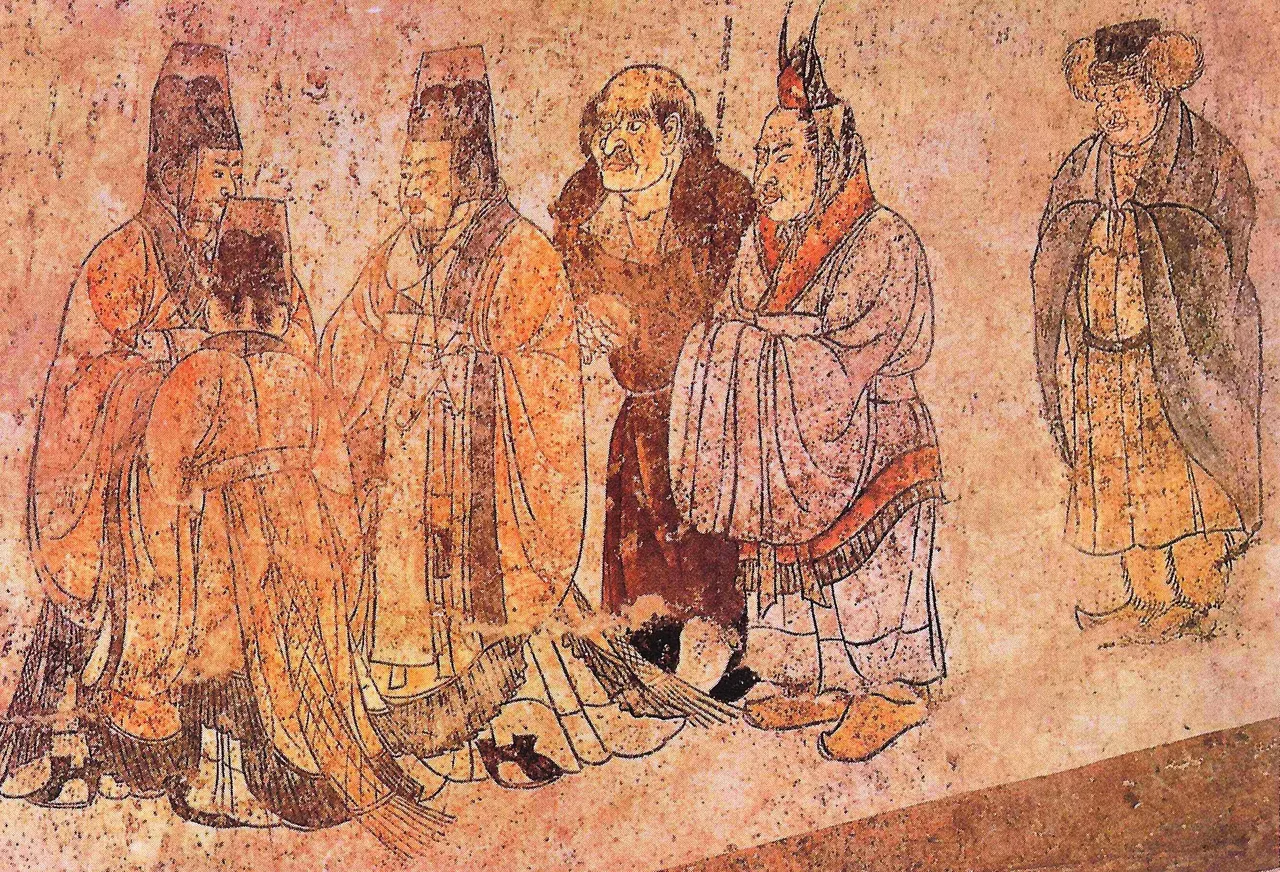
How Later Literati Rewrote Historical Memory
How did the myth of pure, platonic courtesans become so popular?
It started in the Ming dynasty. In 1427, an honest officer urged Emperor Xuanzong of Ming to close official song houses in regional towns. Rich men turned to private home troupes. Later, in the Wanli era, fiction writers like Feng Menglong printed entertaining storybooks.
Scholars who failed imperial exams felt left out of power. They wrote about poor, smart women who shared their grief. Famous stories like "The Tale of Li Wa" painted song girls as noble souls and perfect partners. This artistic gloss hid the cruel money trade and legal slavery beneath the surface.
04. Cross-Civilization Class Dynamics: Talent as an Economic Filter
Ancient pleasure trades set up clear ranks. But these levels grew out of social class and money, not moral virtue.
| Civilization & Period | Upper Tier (Cultural Monopoly) | Lower Tier (Physical Labor) | Gatekeeping Mechanism |
|---|---|---|---|
| Classical Athens | Hetairai<br>Learned speech, ideas, and music; attended male drinking parties | Pornai<br>Worked in cheap port brothels for copper coins | Used witty speech and social charm to win gifts from rich citizens |
| Imperial China (Tang to Ming) | Elite Courtesans / Court Musician Guilds<br>Trained in verse, chess, zither, and tea | Street Performers / Camp Followers<br>Scattered along back alleys and army camps without art skills | Complex tea rules and wine games turned away common men who could not read |
| Edo Japan | Oiran / Tayū<br>Skilled in song, tea ways, and string instruments | Yotaka / Street Performers<br>Walked along river banks and night lanes | Costly multi-step meetings kept out buyers who lacked heavy coin |
In Classical Athens, wives stayed inside the home, away from public life. Foreign-born hetairai learned rhetoric and walked among male thinkers like Socrates. Yet classicists remind us that hetairai still sold their time; their witty talk merely lifted their price above street pornai.
Tang and Song entertainers faced the same world. Young girls sold to bureaus learned poetry, instruments, and manners. These skills set up an economic wall. A rich but crude merchant could be laughed out of the room if he could not match a verse. The women turned him away not from moral freedom, but because elite manners kept their market price high.
Primary Sources & Historical Bibliography
- Official Histories and Dynastic Penal Codes:
- Tang Code with Commentary, Vol. 26 ("Miscellaneous Articles"), chapters on general rules and miscellaneous crimes regarding official consorting.
- History of Song, Vol. 429 ("Biography of Zhu Xi"), detailing the impeachment of Tang Zhongyou (Tang Zhongyou), the Prefect of Taizhou, and Yan Rui; and Vol. 142 ("Treatise on Music").
- Chronological Essentials Since Jianyan, Vol. 156, regarding administrative disciplinary records in the Southern Song.
- Great Ming Code, Vol. 25 ("Laws on Rites and Penalties"), rules on illegal relations and court entertainer bans.
- Primary Memoirs and Historical Miscellanies:
- Sun Qi (Tang), Record of the Northern Quarter, with notes by Quan Zuwang on tariffs in the Pingkang Quarter.
- Meng Yuanlao (Song), The Eastern Capital: A Dream of Splendor, Vol. 2 and Vol. 5, on performance halls and song guilds.
- Shen Defu (Ming), Wanli yehuo bian, Vol. 24, notes on official courtesans and singing women across dynasties.
- Modern Scholarly and Cross-Cultural Research:
- Modern works on Chinese performance guilds and literati culture in Beijing and southern centers.
- Leslie Kurke, Coins, Bodies, Games, and Gold: The Politics of Meaning in Archaic Greece, Chapter 4 (Analysis of Athenian hetairai versus pornai).