TL;DR · Core Takeaways
- *Pre-Qin xing and shi served distinct institutional functions: Xing was an ancient clan marker for marriage rules and ancestral sacrifices. In contrast, shi* was a branch title tied to estates, offices, or towns to show social standing.
- *Pre-Qin ritual code dictated that men used shi while women used xing**: Noble men were called by branch name and personal name (shi + ming*) or noble title. Qin Shi Huang was known in his own era as Zhao Zheng or the King of Qin, never as Ying Zheng.
- *The structure mirrors the Roman tria nomina**: Ancestral xing (Ying) matches the Roman nomen gentilicium (such as Julius). Branch shi (Zhao) matches the cognomen (such as Caesar). Personal name ming (Zheng) matches the praenomen (such as Gaius*).
- Imperial unification dissolved the aristocratic lineage system: The commandery-county system under Qin and state household rolls ended old noble ranks. This caused xing and shi to merge into single family names during the Han Dynasty.
Historical Context Cue
- Chinese Timeline: Mid-Western Zhou Dynasty (Zaofu encoffined with Zhao City, ca. 10th century BCE) through the unification of China under the King of Qin (221 BCE), ending in the Western Han during the Taichu era of Emperor Wu of Han when Sima Qian compiled the Records of the Grand Historian (ca. 104–91 BCE).
- Mediterranean Timeline: Transition from the Roman Kingdom to the Roman Republic (ca. 6th century BCE), through the classic patrician tria nomina system, ending with Emperor Caracalla’s Antonine Constitution (Constitutio Antoniniana, 212 CE).
In video games like Civilization VI, the first emperor of China appears as "Qin Shi Huang (Ying Zheng)." Most modern readers accept this name as plain fact. Yet bronze scripts and the Records of the Grand Historian tell a very different story:
> "The First Emperor of Qin was the son of King Zhuangxiang of Qin. While King Zhuangxiang served as a hostage in Zhao, he favored the consort of Lü Buwei, who gave birth to the First Emperor. Born in Handan in the first month of the forty-eighth year of King Zhaoxiang of Qin, he was named Zheng upon birth, and his clan branch was recorded as Zhao (xing Zhao shi)."
The ruler who united the warring states appears in early annals neither as Qin Zheng nor as Ying Zheng. Sima Qian wrote that his branch name was Zhao. This choice was not a mistake. It shows how later generations, used to single family names, forgot the dual naming system of ancient noble clans.
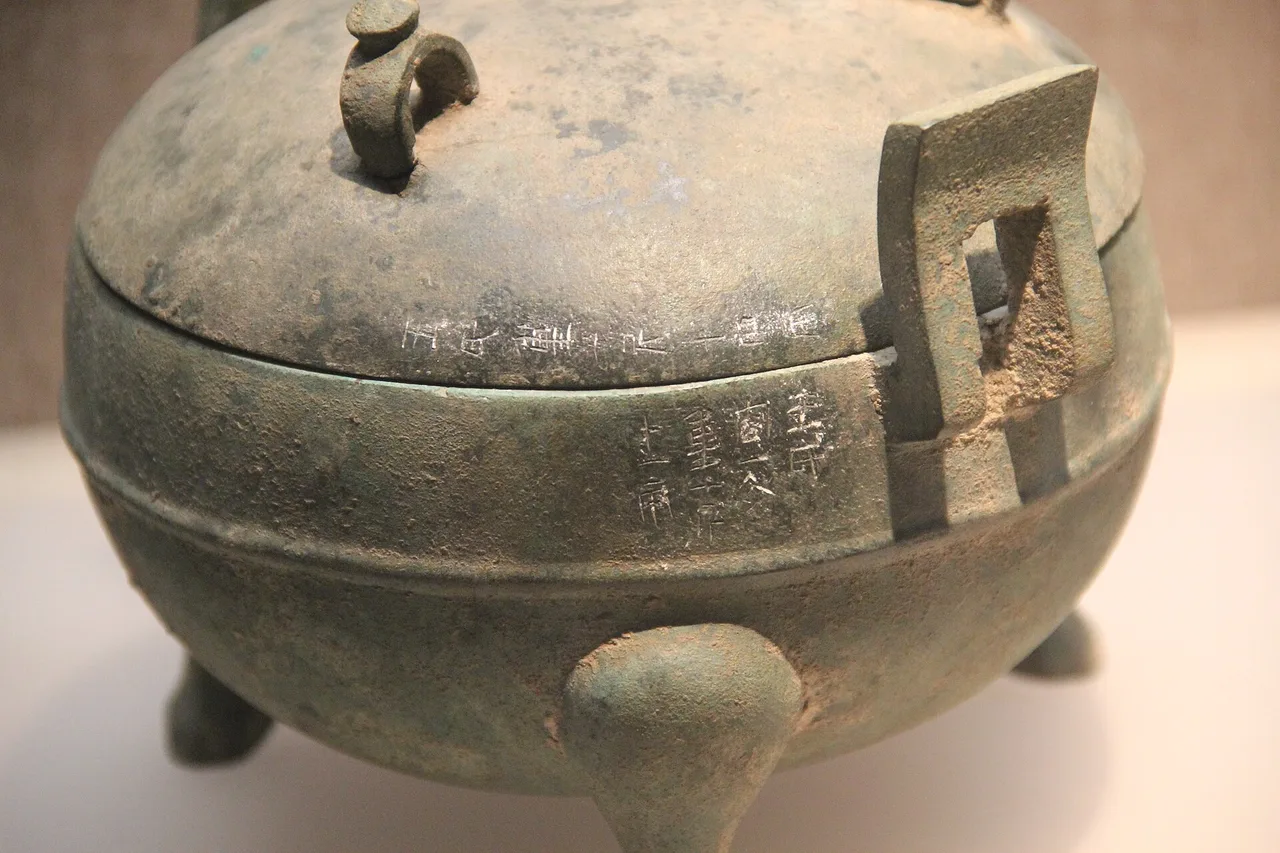
01. Myth vs. Primary Chronicle: How the First Emperor's Name Evolved
Across two thousand years, popular memory replaced the historical Zhao Zheng with the modern label Ying Zheng.
| Myth vs. Misconception | Primary Chronicle & Archaeology | How the Myth Evolved |
|---|---|---|
| Myth 1: Qin Shi Huang was called Ying Zheng from youth, and all royal men of Qin used Ying in daily life. | The Records of the Grand Historian states: "branch clan was Zhao (shi Zhao), personal name was Zheng." Bamboo slips from the era show no case where a Qin prince was called Ying Zheng. | Han to Song Dynasties: Noble houses faded under imperial rule. After the Song text Hundred Family Surnames spread, popular writers joined distant clan tags with given names. |
| Myth 2: Sima Qian called him Zhao because of his mother Zhao Ji or his birth in Handan, marking him with early shame. | The "Basic Annals of Qin" notes that ancestor Zaofu received the town of Zhao centuries earlier. Both Qin and Zhao rulers shared this same branch name. | Ming and Qing Storytelling: Folktales about Lü Buwei made urban writers believe that maternal roots or birth cities set his clan tag. |
| Myth 3: The Qin royal line needed the surname Qin, just as Liu led Han and Li led Tang, making Zhao an insult. | Pre-Qin state names were realms, not family names. Rulers used titles like "King of Qin, Zheng," rather than modern household surnames. | Genealogical Registers: Later family genealogies copied imperial houses, confusing state names with ancient branch tags. |
The Historical Core: Heirs of the Zhao Fief
Why did Sima Qian place the First Emperor in the Zhao branch? The answer lies in the land grants of the Western Zhou Dynasty.
According to the "Basic Annals of Qin," ancestor Boyi received the clan name (xing) Ying from Emperor Shun. Generations later, under King Mu of Zhou, his heir Zaofu served as a master royal charioteer. When King Xu of Yan rebelled, Zaofu drove King Mu across great distances to put down the revolt. In return, King Mu granted Zaofu the estate of Zhao City (modern Hongdong, Shanxi).
Under the Rites of Zhou, a new estate founded a cadet branch. This branch took the town name as its lineage branch name (shi).
Zaofu's line soon split into two major branches:
- The Central Plains Branch: Heirs who served as ministers in Jin, gained power, and later built the State of Zhao.
- The Western Frontier Branch: Zaofu’s grandnephew Feizi raised fine horses for King Xiao of Zhou. In reward, King Xiao gave him land at Qin (modern Tianshui, Gansu) to guard the border against Rong nomads.
Feizi ruled the soil of Qin, but his clan branch remained unchanged. His line stayed part of the house founded by Zaofu and kept the branch name (shi) Zhao through Hereditary Succession. For a prince of Qin in the Warring States period, the full name formula was clear: clan (xing) Ying, branch (shi) Zhao, and personal name (ming) Zheng.
How Storytellers Reshaped the Name
If ancient nobles knew this rule, why did Zhao Zheng fade away while Ying Zheng became common?
This shift came from changes in statecraft and popular stories. When Sima Qian wrote the Records of the Grand Historian under Emperor Wu of Han, memories of the old ways remained. His phrase "clan branch was Zhao (xing Zhao shi)" was an early Han effort to explain dual names to readers who lived with single surnames.
During the Tang Dynasty and Song Dynasty, exams replaced hereditary noble power. Clan ties turned into single family names. When Song and Yuanming theater troupes staged plays about Qin, audiences no longer knew that different royal houses shared old clan roots. Calling the Qin king Zhao Zheng made crowds think he came from the enemy state of Zhao. To avoid confusion, actors and storytellers stopped using Zhao.
By the Ming and Qing eras, popular novels like the Chronicles of the Eastern Zhou States fixed this habit. Authors needed clear names, so they joined the old clan name Ying to the given name Zheng. Modern school books kept this term in the twentieth century, making Ying Zheng standard today.

Terracotta Army infantry in Pit 1. These conscript formations reflect the replacement of aristocratic retinues by centralized bureaucratic militaries (Source: Wikimedia Commons, photo by Jmhullot, CC BY 3.0).
02. The Pre-Qin Dual System and the Roman Tria Nomina
The Southern Song historian Zheng Qiao described the old naming rules in his Comprehensive Treatises:
> "Before the Three Dynasties, xing and shi were two separate systems. Men were called by their shi, and women by their xing. The shi set apart the noble from the base. The noble held a shi, while commoners had personal names but no shi... The xing ruled marriage ties. People with the same shi but different xing could marry. Those with the same xing could never wed."
In pre-Qin life, xing and shi had two different jobs:
- *Ancestral Clan (Xing) as a Marriage Boundary: The word contains roots for "woman" and "birth," showing early kinship ties. Zhou rules barred marriage between people with the same xing*. This rule stopped birth defects and built royal ties between great houses, such as between the Ji clan of Zhou and the Jiang clan of the Duke of Qi. When an Imperial Princess wed, her formal title bore her clan name, like Lady Ying of Qin.
- *Lineage Branch (Shi) as a Title of Office and Land: As elite families grew, cadet branches formed. Nobles named these branches after lands, court posts like Military Adjutant (sima) or Minister of Education (situ*), or ancestral titles. Commoners had no branch name. Noble men carried branch titles that marked their fiefs and rank, often directly shaping their military administration and local rule over each Marquisate.
Court manners required men to use their branch name and given name (shi + ming) or royal title:
- The reformer Shang Yang was born in Wey, held the Ji clan name, carried the branch name Gongsun Yang, and had the personal name Yang. As a Grand Councilor, nobles called him Wei Yang or Gongsun Yang. After winning lands in Shang, he became Shang Yang, while his kin served as Duke of Wei. No one called him Ji Yang.
- In Chu, where the ruler was a Prince of Chu, poet Qu Yuan belonged to the Mi clan, carried the Qu branch, and was named Ping. People called him Qu Ping, never Mi Ping.
- The ruler of Qin was called Zhao Zheng or King of Qin. Calling him Ying Zheng in court would have broken manners by using a wedding tag meant for noble women.
Cross-Cultural Mirror: Pre-Qin Nobility and Roman Patricians
This method for tracking blood, rank, and personal identity was also used in the Mediterranean. Patrician families in the Roman Republic followed the same design: the tria nomina.
The name Gaius Julius Caesar shows how these parts align:
- *Personal Name (Praenomen): "Gaius" was a personal name chosen from a small list. It matched the pre-Qin personal name (ming*), such as Zheng.
- *Clan Name (Nomen Gentilicium): "Julius" named the wide patrician clan (gens), which shared rites and blood ties. It matched the pre-Qin ancestral clan (xing*), such as Ying.
- *Family Branch Name (Cognomen): "Caesar" began as a personal nickname before turning into a branch title within the Julian clan. It matched the pre-Qin branch name (shi*), such as Zhao.
| Structural Dimension | Pre-Qin Aristocratic System | Roman Patrician Tria Nomina | Institutional Function |
|---|---|---|---|
| Broad Ancestral Marker | Xing (e.g., Ying, Ji, Jiang, Mi) | Nomen (e.g., Julius, Cornelius) | Designates Ancestral Kinship: Sets marriage bounds and governs family rites. |
| Political Branch Marker | Shi (e.g., Zhao, Qin, Qu, Gongsun) | Cognomen (e.g., Caesar, Scipio) | Designates Political Rank: Separates cadet branches through lands, offices, or deeds. |
| Personal Identifier | Ming (e.g., Zheng, Ping, Yang) | Praenomen (e.g., Gaius, Publius) | Distinguishes Individuals: Used at home and in public lists. |
| Representative Figure | Ying (xing) Zhao (shi) Zheng (ming) | Gaius (praenomen) Julius (nomen) Caesar (cognomen) | Places a person by clan, branch, and given name. |
Just as pre-Qin nobles used branch titles in daily politics, Roman leaders used their cognomen. Roman senators used names like Caesar or Scipio in speeches, just as Warring States princes signed treaties under branch names.
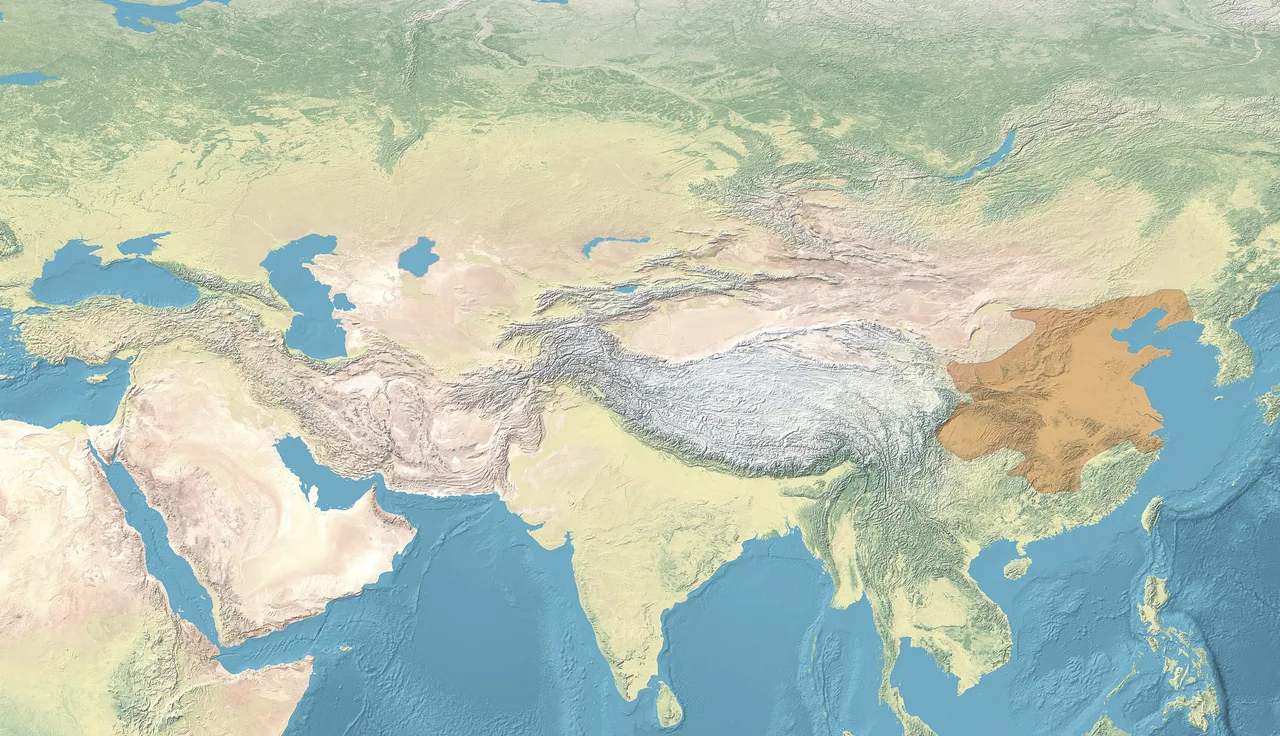
03. Imperial Bureaucracy and the Levelling of Elite Names
The imperial state built by Qin Shi Huang broke the old dual naming system.
After uniting China in 221 BCE, Qin Shi Huang stopped giving fiefs to princes, effectively abolishing every regional Marquisate. Following Li Si, who served as Grand Councilor, he set up thirty-six commanderies run by court officials. This commandery-county system stopped the rise of new noble branches based on land grants.
To collect taxes and draft soldiers, the state used the family rolls created under Shang Yang's Reforms, centralizing military administration under imperial magistrates. Imperial laws made all subjects register on local rolls, as seen in wood slips found at Liye. This system leveled old distinctions:
- Nobles Lost Rank: Conquered royal lines were moved to Xianyang, Lintao, or Nanyang. Without lands, branch names lost power and became simple family names.
- Surnames for Commoners: Millions of farmers and workers who had only given names took surnames from trades, old offices, or towns.
By the Western Han era, Liu Bang, an ordinary village chief, took the throne alongside soldiers and craftsmen. Old branch titles no longer showed high rank. When Sima Qian noted that the First Emperor's branch was Zhao, xing and shi had joined into modern single surnames.
A similar change took place in Rome. In 212 CE, Emperor Caracalla passed the Antonine Constitution, granting Roman citizenship to all free men across the provinces. Millions of new citizens took Caracalla's clan name, Aurelius, on tax rolls.
This wide grant flattened the patrician tria nomina. Names like Julius and Aurelius became common labels held by ordinary citizens. By late Roman times, the three-part name faded into single given names paired with home towns.
Both the tax rolls of China and Roman citizenship grew central power at the cost of noble birth. Sima Qian's record that Qin Shi Huang was "named Zheng, with clan branch Zhao" captures a key turn in world history: the moment an old kinship order gave way to a centralized state.
Primary Sources & Historical Bibliography
- Primary Chronicles:
- Sima Qian. Records of the Grand Historian (Shiji). Vol. 6, "Basic Annals of the First Emperor of Qin." Annotated by Pei Yin, Sima Zhen, and Zhang Shoujie. Beijing: Zhonghua Book Company, 1959.
- Sima Qian. Records of the Grand Historian (Shiji). Vol. 5, "Basic Annals of Qin." Beijing: Zhonghua Book Company, 1959.
- Sima Qian. Records of the Grand Historian (Shiji). Vol. 43, "Hereditary House of Zhao." Beijing: Zhonghua Book Company, 1959.
- Institutional and Kinship Studies:
- Zheng Qiao. Comprehensive Treatises (Tongzhi). Treatises 25–30, "Treatise on Lineages and Clans." Collated by Wang Shumin. Beijing: Zhonghua Book Company, 1995.
- Gu Jiegang and Liu Qiyu. Studies in Ancient History: An Examination of the Pre-Qin Surname System. Beijing: Zhonghua Book Company, 2011.
- Qian Mu. "The Pre-Qin Lineage System and the Transition to Qin-Han Commanderies." In History of the Qin and Han Dynasties. Beijing: Commercial Press, 2001.
- Comparative Classical Sources:
- Salway, Benet. "What's in a Name? A Survey of Roman Onomastic Practice from c. 700 B.C. to A.D. 700." Journal of Roman Studies 84 (1994): 124–145.
- Rawson, Beryl, ed. The Family in Ancient Rome: New Perspectives. Ithaca: Cornell University Press, 1986.