TL;DR · Core Takeaways
- The Chief Minister of the Court of Judicial Review was never an armed detective. In Ming and Qing times, this court had no runners, ran no manhunts, and kept no jail cells. Its officers sat at desks like legal auditors. They caught wrong laws and bad facts in case files.
- Parallel bureaus were not wasteful red tape. The crown split work among the Ministry of Justice, the Court of Judicial Review, and the Censorate. This division kept courtroom trials, legal reviews, and ethics checks apart to stop abuses.
- Common cases moved along a paper chain, while major crises brought joint hearings. Death penalty cases traveled step by step from a local official to capital clerks. All Three Offices held joint sessions only when the emperor ordered them or when deep doubt arose.
Historical Context at a Glance
- Chinese Timeline: From the Sui and Tang event.san-sheng-liu-bu-zhi-que-li baseline to Ming and Qing times, legal power shifted into three paths. The Ministry of Justice ran trials and gave sentences. The Court of Judicial Review checked written laws and papers. The Censorate watched trial steps and reported bad acts.
- Western / Mediterranean Timeline: This shift matched late medieval English circuit courts with twelve-person juries, through early modern Europe writing down the formal Inquisitorial System with special inquiry judges.
In grand strategy games, old Chinese rule often looks like an all-powerful, top-heavy empire with unchecked central power. Western popular history often repeats this picture. It shows imperial justice as an angry judge slamming a wooden block to order instant death.
Detective fiction and modern crime films spread this tale even further. They show the Vice Minister of the Court of Judicial Review in silk robes, drawing a steel blade to hunt killers in dark alleys. Real Ming and Qing court statutes and administrative records tell a different story. The Ministry of Justice, the Court of Judicial Review, and the Censorate built a careful system of paper checks outside the Forbidden City.
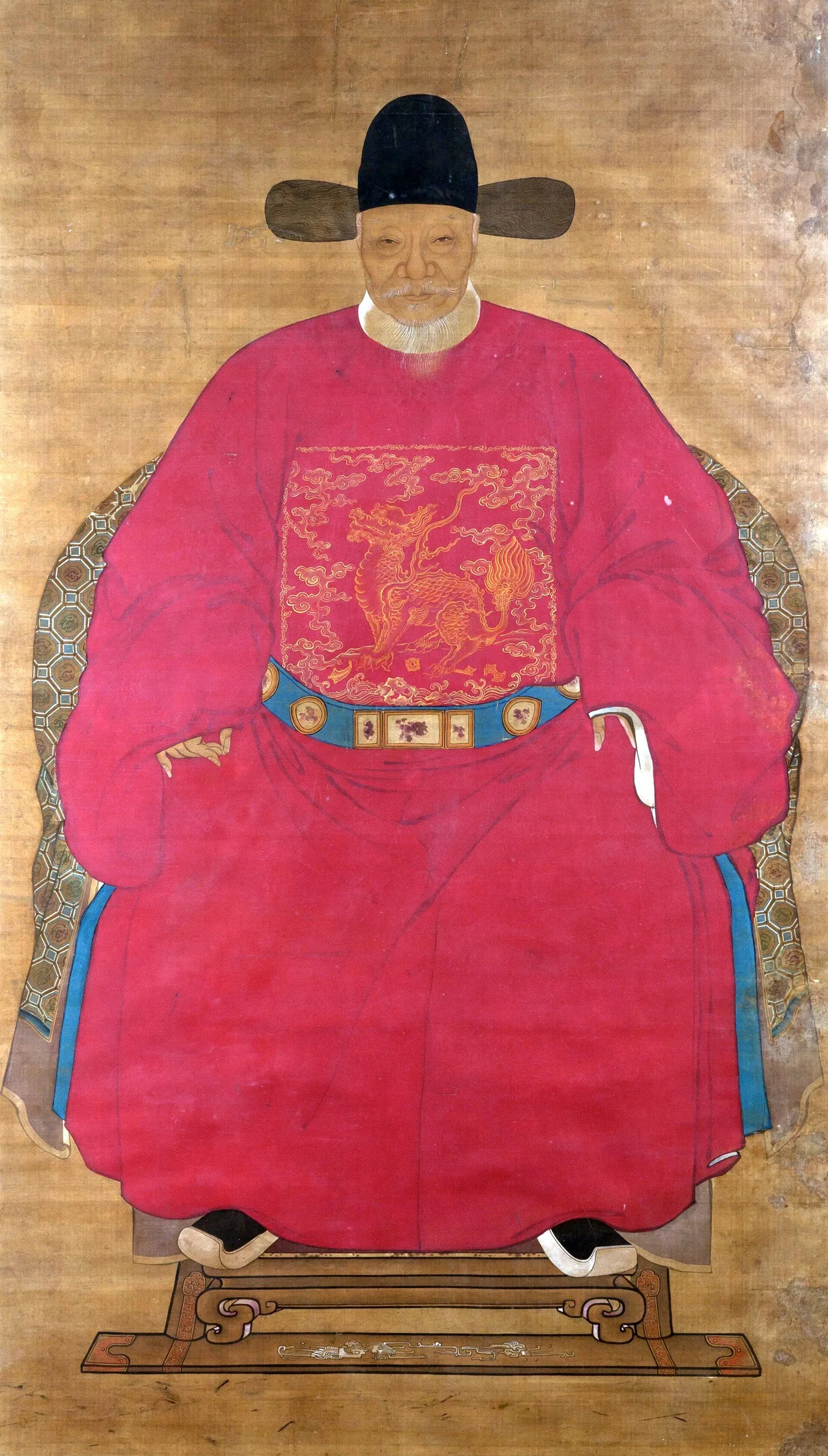
01. Myth vs. Primary Chronicle vs. How the Myth Evolved
Comparing imperial laws with popular stories shows how spoken tales turned quiet desk clerks into daring stage heroes:
| Myth / Pop Culture Misconception | Earliest Primary Records & Administrative Chronicles | Evolutionary Roots & Historiographical Drivers |
|---|---|---|
| Myth 1: The Court of Judicial Review worked as an armed spy agency with guards and torture rooms. | Six Statues of the Tang (Vol. 6) and History of Ming ("Treatise on Officials II"): The Court of Judicial Review checked verdicts and verified written laws, holding no constabulary force or municipal watchmen. Ming statutes barred it from making arrests, limiting its work to sending flawed cases back to the Ministry of Justice. | Late imperial courtroom fiction and modern films mixed early Tang lockups, Song court practices, and secret raids of the Embroidered Uniform Guard into armed, crime-solving judges for quick drama. |
| Myth 2: Local magistrates and capital ministers executed criminals at will without imperial sign-off. | Book of Han ("Treatise on Penal Law"); Tang Code with Commentary (Vol. 2, "General Principles"): A death verdict drafted under the Ministry of Justice had no legal force without imperial approval; Great Qing Code: Every capital sentence required group review during the Autumn Assizes and personal imperial review. | Folk theatre and city storytellers cut away slow paper reviews, replacing multi-tiered appeals with instant, satisfying onstage executions by bold judges. |
| Myth 3: The Three Offices were redundant police bureaus fighting over identical local crimes. | Old Book of Tang ("Treatise on Officials III"); Collected Statutes of the Ming ("Ministry of Justice"): The Ministry took criminal cases, the Censorate watched official ethics, and the Court checked statutory wording; their separation clarified following the Yuanfeng Bureaucratic Restructuring. | Modern writers tried to force modern legal models onto ancient ministries, mistaking structured paper checks for useless clutter. |
02. Trial, Audit, and Oversight: The Three Judicial Offices in Action
Under Ming and Qing law, central judicial power stayed apart. It never sat inside one bureau. Three separate bodies shared the daily work.
The Institutional Reality: An Assembly Line of Internal Review
Ming statutes were compiled under Grand Secretary Li Dongyang, who was styled Zhongli. Along with Qing laws, they gave each office a clear job:
- The Ministry of Justice (Trial and Custodial Authority): The Ministry was the main trial body in the event.san-sheng-liu-bu-zhi-que-li. It handled big capital cases and special crown orders. It also heard appeals on hard labor, exile, and death. These appeals came up from the Provincial Administration Commissioner and provincial judges. The Ministry ran the central cells through its Warder office. Only this office had the right to jail suspects, permit instruments of torture, keep prisoners, and draft sentences.
- The Court of Judicial Review (Statutory Verification and Review): In early times, the Chamberlain for Law Enforcement acted as a head judge. That ancient title linked to judicial administration, and it stood apart from the southwestern kingdom of dynasty.cbb06296f59569e8. By Ming and Qing times, new rules took away its trial and arrest rights. Staff under the Chief Minister of the Court of Judicial Review carried no weapons. They led no runners. Instead, they read case drafts from the Ministry of Justice. They checked each file against the Great Ming Code or the Great Qing Code. They looked for bad laws, missing facts, or forced confessions. When they found errors, they sent back a written notice. This notice returned the entire file to the Ministry for a new trial.
- The Censorate (Procedural Compliance and Impeachment): The Left Censor-in-chief led the Censorate. This office sent an Investigating Censor to each imperial circuit. These censors watched administrative discipline and checked court rules during big trials. An Investigating Censor watched the bench whenever the Three Offices met or the Ministry held seasonal reviews. This step stopped clerks from faking files or hurting suspects past legal limits. The censor checked the court record and signed the brief. If censors saw bribes in either ministry, they sent a secret report straight to the throne.
How Urban Storytellers and Dramatic Plays Reshaped Institutional Memory
These offices changed across long years of institutional history. In the early Tang dynasty, Zhangsun Wuji and fellow scholars wrote the Tang Code with Commentary. Back then, the Court of Judicial Review still kept holding cells. It heard capital crimes as a court of first instance. The Minister of Justice handled second-tier appeals.
Legal work shifted back and forth across the Northern Song and the Southern Song (Southern Song). Changes began with early Northern Song legal compiler Dou Yi. Later, Emperor Shenzong led the Yuanfeng Bureaucratic Restructuring. Local methods grew along with central laws. Forensic pioneer Song Ci served in places like Gong'an. He wrote the Collected Cases of Injustice Rectified while working as Judicial Inspection Commissioner. His book set clear physical checks for death inquests. Later eras kept balancing court duties. Palace ranks like the Directress of Fabrication ran Inner Court craft goods. Meanwhile, civil magistrates ran public trials.
By Ming and Qing times, rulers changed this process so senior judges could not form private cliques. The crown gave jail cells and trial inquiries strictly to the Ministry of Justice. It turned the Court of Judicial Review into a paper review bureau.
Street storytellers and theater troupes cared little about dry paperwork. Crowds loved bold judges from Yuanming verse, Yuan drama, and Ming mystery tales. These stage heroes carried imperial swords, cracked crime rings, and killed villains right away. Storytellers blended the old Tang court title with the muscle of the Embroidered Uniform Guard. They added the reach of traveling censors and the jail cells of the Ministry of Justice. This mix created the all-powerful judge of popular fiction. It hid the true paper records kept inside the Grand Secretariat.
03. The Boundaries of Procedural Balance: From the Autumn Assizes to Autocratic Imperial Rule
In quiet years, paper checks among the Three Offices worked with great care during capital reviews. This careful system showed up in Ming morning hearings and Qing Autumn Assizes.
Every autumn, high leaders met outside the palace gates. They included the Minister of Justice, the Left Censor-in-chief, and the Chief Minister of the Court of Judicial Review. They sat with the Grand Secretary and heads of the Six Ministries. Together, they checked thousands of delayed death penalty files sent up by provincial courts.
[Capital Case Multi-Tier Review Workflow]
Provincial Administration Commissioners / Surveillance Vice Commissioners
       │
       ▼
Ministry of Justice regional bureaus review facts and draft sentences
       │
       ▼
Court of Judicial Review verifies statutory articles (Approve or Remand)
       │
       ▼
Investigating Censors audit courtroom protocol and inspect prisoners
       │
       ┌───────────┴───────────┐
       ▼                       ▼
[Routine Offenses: Autumn Assizes]   [Capital Treason: Joint Hearing]
Categorized: Proven / Deferred /    Three Offices leaders convene
Compassionate / Family Support      joint bench to examine suspects
       │                       │
       └───────────┬───────────┘
                   ▼
Imperial Brush Execution Order (Absolute Sovereign Prerogative)
The Autumn Assizes served as a firm legal filter. The joint board split capital cases into four groups. The first group was "Factual and Severe" for brutal crimes marked for death. The second was "Deferred Sentence" for doubtful files kept for next year. These delays often led to lighter penalties. The third was "Compassionate Circumstances" for convicts who met leniency rules. The fourth was "Family Support Care" for only sons who cared for aged parents.
The Ministry had to act if the Court of Judicial Review or an Investigating Censor doubted a "Factual and Severe" finding. Staff had to re-read the file and defend their choice. That step often moved the convict into the deferred pool. This long review chain stopped many false verdicts made by a biased local official.
Late imperial China built a network of civil checks and balances. Early modern European courts used examining judges in the Inquisitorial System. Those judges checked evidence behind closed doors. Meanwhile, common law courts relied on community juries. Imperial China met legal risks by lengthening the paper path. It set rival ministries against one another.
Yet this system had a major limit: its checks worked only inside standard administrative channels. Whenever the emperor began a personal purge, legal rules broke down. In the Ming era, the Eastern Depot and the Embroidered Uniform Guard ran secret torture cells. They bypassed normal courts entirely. In the Qing era, literary inquisitions and personal imperial orders pushed ministers to punish suspects with haste. The Three Offices caught errors made by a local official. Still, they could never stop the absolute will of the emperor.
Primary Sources & Historical Bibliography
- Tang Code with Commentary, Vol. 1 & Vol. 2 (Comp. Zhangsun Wuji et al., 653 CE): Outlines early statutory balances between appellate remands and ministerial review in the Tang penal apparatus.
- History of the Song, "Treatise on Officials III" (Vols. 163 & 168) (Comp. Toqto'a et al., 1345 CE): Documents the structural realignment of the Ministry of Justice bureaus and judicial auditing agencies during the Yuanfeng institutional reform.
- History of Ming, "Treatise on Officials II" and Collected Statutes of the Ming, Vol. 159 ("Ministry of Justice") (Comp. Li Dongyang et al., 1509 CE): Details the jurisdictional boundary lines between the Ministry of Justice, the Court of Judicial Review, and the Censorate.
- Draft History of Qing, "Treatise on Penal Law": Details procedural rubrics governing the Autumn Assizes, including standard documentation required for capital appeals.
- *Huang Chang-chien, Collected Ming Statutes and Sub-statutes: The Evolution of the Great Ming Code and Criminal Justice Practice (1979)*: Analyzes jurisdictional conflicts between regular civil courts and emergency throne-ordered tribunals.