TL;DR · Core Takeaways
- Folklore credited the blank stone to royal pride. This story grew centuries later in the Ming and Qing eras. Yet ancient rules did not let dead rulers write their own epitaphs. Instead, the new court had to write the text.
- Emperor Zhongzong of Tang faced a harsh deadlock. Praising her rule hurt the legitimacy of the restored dynasty. Blaming her as a usurper broke basic filial duties. Wiping out her fifteen-year rule would destroy official court records.
- Setting up a blank stone created a needed truce. The monolith satisfied all tomb rites. Leaving the stone bare kept fierce factional conflict from turning into open war during an age of coups.
> Historical Context Coordinates
> - Chinese Historical Timeline: In 705 CE, the Shenlong Coup ended Wu Zhou rule. It restored the Tang Dynasty and returned Emperor Zhongzong of Tang to power. In 706 CE, officials buried Wu Zetian with Emperor Gaozong of Tang at Qianling Mausoleum. This burial took place amid swift shifts of palace authority before the Kaiyuan-era prosperity.
> - Western & Mediterranean World: In the Byzantine Empire, Justinian II retook his crown by force. At the same time, Umayyad Caliph Abd al-Malik reformed imperial coins. He also made Arabic the main official tongue of his realm.
Popular tales often show Wu Zetian (Wu Zetian) as a proud ruler. Guides at Qianling Mausoleum in Shaanxi still repeat a famous story by her huge stone. The monument stands 7.53 meters tall and weighs nearly one hundred metric tons. Legend claims she said: "My deeds are too great for stone. Carve no words. Let future ages judge my life."
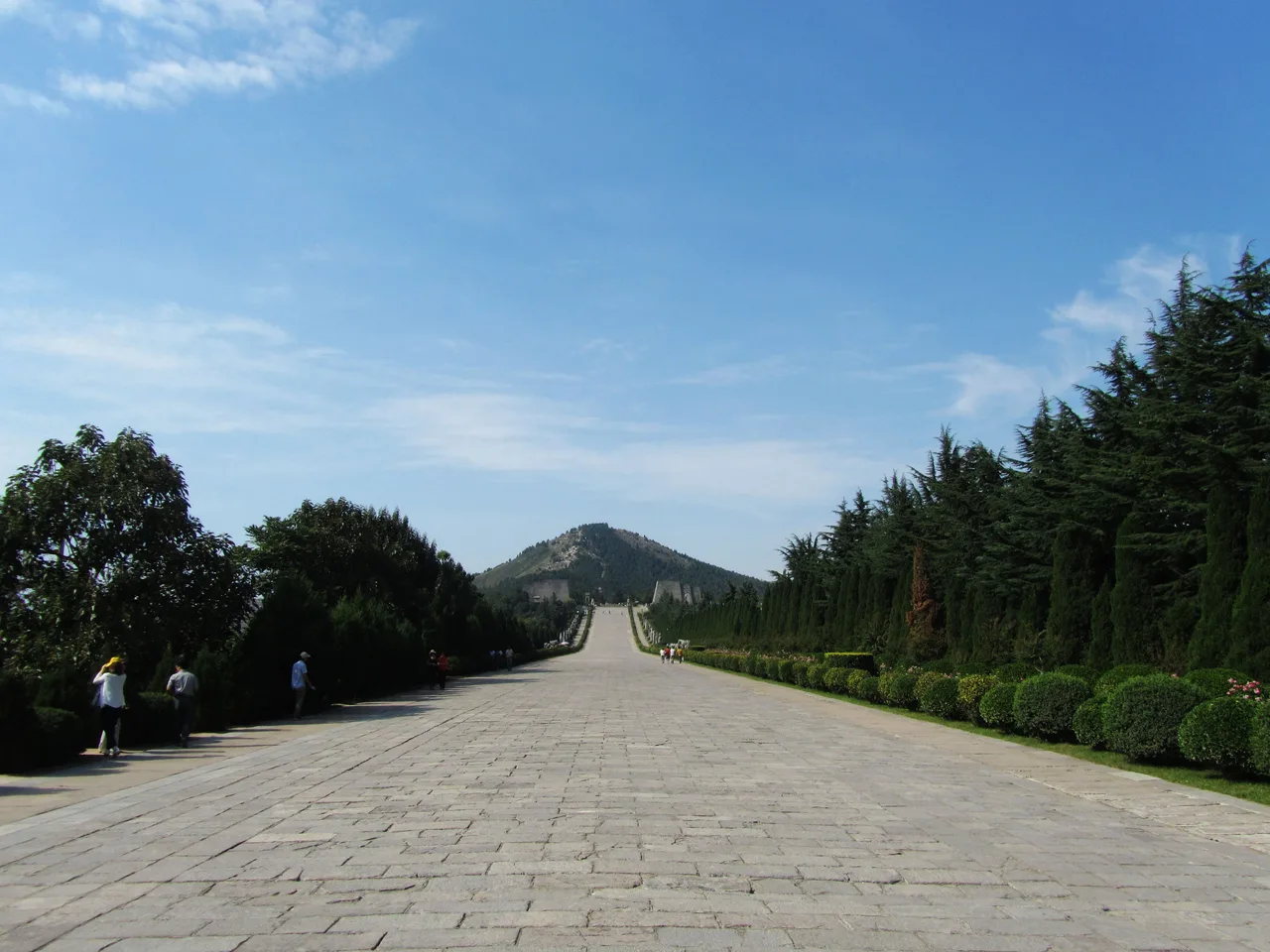
Ming and Qing writers turned this tale into a symbol of bold confidence. But institutional history shows that the romantic myth is false. Under ancient funerary rites, rulers never evaluated their own reigns on stone. That duty fell to the heir and the sitting court.
To see why the stone stayed blank, we must look at facts. We must study the harsh succession crisis that froze Luoyang and Chang'an in late 705 CE.
01. Myth vs. Primary Chronicle: How the Legend Evolved
The shift from a court deadlock into a romantic myth followed clear stages over time:
| Popular Myth / Trope | Earliest Historical & Archaeological Record | Historical Context & Motive for the Shift |
|---|---|---|
| "Achievements Beyond Words": Wu Zetian thought her deeds were too vast for text, so she ordered an empty stone. | **Old Book of Tang, "Basic Annals of Empress Zetian"**: Her final edict dropped the title of Emperor. She asked for burial as an Empress Consort beside Gaozong. No court record orders a blank stone. Later surveys show the stone stayed blank by circumstance. | Mid-Ming to Qing Popular Literati Notes: Playwrights and storytellers turned court tension into personal drama to charm urban readers. |
| "Guilt and Remorse": Grief over killing Li family royals made her ban words of praise. | **Institutional History of Tang, "Discussions on Imperial Mausoleums"**: In May 706 CE, Emperor Zhongzong of Tang denied court petitions against joint burial. He stated that filial duty required him to follow his mother's last wish. | Song Dynasty Neo-Confucian Orthodoxy: Historians Ouyang Xiu and Sima Guang judged female rule harshly. Later writers took the stone's silence as a sign of inner guilt. |
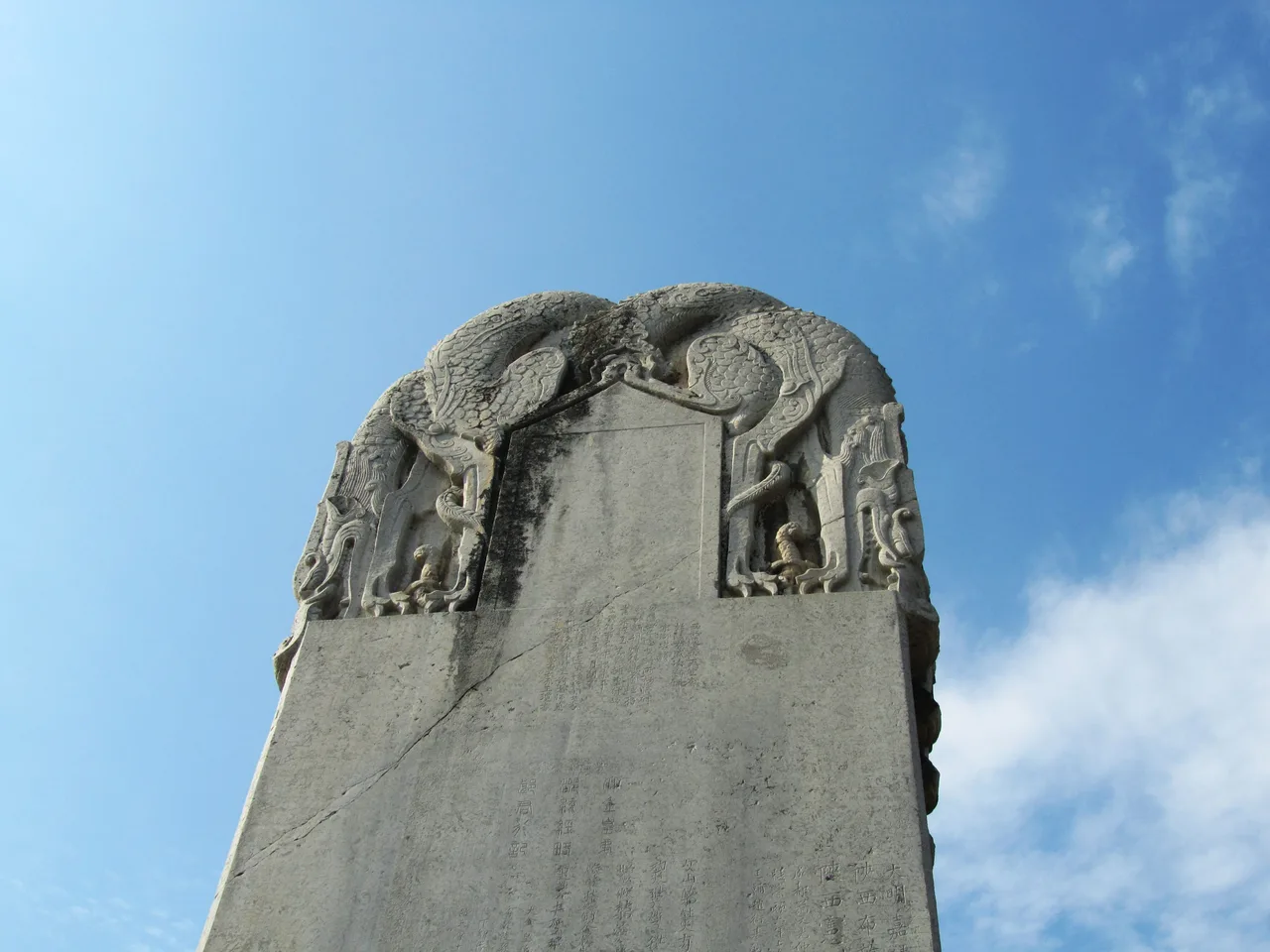
| "Blank Slate for Posterity": Modern media praise the blank stone as an open call for later ages to judge her. | Antiquarian scholarship & Field Surveys: The top shows eight carved dragons. The base shows horses and lions. The smooth face still bears light grid lines. These lines prove stonecutters planned for an imperial text that never came. | Late 20th-Century Tourism and Media: Ads and pop culture projected modern ideas of freedom onto ancient court burial rites. |
02. The Ritual Precipice: Emperor Zhongzong's Threefold Deadlock
In January 705 CE, palace guards stormed the Yingxian Courtyard in Luoyang. Officials Zhang Jianzhi and Cui Xuanwei led troops into the palace. They killed favored courtiers, surrounded the sick female ruler, and forced her to step down. This move restored the Tang Dynasty. Eleven months later, the deposed ruler died in Shangyang Palace.
Before her death, the sovereign of the fifteen-year Wu Zhou realm made a clever move. She gave up the rank of Emperor. Instead, she asked for the title of Empress Consort Zetian Dasheng. This allowed her burial beside Emperor Gaozong of Tang. Her choice left her heir, Emperor Zhongzong of Tang, facing three impossible paths.
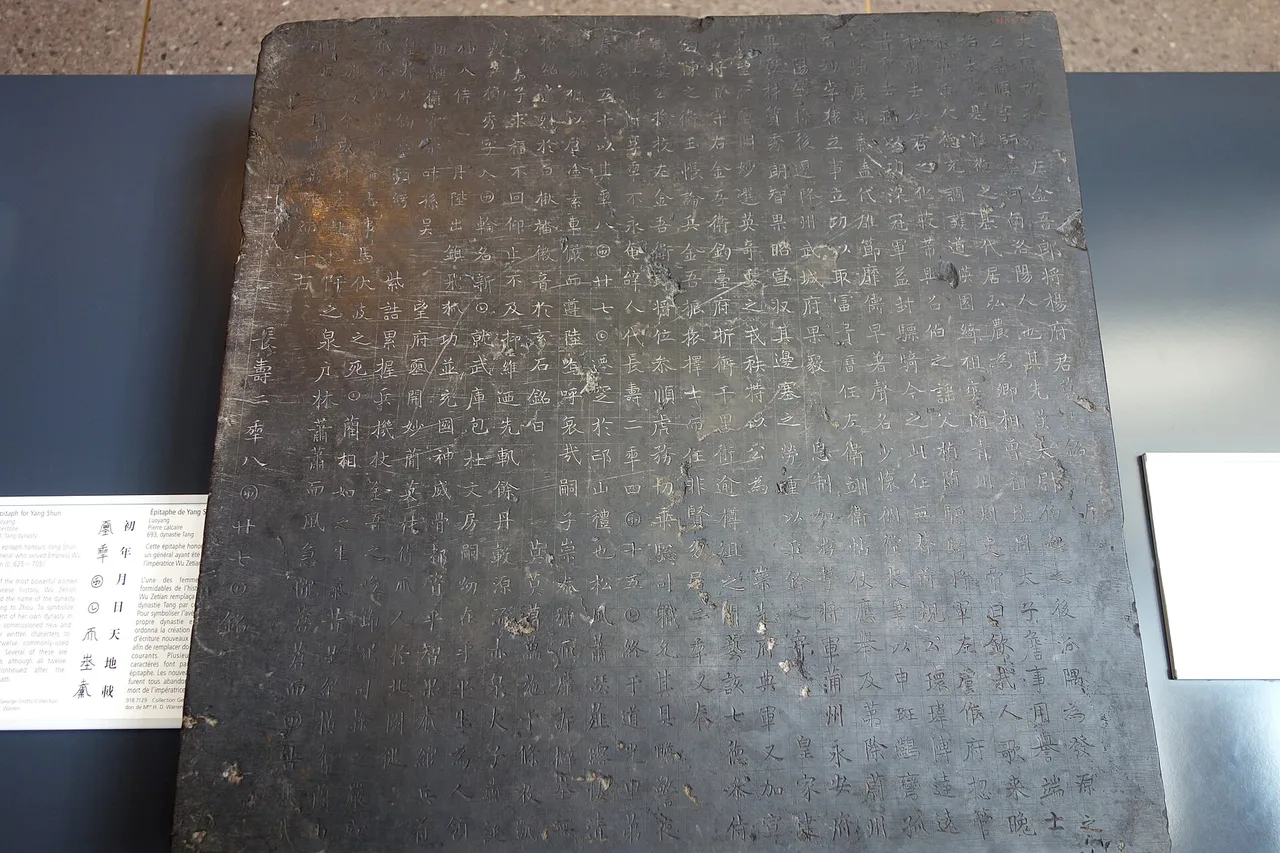
Tang rites required matching stone slabs along the sacred path to the royal tomb. On the west side stood the stele for Emperor Gaozong of Tang. Empress Wu had drafted its text, and Emperor Zhongzong had penned the calligraphy. Ritual law called for a matching east stone. Artisans carved royal dragons on top, but court scribes faced three dead ends:
The Imperial Historians' Impossible Assignment
Court scholars could praise her actual record. Her court had defended borders against the Tibetan Empire and Khitan forces. She had opened exams to talented commoners. Yet praising her deeds legitimized her rise. It implied that the Shenlong Coup was an illegal revolt. It also weakened the standing of Emperor Zhongzong.
Alternatively, scholars could brand her reign as an unlawful usurpation. But Emperor Zhongzong and his brother, the future Emperor Ruizong of Tang, were her sons. Tang rule rested on filial duty. Attacking a royal mother on stone would brand the reigning monarch as unfilial. That charge would wreck his moral claim to rule.
Finally, scribes could try to omit her fifteen-year reign. They could pretend she had lived only as Gaozong's consort. Yet this fiction was impossible. Wu Zetian had run the central court for four decades before the world. Erasing her rule would bring open ridicule from rival states and local elites.
The court could not praise her without harming dynastic lines. It could not condemn her without breaking filial piety. It could not erase her without destroying public trust. Trapped by these forces, the throne delayed the carving forever.
03. Rewriting Memory: From Succession Crises to Popular Romance
The stone stayed blank not just from hesitation, but because violent factional conflict shook the court for the next decade.
Historical Reality: Eleven Years of Court Turbulence
In May 706 CE, guards moved the remains of Empress Wu from Luoyang to Qianling Mausoleum in Shaanxi. Workers set up the massive stone slab. They chiseled neat grid lines on its face for text that scholars never finished.
Frequent purges stopped scholars from reaching a shared view:
- Zhongzong's Court and Factional Strife: Powerful Imperial Affinal Relatives led by Wu Sansi joined Empress Wei (Tang dynasty). They exiled Zhang Jianzhi and other coup leaders. This restored sway to the Wu family, while the Crown Prince died in a failed revolt.
- The Tanglong Coup of 710 CE: Li Longji and Princess Taiping led troops into the palace. They killed Empress Wei and put Emperor Ruizong of Tang on the throne.
- The Xiantian Coup of 712–713 CE: Li Longji took full power as Emperor Xuanzong of Tang. He broke the faction of Princess Taiping and purged officials tied to the old order.
Each rising faction held its own view of the dead female ruler. Allies of Wu Sansi wanted words of praise. Supporters of the Li line wanted sharp rebukes. Drafts prepared by court scholars became lethal traps whenever a patron fell from power.
By the time Emperor Xuanzong brought calm and started the Kaiyuan-era prosperity, the stone had stood bare for over ten years. The young monarch focused on army reforms and state finances instead of old disputes. Leaving the stone blank served as a quiet truce. It put an end to risky debates.
Song, Yuanming, and Later Storytellers Transform the Past
In the Song era, court historians attacked female rule with fresh zeal. Even so, the blank stone at Qianling Mausoleum drew many travelers.
In 1144 CE, Prince A-lu of the Jin Dynasty visited the tomb. Seeing the empty slab, his party carved words in Chinese alongside Jurchen script. Through the Song, Jin, Yuan, and Yuanming eras, visitors carved poems and notes onto the bare rock.
In the mid-Ming era, popular fiction began replacing real history with myth. Storytellers stripped the former sovereign of her cold craft. They gave her heroic pride instead. Tales claimed she banned words because language could never match her feats. By late Qing times, this romance had replaced the true story of court gridlock.
04. Imperial Parallels: Roman Memory Sanctions and the Tang Compromise
Comparing the Wordless Stele with Roman rites shows how different empires handled the memory of fallen leaders.
In Rome, new rulers often erased past enemies from history. The Senate chiseled names off laws, melted coins, and scraped words from public arches. After Caracalla killed his brother Geta, he ordered workers across the empire to hack Geta's name from public stones.
Similar acts of destruction occurred during Byzantine revolts and Sasanian family wars. Rebellious groups often smashed statues and tore down family tombs.
The Tang court built a very different response. Bound by filial rules, the dynasty chose a practical path:
- Ritual protocols were fully maintained: Huge stone slabs, dragon art, and burial rites met every formal tomb rule.
- The text was left uncarved: The court issued no final verdict. This avoided clashes between family duty and crown law.
Calculated silence replaced physical ruin. This pause protected the filial name of the son and guarded the throne's prestige. The Wordless Stele was not a sign of supreme pride. It was a political truce born of palace purges, filial law, and court survival.
Primary Sources & Historical Bibliography
- **Old Book of Tang, Vol. 6 ("Basic Annals of Empress Zetian") & Vol. 7 ("Basic Annals of Emperor Zhongzong")**: Imperial chronicles detailing the Shenlong Coup of 705 CE, the final imperial edict relinquishing the imperial title, and the 706 CE joint interment at Qianling Mausoleum.
- **New History of the Tang, Vol. 4 ("Basic Annals of Empress Zetian") & Vol. 76 ("Biographies of Imperial Consorts, Part 1: Empress Zetian Wu")**: Compiled by Ouyang Xiu and Song Qi, providing critical evaluations of the administrative reforms, reign titles, and the Li-Tang restoration.
- **Comprehensive Mirror to Aid in Government, Vol. 208 ("Tang Annals 24") & Vol. 210 ("Tang Annals 26")**: Sima Guang's chronological narrative tracing factional conflict among Emperor Zhongzong, Empress Wei, Wu Sansi, and Li Longji that repeatedly halted monument planning.
- **Institutional History of Tang, Vol. 21 ("Discussions on Imperial Mausoleums")**: Preserves the original petition submitted by Minister of Works Yan Shansi in 706 CE, debating the ritual propriety of reopening Qianling Mausoleum.
- Liu Qingzhu & Li Yufang, Surveys and Research on the Qianling Joint Mausoleum of Tang Emperor Gaozong and Wu Zetian, Acta Archaeologica Sinica: Antiquarian scholarship and epigraphic analysis documenting the physical dimensions, preparatory grid incising, and historical graffiti on the Wordless Stele.