TL;DR · Core Takeaways
- Court portraits show Bao Zheng was a fair-skinned civil magistrate. Later stage plays gave him black skin and bronze guillotines.
- Imperial law banned judges from swift executions. Every death sentence needed review by high courts and final approval by the emperor.
- Bao Zheng worked as an Investigating Censor, Vice Censor-in-Chief, and Director of the Remonstrance Bureau. He used normal legal channels to fight graft.
Historical Context
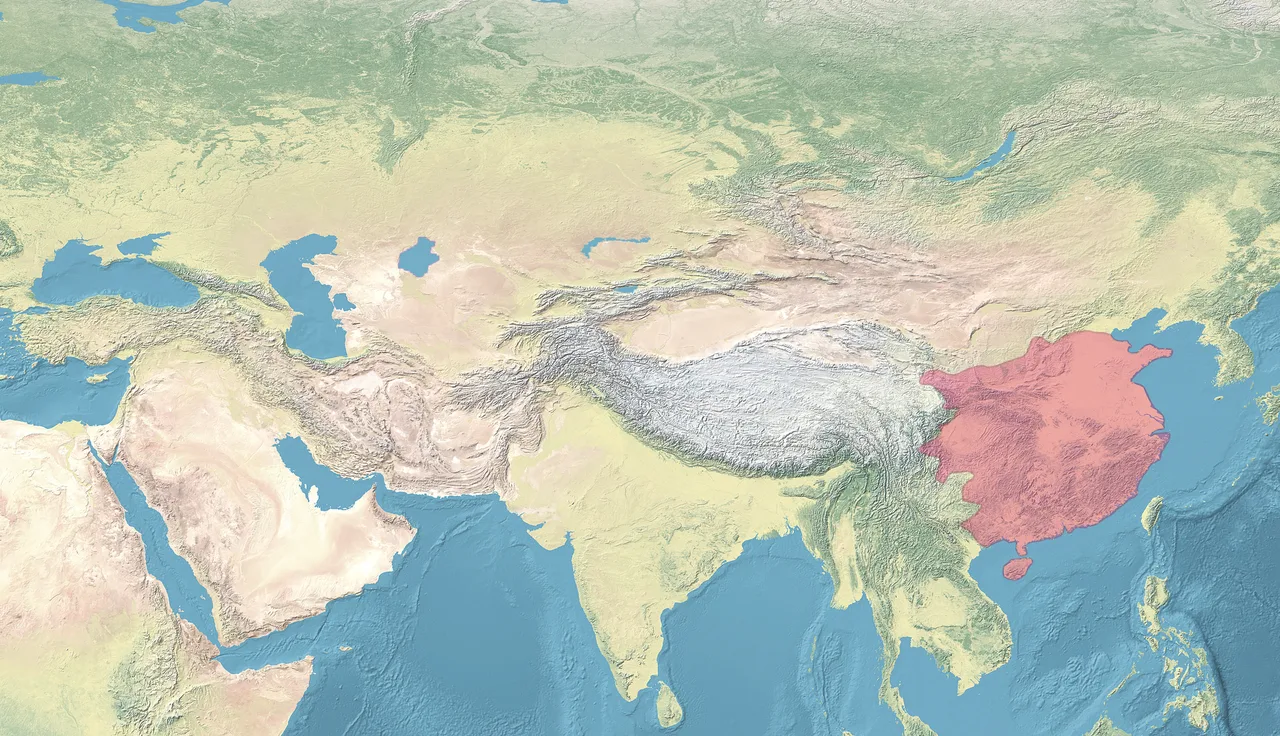
- Chinese Coordinates: Northern Song during the Renzong reign, Jingyou through Jiayou eras (1034–1063), marking the maturity of civil governance and remonstrance institutions.
- Western & Mediterranean World Coordinates: Late Macedonian to Doukas dynasties in the Byzantine Empire; the eve of the Gregorian Reform and the Norman Conquest of England (1040–1066).
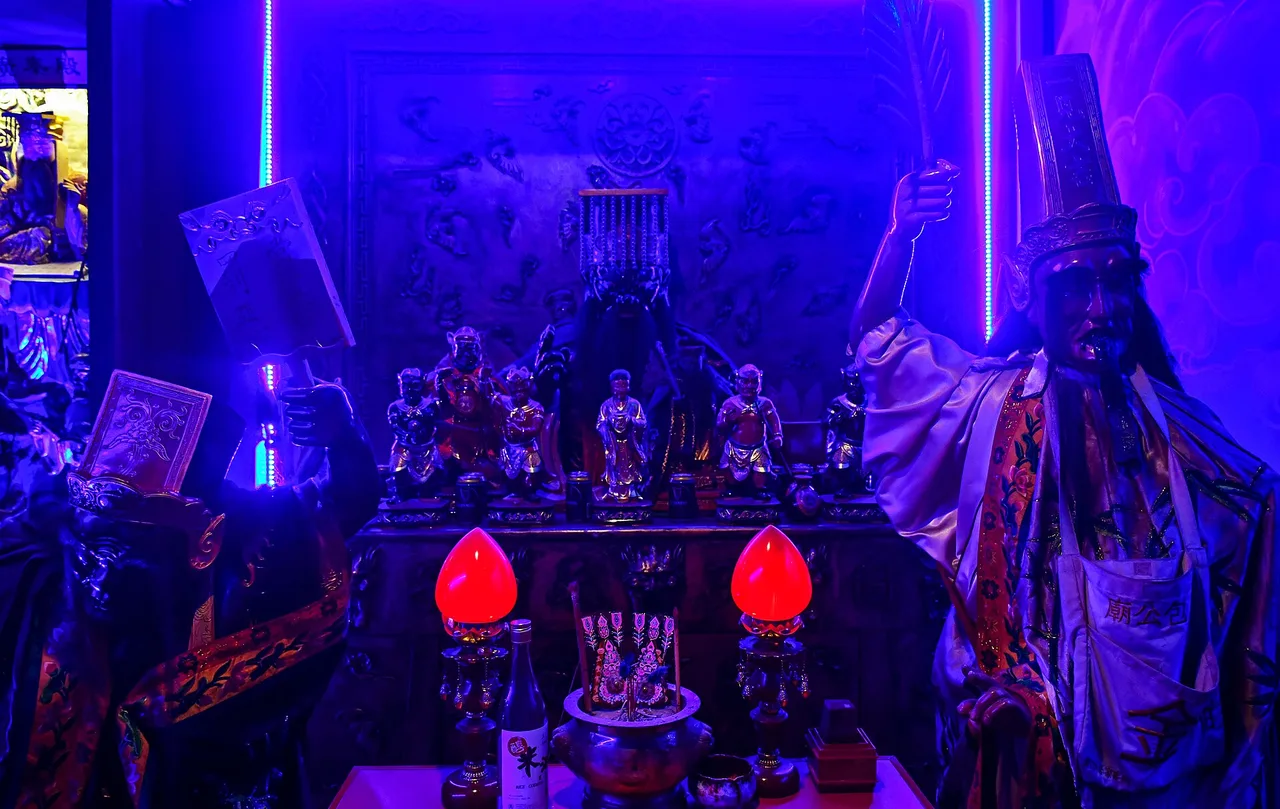
Modern shows often depict Bao Zheng as an iron judge. They give him dark skin and a forehead crescent. They also arm him with three bronze guillotines. In folklore, an imperial sword let him execute villains on the spot.
Official Song court portraits in Beijing tell a different story. Stone rubbings from Hefei also show a very different man. Real paintings display a scholar with fair skin and a neat beard. He wears plain purple silk robes. In the Northern Song, no judge could execute suspects on the spot. Bao Zheng was a real civil officer. He obeyed strict court codes. He challenged corrupt elites through written memorials.
01. Myth vs. Chronicle: Tracking the Legend
This table compares popular myths with real dynastic records:
| Popular Myth | Primary Chronicle & Archaeology | How the Myth Evolved |
|---|---|---|
| Charcoal-black skin, a forehead crescent, and dual authority over the mortal and spirit worlds. | Fair-skinned, dignified, and composed. Official chronicles and peer writings record no unusual features, noting only his personal austerity. | Yuan musical drama and Ming theater adopted black face-paint to signify incorruptibility, fusing urban folk longing for clean courts with underworld lore. |
| An imperial sword permitting summary execution of corrupt magnates on the spot. | Zero extrajudicial execution rights. Capital sentences required four-tier reviews before the monarch signed the final warrant. | Sixteenth-century story collections and nineteenth-century wuxia novels invented instant punishments to satisfy peasant desires for immediate justice against untouchable elites. |
| Three imperial bronze guillotines—Dragon, Tiger, and Dog heads—graded by rank. | Bronze guillotines never existed in dynastic law. Executions used regulation blades, while imperial relatives answered exclusively to designated central courts. | Late Qing oral storytellers adapted agricultural fodder cutters into dramatic props to symbolize intimidation across class divides. |
| A lifelong career spent on the bench as Governor of Kaifeng. | He served as Acting Governor of Kaifeng for only fifteen months, spending the bulk of his career in the Remonstrance Bureau and Imperial Censorate. | Ming and Qing storytellers concentrated decades of provincial and court achievements into the imperial capital to maximize narrative tension. |
02. Deconstructing the Legend: From Scholar to Folk Icon
The Historical Core: Remonstrance Within Song Bureaucracy
Bao Zheng started his career in the Dazhong Xiangfu era under Emperor Zhenzong of Song. He served as a local magistrate first. Then he moved up to the imperial capital. Later, he served as an Investigating Censor, Vice Censor-in-Chief, and Director of the Remonstrance Bureau.
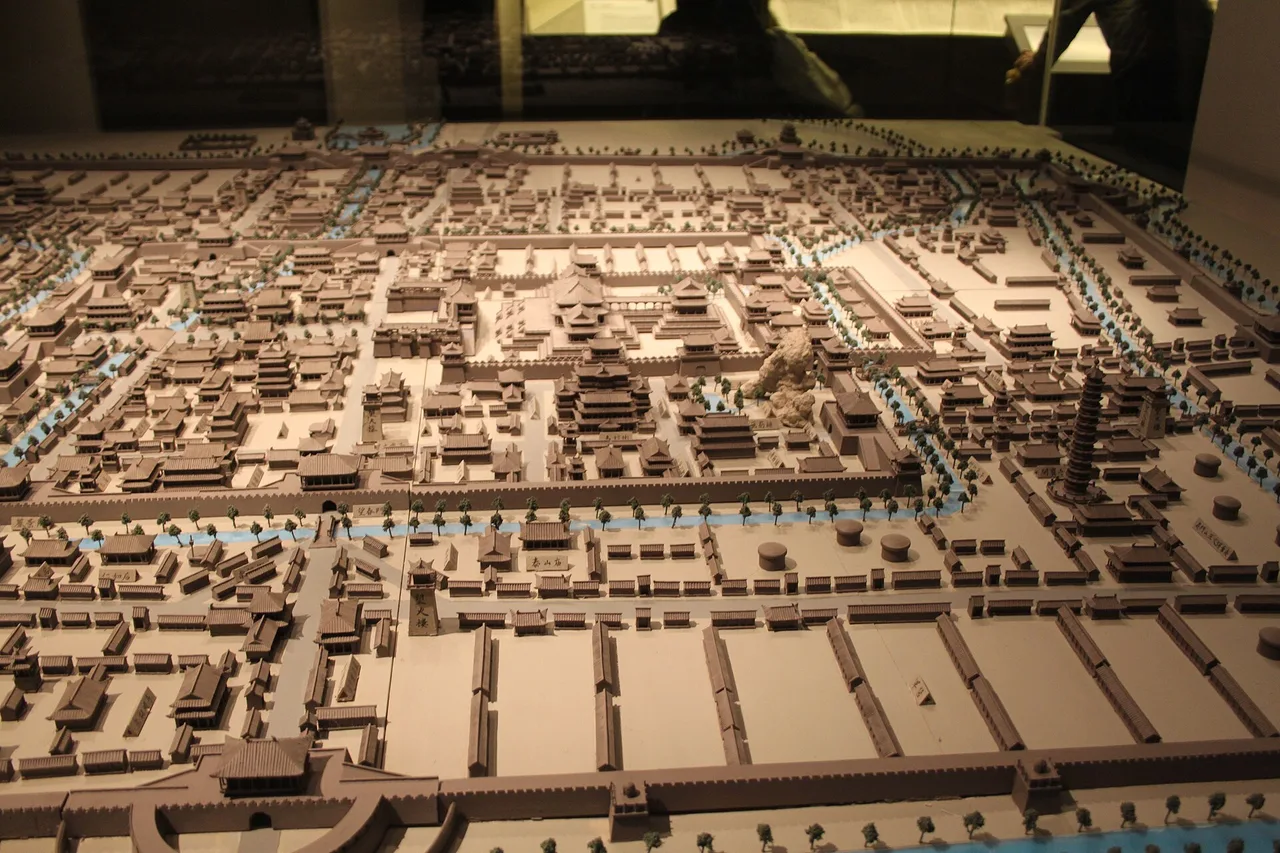
The Imperial Censorate watched all state officials. It checked abuses of power. Song law split police work, prosecution, and sentencing into separate offices. A Prefect of Kaifeng ran tax offices and kept city peace. Yet he could not order an execution by himself. When a suspect faced death, staff sent the case files to central courts.
flowchart TD
    A["Prefecture gathers evidence and interrogates suspect"] --> B["Court of Judicial Review verifies statutory articles"]
    B --> C["Court of Judicial Review secondary organ conducts independent factual audit"]
    C --> D["Grand Council submits findings to the throne"]
    D --> E["Emperor signs the execution warrant in vermilion ink"]
    E --> F["Prefectural officers supervise the formal execution"]
    style A fill:#f9f,stroke:#333,stroke-width:1px
    style C fill:#bbf,stroke:#333,stroke-width:1px
    style E fill:#fbb,stroke:#333,stroke-width:1px
Under this code, an Acting Governor of Kaifeng held no private blades. He could not execute royal kin without palace approval.
Narrative Drift: How Playwrights Rebuilt the Magistrate
The legend changed across the Yuanming shift. Guan Hanqing and other writers wrote court plays when state courts were weak. Earlier, Zhou Mi had gathered palace tales. Yet later scripts drifted far from strict books like the Records of the Grand Historian. Common crowds loved plays where clean judges punished cruel lords.
By the Wanli era of the Ming dynasty, novels added ghost trials to his life. In the nineteenth century, storyteller Shi Yukun shared tales in Beijing teahouses. His tales grew into a famous novel. It popularized sidekicks like Zhan Zhao and Gongsun Ce. It also added the famous bronze blades. In the end, theater replaced the true history of Song law.
03. Institutional Weapons: How Censors Checked the Imperial Court
Bao Zheng held no magic swords. He held civil ranks such as Grand Master. He relied on written petitions and legal appeals. Through these tools, he held corrupt nobles accountable to the crown.
Impeaching Imperial Affinal Relatives: The Zhang Yaozuo Crisis
His biggest fight targeted Zhang Yaozuo. Zhang was an uncle to the favorite consort of Emperor Renzong of Song. The emperor planned to heap grand titles on Zhang. These titles included Commissioner of the Court of Palace Attendants and Commissioner of the Southern Palace Secretariat. They also included Military Governor of Huaikang, Military Commissioner, Commissioner of the Jingling Temple, and Commissioner for State Horse Administration.
Bao Zheng and fellow Censors and Remonstrance Officials fought these titles. Famous scholars like Ouyang Xiu joined the fight. Bao Zheng insisted that Imperial Affinal Relatives must answer to the Imperial Clan Court. He spoke with such passion that his spit hit the face of the emperor. The emperor stepped back under pressure. He cancelled the posts of Commissioner of the Court of Palace Attendants and Commissioner of the Southern Palace Secretariat.
Reclaiming the Waterways: Administrative Audits
Bao Zheng served as Acting Governor of Kaifeng and solved river disputes. Powerful nobles had built private villas on the Huimin River. Their stone walls choked the stream. As a result, summer rains flooded poor towns nearby.
Bao Zheng checked land deeds and tore down the illegal villas. One noble showed a forged deed. Bao Zheng exposed the lie at once. People in the city said that graft could never reach him. They loved his firm defense of fair law.
Bao Zheng won his fights through the Song Penal Code, field audits, and legal petitions.
Primary Sources & Historical Bibliography
- History of Song, Vol. 316, Biography 75 (Bao Zheng)
> Details his promotions across the Imperial Censorate, Remonstrance Bureau, and Kaifeng administration, recording his memorials against Zhang Yaozuo and Zhang Fangping.
- Song Penal Code, Vol. 29 (Statutes on Judicial Administration)
> The founding legal code of the dynasty, detailing procedures for forwarding capital dossiers and imperial confirmation.
- Long Draft of the Continuation of the Comprehensive Mirror to Aid in Government, Vols. 160–190 (Li Tao)
> Preserves daily court debates between Censors and Remonstrance Officials and the throne during the Renzong reign.
- Records of the Inherited Plans of the Ancestors, Vol. 2 (Wang Yong)
> Song-era observations detailing Kaifeng yamen procedures and petition reforms enacted during the mid-eleventh century.