TL;DR · Core Takeaways
- The captive rulers formed a simple cover story: When Yue Fei died, Emperor Huizong had been dead in captivity for six years. Emperor Qinzong of Song had no troops and no base to challenge the southern court.
- Private armies broke dynastic limits: The loss of the north forced Southern Song leaders to rely on regional armies. These forces bore the names of their generals, which revived old fears of late-Tang fanzhen separatism.
- Yue Fei crossed key royal lines: He led the top regional force, spoke openly about imperial succession, quit his post during disputes, and opposed peace deals.
- A hard purge restored central rule: Killing Yue Fei was not just a peace concession to the Jin. It helped Emperor Gaozong of Song break personal ties between troops and generals to pull military power back to the capital.
Spatiotemporal Orientation
- Chinese Historical Coordinates: On the eve of Lunar New Year in 1142, Yue Fei died in prison at the Court of Judicial Review in Lin'an. Later that year, the Treaty of Shaoxing set the border along the Huai River.
- Western and Mediterranean Coordinates: Western Europe stood on the edge of the Second Crusade. Byzantine Emperor John II Komnenos fought to protect borderlands in Anatolia and Antioch while managing powerful generals who led private retinues.
Popular stories about the Song-Jin wars often turn history into a simple moral play. In these tales, Yue Fei fights to drive north, reach Huanglong Prefecture, and rescue the captured emperors. Meanwhile, Emperor Gaozong of Song fears that his brother Emperor Qinzong of Song will return to take the throne. The court recalls the army with twelve gold tablets and murders the general on false charges.
Real court records show a different story. By the time diplomats drew up the Treaty of Shaoxing in 1141, Emperor Huizong had been dead for six years in the far north. Emperor Qinzong of Song had spent fifteen years in exile without soldiers, cash, or allies. He could not threaten the southern throne. The true driver of the purge was the institutional fear inside the Southern Song. Autonomous generals held massive forces, which made the court dread the return of late-Tang fanzhen separatism.
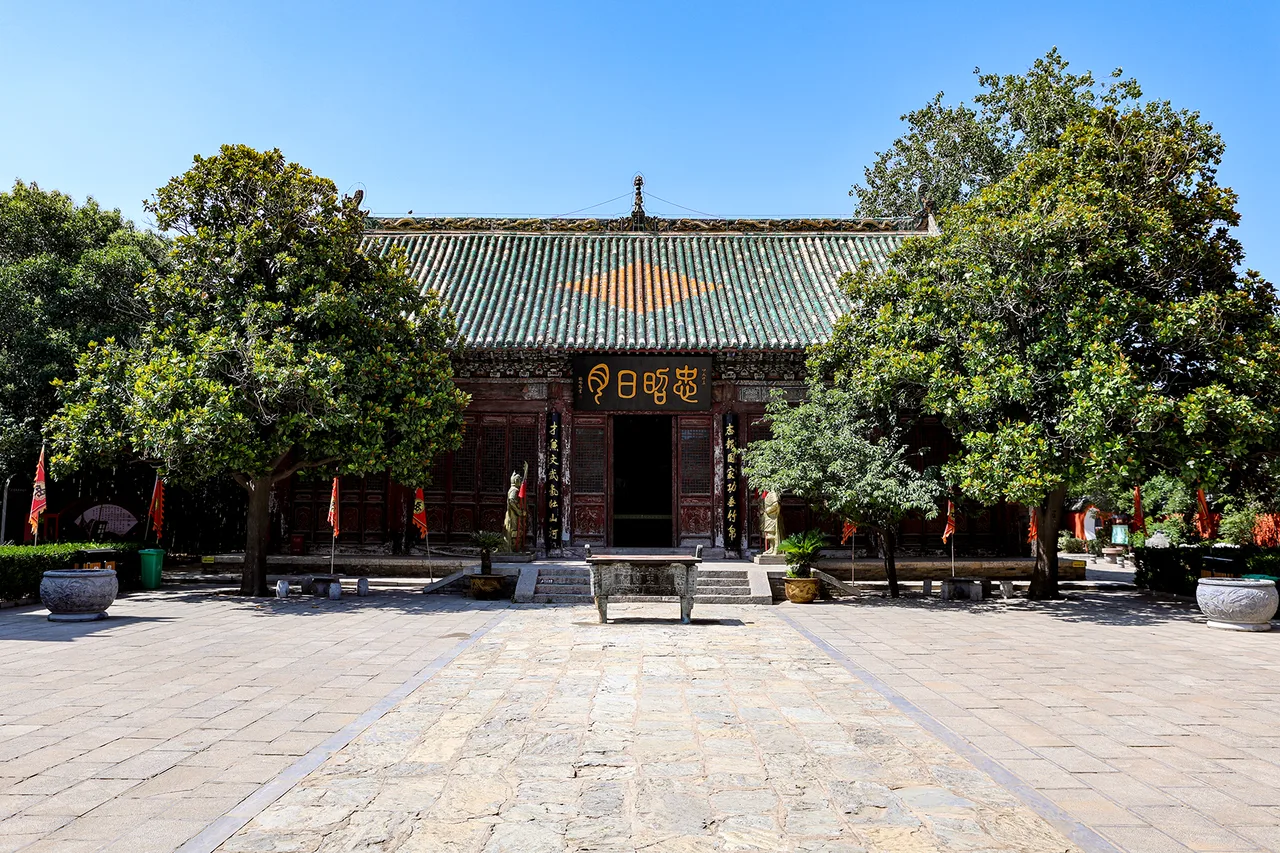
01. Reconstructing Historical Memory: From Imperial Purge to Folktale Drama
Centuries of storytelling, stage plays, and vernacular novels turned a hard political crisis into a domestic melodrama. The table below shows how popular memory drifted away from early records:
| Popular Legend and Misconception | Earliest Chronicle and Documentary Record | Era and Drivers of Legend Formation |
|---|---|---|
| Myth 1: Gaozong murdered Yue Fei solely out of fear that Emperor Qinzong of Song would take back the throne. | History of Song and Chronological Essentials Since Jianyan: Gaozong tried to bring back both rulers as early as 1128. Under the final peace terms, the Jin returned the coffin of Emperor Huizong but kept Qinzong. Yue Fei's defiance on peace and his comments on imperial succession triggered the purge. | Late Southern Song into early Yuan dynasty. Emperor Xiaozong rehabilitated Yue Fei to raise troop morale. After the Song fell, writers blamed personal villainy for the loss rather than deep defense problems. |
| Myth 2: Qin Hui tricked a helpless emperor and faked royal orders. | Miscellaneous Records of Court and Country and trial records: Gaozong managed the arrest and trial himself. He wrote the final decree granting Yue Fei death and ordering Zhang Xian and Yue Yun beheaded under army law. Qin Hui acted as the emperor's chief civil agent. | Ming dynasty. Popular fiction shifted blame away from the crown to preserve the image of imperial virtue. This turned Qin Hui into the sole villain of the drama. |
| Myth 3: The Yue Family Army was invincible and stopped only because twelve gold medallions halted the march. | Sanchao Beimeng Huibian: The army won hard fights at Shunchang and Yancheng. Yet as Yue Fei moved toward Zhuxianzhen, neighbor forces under Zhang Jun and Han Shizhong pulled back. With open flanks and short military provisions, retreat was a tactical must. | Late Yuan and early Ming oral tales. Street storytellers added dramatic pathos. They turned strained multi-corps campaigns into a solo tragedy caused by royal tokens. |
The Real Historical Backdrop: Military Personalization and the Garrison Crisis
The fall of Kaifeng in 1127 smashed the defense system of the Northern Song. The old rule of Strengthening the Center and Weakening the Regions fell apart along with the Garrison-Rotation System. Emperor Gaozong of Song fled south with few troops and little cash. To survive, he gave wide powers to commanders like Liu Guangshi, Han Shizhong, Zhang Jun, and Yue Fei.
Each regional military commander won the right to pick junior officers, collect transit taxes, and sign up local volunteers. Within ten years, regional commands held the south. Men named these forces after their leaders, creating the Zhang Family Army, the Han Family Army, and the Yue Family Army. Soldiers looked to their local Army Commander for food, silver, and rank rather than to the throne.
The Miao-Liu mutiny of 1129 left deep scars on Gaozong. Rebel palace guards broke into the quarters and forced him to step down for a short time. Loyal troops under Han Shizhong and Zhang Jun saved him, but the event showed how easily an autonomous army could wipe out the royal line.
How Later Storytellers Reshaped the Historical Core
Under Yuan rule, writers used the Song-Jin wars to vent their grief over defeat. Subtle debates over grain lines, tax limits, the Bureau of Military Affairs, and the regional Pacification Commission vanished. Storytellers reduced defense policy to a simple tale of righteous soldiers betrayed by wicked officials.
During the Ming dynasty, books like The Story of Yue Fei turned the general into a flawless hero. Playwrights needed a clear villain, so they cast Qin Hui as an evil schemer and hid Gaozong's active role in taming the front lines.
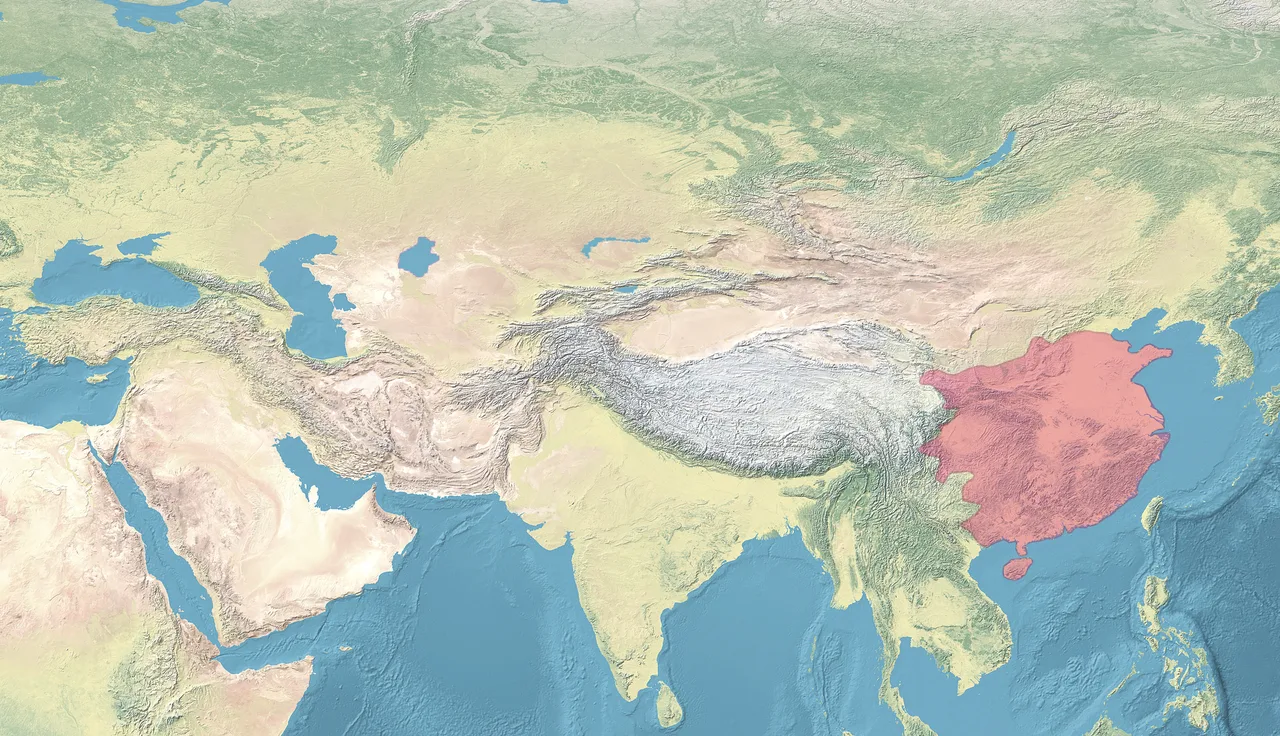
02. The Warlord Tipping Point: Red Lines Yue Fei Crossed
Yue Fei was not a greedy warlord who sought personal land or wealth. He lived simply, kept clean accounts, and enforced strict army rules. Yet to the throne, an honest commander who won the hearts of thousands was far scarier than a corrupt officer who could be bought with titles and gifts.
The balance of forces in the Southern Song shows why the crown felt so uneasy:
| Army Command | Core Troop Strength (c. 1140 CE) | Strategic Base and Operational Zone | Fiscal Source and Autonomy | Commander's Political Demeanor |
|---|---|---|---|---|
| Yue Fei Command (Ezhou) | c. 100,000 elite troops | Facing the Central Plains from Jingxiang and Ezhou | Dedicated Transport Commission, army farms, mixed state funds, and local taxes | High discipline; clashed with the court over succession; resigned repeatedly |
| Han Shizhong Command (Chuzhou) | c. 30,000 troops | Eastern Huai front | Diverted local taxes with royal grants | Saved Gaozong during mutinies; yielded command quickly and retired quietly |
| Zhang Jun Command (Jiankang) | c. 50,000 troops | Western Huai and Jiangdong corridor | Land rents, urban estates, and regional trade | Close to the court; helped Qin Hui bring other generals under central watch |
| Wu Jie / Wu Lin Command (Xingyuan) | c. 60,000–70,000 troops | Mountain passes of Sichuan and Shaanxi | Kept local Sichuan taxes for military expenditure | Remote mountain posts; used Hereditary Succession under loose court ties |
The Yue Family Army held more than one-third of the empire's frontline strength. While running this force, Yue Fei crossed four dangerous lines:
First, personal loyalty took the place of dynastic loyalty. Jin officers noted that shaking a mountain was easier than moving the Yue Family Army. Commoners cheered Yue Fei as their true savior. To the court, troops who loved their general more than the emperor signaled a coming coup.
Second, a general tried to guide imperial succession. Gaozong lost his only infant son during the flight south and remained childless. In 1137, Yue Fei sent a secret memorial asking the emperor to pick an heir. He backed Zhao Bocong (later Emperor Xiaozong), who came from the line of Emperor Taizu. Gaozong told him that a frontier officer should never meddle in palace matters.
Third, sudden resignations challenged civil control. When Liu Guangshi lost command in western Huai, the court weighed giving those men to Yue Fei. Vice Grand Councilor Zhang Jun stepped in to block the move. Upset by this change, Yue Fei left his army without leave to mourn his mother on Mount Lu. The front stalled until royal envoys talked him down. The court saw this walkout as military pressure on civil rule.
Fourth, open resistance to the court's peace plans. By 1141, Gaozong and Qin Hui wanted peace to stabilize the state. Yue Fei openly fought the peace plan, pushed for a northern campaign and an eastern campaign, and refused to yield his command. While Han Shizhong gave up his posts, Yue Fei stood firm and became a direct political roadblock.
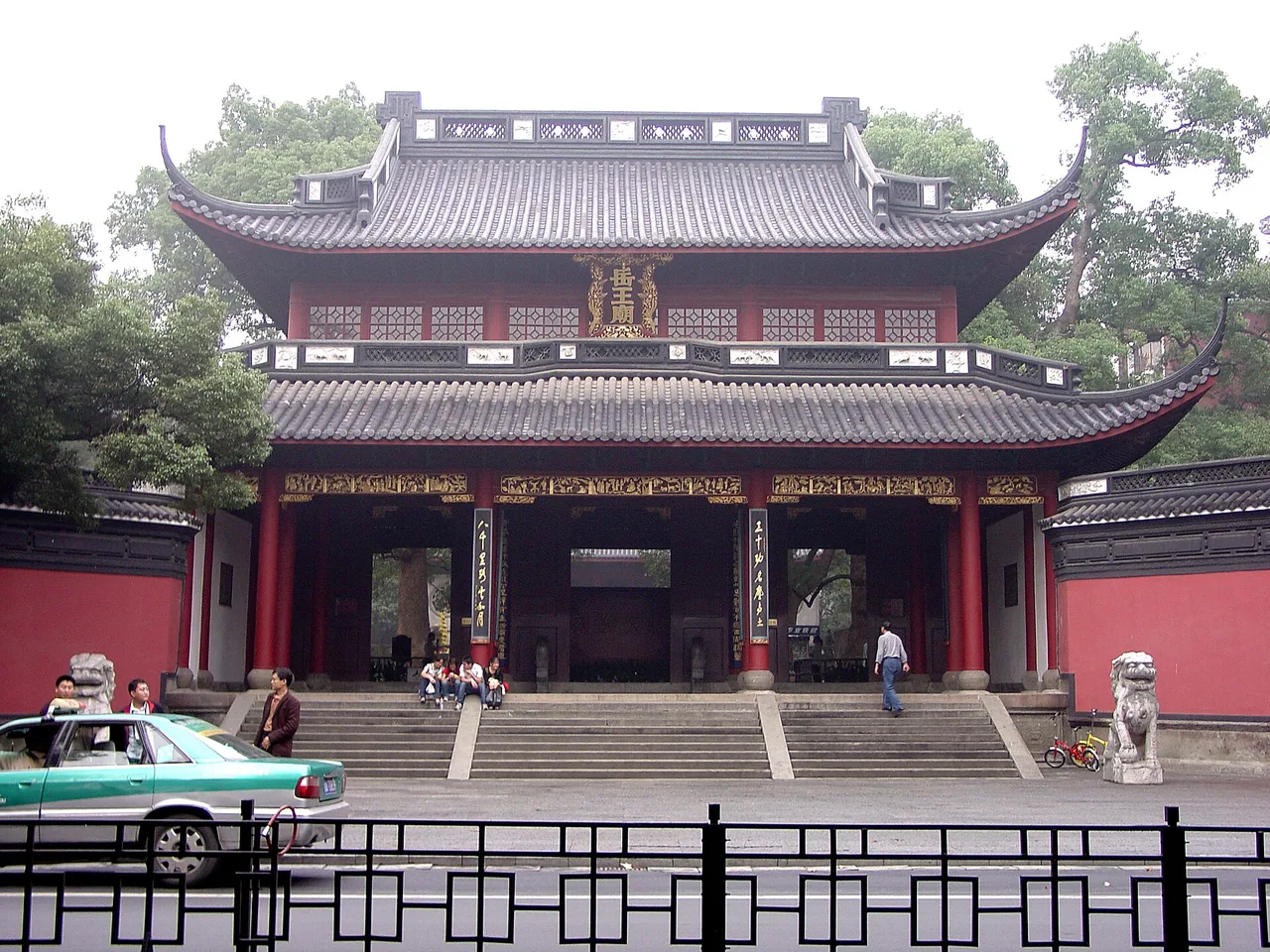
03. Comparative Statecraft: Taming Private Armies in Imperial Systems
Empires that rebuild after sudden crises always fear strong generals. The choices made by Emperor Gaozong of Song resemble the moves made by Western rulers who had to balance military survival against royal safety.
During the sixth-century wars in the West, Byzantine Emperor Justinian I relied on his top general, Belisarius, to defeat the Vandals and take back Italy. Belisarius built a large private retinue of skilled horsemen. When Italian nobles offered to make Belisarius Emperor of the West, Justinian grew deeply suspicious. The emperor cut campaign funds, recalled key units, and later placed Belisarius under house arrest.
The Song dynasty had a deeper fear: the memory of late-Tang Military Commissioner regimes that tore China apart. Gaozong chose to wipe out autonomous field power before it could turn on the court.
In the fourth month of 1141, Gaozong called Han Shizhong, Zhang Jun, and Yue Fei to court. He gave them senior titles in the Bureau of Military Affairs and shut down their regional Pacification Commission bases. Qin Hui then worked with Zhang Jun to make junior officers charge Yue Fei's aide, Zhang Xian, with plotting a mutiny.
The execution of Yue Fei was a move to centralize power under the guise of an external peace deal:
- Breaking personal loyalties: Border armies came under direct court command as the Imperial Front Armies, restoring civilian audits and troop rotations.
- Cutting out war factions: Killing Yue Fei showed full commitment to the peace treaty, leaving hardline officials with no army behind them.
- Ending regional warlordism: The court made sure that no later general could hold local taxes, civil posts, and troops all at once.
04. Conclusion: Institutional Paradoxes Beyond Moral Myth
Blaming the death of Yue Fei on court gossip or fear of a captured brother turns a structural purge into a simple family quarrel. It hides the real work of dynastic survival.
Yue Fei held pure intentions and stayed true to his country. Yet his battlefield fame, his vast army, and his willingness to advise the crown on succession terrified an emperor who had already faced mutinies.
The tragedy grew out of the clash between wartime defense and central control. The Song court chose political survival over aggressive warfare. This choice saved the dynasty for another century, but it broke the empire's offensive power for good.
Primary Sources & Historical Bibliography
- Tuotuo (Toqto'a) et al., Song Shi [History of Song], Vol. 365, Treatise 124 ("Biography of Yue Fei"); Vol. 29, Basic Annals 29 ("Basic Annals of Gaozong, Part 6"); Vol. 473, Treatise 232 ("Treacherous Ministers: Biography of Qin Hui"). Beijing: Zhonghua Book Company.
- Li Xinchuan, Jianyan Yilai Xinian Yaolu [Chronological Essentials Since Jianyan], Vol. 139–143. Beijing: Zhonghua Book Company.
- Xu Mengxin, Sanchao Beimeng Huibian [Compilation of Collected Accounts of the Three Courts' Northern Treaties], Vol. 201–208. Shanghai: Shanghai Ancient Books Publishing House.
- Deng Guangming, Biography of Yue Fei. Beijing: SDX Joint Publishing Company, 2007.
- Teraji Jun, A Study of the Southern Song Bureaucratic System. Beijing: Zhonghua Book Company.