Historical Coordinates
- Chinese Timeline: Northern Song (Northern Song), Zhenghe to Xuanhe eras under Emperor Huizong (1111–1125 CE), late stage of regular defense under the Kaifeng Three Commands.
- Western & Mediterranean Timeline: Early Crusader era after the First Crusade; transition from the Salian to Hohenstaufen house in the Holy Roman Empire; reign of Henry I in England.
- "800,000 Imperial Guards" was a paper count for the imperial army: In the Northern Song military system, jinjun did not mean private palace sentries. The term meant all regular field forces across every circuit. Paper counts neared 800,000, yet troops stationed in Kaifeng numbered barely 100,000.
- A drill instructor was an unranked trainer, not a general: Primary military registers in the History of Song and Wujing Zongyao show that an Instructor in the Imperial Armies served under Battalion Commanders and Inspectors-in-chief as a technical weapons coach. Hundreds of peer instructors lived in the capital.
- Huge rank gaps caused an unavoidable tragedy: Gao Qiu led the Palace Command as an imperial favorite and grand marshal. Under the state rule of Emphasis on Civil Administration over Military Power, low-ranking military technicians had zero legal shields against their commanders.
Popular strategy games and tabletop wargames often show medieval East Asian guard units as gilded cavalry sworn to guard the palace. In East Asian folklore, the Ming novel Water Margin built a famous hero: Lin Chong, "Arms Drill Instructor of the 800,000 Imperial Guards of the Eastern Capital." Modern readers often take this grand title literally. They view Lin Chong as a supreme drillmaster who guided the tactics of an entire imperial army.
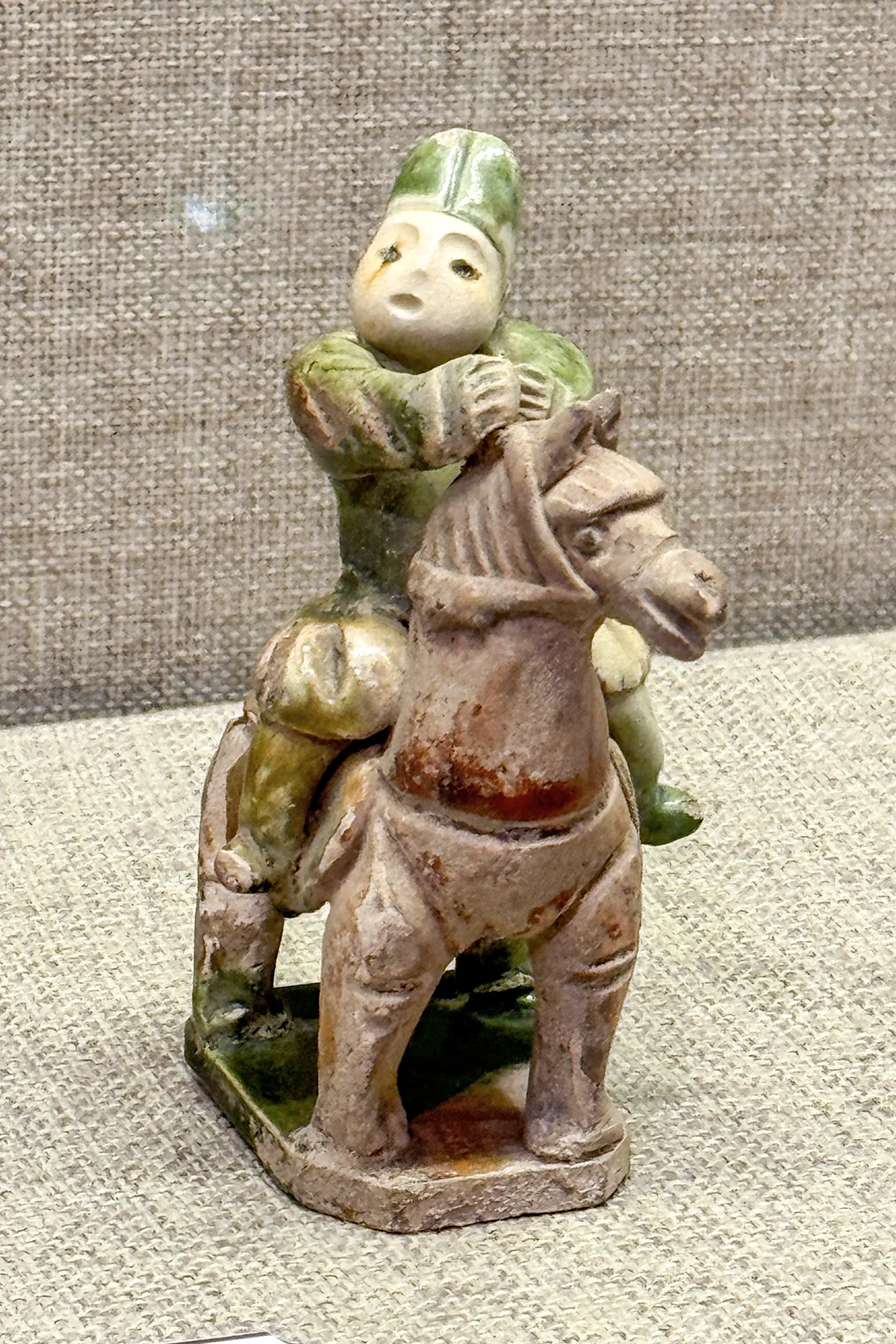
Yet this reading breaks the logic of the novel itself. When the adopted son of Grand Marshal Gao Qiu accosts Lin Chong's wife, Lin raises his fist. But he stops the moment he spots the young man's family crest. Later, Gao Qiu tricks Lin Chong into entering White Tiger Hall with an antique saber. The Governor of Kaifeng gives Lin no protection. Instead, the court sentences Lin to judicial flogging, facial branding, and exile to Cangzhou. At home, Lin counts coppers for a blade and has no silver for private guards.
These scenes are not plot mistakes. They match late Northern Song history. In that military system, Lin Chong held no high commission. His weakness before Gao Qiu came from the core design of the Song army.
01. The Three-Column Analysis: Evolution from Military Registers to Popular Legend
To see Lin Chong's true rank, readers must check archival records against urban tales from the Song, Yuan, and Ming eras:
| Popular Myth & Folklore | Earliest Archival & Archaeological Record | Era & Social Driver of Myth Formation |
|---|---|---|
| Myth 1: Lin Chong directed martial arts training for 800,000 imperial palace guards. | History of Song ("Treatise on Military Affairs") and Li Tao's Long Draft of the Continuation of the Comprehensive Mirror to Aid in Government: The central standing army was the field force. In the Qingli era, total rolls reached 826,000, but eighty percent held border posts. Hundreds of instructors served in capital camps. | *Late Yuan to early Ming (Da Song Xuanhe Yishi to Water Margin)*: Storytellers mixed simple barracks trainer titles with the famous paper count of 800,000 to forge a catchy title for an invincible folk hero. |
| Myth 2: A drill instructor held court rank and shaped strategic decisions. | Wujing Zongyao and Collected Statutes of the Song ("Offices"): Drill instructors were sub-officers in individual battalions. They had no court rank and held no field commands. They drew only camp wages and grain rations. | Southern Song urban playhouses to Ming print culture: Common audiences did not know complex Tang-Song bureaucratic grades. They assumed any title with "instructor" meant a high general, missing the humble life of camp staff. |
| Myth 3: The White Tiger Hall was a secret torture chamber used by evil officials. | History of Song ("Treatise on Officials", Palace Command): White Tiger Hall was the command office where Palace Command leaders checked secret troop tallies. Military law treated armed entry without leave as treason, giving chiefs the right to execute intruders. | Ming chapter novel composition: Authors turned an official headquarters into a trap. This helped highlight legal injustice and court graft to build story tension. |
02. Imperial Rosters: What Were the "800,000 Imperial Guards"?
To place Lin Chong, one must first look at how the Song army worked.
1. Imperial Forces vs. Regional Units: A National Standing Army
The Song imperial forces were not like the Roman Praetorian Guard, which protected only the emperor and capital. Instead, they formed the central standing army for the whole empire. After the Tang dynasty fell and fanzhen separatism caused decades of war, founding ruler Emperor Taizu (Zhao Kuangyin) took the best troops from regional warlords. The court gathered strong recruits nationwide into regular units. It left older, weaker men in the provinces as regional labor units.
Before Wang Anshi's New Policies (Xining Reforms) under Emperor Shenzong, this standing army grew steadily. Long border clashes against Western Xia under Emperor Zhenzong of Song and Emperor Renzong of Song pushed total rosters past 1.2 million men. In 1043 CE, during the Qingli era, regular rolls reached a peak of 826,000 on paper. This record gave rise to the phrase "800,000 Imperial Guards."

2. Spatial Garrisoning: The True Size of the Capital Division
This vast force never gathered inside Kaifeng at one time. The court rotated units to balance capital defense and border needs:
- Frontier and Provincial Garrisons: More than two-thirds of all regular units served along the northwest border facing Western Xia or along Hebei waterways facing the Liao Empire.
- Capital Garrison: Regular units posted near the Eastern Capital under the Three Commands reached about 200,000 in the mid-eleventh century. By the Huizong reign, graft and ghost rolls left the capital with fewer than 100,000 real combat troops.
When Lin Chong called himself an "Instructor in the Imperial Armies," he was like a camp trainer citing the total headcount of an entire branch to impress tavern guests.
03. The Bureaucratic Abyss: Placing the Arms Drill Instructor in the Song Hierarchy
Comparing civil and military rosters shows that the gap between Lin Chong and Gao Qiu was vast.
1. The Reality of Barracks Combat Trainers
The core field unit of the army was the battalion (zhihui), with five hundred men on paper. Several battalions formed an army. In each camp, alongside leaders like the Commander and Inspector-in-chief, the court hired practical trainers to teach combat skills.
The History of Song and the Northern Song compendium Cefu Yuangui describe how Emperor Shenzong improved weapons training:
- Specialized Disciplines: Camps kept separate coaches for bows, crossbows, spears, staves, and wrestling.
- Structural Distribution: Each battalion chose skilled fighters as unit instructors. Larger groups picked chief instructors to test quality.
- Urban Concentration: Kaifeng held base camps for the Palace Command, Cavalry Command, and Infantry Command (the Three Commands). Thus, hundreds of weapons coaches lived in the capital.
Northern Song Military Command Pyramid & Lin Chong's Actual Station:

[Bureau of Military Affairs] (Headed by scholar-officials; controls troop deployment)
    │
[Palace Command Grand Marshal / Gao Qiu] ◄── Grand Marshal / commander-in-chief (Rank 1-2)
    │
[Commander-in-Chief of a Wing / Regional Commanders] (Commissioned general officers, Rank 4-5)
    │
[Battalion Commander / Inspector-in-chief] (Active field unit officers, Rank 7-9)
    │
[Commissioned in the Three Ranks / Elite Regulars] (Entry-level commissioned fringe)
    │
[Battalion Arms Drill Instructor] ◄──────── Lin Chong (Unranked specialist; receives rations & small stipend)
Lin Chong was simply one weapons coach among several hundred. He had no power to order troops. He had no say in military administration within the Bureau of Military Affairs or the Inner Court. In a system where low commissions went from Palace Courier down to Attendant of the Three Ranks, camp coaches lacked ninth-rank status. The law saw them as technical support staff.
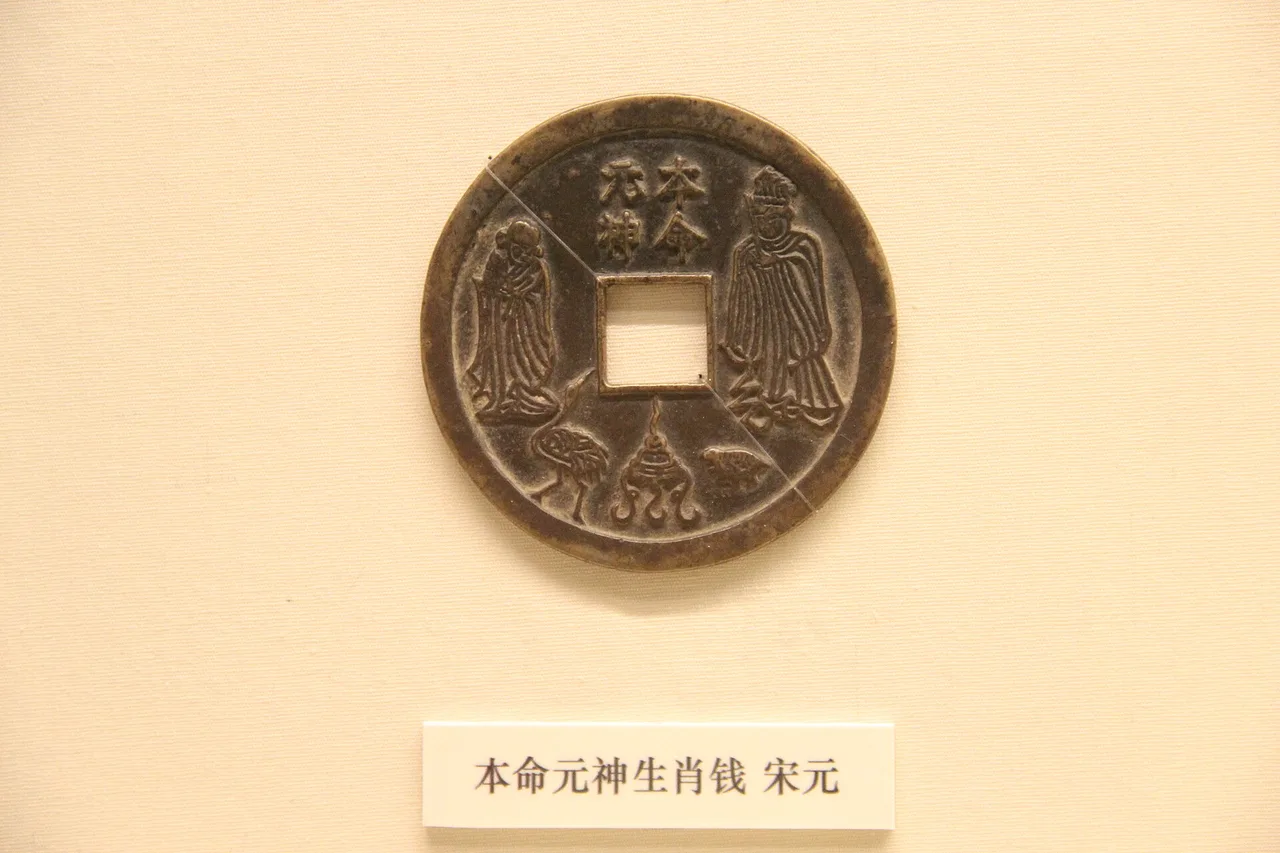
Lin's life in Water Margin fits this low standing. He lives in a crowded lane, keeps one maid named Jin'er, and pauses before spending a single string of cash for a sword. His father-in-law, Instructor Zhang, is a retired veteran from the same trade. Lin lived and worked entirely in the urban sub-officer class.
2. Gao Qiu's Institutional Dominance
In contrast, historical sources like the biography of Li Ruoshui in the History of Song confirm that Gao Qiu served Emperor Huizong as a Commander Unequalled in Honor. He led the Palace Command as Grand Marshal for over fifteen years.
The dynasty split military power by design. The Bureau of Military Affairs managed troop deployments and broad military administration. The Three Commands held direct command of the troops. As head of the Palace Command, Gao Qiu enjoyed close ties to the emperor. He held total control over all ranks in his branch.
When Gao's adopted son chased Lin Chong's wife, Lin faced the full weight of the state. Subordinates had to obey their commanding marshal. Gao did not need a secret scheme to break a camp coach. He only had to cite the rule against taking a bare weapon into an executive office. Knowing Gao's power, the Kaifeng judges had no reason to risk their posts for an unranked coach.
04. Historical Demystification: The Layered Legend in Theater and Literature
If real instructors had such low status, why did popular books make the post sound so grand?
1. Urban Hero Projection and Semantic Drift
In the busy urban theaters of Northern Song Kaifeng and Southern Song Lin'an, storytellers spoke to artisans, traders, and soldiers on leave. Complex court ranks meant little to daily crowds. Yet everyone knew tales of the capital's 800,000 troops and the legendary eastern campaign stories of old.
Putting "Arms Drill Instructor" together with "800,000" made a sharp dramatic hook. It created a great warrior with an imperial title who still could not beat a corrupt minister. This contrast made his flight to Liangshan feel much more tragic.
2. The Drill Instructor Across Comparative Military History
Lin Chong's troubles mirror patterns across world military history:
- In Roman legions, veteran camp weapons masters held great personal skill and won respect from the men. Yet they had no voice against a patrician officer sent by the Senate.
- In early modern European armies, veteran drill sergeants taught musket drill and bayonet tactics. Yet they remained far below noble colonels who bought their commissions.
Lin Chong's tragedy came from his place in the chain of command, not from his martial skill. Under the state rule of Emphasis on Civil Administration over Military Power, all soldiers answered to civil oversight. Those at the bottom of the ladder had no protection when leaders used power against them.
Primary Sources & Historical Bibliography
- History of Song (Song Shi, compiled by Toktoghan et al., Yuan Dynasty)
- Volumes 187–190, Treatises 140–143: "Treatise on Military Affairs" (covering Three Commands structures, shifting troop ceilings, and Qingli rolls).
- Volume 166, Treatise 119: "Treatise on Officials, Part VI" (outlining Palace Command setup, Grand Marshal powers, and hall rules).
- Long Draft of the Continuation of the Comprehensive Mirror to Aid in Government (Compiled by Li Tao, Southern Song)
- Volume 221, Entry for the 4th Year of the Xining Era (recording capital barracks reforms and hiring rules for weapons coaches).
- Wujing Zongyao (Compiled by Zeng Gongliang and Ding Du, Northern Song)
- Fore Section, Volumes 1–3: "System and Regulations" (analyzing camp structures, battalion staffing, and trainer posts).
- Dictionary of Official Titles in Imperial China (Edited by Zhang Zhenglang, Zhonghua Book Company)
- Entries for "Palace Command," "Drill Instructor," and "Chief Drill Instructor" (clarifying lines between technical staff and court-ranked officers).