Chinese Coordinates
—
Western / Mediterranean Coordinates
Western / Mediterranean Coordinates: Aristocratic deportation (deportatio in insulam) in the Roman Empire; British penal transportation to Australia (1788–1868); the Tsarist Siberian forced labor system (katorga).
TL;DR · Core Takeaways
- Commuting death to exile meant slow death: In law books, exile looked like mercy. In practice, fierce beatings before departure, long marches in wooden neck collars, and bad weather killed many prisoners on the road.
- Banishment to Ningguta as chattel slaves was harsh: Subarctic winters broke bodies fast. Qing courts gave southern scholars away as slaves to common Eight Banners border troops. Masters beat them, worked them hard, and gave them little food.
- Settling frontiers at zero state cost: The Northern Song used convicts to fill border armies. The Qing sent them to farm Manchuria and Xinjiang. Penal exile served as cheap labor for border defense, land clearance, and political purges.
> Chinese Historical Coordinates: The Song dynasty set up tattooed banishment during the Jianlong era (960–963); the Ming Dynasty fixed five grades of military exile under Emperor Hongwu; the Qing dynasty sent convicts to serve as slaves to the armored bannermen from the Shunzhi through Qianlong reigns (1644–1795).
In video games like Europa Universalis, exile is just an easy button. A ruler pays a few points to banish a rival from the Imperial Court. This move stops unrest and avoids the stain of public execution.
Popular novels and films tell a similar gentle story. Many people think that avoiding the headsman was an act of pure mercy. They picture convicts moving to the border, farming quiet plots, and waiting for an imperial pardon to go home.
Yet when we look at old laws and survivor diaries, the real picture looks grim.
| Myth in Popular Fiction | Primary Chronicle & Archival Record | How the Myth Evolved |
|---|---|---|
| Exile was a kind pardon that saved lives: Convicts farmed peacefully in distant villages and returned home when granted an imperial amnesty. | Song Penal Code, Compendium of Recompiled Laws and Precedents of the Song, Great Qing Code: Convicts suffered heavy floggings before departure and walked long miles in heavy wooden collars. Escorting guards were not blamed if convicts died of sickness on the road, so road deaths stayed high. | Yuan, Ming, and Qing plays and prompt-books: Writers crafted happy endings where wronged heroes survived hard trials (such as Lin Chong's tattooed banishment to Cangzhou) by hiding real pain and deadly sickness. |
| Tattooed banishment was only face ink, leaving the body safe: Facial tattoos served only as criminal marks, letting heroes keep their strength and train garrison troops. | History of Song ("Treatise on Penal Law"), Chronological Essentials Since Jianyan: Song tattooed banishment had three parts: facial tattooing, spinal caning, and forced marches. Spinal caning tore deep flesh, cracked bone coverings, and caused deadly blood poisoning. | Song and Yuan street storytellers who praised outlaws: City storytellers needed strong heroes whose fighting skills stayed sharp, so they hid deep open wounds and crippling infections. |
| Ningguta was a chilly, poetic wilderness where scholars read and wrote: Exiled literati met for Poetic Exchanges, lived as equals with the garrison, and wrote poems about the northern frontier. | Fang Gongqian (Brief Account of Ningguta), Wu Zhaoqian (Autumn Reed Collection), Yang Bin (Brief Record of the Willow Palisades): Convicts were given as slaves to lower-rank armored bannermen. Winter cold cracked stone, and masters beat captives freely; newcomers often took their own lives. | Mid-to-late Qing anthologies: After rich patrons bought rare pardons for elite scholars, survivor groups printed poems praising unyielding Grand Master virtue, hiding the high death rate of ordinary displaced refugees. |
01. Fatal Departures: Bodily Trauma and the Physiological Limits of Escorted Marches
From the Song dynasty onward, a condemned prisoner stepped out of the cell into a deadly trial of body and will.
The Historical Core: The Tripartite Sentence and Legalized Attrition
When the Song dynasty began, Emperor Taizu wanted to stop warlord power (fanzhen separatism), enforce Military Discipline, and supply labor to regional army posts. During the Jianlong era, the court set up tattooed banishment. As noted in the "Treatise on Penal Law" in the History of Song, this sentence was far more than simple army recruitment. It bound facial tattooing, heavy spinal flogging, and long forced marches into one severe penalty.
The punishment began with sharp steel needles piercing the face. Guards rubbed dark blue ink into the wounds to write the name of the destination prison. Next, guards pinned the prisoner to the stone floor for a beating on the spine. Song guards used thick rods made from stiff thorn wood. They struck full-force blows across the upper back, right over sensitive nerves and vital organs. After twenty to a hundred blows, the skin split open and showed bare bone.
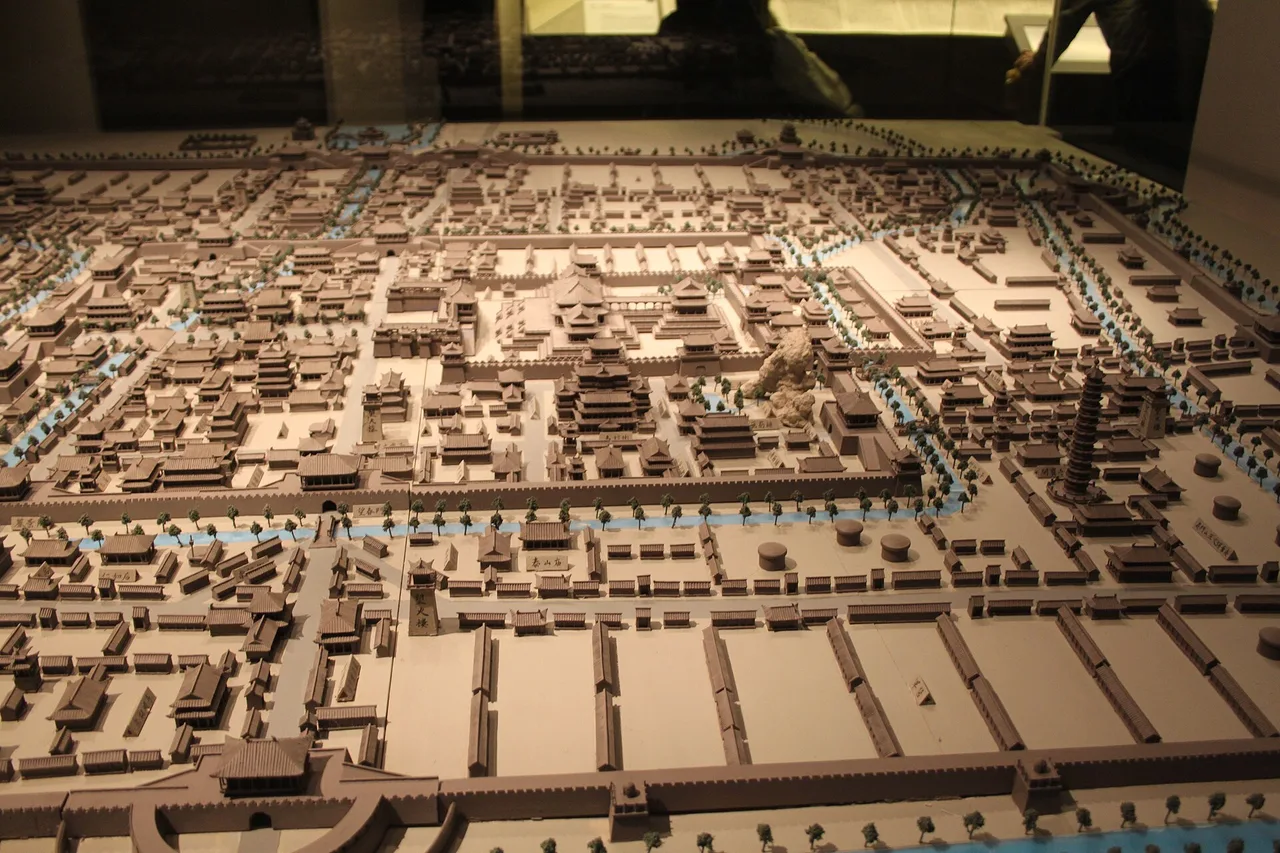
Before the raw flesh could close, guards locked the prisoner into a heavy wooden neck collar and iron chains. These weights could reach thirty pounds. Two armed guards then pushed the prisoner onto muddy dirt roads. Prisoners had to walk fifteen to twenty miles each day in rain and mud. Sweat, dirt, and water soaked into open back wounds, bringing tetanus and deadly fever.
The law gave prisoners little safety on the trail. In the Compendium of Recompiled Laws and Precedents of the Song and the later Great Qing Code, rules cleared escorting guards of blame for trail deaths. If a prisoner died of heat, fever, or exhaustion, the guards only needed to show the body to the nearest town magistrate or Military Inspector for an autopsy paper. Because guards carried no blame, they had no reason to keep poor convicts alive. On three-thousand-mile trips over high mountain paths, guards often left sick, broke prisoners to die in roadside ditches.
How Popular Theater Rewrote Bodily Trauma
Why do people today view these trips as exciting road adventures? The myth grew from city stage plays during the Yuan and Ming periods.
In popular novels like Water Margin and stage plays, writers treated spinal beatings as light hurdles. They made wooden neck yokes look like simple props to prove a hero's grit. When Lin Chong walks through snow toward Cangzhou with a raw back, he walks fast; Wu Song smashes his wooden collar with bare hands at Flying Cloud Pool to strike down four armed men.
Audiences in busy teahouses wanted brave action, not medical truth. Storytellers skipped real blood loss, rotting sores, fever dreams, and wrecked joints, replacing grim deaths with tales of martial glory.
02. Destructive Destinations: Poisonous Southern Miasma and Northern Banner Servitude
The few prisoners who lived through the walk found no peaceful work camps. Instead, imperial officers left them in harsh, deadly borderlands.
The Historical Core: Tropical Pathogens in Lingnan and Northern Bondage in Ningguta
Imperial exile had two main directions: the swampy south and the frozen north.
During the Tang, Song, and early Ming eras, Lingnan, Hainan Island, and parts of Guangxi and Yunnan were covered in dense jungles full of malaria. Northerners had no defense against southern parasites and died within months. When Han Yu was sent to Chaozhou, he wrote grim verses asking his nephew to gather his bones from the wild river. His friend Liu Zongyuan died in Liuzhou after four years of constant fever. By the early Ming, judges in the Ministry of Justice openly treated exile to southern outposts like Nandan as a deferred death penalty.
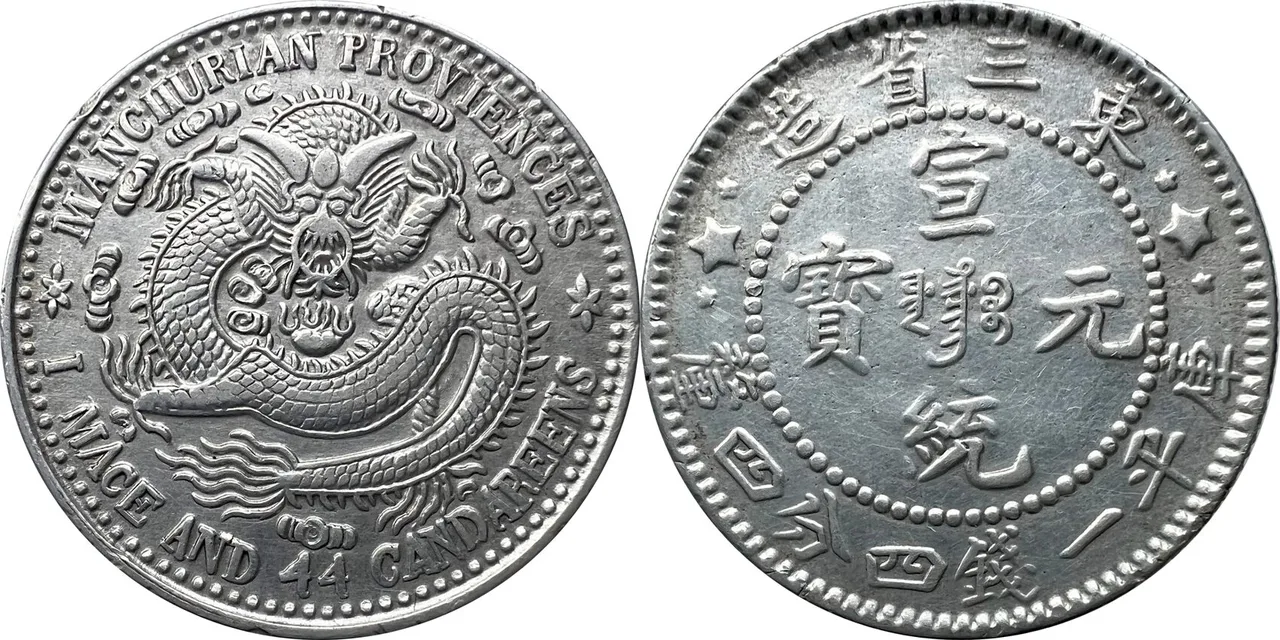
Under Qing rule, the main exile center moved to Ningguta along the Mudan River. Built near the old ruins of Shangjing Longquanfu from the kingdom of Balhae (Bohai), Ningguta was a cold fort in a windy subarctic valley. The scholar Fang Gongqian, banished there after an imperial test scandal in 1657, wrote that winter froze the land for eight months. By late autumn, rivers froze deep under thick ice, and cold winds cut bare skin within minutes.
The legal standing of prisoners was just as cruel: the state sent them to Ningguta to serve as slaves to the armored bannermen. In the Eight Banners, armored bannermen were low-ranking troops and local frontier recruits.
Exiled scholars and their families lost all civic rights. Imperial officers gave them away as private property to soldier homes. Fang Gongqian and Wu Zhaoqian wrote that bannermen could beat their slaves at will. Exiles worked from dawn to dark cutting firewood, grinding grain, and tending warhorses for small bites of grain. Beatings were routine, and masters faced no charges if a slave died under the whip. Many elite families chose suicide during their first winter. Wu Zhaoqian lived through twenty-three years in the camp only because rich friends in Beijing spent heaps of silver to buy his release. Wrecked by illness, Wu died three years after returning home.
How Later Literati Polished the Record
Starting in the Qianlong era, print culture spread a gentle sheen over frontier exile texts. When scholars printed Wu Zhaoqian’s Autumn Reed Collection or shared Fang Gongqian's journals, they focused on mental poise in hard times.
Writers highlighted rare moments where banner officers showed respect to famous poets. This bias hid the truth: rich families saved only a tiny number of famous writers, while thousands of common prisoners and their kin died as forgotten laborers on frozen ground.
03. Imperial Economics: Penal Colonization and the Zero-Cost Transfer of Border Populations
Swapping death for exile was never simple imperial pity. It was a cold fiscal choice made by strong central rulers.
Cross-Civilization Comparison: Penal Exile Across Empires
Old world empires often linked courts of law to frontier growth:
- *Roman Island Banishment (Deportatio in insulam)*: The Roman Senate and early emperors took away civic rights from political enemies and sent them to small Mediterranean islands. This saved face by skipping bloody street executions while cutting an enemy off from power.
- British Penal Transportation: Between 1788 and 1868, Great Britain sent more than 160,000 prisoners across the sea to Australia. The crown cleared out crowded home jails and used free labor to build roads, plant crops, and found towns.
- *Russian Siberian Labor Camps (Katorga)*: From Peter the Great through the late nineteenth century, the Russian state sent political rebels and common felons across the Ural Mountains to work deep mines and salt pans, using forced labor to hold Siberia.
Chinese exile systems matched these world models. In a farming society, killing an able worker threw away useful labor and cost money for burials. Sending convicts to distant frontiers let the crown extract their remaining strength through forced marches and garrison labor. By making convicts bring their wives and children, the state moved whole families to empty borderlands for good.
During the Ming Dynasty, judges sent military convicts to border posts to farm military agricultural colonies and take the place of dead troops. Under the Qing dynasty, courts moved waves of convicts to Ningguta, the Amur River basin, and Urumqi to give free farm hands and servants to the Eight Banners.
The legal code served as an unpaid settlement pipeline. Without spending treasury silver on paid recruitment, the crown moved labor and families straight to disputed frontiers. Exile was a cold financial trade: it swapped a quick death for decades of unpaid labor.
Primary Sources & Historical Bibliography
- Song Dynasty Penal Law and Tattooed Banishment: Toqto'a et al., History of Song, "Treatise on Penal Law" (Treatise 154–156). Beijing: Zhonghua Book Company, 1977. This text gives legal rod weights, facial tattooing rules, and troop postings. For marching rules and guard duties, see Compendium of Recompiled Laws and Precedents of the Song, Southern Song imprint, National Library of China collection.
- First-Hand Accounts from Qing Exile Centers: Fang Gongqian, Brief Account of Ningguta, and Wu Zhaoqian, Autumn Reed Collection. These books record daily cold, border slave life, and hard work along the Mudan River.
- Ming and Qing Military Exile and Frontier Garrisons: Great Qing Code, "General Principles: Banishment and Military Exile." For modern legal history on military border labor transfers, see Guo Chengwei and Huang Yuansheng, eds., Foundations of Chinese Legal History, Beijing: China University of Political Science and Law Press, 2012.