TL;DR · Core Takeaways
- Song figures like Bao Zheng never held an imperial sword that let them kill at will. In the Han era, the Shangfang was only a palace workshop. Han, Tang, and Song envoys carried tallies, flags, or axes. No roving judge had the legal right to kill high officials on the spot.
- The practice of giving execution swords began as an emergency tool in 1592. Long delays and slow couriers hurt army command during the Three Great Campaigns of the Wanli Era. Emperor Shenzong gave swords to the top military commander in each war zone. Even then, legal power stopped strictly below the rank of deputy general.
- Killing a top official without the emperor's consent brought swift charges of treason. In 1629, Yuan Chonghuan used his imperial sword to execute Left Commissioner-in-chief Mao Wenlong. Mao was a first-rank general. Six months later, this overreach led to Yuan's own public execution. The Qing dynasty soon banned execution swords completely.
Historical Context
- Chinese Chronology: Western Han, reigns of Emperor Yuan to Emperor Cheng (Zhu Yun breaking the balustrade) $\rightarrow$ Ming dynasty, 20th year of Wanli (1592, the Three Great Campaigns of the Wanli Era establish the imperial sword protocol) $\rightarrow$ 2nd year of Chongzhen (1629, Yuan Chonghuan executes Mao Wenlong) $\rightarrow$ Qing dynasty military reforms revoke field execution powers.
- Western / Mediterranean Parallel: Roman consular wartime command (Imperium militiae) and legal demarcations inside versus outside the sacred boundary (Pomerium) $\rightarrow$ Holy Roman Empire coronation regalia and the Imperial Sword (Reichsschwert / Gladius Imperatoria).
Modern video games and martial arts novels often show gold swords as absolute tokens of power. In these tales, an envoy with an imperial sword ignores standard rank. The envoy can execute governors or ministers on the spot. Popular plays—from stories of Judge Bao to the Generals of the Yang Family—taught audiences to love this weapon. People viewed it as a tool that could kill villains and end corrupt rule.
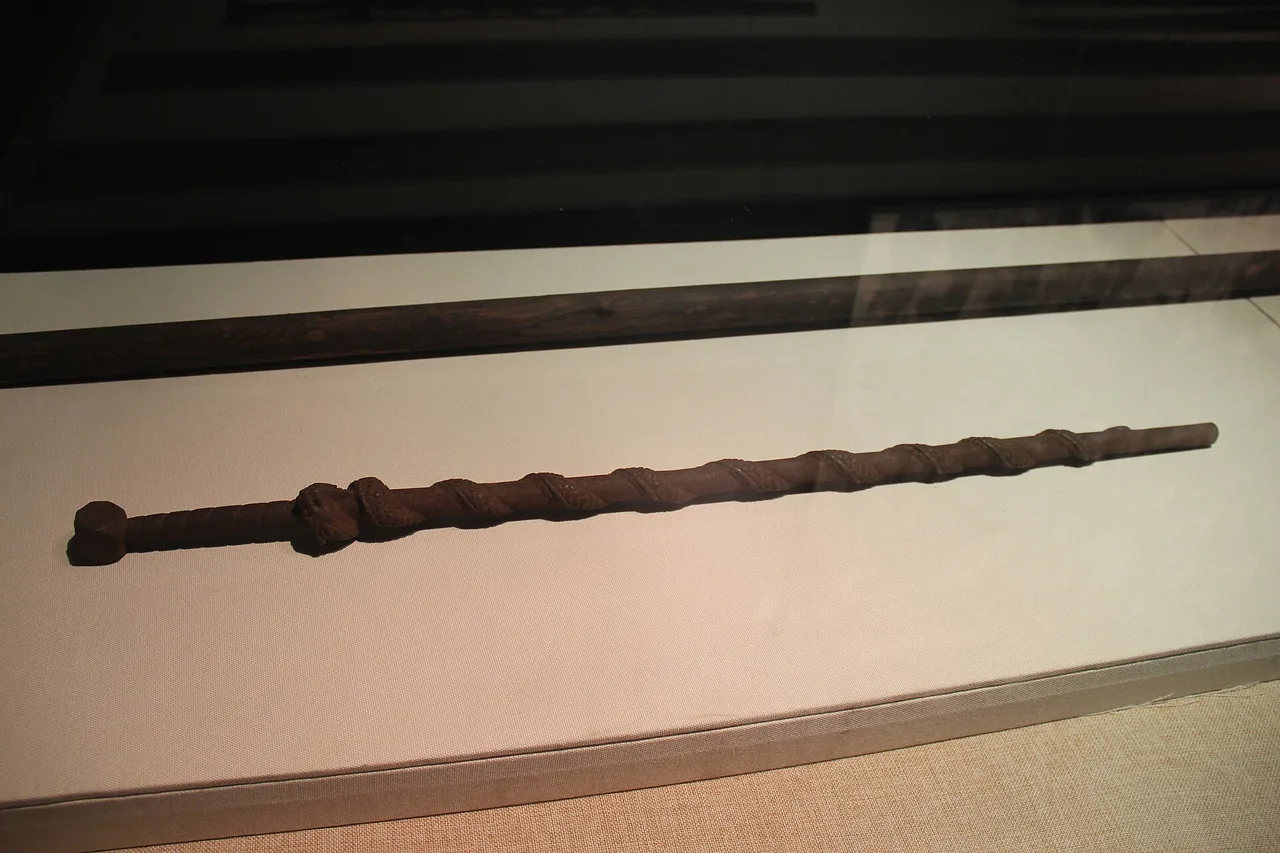
Real law codes and court archives reveal a very different truth. Records from the Book of Han, the Veritable Records of the Ming, and Qing penal texts show that Bao Zheng never had this sword protocol. Late Ming rulers only started the practice in the late sixteenth century. Even then, the grant carried strict legal limits. The sword gave no legal immunity. Using it against senior peers brought a trial for treason.
01. The Evolution of the Imperial Sword: From Palace Armory to Storyteller Fiction
The term Shangfang first named a workshop in the palace, not a court of law. The Table of Officials and Ministers in the Book of Han notes that the Privy Wardrobe ran a Director of the Imperial Workshops (Shangfang Ling). Staff crafted fine blades, mirrors, and carriages for the royal house. The famous Shangfang horse-cleaving blade showed great craft. It never gave an official license to bypass standard court trials.
The Historical Seed: Zhu Yun’s Rhetorical Plea and Administrative Reality
The first record linking a workshop blade to killing an official dates to Emperor Cheng of Western Han. The Biography of Zhu Yun in the Book of Han tells how Zhu Yun, then Magistrate of Huaili, asked for a formal audience. Standing before the ministers, he cried out:
> "I request the grant of a Shangfang horse-cleaving sword to sever the head of one deceitful sycophant, the Marquis of Anchang, Zhang Yu, and thereby warn all others."
Emperor Cheng was furious. He scolded Zhu Yun for insulting an imperial teacher. The emperor ordered guards to drag Zhu Yun away to die. Zhu Yun gripped the palace rail so hard that the wood snapped. Xin Qingji, the General-in-Chief Xin Qingji, then took off his cap and hit his bare head on the stones. His desperate plea saved Zhu Yun's life.
This famous event proves three basic facts:
- Emperor Cheng had no system of giving workshop swords to field officers.
- Zhu Yun used bold words to shock the court, not to cite actual law.
- The court saw his demand as crude defiance rather than legal procedure.
From the Eastern Han to the Tang and Song eras, emperors gave departing generals traditional tokens. These items included tallies, banners, battle-axes (Acting with the Imperial Tally and Axe), or gold courier plaques. Southern Song emperors sometimes sent swords to border commanders as honor gifts. Yet these weapons never let an officer bypass regular trials.
How Popular Theater Rewrote Legal Memory
The legend of an all-powerful execution sword grew through centuries of city storytelling.
During the Song and Yuan eras, public theaters grew quickly across cities. Common people longed for honest judges who could stand up to bad officials. Early scripts showed fair officials like Bao Zheng or Kou Zhun following written decrees and royal reviews.
By the mid-Ming dynasty, courtroom fiction altered this history. Storytellers fused the tale of Zhu Yun with ancient lore about imperial axes. Authors placed an imaginary sword in Bao Zheng’s hands. They claimed it could kill corrupt leaders without royal consent.
Qing playwrights pushed these tall tales even further. Stage dramas added magical props: Bao Zheng's execution blades, the dragon whip of the Eighth Worthy Prince, the nine-dragon rod of Yang Liulang, and royal pardon slips. None of these items had power in real law. On stage, they gave commoners an emotional escape under absolute rule.
02. Myth vs. Primary Chronicle: Deconstructing the Folk Legend
To separate institutional history from dramatic fiction, the table below compares popular myths with real records and outlines why each myth arose:
| Popular Legend / Myth Pattern | Earliest Primary Records & Legal Statutes | Era and Social Drivers of Myth Evolution |
|---|---|---|
| Myth 1: Bao Zheng Circuit Inspection<br>Bao Zheng travels the empire bearing an Imperial Sword that executes imperial tutors and royal in-laws on the spot, possessing absolute judicial primacy over all ranks. | *History of Song (Biography of Bao Zheng) and Song Penal Code*<br>The Song court never created an imperial sword institution for summary executions. Under Emperor Zhenzong of Song and the Renzong reign, capital trials required mandatory multi-tier reviews through the Circuit Prison Commission, the Court of Judicial Review, the Ministry of Justice, and final imperial sign-off. | 16th–19th Century Urban Courtroom Fiction<br>Ming-era Dragon Design Novellas and Qing theatricals projected public yearnings for uncompromised justice onto ideal magistrates, blending Han idioms with late-Ming military practices to craft an autonomous judicial hero. |
| Myth 2: Carte Blanche Over High Officials<br>An Imperial Commissioner holding an imperial sword swathed in yellow silk exercises unconstrained authority to execute anyone from governors down to frontier generals. | *Veritable Records of the Ming (Shenzong Shilu), Wanli 20, Month 5<br>Ming edicts established strict hierarchical limits: "Those below the rank of deputy general defying orders shall face summary military justice; if a regional commander disobeys, report him via memorial."* First-rank generals remained completely exempt from summary execution. | Ming Bureaucratic Anxiety Over Untamed Armies<br>During the Three Great Campaigns of the Wanli Era and the frontier collapse in Liaodong, civilian ministers struggled to command independent military lineages. Popular retellings exaggerated emergency theater discipline into universal executive sovereignty. |
| Myth 3: Universal Use by Qing Imperial Commissioners<br>Qing governors-general, imperial envoys, and disguised palace retinues frequently wield an imperial sword to decapitate local grafters outside regular courts. | *Great Qing Legal Code (Penal Laws: Judicial Procedure) and Grand Council Files*<br>The Qing dynasty abolished the imperial sword as a tool for field decapitation. Even when giving campaign seals or the Ebilun Dagger to supreme generals, capital convictions required formal memorials. Private execution of high-ranking officials remained strictly illegal. | Late Qing Print Media and Peking Opera Conventions<br>Nineteenth-century theatrical troupes transferred late Ming theater devices into Qing-era detective sagas (such as Cases of Magistrate Shi and Cases of Magistrate Peng), cementing a standardized stage trope across urban playhouses. |
03. Administrative Patches and Legal Limits in the Wanli Crisis
The imperial sword shifted from a palace item to a war tool in 1592. This change took place in the twentieth year of Wanli Emperor Zhu Yijun.
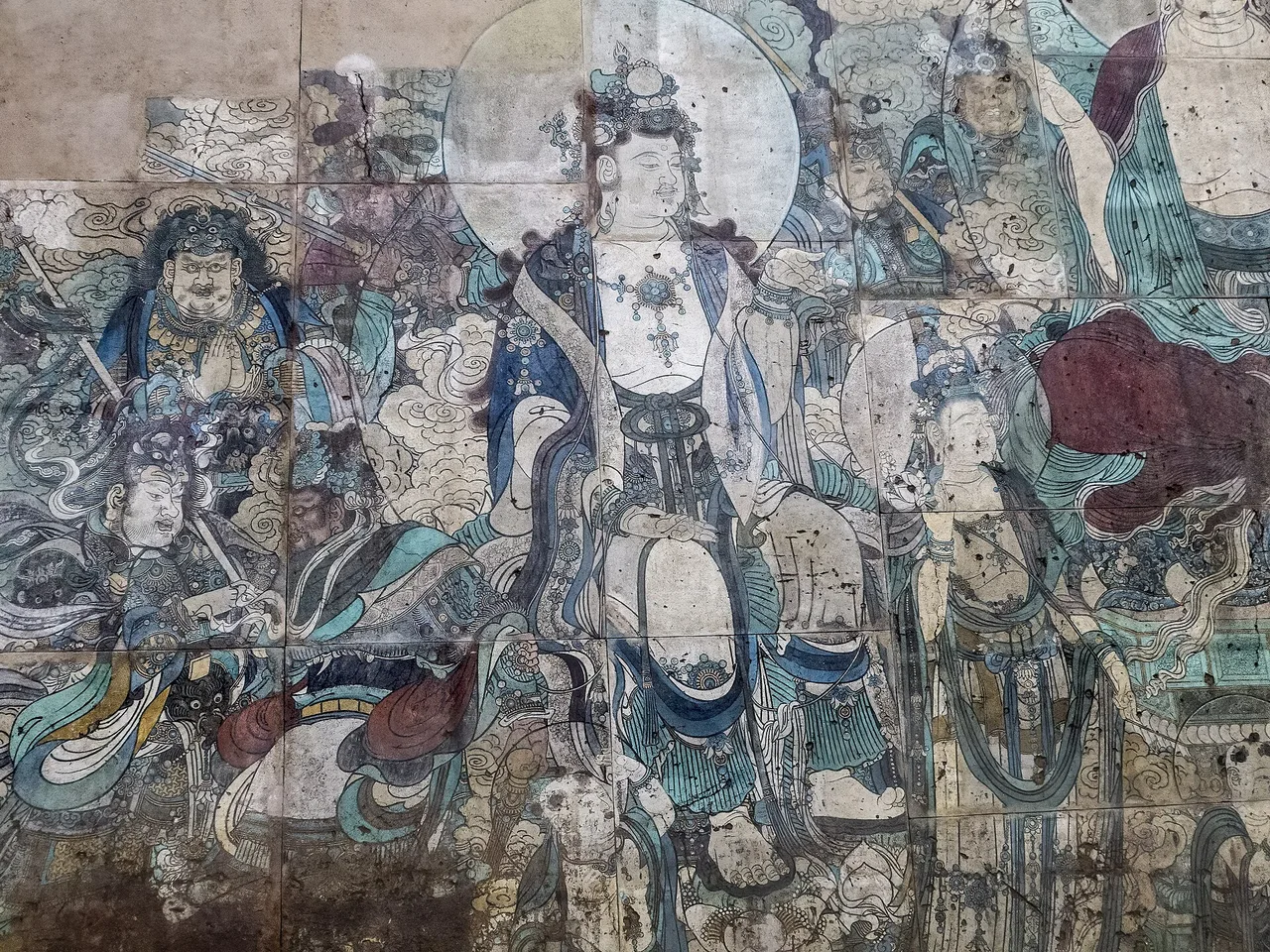
Strategic Fractures and Delegated Martial Law
In 1592, the Ming empire faced three wars at once. Rebels under Deputy Regional Commander Bo Bai took Ningxia. Japanese troops invaded Joseon, pushing Korean forces back. Along the southwest border, Yang Yinglong openly revolted. These three wars formed the Three Great Campaigns of the Wanli Era.
Ming frontier rule split authority among three groups: civil leaders, garrison generals, and eunuchs. A eunuch from the Directorate of Ceremonial served as a Military Inspector Eunuch. In peace, this balance checked fanzhen separatism and curbed warlords. In war, it crippled fast command.
When an officer broke orders, standard rules forced a military commander to send a report to Beijing. Messengers rode back to the Forbidden City. Clerks argued over the case before returning orders. This round trip took months. Good war chances vanished.
To fix this delay, Emperor Shenzong made major changes in 1592. He sent Right Assistant Censor-in-Chief Li Hualong to manage grain. The emperor gave Li an imperial sword to keep field discipline. Soon after, the court issued swords to commanders in Ningxia. As Ming troops entered Korea, leaders like Vice Minister of War Song Yingchang received identical blades.
The Explicit Jurisdictional Ceiling
Emperor Shenzong never gave up his own final authority over executions. Decrees in the Veritable Record of Shenzong show firm legal boundaries:
> "Those below the rank of deputy general who violate military discipline shall be dealt with under martial law via the Imperial Sword; if a regional commander proves insubordinate, memorialize the throne immediately for an imperial determination."
The imperial grant maintained three absolute limits:
- The Rank Barrier: Summary execution applied only to mid-level officers, like assistant regional commanders. It stopped strictly below the rank of deputy general.
- The Functional Barrier: The sword worked only in active war zones for battle crimes, such as fleeing combat or leaking plans. It carried no power over civil cases or taxes.
- The Sovereign Barrier: A full regional army commander who served as Left Commissioner-in-chief or held high noble rank stood beyond the sword's reach. An imperial sword gave a civilian commissioner the power to send a rush report, not the right to kill a general.
04. The Execution of Mao Wenlong: Legal Overreach and Retribution
When field generals thought these swords granted full immunity, bad results followed. The sudden execution of Mao Wenlong by Yuan Chonghuan in 1629 stands as the most famous overreach in late Ming history.
The Legal Breach: Junior Rank Usurping Senior Authority
In 1628, the Chongzhen Emperor, Zhu Youjian, made Yuan Chonghuan Minister of War concurrently Right Deputy Censor-in-Chief. The emperor sent Yuan to lead border defenses with an imperial sword. Meanwhile, Mao Wenlong held command on Pi Island. Mao was no small officer. He was a Left Commissioner-in-chief, held the rank of Vice Commissioner-in-Chief, carried a zongbingguan hereditary military rank, and held royal commissions from past rulers.
In the sixth month of 1629, Yuan sailed to Shuangdao on an inspection trip. During a meeting, Yuan seized Mao Wenlong and listed twelve capital crimes against him, including smuggling. When Mao answered back, Yuan faced Beijing and said: "Your servant now receives the imperial will, petitioning the Imperial Sword to execute Mao Wenlong to vindicate the realm!" Yuan's guards cut off the general's head right outside the tent.
Under Ming law, this killing was completely illegal:
- Mao was a full regional commander with royal commissions. Wanli rules required Yuan to send a sealed report to Beijing for trial.
- Yuan's sword held no authority over Mao's rank. Central ministries held the sole legal right to execute senior officers.
Consular Powers and Chongzhen's Retaliation
This power clash matches legal struggles in the ancient world.
In the Roman Republic, a consul in the field held wartime command (Imperium militiae). His guards carried axes in their rod bundles. This showed the power to kill disobedient soldiers without an appeal (Provocatio). Yet this power stopped at the sacred city border (Pomerium) around Rome. When a consul returned home or left office, his immunity died. Consuls who put Roman citizens to death without trial faced charges in public courts.
Yuan met a similar fate. After the killing at Shuangdao, the Chongzhen Emperor hid his fury. Needing border defense, he publicly excused Yuan's move. Yet this outward calm masked deep royal distrust. Five months later, the armies of Hong Taiji pushed past border lines to threaten Beijing. Chongzhen threw Yuan into prison.
When the court condemned Yuan to death by slow slicing in 1630, the royal order listed Mao's death as the top crime:
> "He illicitly directed border funds, engaged in covert diplomacy with the enemy, and without authority executed the island commander Mao Wenlong, behaving with unchecked tyranny: the law offers no reprieve!"
In late imperial China, an imperial sword served as a short-term disciplinary tool, not a personal shield. While a general served imperial needs, the sword was a fast war shortcut. Once campaigns failed, any misuse of the blade became clear proof of high treason.
05. Qing Reforms and the Revocation of Autonomous Execution
In the late Ming crises, generals like Hong Chengchou, Lu Xiangsheng, and Sun Chuanting held rival swords. Military command broke down. When the Qing dynasty took control, its rulers abolished the practice of giving execution swords to field commanders.
Under the Shunzhi and Kangxi reigns, the court replaced personal swords with Wangming flags and provincial seals. In the eighteenth century, campaigns began against the Dzungars and during the Jinchuan wars. The Qianlong Emperor sometimes gave generals like Fuheng the old Ebilun Dagger. Even then, strict limits stayed in place:
- The dagger served only as a sign of royal favor.
- Quick field execution applied only to common soldiers who fled under fire.
- A general or governor of third-rank status or above could not be killed on the spot. The military commander had to report through the Grand Council. Qianlong proved this rule when he recalled General Necin for poor command. The emperor brought him back toward the capital and executed him under formal decree with that very dagger.
The Qing court barred envoys from killing high officials under royal cover. The stage heroes who wandered the realm dealing out rogue justice were mere stage fiction. The magic execution sword remained an urban myth, made by commoners who dreamed of fast justice under absolute rule.
Primary Sources & Historical Bibliography
- *Ban Gu, Book of Han (Hanshu), Vol. 67 (Biography of Zhu Yun) / Vol. 19 (Table of Officials and Ministers)*
- Essential context on the Director of the Imperial Workshops under the Privy Wardrobe, alongside Zhu Yun's original demand for an imperial workshop blade and the legal debates that followed.
- *Ming Imperial Court, Veritable Record of Shenzong (Shenzong Shilu), Vol. 248 (Wanli 20, Month 5)*
- Official records from the outbreak of the Ningxia rebellion detailing Emperor Shenzong’s original grant of imperial swords to frontier governors, establishing the precise legal ceiling below the rank of deputy general.
- *Zhang Tingyu et al., History of Ming (Mingshi), Vol. 259, Biographies 147 (Biography of Yuan Chonghuan)*
- The primary archival account of the confrontation at Shuangdao, the summary execution of Left Commissioner-in-chief Mao Wenlong, and the subsequent 1630 treason indictment.
- *Qing Imperial Commission, Great Qing Legal Code (Da Qing Luli), Section on Penal Laws: Judicial Procedure (Review of Capital Offenders)*
- Statutory sources detailing the Qing court's abolition of delegated execution blades and the centralization of capital review through the Grand Council and the Nine Chief Ministers.
- *Ch'ü T'ung-tsu, Law and Society in Traditional China (Mouton & Co.)*
- An institutional study of the structural boundaries between administrative discretion and imperial prerogative in pre-modern Chinese law.