TL;DR · Core Takeaways
- Old records from both Ming and Qing archives clear Yuan of treason: Hong Taiji led a raid in 1629 that skirted the Great Wall through Inner Mongolia. Yuan Chonghuan did not guide this force. Yuan marched his elite Guanning horsemen through harsh cold to battle the Eight Banners outside Beijing. The story of a secret pact under the city walls was a trick set up by Hong Taiji with captured eunuchs.
- Yuan Chonghuan crossed dangerous political lines: He wanted free rein in command. During a palace meeting, he made a rash promise to pacify Liaodong in five years. Later, he opened peace negotiations with the Later Jin without leave. He also sold grain to frontier Mongol tribes. Then he executed Island Commander Mao Wenlong without royal orders, which stripped away an important sea flank that kept Jurchen forces in check.
- The military and tax collapse of the late Ming made Yuan an easy target: Hungry mobs in Beijing bought and ate Yuan's flesh after his death. This act sprang from wartime panic, crushing taxes, and court tales that painted him as a traitor.
Chinese Historical Coordinates: 1st to 3rd year of Chongzhen, Ming Dynasty (1628–1630; the Jisi Incident and the public execution of Yuan Chonghuan at the West Market)
Western/Mediterranean Coordinates: Mid-Thirty Years' War in Europe (1630, King Gustavus Adolphus of Sweden lands in Pomerania; enduring historical post-mortems on the execution of Flavius Stilicho in the twilight of the Western Roman Empire)
In the grand strategy game Europa Universalis IV, players who run the late Ming Empire face harsh money and troop troubles. Coffers run dry under heavy border taxes. Foot soldiers fall before the horsemen of the Later Jin Eight Banners. Survival hangs on one high-stat general: Yuan Chonghuan. Popular tales often paint Yuan as a spotless tragic hero who held Ningyuan with heavy cannons, buying time for a dying dynasty. Other critics call him a proud fraud. They say he killed a fellow officer, sold food to foes, and let raiders march on the capital.
Why do these views split so sharply? We can check Ming court records, like the Veritable Records of the Ming and the Chongzhen Changbian. We can also read early Manchu files, like the Old Manchu Archives and the Veritable Records of Emperor Taizong of Qing. When we read both sides, the real past becomes clear. Yuan was not a spotless saint. Nor was he a traitor who sold out his land. He was a bold border leader caught in the hard fights of Liaodong. His risky moves tested and broke the brittle trust of Ming court life.
01. Stratified Memory and Myth-Busting: Three Centuries of Historical Reinterpretation
Over four hundred years, official views of Yuan Chonghuan shifted back and forth. First, people saw him as a traitor. Later, they called him a true martyr. Today, historians study the raw sources to find the truth. We must see how rulers and writers changed this tale over time.
Comparative Source Analysis
| Popular Myth / Misconception | Earliest Chronicle / Archival Record | Socio-Political Drivers of the Distortion |
|---|---|---|
| Myth 1: Yuan Chonghuan guided the Qing army through the passes to force peace negotiations and commit treason. | Chongzhen Changbian, Vol. 28; Veritable Records of Emperor Taizong of Qing, Year Tiancong 3, 11th Month; Old Manchu Archives: The Later Jin force breached Xifengkou and Da'ankou through Inner Mongolia, falling under the Jizhou defense sector. Yuan rushed his Guanning iron cavalry day and night from Shanhaiguan to defend the capital, taking wounds in direct combat outside Guangqumen. | Late Ming Court and Beijing Populace (1629–1630): Extreme panic during the capital siege prompted the Chongzhen Emperor to deflect institutional blame for the frontier collapse, seizing upon Later Jin disinformation to brand Yuan as an extortionist traitor. |
| Myth 2: Hong Taiji’s disinformation ruse was completely flawless, and Chongzhen acted purely out of gullibility. | Ji Liuqi, Private Chronicles of the Late Ming, Vol. 5; Veritable Records of Emperor Taizong of Qing, Vol. 5: Officers Gao Hongzhong and Bao Chengxian deliberately allowed captured eunuchs Yang Chun and Wang Chengde to escape with faked intelligence. However, Chongzhen's formal execution decree focused primarily on dereliction of duty, unauthorized execution of a senior commander, and illicit grain sales to enemy-aligned tribes. | *Emperor Gaozong of Qing and the History of Ming (1772)*: The Qianlong Emperor rehabilitated Yuan to argue that Chongzhen destroyed his own imperial bulwark. This narrative won the allegiance of southern Han literati while showcasing Hong Taiji's divine strategic cunning. |
| Myth 3: Yuan Chonghuan’s pledge to "pacify Liaodong in five years" was a fully realized, airtight master plan. | Veritable Records of the Ming (Chongzhen Shilu), Vol. 1: In the seventh month of 1628, Yuan made his five-year recovery promise during an imperial audience. After the court adjourned, Supervising Secretary of the Office of Scrutiny for War Xu Yuqing asked for details, and Yuan admitted he spoke off the cuff merely to soothe imperial anxiety. | *Early Republican Nationalism and Liang Qichao’s Biography of Commander Yuan (1904)*: Scholars seeking national rejuvenation recast Yuan as an idealized ethnic hero resisting foreign invasion, downplaying his political blunders into unyielding strategic vision. |
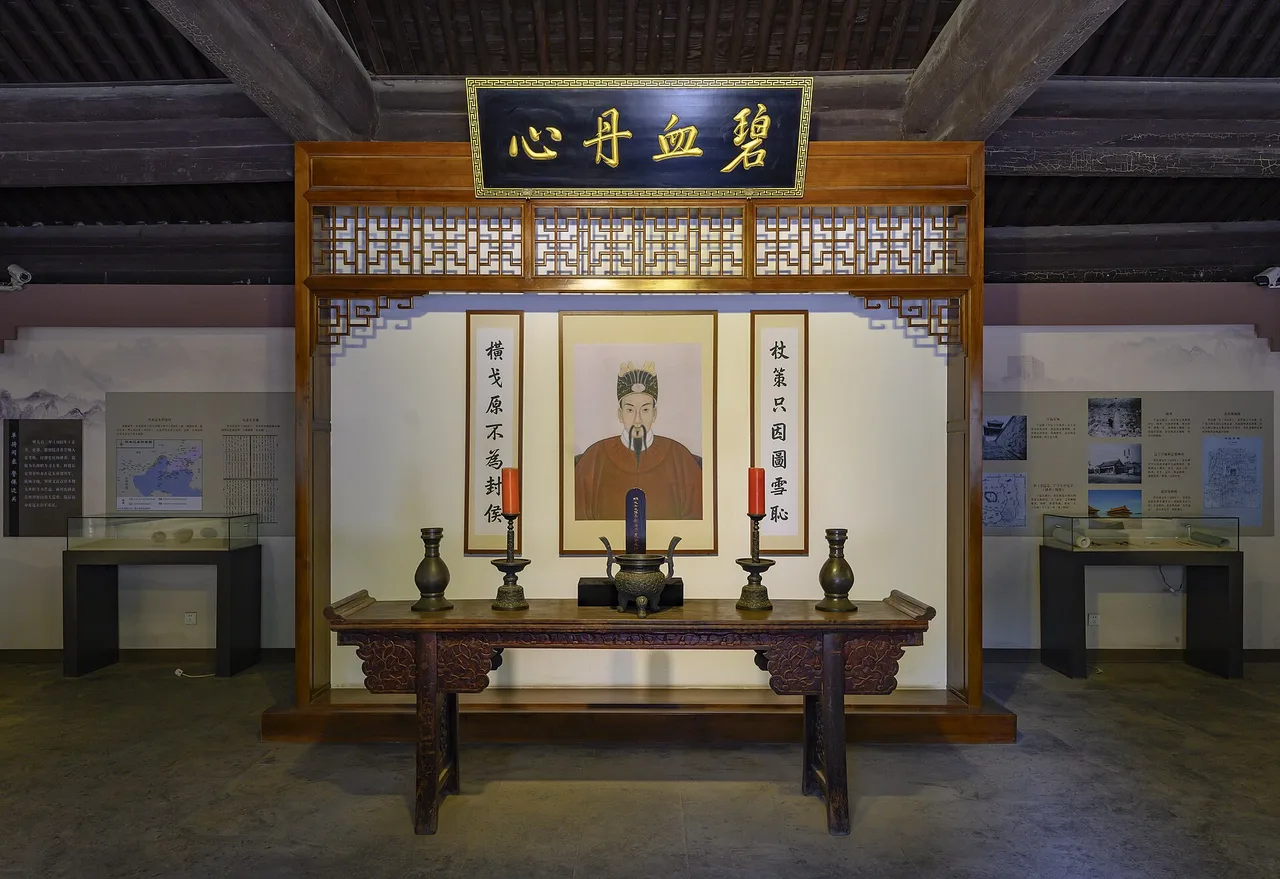
What the Historical Record Shows: Manchu Files Debunk Treason Claims
On September 22, 1630, the Ming court put Yuan Chonghuan to death by slow slicing at Beijing's West Market. The state charges claimed he failed his post, killed an army leader without leave, fed the enemy grain, and sought private peace. The watching crowds showed wild rage.
Yet daily war logs in the Old Manchu Archives from the winter of 1629 tell a different story. They show no secret deal or shared path between Yuan and the Later Jin. Hong Taiji led his troops past the Khorchin Mongol plains. His army broke the Ming line at Da'ankou and moved toward Zunhua. The inner guard lines in the Jizhou area fell apart on their own. Yuan was based far to the east in western Liaodong. He did not guard that mountain pass. As soon as news reached him, he led 9,000 elite riders on a fast march. They pushed across a hundred miles of ice and snow to meet the foe outside the capital walls.
Outside the Guangqu and Zuo'an gates, Yuan's riders fought the Eight Banners in hand-to-hand combat. Yuan fought on the front line himself. Enemy arrows struck his heavy iron coat many times. If he planned to switch sides, he would not risk his life in open dirt outside the city walls. Records from the Qing court show that Hong Taiji used mind games only after he failed to beat Yuan in battle. A defected Han officer named Gao Hongzhong gave him an idea. Guards spoke of a fake secret deal with Commander Yuan near captured Palace Eunuchs Yang Chun and Wang Chengde. The guards then let them slip away back to the Forbidden City. This trick appears in the Draft History of Qing and later royal decrees. It proves that the claim of battlefield treason was false.
How Politics and Culture Rewrote Historical Memory
If Yuan never turned on his king, why did so many people think he was a traitor? Two big shifts in ideas across two dynasties reshaped this story:
The first shift happened among the late Ming court and the scared people of Beijing during the Jisi Incident. The Chongzhen Emperor took over an empty purse worn out by border wars. Eight Banners horsemen slipped past the Great Wall and raided lands near the capital. Chongzhen felt deep shame. Da'ankou fell due to weak military administration and bad teamwork between army posts. The emperor could not admit his own flaws. Instead, he needed one man to take the blame for the sudden war shock.
The second shift came in the High Qing era. In 1772, Emperor Gaozong of Qing looked over the old files and ordered the Rehabilitation of Yuan Chonghuan. The emperor said Yuan fought hard against the early Qing, but he stayed true to his own lord. He died only because a foolish ruler ruined his own shield. State scribes put this view into the History of Ming. With this move, the Qing court hit two marks: it cast the Manchu throne as a true friend of Confucian Loyalty and Righteousness to win over Han scholars, and it blamed the Ming fall on the sins of its last ruler. This helped cement the rule of the Qing dynasty.
02. Stripping the Myth: Command Expansion and Fatal Strategic Gambles
Clearing Yuan of treason does not mean he made no errors. Old petitions and court books show that his rule in Liaodong crossed red lines in the Ming court system.
Promising to Recover Liaodong in Five Years: The High-Risk Political Lie
In the seventh month of 1628, Chongzhen called Yuan to a meeting in the Forbidden City. The young ruler wanted quick answers to the northern war. Yuan spoke up fast: "Give me full power, and I can win back all of Liaodong in five years." Chongzhen was glad to hear this bold claim. He gave Yuan the Shangfang Sword. This gift gave him wide power over troops, jobs, and funds.
Yet the History of Ming tells of an odd talk right after the meeting. A Supervising Secretary named Xu Yuqing, working as Supervising Secretary of the Office of Scrutiny for War, pulled Yuan aside. He asked how Yuan could ever pull off such a huge task. Yuan smiled and said he spoke off the cuff just to calm the ruler's mind. Xu warned him that the young king took words at face value. He warned that missing this goal would bring ruin. Yuan soon sent new notes asking for more grain from the board and no meddling from the Ministry of War. Still, Chongzhen held onto that five-year promise like a firm vow.
Executing Mao Wenlong and Pursuing Private Truces: Breaching Civil-Military Boundaries
In June 1629, Yuan took a boat to Pi Island in the Yellow Sea. There, he made a move that upset the whole northern front: he trapped and killed Mao Wenlong, the head of the Dongjiang post.
The Dongjiang base sat off the coast of the Liaodong area. Mao Wenlong often broke rules, padded troop lists, and ran black-market ships. Even so, his coastal troops posed a threat to the Jurchen rear. Whenever Nurhaci or Hong Taiji marched west toward the Daling River or Shanhaiguan, they had to leave men behind to protect Liaoyang and Shenyang from sea raids. Yuan wanted all border forces under his own hand. Using his royal sword, he killed a top general without asking the court first.
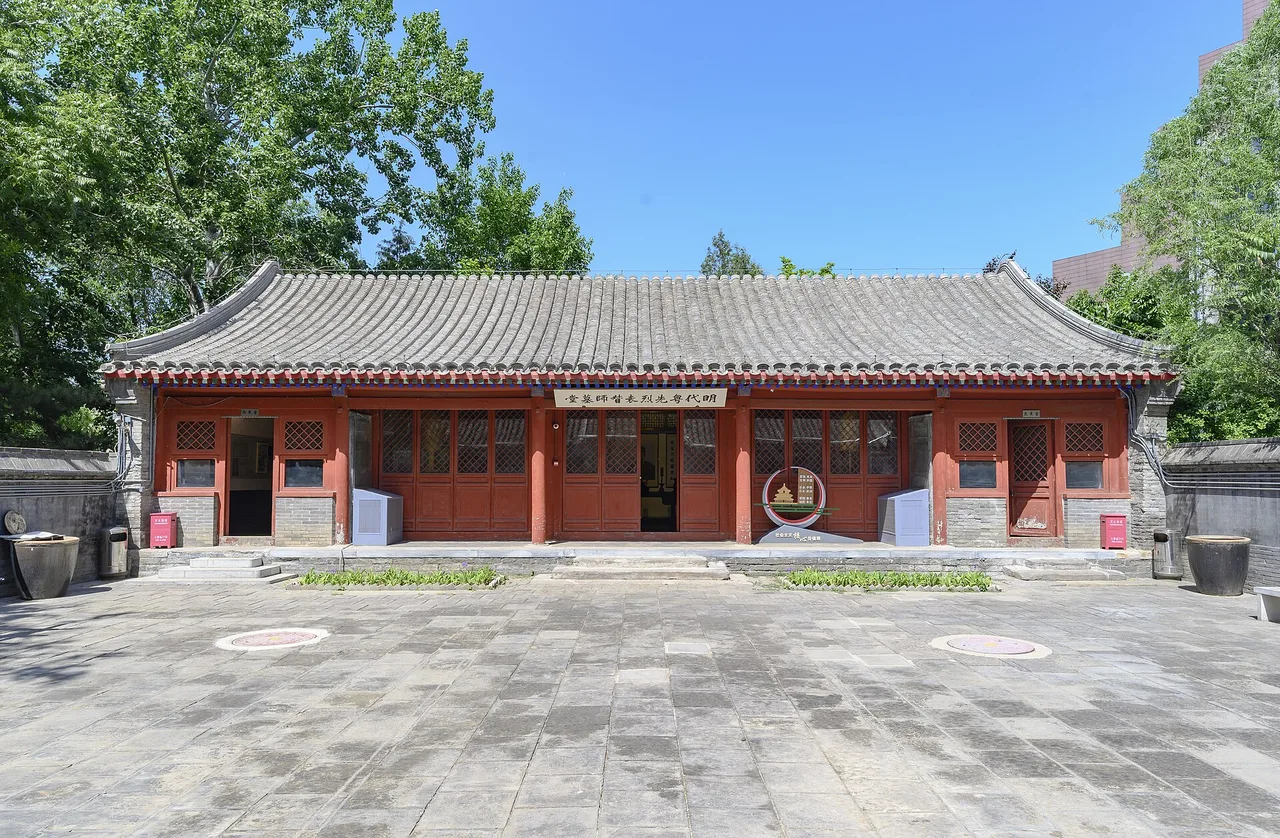
The harm from Mao's death came fast. With its sea flank safe, the Later Jin launched a bold strike. They moved around Yuan’s strong posts along the coast and swept through Inner Mongolia. To make things worse, Yuan held secret talks with Hong Taiji to buy time. He also let grain flow to northern Mongol tribes that worked with the Later Jin. The court was full of bitter factional conflict, and strict critics hated any sign of compromise. To them, a border general who held private talks and sent grain near enemy lines looked like a rogue warlord carving out his own land.
03. Twilight of an Empire: Siege Panic and the Scapegoat Machine
When the executioners tied Yuan at the West Market, onlookers rushed up to buy and eat bits of his flesh until nothing was left. Later writers often cited this scene as proof of blind mob rage. But during the 1629 raid, this fury grew out of total war panic and the court's need for a scapegoat.
flowchart TD
    A["Escalating Liaodong Frontier Crisis"] --> B["Empire Imposes War Surcharges: Taxes Stretched to the Limit"]
    B --> C["Guanning Defense Network: High Cost and Passive Posture"]
    C --> D["Jisi Incident: Enemy Forces Breach the Passes, Refugees Flood Beijing"]
    D --> E["Siege Panic: Shelling Outside the Walls Unleashes Public Hysteria"]
    E --> F["The Imperial Court Blames Defense Failure on Yuan's Alleged Treason"]
    F --> G["Yuan Chonghuan Executed: The Empire Channels Systemic Collapse onto a Scapegoat"]
Siege Trauma and Wartime Mass Psychology
In the winter of 1629, Eight Banners horsemen raided towns across the Beijing area. They burned homes and fields in nearby plains. Countless scared farm folk ran behind the capital's nine city gates. Food costs soared, the city went under strict guard, and big guns boomed outside the walls day and night.
For ten years, common people had paid three sets of special taxes to fund the border guard. Many families lost all they had to keep the northern army fed. When enemy banners popped up outside the city gates, the crowds saw things in simple terms: the realm had starved its people to feed Yuan Chonghuan's army, yet the foe stood right at their doors. When court edicts claimed Yuan had joined hands with the enemy to force peace negotiations, years of fear and unpaid bills turned into hate against the fallen general.
Cross-Cultural Parallels: The Stilicho Precedent in Collapsing Empires
Yuan Chonghuan’s fall matches a common trend in the late years of old empires. In 408 CE, Visigoth troops marched toward Italy. Flavius Stilicho, the top general of the Western Roman Empire, met a fate much like Yuan's.
Stilicho had defended the West for years, beating rival armies in hard fights. To guard weak borders, he took a plain path: he urged the Roman Senate to pay gold gifts to the Visigoths to keep peace while trying to calm stubborn civilian elites. This hurt Roman pride. Rival court voices told the young emperor Honorius that Stilicho was plotting with foes to take the throne. In August 408, guards lured Stilicho into a church and killed him.
Both killings led to the same end. Stilicho's death took away the only commander who could block the raiders. The road to Rome lay open, and two years later, in 410, Visigoth troops sacked the city. Fourteen years after Yuan died, the Ming dynasty fell from bad finances and broken armies. In 1644, Chongzhen died on a hill behind the palace, and the gates of the Forbidden City swung open to rebel bands and the Eight Banners.
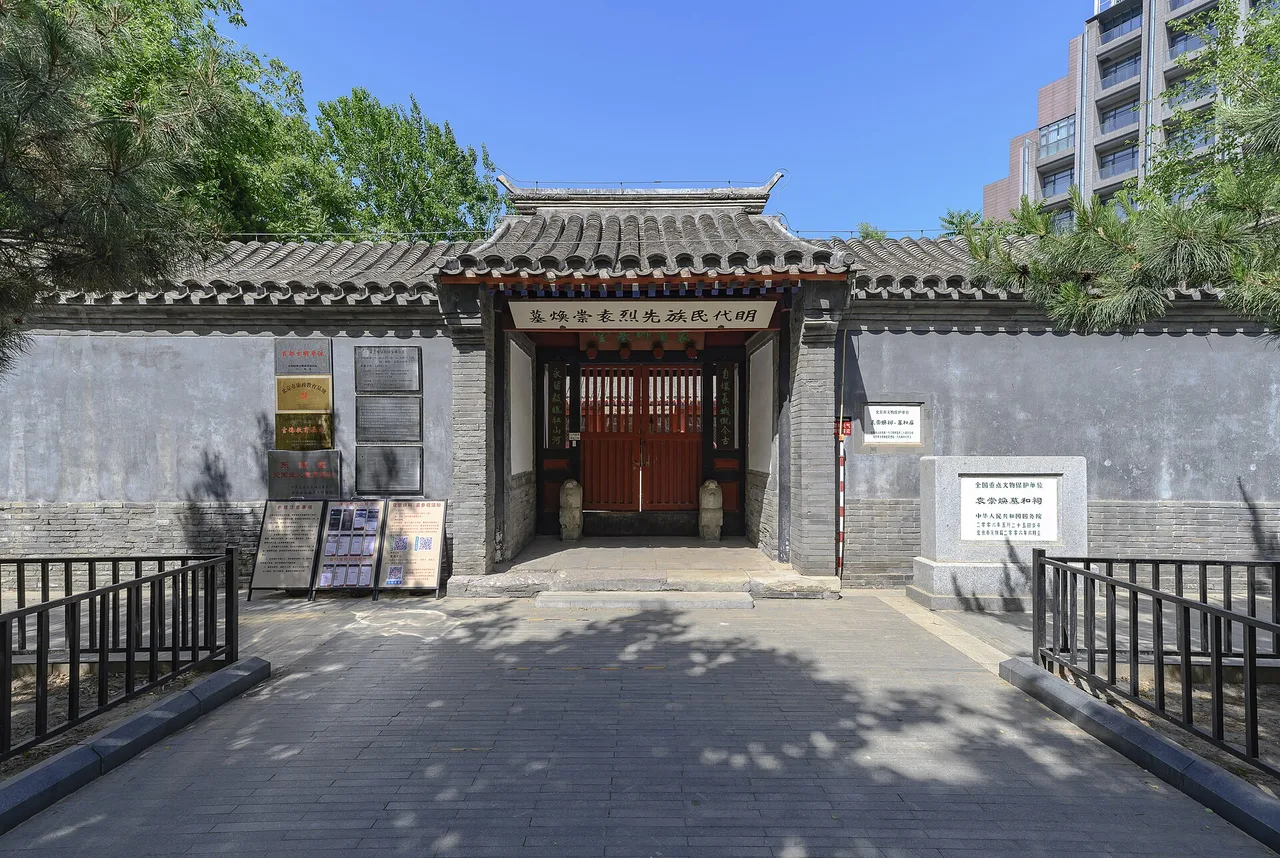
Once we brush aside court lies and tall tales, we see Yuan Chonghuan as a skilled border chief. He knew how to use modern guns and stood up in a dark hour. Yet he was trapped by his own pride, poor long-term plans, and rash moves. He could not bridge the deep distrust of a dying dynasty, and he became the final scapegoat for a state sliding into ruin.
Just as the Records of the Grand Historian showed how court jealousy and fear hurt loyal generals of old, Yuan's career was shaped by deep rot in the state. He built strong Fortifications along the border, turning Ningyuan into a key Fortress to block northern raids. Yet, without the sound advice of an experienced Grand Master or true trust from the throne, his bold moves led to his death. Long before, in the Da'an era of the Western Xia or through the rise and fall of earlier courts, generals who overstepped imperial limits met the very same fate.
Primary Sources & Historical Bibliography
- Official Ming Court Annals: Veritable Records of the Ming (Chongzhen Changbian, Vols. 1–35), documenting the original dialogue of the "five-year recovery" pledge during the Platform audience, the movement of the Guanning cavalry during the Jisi Incident, and the imperial decrees ordering Yuan's arrest.
- Pre-Conquest Manchu Records: Old Manchu Archives (Reign of Emperor Taizong, Year Tiancong 3), containing unvarnished battlefield dispatches on the advance through Zunhua, the breach at Da'ankou, and the engagements outside Guangqumen, confirming an absence of collusion from Ming defenders.
- Official Qing Dynasty Historiography: Veritable Records of Emperor Taizong of Qing (Vols. 5–7), detailing Hong Taiji's disinformation scheme and the release of captured Ming eunuch Yang Chun to plant fabricated intelligence in the Forbidden City.
- Late Ming Eyewitness Accounts: Ji Liuqi, Private Chronicles of the Late Ming (Mingji Beilue, Vol. 5), offering contemporary descriptions of public hysteria, volatile food costs, and the consumption of Yuan's flesh by city residents during the siege of Beijing.
- Modern Structural Analyses: Ray Huang, 1587, A Year of No Significance, Chapter 7, examining structural friction between civilian scholar-officials and frontier military commanders during the mid-to-late Ming dynasty.