TL;DR · Core Takeaways
- Daily dining logs show true menus: Original court logs show that Empress Dowager Cixi received twenty to forty plates at a normal meal. These items included buns, pickles, and hot pots. Only major state banquets featured over one hundred dishes.
- Table spreads served as room decor: Most bowls were cold platters or reheated stews. Cooks set them out to follow Manchus dynastic rules rather than for dining. Her private kitchen cooked a few fresh dishes to order.
- Leftovers fed staff and markets: Untouched food was never thrown away. Palace Eunuchs resold fine foods outside palace gates, while officials inflated food costs to pocket silver from the imperial purse.
- Wild rumors grew over time: Court ladies confirmed that Cixi washed with warm water basins and damp towels. She never took milk baths. She drank one small cup of boiled human milk each day as medicine, but later writers turned this into wild gossip.
Historical Context
- Chinese Timeline: Reign of Emperor Muzong of Qing (Tongzhi) through the Guangxu Emperor (1861–1908). This era covers the Tongguang Restoration, the Self-Strengthening Movement, and late reforms after the Boxer Protocol.
- Western / Mediterranean Timeline: Height of the Victorian era into the Edwardian period; fall of the Second French Empire and rise of the Third French Republic; unification of Germany.
Popular movies and Western travel books often paint a vivid picture of the late Qing dynasty court. In these tales, an old empress sits inside the Forbidden City behind long fingernail guards. She orders 108 dishes for every meal, tastes only two bites, and throws away the rest. Rumors also claim she soaked in tubs of fresh milk while the state went broke.
Did these wild scenes really happen, or did modern newspapers invent them? Modern Historiography tests these old tales by checking authentic historical sources. A close look at the Records of the Grand Historian shows that old rulers used public feasts to project state power. Ancient rulers in Lijiang and the Great Li Kingdom did the very same thing. Daily kitchen logs from the Qing court show a strict system shaped by red tape rather than wild personal greed.
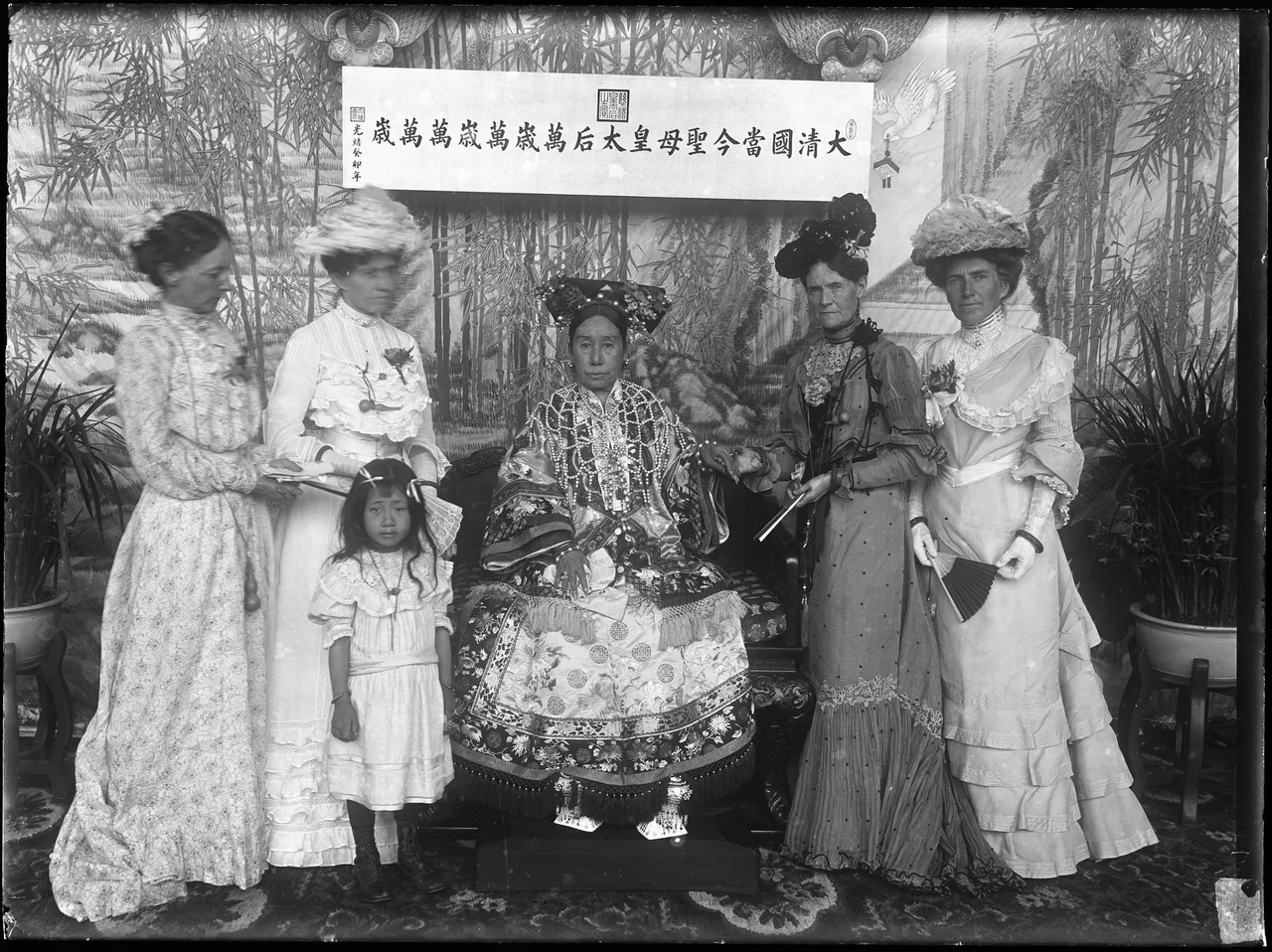
01. Archival Evidence: Daily Menus in the Imperial Dining Ledgers
The Qing court kept close track of all food served to rulers. Every day, a staff Clerk wrote down the meal hour, room, dish names, bowl types, cook names, and leftover recipients.
On the Empress Dowager's sixty-third birthday in 1897 during the Guangxu era, the breakfast log listed over one hundred dishes. These dishes included bird's nest soup with duck, sweet rice, and fried pork with greens. Yet this feast was a major birthday gala, the biggest annual event on the court calendar.
Routine days were quite different. A normal spring breakfast log from 1900 shows a standard spread of:
- Hot pots and stews: 2 to 4 kinds;
- Fresh stir-fried dishes: 12 to 18 kinds;
- Steamed buns and pastries: 8 to 10 kinds;
- Pickled vegetables and fresh fruit: 10 to 15 kinds.
These items added up to thirty or forty choices in all. Simple grains, salted greens, and pickled cabbage formed a large part of every meal instead of rare meats.
[Estimated Structure of Cixi's Daily Breakfast (Guangxu Era)]
+--------------------------------------------------------------+
| Fresh Stir-Fries (approx. 12-18 dishes, cooked to order)     |
+--------------------------------------------------------------+
| Steamed Pastries, Dim Sum, and Porridges (approx. 8-10 items)|
+--------------------------------------------------------------+
| Pickled Vegetables, Appetizers, and Fruit (10-15 dishes)     |
+--------------------------------------------------------------+
| Ceremonial Display Pots and Stews (2-4 dishes, reheated)     |
+--------------------------------------------------------------+
Princess Der Ling served as a court lady to Cixi for two years and described these meals in her book. Food brought through long corridors from the Great Imperial Kitchen arrived lukewarm, with grease turning solid on top. Cixi rarely touched these standard bowls. Instead, she ate fresh greens made by her small private kitchen. Most routine courses were decorative stage props required by court rules.
02. Myth vs. Primary Chronicle vs. How the Myth Evolved
Modern stories often confuse court rules and staff graft with gluttony. The table below compares three popular myths with primary Qing records:
| Myth | Primary Chronicle | How the Myth Evolved |
|---|---|---|
| Every meal required 108 fresh hot dishes, which servants discarded after two bites. | Imperial Kitchen Bureau Dining Ledgers: Daily meals held twenty to forty items, including buns and pickles. Only large state feasts had over one hundred dishes. | Early Republican memoirs and literary collection books exaggerated waste to mock the fallen empire. Movies in the 1980s repeated the story for drama. |
| Over a hundred young mothers supplied milk daily for imperial full-body milk baths. | Regulations of the Grand Secretariat and court memoirs: The palace kept cows for milk; royals drank one small cup of boiled human milk for health. Servants washed Cixi with warm water basins and towels. | Anti-Manchu pamphlets mixed northern dairy habits with palace gossip. Later newspapers added shocking claims to boost sales. |
| Bespoke silk and brocade cloud socks were worn once and immediately thrown into trash bins. | Imperial Household Department Workshop Ledgers: Fine socks used raw silk and stiff cloth over soft linings. Washing warped the fabric. Staff gave worn pairs to maids or saved the silk. | Modern writers used to elastic socks did not grasp ancient clothing care, mistaking careful storage for careless waste. |
03. Bureaucratic Mechanics: Why the Table Remained Overcrowded
If the ruler had a small appetite and disliked cold food, why did staff keep setting out big spreads? The practice continued because of court ritual and staff corruption.
Ritual Showmanship and Procurement Graft
In the Qing dynasty, imperial dining was a public show of power. The rule books said a full table proved that tribute arrived from every province. Even when the Guangxu Emperor was kept locked inside Yingtai after the Coup of 1898, cooks still sent him multiple courses each day. Removing dishes was seen as an insult to old ritual institutions.
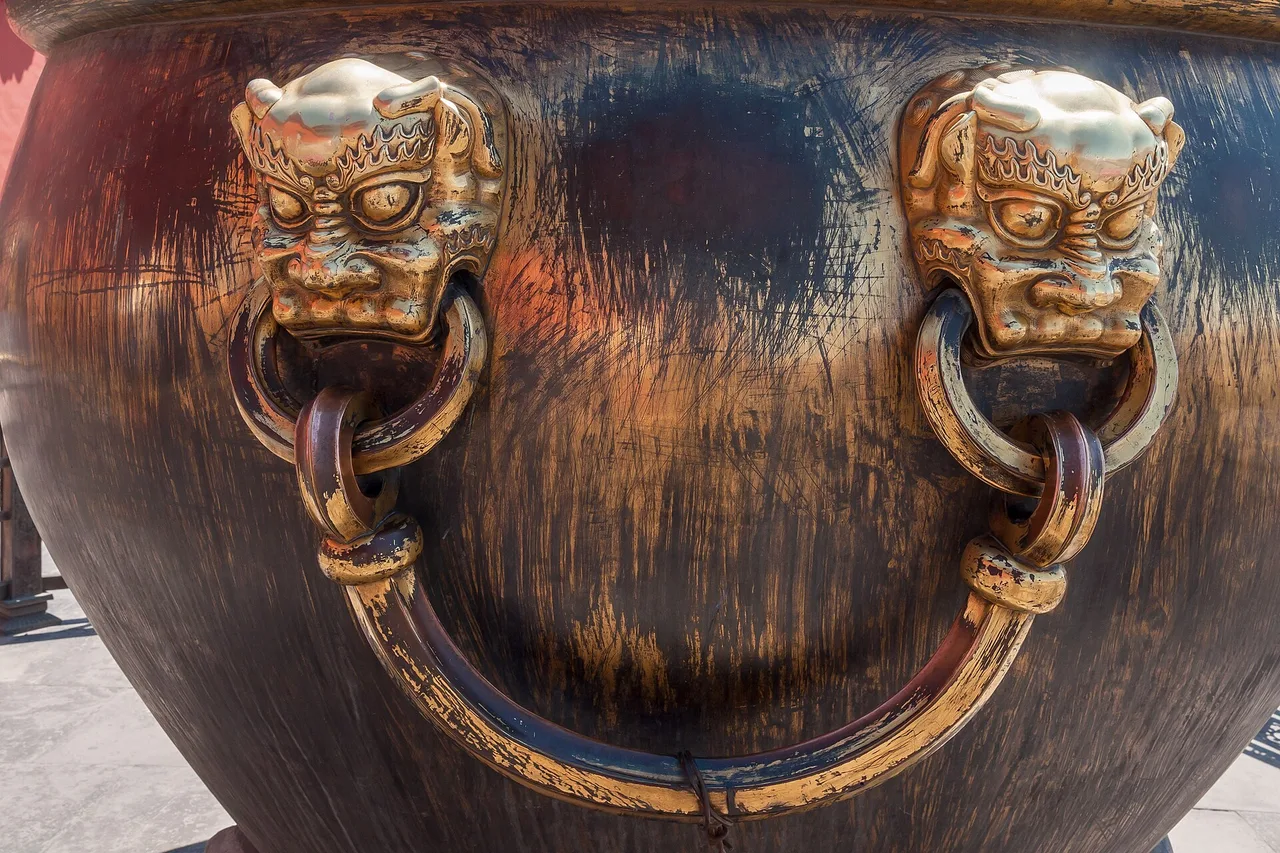
Kickbacks inside the Imperial Household Department created an even bigger reason to keep the tables full. Working outside the Ministry of Revenue, this office ran palace spending and inflated invoices. When official Yan Jingming checked the books, he found that eggs worth pennies outside cost several silver coins inside the palace walls.
Every extra duck or soup listed on the bill allowed staff to steal more money. If the Empress Dowager cut her meals down to four simple plates, income for hundreds of Hereditary Succession bannermen and cooks would vanish. The loaded banquet table was a cover for staff theft.
Memory Shifts: The Leftover Trade and Republican Tabloids
Untouched food was never dumped out. Old palaces ran organized systems to reuse extra food based on rank:
- Gifts to nobles and imperial consorts: Intact main bowls went to junior imperial consorts, on-duty Grand Councilor ministers, or princes of the Inner Court. Getting a palace dish was an honor, and recipients ate the food at once or took it home.
- Shares for Palace Eunuchs: Leftover meats and porridges went down the line to feed junior staff.
- Resale outside the gates: Fine meats and soups were slipped out through back gates. A Gate Attendant sold these dishes to city restaurants in Beijing for cash.
After the empire fell, former eunuchs and officials lived on city streets. Writers wrote colorful stories about the palace to sell books. Tabloids claimed the Empress Dowager prepared 108 hot dishes only to smell their steam. In various Miscellanies, writers mixed old folk tonics with European gossip, painting an image of an empress bathing in milk while the country went hungry.
04. Cross-Civilizational Counterparts: Versailles and the Imperial Dilemma
Ceremonial court dining was not unique to China. In Europe, the French court at Versailles ran on a very similar plan.
Under French kings, the court staged the public ritual of the Grand Couvert. The monarch ate alone while nobles and guests looked on. Servants carried silver platters along drafty stone halls. By the time food reached the table, the sauces had gone cold. The king ate only a small bite, leaving the rest for court servants and street cooks.
This meal ritual continued even in the 1780s, when state debts grew and bread riots shook Paris. Modern French historians note that this public feast was not personal greed. It was a tool designed to show divine royal power.
The late Qing court faced the same institutional trap. Hurt by the First Opium War, the Second Opium War, and the heavy costs of the Boxer Protocol, state funds ran thin. Yet dining tables in the Forbidden City and the Summer Palace still held dozens of cold, greasy bowls each morning.
The true historical tragedy was not the food the Empress Dowager ate at breakfast. It was that an empire near its end remained trapped by old habits and corrupt staff, unable to change even the dishes on its own tables.
Primary Sources & Historical Bibliography
- Archival Records:
- The First Historical Archives of China (ed.), Archives of the Imperial Tea and Kitchen Bureau: Dining Ledgers (Guangxu 20–26 daily registers). Documents the daily menus, timings, and redistributions for the Guangxu Emperor and Empress Dowager Cixi.
- Imperial Household Department Workshops (ed.), Activity and Wardrobe Ledgers of the Qing Imperial Household Department (Guangxu era). Records garment specifications, silk footwear fabrication, and material recycling protocols for imperial consorts.
- Qinggui et al. (eds.), Collected Statutes of the Qing Dynasty (Guangxu edition), Vol. 121–124, "Court of Imperial Entertainments" and "Department of Ceremonial." Details banquet specifications, standard rations, and procurement quotas.
- Firsthand Memoirs and Oral Histories:
- Der Ling, Princess, Two Years in the Forbidden City, New York: Moffat, Yard & Company, 1911. Firsthand testimony from an imperial lady-in-waiting covering daily kitchen operations and the administrative split between the Shoushanfang and the Great Imperial Kitchen.
- Jin Yi and Shen Yiling, Memoirs of a Palace Maid, Beijing: Forbidden City Press, 1992. Compiled from interviews with former palace attendant He Rong'er, providing details on morning routines, grooming, meal redistribution, and the daily medicinal breast milk allowance.
- Modern Scholarly Studies:
- Yuan Hongqi, Dietary Customs of the Qing Imperial Court, Beijing: SDX Joint Publishing Company, 2005. A foundational monograph by a Palace Museum specialist examining the political symbolism, seasonal banquets, and institutional framework of Qing royal foodways.