Chinese Coordinates
—
Western / Mediterranean Coordinates
The end of the Thirty Years' War in Central Europe (1618–1648) and the Personal Rule of King Louis XIV in France. Roaming armies halved the local populations of Saxony and Pomerania, mirroring the collapse in southwest China.
TL;DR · Core Takeaways
- Atrocities were genuine, not fabricated: Firsthand reports sent to Rome by Jesuit fathers Gabriel de Magalhaes and Lodovico Buglio in Chengdu match Chinese records. Between 1645 and 1646, the Great Xi regime massacred local scholars and burned defiant districts.
- Logistics disprove the single-killer myth: The Great Xi army had only 100,000 to 150,000 soldiers. It held the region for just twenty-eight months. No premodern army using swords and spears could hunt down millions of people across rugged mountains.
- A multi-layered machine drove the collapse: After 1646, Manchu Eight Banners under Prince Hooge, Qing troops under Supreme Commander Wu Sangui, Southern Ming loyalists, and the Kui East Thirteen Armies fought for fifteen years. Combined with cold weather, famine, plague, tiger attacks, and flight south by displaced refugees into Huguang, the registered count shrank to 90,000 households.
> Historical Context
> - Chinese Timeline: 1644 to 1685. The Ming Dynasty capital fell in 1644, and the Great Xi state began. War tore through Sichuan for forty years until Grand Coordinator Zhang Dedi surveyed empty farms in 1685. The crisis spurred the great migration known as "Huguang fills Sichuan."
In global strategy games like Europa Universalis IV, players watch Sichuan collapse overnight during the mid-seventeenth-century crisis. On internet forums, the morbid tale of the "Seven Kills Stele" still frames Zhang Xianzhong—the rebel leader called the Eighth Prince—as a monster. Popular myths claim this self-proclaimed king killed over six million people in just a few seasons.
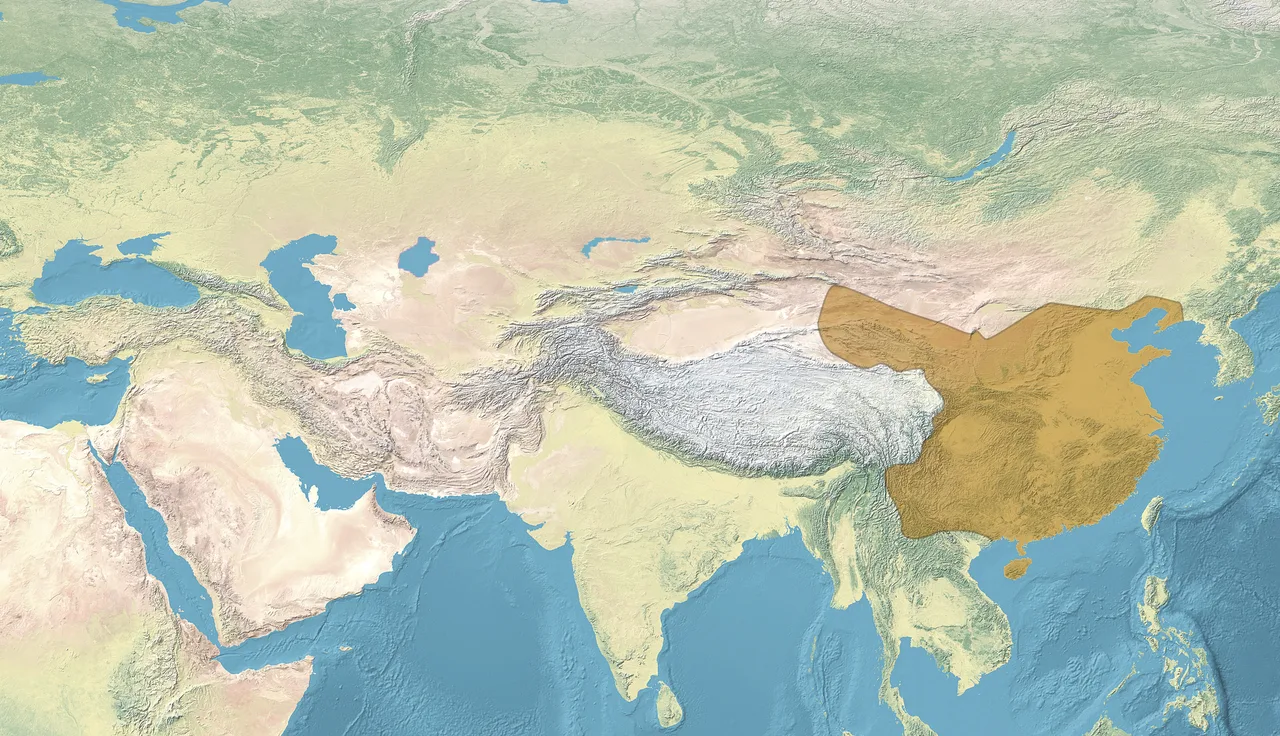
Primary records, surviving stone steles, and European eyewitness accounts tell a very different story. The people of Sichuan did not fall to one warlord's sword alone. Instead, twenty years of roaming rebel raids, Qing attacks, Southern Ming battles, crop failures, disease, and ruined farmland destroyed the province.
01. Memory Layering and Myth Debunking: A Three-Column Source Audit
A side-by-side comparison shows how popular tales, primary records, and imperial propaganda built this myth over three hundred years:
| Popular Legend / Modern Trope | Primary Chronicles & Material Records | Evolution of the Myth & Motive |
|---|---|---|
| Zhang Xianzhong erected the "Seven Kills Stele", which supposedly read: "Heaven brings forth ten thousand things to nourish man; man has not one thing to offer Heaven. Kill! Kill! Kill! Kill! Kill! Kill! Kill!" Popular lore claims he murdered six million people single-handedly. | The surviving Great Xi Imperial Edict Stele in Guanghan (erected in 1645) bears an entirely different text: "Heaven brings forth ten thousand things to nourish man; man has not one thing to offer Heaven. The spirits and gods are clear and just; reflect upon yourselves." The word "kill" appears nowhere. Administrative regulations cover the reverse side. | Early Qing bureaucratic and literary embellishment. Early Qing officials needed to justify their conquest as an act of vengeance on behalf of the fallen Ming Dynasty. Demonizing the Great Xi regime served this goal. Middle Qing storytellers then replaced the moralistic ending with seven repetitions of "kill" to fit popular fiction formats. |
| The Great Xi army exterminated civilians systematically from day one, leaving the entire province an unpeopled desert through intentional genocide. | *Jesuit records by Lodovico Buglio and Gabriel de Magalhaes (Relation of the Sichuan Affairs, 1644–1646)*. Upon first taking Chengdu, the Great Xi regime recruited civil officials and tested each candidate for the Provincial Graduate rank. It pivoted to scorched-earth executions and mass burnings in late 1645 only after local rebellions spread and Qing armies advanced. | *Standardized framing in the official History of Ming** (such as History of Ming*, fascicle 309, "Biography of Zhang Xianzhong"). Qing court historians consolidated twenty years of multi-faction slaughter into the biography of a single dead rebel. This editorial choice obscured the atrocities committed across the southwest by Qing Eight Banners and defecting Ming commanders. |
| The Qing army entered Sichuan as a righteous host of liberation, arriving to find the province already deserted. | Battle memorials from Qing commanders Prince Hooge and Zhang Desheng (1646–1649), alongside early Local Gazetteer records. Qing forces conducted sweeps through northern and eastern Sichuan, forbidding civilian supply networks. Rampant breakdowns in Military Discipline caused immense loss of civilian life. | Literary censorship during the middle Qing dynasty. Works detailing Qing atrocities in Sichuan and the Jiangnan region (such as the Record of Fallen Peaches and Agriculture and the Book of Desolation) were banned or purged, dating all devastation exclusively to Zhang's lifetime. |
02. What Actually Happened: Great Xi Terror and Eyewitness Records
Clearing away legends does not clear Zhang Xianzhong of his real crimes. Denying his war crimes is just as mistaken. Reliable historical sources prove that his forces killed many civilians.
The Sack of Chengdu Through Jesuit Eyes
In late 1644, Zhang Xianzhong marched his army past Kuimen into the western basin. He took Chengdu, declared himself emperor of the Great Xi state, and started his new reign. Two Jesuit priests living in Chengdu, Lodovico Buglio from Italy and Gabriel de Magalhaes from Portugal, served at his court. They watched his regime slide from an orderly government into deep terror.
Their reports sent to Rome describe the turning point in late 1645. Qing troops took Shaanxi and moved on Hanzhong. At the same time, Ming loyalists and local gentry built forts in the hills and rebelled. The Great Xi tax system fell apart. Suspecting plots everywhere, Zhang struck back with cruel force. His officers invited local scholars and each Provincial Graduate to Chengdu for civil exams, then slaughtered them in cold blood. Each Battalion Commander, Escort Brigade Commander, and Army Commander led raids into rural counties to purge resistance.
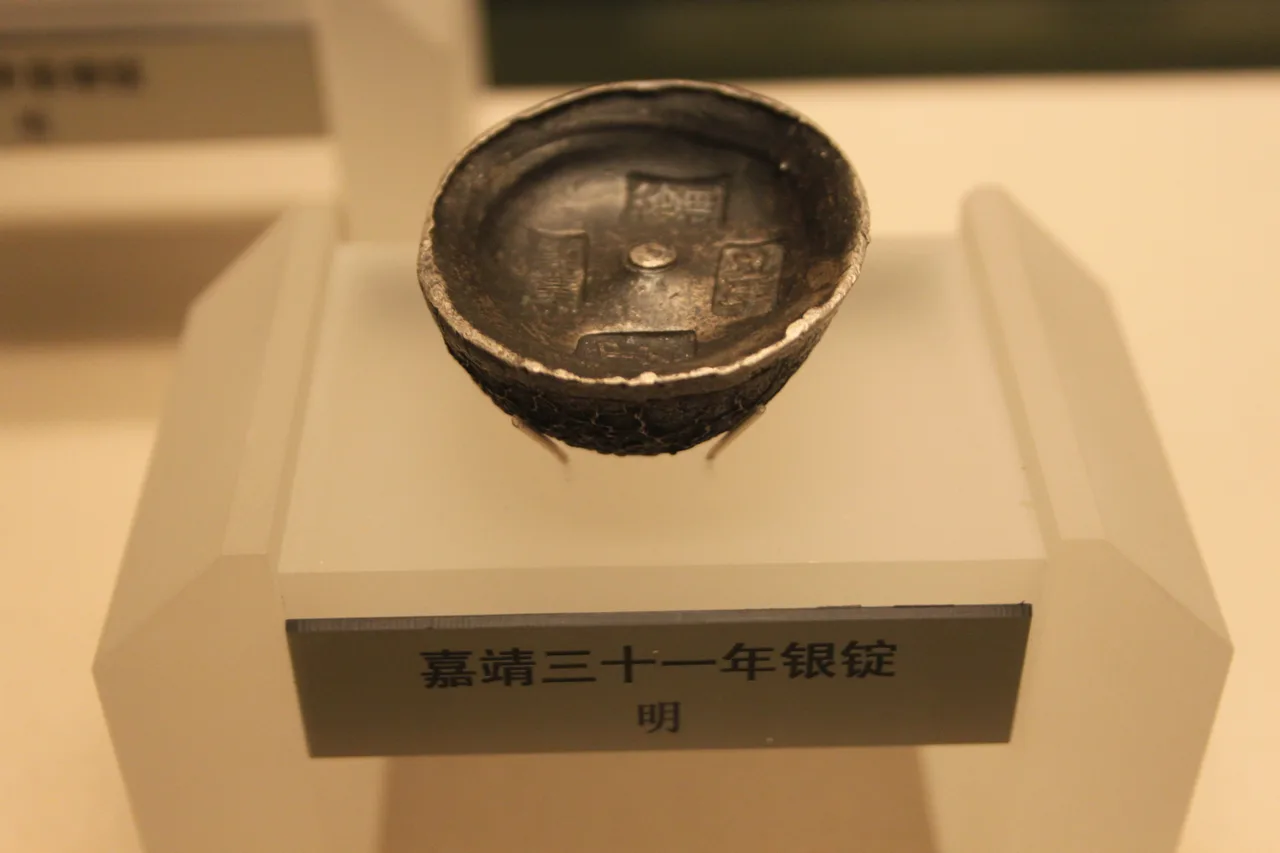
Early Qing histories match these Jesuit letters. In late 1646, Zhang prepared to leave Chengdu to meet the Qing army. Before leaving, he ordered his men to burn the city, destroy the palace, and tear down homes. Soldiers dragged thousands of townspeople out of the gates to die. Chengdu burned for months. This fire dealt the first crushing blow to the province's heart.
Demography and the Limits of Premodern Warfare
Even so, simple math and basic geography disprove the claim that Zhang killed the entire population.
The core combat units of the Great Xi numbered between 100,000 and 150,000 men. Over twenty-eight months, they held only the Chengdu plain and main highways. Ming loyalists held the river port of Chongqing for long stretches. Ming remnants and native chieftains held southern prefectures like Zunyi, as well as the western hills.
Steep mountains, deep gorges, and stone forts fill Sichuan. A premodern army on foot had no trucks, radios, or modern guns. It could never search every valley and mountain redoubt to hunt down millions of people. Blaming all the missing millions on Zhang ignores the limits of premodern war.
03. How Memory Was Reshaped: The Qing Imperial Narrative
Zhang Xianzhong died in late 1646 from an arrow wound at Phoenix Mountain. Yet his death did not bring peace. Instead, Sichuan entered fifteen more years of even wider ruin.
Constructing the Scapegoat
The early Qing rulers faced fierce resistance across the empire. To win over Han scholars, the court claimed it had not come to conquer the Ming, but to avenge the fallen Ming emperor by wiping out rebel bandits.
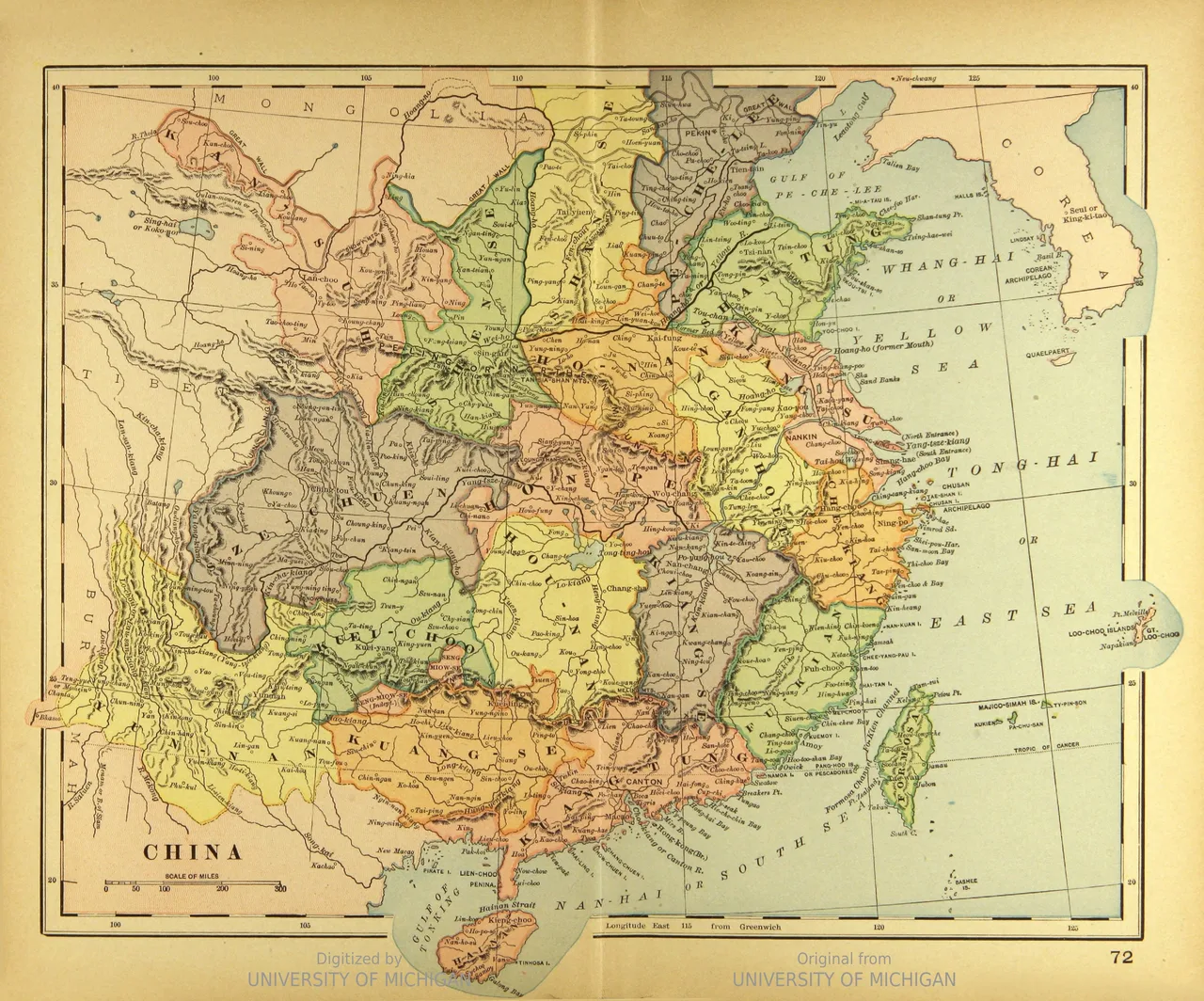
Blaming the entire disaster in the southwest on Zhang gave the Qing a convenient scapegoat. Official records written under the Shunzhi and Kangxi reigns placed all blame on his shoulders. Writers at the Historiography Institute, led by each Senior Compiler, echoed this line and added graphic tales to the Lineage of Learning. Over decades, the Guanghan law stone grew in folklore into the bloody "Seven Kills Stele."
The Multi-Layered Engines of Destruction
After the fight at Phoenix Mountain, Sichuan became an open battleground among four rival groups:
- Fifteen Years of Scorched-Earth Raids (1646–1661)
Hooge's Eight Banners raided Sichuan, looted storehouses, and pulled back because they ran out of grain. Soon after, Qing troops under Supreme Commander Wu Sangui invaded. Southern Ming leaders held pockets of land in the south. Zhang's surviving generals, Sun Kewang and Li Dingguo, fled to Guizhou and then launched bloody raids back into Sichuan. Near the eastern gorges, Ming bands known as the Kui East Thirteen Armies dug into the hills. Towns like Chengdu, Baoning era bases, Shunqing, and Chongqing changed hands many times. Both sides used scorched-earth defence and seized local grain, bringing agriculture and sericulture to an absolute standstill.
- Famine Under the Little Ice Age
The mid-seventeenth century brought the coldest years of the Little Ice Age. Severe droughts, hard frosts, and autumn floods struck Sichuan year after year. With farms abandoned, the province suffered terrible famine. Eyewitness Fei Mi wrote that a small basket of rice cost piles of silver. Starvation killed far more people than cold steel, and wild hunger drove survivors to eat human flesh.
- Plague Epidemics and Tiger Outbreaks
Famine opened the door to deadly disease. Rotting bodies left along roads bred virulent epidemics of plague and childhood rashes. As farm villages emptied, jungle brush covered the fields. South China tigers came down from the Nanshan ridge and deep woods into the lowlands. Early Qing Local Gazetteer records state that tiger packs stalked the streets of Nanchong and Hezhou in broad daylight. In several counties, only a few dozen families survived behind locked doors.
- Flight South and Hidden Populations
The tax roll under Grand Coordinator Zhang Dedi in 1685 listed only 90,000 households. This low number came from tax evasion as well as death. When fighting began, hundreds of thousands of displaced refugees took flight south along river routes into Huguang, Guizhou, and Yunnan. Other families hid in mountain forts and refused to enroll on Qing tax lists. When the Qing court later offered free land and tax breaks, these hidden families came down from the hills to live beside new settlers.
04. Comparative Perspective: The Thirty Years' War
The demographic crash in seventeenth-century Sichuan did not happen in a vacuum. It matched the horrors of the Thirty Years' War (1618–1648) in Central Europe.
Across Germany, Catholic, Protestant, and Swedish armies fought for decades. Just like commanders in Sichuan, generals like Albrecht von Wallenstein made war feed war. They looted farm villages and burned what they could not carry.
Modern demographic studies show that Central Europe lost twenty to forty percent of its people during the war. Some regions lost over half their towns. Every modern historian agrees that bullets and swords caused only a small share of those deaths. Over seventy percent of victims died from typhus, plague, and winter famines spread by moving armies.
When total war breaks the state, stops agricultural water control, and shuts down trade, nature reclaims the land through plague, hunger, and wild beasts. Sichuan's population drop from five million down to a small fraction shows what happens when social order shatters.
Zhang Xianzhong sparked the collapse in Sichuan, but he could not have killed millions on his own. Reducing two decades of multi-faction war, severe climate shocks, and imperial conquest to the story of a single monster hides the real human cost of the Ming-Qing transition.
Primary Sources & Historical Bibliography
- Shen Xunwei (Ming Dynasty), Shunan Jishi [A Record of the Tribulations in Sichuan], preserved in Mingji Baishi Chubian, recording Zhang Xianzhong's invasion and the conditions in Chengdu from 1644 to the early Shunzhi era.
- Peng Zunsi (Qing Dynasty), Shu Bi [The Woes of Sichuan], Qianlong era print edition, detailing Great Xi administrative atrocities, Ming loyalist resistance in eastern Sichuan, and subsequent Qing campaigns.
- Fei Mi (Qing Dynasty), Huang Shu [The Book of Desolation], an early Qing private history offering an eyewitness account of scorched-earth tactics, famine, cannibalism, and tiger attacks across southern and western Sichuan.
- Lodovico Buglio and Gabriel de Magalhaes, Relation de la nouvelle descente des Tartares en Chine [Relation of the Sichuan Affairs], Jesuit Roman Archives (ARSI), containing firsthand European eyewitness reports from inside the Great Xi state.
- Zhang Tingyu et al. (Qing Dynasty), History of Ming, fascicle 309, "Biographies, Part 197: Zhang Xianzhong" (Beijing: Zhonghua Shuju edition), providing the Qing official historiographical account of the Great Xi regime.
- Zhao Erxun et al. (Republic of China), Draft History of Qing, fascicle 480, "Biographies, Part 267: Hooge" (Beijing: Zhonghua Shuju edition), recording the Eight Banners sweep into northern Sichuan.
- Zhang Xuejun and Zhang Li, "An Analysis of the Causes of Sichuan's Severe Depopulation in the Late Ming and Early Qing," Historiography, examining the impact of multi-faction war, epidemic disease, and tax evasion on early Kangxi census figures.
- Geoffrey Parker, Global Crisis: War, Climate Change and Catastrophe in the Seventeenth Century (New Haven: Yale University Press), analyzing the Little Ice Age and demographic collapse across early modern societies.