TL;DR · Core Takeaways
- "No China after Yashan, no Cathay after Ming" is a modern fake slogan: Scholars checked early works like the Complete Poetry of the Song and Complete Prose of the Song. They also read Ming loyalists like Gu Yanwu, Huang Zongxi, and Wang Fuzhi. None of them ever wrote this phrase. It came from early twentieth-century writers and modern web chat boards.
- Conquest dynasties kept and deepened Chinese state systems: In 1313, Ayurbarwada Buyantu Khan brought back the imperial examination system. He made Zhu Xi's books the core text for tests. This rule lasted six hundred years through Ming and Qing. The Qing also supported great art and high-level book studies.
- Three strong anchors kept China from breaking apart: Rome split into parts with new local tongues like French and Spanish. China kept one shared written script. It used the imperial examination system to find good men to run big rivers. Deep family networks in towns and villages kept daily life safe through every war.
Historical Coordinates
- Chinese Timeline: 1279 CE (the Southern Song falls at the Battle of Yashan) to 1912 CE (end of the Qing). This era covers the Mongol rule, the Ming restoration, the Qing Entry through Shanhai Pass, and the dawn of modern China.
- Western / Mediterranean Timeline: 476 CE (fall of the Western Roman Empire). After Rome fell, Europe broke into many kingdoms. It never united again under one crown.
Strategy games like Crusader Kings show a common path for falling empires. When a great realm falls to invaders, its lands split apart. Western Rome fell in the fifth century. Its lands broke into separate Germanic realms. No later ruler ever put old Rome back together.
Many writers try to apply this same Roman story to China. A famous line appears often on the web: "No China after Yashan, no Cathay after Ming." This line claims that after the Song lost the Battle of Yamen in 1279, and after the Ming fell in 1644, China died just like Rome. People who say this view the Yuan and Qing as mere foreign occupiers who broke the line of Chinese culture.
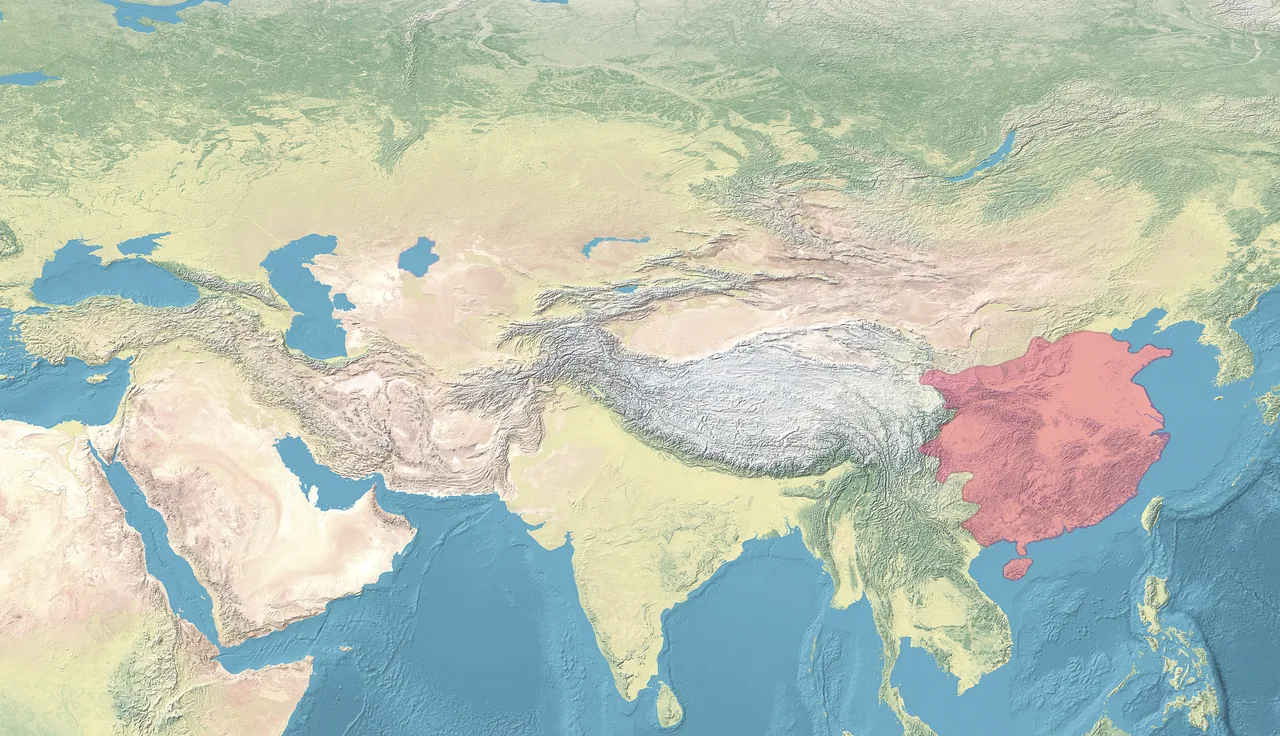
Old texts and dig sites tell a very different story. The phrase "No China after Yashan" is missing from every Song, Yuan, Ming, and Qing text. China did not split into tiny rival states. Instead, it built institutions that led northern steppe rulers to embrace Chinese models of rule.
01. Myth Debunked: The Layered Invention of a False Maxim
Scholars searched the grand texts of history. They checked the Complete Poetry of the Song, the Complete Prose of the Song, and the Siku Quanshu. They read the works of Wen Tianxiang, Zheng Sixiao, Gu Yanwu's Record of Daily Knowledge, and Wang Fuzhi's Du Tongjian Lun. They found zero matches for this fourteen-word line. It is a modern invention.
| Popular Myth | Earliest Official & Archaeological Records | How the Myth Evolved |
|---|---|---|
| "No China after Yashan, no Cathay after Ming" was the dying cry of Song heroes or Ming loyalists. | The History of Song records Wen Tianxiang quoting old moral books. Zheng Sixiao wrote of duty and border lands. Neither claimed their culture died. | Early twentieth-century essays joined late-Qing rebel tracts: Japanese writers said the Song was the peak of Chinese history, and later writers used this idea to claim China ended with Song. Rebels against the Qing picked up parts of these claims. Web users in the early 2000s turned them into a catchphrase. |
| The Yuan dynasty ended the civil exams and the Confucian scholarly tradition to run a crude camp. | The History of Yuan records that in 1313, Ayurbarwada Buyantu Khan restored the tests. A stone slab at Dadu (Beijing) marks the royal rebuild of the Confucian temple. | Early Ming war slogans joined modern books: Zhu Yuanzhang used strong words about foreign rule to rally soldiers. Later writers of The New Historiography read modern European colonial ways into medieval Yuan and Qing rule. |
| The Qing hair laws wiped out old ways and broke Chinese culture. | The Qing built on the Great Ming Code. In 1644, the court honored Confucius and confirmed Kong Yinzhi as Duke Yansheng. The Kangxi Emperor visited the Ming Xiaoling Mausoleum six times to honor Ming rule. | Secret rebel tracts: Nineteenth-century groups treated hair rules as total ruin. In the 1990s and 2000s, web groups took up these old lines. They treated clothes and hair changes as cultural death. |
The Historical Core: Loyalist Grief and Shifting Dynasties
In March 1279, at the Battle of Yashan, Left Grand Councilor Lu Xiufu jumped into the sea with the boy emperor on his back. Many troops and civilians died, ending the Song. Loyal men like Wen Tianxiang wept for their lost house. Yet they saw a clear line between a single court and the civilization itself.
Gu Yanwu explained this split in his Record of Daily Knowledge. He said there is a big difference between the fall of a state and the fall of the moral world. When a ruling house changes, that is just the fall of a state. But when basic decency and ethics vanish, that is the fall of the world. For Gu, a new ruling family was merely a political shift. As long as moral duties, books, and social rites remained, civilization lived on.
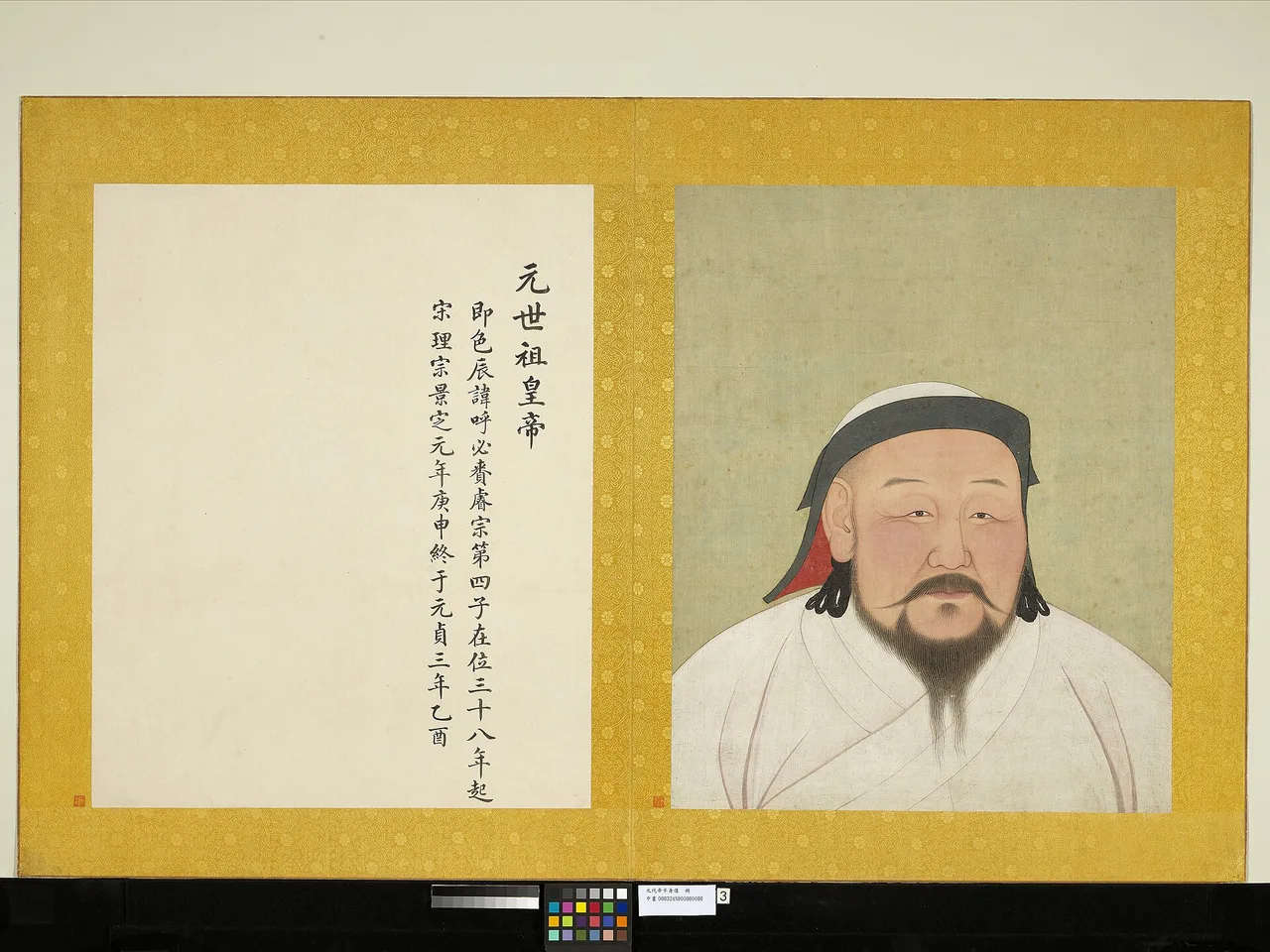
How Later Storytellers Reshaped the Historical Core
The claim that China died at Yashan went through three steps:
- Mid-Ming Moral Debate: In the sixteenth century, Neo-Confucian scholars studied Song ethics. Some felt Song political ideals were lost, but none said the Ming lacked true Chinese roots.
- Kyoto School Ideas and Wartime Use: In the early twentieth century, Japanese scholars studied the big social shifts of the Song. Later war writers twisted these ideas to argue that old China died in 1279.
- Web Boards and Modern Grievance: In the early 2000s, chat rooms mixed lines from novels with old anti-Qing pamphlets. The simple slogan spread fast online.
02. Civilizational Entrenchment: How Steppe Dynasties Formalized Confucian Governance
If steppe conquerors had broken Chinese continuity, the Yuan and Qing would have wiped out regular bureaus like the early Vandals or Franks. Archival records show the exact opposite. Steppe rulers used Chinese governing tools to run a massive farming empire.
The Institutional Turn under Ayurbarwada Buyantu Khan
When Kublai Khan founded the Yuan, he chose the name Da Yuan on the advice of Liu Bingzhong, taking the term from the Book of Changes. He also built Dadu (Beijing) using old plans from the Rites of Zhou.
A key shift came in 1313. Ayurbarwada Buyantu Khan ordered the restart of the imperial examination system. The History of Yuan records:
> "Candidates shall be tested on the Classics and their commentaries. Virtue and conduct, along with artistic skill, shall be weighed. For the Four Books and Five Classics, Zhu Xi's collected commentaries shall serve as the official standard. In policy essays, practical administrative statecraft shall be prioritized."
This order was a major turning point. Under the Southern Song, Zhu Xi's ideas had faced bans, such as the Qingyuan purge. The Mongol court chose Zhu's books to create a clear test for all ethnic groups. That choice set the exam rules for the Ming and Qing for six hundred years.
[Evolution of the Official Examination Standard]
Local Neo-Confucian school in the Song (temporarily banned during the Qingyuan purge)
       ↓
1313 CE: Ayurbarwada Buyantu Khan establishes Zhu Xi's commentaries as the imperial standard
       ↓
1414 CE: Ming Emperor Yongle commissions the Great Compendia of the Four Books for civil exams
       ↓
18th Century: Qing patronage produces the Siku Quanshu and fuels the peak of Evidential Scholarship
Scholarly and Vernacular Peaks in the Qing Era
The Qing court kept tight political control and ran book bans, yet intellectual work flourished.
The court backed huge book projects. It printed the Kangxi Dictionary, the Complete Tang Poems, and the giant Siku Quanshu. These efforts saved rare works and aided the rise of careful research. Led by scholars like Gu Yanwu, this work lifted Textual Studies and Exegetical Studies to high levels. At the same time, fiction reached its peak with novels like Dream of the Red Chamber, while Peking opera grew out of local theater.
03. Institutional Anchors: Why China Escaped the Fate of Western Rome
The contrast with post-Roman Europe explains why China held together. When Germanic tribes took over Western Rome in the fifth century, old Roman offices vanished. Feudal manors replaced central treasuries. Old Roman laws faded, and the shared trade network of the sea fell apart.
Why did China rebuild its unified state after repeated invasions from the northern steppe? Three key anchors kept it whole.
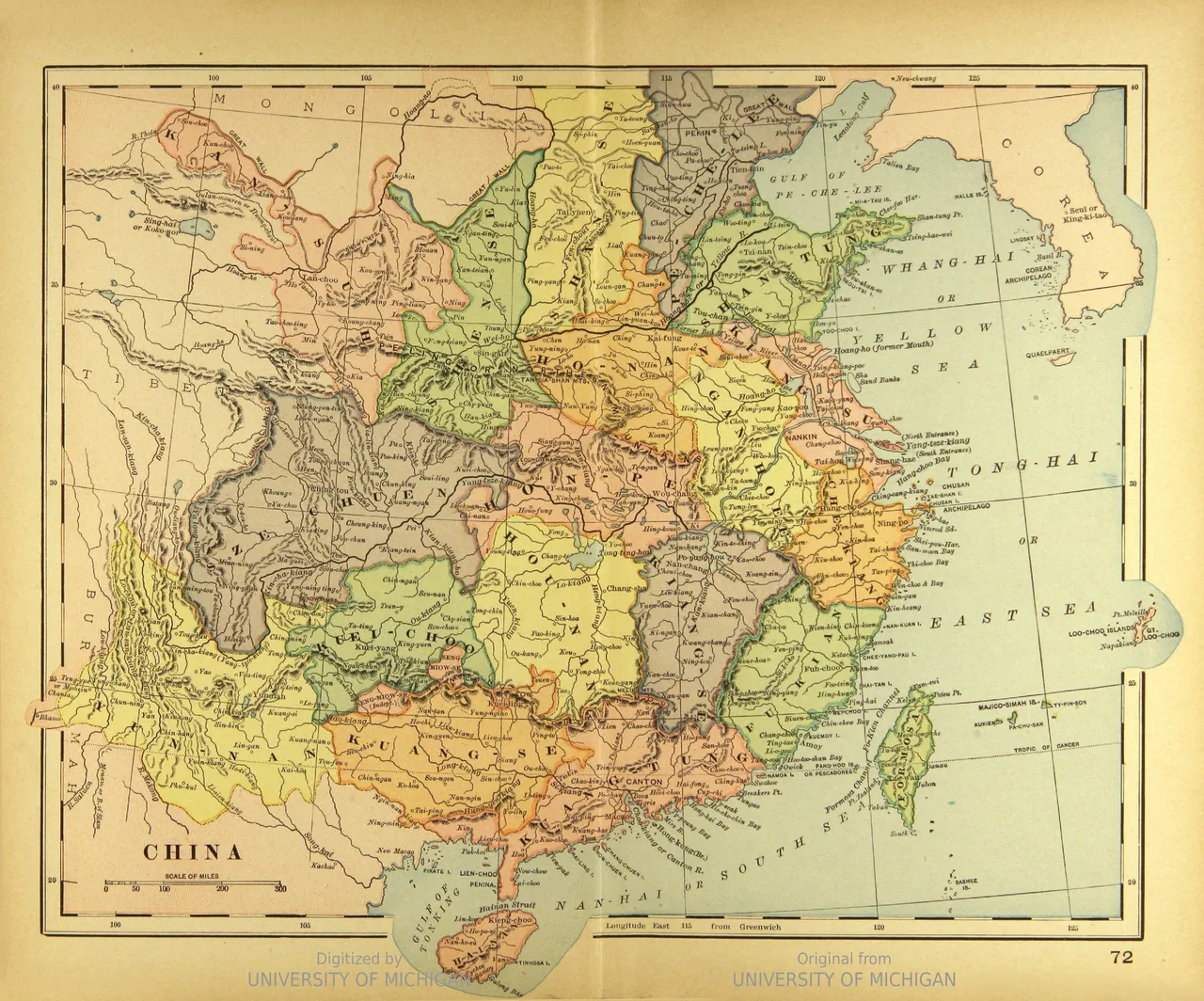
1. A Logographic Script Immune to Phonetic Drift
Sound-based writing shifts when speech shifts. In Europe, bad roads and broken ties let local Latin dialects drift into separate tongues like French, Spanish, and Italian. This split created new cultural borders and helped divide Europe into separate nations.
The Chinese script works on meanings rather than sounds. Spoken dialects across China sounded very different, yet scholars everywhere read and wrote the exact same characters. Even when rulers spoke Mongolic or Manchu, daily rule still ran on writing. Royal orders, tax rolls, and court cases needed standard written text. The shared script kept the realm united across space and time.
2. The Civil Bureaucracy and Hydraulic Management
Steppe horsemen could win wars, but cavalry could not run complex farming plains. Stopping floods on the Yellow River, clearing the Beijing-Hangzhou Grand Canal, moving grain through the Ever-normal Granary, and collecting grain taxes needed skilled civil officers.
Nomad councils—such as the Mongol kurultai or the early Manchu council of the Deliberative Prince and Minister—lacked the tools to survey fields or manage waters. To get steady tax money, rulers hired Confucian scholars trained in books and accounts. The imperial examination system was the only practical way to find this talent. Once a new court restarted the tests and ran the commandery-county system, it stepped into the classic pattern of Chinese rule.
3. Resilient Lineage Networks and Gentry Self-Governance
In old Europe, town councils faded as big slave estates broke down. Bishops and feudal lords stepped into the void. In China, local life rested on strong family clans. This system grew out of Fan Zhongyan's clan trust lands in the Song and Zhu Xi's family guides.
When wars shook the capital, clan halls, clan lands, and village schools kept running. Local leaders ran food relief in bad years, organized local defense, repaired dikes, and taught classic books in family halls. Cultural life did not depend only on the royal court. These deep family roots helped society weather any political storm.
04. Conclusion: The Fallacy of Cultural Purity
The line "No China after Yashan, no Cathay after Ming" rests on a false idea: that a culture must stay pure and unchanging to survive. Under this flawed view, any outside contact or military loss means cultural death.
World history shows the opposite. The strength of Chinese civilization came from its practical tools and ability to adapt. Instead of freezing in place, it met and absorbed northern frontier peoples, bringing steppe systems into a wider imperial frame. Through every crisis, the shared script survived, offices adapted, and family networks held local life together. These three anchors saved China from the permanent fracture that broke Rome.
Primary Sources & Historical Bibliography
- Standard Dynastic Histories & Classical Texts:
- Song Lian, et al., History of Yuan (Yuan Shi), Treatise 31: "Treatise on Elections, Part 1" (Zhonghua Shuju edition). Details the 1313 edict by Ayurbarwada Buyantu Khan establishing Zhu Xi's commentaries as the sole examination standard.
- Zhang Tingyu, et al., History of Ming (Ming Shi), Liezhuan 176: "Literary Biographies, Part 4" (Zhonghua Shuju edition). Examines the writings of Gu Yanwu and Huang Zongxi, tracing the late-Ming distinction between the fall of a state and the fall of the cultural world.
- Veritable Records of the Qing (Qing Shilu), Veritable Records of Emperor Shengzu (Zhonghua Shuju facsimile edition). Records the Kangxi Emperor's six southern tours and his ceremonial visits to the Ming Xiaoling Mausoleum.
- Modern Academic Scholarship:
- Ge Zhaoguang, Here in 'China' I Dwell: Reconstructing Historical Narratives of 'China', Beijing: Zhonghua Book Company, 2011. Analyzes the evolution of Chinese civilizational identity and its misinterpretation in early twentieth-century Japanese historiography.
- Frederic Wakeman Jr., The Great Enterprise: The Manchu Reconstruction of Imperial Order in Seventeenth-Century China, Berkeley: University of California Press, 1985. Examines how the early Qing court integrated Ming bureaucratic systems and Confucian elites to consolidate continental rule.
- Karl A. Wittfogel and Feng Chia-sheng, History of Chinese Society: Liao (907–1125), Philadelphia: American Philosophical Society, 1949. Introduces the analytic model of conquest dynasties and their dual-track administrative systems.