 VOL. 01 · ART.066
Wages & Rent
10 min read
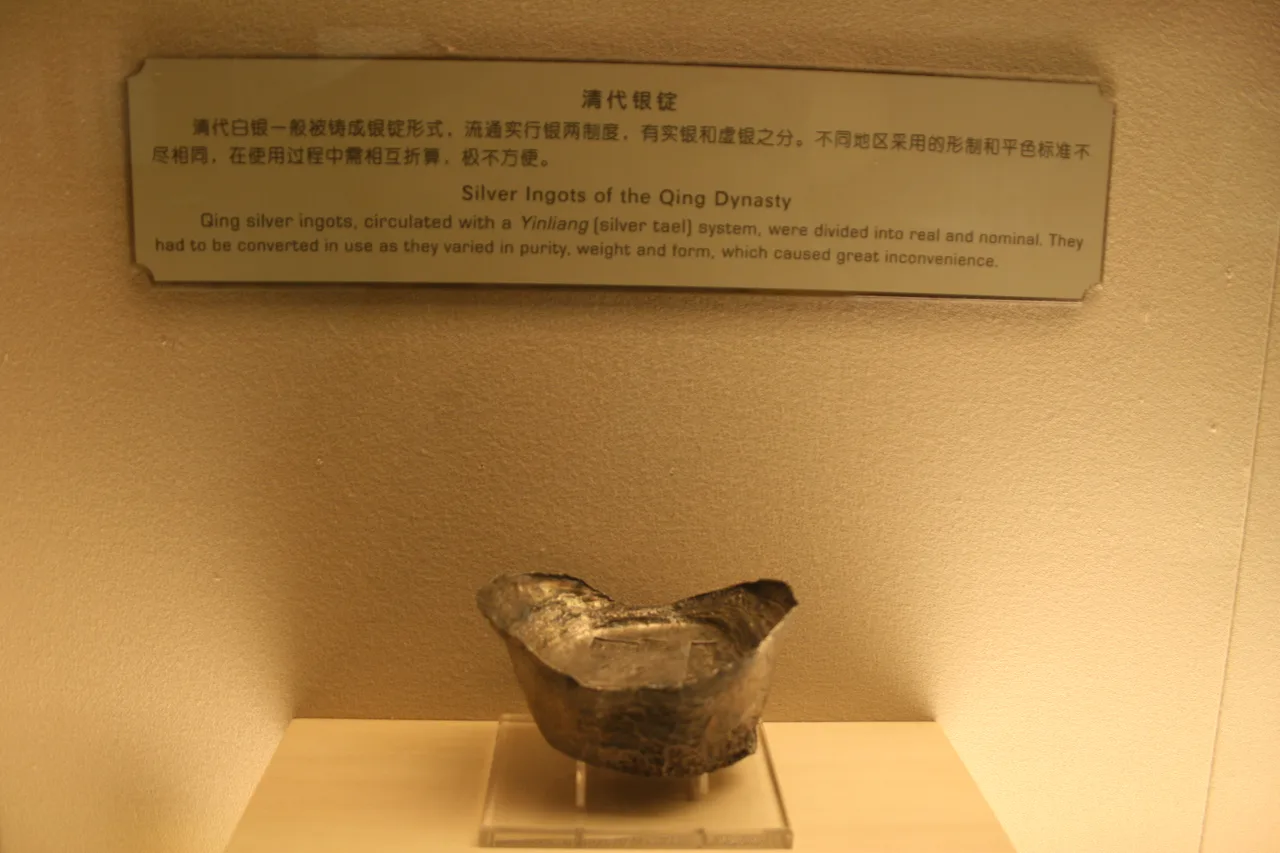
Entering a Ming Noodle Shop with a Ten-Tael Silver Ingot: Why the Shopkeeper Would Refuse and Eject You
Examine the grassroots financial reality of the Ming Dynasty: from bullion weighing and bone scales to counterfeit lead ingots, discover why ordinary citizens relied on cast bronze coins while street vendors flatly rejected heavy silver ingots.
 VOL. 02 · ART.067
Travel & Passes
12 min read
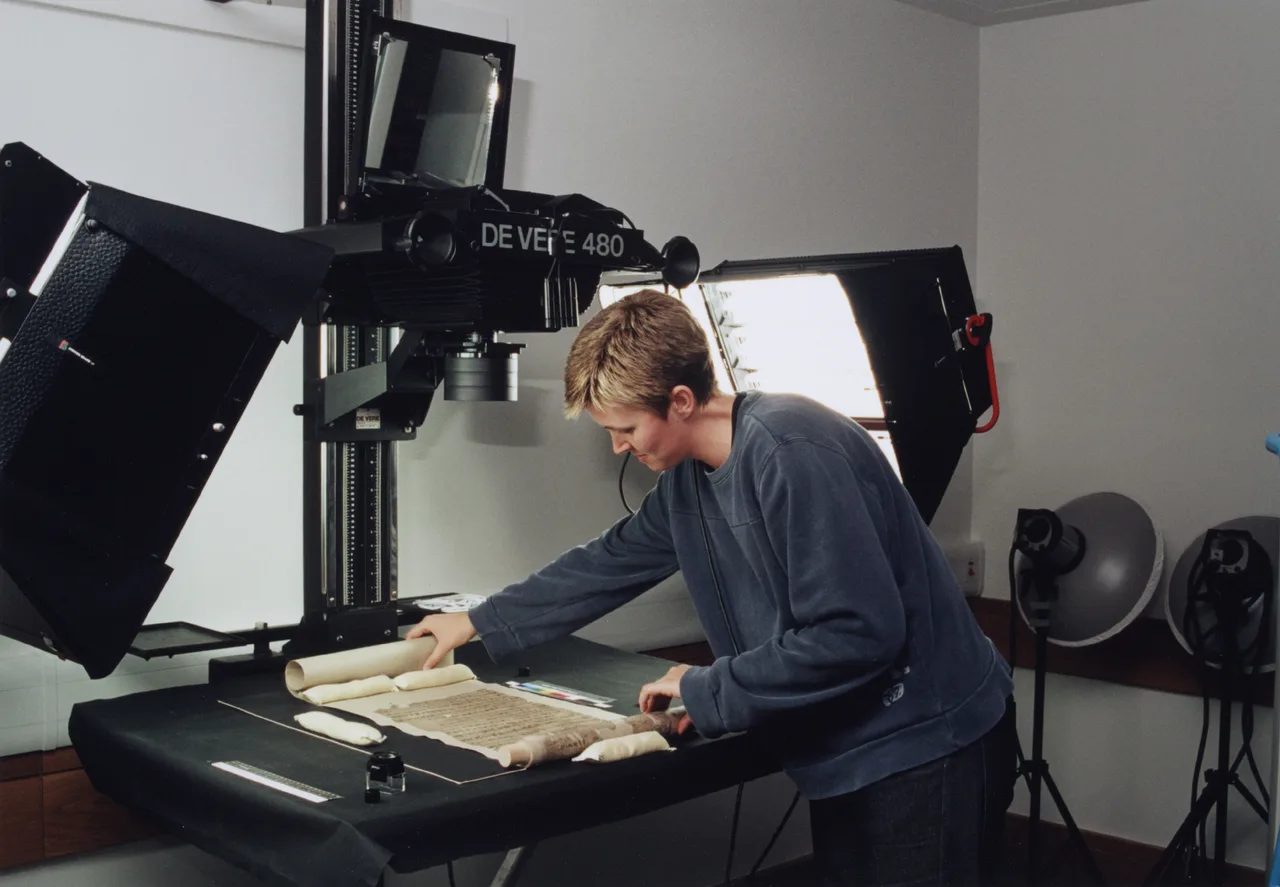
Internal Passports in Imperial China: The Bureaucracy of Guosuo and Luyin Travel Permits
Examine how imperial China controlled internal migration through travel permits. From Tang-era guosuo in Turpan to Ming-era luyin slips and hotel registers, explore checkpoints, costs, and border bureaucracy.
 VOL. 03 · ART.068
Wages & Rent
9 min read
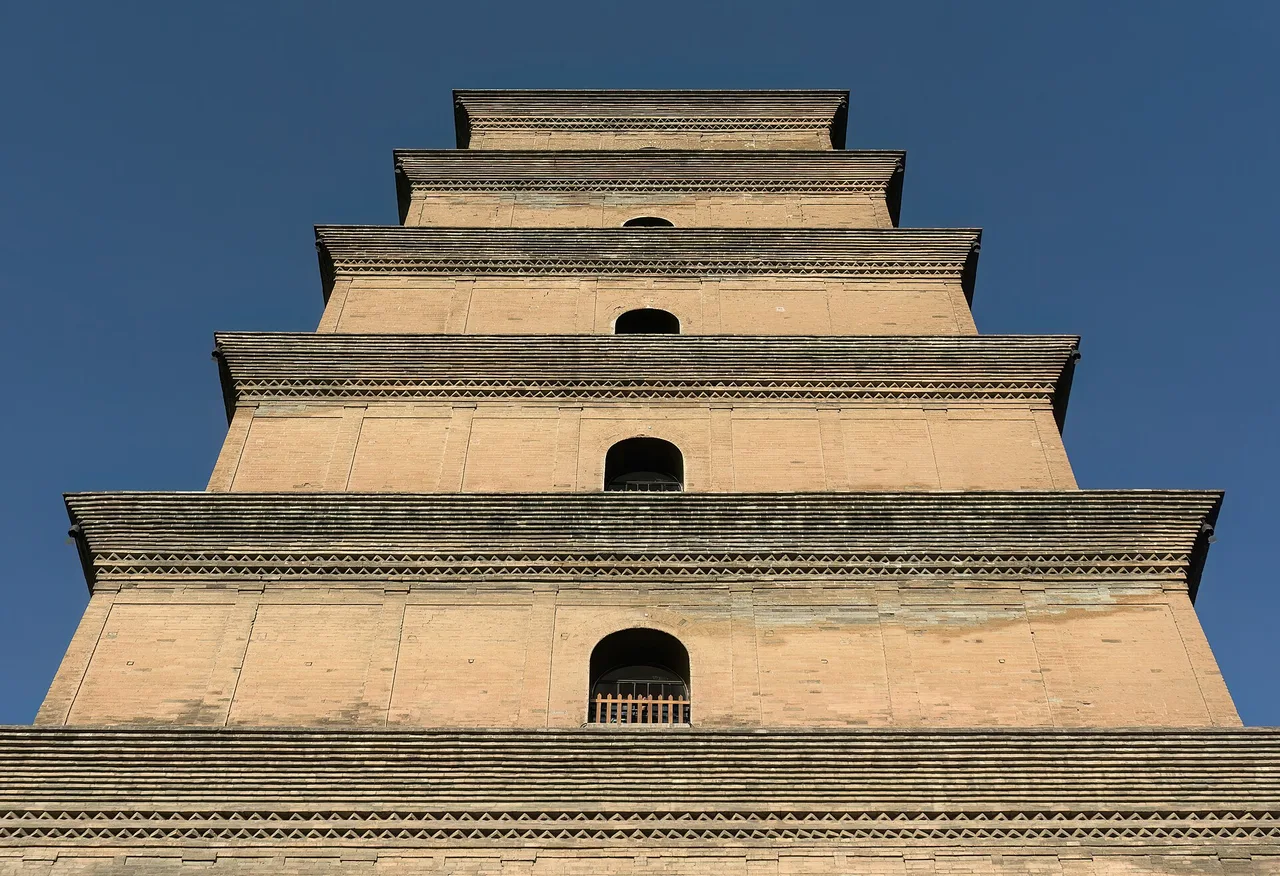
Living in Chang'an Is No Easy Task: Housing Rents and Budget Deficits of a Ninth-Rank Official in Tang China
Reconstructing the 803 CE household balance sheet of junior Tang official Bai Juyi in Chang'an: from his 16,000-cash monthly salary to ward rents, curfew commutes, horse upkeep, and grain transport costs.
 VOL. 04 · ART.069
Food & Markets
12 min read
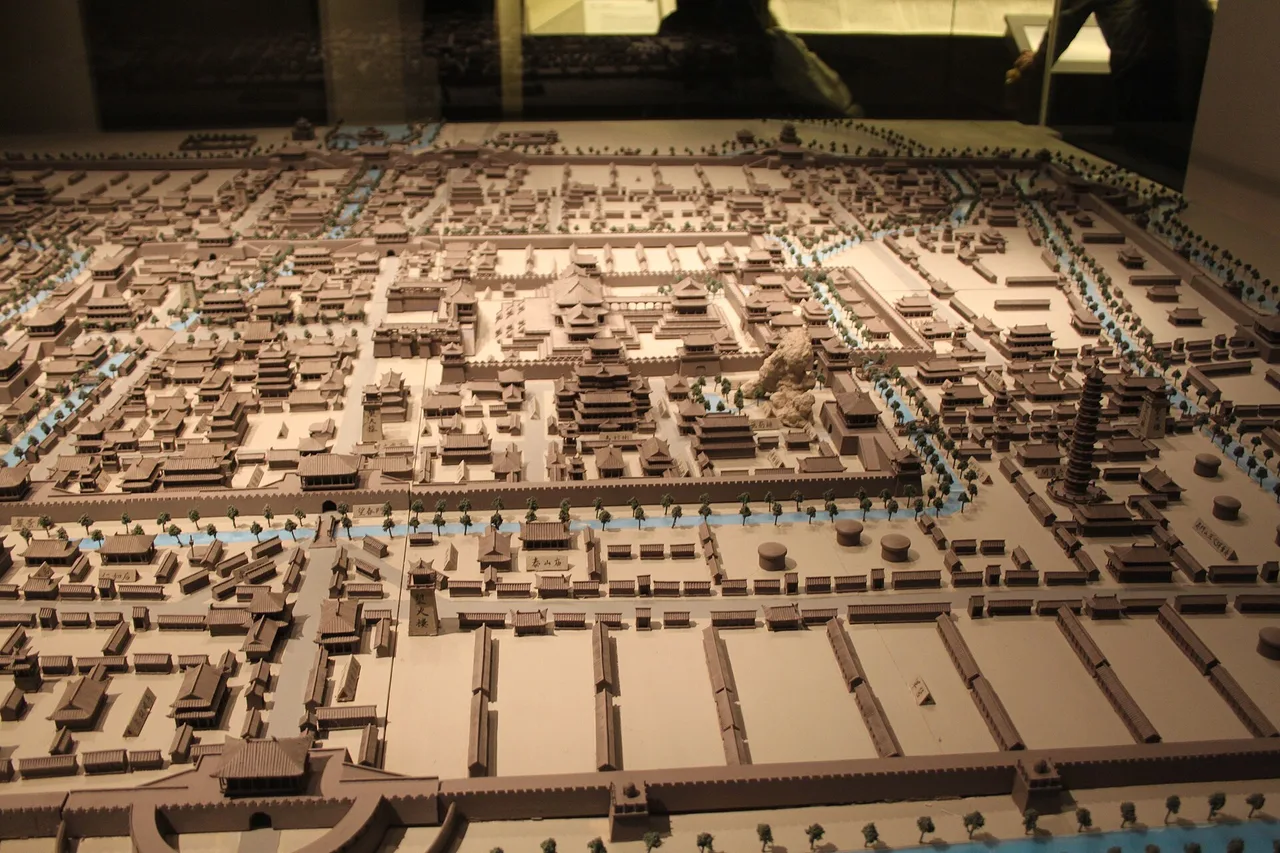
The 11th-Century Gastronomic Metropolis: Why Northern Song Kaifeng Pioneered Night Markets, Takeout, and Chilled Delicacies
Deconstructing foodways in Kaifeng around 1080 CE: thin-walled cast-iron woks, coal energy, 24-hour open street markets, hot-water takeout plates, and ice-cellar drinks.
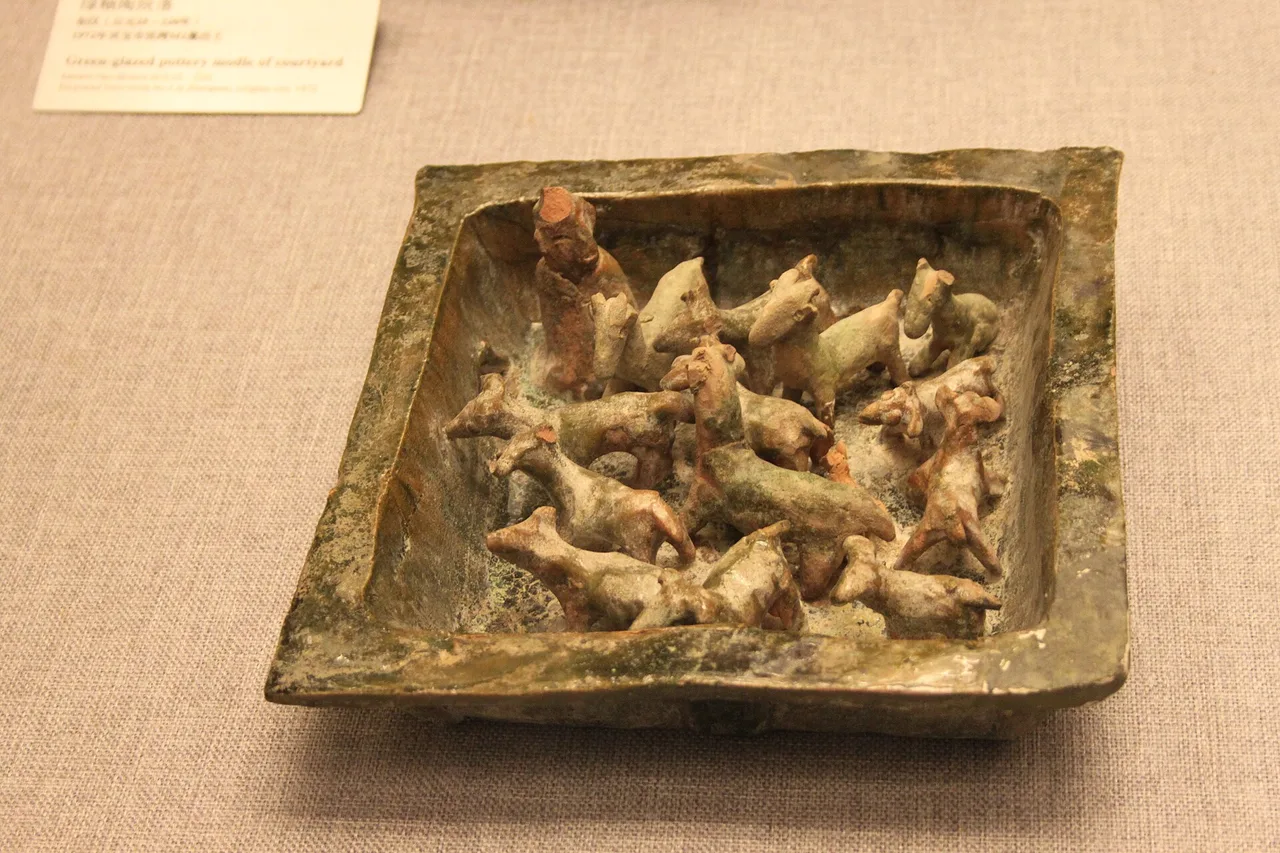 VOL. 05 · ART.070
Hygiene & Health
9 min read
Before Toilet Paper: Two Millennia of Latrine Hygiene from Emperors to Commoners in Ancient China
A material history of sanitation across imperial China, examining Western Han wooden latrine spatulas, Northern Dynasties paper taboos, Song straw paper markets, and Qing palace commodes.
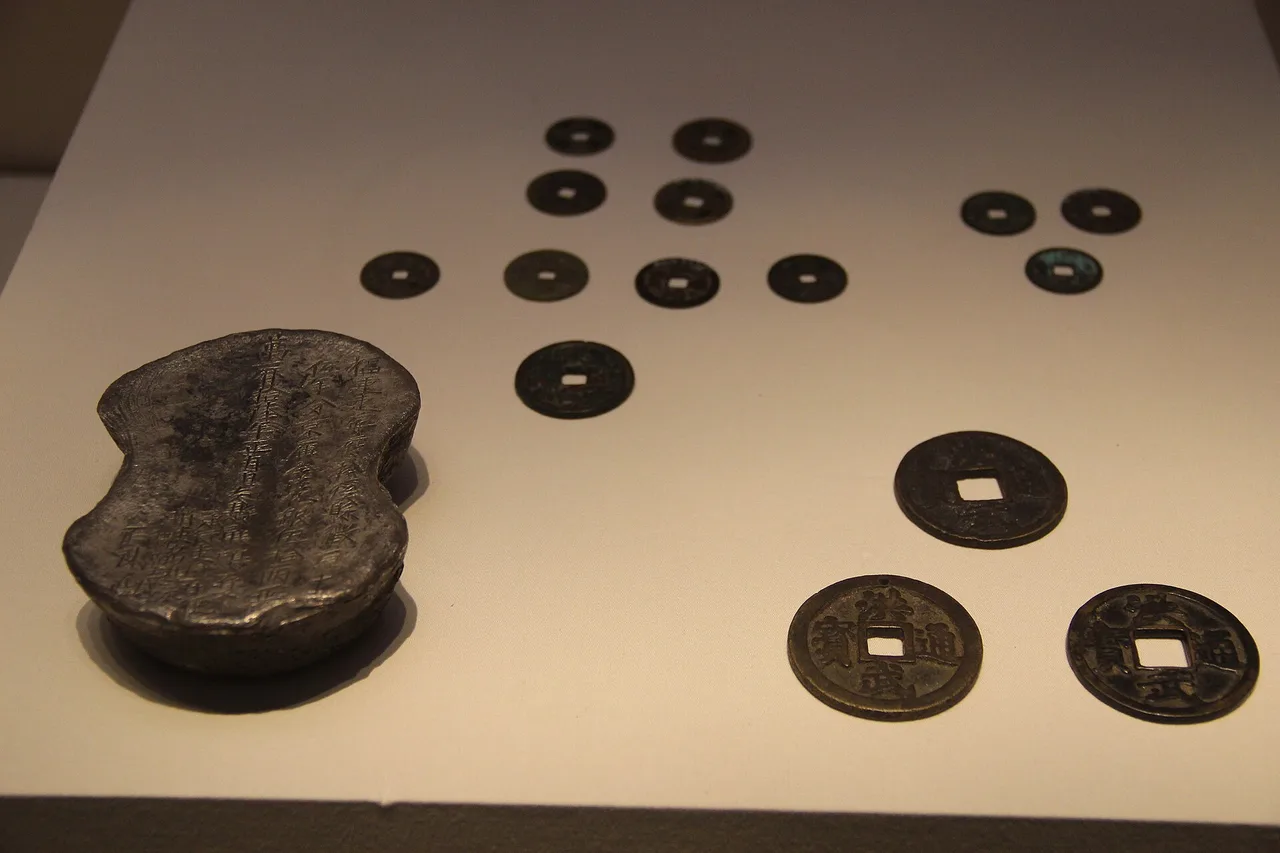 VOL. 06 · ART.071
Wages & Rent
11 min read
The Reality of Five Silver Taels: Wages, Purchasing Power, and Daily Budgets in Ming-Qing China
Drawing on imperial workshop account books and Jiangnan labor contracts, this investigation reconstructs the real income and daily budgets of masons, bailiffs, and soldiers from the late Ming through the Qianlong era.
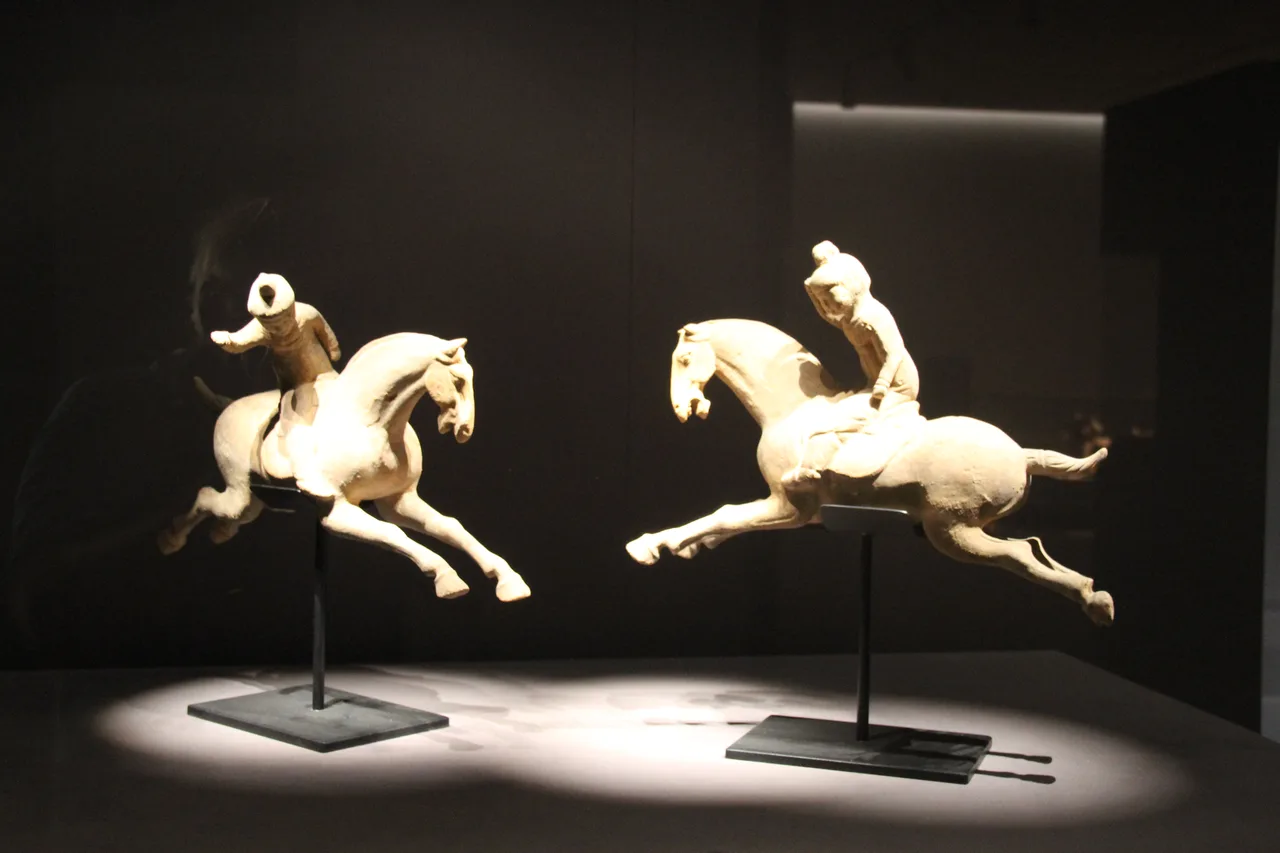 VOL. 07 · ART.073
Family, Law & Exams
12 min read
Did Ancient Chinese Women Truly Stay Behind Closed Doors? Property, Divorce, and Remarriage from the Tang to the Qing
Challenging the cloistered stereotype: How Tang and Song legal codes protected dowries, permitted no-fault divorce, and enabled urban mobility before Ming-Qing restrictions.
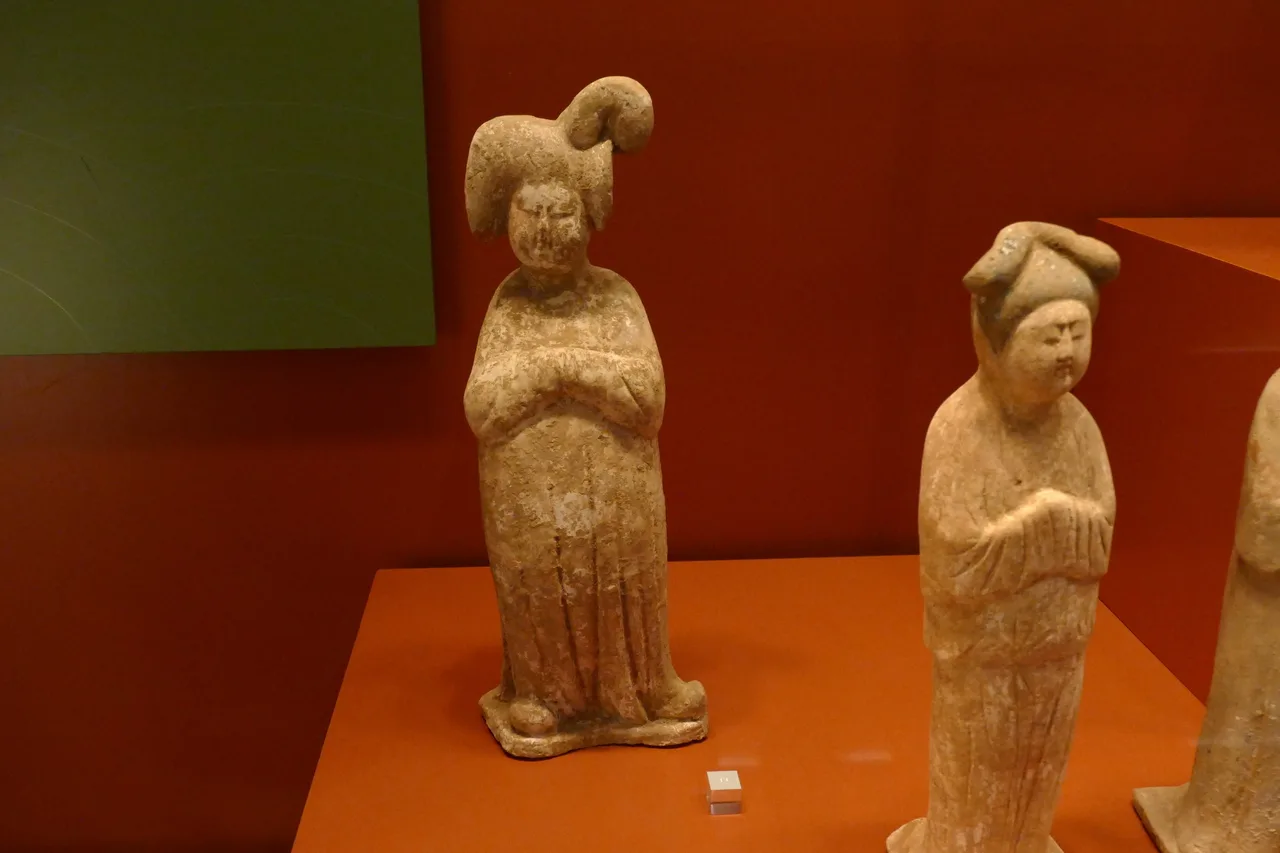 VOL. 08 · ART.074
Hygiene & Health
12 min read
White Lead and Vermilion Lips: Why Premodern Elites Stayed Addicted to Toxic Cosmetics
Explore why Eurasian elites from the Warring States to the Qing dynasty embraced toxic lead and mercury cosmetics despite clear warnings in classical medical texts.
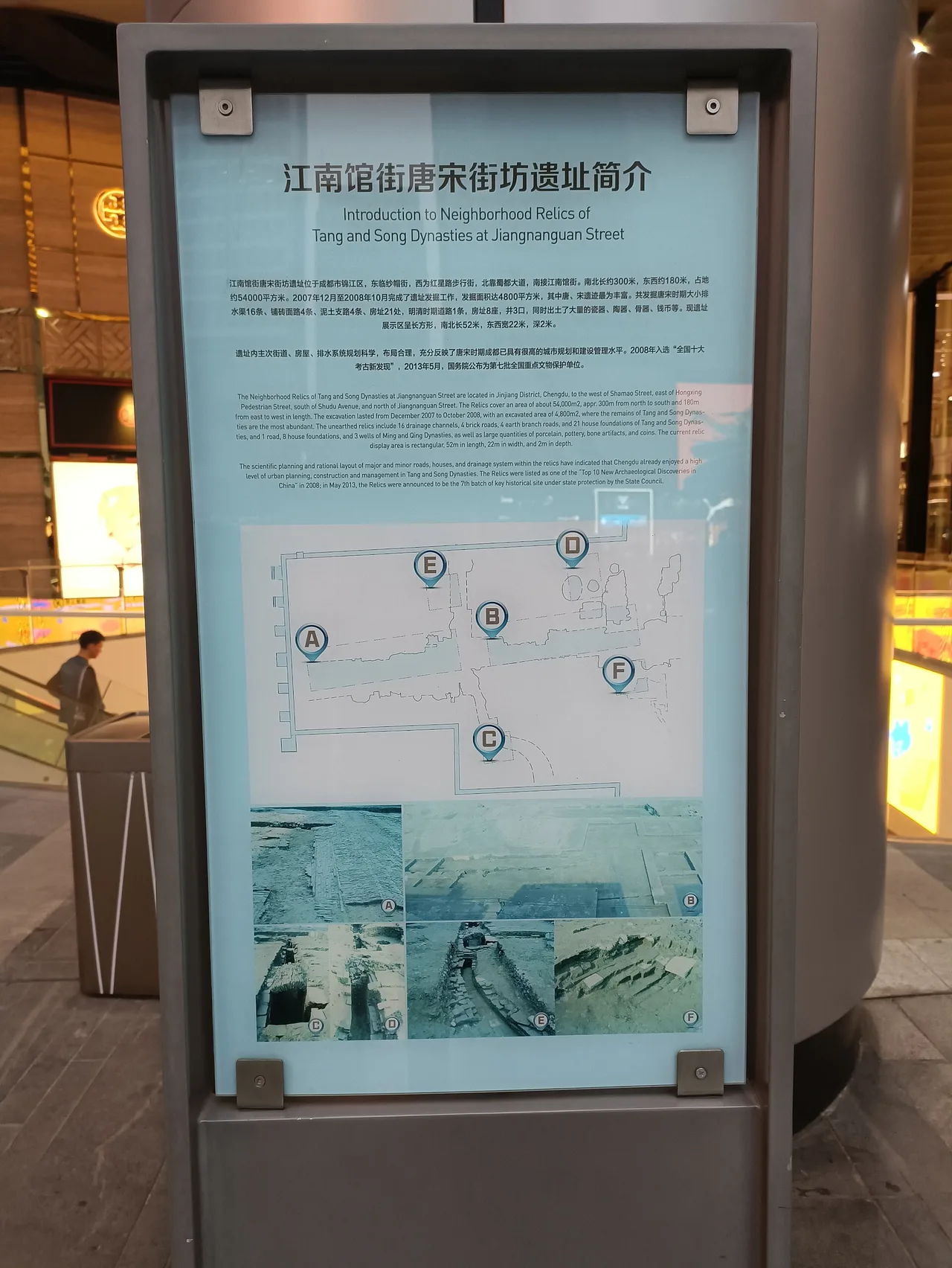 VOL. 09 · ART.075
Hygiene & Health
12 min read
Before Plastic and Fluoride: How Bristle Toothbrushes and Herbal Powders Became Urban Daily Life in the Song Dynasty
Reconstructing the morning hygiene rituals of Song townspeople, from bone-handled toothbrushes in Liao-Song tombs to street-vended brushes in Lin'an, examining the advances and limits of ancient dental care.
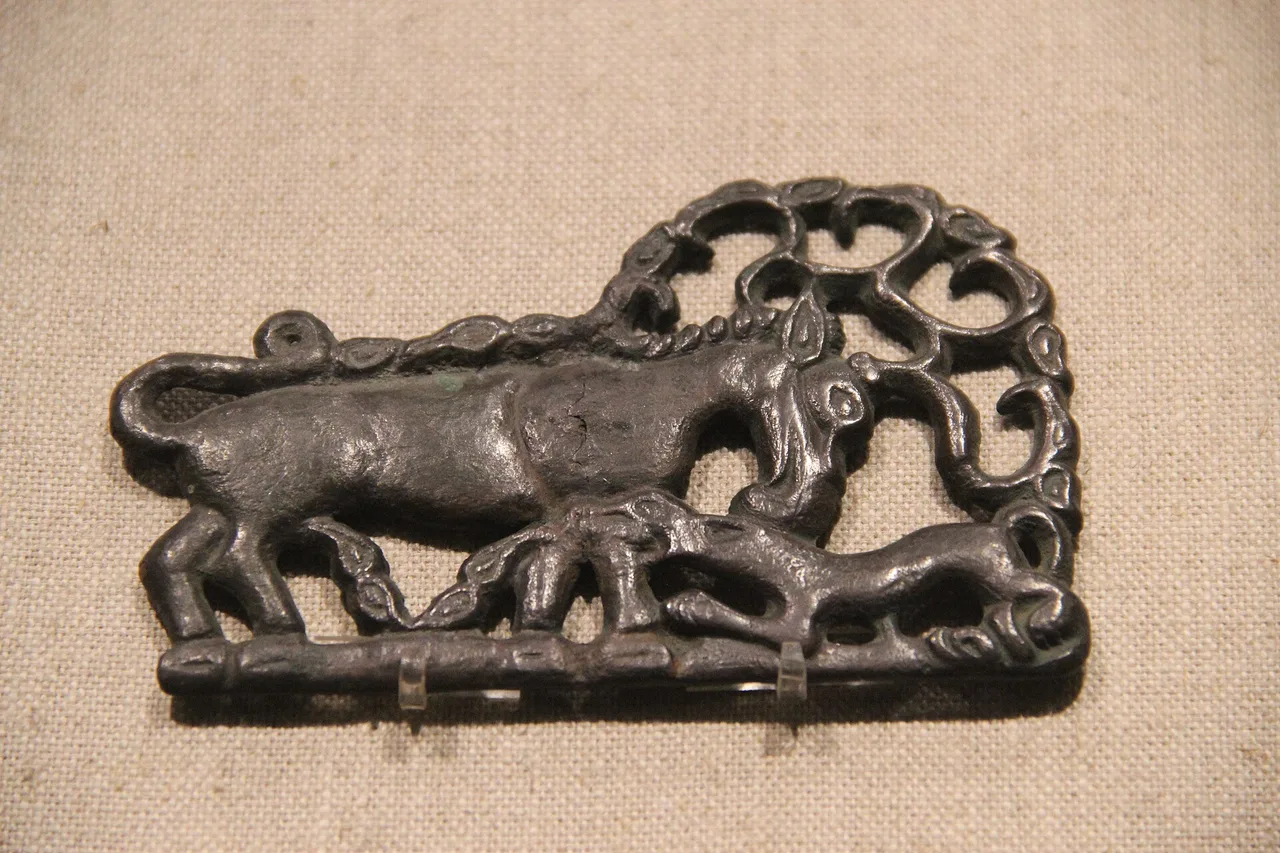 VOL. 10 · ART.076
Hygiene & Health
12 min read
Did Ancient Chinese Rarely Bathe? From Han Dynasty Bathing Leaves to Penny Public Bathhouses in Ming and Qing Cities
Reconstructing pre-modern Chinese hygiene: Han official bathing leaves, Tang herbal soaps, Song commercial bathhouses, and Ming-Qing communal baths.
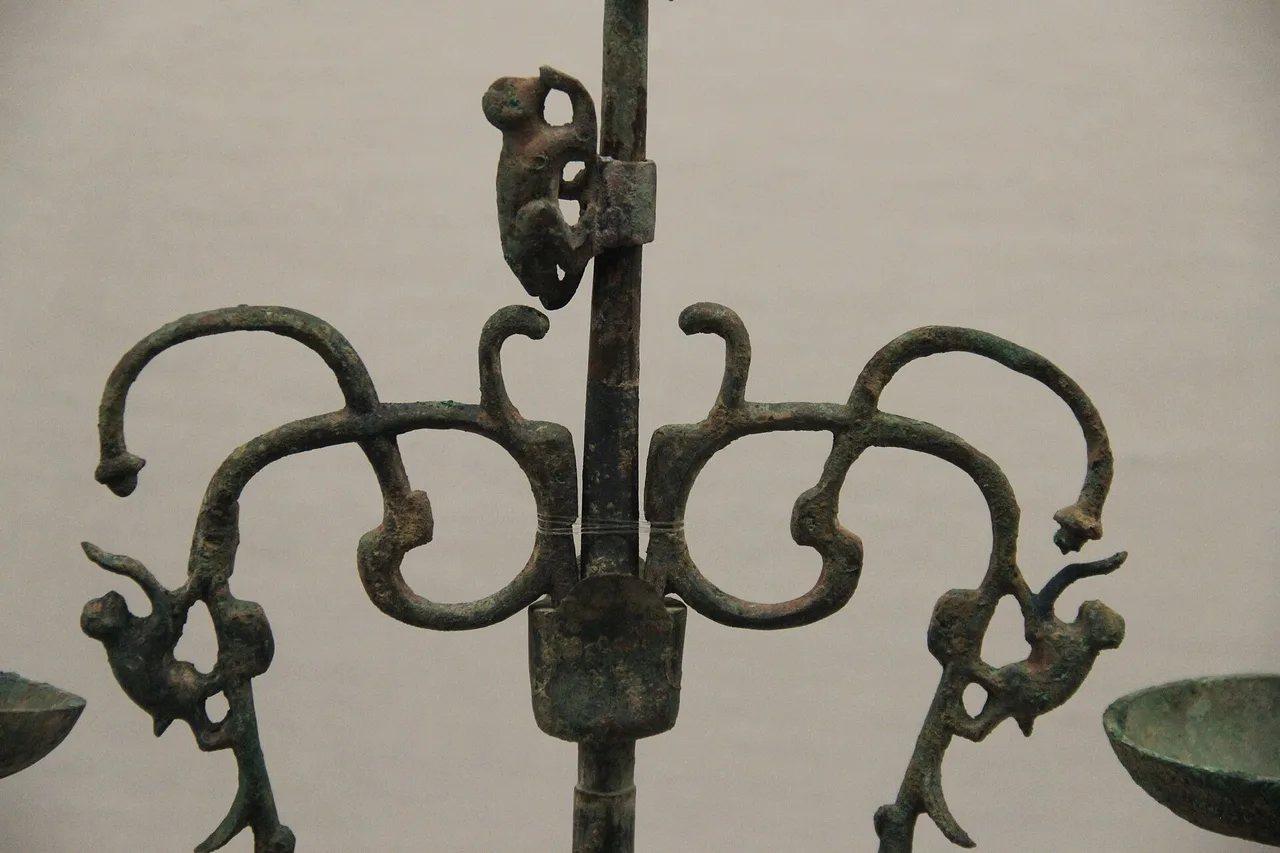 VOL. 11 · ART.077
Food & Markets
9 min read
Did Ancients Truly Burn the Midnight Oil Daily? The Real Economics of Candles, Lamp Oil, and Sundown Slumber
Based on Han bronze lamps from the Haihunhou tomb, Song Qionglai oil-saving lamps, and accounts in Miscellanies of the Old Scholar's Studio, this ledger breaks down the real cost of candles and lamp oil in pre-industrial China.
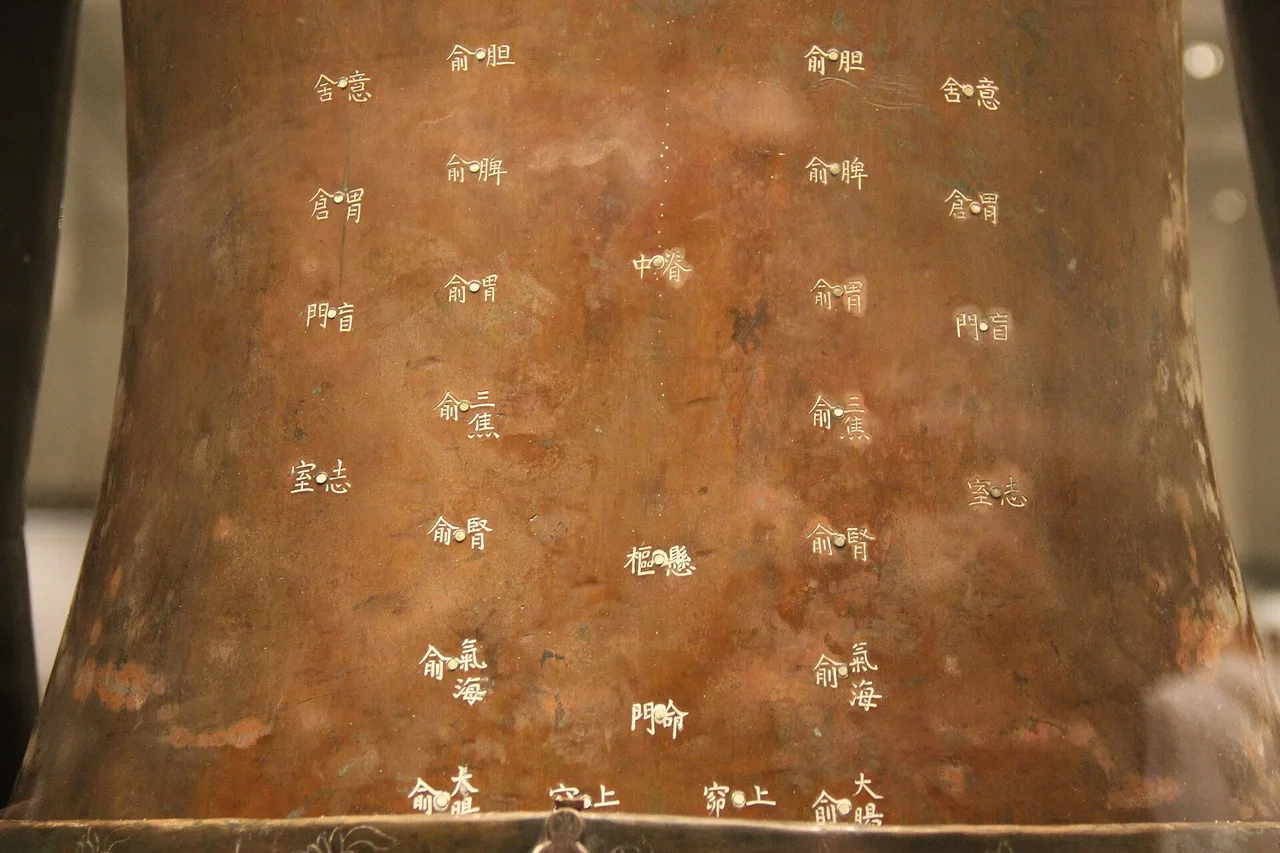 VOL. 12 · ART.078
Hygiene & Health
14 min read
Lethal Infections in Imperial China: Medical Emergencies Before Antibiotics
Reconstructs pre-antibiotic emergency medicine in imperial China. From imperial court helplessness against appendicitis and tetanus to daily hygiene survival costs, discover how pathogens tested human biological limits.
 VOL. 13 · ART.079
Travel & Passes
11 min read
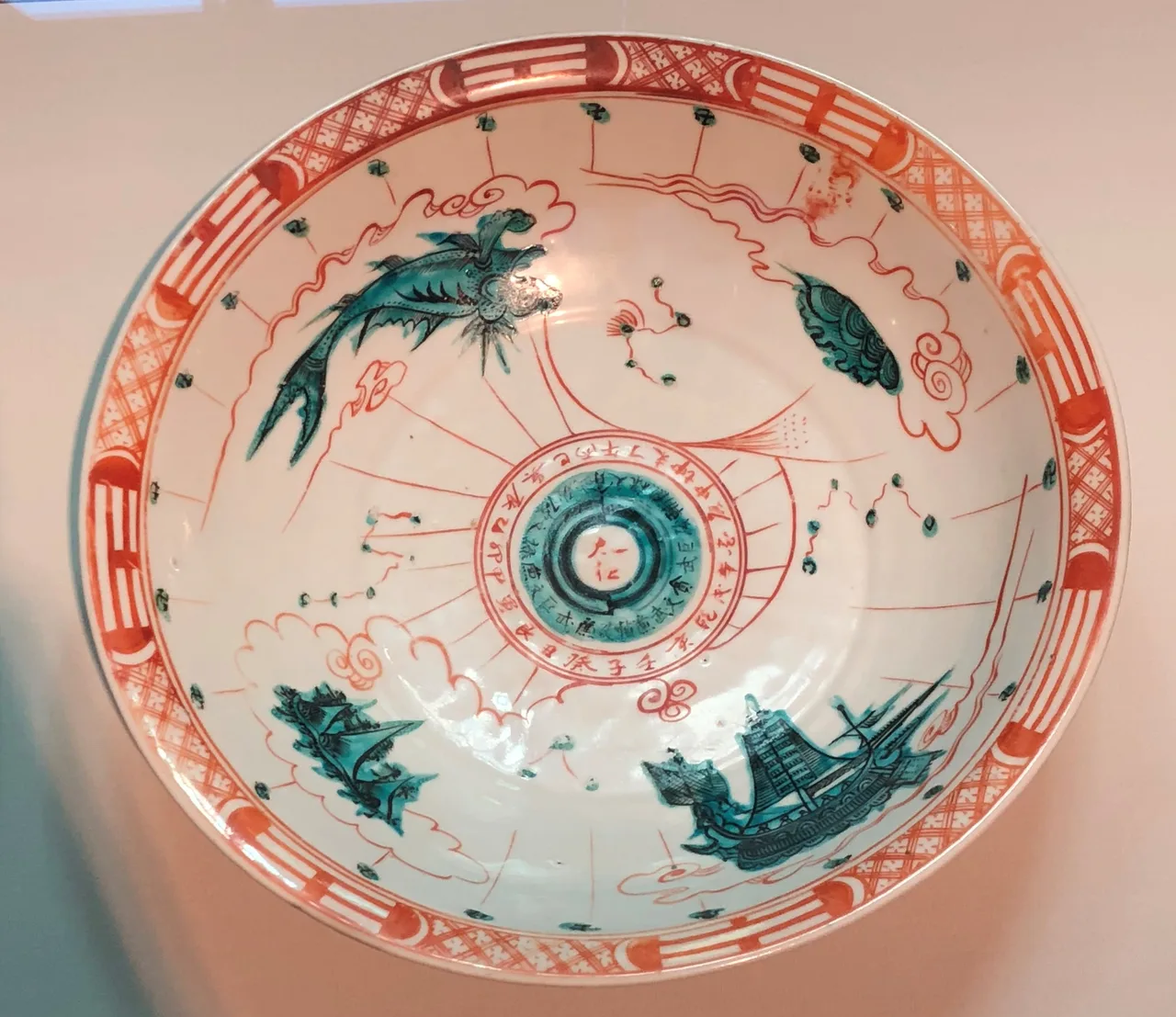
Navigation, Credit, and Survival: How Ancient Chinese Merchants Navigated Maritime and Overland Trade Routes
Examine how Tang to Qing dynasty merchants survived overland bandits and open-ocean crossings using route handbooks, encrypted bank drafts, watertight Song junks, water compasses, and bottom-hold bean sprouts to prevent scurvy.
 VOL. 14 · ART.080
Family, Law & Exams
9 min read
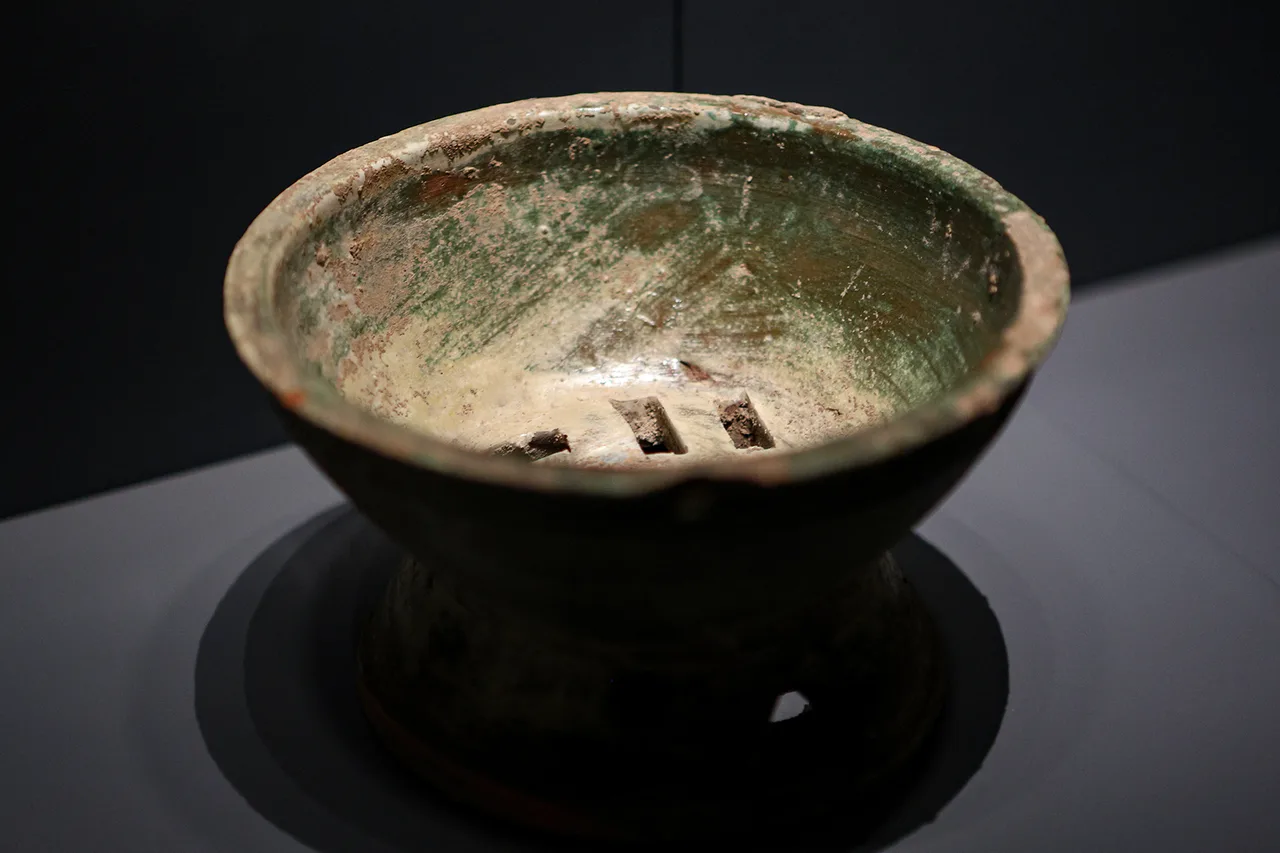
From Exorbitant Bride-Price to Ruinous Dowries: The Economic Reversal of Ancient Chinese Marriage Markets
An economic autopsy of ancient Chinese marriage markets, tracing the shift from medieval aristocratic bride-price monopolies to ruinous Song dowry inflation, alongside Renaissance Florence's public dowry fund.
 VOL. 15 · ART.081
Food & Markets
12 min read
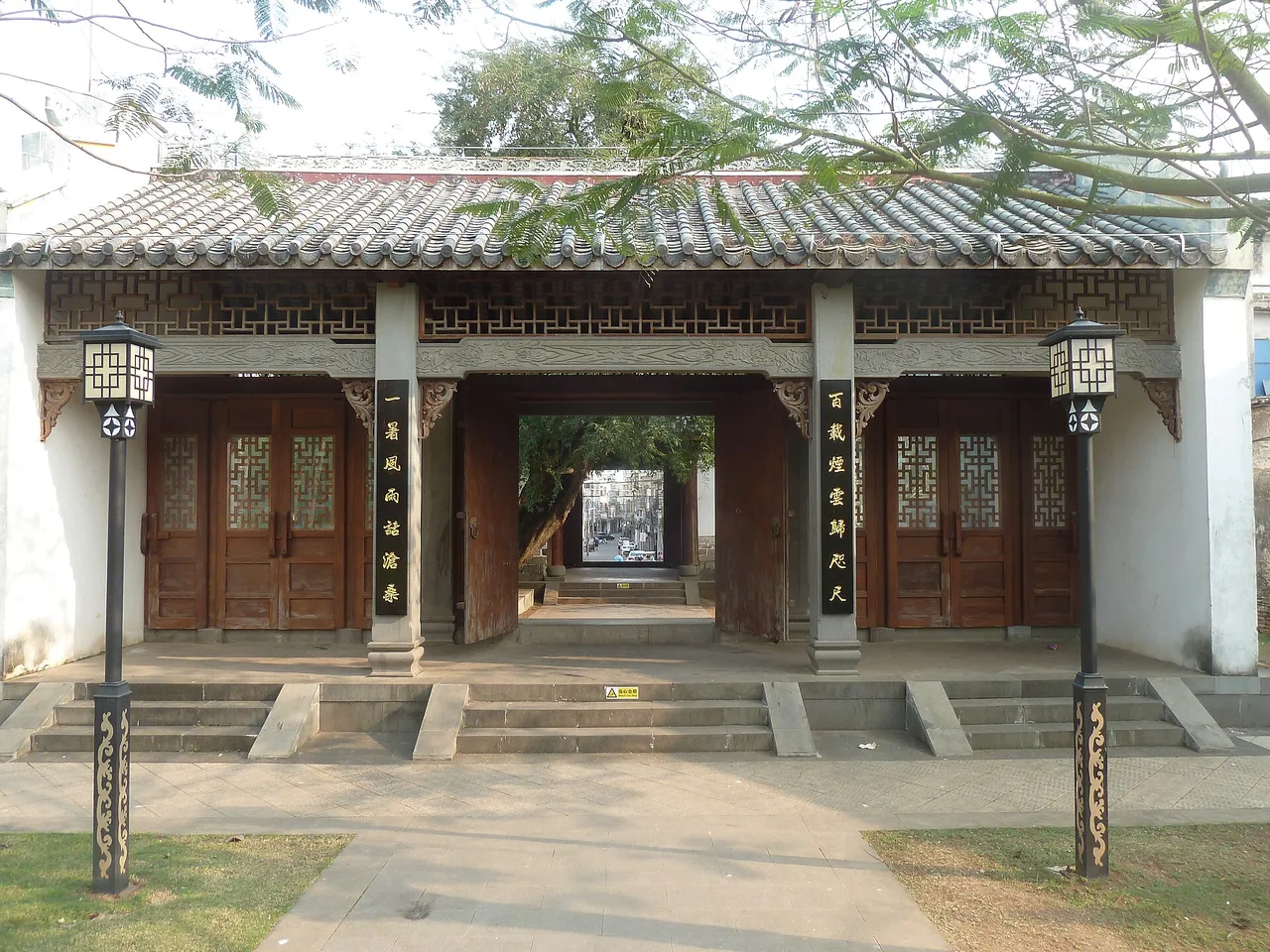
Surviving Minus Twenty and Forty Degrees: Thermal Engineering and Daily Life in Imperial China
How ancient China engineered survival across extreme climates: imperial hypocausts, mechanical cooling halls, ice cellars, and the daily household costs of winter and summer.
 VOL. 16 · ART.082
Family, Law & Exams
11 min read
Why Imperial Chinese Subjects Avoided Courts: The Economic and Corporal Toll of Ming-Qing Litigation
An economic and procedural breakdown of grassroots litigation in Ming and Qing China, examining licensed scribes, runner extortion fees, detention huts, and courtroom corporal punishment.
 VOL. 17 · ART.083
Travel & Passes
12 min read
Could '800-Li Urgent Courier' Really Deliver Fresh Lychees to Chang'an? The Physical Limits of Tang Imperial Logistics
Examine the physical speed limits of the Tang imperial postal-relay network, the relay mechanism, the Lychee Road, and how commoners communicated across dynasties.
 VOL. 18 · ART.084
Family, Law & Exams
12 min read
Survival Inside the Imperial Exam Cubicle: Nine Days and Seven Nights in Ming-Qing Examination Halls
A microhistorical survival guide to Ming-Qing civil service examination cubicles: reconstructing the cramped brick cells of the Jiangnan Examination Hall, nine days of living costs, strict searches, and the vermilion copyist pipeline.
VOL. 19 · ART.085
Food & Markets
11 min read
From Two Meals to Three: How Song Urban Commercialization Reshaped Chinese Dining Schedules
An economic and material breakdown of how ancient China shifted from two daily meals to three during the Song dynasty, driven by Champa rice, iron woks, and the fall of the urban curfew.
 VOL. 20 · ART.086
Food & Markets
10 min read
Zero Plastic and No Refrigeration: Food Packaging and Summer Preservation in Imperial China
Step into the bustling markets of Tang, Song, Ming, and Qing China to unpack plant-fiber packaging, domestic well-suspension cooling, commercial ice cellars, and biochemical preservation methods.
VOL. 21 · ART.087
Travel & Passes
12 min read
Flogged Twenty Lashes for Night Walking: Curfew in Tang Chang'an vs. Song Dynasty's All-Night Urban Market
A structural breakdown of the 108 enclosed wards in Tang Chang'an versus the 24-hour commercial boom of Northern Song Kaifeng, complete with Tang Code penal codes, fire-patrol reforms, and historical wage-to-supper price charts.
 VOL. 22 · ART.089
Travel & Passes
9 min read
Did Ancient Travelers Truly Face Constant Danger? Imperial Postal Relays, Commercial Inns, and Road Lodging Networks in Tang-Qing China
Explore lodging across the Tang, Song, Ming, and Qing dynasties, examining guest registers, broker guarantees, postal relays, and merchant survival tactics.
 VOL. 23 · ART.090
Food & Markets
10 min read
How Ancients Spent Leisure Without Electricity: Song Commercial Theaters, Board Games, and the Cricket Craze
Explore pre-industrial Chinese urban entertainment: from round-the-clock commercial theaters in Northern Song Kaifeng to the evolution of Madiao into Mahjong and speculative cricket markets.
 VOL. 24 · EMPERORS-ALARM-CLOCK-ANCIENT-CHINESE-TIMEKEEPING
Wages & Rent
7 min read
The Emperor's Alarm Clock: Standard Time, Sound Relays, and the Material Cost of Imperial Punctuality
Explore how ancient China built a synchronized timekeeping network using water clocks, bell towers, and incense alarms to enforce court punctuality.
 VOL. 25 · TANG-SONG-VS-MING-QING-HOLIDAYS-LEAVE
Wages & Rent
7 min read
From Leisure to Labor: The Vanishing Weekend in Imperial China
Trace the dramatic decline of paid leave and official holidays from the Tang and Song dynasties to the Ming and Qing eras.