Historical Context: Imperial China (8th–18th Century) · Bianjing & Beijing
01. Quick Overview & Spatial-Temporal Coordinates
- Epoch & Dynastic Range: 8th to 18th Century CE (Tang, Northern Song, Ming, and Qing Dynasties).
- Primary Geographies: Chang'an (Tang capital), Bianjing / Kaifeng (Song capital), and Beijing (Ming and Qing capital, extending from Tongzhou hubs to the Forbidden City and Old Summer Palace).
- Core Institutions: Directorate of Astronomy, Inner Court, Imperial Censorate, and Embroidered Uniform Guard.
- Key Figures & Observers: Su Song, Emperor Gaozong of Tang, Wang Yucheng, Emperor Taizu of Ming, and Yongle Emperor (Zhu Di).
- Technological Milestones: Stepped compensating clepsydra, incense-seal fire clocks with tripwires, and the 1088 Water-Powered Astronomical Clock Tower featuring mechanical escapement.
Long before electrical networks synchronized modern life, imperial China built a state-controlled timekeeping system spanning thousands of households. Operating from the central Directorate of Astronomy, multi-stage water clocks provided an official baseline that rippled across urban capitals via bell towers, night watchmen, incense alarms, and waiting halls. Arriving late to the predawn imperial audience carried consequences ranging from salary forfeiture to twenty lashes or fatal falls in the winter dark. Punctuality was an administrative discipline enforced by mechanical ingenuity, physical stamina, and criminal law.
In the cold wind of 1088, long before sunrise in Bianjing, chill air filled the streets. Outside the Directorate of Astronomy, Erudite scholars checked hot water moving through copper pipes. Across the city, thousands of court officials woke up in the dark. Their lives and jobs depended on reaching palace gates before daybreak. They used water clocks, burning incense powders, and loud city bells to stay on time.
02. The Physical Standard of Imperial Time: From Compensating Water Clocks to the Mechanical Clock Tower
In the ancient world, daily life needed a common clock. The Imperial Court gave out standard time as a sign of imperial rule. The Directorate of Astronomy served as the state time lab.
Sundials did not work at night or in cloudy weather. Because of this, night timekeeping relied on water clocks.
A simple water clock has a basic problem. As water drains out, water pressure drops. The stream slows down. It empties fast at first and slowly at the end. To fix this, engineers built water clocks with multiple tanks. By the Tang era, state shops made four-stage water clocks.
This clock placed four copper pots in a step-like stack:
- The Night Reservoir at the top
- The Day Reservoir
- The Leveling Vessel
- The Receiving Vessel at the base
Water poured through extra pipes from the upper pots. This kept the water level in the third pot steady at the rim. With steady pressure, water dripped at an even rate into the bottom pot. Inside the bottom pot, a marked rod floated on the water. As water rose, an Erudite read the night watch and hour from marks on the rod.
[Night Reservoir (Top Inflow Supply)]
       │ (Downward discharge)
       ▼
[Day Reservoir (Buffer Tank)] ───> [Excess volume drains via overflow channel]
       │
       ▼
[Leveling Vessel (Constant Head)] ───> [Liquid surface locked at overflow lip]
       │ (Uniform, zero-pressure-fluctuation drip)
       ▼
[Receiving Vessel (Metrological Core)] ───> [Graded rod floats upward at constant rate]
Cold weather caused other problems. Cold water flows slower than warm water. Freezing ice stopped clocks completely. Officials placed clocks inside thick stone rooms within the Inner Court. When hard freezes came, workers piped hot water around the copper pots. With good care, these clocks gained or lost under two minutes per day.
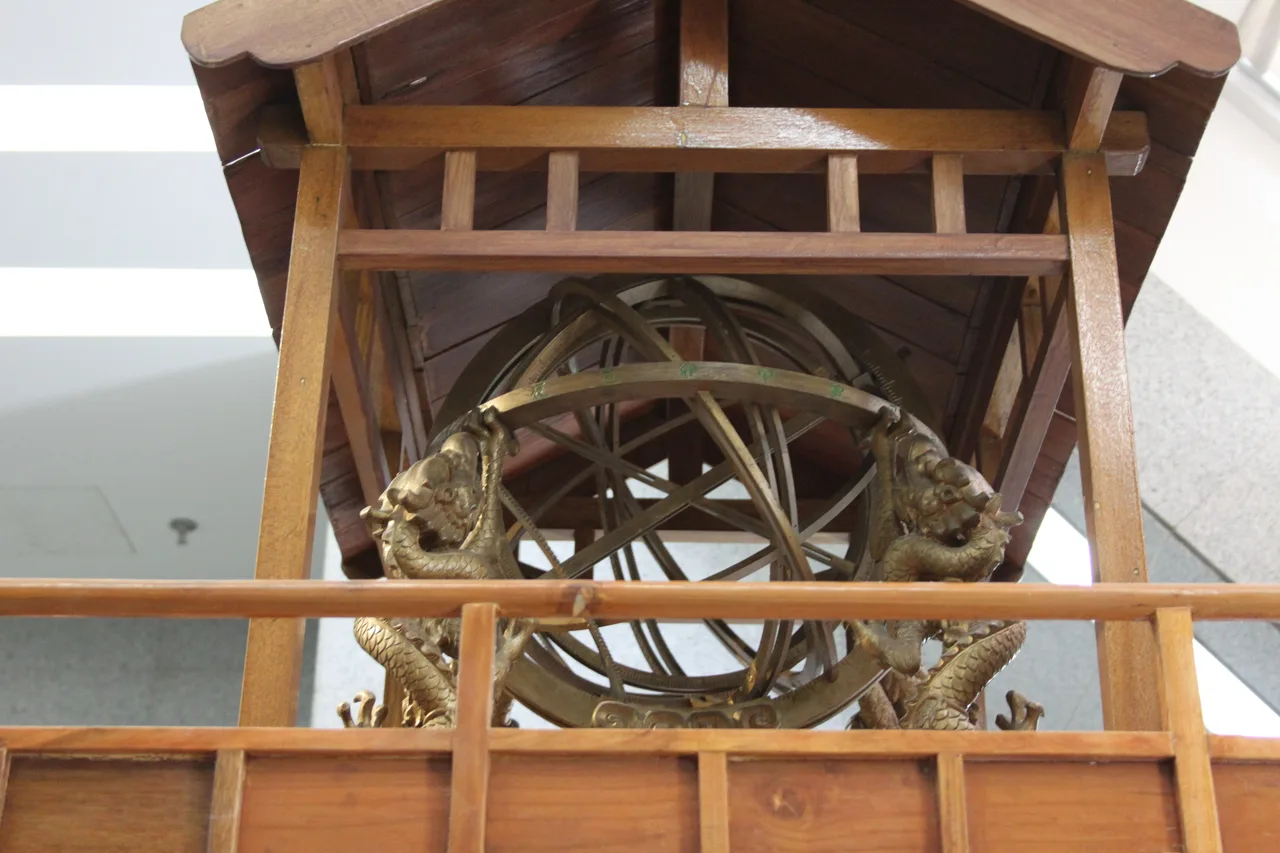
In 1088, Su Song built the Water-Powered Astronomical Clock Tower in Bianjing during the Northern Song. This tall tower combined star tracking with clock chimes. It used a water wheel and an escapement part called the celestial balance. Wooden figures beat drums, rang bells, and held time signs every hour. This turned smooth water flow into regular mechanical ticks long before similar clocks spread in Europe.
03. Sound Relays and Household Discipline: Gongs, Incense Coils, and Waiting Quarters
Standard time inside the Directorate of Astronomy had to reach sleeping officials across the city. The state shared time using bell towers, street guards, and small home timers.
Urban Acoustic Networks: Bell Towers and Night Watchmen
When palace guards marked the arrival of Wugeng, they beat large drums. Next, the Jiaolou Drum Tower and bell towers sounded across the city. Both Tang Chang'an and Northern Song Bianjing followed morning bell rules. The sound carried several miles in the early air.
Local watchmen heard the bells. They walked the streets, striking copper gongs and bamboo clappers. Roosters crowed as the city woke up. This chain of bells, clappers, and roosters acted as an alarm clock for every home.
Private Timers: The Dropping-Bead Incense Coil
When snow muffled street sounds, homes used fire clocks.
Song notebook literature, such as Miscellanies and the family rules of Jiazhi, described incense seals and coils. Scholars mixed wood powder, bark, and scent into firm coils. These coils burned at a steady rate, like one inch every two hours.
At night, an official pinned a silk thread across the coil at a set mark. He tied two bronze balls to the ends over a metal dish. When the slow fire reached the thread, it burned through. The metal balls fell into the dish with a loud bang. The noise woke up the official.
Spatial Shortcuts: The Hall of Waiting for Dawn and Morning Barracks
Bad roads and rain made travel slow. In Beijing, many lower officials lived far from the palace, some traveling all the way from suburban hubs near Tongzhou. Some took two hours by sedan chair to reach morning court.
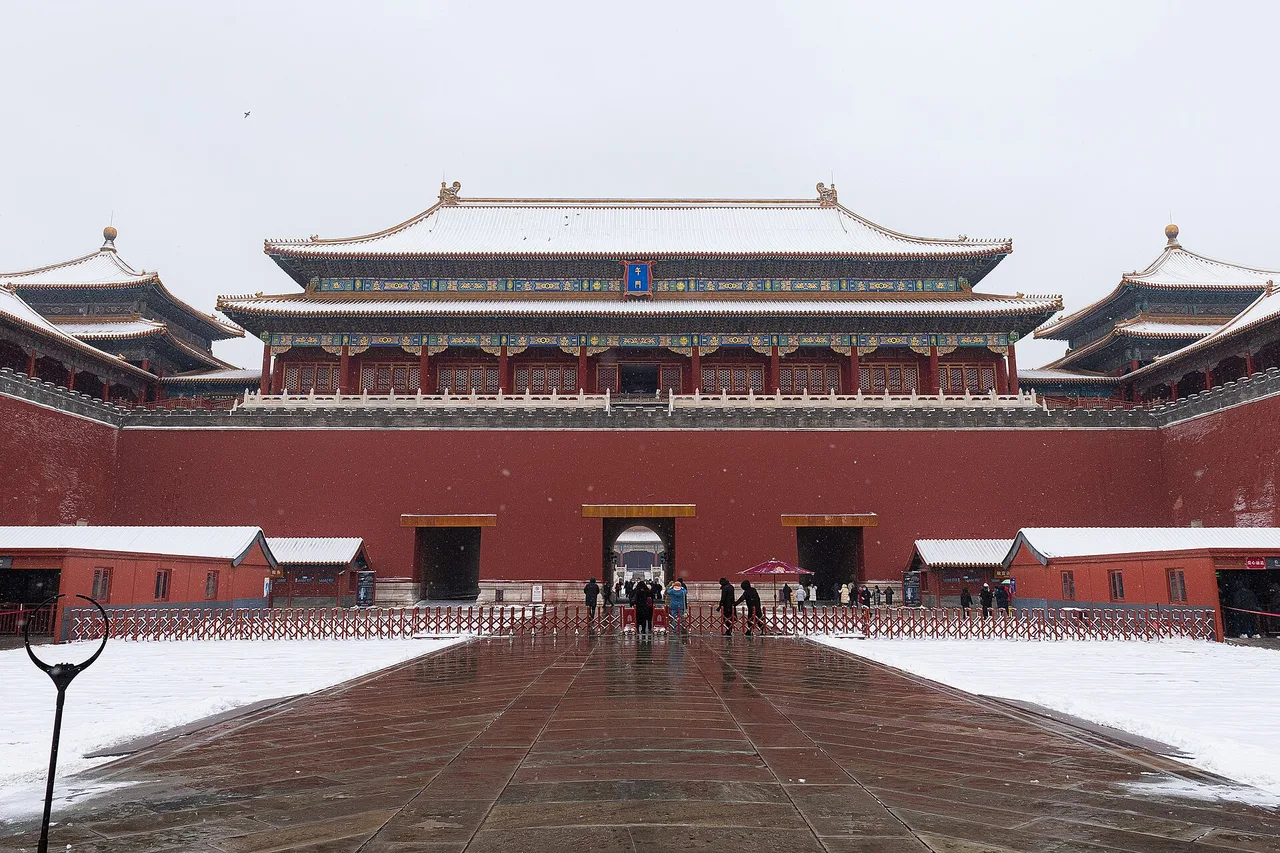
To avoid being late, officials stayed in waiting halls near the palace gates. In early Northern Song, Wang Yucheng wrote the Record of the Hall of Waiting for Dawn. His text showed a Grand Councilor waiting in the cold before daybreak outside Xuande Gate. During the Ming and Qing eras, ministers slept near the Forbidden City, where a Palace Eunuch monitored early morning movements. Many brought blankets and stoves into these rooms instead of going home.
Men slept in their robes by the fire. At midnight, when guards hit the bronze gong, they stood up, set their hats straight, and formed lines. Giving up a warm bed at home kept them safe from being late.
04. Dynastic Commute Costs and Attendance Penalties
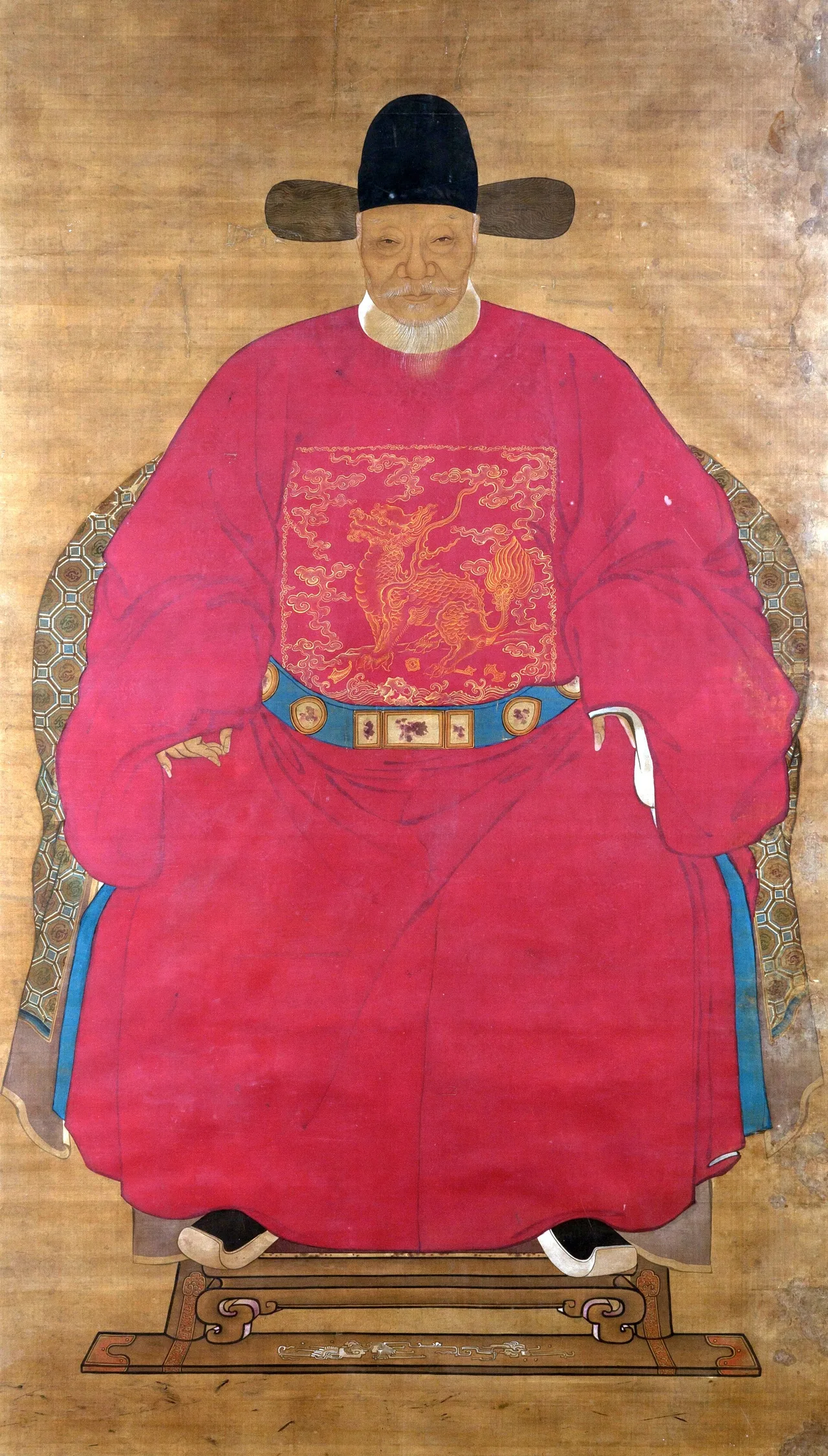
Officials took early attendance seriously because being late was treated as a crime against the Emperor. Censors checked names at the gate and punished anyone who missed roll call. Even a military Commandant or a civil Grand Master had to follow these strict rules.
| Dynasty | Primary Standard Clock | Typical Commute Route | Statutory Penalty for Lateness | Commute Equipment & Monthly Cost (Grain Equivalent) |
|---|---|---|---|---|
| Tang (8th c.) | Palace 4-stage clepsydra, city drum and bell towers | Qinren Ward to Daming Palace Danfeng Gate (~5–7 km) | 20 strokes of the light bamboo rod for 1 day; penal servitude for 3 days missed (Tang Code with Commentary) | 1 draft horse and groom: ~3 shi of millet per month (~1,200 copper coins) |
| Song (11th c.) | Water-Powered Astronomical Clock Tower, Directorate clepsydra | Outer Cao Gate residences to Xuande Gate (~4–6 km) | Salary dock, formal censor impeachment, demotion on civil service evaluations | 2-bearer covered sedan chair: 4–5 strings of copper cash per month (~4 shi of polished rice) |
| Ming (16th c.) | Datong Calendar clepsydra, Meridian Gate drum tower | Xuanwumen outer lanes to Meridian Gate (~5.5 km) | Citation for ritual impropriety, 20–30 blows of the heavy court stave, 6 months salary forfeiture | Hired mule cart or 2 porters: 2–3 taels of silver per month (~3–4 shi of rice) |
| Qing (18th c.) | Directorate wheel clocks, Forbidden City chime clocks | Chongwenmen outer markets to Old Summer Palace Hall of Zhengda Guangming (~20–25 km) | Forfeiture of double salary for 6–12 months, demotion, formal dismissal | Hired two-mule carriage over paved causeway: 8–10 taels of silver per month |
The Tang Code with Commentary set twenty blows with a light rod for missing one day of work. Three missed days led to one full year of forced labor. The rod caused deep cuts and broken skin, and repeat offenses brought exile.
Song rulers rarely beat civil scholars, but they used pay cuts and demotions. A Censor from the Imperial Censorate listed late arrivals in a book of errors. One late mark meant losing a month of pay and losing a chance at promotion.
Ming morning assemblies were very harsh under Emperor Taizu of Ming and Yongle Emperor (Zhu Di). In the Wanli era, old ministers walked near the palace moat in the dark. Some slipped on ice and fell into the water. When roll call revealed missing names, guards from the Embroidered Uniform Guard beat the late official with wood staves outside the gate.
05. Governance Through the Diurnal Cycle
A four o'clock court assembly was more than mere ceremony. In a large land with many regions, early morning court showed that the central government was hard at work.
Every step was part of one state clock. The Erudite staff at the Directorate of Astronomy watched water levels and water warmth. City guards walked through the cold streets with clappers. Burning incense dropped brass balls into metal dishes. Ministers slept in coats near palace gates. Without modern tools, ancient rulers linked water, fire, bells, and strict laws to keep the whole state on time.
When the heavy wooden palace gates opened at dawn, officials walked forward in step. Time was not left to chance; it was made and run by the state.
Primary Sources & Historical Bibliography
- **Tang Code with Commentary (Tanglv shuyi), Vol. 9, "Statutes on Official System":** Imperial legal rules set under Emperor Gaozong of Tang, listing statutory punishments for missing government court.
- **History of Song (Song shi), Vol. 68, Treatise 21, "Harmonics and Calendrics I":** Official historical sources on water clock care inside the Directorate of Astronomy and reforms by Su Song.
- *Su Song, New Treatise on the Astronomical Instruments (Xin yixiang faye), 1092 edition:* Technical book with diagrams of the Water-Powered Astronomical Clock Tower, celestial balance, and gear setups linked to an armillary sphere.
- *Wang Yucheng, Xiaochu ji, Vol. 6, "Record of the Hall of Waiting for Dawn" (Dailouyuan ji):* Early Northern Song prose work by Wang Yucheng describing a Grand Councilor waiting outside Xuande Gate.
- **Collected Statutes of the Ming Dynasty (Da Ming huidian), Vol. 228, "Censorial Discipline I":** Administrative rules on morning roll call and waiting room conduct outside the Forbidden City.