Historical Context: Across two millennia of imperial rule, official work calendars swung from generous seasonal furloughs to unrelenting bureaucratic surveillance.
Imperial officials in the Han, Tang, and Song dynasties enjoyed between 70 and 124 days of paid leave each year, resting every fifth or tenth day alongside month-long seasonal recesses. That centuries-old rhythm vanished in 1368 when the founder of the Ming dynasty abolished cyclical breaks, slicing annual leave down to a mere 18 days. What began as a humanist concession to ritual and family life became an instrument of autocracy, leaving clerks exhausted and common laborers bound entirely to the harvest clock.
01. Evolution of Dynastic Leave Systems and Working Conditions
Across dynastic transitions, the tightening and loosening of statutory rest revealed fundamentally divergent philosophies of state discipline.
| Dynasty and Key Legal Texts | Periodic Rest Days ("Weekends") | Major Festivals and Extended Paid Holidays | Special Annual and Personal Welfare Leave | Estimated Average Statutory Paid Days Off per Year | Actual Working Conditions of Commoners and Laborers |
|---|---|---|---|---|---|
| Han Dynasty<br>(Book of Han, Administrative Protocols of the Han) | Bathing Day Every Five Days<br>(Rest and wash on the sixth day after five days on duty) | Several days each for New Year and Winter Solstice; reduced dockets around Spring Equinox and Summer Solstice | Family visits and sick leave granted on a case-by-case basis by rank; no statutory harvest recess | Approx. 70–75 days | Regulated strictly by the 24 solar terms; state slaves and corvée laborers received zero statutory rest |
| Tang Dynasty<br>(Six Statutes of the Tang Dynasty, Statute on Leave and Rest) | Decennial Rest Every Ten Days<br>(Rest on the final day of each ten-day cycle; 36 days annually) | Seven-day breaks each for New Year and Winter Solstice; four days for Cold Food and Qingming; one to three days for Mid-Autumn, Summer Solstice, and imperial birthdays | Fifteen-day harvest leave in the fifth month; fifteen-day winter clothing leave in the ninth month; nine days for weddings; three days for capping rites | Approx. 95–115 days | Urban apprentices in market wards worked near-unbroken shifts; tenant farmers paused only for autumn shrine festivals and the Lantern Festival |
| Song dynasty<br>(Tiansheng Administrative Code, History of Song: "Treatise on Officialdom") | Decennial Rest Every Ten Days<br>(Followed the Tang system; 36 days annually) | Seven days each for New Year and Winter Solstice; seven days for Cold Food and Qingming; three to five days for Shangyuan Festival; additional Daoist feasts across the Tianqing era and Tiansheng era | Retained the fifteen-day harvest and clothing furloughs; added temporary closures for blizzards ("snow leave") and extreme summer floods | Approx. 110–124 days | Auxiliary military corps (xiangjun) labored year-round; commercial shop assistants rarely received time off beyond New Year's Eve and Shangyuan |
| Ming Dynasty<br>(Collected Statutes of the Ming Dynasty, History of Ming) | Abolition of Decennial Rest<br>(Terminated the millennium-old tradition of regular cycles) | Drastic reductions: originally five days for New Year, three for Winter Solstice, ten for Shangyuan; post-Yongle emperors regularly mandated duty during Shangyuan | Terminated harvest and clothing leaves; docked salaries for personal absences; imposed severe vetting on parental visit requests | Under 18–20 days | Textile weavers and artisans in state-run workshops faced strict output quotas, risking floggings for missing delivery deadlines |
| Qing dynasty<br>(Collected Statutes of the Great Qing, Classified Jottings of the Qing Era) | No Regular Periodic Rest<br>(Ministries maintained dawn audiences and daily rotations) | Annual Seal-Locking Holiday from the nineteenth day of the twelfth month to the nineteenth of the first month (approx. 30 days of suspended civil litigation) | No harvest recess; provincial appointees could request home visits after their triennial evaluation; Inner Court and Grand Council rotated on night shifts | Approx. 30–40 days (Formal seals stayed locked, but urgent dispatches required immediate resumption of duties) | Hired day-laborers and farmhands remained bound by yearly service contracts, returning home for only a few days when annual accounts settled |
02. The Institutional Reversal of 1368: Hongwu Restructuring and the Shrinking Calendar
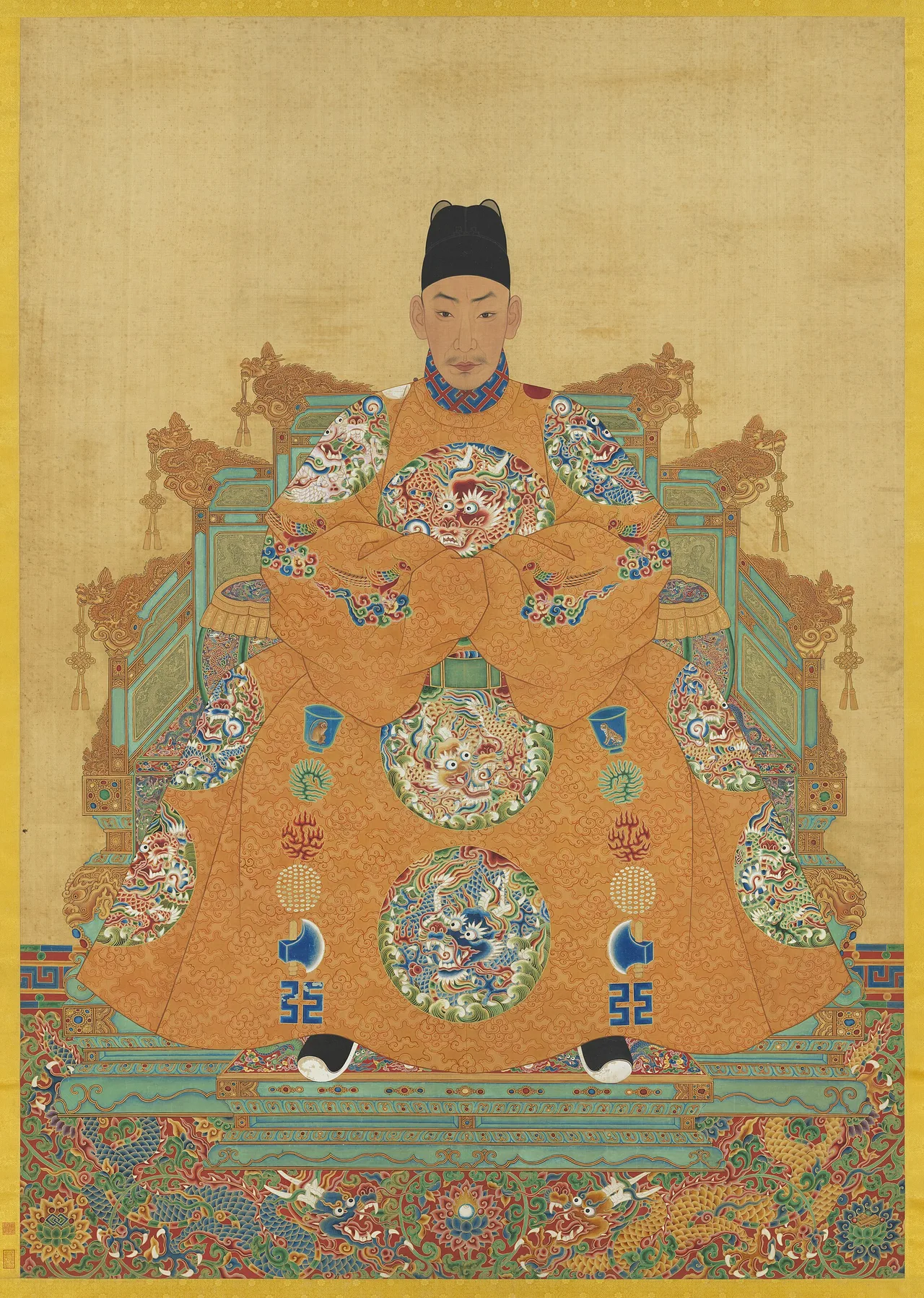
In the winter mist of 1368, the new capital of Nanjing woke not to holiday calm, but to the sharp tolling of morning bells. The long breaks known under Li Tang rule and the courts of Luoyang, Kaifeng, and Lin'an vanished fast. Emperor Taizu of Ming, born a commoner named Zhu Yuanzhang, knew hard field labor. He had great energy and did not trust court clerks. He saw the easy calendars of old times as state-paid laziness. He believed too much time off made past dynasties weak. Under his new appointment system, he ended the five-day and ten-day breaks that had set the beat of public life for more than a thousand years.
The Collected Statutes of the Ming Dynasty shows the lean schedule set down in the first year of his reign. The court allowed only five days for the New Year, three for the Winter Solstice, and ten for the Lantern Festival. That made a tiny sum of eighteen days off each year. The fifteen-day spring crop break and the autumn cloth-making break were wiped out. These leaves had long let scholar-officials go home to tend family fields. Emperor Taizu took up residence inside the Forbidden City. He held dawn audiences before sunrise and read memorials late into the night. He expected every Imperial Secretary and desk worker to copy his severe pace.
Depleted Stipends and the Bureaucratic Friction of Vanishing Leave
Calendar cuts did not hit officials alone. They struck right as pay rates fell across the early Ming court.
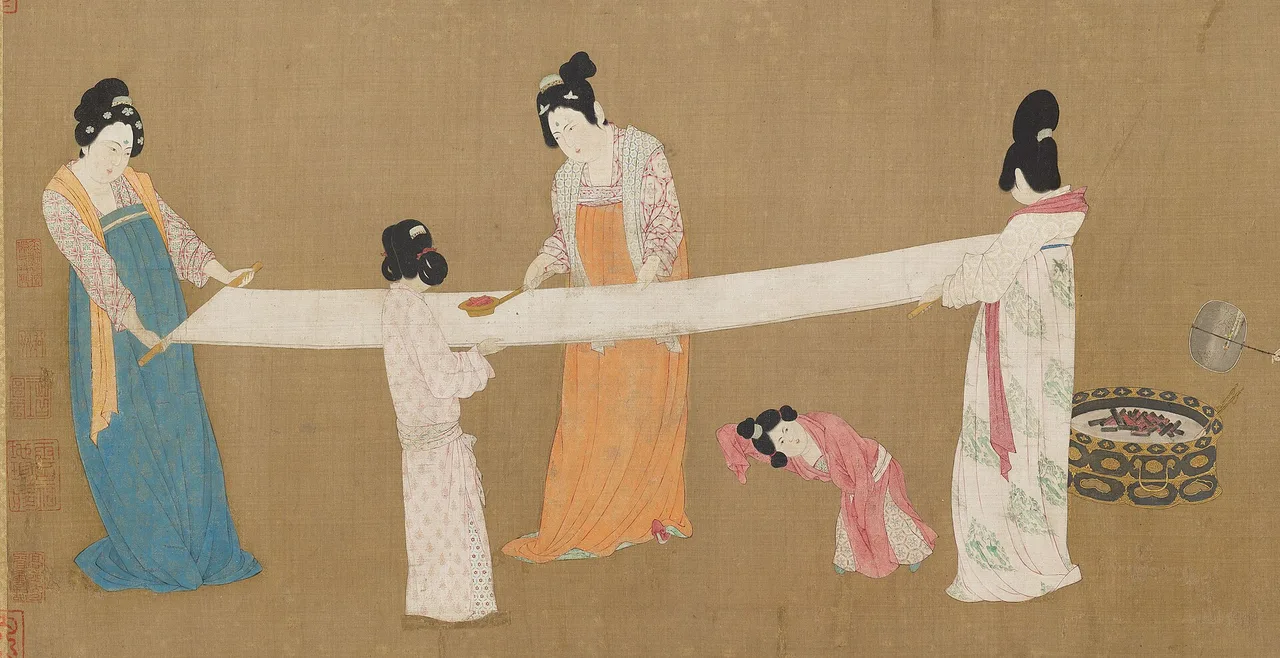
Under the Northern Song during the Yuanfeng era, a county magistrate held more than one hundred days of paid rest each year. He also took good grain shares from public office lands. Under Emperor Taizu, a magistrate of that same grade received only a small pile of unhusked grain each month. To make things worse, the court paid salaries in dye woods, black pepper, or weak paper money instead of real rice. At the same time, each local official paid out of his own pocket for tax shortfalls and court case costs.
Without regular rest days, local officials sent in fake health papers or asked for leave to nurse aging parents. The throne hit back by passing harsh laws to fine and punish false health claims. What had once stood as a royal gift turned into a daily cat-and-mouse game between tired magistrates and angry rulers.
The Autocratic Shift in Administrative Routine
The rise of strong throne power changed daily office work from a proud civic job into constant watchfulness. When the early Ming swept away the post of prime minister, all state letters went straight to the desk of the emperor. Later rulers set up the Grand Secretariat to help with the heavy paper flow, but the long work hours never changed.
Desk clerks stood through cold morning roll calls before sunrise under the watchful eyes of palace censors. Missing an audience because of late sleep or a brief cold brought public beatings or fast loss of rank. Daily work no longer moved with the easy turns of the Calendar System or season-long study trips. Instead, it became a hard test of pure body grit, demanding total obedience to the throne.
03. Cross-Civilization Parallels: Roman Holidays, the Church Calendar, and Pre-Modern Discipline
The broad breaks of the Tang and Northern Song show strong links with other ancient and medieval empires.
In imperial Rome, public holidays (Feriae publicae) and city games (Ludi) filled the civic year. Books like Ovid's Fasti and surviving stone calendars show that the empire had over 130 feast and win days by the second century. Roman judges shut down court halls during these feasts, halting legal work while citizens met for temple rites and chariot races. Yet these Roman events worked mostly as bread and circuses to calm crowds and build civic pride. Tang and Song rules, in contrast, aimed at family duty, ancestor rites, and internal staff care inside the government halls.
Medieval Europe built its own dense work calendar around parish churches and field manors. Church law made all men stop field work on Sundays. Feasts like Epiphany, Easter, Pentecost, and dozens of saints' days paused hard labor for up to one hundred days each year. Later, early modern states and merchant workshops broke down this ancient rhythm.
The sharp calendar cuts in early Ming China ran side by side with the strict work rules of early modern European shops. Both systems cut down personal rest to squeeze the most labor out of the population for the state.
[Comparative Administrative and Labor Cycles Across Imperial Systems]

High Roman Empire (2nd Century CE)
[=========== 130+ Days Public Holidays & Games (No Courts) ===========] [====== 235 Days Standard Dockets ======]

Northern Song: Xining to Yuanfeng Eras (1070s-1080s CE)
[==== 36 Days Ten-Day Cycles ====] [== 14 Days Major Feasts ==] [== 30 Days Harvest/Clothing ==] [== 25 Days Minor Feasts ==] [=== 260 Days Active Governance ===]

Ming Dynasty: Hongwu to Yongle Eras (1368-1420s CE)
[= 18 Days =] [============================== 347 Days Continuous Administrative Labor ==============================]
Contrast of Elite Rank Privileges and State Clansman Status
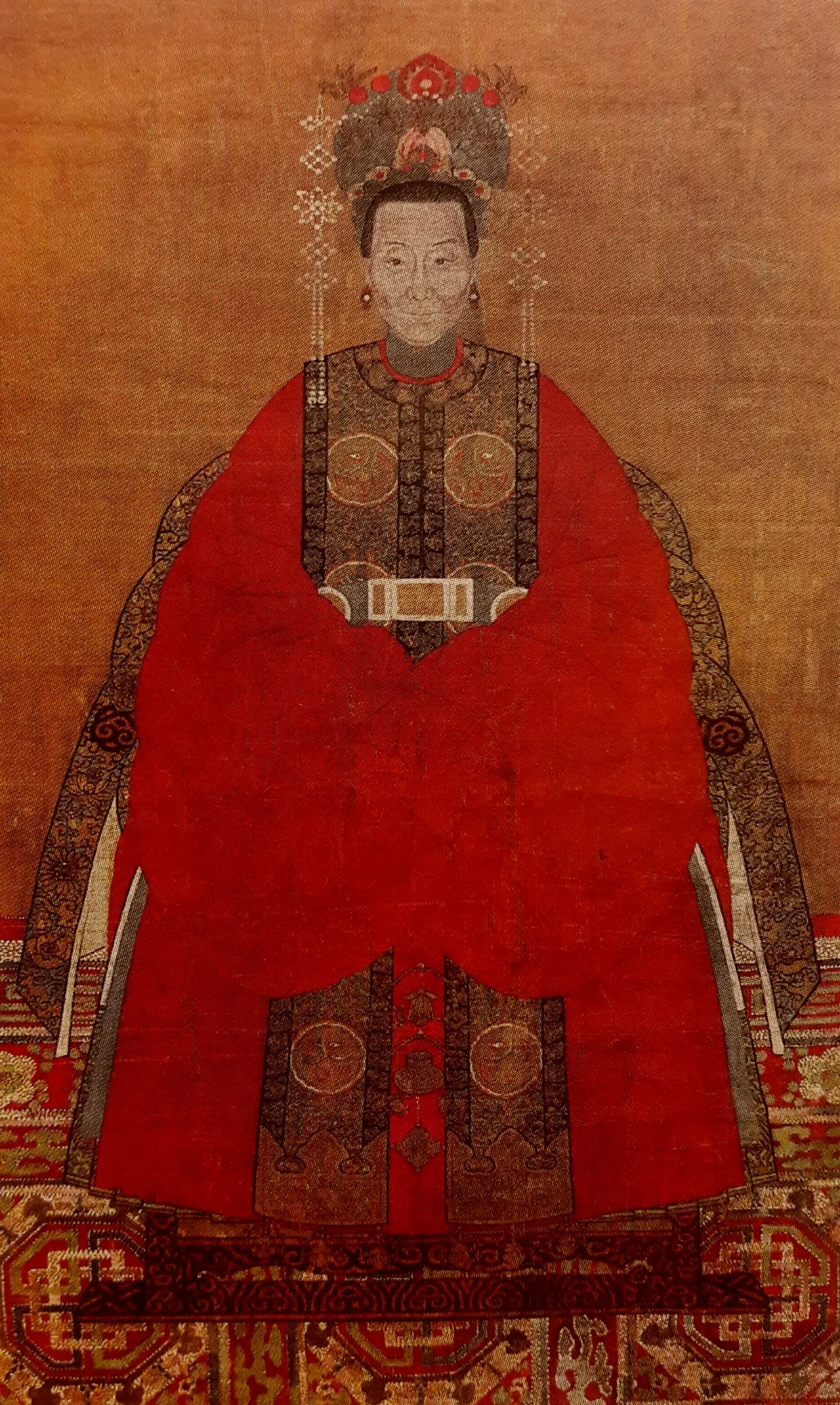
Beyond standard civil posts, imperial states carved out special rules for royal kin and high military lords. In the Tang and Song, royal family members and high court heads took long leaves from court meetings. Similar customs appeared in northern border states like the Western Xia, where senior war leaders with titles like Ningling held great personal freedom. In Qing times, a titled State Clansman kept separate legal courts and private family pay that shielded him from common duty lists. For ordinary county clerks, however, that kind of freedom remained completely out of reach.
04. The Real Class Divide Behind the Statutes: Who Actually Rested?
Whether looking at the nine-day wedding furloughs in the Tang Statute on Leave and Rest or the court meals of the Song Tianqing era, lawful time off stayed behind a high class wall.
The rights written into the Six Statutes of the Tang Dynasty and Southern Song handbooks applied only to titled rulers, desk scribes, and students enrolled in the Directorate of Education or the Imperial University. Hired laborers, cooks, and low-rank runners who swept the stone floors worked straight through every public break. While court heads rode out to city gardens on their rest days, gate guards kept watch over records and fed the post horses.
In country villages where most families lived, people lived by the turn of the soil rather than laws from the court. Crackers on New Year's Eve, food plates at Qingming, and rice wine shared at the autumn earth shrine were their only true pauses from heavy field work. Pressed by grain taxes in both summer and autumn, farm workers could never treat the fifth and ninth months as free time. What meant paid family trips for a city clerk meant back-breaking wheat cutting and midnight cloth work under oil lamps for poor tenant homes.
The long path of ancient rest opens a clear window into the institutional history of the Chinese state. Far from a single flat rule, statutory leave was an ongoing test between ritual care and royal power. The state's yardstick of free time touched only a tiny ruling elite, while shop smiths in the street and farmers on hill terraces kept their tools moving through rain and shine, no matter who held the throne.
Primary Sources & Historical Bibliography
- Standard Dynastic Histories:
- Ban Gu, Book of Han, Vol. 46, "Biographies of Wan Shi, Wei Wan, and Zhi Buyi" (Beijing: Zhonghua Book Company).
- Li Linfu et al., Six Statutes of the Tang Dynasty, Vol. 6, "Ministry of Justice: Director of the Transit Authorization Bureau" (Beijing: Zhonghua Book Company).
- Toqto'a et al., History of Song, Vol. 162, "Treatise on Officialdom, Part Two" (Beijing: Zhonghua Book Company).
- Zhang Tingyu et al., History of Ming, Vol. 72, "Treatise on Officialdom, Part One" (Beijing: Zhonghua Book Company).
- Legal Compendia, Excavated Manuscripts, and Modern Studies:
- Tianyi Pavilion Museum, ed., Collation and Verification of the Ming Manuscript Copy of the Tiansheng Administrative Code Preserved in Tianyi Pavilion (including reconstruction research on the Kaiyuan 25th Year Statute on Leave and Rest), Beijing: Zhonghua Book Company, 2006.
- Dai Jianguo, Law and Society During the Tang-Song Transformation, Shanghai: Shanghai Chinese Classics Publishing House, 2010.
- Ge Zhaoguang, An Intellectual History of China, Vol. 2 (examining the inclusion of medieval Daoist and Buddhist festivals into the official state calendar), Shanghai: Fudan University Press, 2001.
- Mary Beard, J. A. North, and S. R. F. Price, Religions of Rome: Volume 1, A History, Cambridge University Press, 1998 (addressing the legal framework and civic work stoppages of Roman Feriae).